
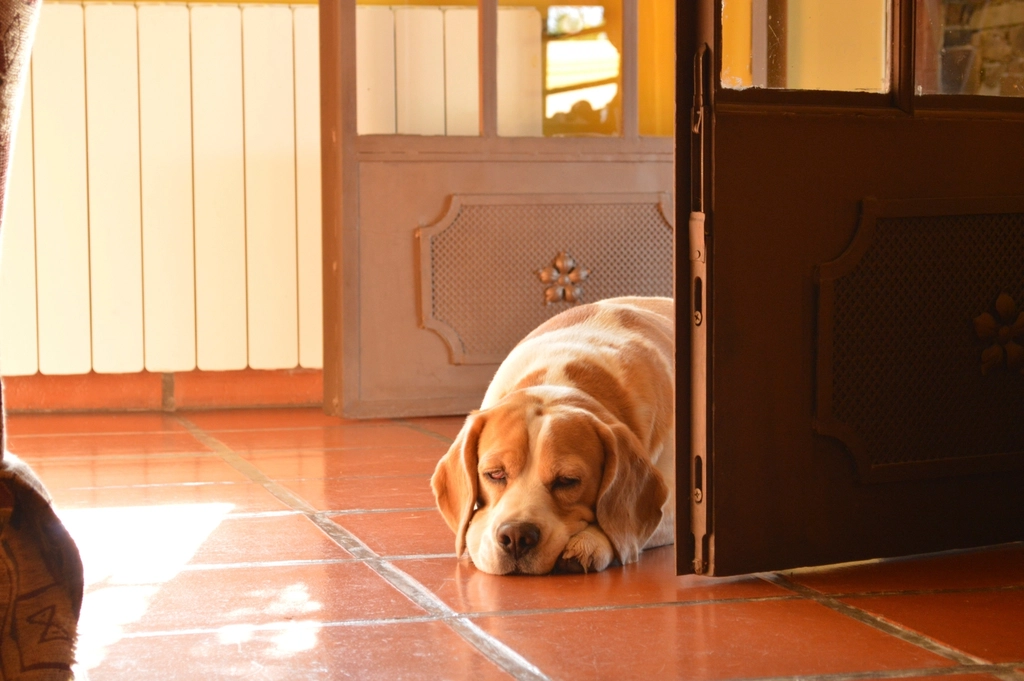
You swear you just thought about leaving the house, and suddenly your dog is standing at the door, tail going like a helicopter. No keys jingling, no shoes on, no obvious signal at all – yet there they are, waiting, almost like they read your mind.
For years people have blamed this on super hearing, as if dogs are simply picking up faint sounds we miss. But that explanation falls apart once you look closer. What is really going on is far more fascinating, a mix of subtle science, emotion, and the strange ways dogs tune into our lives. And once you understand it, you’ll never look at that door dash the same way again.
Your Dog Is Reading Your Routine, Not Your Keys
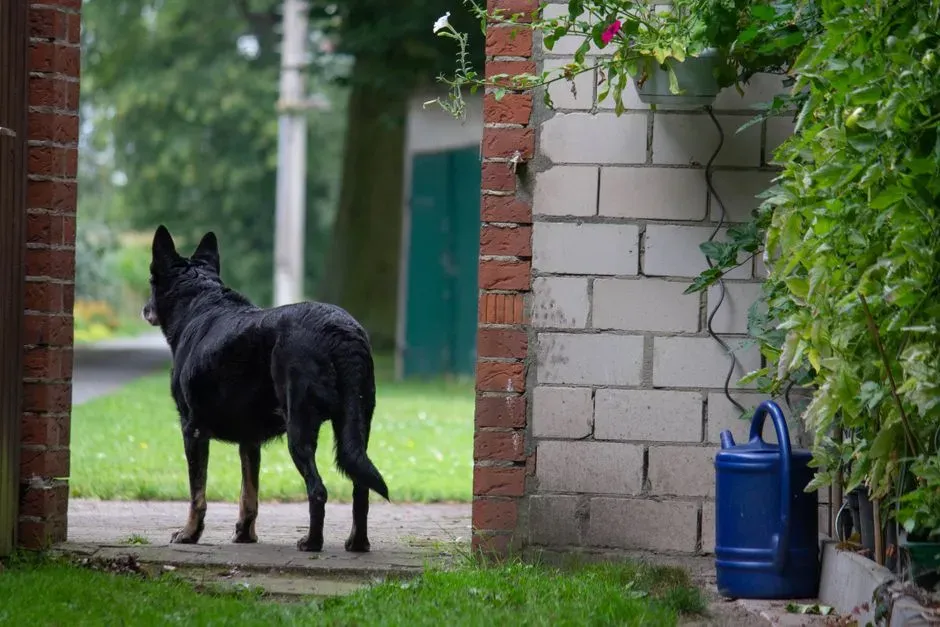
The surprising truth is that your dog almost never needs the sound of keys to know you are about to leave. They are watching the tiny rituals that happen before every departure: the way you shut your laptop, the specific route you walk around the house, even how your body posture changes as your mind switches into “going out” mode. To you, it just feels like you are getting ready; to them, it is a crystal-clear pattern.
Dogs are pattern detectives. Live with them for long enough and you basically become a TV show they have watched a thousand times. They learn that when you stand up in a certain way, grab a specific bag, or even glance at the clock, it always ends with you at the door. After enough repetitions, they skip ahead in the episode and run to the last scene – the doorway – before you have consciously registered what you are doing.
They Smell Your Intentions Before You Move
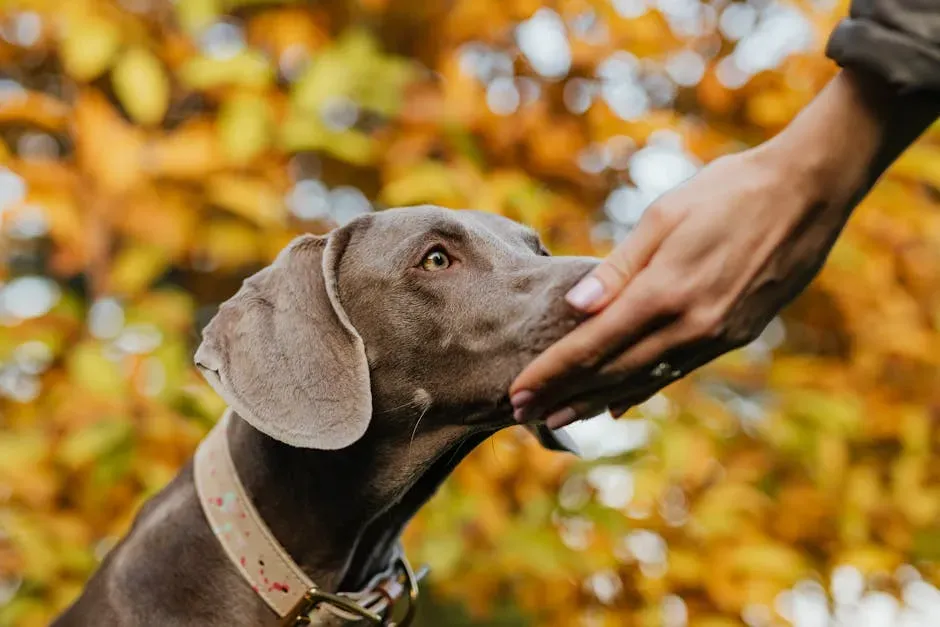
We love to talk about dog hearing, but their nose is the real superpower here. Your emotional state and physiological changes – a slight rush of stress when you are running late, a small spike in adrenaline when you know you have to get somewhere – all subtly change your scent. You may not notice anything, but your dog does.
As your body shifts from relaxed “at home” mode into focused “I have to leave” mode, your hormones and sweat chemistry adjust ever so slightly. Dogs can detect incredibly tiny changes in scent, so your inner shift becomes an obvious outer signal to them. In a way, they are smelling your decision to leave before you have even walked toward the door.
Your Energy Changes, and Your Dog Tracks It
Beyond scent and habits, there is something more intangible: the way your whole energy changes when you are about to go somewhere. Maybe you start moving faster, your voice gets shorter, or your attention narrows to your phone and the clock. Dogs are masters at emotional micro-reading. They notice that “leaving energy” even when you think you are hiding it well.
Think of it like a subtle shift in the soundtrack of the room. You might not hear the music change, but your dog is already dancing to the new beat. That is why sometimes they are at the door even when you have not followed your usual routine. They are not waiting for the sound of keys; they are reacting to the emotional tension and focus that always seem to come right before you step out.
Dogs Use Time in a Different – But Very Real – Way
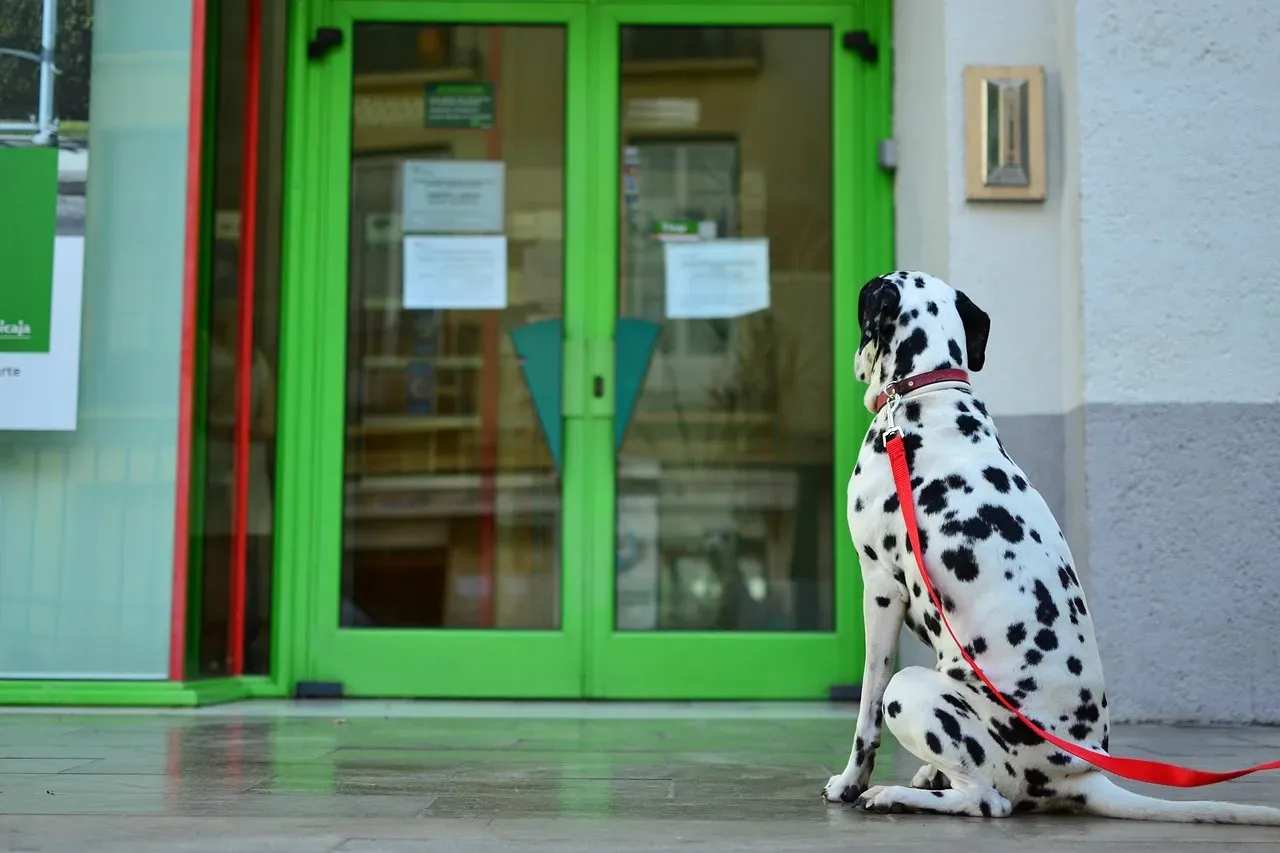
Another big piece people underestimate is timing. Dogs may not understand clocks, but they have an incredible sense of daily rhythm. Many dogs seem to know when it is around the time their human usually leaves, even if nothing obvious has happened yet. They feel the flow of the day in a way that is less about counting minutes and more about repeated patterns in light, sound, and household activity.
So if you normally leave around the same time most days, your dog is essentially anticipating your departure before the first cue even appears. By the time you think, “I should probably get going,” your dog’s internal alarm has already gone off. They are at the door not because of magic, but because their brain has quietly built a schedule out of your life.
Your Dog Has Built a Personal “You Algorithm”
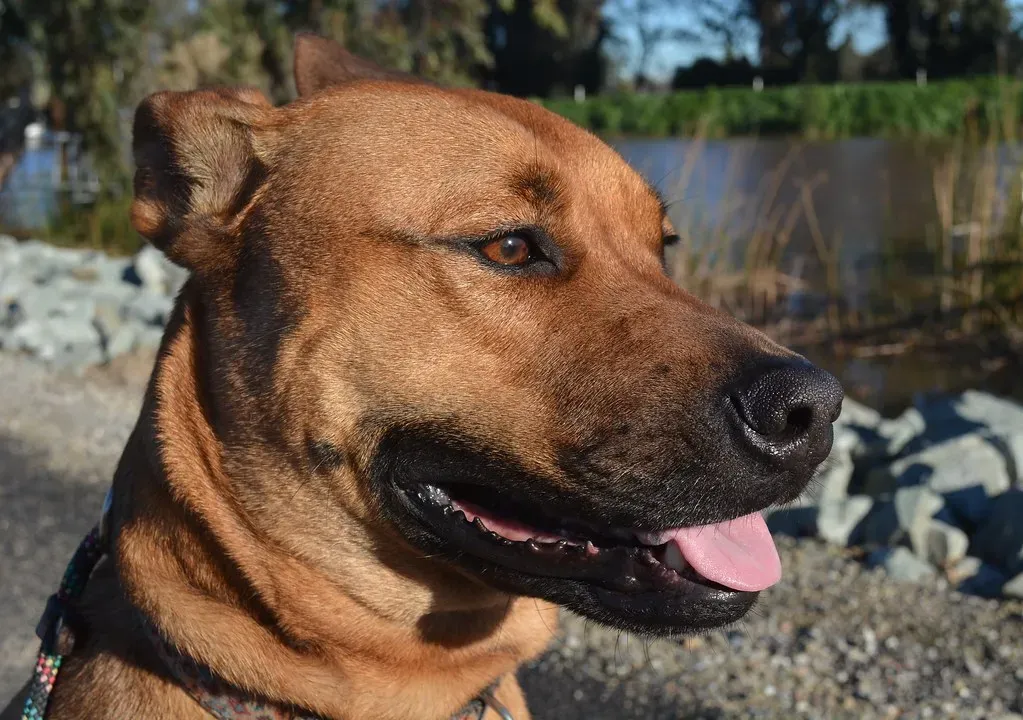
Over time, your dog builds something surprisingly close to a custom algorithm for you. They do not think in words or logic, but their brain links together thousands of small experiences: when you wear certain shoes, you are gone longer; when you put on lipstick or a specific jacket, it usually means a full day out; when you pace while on the phone, a trip is probably coming. All of that adds up to a highly tuned prediction machine.
It is similar to how streaming services guess what you want to watch, except your dog is doing it for your behavior. They are constantly adjusting: if one cue turns out to be a false alarm, they update. If another cue proves reliable, they lock it in. So when your dog suddenly sprints to the door “for no reason,” chances are good your own long-term behavior has quietly taught them that something is about to happen.
It Is Less About Hearing and More About Bonding
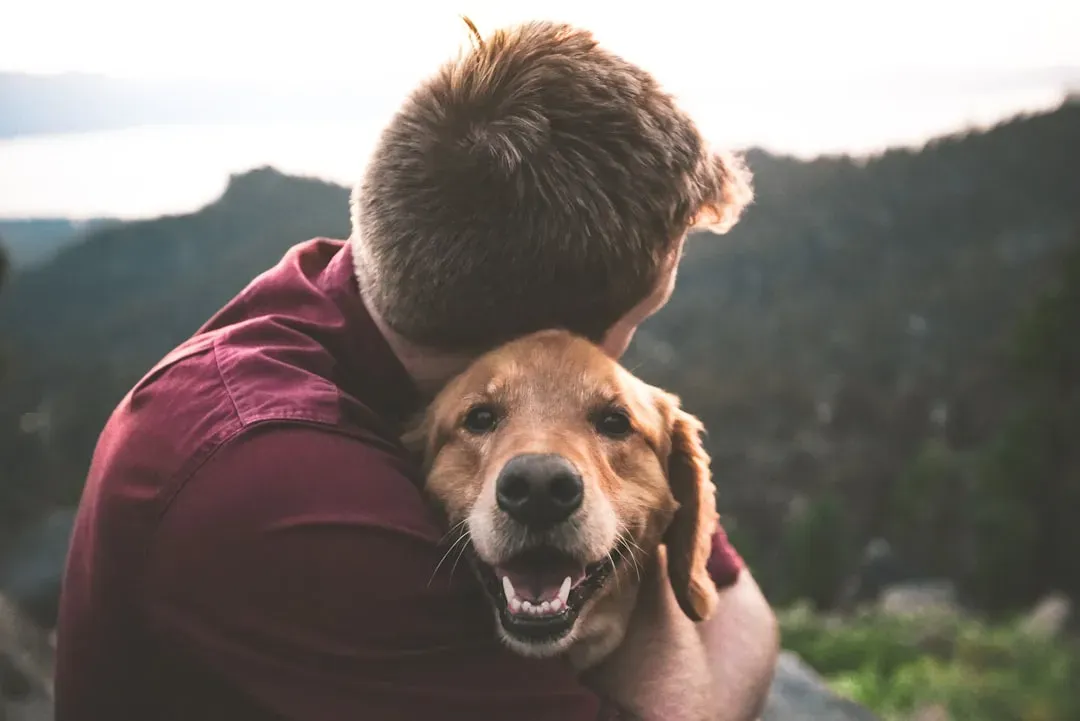
When people say dogs are just reacting to sounds, they make it sound mechanical, like your dog is a furry alarm system. That view misses the deeper truth: your dog cares about where you are and what you are doing, and that emotional investment makes them pay extraordinary attention. They track you not as a set of noises, but as their most important person.
This bond is exactly why they notice tiny changes others ignore. A stranger would not pick up on the way your shoulders tighten when you are running late, or how your face looks differently when you are determined to leave versus casually walking around. Your dog does. Their rush to the door is not just a prediction; it is a statement that you matter enough for them to be one step ahead, every time.
What This Means for You – And How to Respond
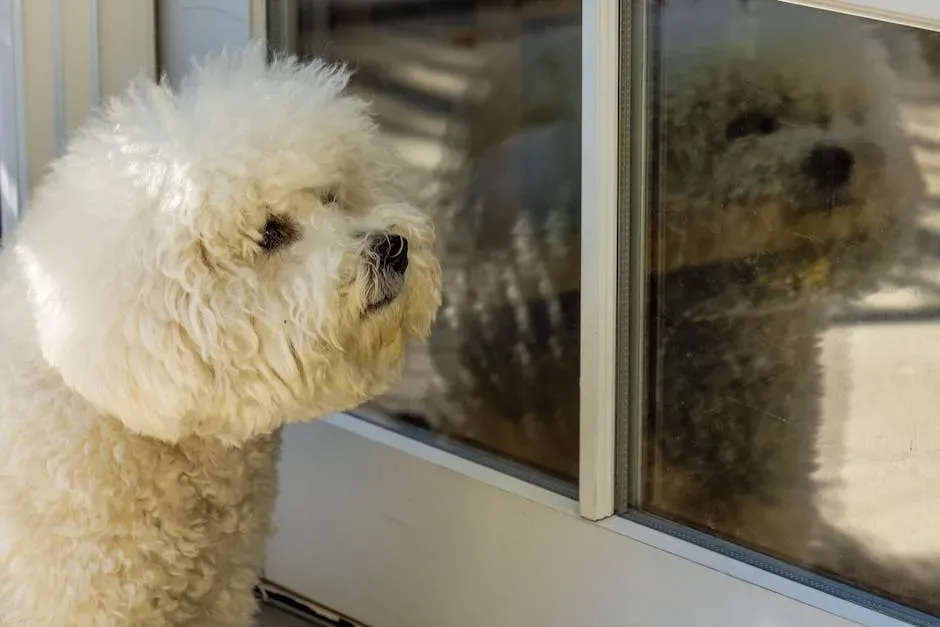
Once you realize your dog is not just hearing your keys but reading your life, it changes how you see those little moments at the door. That eager tail wag is the result of countless observations and a bond they work on all day, even when you are barely aware of it. They are investing in you, learning you, decoding you.
In my opinion, we owe it to them to treat those door rituals as more than background noise. Slow down sometimes, sit with them for a moment before you go, or build a consistent goodbye routine that feels safe and calm instead of rushed and stressful. If your dog has gone to the trouble of building a whole invisible map of your habits, the least we can do is meet them there with a little extra patience and gratitude. After all, how many beings in your life are paying that much attention to who you really are, even in the tiny, in-between moments?


