
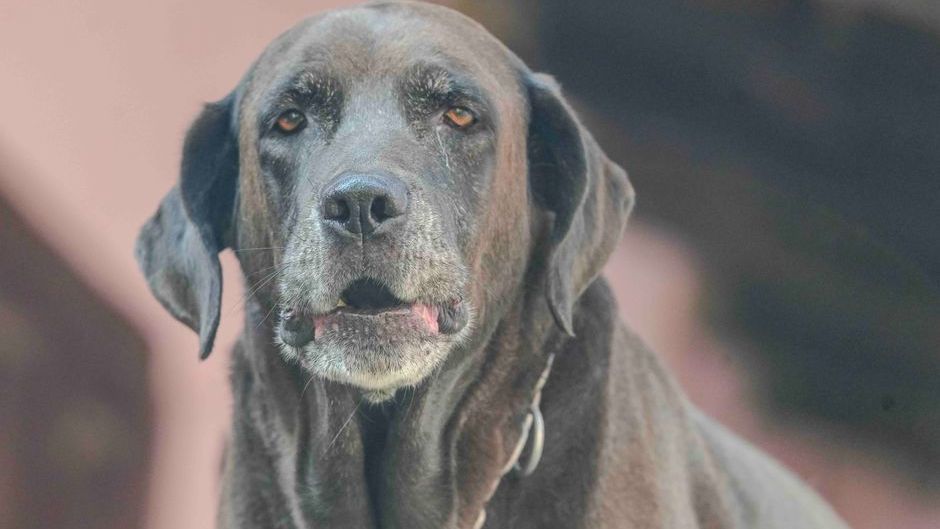
It’s a heart-wrenching reality that our beloved canine companions, who bring us immeasurable joy, will one day face the twilight of their lives. Recognizing the physical transformations that signal a dog is nearing the end can empower us to provide the utmost comfort and care during their final days. Here are nine significant physical changes to be aware of:
1. Drastic Weight Loss
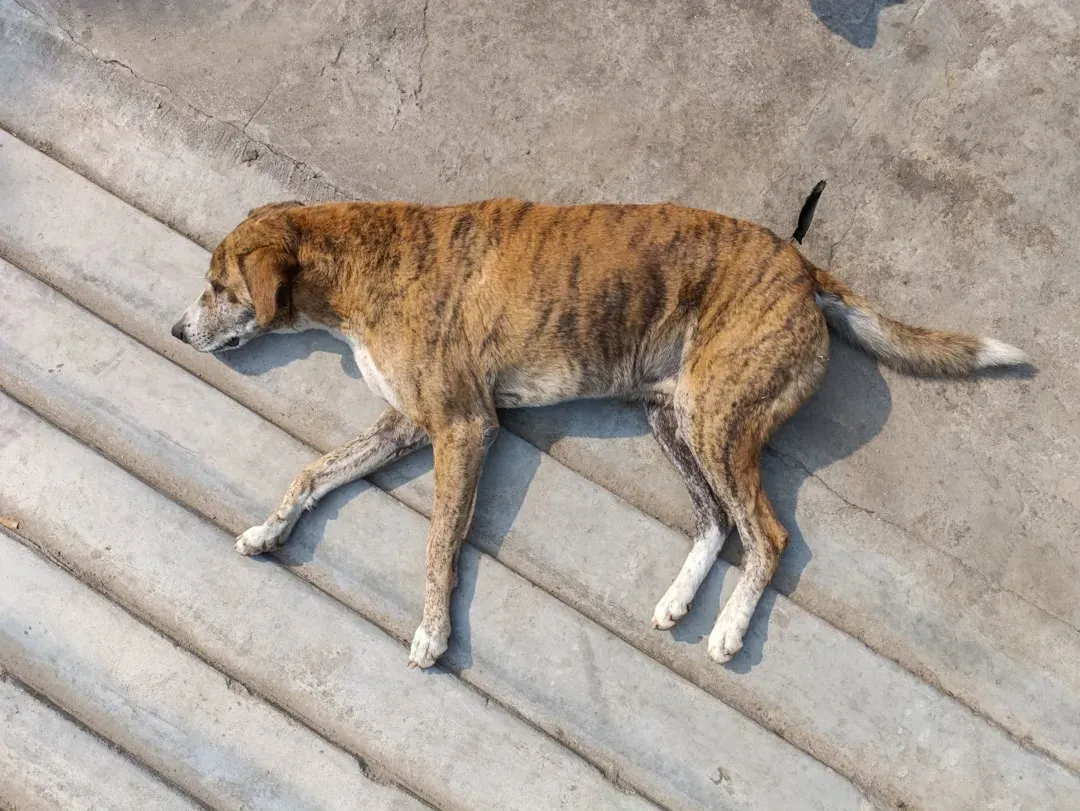
One of the most noticeable signs is a significant drop in weight. As dogs approach the end of their lives, they often lose interest in food, leading to rapid weight loss. This isn’t just about skipping a meal; it’s a profound change where even their favorite treats no longer entice them. The body’s metabolism slows, and muscle mass diminishes, making their once robust frame appear frail and bony.
Beyond the visible weight loss, this decline can affect their energy levels and overall vitality. A dog that once bounded with enthusiasm might now prefer prolonged rest, showing little interest in activities they once loved. This lethargy is a direct consequence of the body’s diminishing energy reserves.
2. Decreased Mobility and Coordination

As dogs age, their joints and muscles can weaken, leading to noticeable mobility issues. You might observe your dog struggling to stand, hesitating before climbing stairs, or even stumbling during short walks. This isn’t mere laziness; it’s a physical limitation where their body no longer responds as it once did.
In some cases, neurological decline can exacerbate these mobility challenges. Dogs may appear disoriented, bumping into furniture or getting stuck in corners. Such behaviors indicate that their cognitive functions are also being affected, making navigation and coordination increasingly difficult.
3. Labored Breathing
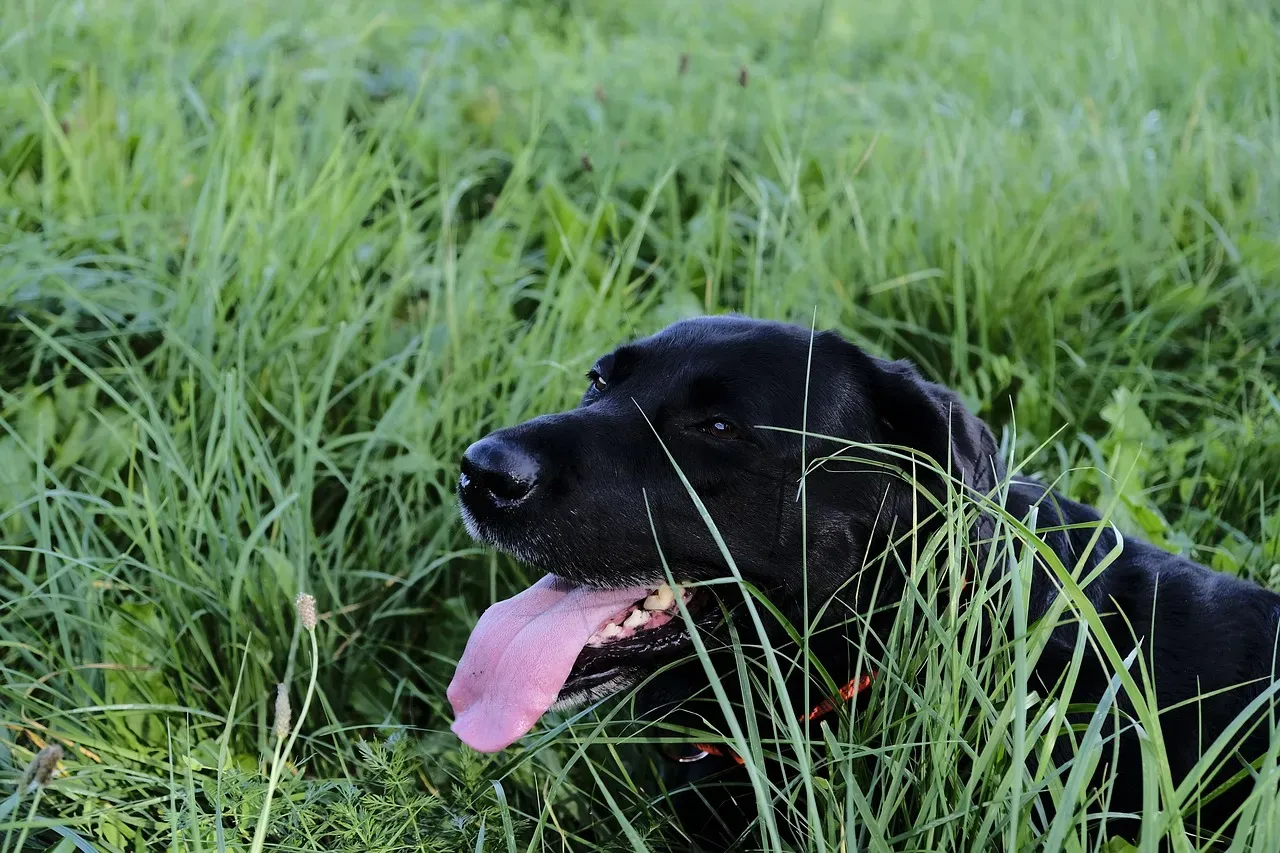
Changes in breathing patterns are a poignant indicator of a dog’s declining health. You might notice your dog panting excessively, even when at rest, or taking shallow, rapid breaths. In some instances, there could be prolonged pauses between breaths, signaling that their respiratory system is under distress.
These breathing difficulties can be distressing to witness and may indicate underlying issues like heart failure or lung disease. It’s essential to monitor these changes closely, as they can significantly impact your dog’s comfort and quality of life.
4. Loss of Bladder and Bowel Control
Incontinence is a common yet challenging symptom in aging dogs. They might begin to have accidents indoors, even if they’ve been house-trained for years. This loss of control isn’t due to behavioral issues but rather a decline in muscle strength and neurological function.
Managing incontinence requires patience and understanding. Providing easy access to outdoor areas, using protective bedding, and maintaining a consistent routine can help manage this symptom and keep your dog comfortable.
5. Dull and Dry Coat
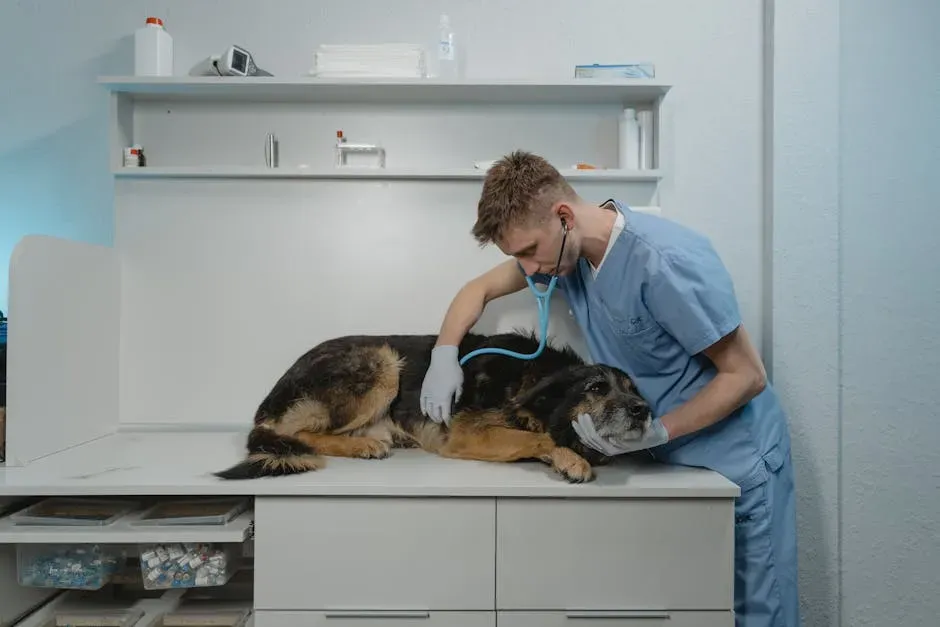
A dog’s coat often reflects their overall health. As they become terminally ill, you might notice their once shiny and vibrant fur becoming dull, dry, and brittle. This change can result from malnutrition, dehydration, or the body’s reduced ability to absorb essential nutrients.
Regular grooming can help stimulate the skin and improve circulation, offering some relief. However, it’s crucial to recognize that these external changes are manifestations of internal health declines.
6. Changes in Gum Color
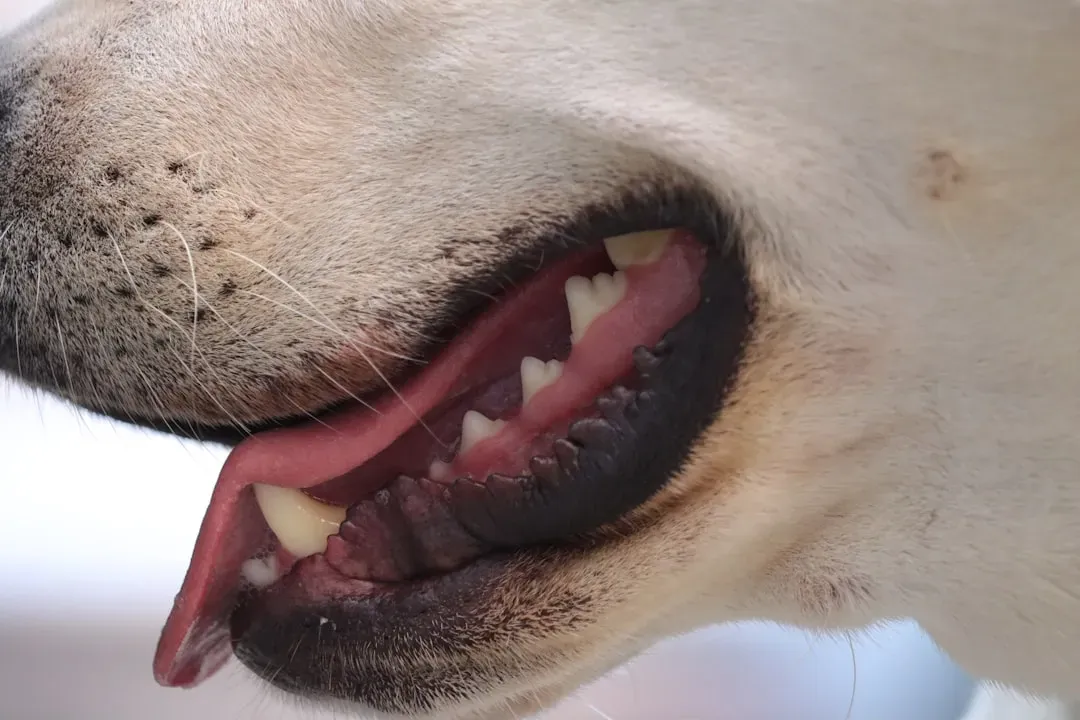
The color of a dog’s gums can provide insight into their circulatory health. Healthy gums are typically pink, but as a dog nears the end of life, their gums might turn pale, white, or even blue. These color changes can indicate poor oxygenation or anemia.
Regularly checking your dog’s gums can help you monitor their health status. If you notice significant color changes, it’s essential to consult with your veterinarian to understand the underlying causes and potential interventions.
7. Persistent Vomiting or Diarrhea

Gastrointestinal issues become more prevalent as a dog’s health declines. Persistent vomiting or diarrhea can lead to dehydration and further weaken an already fragile system. These symptoms might result from organ failure, infections, or the body’s inability to process food properly.
Ensuring your dog stays hydrated and consulting with a veterinarian about dietary adjustments can help manage these symptoms. However, persistent issues often indicate that the body is struggling to maintain normal functions.
8. Cold Extremities

As circulation diminishes, you might notice your dog’s paws, ears, and tail feeling unusually cold to the touch. This change occurs because the body prioritizes sending blood to vital organs, reducing flow to the extremities.
Providing warm bedding and ensuring your dog stays in a comfortable environment can help mitigate this symptom. However, cold extremities often signal that the body is entering the final stages of life.
9. Unusual Odors

As a dog’s organs begin to fail, toxins can build up in the body, leading to noticeable changes in breath and body odor. You might detect a strong, unpleasant smell that wasn’t present before. This odor can result from kidney failure, liver issues, or severe dental disease.
While regular grooming and dental care can help manage these odors, it’s essential to understand that they often indicate significant internal health issues that require veterinary attention.
Recognizing these physical changes is crucial in ensuring that your dog receives compassionate care during their final days. While it’s an emotionally challenging time, being attuned to these signs allows you to make informed decisions that prioritize your beloved companion’s comfort and dignity.
In the end, our dogs rely on us to be their advocates, especially when they can’t express their discomfort. By staying observant and proactive, we can ensure that their final journey is filled with love, care, and the peace they deserve.


