
Should Dogs Be Allowed in All Public Spaces?

The sight of a wagging tail and a joyful bark can brighten anyone’s day. Dogs have been our loyal companions for centuries, offering an unmatched bond of friendship and love. Yet, the question of whether they should be allowed in all public spaces remains a topic of heated debate. Dog lovers argue for inclusivity, while others voice concerns about safety and cleanliness. Let’s dive into this multifaceted issue and explore various perspectives.
The Joy of Canine Companionship

Dogs have been dubbed “man’s best friend” for a reason. Their loyalty, companionship, and ability to sense our emotions make them invaluable companions. Imagine strolling through a park and watching dogs play fetch or run with boundless energy. This sight evokes a sense of joy and connection not only between humans and dogs but also among fellow dog lovers. The presence of dogs in public spaces can foster a sense of community, as people bond over shared experiences and stories of their furry friends.
Health Benefits of Having Dogs Around
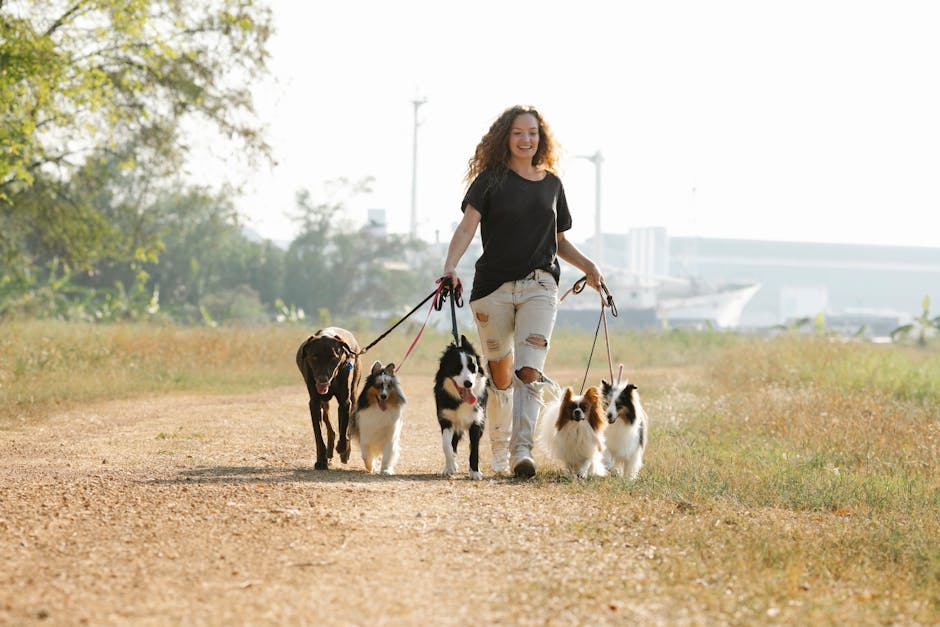
The presence of dogs isn’t just emotionally uplifting; it can also improve our health. Studies have shown that interacting with dogs can reduce stress, lower blood pressure, and even improve cardiovascular health. Imagine the potential benefits of allowing dogs in parks or other public spaces. People who might not have the time or space to own a dog could still enjoy these health benefits by interacting with dogs during their daily routines. This could lead to a healthier, happier community overall.
Concerns Over Safety and Hygiene
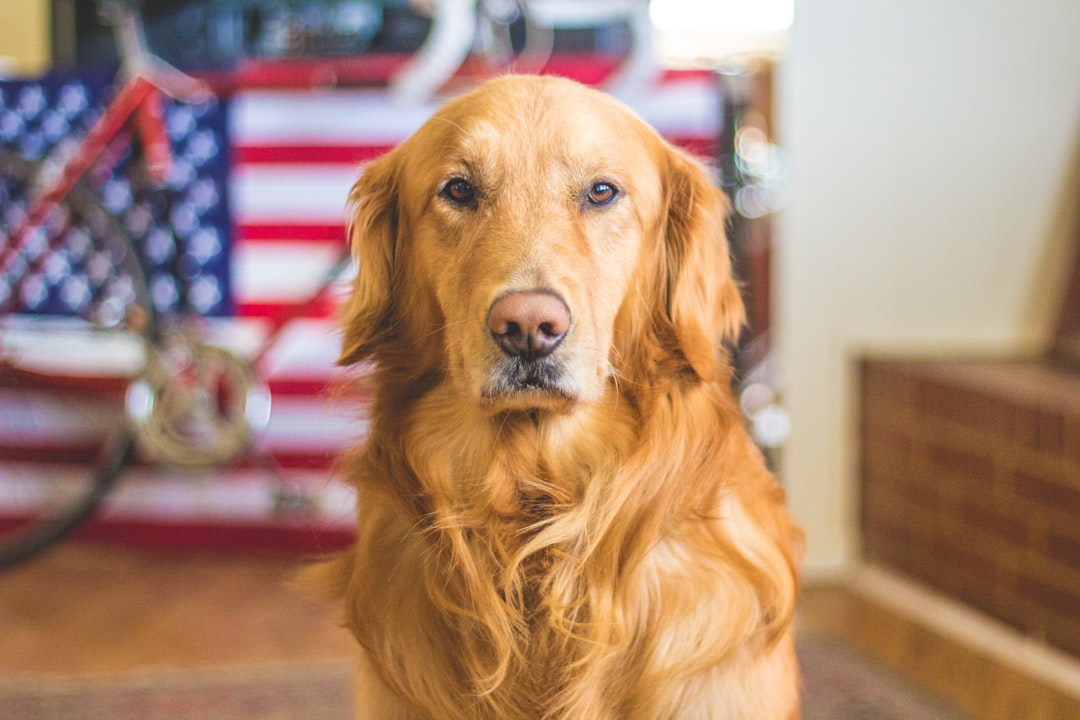
Despite the many positives, there are valid concerns about allowing dogs in all public spaces. Safety is a primary concern. Not all dogs are well-trained or comfortable around strangers, which could lead to incidents of aggression or fear. Additionally, not all dog owners are responsible. Failure to pick up after their pets can lead to unsanitary conditions. These concerns highlight the need for responsible dog ownership and the importance of training both dogs and their owners.
The Rights of Non-Dog Lovers

While many adore dogs, not everyone shares this sentiment. Some people may have allergies, phobias, or simply prefer not to interact with dogs. Public spaces should cater to a diverse population, ensuring everyone feels comfortable and safe. It’s crucial to strike a balance between accommodating dog lovers and respecting the preferences of those who would rather avoid canine encounters. This balance is essential to maintaining harmony in shared community spaces.
Designated Dog-Friendly Zones

One solution to the debate is the creation of designated dog-friendly zones. These areas can be tailored to ensure safety, cleanliness, and enjoyment for both dogs and humans. Dog parks, for example, are spaces where dogs can roam free, socialize, and play without the constraints of a leash. Such zones can also include amenities like water stations and waste disposal bins to maintain hygiene. Designated zones allow dog lovers to enjoy their pets while ensuring that those who prefer not to interact with dogs have their space as well.
The Role of Responsible Dog Ownership

Allowing dogs in public spaces comes with the responsibility of dog owners to ensure their pets are well-behaved and trained. This includes teaching dogs basic commands, ensuring they are comfortable in social situations, and maintaining control in public settings. A responsible owner also respects leash laws and cleans up after their dog. By promoting responsible ownership, we can address many concerns and create a more inclusive environment for everyone.
Potential Impact on Local Businesses

Allowing dogs in public spaces can also have economic implications. Businesses, particularly those in the hospitality and leisure sectors, could see increased foot traffic by being dog-friendly. Cafés and restaurants with outdoor seating may attract more customers if dog owners can bring their pets along. This could lead to a boost in sales and a more vibrant community atmosphere. However, businesses must weigh these potential benefits against the need for additional resources to accommodate pets, like water bowls or pet-friendly seating.
Community Engagement and Education

Education plays a crucial role in addressing the concerns and benefits of allowing dogs in public spaces. Community workshops and training sessions can help dog owners understand their responsibilities and teach non-dog owners how to interact safely with dogs. Public awareness campaigns can promote the benefits of having dogs around while also addressing concerns about safety and hygiene. By fostering a culture of understanding and respect, communities can create more inclusive public spaces for everyone.
In conclusion, the question of whether dogs should be allowed in all public spaces is complex and multifaceted. While the joy and health benefits they bring are undeniable, concerns over safety, hygiene, and the rights of non-dog lovers cannot be ignored. By promoting responsible dog ownership, creating designated dog-friendly zones, and fostering community engagement, we can work towards a solution that accommodates everyone.