
Why a Scent Hound Walks in a Way That Looks Like Wandering
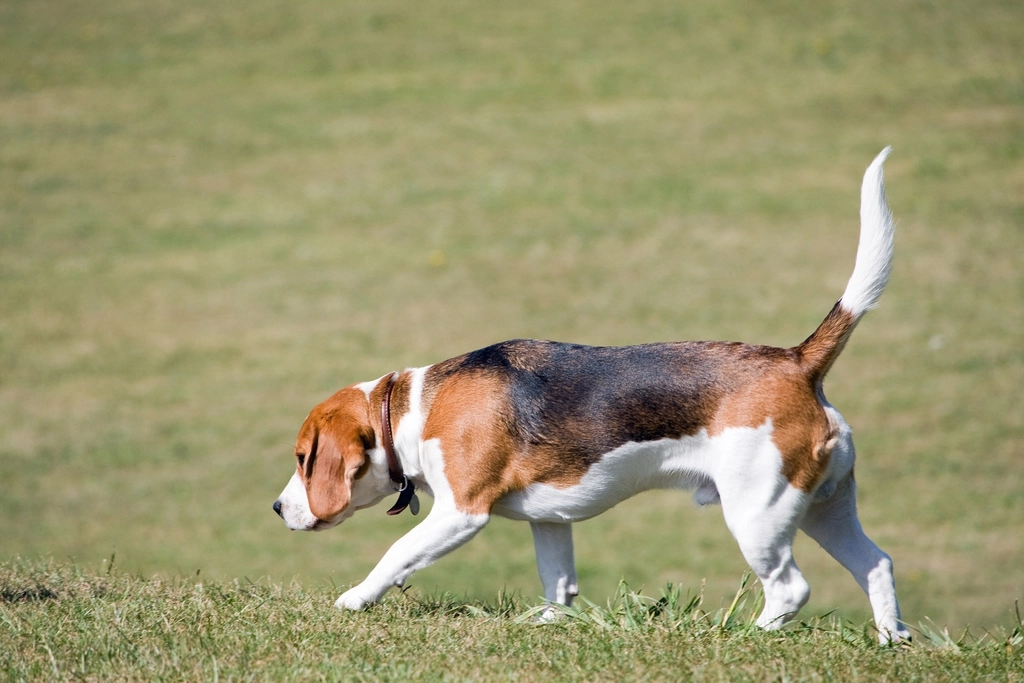
Most people assume a zigzagging dog is distracted, stubborn, or just bad on a leash. But when a scent hound suddenly cuts diagonally across the sidewalk, freezes mid-stride, then doubles back for no visible reason, something far stranger and more precise is actually happening.
That “wandering” you’ve been apologizing for on walks isn’t a leash problem at all. It’s a 300-million-receptor nose running a search pattern that’s older than your dog’s breed itself – and once you see what’s actually driving that path, you’ll never yank the leash the same way again.
#1 – Your “Wandering” Hound Is Actually Following an Invisible Map
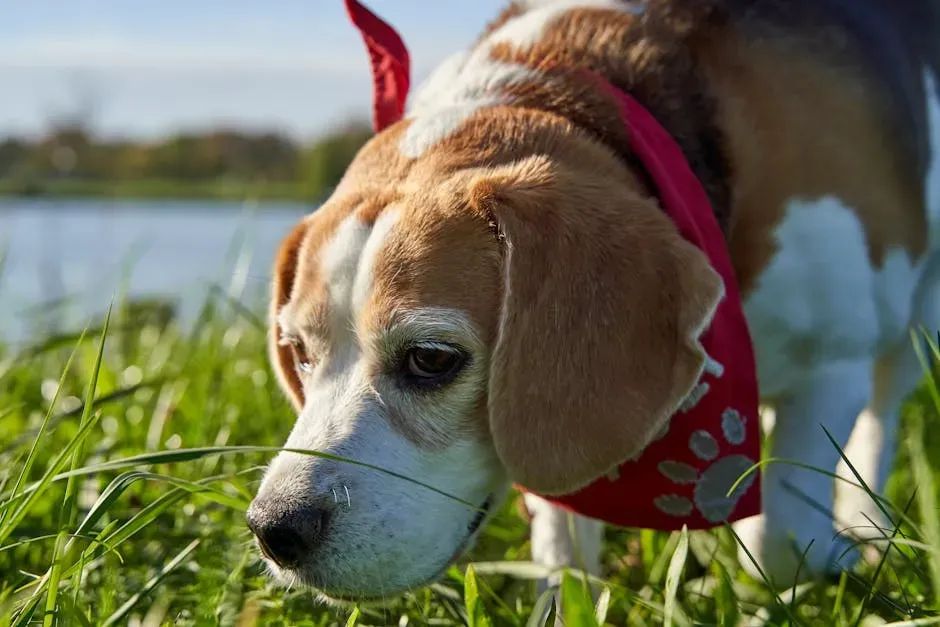
That chaotic pattern you see on the sidewalk isn’t chaos to your dog – it’s a map. Scent hounds don’t experience walks the way we do. While you see a straight line from Point A to Point B, your dog is reading thousands of overlapping smell “sentences” left by people, animals, plants, and even car exhaust.
Each step is guided by scent intensity, not by where the pavement leads. The world, to a scent hound, is covered in odor trails that twist, fade, and overlap like invisible roads. Their nose pulls them slightly left to catch a stronger whiff, slightly right to confirm it, then forward the moment the trail gets hotter.
Fast Facts
- Bloodhounds carry up to 300 million scent receptors, the most of any dog breed
- Beagles run roughly 225 million scent receptors, still 40+ times a human’s count
- Basset Hounds pack around 220 million receptors into a body built to stay low
- Humans get by with about 5 to 6 million scent receptors total
You see zigzags. They feel direction. Most owners mislabel this as poor training or stubbornness, when in reality the dog is doing exactly what it was bred to do: collect data, compare it, and commit to the strongest path.
Your “wandering” Beagle or Bloodhound is behaving like a tiny, four-legged tracking device. And that’s only the start, because their nose isn’t just good – it’s built to overpower everything else, including your idea of a normal walk.
#2 – Their Nose Is So Strong It Hijacks Their Brain
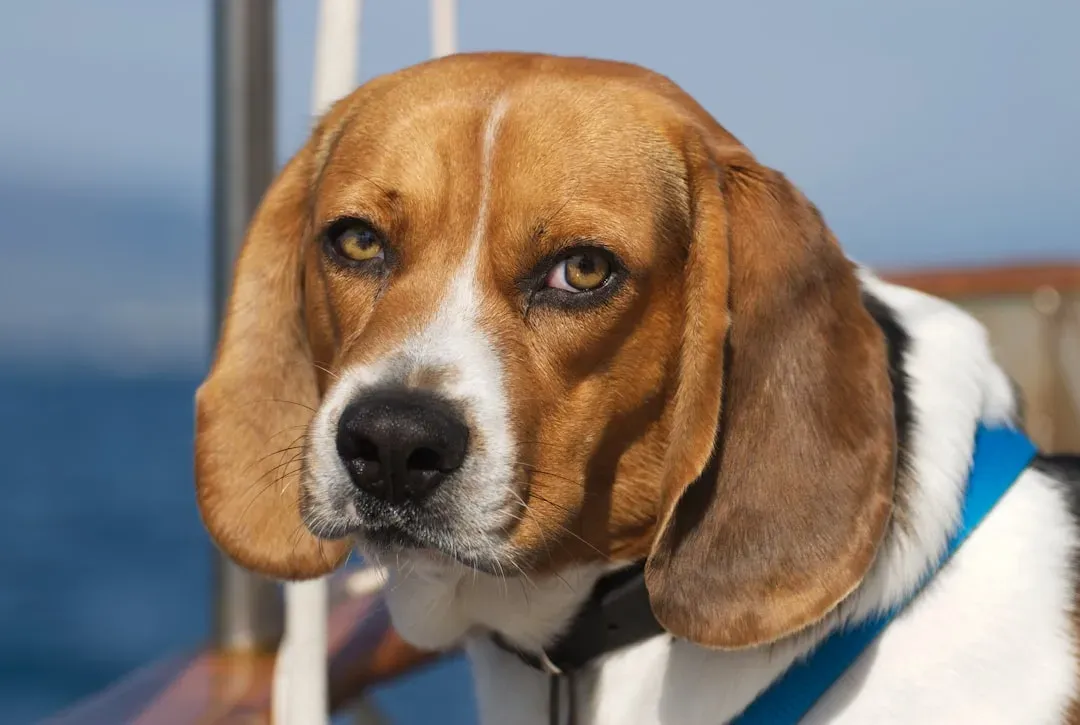
It’s not an exaggeration: a scent hound’s nose can completely override what you think they “know.” These dogs have up to 300 million scent receptors, compared to our roughly 5 million, plus an olfactory bulb that’s proportionally massive next to ours.
That part of the brain doesn’t just detect smells – it analyzes, compares, and stores them. For a hound, scent isn’t background noise. It’s the main channel everything else runs through. That’s why:
- Your dog can appear to “forget” commands the instant a strong odor crosses their path
- A simple walk can turn into a looping pattern as they pick up and re-check multiple trails
- Eye contact and recall suddenly get harder near strong scent sources
Some trainers call this a “focus issue.” That’s only half true. The deeper reality is that a scent hound’s wiring prioritizes smell over straight-line efficiency, full stop. Expecting one to walk in a tidy heel without sniffing is a bit like asking a person to walk through a museum blindfolded and still describe the paintings.
#3 – Air Currents Make Them Zigzag Like a Drunk Detective
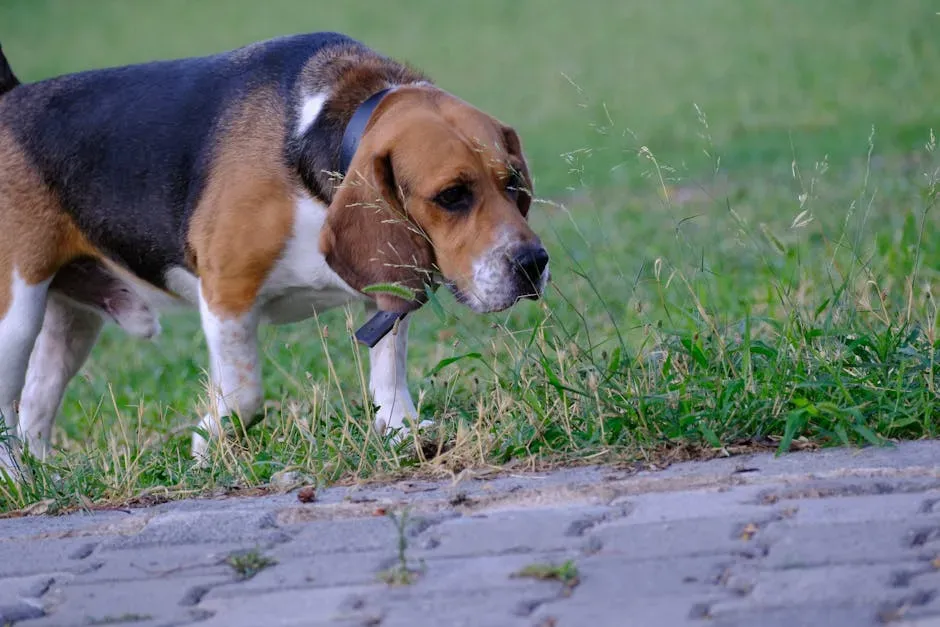
Your dog isn’t drunk. The scent is. Odor doesn’t travel in neat lines – it moves in clouds, plumes, pockets, and swirls depending on wind, temperature, humidity, and surface texture.
Scent hounds instinctively respond to this messy reality by moving in curves and zigzags to stay “inside” the plume. On a breezy day, a hound might veer off the sidewalk into the grass where scent settles heavier, cross and recross the same patch of ground to stay centered in a drifting cloud, then suddenly surge forward the second they hit a stronger concentration.
This looping path is actually an efficient search strategy in a world where scent is patchy, not straight. Researchers who study tracking dogs have long noted that they move in S-shapes or arcs across the wind, constantly re-acquiring an odor as it fades and reappears.
To human eyes, that looks like aimless wandering. To a professional tracker, it’s textbook behavior. If your scent hound isn’t walking like a laser pointer, it’s because the smells they’re chasing aren’t either – and owners who insist on a rigid straight-ahead walk are quietly fighting physics and biology at the same time.
#4 – Their Ears and Loose Skin Are Tools, Not Just Cute Features
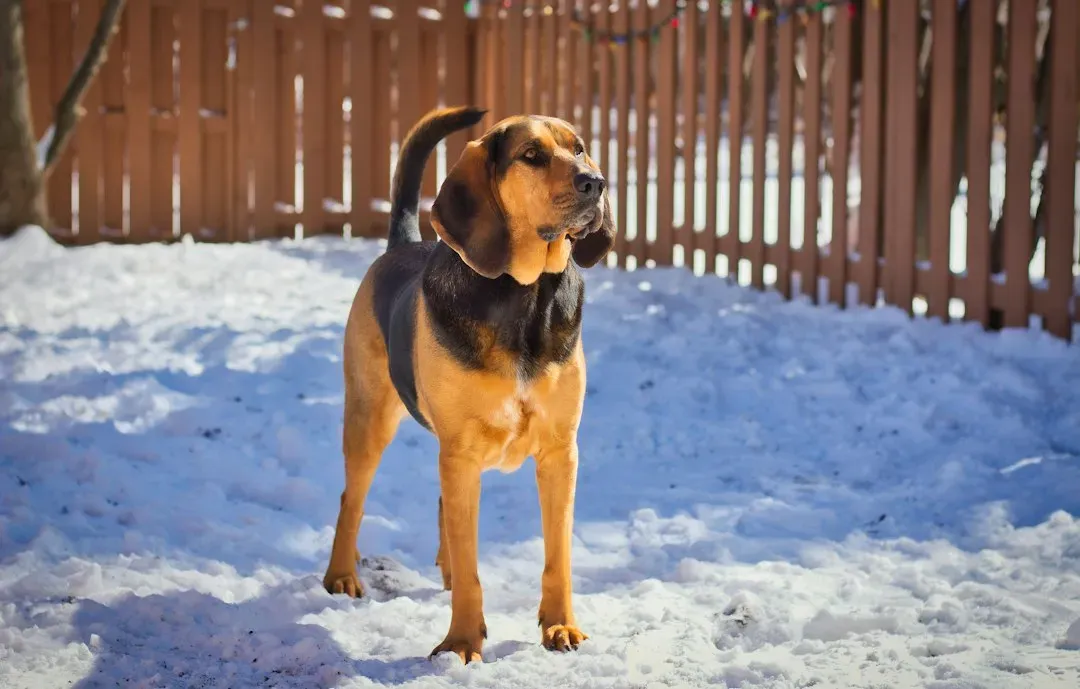
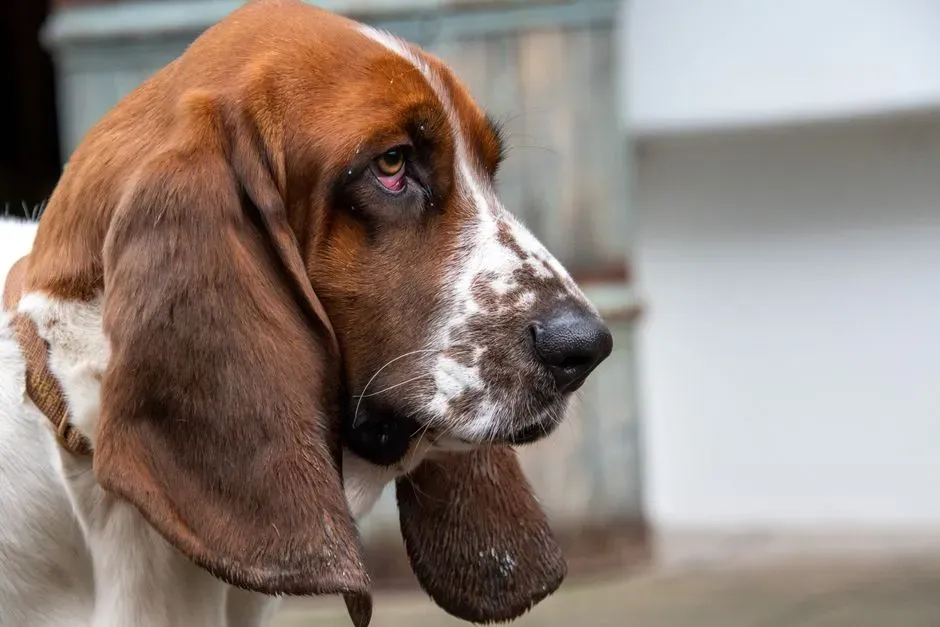
This surprises a lot of people: your scent hound’s floppy ears and droopy face aren’t just a look – they’re equipment. Breeds like Bloodhounds, Basset Hounds, and Coonhounds have long, low-set ears that drag and stir scent molecules upward toward the nose, plus loose, wrinkled skin and heavy lips that trap odor around the muzzle long enough to analyze it.
When they move slowly and seem to “wander,” they’re actually operating this equipment. Swaying ears act like little fans, stirring up scent from the ground. The head dips, the ears sweep, the nose draws in the air, and the dog recalibrates direction in real time.
At a Glance
- Long, low-set ears sweep ground-level scent upward toward the nostrils as they swing
- Loose, wrinkled skin around the muzzle traps and holds odor molecules for longer analysis
- Heavy jowls and lips form a natural “scent chamber” that slows airflow near the nose
- A low head carriage keeps the nose inside the densest, freshest layer of scent near the ground
That combination creates a very specific gait: head low, steps measured, frequent pauses, subtle changes of direction. It looks nothing like the tidy, head-up heel of a German Shepherd on a competition field, and it was never supposed to.
Some owners criticize these dogs as lazy or unmotivated because they don’t march forward briskly. In truth, a slow, drifting pace is exactly what allows their physical design to do its job. If they walked like a sprinting herding dog, all that ear and wrinkle real estate would go to waste.
#5 – They’re Sorting Through Multiple “Stories” at Once
When you walk down a street, you might notice one or two things worth remembering. Your scent hound notices everything. On a single patch of grass, your dog may be reading a cat that passed by last night, a squirrel from an hour ago, a stranger’s dog from five minutes ago, and your own footsteps from ten seconds earlier – all stacked on top of each other.
Each of those trails carries a different strength and direction. A scent hound’s “wandering” walk is often them switching between these overlapping stories, deciding in real time which one is freshest or most worth following. That’s why they start in one direction, pivot suddenly, then circle back; seem obsessed with one spot, then abandon it without warning; or walk a few steps, freeze, spin, and pick a different angle entirely.
To an untrained eye, it’s chaos. To a nose that can detect tiny changes in concentration and age of scent, it’s advanced triage – the canine equivalent of scanning a dozen open browser tabs at once.
People often label this behavior “indecisive” or “scatterbrained.” The reality is closer to the opposite: your dog’s walk looks disorganized because their nose is processing more information than your brain can even imagine trying to sort.
#6 – Centuries of Selective Breeding Hard-Wired the “Wander”
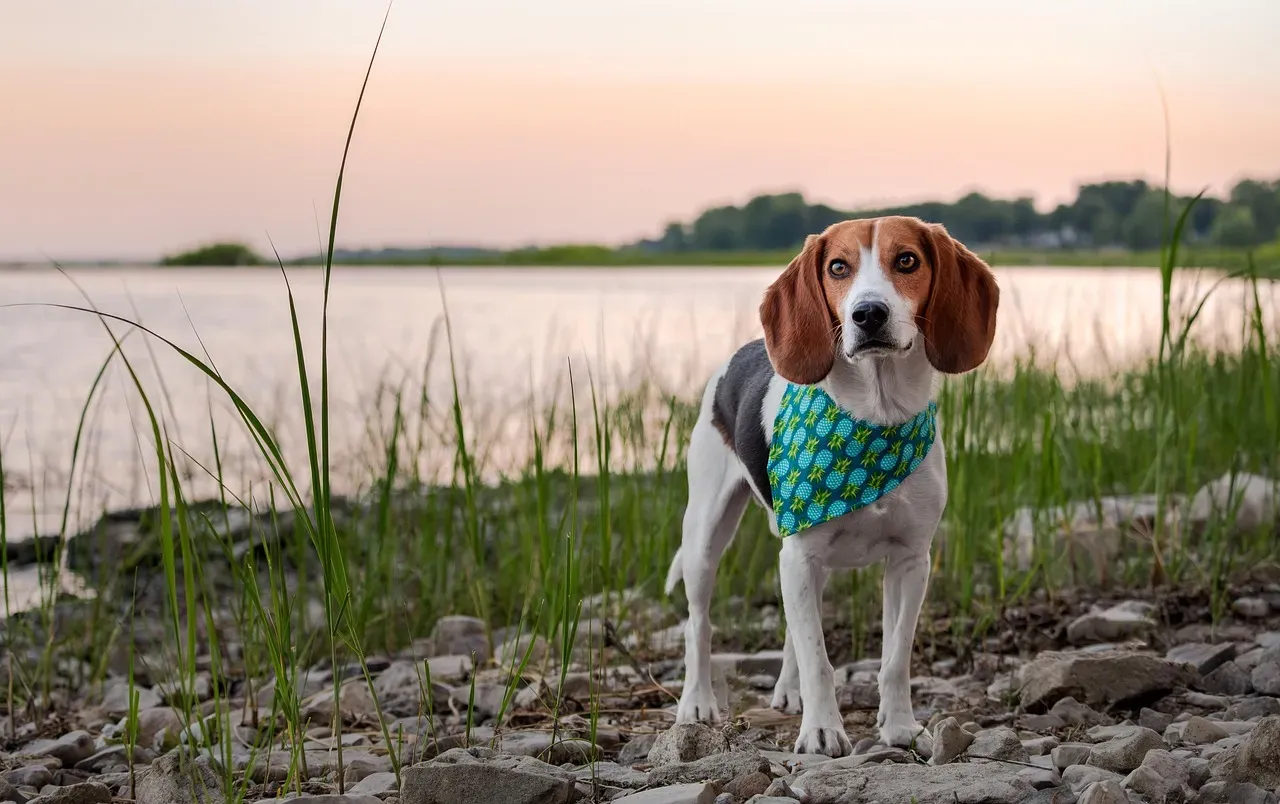
Most pet owners underestimate how much breeding history still drives behavior. Scent hounds were never bred to walk neatly beside a hunter’s boot. They were bred to range out ahead, pick up faint trails, stick with a scent for hours instead of minutes, and ignore distractions that didn’t match the target odor.
That means the very traits many modern owners complain about – independence, nose-obsession, wandering paths – are exactly what old-school breeders prized above all else. A hound that stuck too close and waited for constant direction would have been useless in the field, and possibly left home entirely.
Worth Knowing
- Bloodhounds were bred to trail human scent over long distances and are still used in search-and-rescue and police work today
- Beagles were developed to hunt rabbits in packs, prizing methodical, ground-level scenting over speed
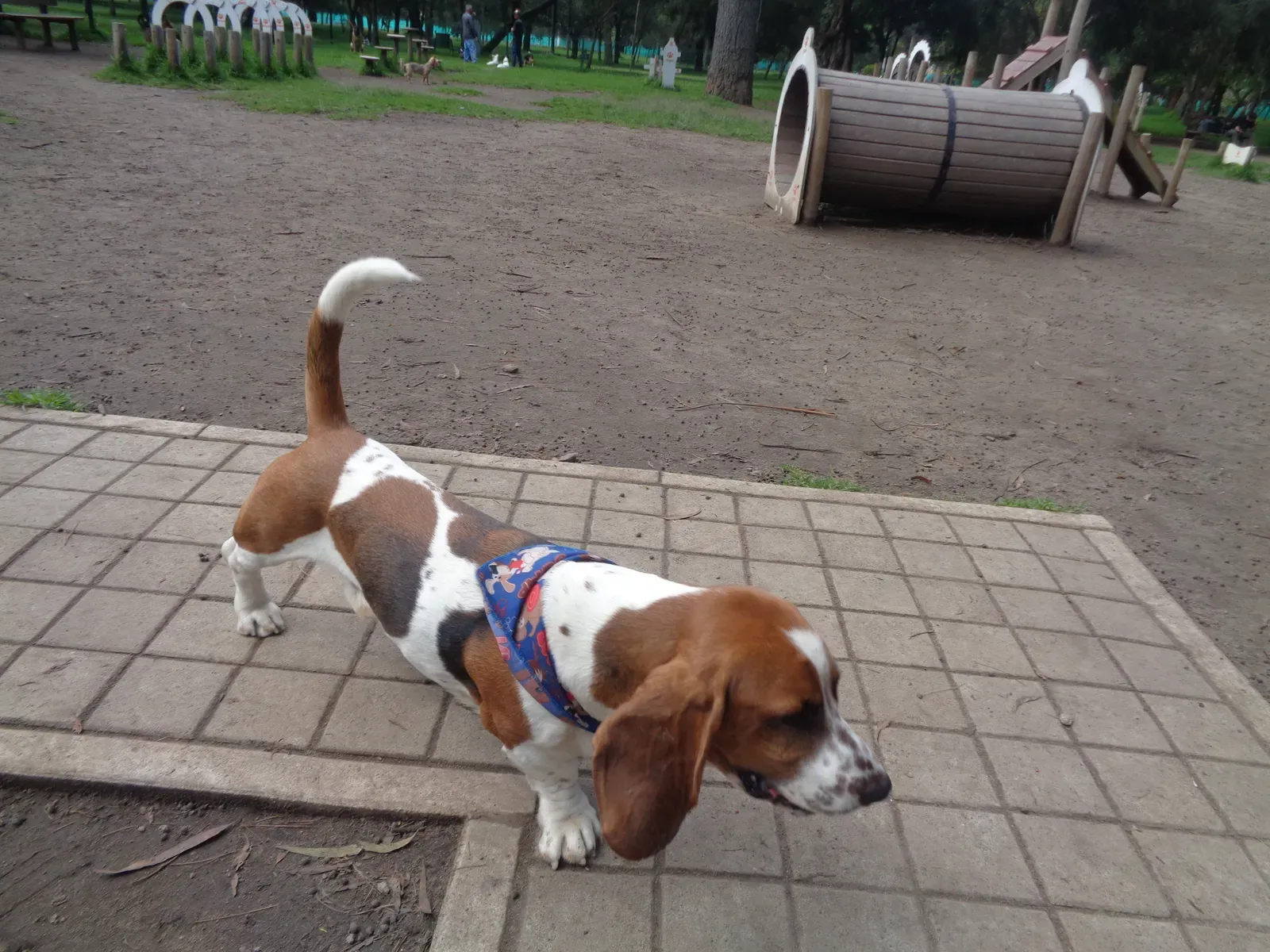
- Basset Hounds were purpose-built with short legs to keep the nose low and the pace slow and thorough
- Coonhounds were bred to track raccoons at night, often ranging far ahead of the hunter on their own
This history still shows up on your neighborhood walk today. Beagles crisscross a yard like they’re sweeping for clues. Bloodhounds drift forward with almost no reference to your pace. Coonhounds want to follow a scent off-trail rather than stay obediently on the sidewalk.
When you clip on a leash and expect Border Collie-style obedience from a dog engineered to operate semi-independently, you’re setting yourself up for frustration on both ends of the leash. The wandering walk isn’t a training failure – it’s a breeding success, working exactly as designed centuries later.
#7 – Forcing a “Perfect Heel” Can Backfire on Scent Hounds
Here’s the controversial part: some trainers insist every dog should walk in a tight heel, ignoring all scents along the way. For many scent hounds, that’s not just unrealistic – it can be mentally draining and behaviorally risky.
When you constantly correct a hound for sniffing, you suppress their primary sensory outlet, turn walks into a tense battle instead of decompression time, and increase frustration that can leak out later as barking, digging, or restlessness indoors.
That doesn’t mean you let them drag you across the street. It means you need a different strategy: a genuine “sniff walk” where the goal is exploration rather than speed, a loose heel cue used only for short segments like crossing a road, and clear on/off cues such as “go sniff” and “with me” so the rules stay consistent.
Owners who refuse to allow any wandering often end up with a dog that’s physically tired but mentally starved. For scent hounds, mental fatigue comes from smelling, not just from walking – which explains why your dog can seem restless even after a long, fast march around the block.
#8 – Sniffing and “Wandering” Are Essential for Their Mental Health
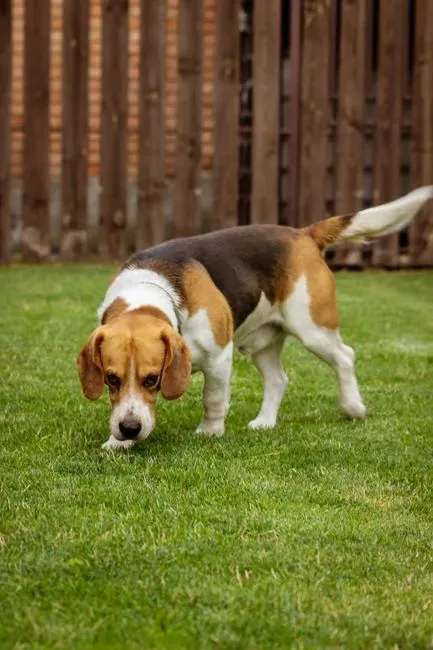
Modern research on canine welfare is blunt about this: sniffing isn’t a bonus, it’s a need. For scent hounds especially, allowing time to follow their nose lowers overall stress, increases calm behavior at home, reduces reactivity toward other dogs and people, and strengthens the dog-owner bond because the dog genuinely feels heard.
Smell is the equivalent of the dog’s television, radio, and internet all in one.
Alexandra Horowitz, canine cognition researcher
A twenty-minute sniff-heavy walk can leave a scent hound more satisfied than a forty-five-minute power march with zero sniffing allowed. That slow, apparently aimless stroll is your dog’s version of reading the news, scrolling social media, and solving a puzzle, all at the same time.
A no-sniff, straight walk tends to be physically tiring, mentally bland, and prone to leash frustration. A controlled wandering walk is physically moderate, mentally rich, and leads to a calmer dog afterward. Yet plenty of people still brag about correcting their dog every time the nose dips down – which, for a scent hound, is a bit like slapping a smartphone out of someone’s hand every time a message comes in.
#9 – Structured Freedom: How Smart Owners Harness the Wander
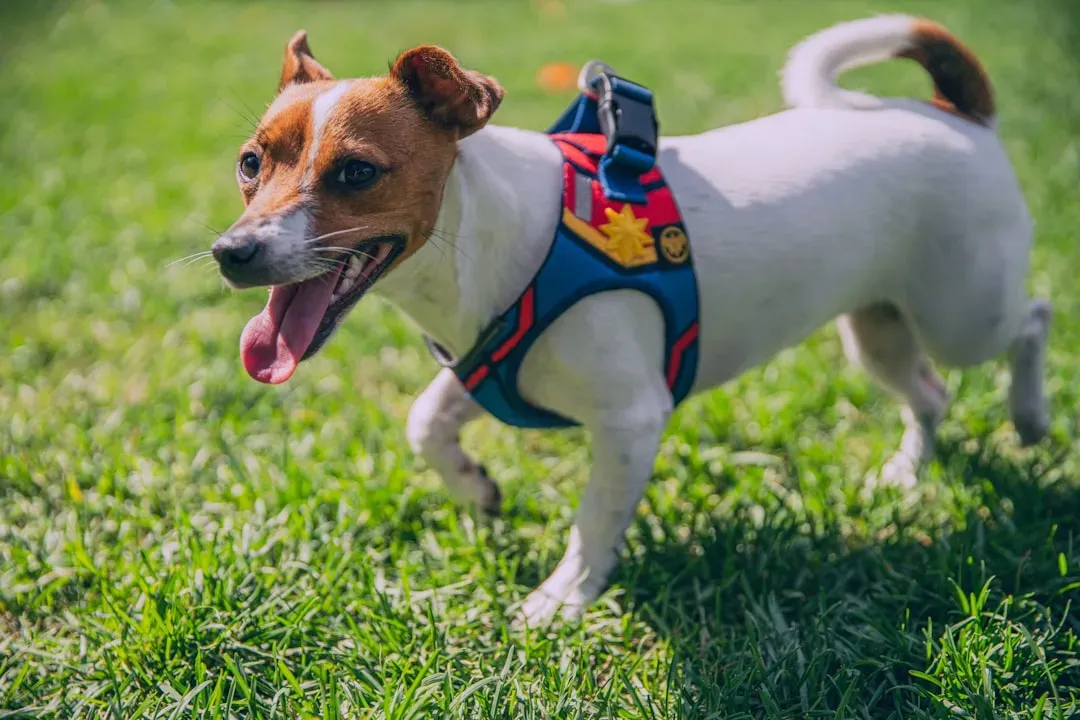
The secret isn’t to kill the wander – it’s to frame it. Experienced scent-hound owners often lean on a simple system: different gear signals different rules, so a harness means “you can sniff and wander within reason” while a flat collar means “we’re walking with more structure.”
Clear verbal cues do the rest of the work. “Go sniff” legitimizes their exploration; “let’s go” signals it’s time to move on. Many owners also set pre-set zones, allowing free sniffing for the first ten minutes before shifting into a more directed walk home.
This avoids the two worst extremes: total chaos, where the dog drags you everywhere with no limits, and total suppression, where the nose is never allowed to work at all. With structured freedom, the walk becomes a mildly wandering path within the length of the leash, punctuated by full stops at key spots and swift, clear transitions when you call your dog back into motion.
The wandering doesn’t disappear – it just becomes predictable and manageable. You’re not fighting instinct anymore, you’re giving it a schedule. People who dismiss this as “indulgent” usually don’t live with scent hounds; for those who do, it’s the difference between a daily battle and a genuine joy.
#10 – Their “Weird” Walk Is a Window Into Their Mood
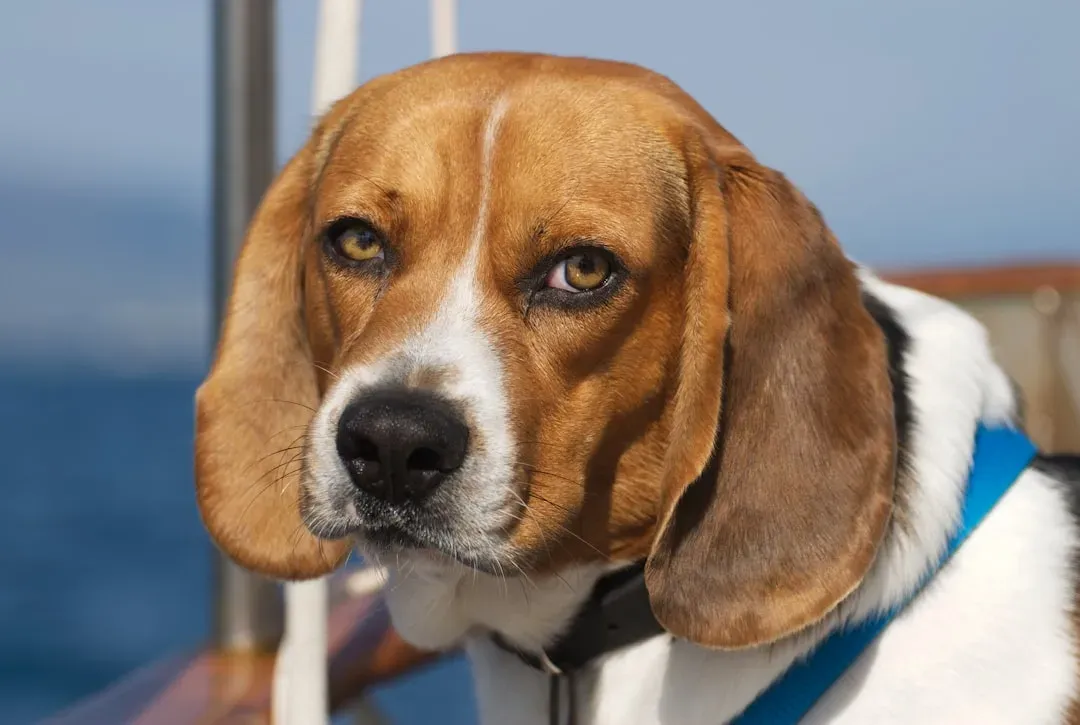
Watch a scent hound’s path closely enough, and emotional patterns start to emerge too. A relaxed, content hound usually meanders in soft curves, pauses at interesting spots without frantic pulling, and checks in with you occasionally, even if only briefly.
An over-aroused or stressed hound behaves very differently. It yanks hard toward every new smell, rushes from spot to spot barely pausing to analyze, and carries stiff body language with the tail held high and tight. A worried or insecure hound tends to stick physically closer to you while still scanning with the nose, circling the same small area repeatedly, moving slowly and cautiously with frequent freezes.
Quick Compare
- Relaxed hound: soft curves, brief check-ins, calm pauses at interesting spots
- Stressed hound: hard pulling, rushed spot-to-spot movement, stiff tail held high
- Worried hound: sticks close to you, slow and cautious steps, frequent freezing
The shape of their “wandering” path is quietly telling you how they’re coping with the environment around them. Same dog, same nose, completely different emotional lens depending on the day.
Ignoring these patterns and focusing only on “walk nicely” is a bit like ignoring someone’s tone of voice and judging them purely on word choice. For scent hounds, that weird route they choose is often your earliest warning system for stress or discomfort – long before any other sign shows up.
The Bottom Line
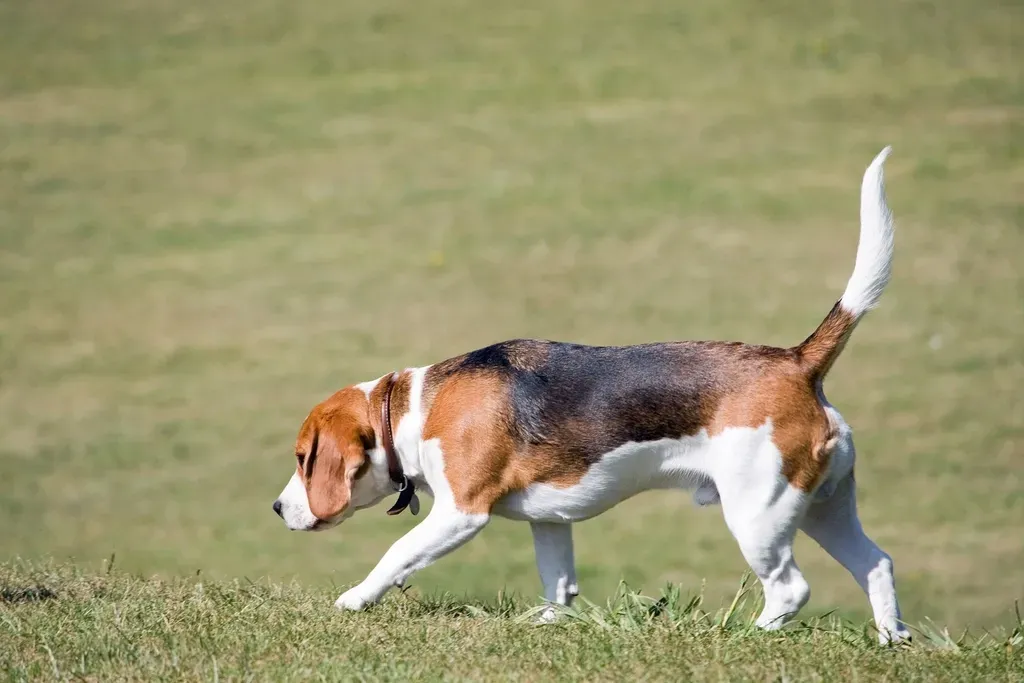
What looks like aimless wandering in a scent hound is anything but random. It’s the visible surface of an invisible process: air currents, scent plumes, overlapping odor stories, centuries of deliberate breeding, and a brain built to prioritize smell over straight lines. Your dog’s zigzags are the footprint of a working nose, not a broken attention span.
The uncomfortable truth is that a lot of people buy scent hounds for their looks, then spend years correcting the exact behavior those looks were built to support. You don’t have to choose between a dog that drags you everywhere and one that’s never allowed to sniff. Structured freedom – clear cues, thoughtful gear, and intentional sniff time – respects both your arm and your dog’s wiring.
If your scent hound walks like they’re wandering, they’re actually doing their job. The real question is whether we, as owners, are finally ready to walk like we understand that too.