
14 Results That Surprised the Canine Researchers Who Ran Them
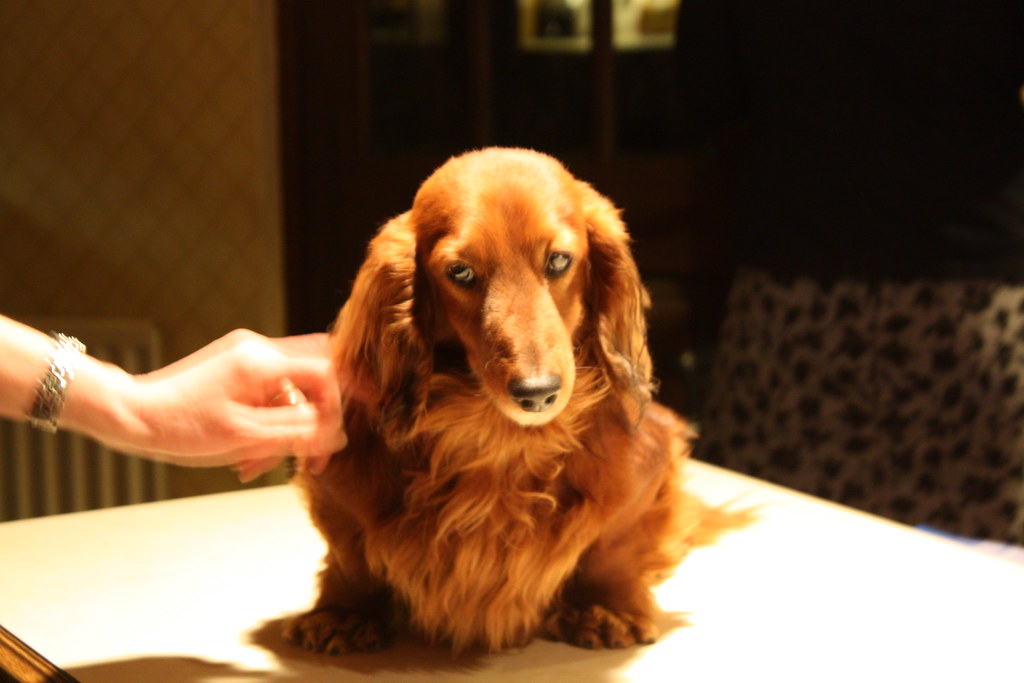
If you spend enough time around dogs, you start to feel like you know exactly what they’re thinking. Then you read what the scientists are finding in the lab, and suddenly you realize… maybe you don’t. Over the last few years, canine researchers have been quietly running clever experiments that flipped a lot of common “dog wisdom” on its head.
Some results were heartwarming, some were a bit uncomfortable for dog owners to hear, and some were just plain weird. But together, they paint a picture of dogs as far more complex, emotionally rich and flexible than most people give them credit for. A few findings even forced researchers to redo entire studies because the dogs were “cheating” in ways nobody expected.
Below are 14 of the most surprising results from canine research – the sort of findings that made the scientists themselves stop, stare at their data, and say: “Wait… what?”
#1 Dogs Can Match Human Emotions Just By Looking At Faces And Hearing Voices

One of the most striking discoveries was that dogs can combine what they see and what they hear to figure out how a human is feeling. In several experiments, researchers showed dogs pictures of human faces – some happy, some angry or fearful – while playing audio recordings of different emotional voices. Instead of looking around randomly, the dogs spent more time focusing on the face that matched the tone of the voice.
That might sound minor, but it suggests something big: dogs are not just reacting to noise or body language separately. They can integrate emotional information from two different senses and form a coherent idea like “this person is angry” or “this person is cheerful.” That level of cross‑modal emotional recognition was once thought to be mostly a human thing.
In simple terms, it means your dog is probably not just noticing that your voice is louder when you’re upset – it’s actually piecing together a mental picture of your emotional state, face plus voice, just like another person might. For many owners, that confirms what they feel in their gut: their dog really does “get” them on bad days.
#2 Brain Scans Show Dogs Value Praise Almost As Much As Food (And Sometimes More)

Ask most people what motivates a dog and they’ll say “treats,” without hesitating. So neuroscientists were genuinely surprised when brain imaging suggested that for many dogs, social approval can be just as powerful as snacks. In functional MRI studies, dogs were trained to lie still in scanners while signals predicted either food or verbal praise from their favorite human.
In a lot of dogs, the reward center of the brain lit up just as strongly – and in some cases more strongly – for the signal promising praise compared to the signal promising food. That does not mean dogs never prefer treats, but it clearly shows that for many of them, being loved and approved of is not a distant second prize.
- Dog brains show robust activation to social rewards like praise.
- Some individuals are more “people‑motivated” than “food‑motivated.”
- Training that leans on genuine social bonding can be as effective as treat‑heavy methods.
For trainers and owners, this result quietly rewrites the rulebook. It suggests that consistent, enthusiastic human praise is not just “nice,” it taps into the same neural machinery as food. That helps explain why some dogs will abandon a full bowl to follow their person from room to room.
#3 Dogs Watch How Fairly You Treat Others – And They Care About It

Another result that stunned researchers: dogs seem to have a sense of fairness, at least in a basic form. In one widely discussed experiment, two dogs were asked to perform the same simple task, like giving a paw. One dog was rewarded with a treat each time. The other got nothing, despite doing the exact same work.
At first, both cooperated. But after a while, the unrewarded dog typically started refusing to participate. Some would turn away from the experimenter, yawn in frustration, or stop offering the behavior altogether. When the same test was run but no dog received any reward, both dogs kept working longer – suggesting it was not just about treats, but about unequal treatment.
What startled scientists most was the emotional texture of it. The dogs did not just act confused; they acted annoyed in a way that looked remarkably similar to how primates react in similar fairness tests. It points to a social awareness that goes beyond “Did I get a cookie?” and into “Did I get a fair deal compared with the other guy?”
#4 Your Dog Really Does Catch Your Yawns – And It Looks Tied To Empathy
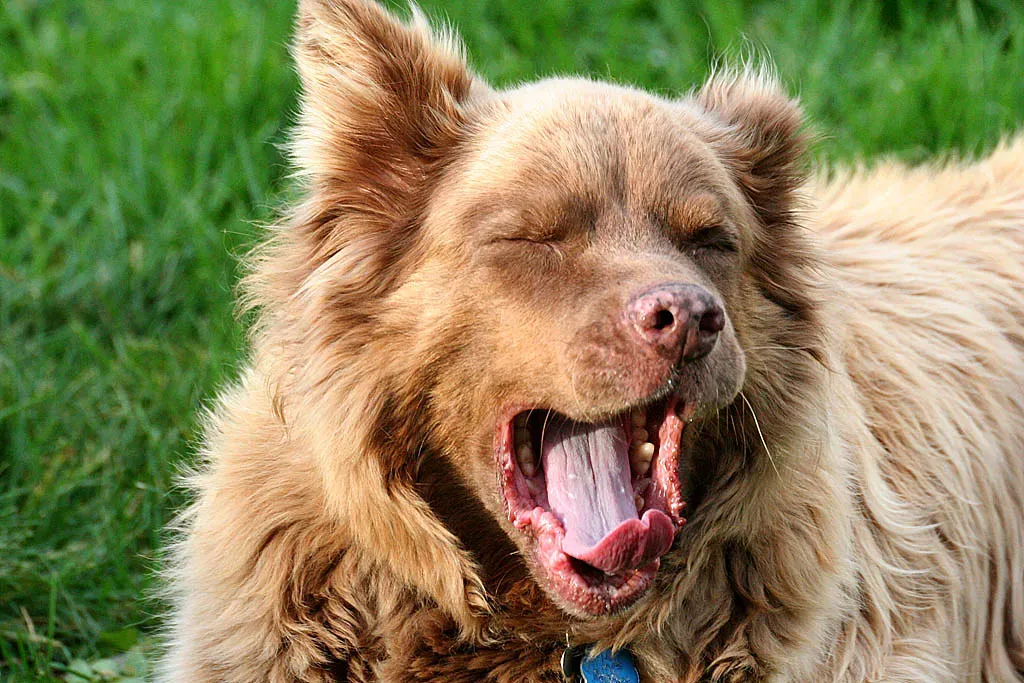
Many people joke that their dog “catches” their yawns like a human friend would. Researchers assumed this was anecdotal until controlled studies showed that, yes, dogs are more likely to yawn after watching their familiar human yawn than after watching a stranger or seeing a neutral mouth movement. In other words, contagious yawning shows up in dogs too.
In humans, contagious yawning tends to be stronger between close friends and family members and is often associated with empathy and social bonding. Seeing a similar pattern in dogs – stronger yawn contagion toward their owners than strangers – made scientists wonder if dogs may experience a rudimentary form of emotional mirroring with the people they are attached to.
- Dogs yawn more after seeing their owner yawn than after seeing a stranger.
- Contagious yawning in humans is tied to social closeness and empathy.
- This hints that dogs may share a simple, but real, emotional resonance with their humans.
To be clear, nobody is claiming dogs ponder the human condition every time they yawn. But this subtle, involuntary behavior fits neatly with the growing picture of dogs as sensitive partners who automatically mirror the emotional climate of their social group.
#5 Dogs Can Use Human Pointing Better Than Our Closest Primate Relatives
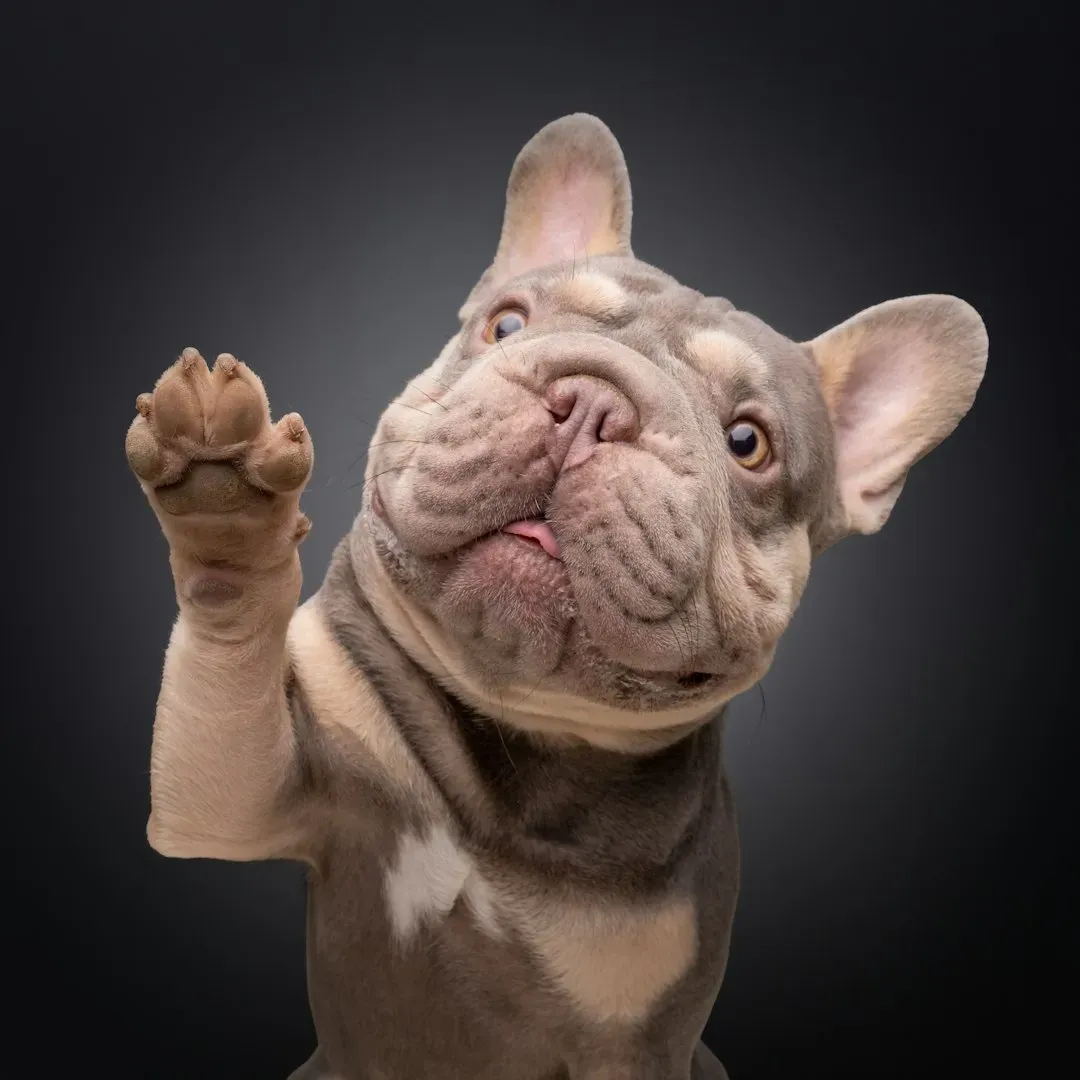
Here’s one that genuinely startled evolutionary biologists: ordinary pet dogs, with no special training, are often better at reading a simple human pointing gesture than chimpanzees. In classic tests, a researcher hides food in one of two containers, then points or looks at the correct one. Dogs, even young puppies, tend to follow the point and go straight to the right spot.
Great apes, despite being our close relatives, often struggle with this unless they have a lot of human exposure or special training. Dogs, in contrast, seem to come “pre‑loaded” with a sensitivity to human gestures, especially when the gesture is cooperative and clearly directed at them.
For scientists, this was a powerful clue that dogs have been shaped by thousands of years of living alongside humans to pay attention to our signals in a very specific way. They are not just smart; they are smart about us. That human‑focused intelligence is part of what makes the dog–human bond feel so intuitive.
#6 Puppies Show Social Skills Before They’ve Really Learned Anything
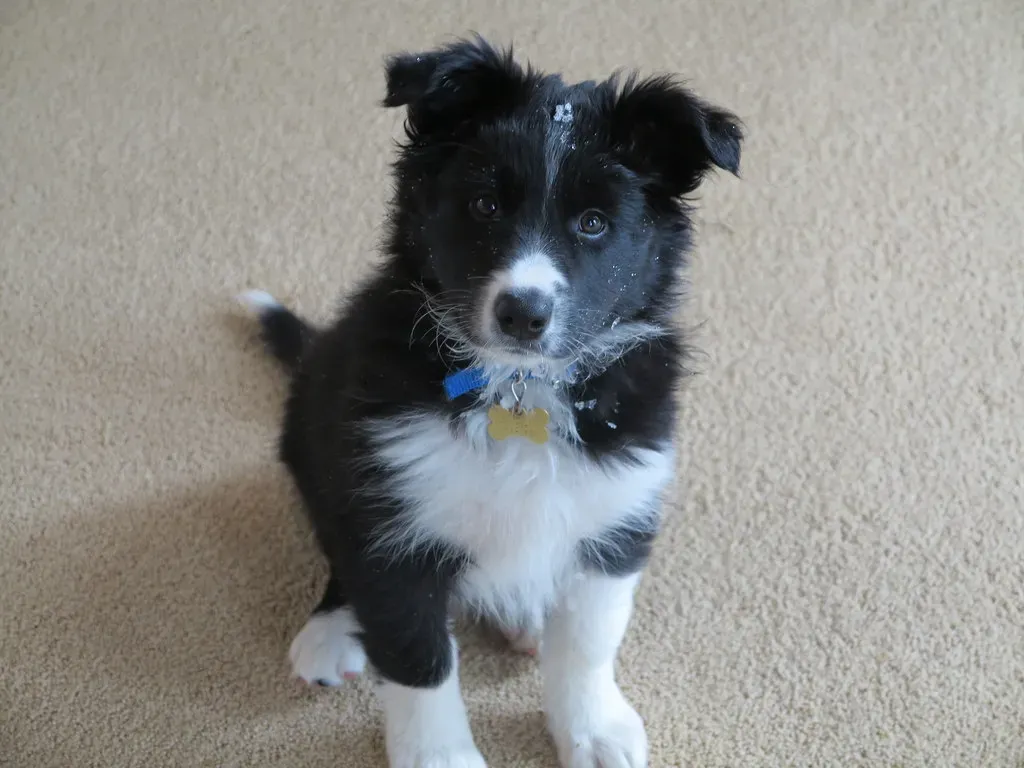
One might argue that dogs just learn all of this from growing up around people. But then researchers tested very young puppies, only a few weeks old, who had minimal experience with humans. Surprisingly, even at that age, many puppies could follow a pointing gesture, seek eye contact with people, and persistently look to humans for help when confronted with a puzzle they could not solve.
These skills showing up so early suggest that a chunk of “understanding humans” is built into their biology rather than taught step‑by‑step. Some labs even found that certain puppies were consistently better at human‑reading tasks, hinting at a heritable, genetic component to canine social intelligence.
In everyday terms, it means that when a new pup in a litter seems especially tuned in to people, that is not just your imagination. That social awareness is likely part of a very old evolutionary story in which friendlier, more attentive wolves had an advantage around human camps and gradually became the dogs we know.
#7 Dogs Remember Specific Events, Not Just Routines

For a long time, people believed dogs lived almost entirely in the present – capable of learning habits, yes, but not of recalling specific past events the way humans do. Then came experiments hinting that dogs may possess a simple form of episodic‑like memory. In one clever setup, dogs were trained to imitate a human’s actions, like touching an object, only when given a special cue later.
After watching a person do something they were not told to copy, the dogs were distracted with other tasks and then unexpectedly asked to “do it.” Many were able to remember the specific action the person had performed earlier and reproduce it on command, even though they had no reason to think they would need that information.
- This suggests dogs can store “snapshots” of specific events.
- They can access those memories later when circumstances change.
- It goes beyond rote routines like “sit means bottom on floor.”
Researchers were surprised because this type of memory blurs the line between human and animal minds more than they expected. While we should not imagine dogs mentally replaying their whole life story like a movie, it is becoming harder to say they only live from one feeding time to the next.
#8 Some Dogs Gravitate Toward “Dog TV” – Others Couldn’t Care Less

As more people started leaving televisions on for their pets, scientists got curious: are dogs actually paying attention to all that moving light and sound, or is it just background noise? When researchers recorded canine eye movements while showing different video clips – other dogs, people, nature scenes, even cartoons – the results were surprisingly split.
Some dogs followed the on‑screen action intently, especially when other dogs or animals appeared. They tracked motion, reacted to barking sounds, and even changed posture as if they were socially engaged with the images. Others barely glanced at the screen, treating it like unimportant wallpaper, no matter what was playing.
This variety caught researchers off guard and highlighted that “what dogs like” is not one-size-fits-all. Visual interest seems to depend on the individual dog’s personality, breed tendencies, and life experience. It also suggests that leaving the TV on might comfort some dogs but do absolutely nothing for others, despite being a trendy tip in many pet blogs.
#9 Dogs Can Detect Human Diseases With Almost Unbelievable Accuracy

People have long swapped stories about dogs “knowing” when something is wrong with their owners, but rigorous tests took that folklore to another level. In controlled studies, specially trained dogs have been able to identify samples from people with certain cancers, infections, or metabolic conditions by smell alone, often at rates that rival or exceed conventional screening tools in early trials.
Researchers have demonstrated dogs detecting conditions like some types of cancer, blood sugar changes in diabetes, and specific infectious illnesses by smelling sweat, breath, urine, or other samples. They are not perfect, and these systems are still being studied and refined, but the sheer sensitivity of the canine nose continues to shock even experienced scientists.
- Dogs can pick up incredibly faint chemical changes that humans cannot detect.
- They can be trained to alert to particular disease‑linked odors.
- Early results have sparked interest in “electronic noses” modeled after canine scent abilities.
The big surprise is not just that dogs can do this at all – it is how consistently many of them can perform once properly trained. It has opened up an entire field of research into using dogs or dog‑inspired technology as early warning systems for health problems.
#10 Stress Travels Down The Leash: Dogs Mirror Human Hormone Levels

People often say their dogs “pick up on their stress,” but scientists wanted to know if that was literally true on a biological level. When researchers measured long‑term stress hormones (like cortisol) in both dogs and their owners, they found that pairs who lived together closely often showed similar patterns over time. When the human’s stress stayed high, the dog’s levels tended to be elevated as well.
This surprised many researchers because it points to something deeper than momentary mood. It suggests that dogs are living in the same emotional climate as their people, and their bodies reflect that environment. The dogs are not just reacting to one fight, one bad day, or one slammed door; they are tuned to the ongoing emotional tone of the household.
For owners, this finding is a bit of a wake‑up call. Taking care of your own mental health and managing chronic stress is not only good for you; it may be one of the kindest things you can do for your dog. Your lifestyle and coping strategies are literally shaping their internal chemistry.
#11 Not All “Guilty Looks” Are About Guilt

One of the most emotionally loaded questions in dog behavior is whether dogs actually feel guilt when they have done something wrong. Owners swear they can see it in those drooping ears and averted eyes. But when researchers staged “forbidden snack” experiments, a surprising pattern emerged: the classic guilty look often appeared even when the dog had done nothing wrong at all.
In these tests, some dogs ate a treat they were told to leave alone, while others obeyed. Regardless of what they had actually done, if the owner came in angry or scolding, many dogs displayed the “guilty” body language. When the owner returned calm and cheerful, the same dogs often looked relaxed, even if they had just broken the rule.
- Guilty body language is strongly linked to the owner’s emotional cues.
- Dogs may be showing appeasement or fear, not moral guilt.
- This does not mean dogs never feel bad; it means the look is not a reliable lie detector.
Researchers were not claiming that dogs are emotionless or incapable of regret. The surprise was that what many people confidently call “guilt” seems to be more about anticipating punishment and trying to soothe an upset human, rather than an inner sense of right and wrong the way humans experience it.
#12 Domestic Dogs May Be Less Independent Problem‑Solvers Than Wolves

A particularly bold set of experiments compared dogs to wolves raised with similar human exposure. When faced with an impossible puzzle, like a sealed container with food inside, the wolves tended to keep trying to solve it on their own for longer. Dogs, in contrast, usually gave up sooner and turned to look at the human nearby, as if asking for help or direction.
At first glance, that might sound like dogs are “less intelligent,” but researchers saw something more interesting. It appeared that domestication had nudged dogs toward a problem‑solving style that leans on human cooperation. Instead of brute forcing a solution alone, they are wired to think in terms of “we” – you and me, together.
This result surprised many people who assumed domestication would only make dogs more capable in every sense. Instead, it looks like there was a trade‑off: less raw independence in exchange for a highly polished ability to recruit humans as partners. In a human world, that trade is incredibly effective.
#13 Dogs Form Attachments Similar To Human Infants
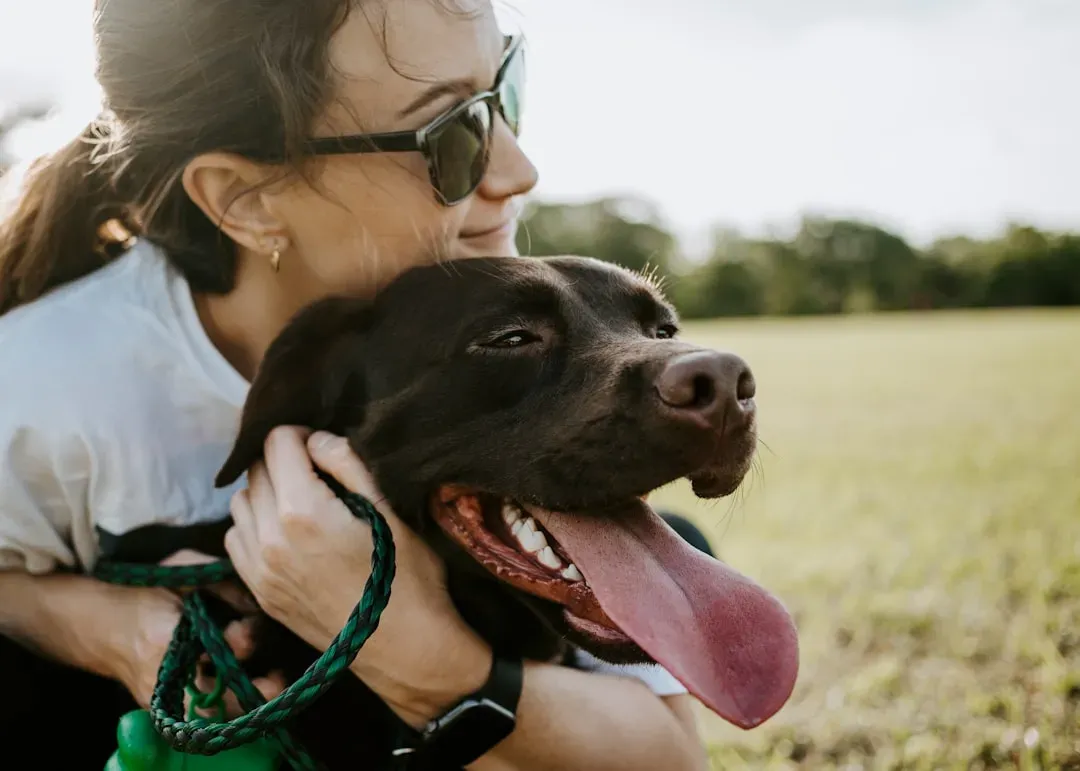
To see how deeply dogs bond with their people, researchers borrowed a classic tool from developmental psychology: the “strange situation” test used with human babies. In this setup, a dog spends time in a room with their owner, then the owner leaves and returns while a friendly stranger is also present. Scientists watch how the dog reacts at each stage.
The surprising part was how closely many dogs’ patterns matched those of securely attached human infants. They explored more confidently when their person was there, showed visible distress when the person left, and sought contact and comfort upon their return. They were polite with the stranger, but clearly treated the owner as their primary emotional anchor.
- Many dogs use their owner as a “safe base” for exploration.
- Separation can trigger anxiety similar to what is seen in human children.
- Reunion often brings rapid calming and affectionate behavior.
This research did more than just confirm what dog lovers already feel. It gave scientific weight to the idea that dogs and humans can form genuinely attachment‑like relationships, not just surface‑level familiarity. That has implications for how casually we treat rehoming, long separations, or boarding, especially for particularly sensitive dogs.
#14 Dogs Understand When We’re Being Rude – And They Hold It Against Us
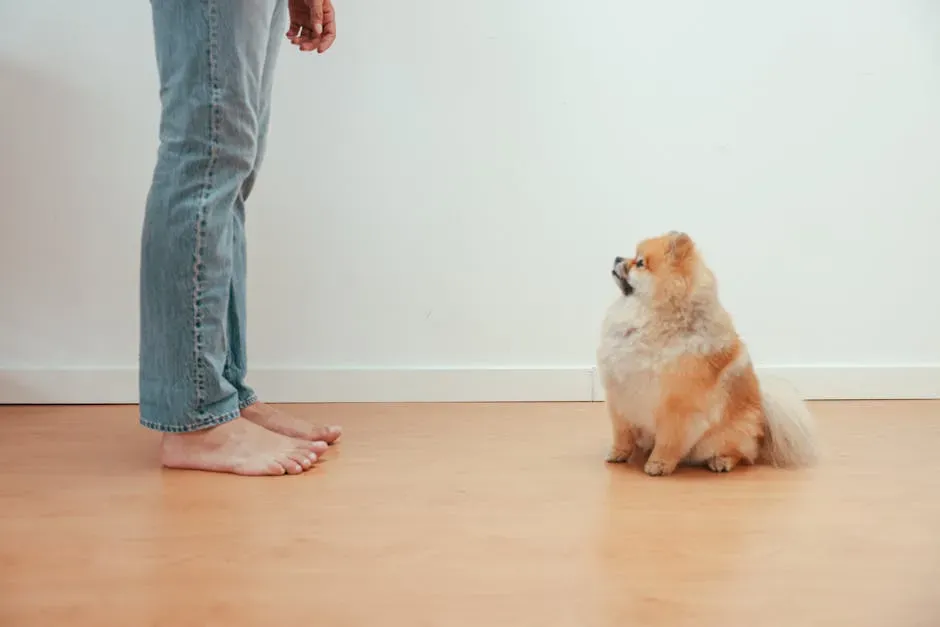
One of the most eyebrow‑raising findings came from social judgment experiments. In a typical design, a dog watches while their owner struggles to open a container and asks another person for help. Sometimes the second person helps. Other times, the second person refuses or behaves uncooperatively. Later, that same unhelpful person tries to offer the dog a treat.
Over multiple trials, many dogs showed a consistent pattern: they were less likely to accept food from the person who had refused to help their owner, compared with someone who had been kind or neutral. The dog was not personally harmed, yet it still seemed to “downgrade” the rude human in its social ranking.
For researchers, this suggested that dogs are watching human–human interactions and forming social evaluations, not just reacting to how each person treats them directly. In other words, your dog may be quietly judging the friend who snapped at you in the kitchen. That is a far cry from the old idea that dogs only care who has the ball or the biscuit.
Conclusion: Dogs Keep Forcing Us To Raise The Bar On What We Think They Understand

When you put all these findings side by side – the emotional reading, the brain scans, the disease detection, the social judgments – a clear theme emerges: every time scientists design a careful test of what dogs can do, the dogs nudge the ceiling a little higher. The image of the dog as a simple, treat‑driven companion just does not hold up under the weight of the evidence.
Personally, I find that both comforting and challenging. Comforting, because it validates what so many dog owners feel in their bones: that living with a dog is living with a real, emotionally rich partner. Challenging, because it means we owe them more respect, more patience, and a higher standard of care than we might offer to a creature we see as “just an animal.”
In the end, the most surprising result might be this: the closer we look at dogs with scientific tools, the more they start to look like family members in all but name. Knowing that, it is worth asking yourself – if your dog is paying this much attention to who you are, how you feel, and how you treat others, what kind of person are they learning you to be?