
12 Reasons a Dog Barks at Some Visitors and Not Others
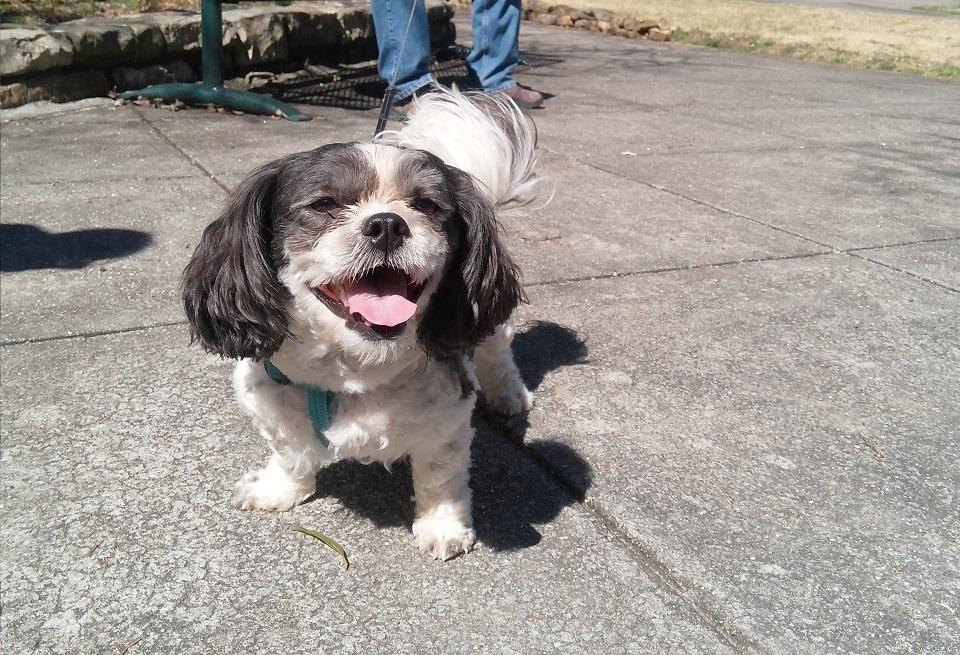
Your dog throws himself at the door barking his head off at your sister-in-law, then flops belly-up for the pizza guy ten minutes later. Same front door. Same four walls. Wildly different verdicts. Most owners just shrug and say “he’s weird about some people” – but that’s the lazy answer, and your dog deserves better than that.
Dogs run a full background check on every single visitor, using tools we barely notice: scent, posture, voice, memory, even pain we can’t see. Once you know what your dog is actually scanning for, those “random” outbursts stop feeling random and start feeling uncomfortably logical. Here are the 12 real reasons behind it, based on what behaviorists and researchers have pieced together about the canine brain.
#12 – Your Dog Is Reading Scent Like a Full Biography
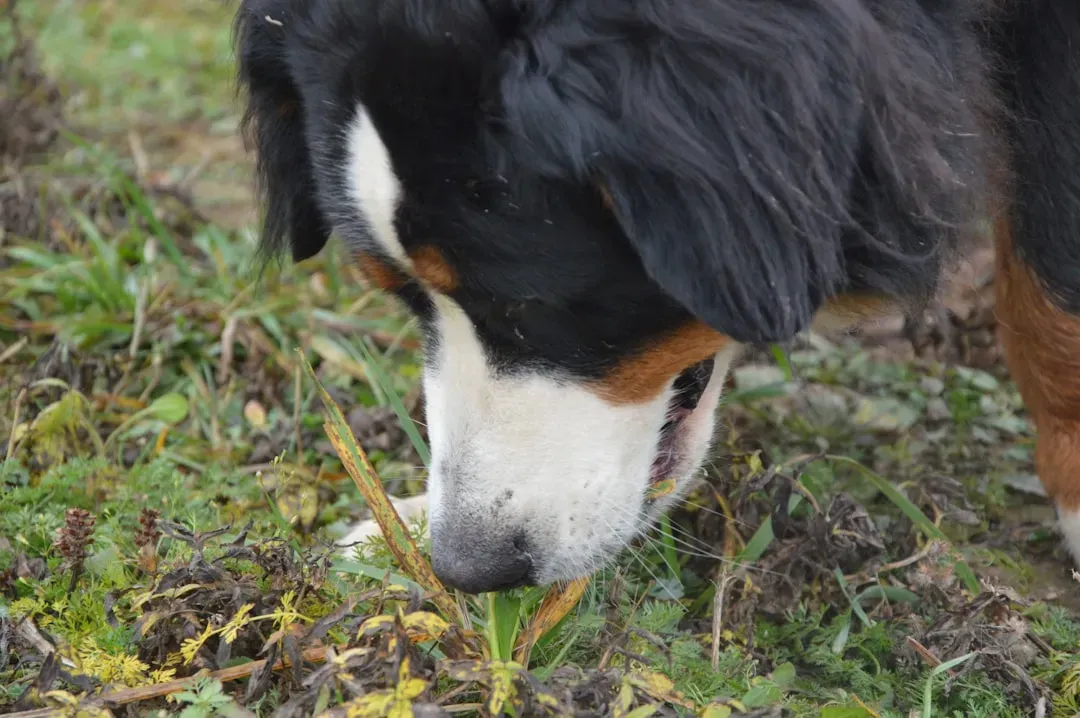
Dogs don’t just smell that someone is “there.” They smell where a person has been, what they ate, who they live with, and even their emotional state in that moment. A dog’s nose is so sensitive that they can detect some odors in parts per trillion, which is exactly why police and medical detection dogs exist in the first place.
When a visitor walks in, your dog is instantly comparing that person’s scent against a mental library of safe versus unsafe smells. People who live with other animals, work around strong chemicals, or smoke often carry unfamiliar scent signatures that trip the alarm. That’s why your dog might lose it over your cousin who owns three unfixed male dogs, but ignore your quiet neighbor who smells faintly of laundry soap.
There’s an emotional layer too. Studies show dogs can detect changes in human body odor linked to stress or fear, which means someone who’s genuinely anxious around dogs can literally smell different to your dog.
Fast Facts
- Dogs have roughly 300 million scent receptors, compared to about 6 million in humans
- The part of a dog’s brain devoted to analyzing smells is proportionally far larger than a human’s
- Some detection dogs can pick up scent changes tied to stress hormones or shifting emotions
- New perfume or cologne = “stranger danger” to the nose
- Strong animal scent = possible territorial threat
#11 – Subtle Body Language Puts Some Visitors on the “Threat” List
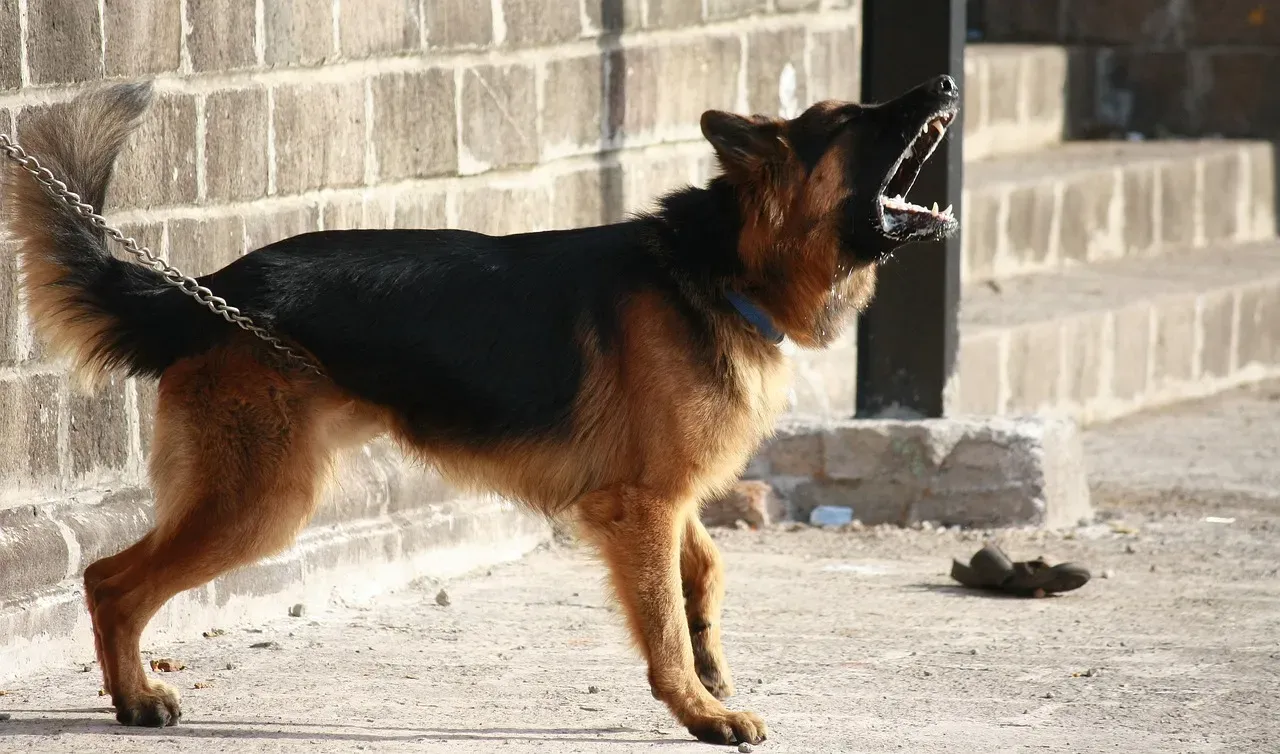
To your dog, a person’s posture, speed, and eye contact matter more than their words ever will. A visitor who leans forward, stares straight at the dog, and moves fast into the home often gets a very different reaction than someone who eases in slowly and casually.
Dogs are masters of reading micro-movements. Even a slight stiffening of the shoulders or a forced smile can be enough for a cautious dog to decide, “I need to bark at this.” Kids who rush in, people who bend straight over the dog, or guests who reach for the head first are statistically more likely to get barked at or avoided entirely.
On the flip side, someone who turns slightly sideways, avoids direct eye contact, and lets the dog approach first is “speaking dog” without even realizing it. Trainers coach nervous owners to teach visitors exactly this move.
- The hugger, grabby, loud uncle? Always barked at.
- The chill friend who ignores the dog completely? Instant favorite.
#10 – Past Experiences With “People Like That” Are Driving the Reaction

Owners love to insist, “But my dog has never met this person before!” True – but your dog has met their type before. Dogs generalize, and they generalize hard.
If your dog had a scary experience with a tall man in a baseball cap as a puppy, plenty of tall men in hats will now feel risky by association. A dog frightened by a loud man with a deep voice may react badly to future visitors who share that same vocal tone, even if they’re perfectly kind.
The dog isn’t judging the individual; it’s following a mental shortcut – last time someone like this appeared, I felt unsafe. That’s why some dogs bark at delivery drivers, men in work boots, or people carrying large bags. Barking becomes the fastest way to create distance and feel safe again, and it has nothing to do with rudeness.
#9 – Certain Clothing and Accessories Freak Dogs Out More Than You Think
To us, a hat is just a hat and sunglasses are just sunglasses. To a dog, they can turn a normal human into a faceless, unpredictable silhouette. Dogs that are perfectly fine with bare-faced people can suddenly bark at anyone in a hoodie, a big coat, or dark glasses.
Here’s why. Dogs rely heavily on reading our facial expressions and eyes. Hide that, and they lose a major source of information right when they need it most. Pair that with fast movement – like someone in a bulky jacket stomping through the door – and the brain defaults to caution.
Certain outfits also warp a person’s outline entirely. Big puffy coats, uniforms, helmets, masks, even oversized bags can make a visitor look “not quite human” to a nervous dog, and that mismatch is enough to set off alarm barking.
- Same person, no hat = tolerated without a second look
- Same person, big hat plus sunglasses = suddenly a total stranger
#8 – Your Dog Is Reacting to Tone of Voice and Noise Level
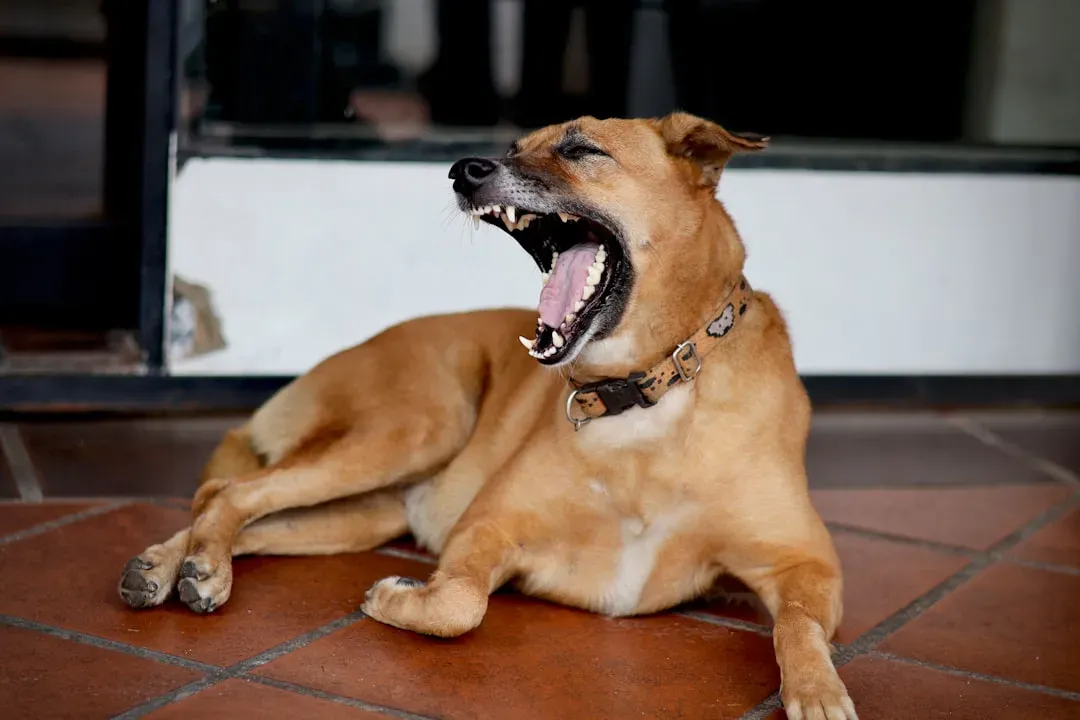
Most people badly underestimate how intensely dogs experience sound. A slightly raised human voice can land like a shout in a dog’s ears. Visitors who are naturally loud, high-pitched, or erratic in speech patterns often get a completely different welcome than the quiet ones.
Research suggests dogs process emotional tone in ways that overlap surprisingly with humans. That means a harsh, sharp tone can register as a threat even when the actual words are friendly. Laughing loudly, cheering at the TV, or clapping while walking in can pair a visitor’s presence with sudden bursts of noise, and for many dogs, that equals danger.
On the flip side, some dogs bark from sheer excitement when a talkative person walks in and hits “party mode.” The barking is still aimed at that specific person; it’s just excitement wearing an alarm’s clothing.
Worth Knowing
- Dogs can hear frequencies up to roughly 45,000 Hz, while most adult humans top out around 20,000 Hz
- That extra range means high-pitched or sudden noises can feel far more intense to a dog than to the person making them
- Dogs are also highly tuned to pitch changes, which is why a calm word and a startled yelp can trigger very different reactions
- Calm, soft-spoken guests = little or no barking
- Loud, unpredictable talkers = nonstop vocal fireworks
#7 – Your Dog Is Protecting “Their” People From Specific Social Energy
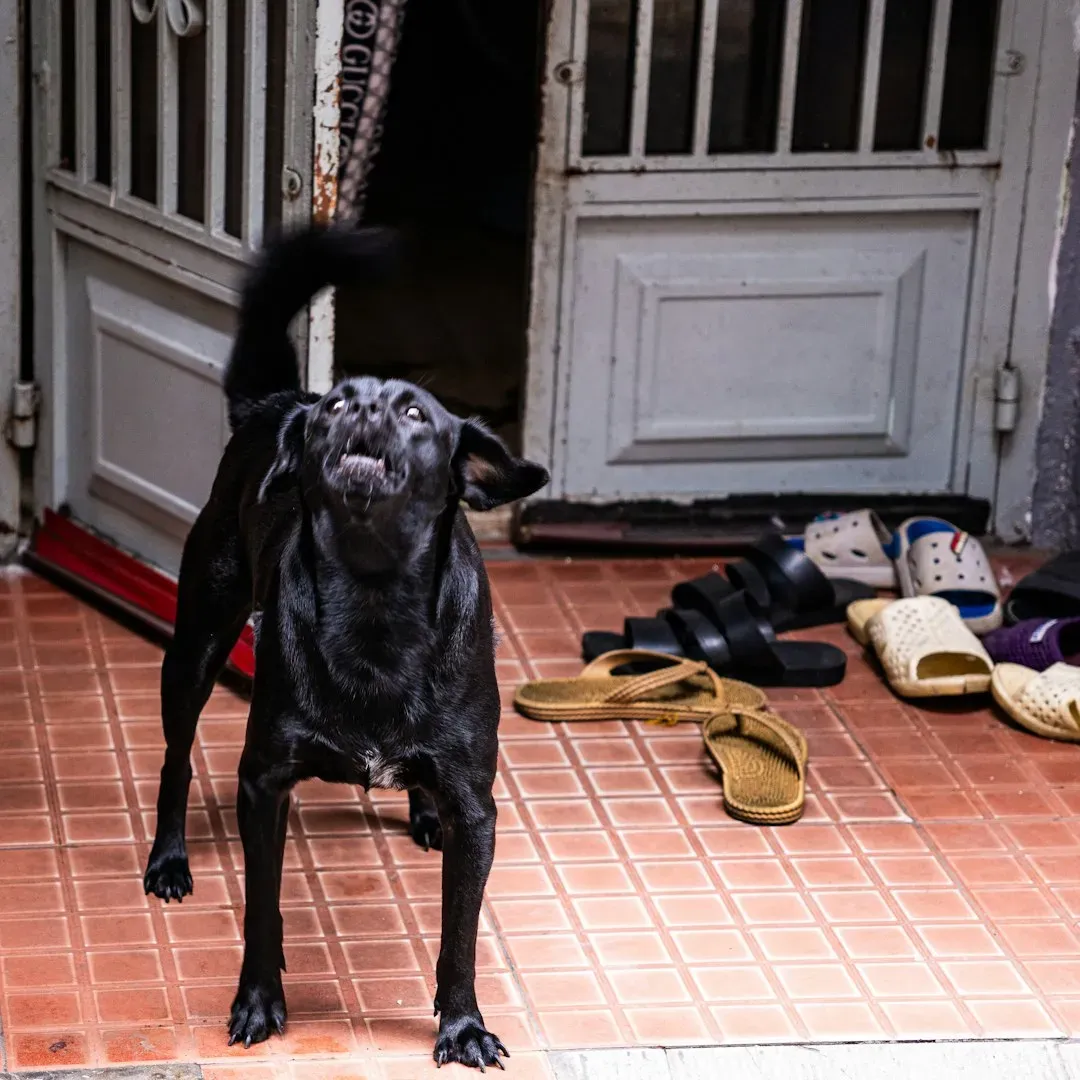
Here’s the part many owners don’t want to hear: sometimes your dog dislikes someone for reasons your own social brain glosses right over. Dogs pick up on tension between people in the home and certain visitors, often before you’re even consciously aware of it yourself.
Dogs are social eavesdroppers. They watch arguments, feel the emotional temperature of a room, and quietly log who tends to show up right before things get tense. Over time, they may bark more at the people who consistently arrive right before raised voices, slammed doors, or anxious body language from you. To them, that visitor equals family conflict, full stop.
Some behaviorists argue this is exactly why dogs bark more at that one relative or ex-partner you’re not thrilled about, even when you’re perfectly polite on the surface. Your dog is reading the gap between your mouth and your nervous system.
- Dog wedges itself between you and a certain visitor
- Dog barks only when that person approaches you, never anyone else
#6 – Breed Traits and Genetics Make Some Dogs Hyper-Selective

It’s not exactly popular to say out loud, but it’s true: genetics matter, a lot. Guarding breeds, herding breeds, and many working lines are literally wired to notice and respond to the line between “us” and “them.” A Labrador might greet every stranger like a long-lost roommate, while a German Shepherd or a livestock guardian breed stays far more suspicious by design.
Even within those breeds, individual thresholds vary wildly. Some dogs simply have a lower bar for what feels “off,” so a minor change in gait, smell, or demeanor is enough to trip the alarm. That’s why one dog in a household might accept every visitor, while another barks at a carefully curated few.
Quick Compare
- Territorial dogs: bark more at visitors who move confidently into the home
- Herding dogs: react to erratic movement – kids, fidgety adults
- Guard breeds: laser-focused on who gets close to doors, windows, or you
None of this means “that’s just how they are” and can’t change with work. But pretending breed and genetics don’t shape who gets barked at is wishful thinking.
#5 – Your Dog’s Socialization History Is Quietly Running the Show

People throw around “socialization” like a buzzword, but in behavior terms it’s brutal: what your dog did or didn’t experience from roughly 3 to 14 weeks old can shape their opinion of humans for life. Dogs who only met a narrow slice of people early on often struggle badly when reality delivers visitors who don’t fit that mold.
A puppy raised around quiet adults, for instance, might grow into a dog that barks mostly at kids, men with beards, or people using canes or wheelchairs. It’s not prejudice – it’s unfamiliarity. The brain flags anything outside its early learning window as potentially risky.
- Never met kids growing up → barking at small, fast, noisy humans later
- Never saw hats, uniforms, mobility aids → barking at anyone using them
- Very limited visitors as a pup → “outsiders” feel genuinely shocking as an adult
The good news: thoughtful, gradual exposure paired with high-value rewards can rewrite a lot of this. But if your dog has an obvious “type” they always bark at, you’re probably watching an old socialization debt come due.
#4 – Health Issues Make Certain People Suddenly Feel “Too Much”

This is the factor almost everyone misses. A dog who never used to care about visitors can start barking at specific ones once pain or sensory changes quietly creep in. Arthritis, ear infections, and age-related hearing or vision loss all change how safe your dog feels in close quarters.
Think about it: if your joints ache, the last person you want near you is the one who moves fast, leans in hard, or pats roughly. Dogs feel exactly the same way. A dog in chronic pain is far more likely to bark at the visitors who touch them clumsily, move unpredictably, or crowd their space.
- Barking suddenly increases in middle age or the senior years
- Barking focuses specifically on visitors who touch, hug, or step over the dog
- Dog startles more easily and barks after being surprised
In cases like these, the behavior isn’t bad manners. It’s a symptom. A vet check should be step one, not step ten, the moment you notice a sudden shift in who your dog barks at.
#3 – Inconsistent Owner Cues Teach the Dog to Bark at Some People

Here’s the uncomfortable truth: sometimes the dog isn’t the confusing one. We are. Plenty of owners react differently depending on who’s visiting – tensing up when the boss comes by, getting overly excited for a best friend, or scolding the dog only around people who look annoyed.
Dogs are ruthless pattern detectors. If your tone changes, the leash gets tighter, or you suddenly start bribing or restraining your dog only around certain visitors, you’re accidentally telling your dog there’s something special, and possibly dangerous, about this one. Barking becomes part of the ritual.
- Yanking the collar only when the dog barks at some guests
- Petting or soothing in a nervous tone – “it’s okay, it’s okay”
- Letting “fun” guests hype the dog up, but shushing it only around others
Over time, the dog learns: when this kind of person shows up, the whole energy in the room changes, so I’d better sound the alarm. It’s not dominance. It’s conditioning, and we’re usually the ones doing the conditioning.
#2 – Territory and Resource Guarding Turn Some Visitors Into “Invaders”
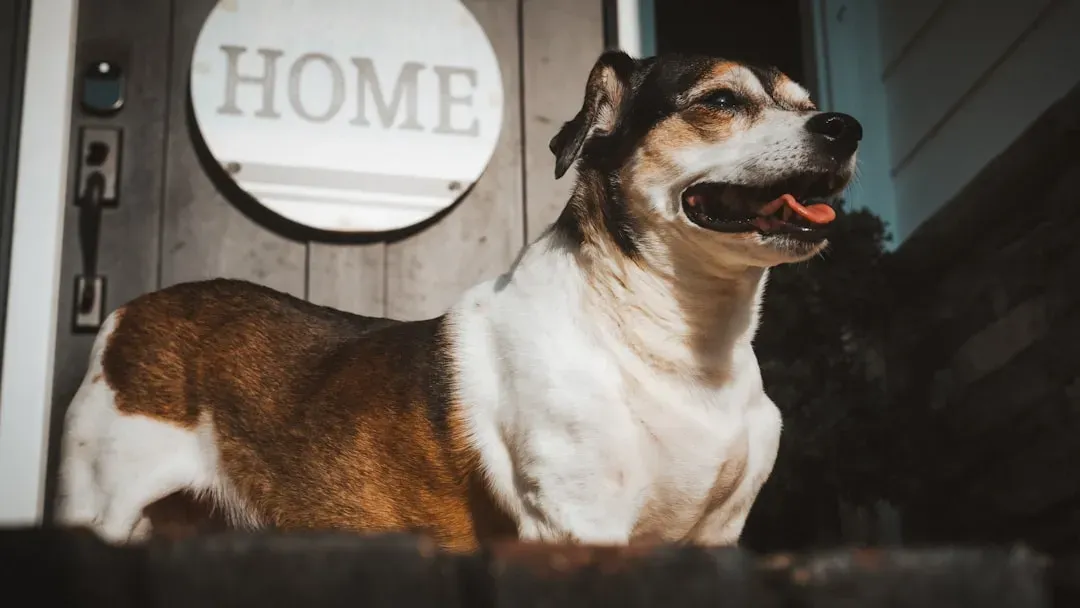
Not all visitors are equal in your dog’s mental map of the house. Some people stand politely in the entryway. Others walk straight to the kitchen, sit on the favorite couch, or pick up the dog’s toy without a second thought – and those bold movers are the ones who get barked at most.
Many dogs don’t start barking until a visitor crosses very specific invisible lines:
At a Glance
- Approaching the couch where the dog usually sleeps
- Walking toward food bowls, beds, or crates
- Heading straight into bedrooms or down hallways
To a territorial or resource-guarding dog, that’s the difference between a harmless stranger and a full-blown intruder. They don’t care what the person intends; they care which spaces or objects that person is closing in on. This is exactly why some dogs seem fine for the first five minutes, then erupt the second a guest “makes themselves at home.” From the dog’s point of view, that’s precisely when the real threat starts. Correct the bark without addressing the underlying territorial discomfort, and you’ll never actually solve it.
#1 – Your Dog Is Making an Emotion-Based Snap Judgment… And Sometimes They’re Not Wrong

Here’s the hot take dog people argue about at every dog park: sometimes your dog just doesn’t like someone, and you can’t fully pin it on hats, voices, or socialization history. Dogs are constantly scanning human micro-expressions, breathing patterns, and emotional leakage better than we scan each other.
Behaviorists are careful not to over-mystify this, but owners bring up the same pattern constantly: the dog that’s friendly with 99% of humans, yet laser-focused and almost obsessive in disliking one particular person. They bark not from generic fear, but from a stripped-down “no, I don’t trust you” place.
Is your dog always right? Of course not. But dismissing an intense, consistent reaction as “just being dramatic” is its own kind of denial. Worth asking yourself:
- Does this person ignore obvious boundaries?
- Do you feel tense too, even if you can’t quite justify why?
- Has your dog otherwise been rock-solid with visitors for years?
Sometimes a dog’s selective barking is their version of saying, “Something about this isn’t sitting right.” You don’t have to rebuild your entire social calendar around it, but pretending it means absolutely nothing is denial dressed up as manners.
The Bottom Line
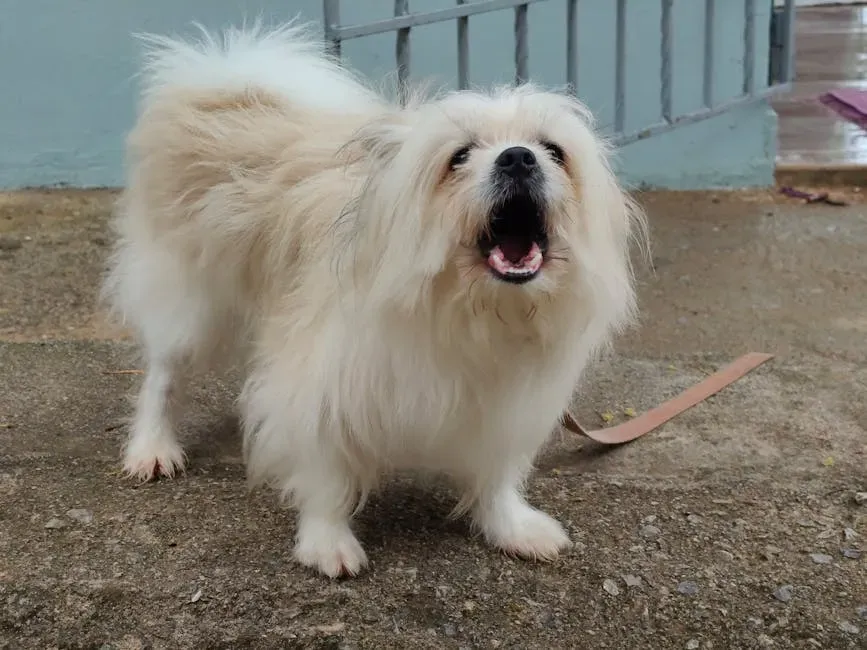
When your , it’s not random rudeness. It’s a messy blend of scent, body language, past experience, genetics, health, and the emotional weather already living inside your home. Honestly, your dog is often reacting more truthfully to the room than the humans standing in it are.
That doesn’t mean you should indulge every outburst or let barking replace good manners. But it does mean you owe your dog a beat of curiosity before you correct them. You can absolutely train better greeting behavior, manage known triggers, and help a nervous dog feel safer walking into a crowded room.
What you shouldn’t do is write the barking off as “overly dramatic.” Your dog is doing unpaid security work with the only tools they’ve got: a nose, a memory, and zero patience for fake smiles. The real question is what you do next time it happens – shut the noise down, or actually get curious about what they’ve been trying to tell you all along.
Did we nail your dog’s “visitor type,” or is there one we missed? Drop it in the comments.