
12 Reasons a Dog Behaves Differently for One Family Member
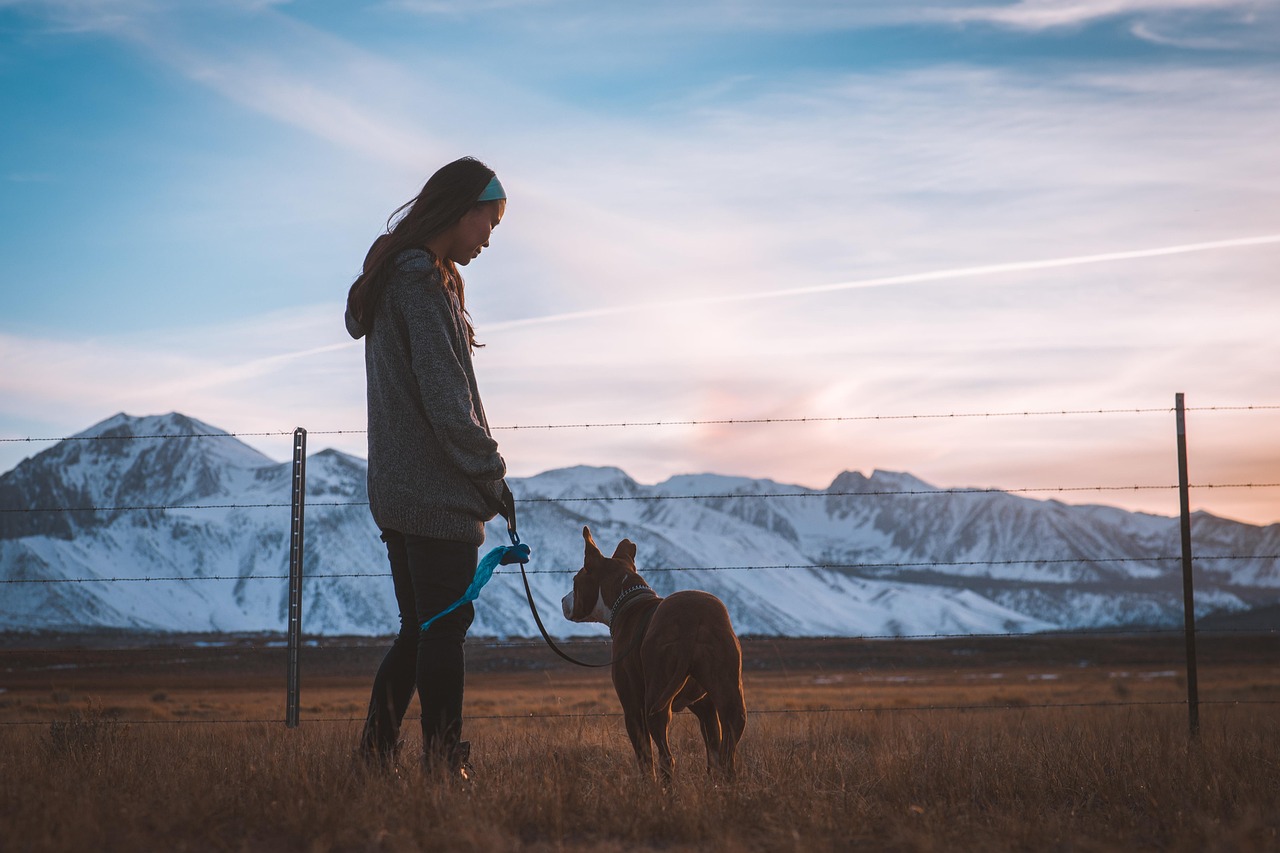
Ever notice how your dog comes racing the second one person walks in the door… but barely lifts an eyebrow for everyone else? It can feel flattering, confusing, or even a little insulting, depending on which side of that equation you’re on. The truth is, dogs are constantly reading us in ways we barely notice, and they often form special “rules” and routines with specific people.
When I first realized my own dog would obey my partner instantly but treated me like a slightly chaotic roommate, I went down a rabbit hole of behavior research, trainers’ insights, and a lot of awkward self-reflection. What I learned is that it usually has very little to do with who loves the dog more, and everything to do with patterns, body language, timing, and history.
Let’s break down the most common, science-backed reasons a dog acts one way with one family member and totally differently with another. You might discover that your dog’s “favorite human” is actually the person who’s most predictable, clearest, or easiest to read.
#1 Consistency of Rules and Routine
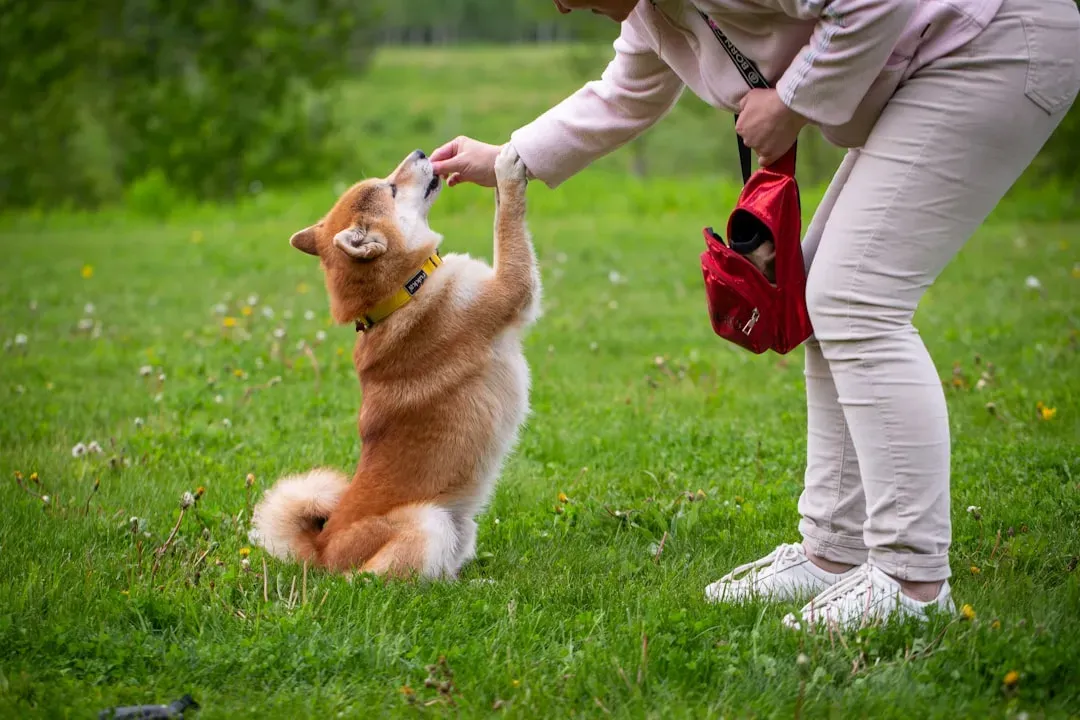
One of the biggest reasons a dog listens to one person more than others is simple: that person is consistent. Dogs thrive on patterns. If one family member always responds the same way to behaviors – sit means sit, walk always happens after the leash is clipped, begging never works at the table – your dog quickly learns the rulebook for that person.
In contrast, if another person sometimes lets the dog on the couch, sometimes scolds them, sometimes laughs and pets them for jumping, the dog has no clear script to follow. So what looks like “disrespect” is usually just confusion. The dog literally doesn’t know which version of you they’re getting today.
- Dogs repeat what reliably works for them.
- Mixed messages create mixed behavior.
- Clear, steady rules make you easier for a dog to understand.
If you want a dog to behave the same way with everyone, the humans have to align. Decide on house rules – couch or no couch, begging or no begging, door manners, walk routines – and stick to them. The family member the dog “respects” most is often just the one who’s the most predictable.
#2 Body Language and Energy Level
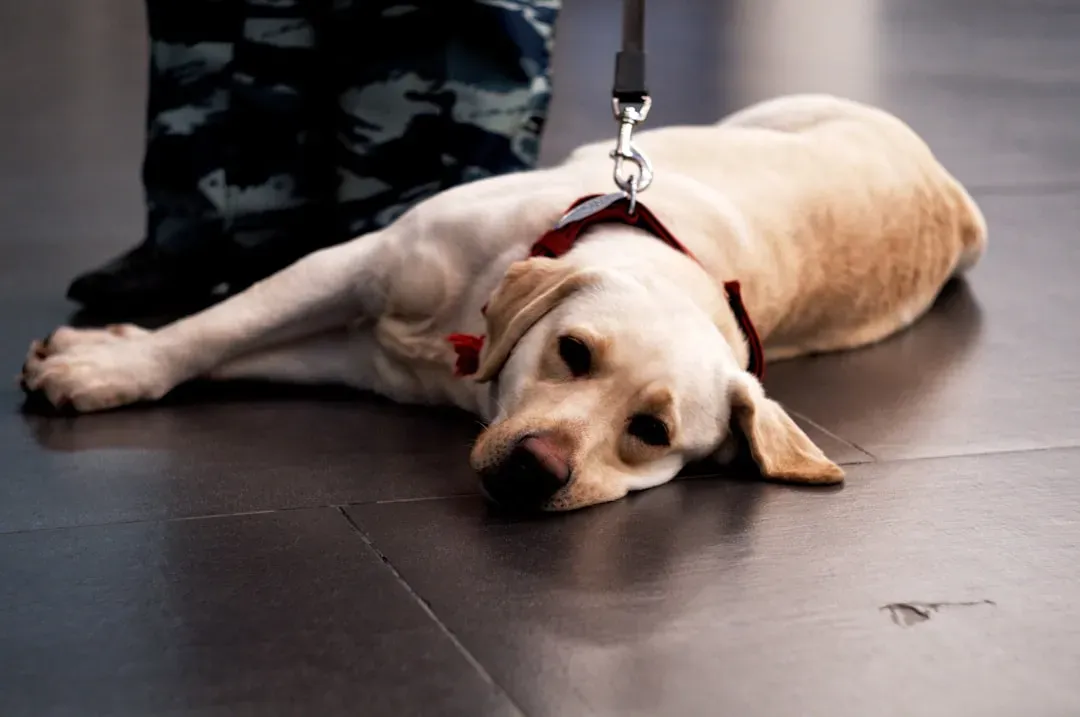
Dogs are professional body-language readers. Long before they understand a single spoken word, they’re watching how you move, how fast you walk, where your eyes go, how tense your shoulders are. One family member may have calm, grounded movements and a relaxed posture, which feels safe and easy for the dog to follow.
Another person might be high-energy, fidgety, or move in big, unpredictable bursts. To a dog, that can be exciting, overstimulating, or even slightly intimidating, depending on the dog’s temperament. The result: the dog might wrestle and jump all over the energetic person but sit politely and focus on the calm one.
- Stiff, looming posture can feel threatening.
- Quick, jerky movements can trigger excitement or anxiety.
- Slow, soft, sideways approaches often feel safer to dogs.
If your dog seems “wild” around you but angelic around someone else, try literally slowing down. Bend at the knees, angle your body sideways instead of head-on, breathe deeply, and avoid towering over the dog. You might be surprised how much your dog’s behavior changes when your body says “no big deal” instead of “something intense is happening right now.”
#3 Timing and Quality of Rewards
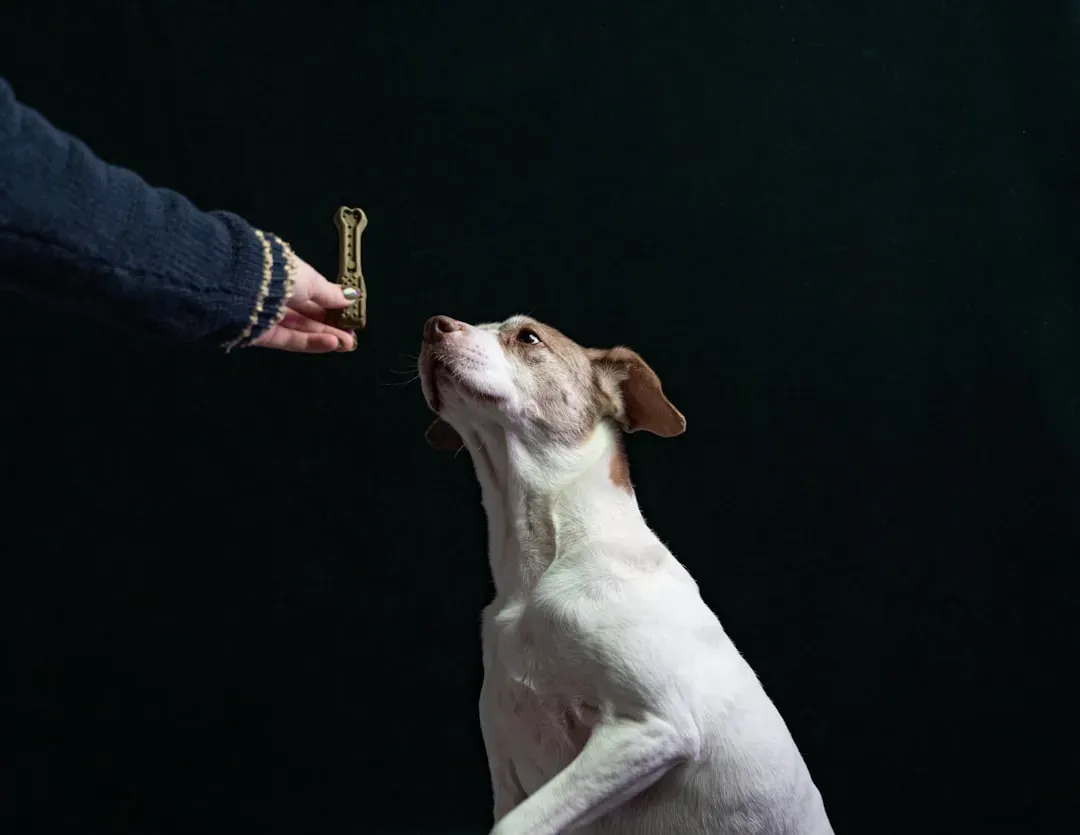
Dogs learn by association, and timing is everything. The person your dog listens to best is often the one with the best timing when it comes to rewards and corrections. If one family member marks good behavior right away with a treat, toy, or praise, the dog can clearly connect the action with the outcome.
Another person might mean well but be a couple of seconds too late. They ask for a sit, the dog briefly sits, then pops back up – and only then the person says “good dog” and hands over a treat. From the dog’s perspective, the reward was for standing up, not sitting. Over time, that kind of mistiming makes cues fuzzy and unreliable.
High-value rewards matter, too. The person who carries the best treats, plays the fun games, or hands out the most satisfying scratches behind the ears becomes the most “rewarding” human in the dog’s world. Behavior tends to follow wherever the good stuff lives.
- Reward within a second or two of the behavior you like.
- Use rewards your particular dog actually cares about.
- Avoid accidentally rewarding pushy, jumpy, or noisy behavior.
#4 Bonding History and Emotional Association
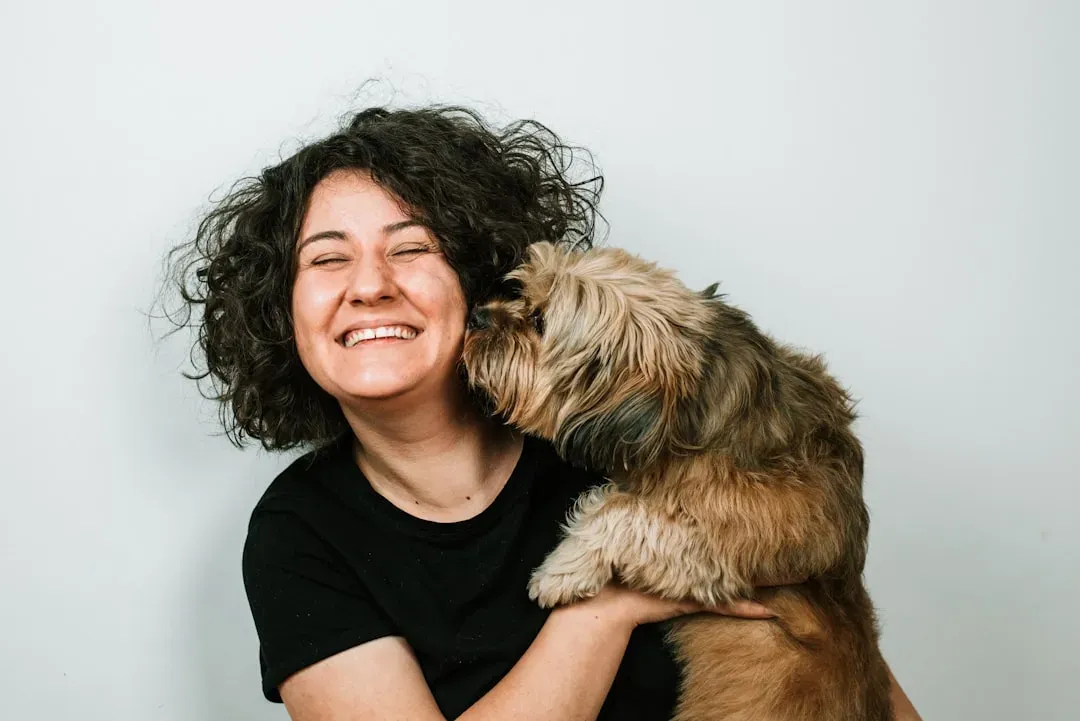
Dogs remember how they feel around each person. One family member might have been there from puppyhood, through scary vet visits, fireworks, or big life changes. Another might have entered the picture later, when the dog was already anxious, older, or set in their ways. The emotional history between dog and human quietly shapes behavior for years.
If a dog has had soothing, positive experiences with one person – gentle grooming, calm walks, quiet cuddles on the couch – that person becomes a kind of emotional “safe base.” The dog may check in with them more, follow their cues faster, and even hide behind them if they’re nervous about something or someone else.
On the flip side, a dog might associate another family member with stressful moments. Maybe that person is always the one to put them in the crate before work, or they mostly interact during chaos (rushing out the door, kids yelling, loud TV). Even if that person loves the dog deeply, the emotional picture in the dog’s brain is more scattered and intense.
- Dogs link you with how they usually feel around you.
- Calm, positive interactions build trust over time.
- Negative or chaotic patterns can make a dog avoidant or hyper around one person.
#5 Tone of Voice and Verbal Habits
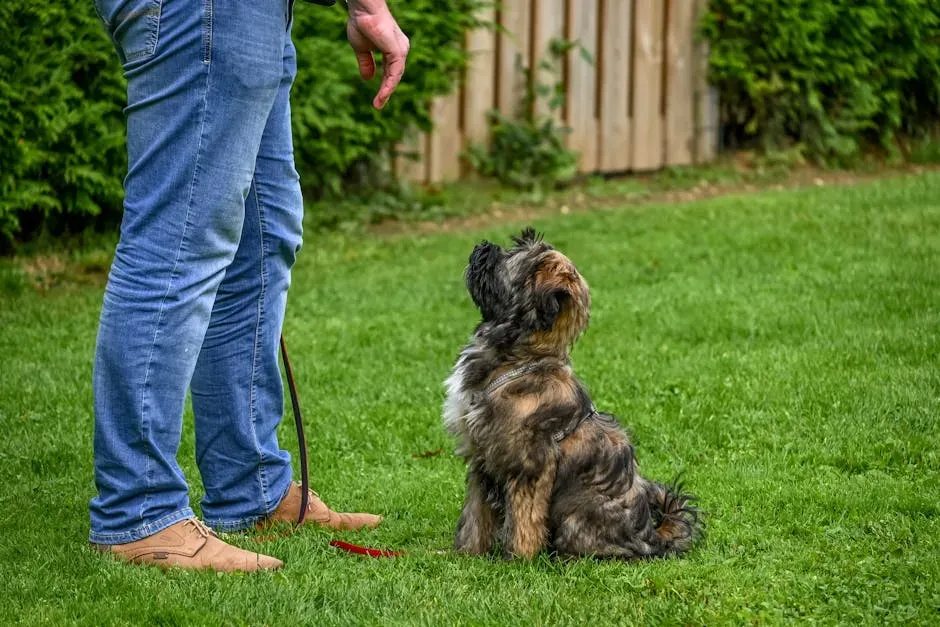
Most dogs do not understand our words nearly as much as we think they do, but they are experts in reading tone. One family member might use a clear, simple, steady voice: one cue, same word, same tone every time. Another might chatter constantly at the dog, repeat cues over and over, or mix commands with emotional speeches.
To a dog, endless talking quickly turns into background noise. If one person says the dog’s name twenty times before a walk, squeals, sings, and uses a dozen different phrases, the dog learns that human sounds are mostly random. That makes it much harder to pick out the important cue – like “come” or “leave it” – when it really matters.
The family member who gets results often does a couple of simple things: they use short, consistent cues, they say them once, and they follow through. Their tone is confident but not angry, inviting but not begging. Dogs are naturally drawn to clarity and calm authority, and they tune in to that voice more reliably.
#6 Who Controls the Fun Stuff (Resources and Activities)
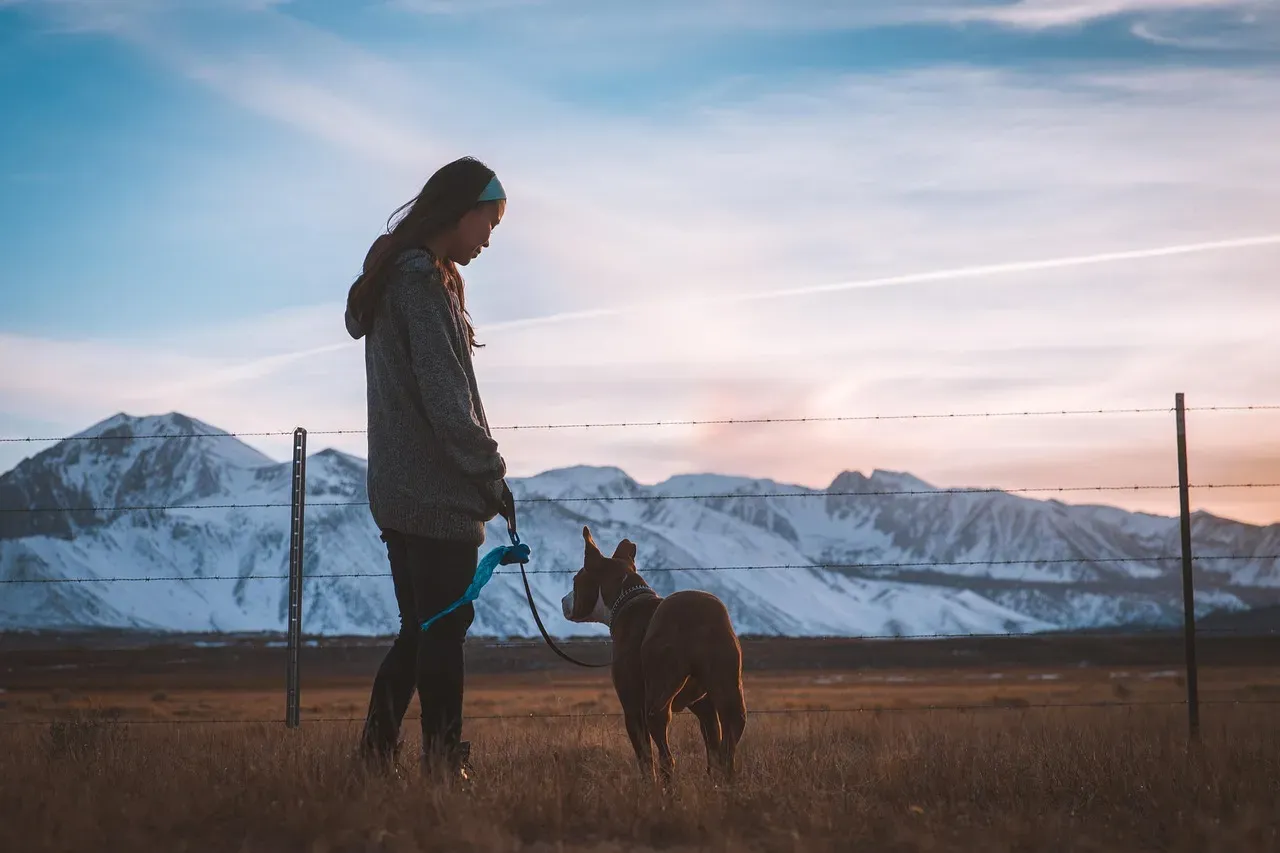
From a dog’s perspective, the most powerful person in the house is the one who controls access to the things that matter: food, toys, walks, play, car rides, backyard time, cozy sleeping spots. If one family member feeds, walks, and trains the dog daily, and another mostly just appears on the couch at night, the dog’s behavior will reflect that difference.
Dogs are practical. They pay closer attention to the person who opens doors – literally and metaphorically. That might explain why a dog bolts joyfully to the person who usually grabs the leash and barely glances at the person who only gives an occasional pat on the head.
- Feeding time is a major bonding and leadership moment.
- Walks, games, and training sessions build “you are important” status.
- Whoever controls the fun usually gets the fastest obedience.
If you feel like an “extra” in your own dog’s story, start being the source of good things. Hand-feed some meals, initiate training games, be the one who starts the walk or play session. Dogs do not care about titles like owner, partner, or parent. They care about who consistently makes their life better.
#7 Past Experiences, Fears, and Trauma
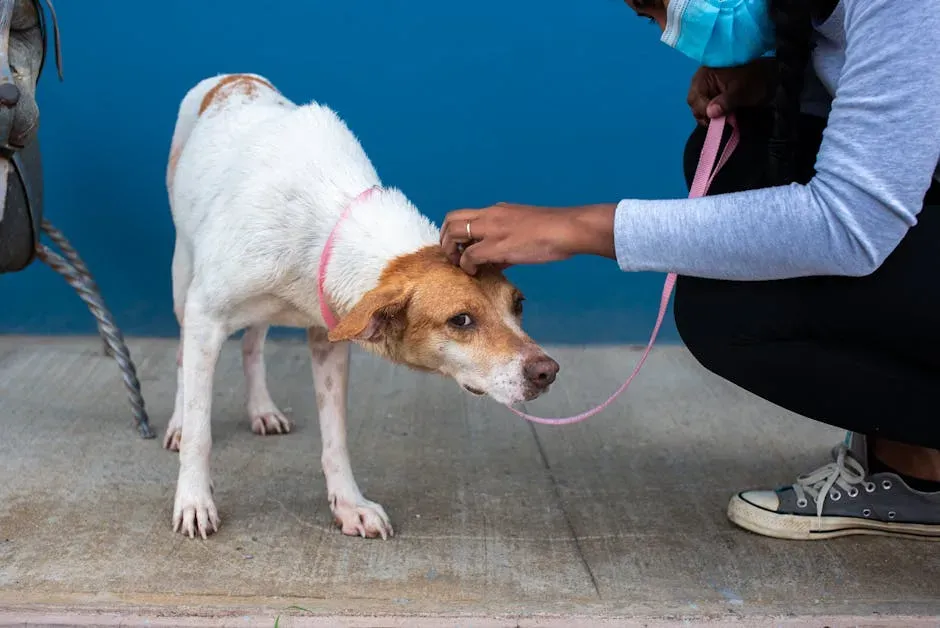
Not all dogs start with a clean slate. Many have history we don’t fully know – especially rescues or dogs adopted later in life. If your dog reacts fearfully, warily, or even defensively to one specific family member, it might not be about that person at all. It could be about someone from the dog’s past who moved, sounded, or smelled similar.
For example, a dog who was once roughly handled by a tall man in a hat might now be nervous around your tall brother who wears baseball caps. Your brother could be a gentle, animal-loving person, but the dog’s brain fires up an old survival pattern, not a reasoned judgment.
This can be heartbreaking for the person on the receiving end, because it feels personal. The key is patience and gentle exposure. Let the nervous dog control the distance and pace, avoid forcing interaction, and pair that person’s presence with mild, safe rewards. Over time, many dogs can rewrite those old associations – but it rarely happens overnight.
#8 Handling Style: Affection, Touch, and Space
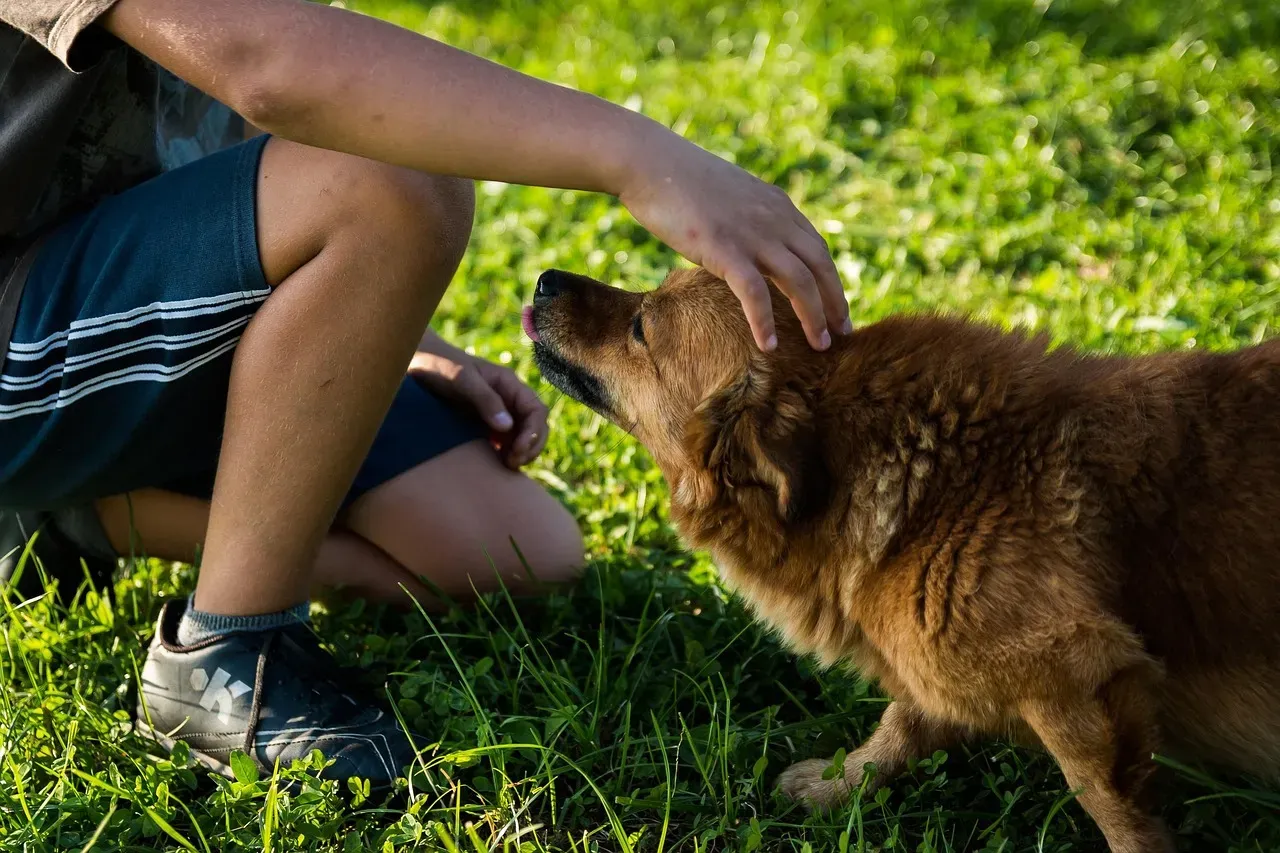
Not all affection feels like affection to a dog. One person might give soft chest rubs, respect the dog’s space, and stop petting when the dog subtly leans away. Another might hug tightly, pat the head roughly, or pick the dog up even when the dog stiffens or turns for a polite “no thanks.”
Dogs are very individual about touch. Some enjoy cuddling like a weighted blanket; others find it overwhelming or even scary. If one family member constantly gets into the dog’s space, leans over them, or touches sensitive areas without warning, the dog may avoid or act tense around that person.
- Watch for subtle stress signs: lip licking, yawning, turning away.
- Let the dog come to you instead of chasing them for cuddles.
- Short, gentle petting sessions can build more trust than long, forced snuggles.
Honestly, many people take it personally when a dog prefers someone else’s style of affection. But when you start noticing the dog’s micro-signals and adjust how you touch and approach them, the relationship often shifts in surprisingly positive ways.
#9 Confidence, Leadership, and Follow-Through
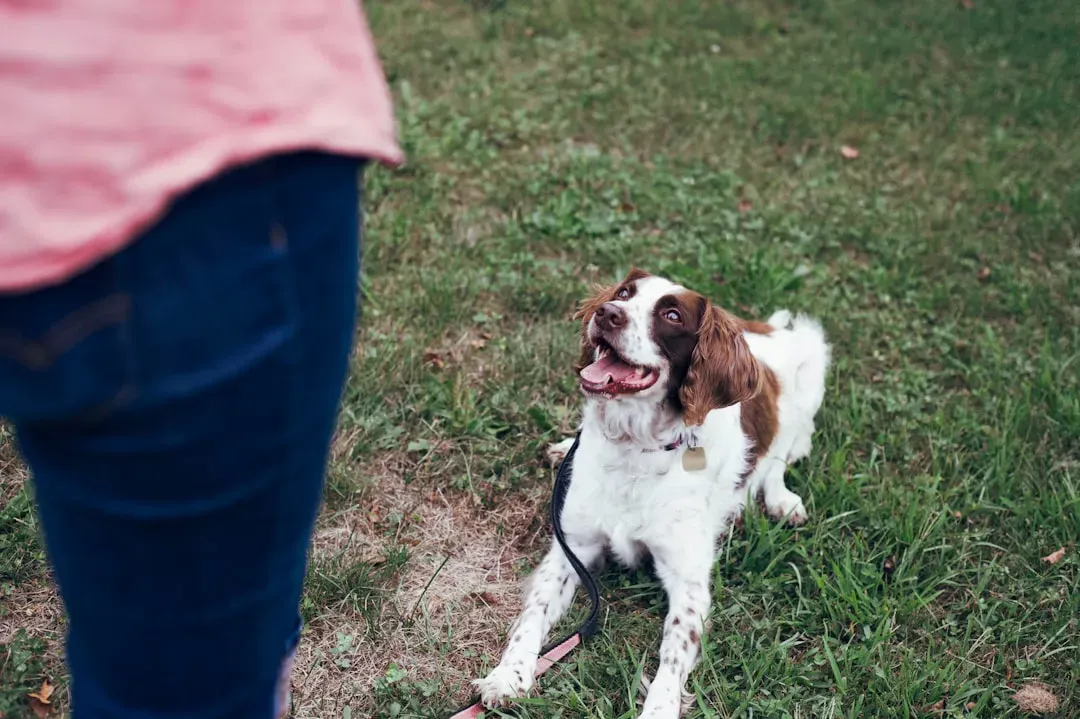
Dogs tend to relax around humans who seem to know what they’re doing. That doesn’t mean being harsh or domineering – if anything, those tactics often backfire. It means being clear, consistent, and following through on what you ask. The person whose body language says “I’ve got this” usually gets better behavior.
If one family member sounds unsure, repeats cues, laughs nervously, or gives up quickly when the dog ignores them, the dog learns that their requests are optional. That same dog might snap to attention when another person gives a cue once and calmly waits for it to happen, then rewards it.
Dogs like structure because it makes their world feel safer and more predictable. A confident human is like a good tour guide: steady, clear, not panicking at every bump. If you struggle with this, practice giving a cue once, pausing, helping the dog succeed, and then rewarding. Over time, you’ll feel more confident, and your dog will sense that shift.
#10 Attachment Style and Separation Patterns
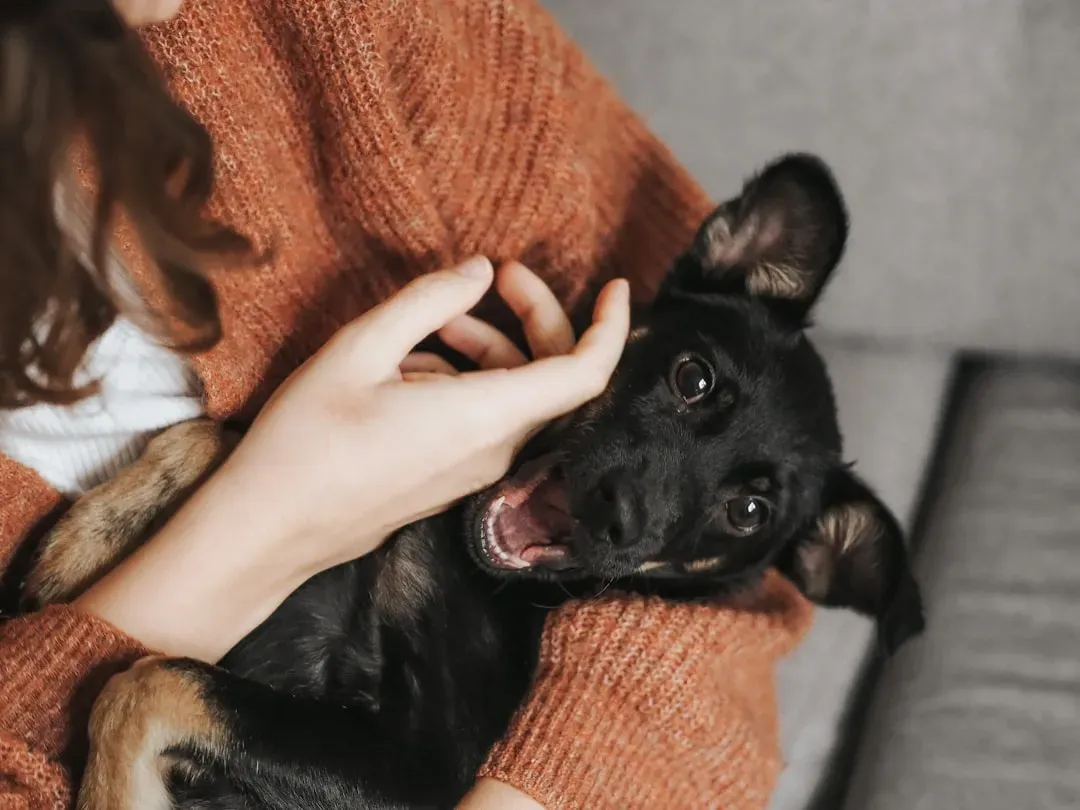
Dogs can form slightly different “attachment styles” with each person in a household, depending on who they see as the anchor, the playmate, the comforter, or the background character. The person who leaves and comes back (for work, errands, trips) might trigger more intense greetings and clinginess than the person who is always home, even if the always-home person does more daily care.
Sometimes, the parent who travels a lot ends up being treated like a celebrity when they walk in the door, while the full-time caregiver gets more casual, everyday behavior. That can feel unfair, but it’s often about the rhythm of absence and reunion, not the depth of love or trust.
Also, if a dog experiences anxiety when a specific person leaves – pacing, whining, destructive behavior – that emotional storm can spill over into how they behave around that person in general. They may stick closer, shadow them from room to room, or act extra vigilant when that person is home.
- Dogs can have “you’re my safety” vs “you’re my party” relationships with different people.
- Frequent goodbyes and dramatic reunions can intensify attachment.
- More balanced, calm comings and goings can help even things out.
#11 Gender, Age, and Physical Characteristics
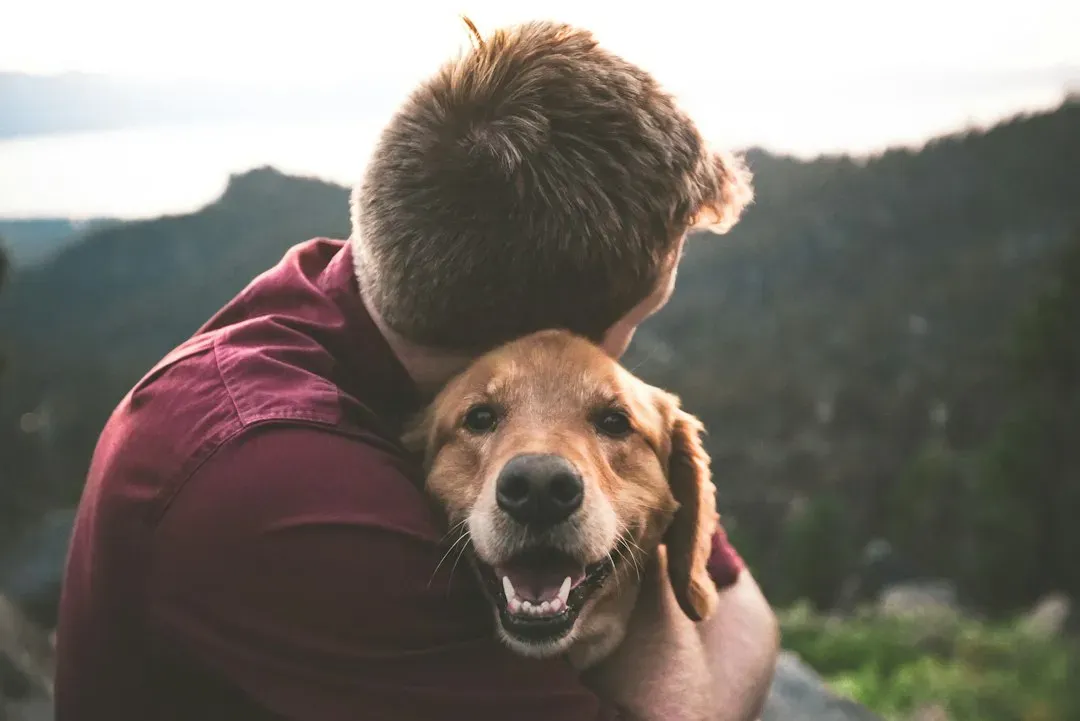
Some dogs show clear preferences related to gender, age, or physical traits of humans. A dog who was raised around gentle women but never socialized with men might be uneasy around deep voices and taller bodies. Another dog might be overstimulated by fast-moving kids but relaxed with slow-moving grandparents.
These are not moral judgments from the dog – they’re pattern recognitions. Deep voices, facial hair, heavy footsteps, perfume, long dresses, wheelchairs, glasses, hats: all of these are visual and sensory cues that dogs can react to differently, based on what they’ve experienced before.
So if your dog adores your partner and is wary of your teenage son, it could be as simple as: your partner’s body type, movement, and voice match what your dog has learned is safe; your teenager moves fast, slams doors, and has a constantly changing appearance. The more positive, calm exposure a dog gets to a wide range of people, the less extreme these preferences tend to be.
#12 Training Style: Pressure, Patience, and Play
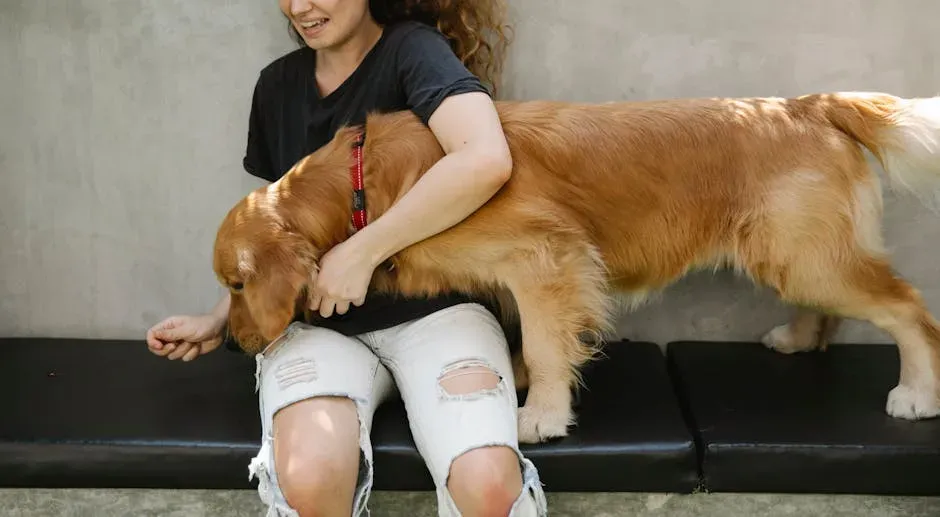
Finally, the way each family member trains – or doesn’t train – the dog makes a huge difference. One person might use short, fun sessions with lots of play and rewards, ending before the dog gets bored or frustrated. Another might only “train” when they’re already annoyed, using a harsher tone, repeating cues, or physically moving the dog into position.
Dogs quickly learn which training sessions feel fun and empowering and which feel confusing or stressful. They gravitate toward the person who turns learning into a game: quick sits and downs with treats, silly tricks, happy praise, and a toss of the ball at the end. That person becomes “the teacher I actually want to listen to.”
- Short, playful training is more effective than long, stern drills.
- Patience and clear criteria build confidence in nervous dogs.
- Pressure and frustration often create shutdown or rebellion.
If you want your dog to behave for you the way they do for the “favorite” family member, copy what that person does well. Watch how they stand, how they speak, how they reward, and how they react when the dog messes up. Chances are, the difference isn’t magic – it’s habits.
Conclusion: Your Dog’s “Favorite” Is Usually the Most Understandable Human
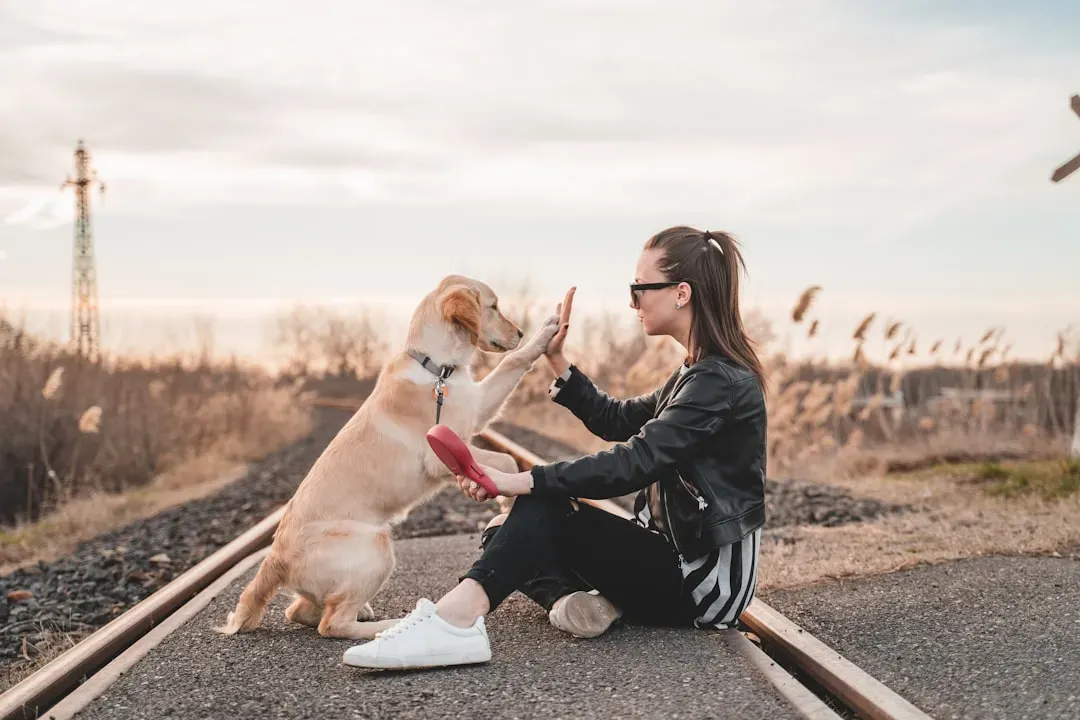
When , it is tempting to turn it into a love contest or a character judgment: they respect him more, they love her more, they’re punishing me, they’re spoiled. In reality, dogs are just doing what makes sense to them based on patterns, emotions, and past experience. They are responding to clarity, timing, energy, touch, and who consistently controls the good stuff.
The slightly uncomfortable truth is that if your dog ignores you, jumps all over you, or seems less connected to you, a big part of that is changeable – on your side. That is also the good news. You can become more consistent, slow down your body language, improve your timing, adjust how you handle and train, and build calmer, more positive history with your dog.
In my view, the healthiest goal is not to compete to be the “favorite,” but to make sure your dog feels safe, understood, and fairly treated by everyone in the home. When humans line up on rules, training style, and everyday energy, a dog’s behavior tends to even out. And if your dog still has a slightly special sparkle in their eye for one particular person – well, maybe that’s part of the magic of living with a creature who gets to choose, a little bit, who they feel closest to. If you had to guess, which of your habits is shaping your dog’s behavior the most right now?