
11 Things Vet Nurses Handle That Never Reach the Vet
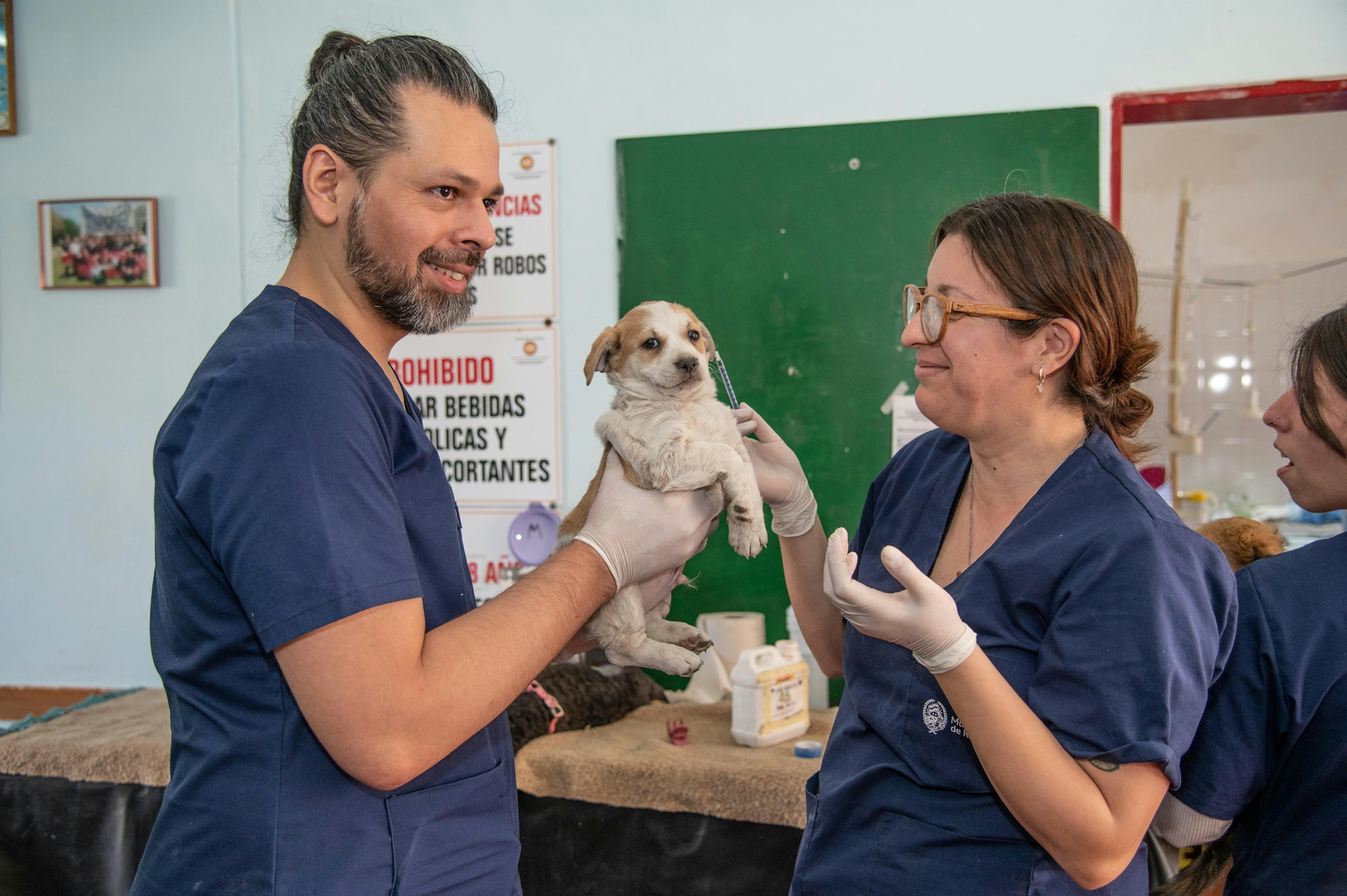
Walk into any vet clinic and you’ll probably picture the vet as the hero of the story. White coat, stethoscope, making the big decisions. But behind that polished, public-facing moment is a whole other world quietly held together by vet nurses. They are the first line of defense, the emotional buffer, the problem-solvers, the ones who see the mess before it ever lands on the vet’s radar.
What happens in those back rooms, in the waiting area, on the phone, and even after hours, would probably shock most pet owners. Vet nurses deal with a huge amount of medical, emotional, and even social work that rarely gets talked about, let alone appreciated. And yet, without that invisible labor, the vet you trust simply wouldn’t be able to function.
Let’s pull back the curtain a bit. Here are 11 things vet nurses handle quietly, professionally, and often with a smile, that never even make it to the vet’s desk.
#1 All the Awkward “Is This an Emergency?” Moments
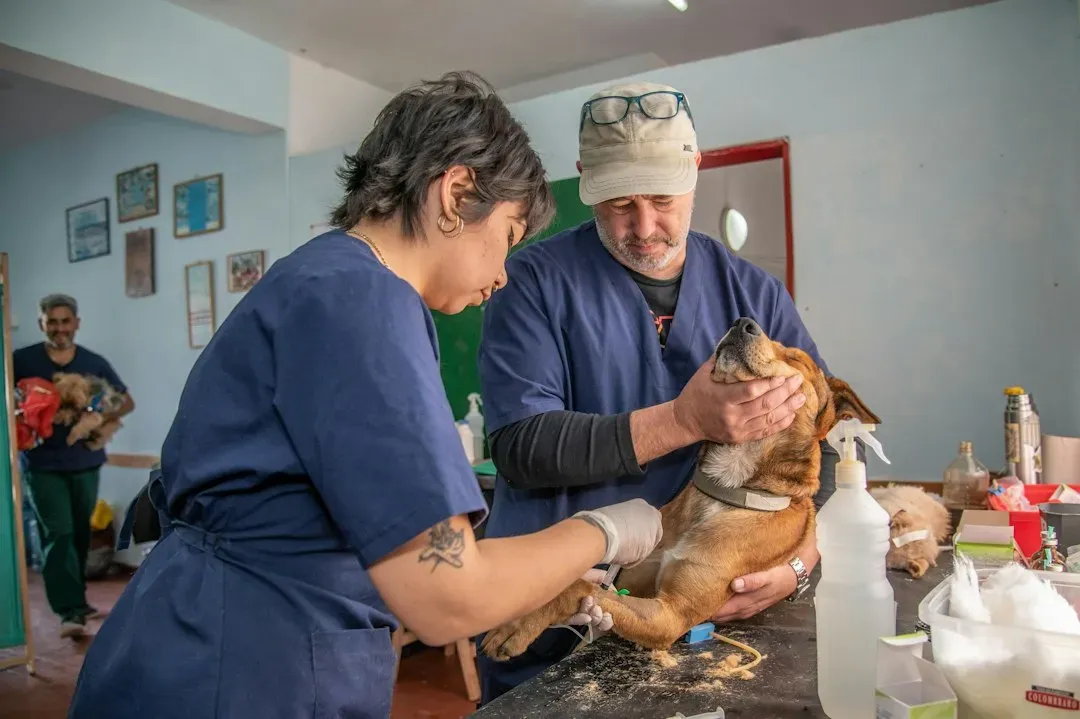
Ever called a clinic in a panic because your dog ate something weird or your cat is acting off? The person calmly walking you through questions while you’re freaking out is almost always a vet nurse. They’re trained to triage over the phone, sorting genuine emergencies from situations that can safely wait, often in just a few minutes of conversation. They have to read between the lines, pick up on detail, and hear past the emotion in your voice.
This means asking blunt questions that might feel a little uncomfortable: stool color, vomit consistency, when your pet last urinated, what exactly was ingested and how much. They’re not being nosy; they’re trying to decide if you need to rush in right now or if a same-day or next-day appointment will do. Many of these calls never get passed on to the vet because the nurse has already done the heavy lifting of assessing risk and giving safe, guideline-based advice.
In many clinics, nurses also field messages from online portals and social media, where people send photos of rashes, wounds, or strange behaviors and ask, in essence, “Do I need to be worried?” A lot of the emotional reassurance, gentle reality checks, and firm “please come in now” moments happen entirely between owners and nurses. The vet often only meets the case once it walks through the door.
#2 Cleaning Up the Mess (And Protecting Everyone From It)
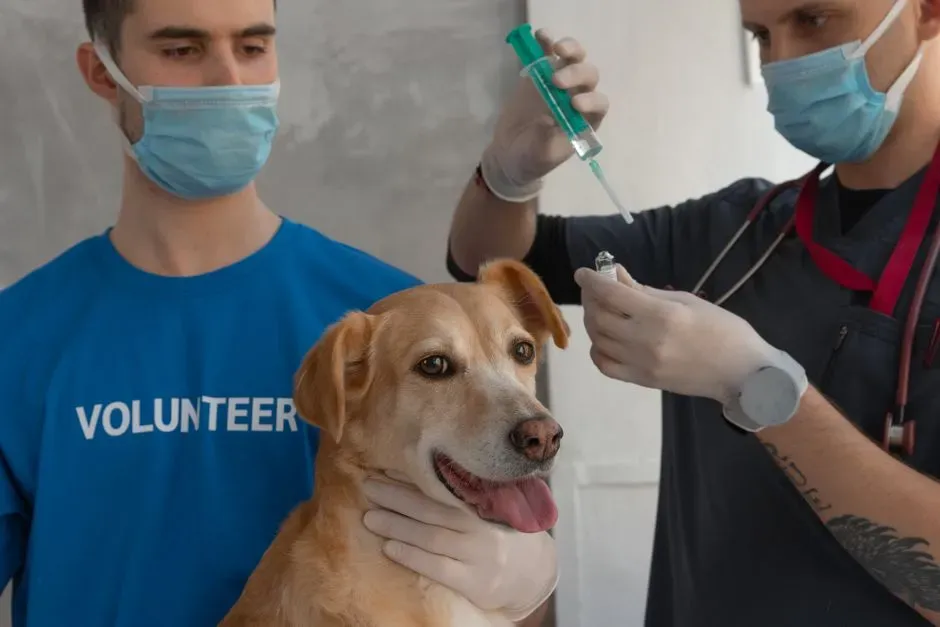
There’s a saying in veterinary medicine that if it can leak, spray, or explode from an animal, a vet nurse has cleaned it up. Diarrhea, vomit, urine, blood, infected wounds, anal gland secretions, abscesses that burst at the worst possible time – this is the stuff that never shows up on cute clinic Instagram posts, but it’s daily reality. And most of it is quietly handled before the vet even enters the room.
But it’s not just about mops and bleach. Nurses are trained in infection control: which disinfectant to use on which surface, how long it needs to sit, when a case should be isolated, which protective gear to wear. They’re the ones who decide that a coughing dog goes straight to a separate area, or that a cat with ringworm needs careful handling to protect staff and other patients. The vet might give the diagnosis, but the nurse is the one implementing the biosecurity in the real world.
On top of that, they’re often the ones teaching pet owners how to manage “messy” conditions at home – cleaning up after parvo puppies, looking after surgical wounds, dealing with incontinent seniors. They translate medical instructions into something practical you can actually follow, including small, lived-in tips like using old towels, setting up a washable area, or handling odors.
#3 The Quiet Emotional Triage for Stressed and Grieving Owners
While vets often handle the final conversation about diagnoses or euthanasia, vet nurses are usually the ones who absorb the emotional overflow before and after. They’re the ones crouching on the floor next to a sobbing owner, or gently holding a hand in the consult room hallway. They see the fear in the waiting room long before a vet steps in and often try to soften it.
In many clinics, if a pet is critically ill or near the end, the nurse is the one who spends the most time in the room, talking quietly, explaining small details, or simply sitting in silence when there’s nothing clever left to say. They help owners navigate guilt, grief, and second-guessing. Sometimes that means validating that they did everything they could; sometimes it means acknowledging how hard and unfair it feels.
They also do a lot of small, invisible emotional triage: noticing the owner who is shaking but pretending to be fine, recognizing when someone needs more space, or when they really need clearer answers. They may pull the vet aside afterward and say, “That family is really struggling; can you explain that one more time in simpler terms?” This invisible advocacy can completely change how supported a family feels.
#4 Behavior Problems and “Embarrassing” Issues Nobody Wants to Admit
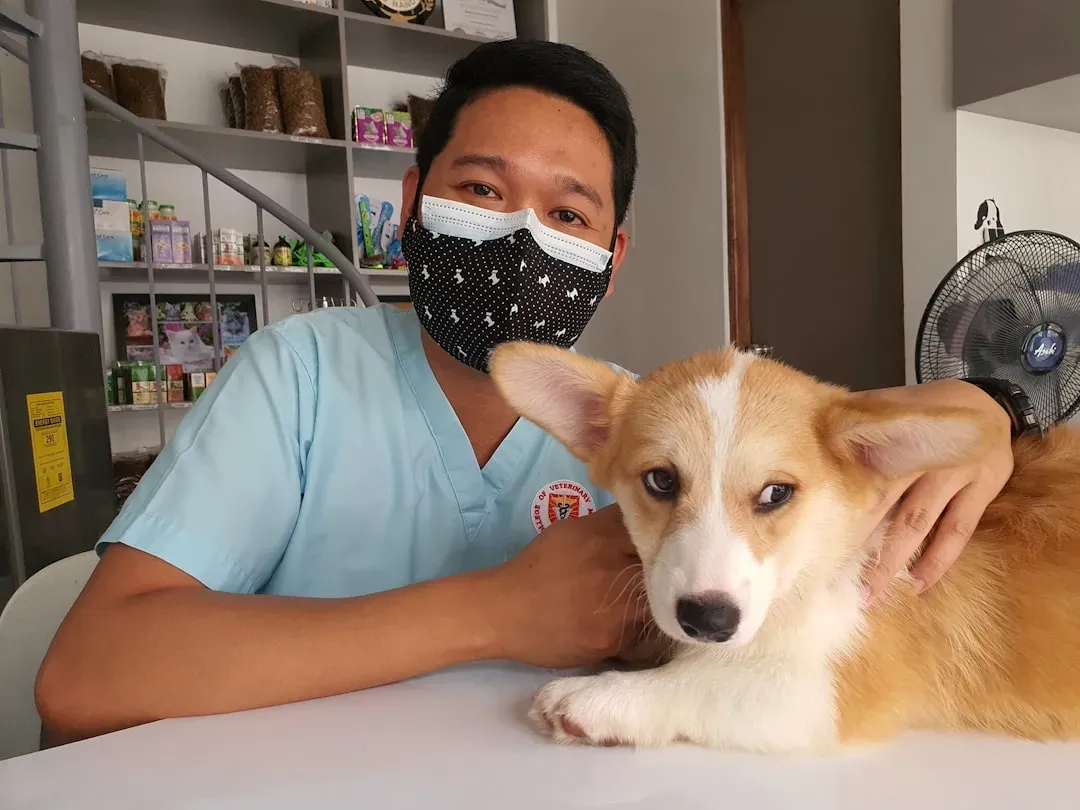
Vet nurses hear the stuff people are too embarrassed to say directly to the vet. The dog that bites visitors. The cat that pees on the bed. The puppy that loses its mind at the park or lunges at other dogs. Often, owners test the waters with the nurse first, asking casually at the reception desk or during a weight check, “Is it normal if…?” The nurse becomes a kind of safe sounding board for those confessions.
Many nurses have specific training in animal behavior and low-stress handling, and they use that constantly. They’re the ones coaxing nervous dogs into the consulting room, adjusting how the pet is held, or suggesting a different approach for anxious cats. They might recommend pheromone sprays, slow introductions to carriers, or desensitization tips – practical tweaks that can make future visits much less traumatic for the pet and the owner.
These behavior conversations often stay at the nurse level, especially when the issue is mild or early. A nurse might spend ten or fifteen minutes giving basic advice, demonstrating how to handle a muzzle kindly, or recommending a training class or longer behavior consult. The vet may never hear that this quiet behavioral coaching even happened, but it can completely change a pet’s quality of life.
#5 The Heavy Lifting of Repeat Treatments and Long-Term Care
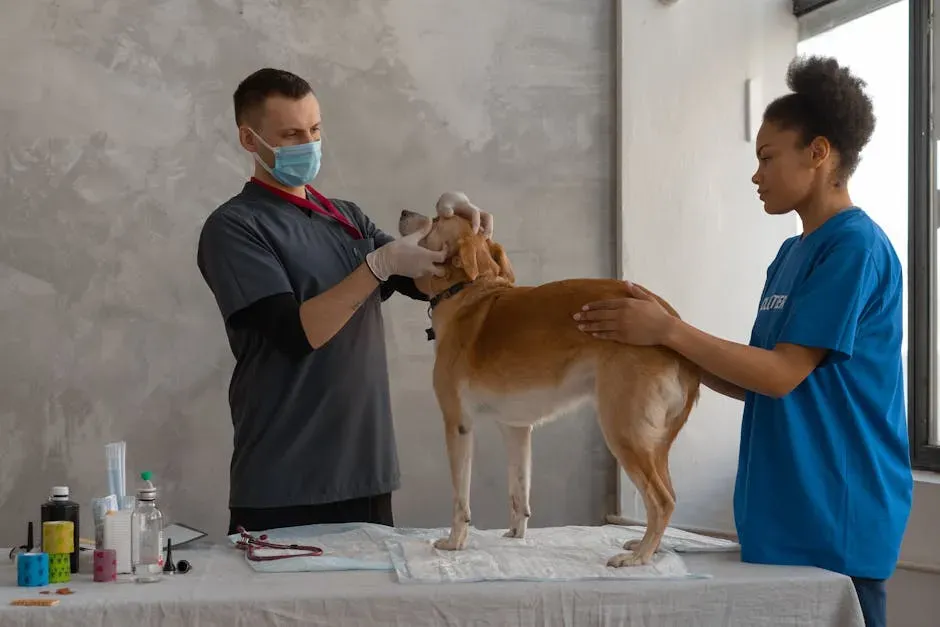
Chronic conditions – like diabetes, kidney disease, skin allergies, heart problems – don’t magically manage themselves. While vets design the treatment plan, it’s usually vet nurses who put it into motion day after day. They’re the ones doing regular blood glucose curves for diabetic pets, checking blood pressure, giving repeat injections, and monitoring weight changes in those critical follow‑up visits.
These repeat visits are often booked as “nurse appointments.” The vet may not even see the patient that day. Instead, the nurse reviews how things are going, asks whether medications are being given correctly, checks for side effects, and flags anything concerning for the vet to review later. For many owners, these nurse appointments become the backbone of their long-term relationship with the clinic.
In between visits, nurses also do a huge amount of behind-the-scenes support: calling to check on how a new medication is going, explaining lab results in simpler language, or helping owners adjust to new routines like insulin timing or special diets. When people say, “The clinic really looked after us,” a lot of that care actually came from nurses whose names you might barely remember – but whose calm, practical advice made everything feel less overwhelming.
#6 Medication Coaching, Demonstrations, and Quiet Damage Control
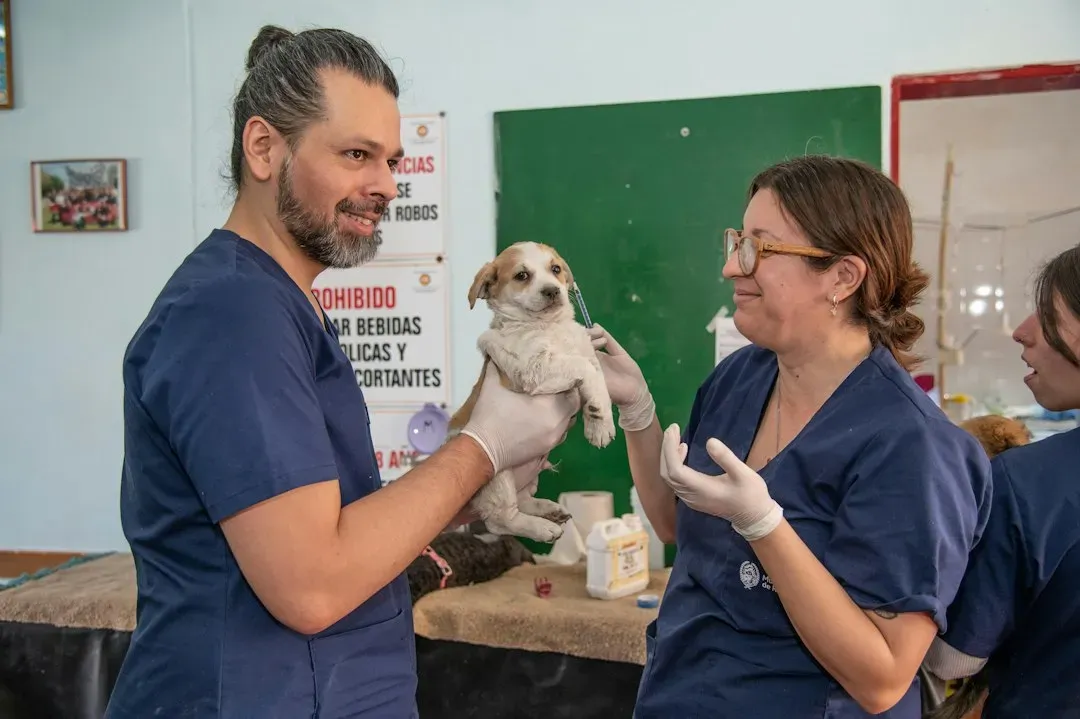
If you have ever tried to give a pill to a determined cat or eye drops to a suspicious dog, you know that “just give this twice a day” is sometimes wildly optimistic. Vet nurses are the ones who bridge the gap between what is medically ideal and what is physically possible in a real home with a real, wriggly animal. They spend time demonstrating techniques, watching owners try them, and gently correcting what could go wrong.
They show you how to hide tablets in food, use pill poppers, apply spot-on treatments correctly, or give injections without freaking your pet – or yourself – out. They understand the tiny, practical obstacles, like the dog who eats around the pill or the cat who becomes invisible at medication time. A huge amount of “medicine actually gets into the animal” is thanks to their hands-on coaching.
- Nurses often run dedicated “nurse clinics” just for medication demos and technique checks.
- They troubleshoot problems like vomiting after pills, skin reactions to topical treatments, or dosing confusion.
- They quietly alert the vet if an owner is clearly overwhelmed or unable to give a medicine safely.
On top of that, nurses are often the first to catch medication errors or misunderstandings before they turn into real harm. They might notice that an owner thinks a once-daily medicine is twice-daily, or that dosing is being measured with the wrong syringe. Those quick clarifications, often done over the phone or at the front counter, rarely make their way into a consult note, but they protect pets every single day.
#7 Monitoring Anesthesia and Being the Pet’s Advocate in Surgery
Many people assume the vet is the one constantly monitoring your pet through surgery, but in most clinics, the vet is focused on the actual procedure. The person obsessively tracking your pet’s heart rate, blood pressure, breathing, temperature, and depth of anesthesia is usually the vet nurse. They are the one standing at the head of the table, switching between monitoring equipment and hands-on checks, ready to call out even small changes.
Anesthesia in animals is not a casual thing. Pets cannot say they feel dizzy or short of breath, and many are older or have underlying illnesses. Nurses learn to interpret subtle trends – like slowly dropping blood pressure or a slight change in breathing pattern – that might signal trouble before a machine alarm ever goes off. They help adjust drugs, fluids, warming devices, and positioning to keep the animal stable.
They are also, in a very real sense, the animal’s advocate on the table. If a pet is getting too cold, lying uncomfortably, or showing worrying signs, the nurse is the one who speaks up, suggests changes, or asks for a pause. After surgery, they continue the watch: waking the pet safely, monitoring pain levels, and making sure the first attempts at standing, drinking, or eliminating are supported and safe. To the owner, it looks like “the vet did surgery and everything went fine.” In reality, the nurse was guarding that outcome every second.
#8 Dental Work, Nail Trims, and All the “Small” Procedures That Aren’t Small
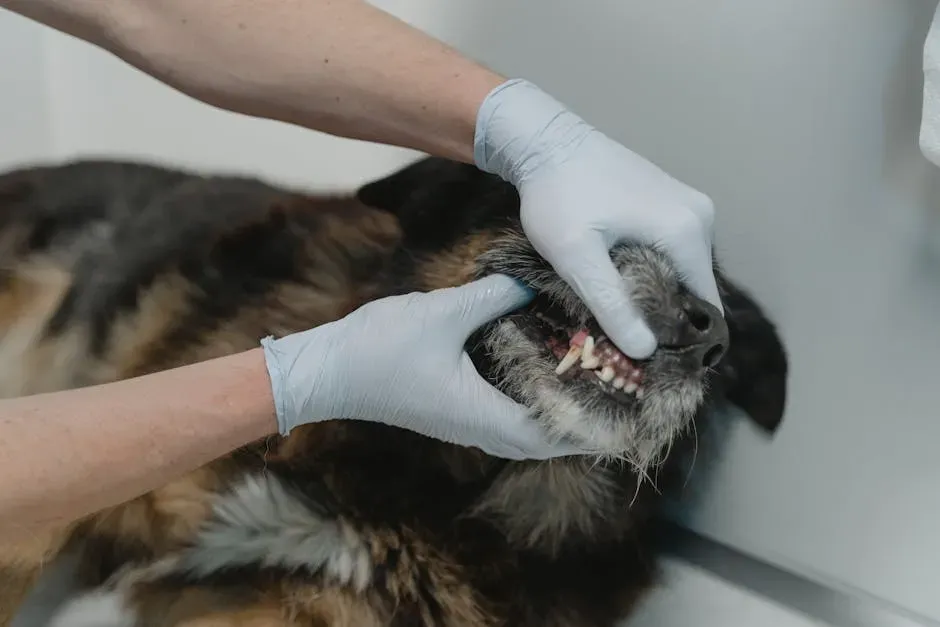
Professional dental care for pets is a lot more than a quick tooth brushing. While the vet typically handles any extractions or advanced dental disease, nurses frequently scale and polish teeth, take dental x‑rays, and record detailed dental charts under the vet’s supervision. They are the ones staring into your pet’s mouth, tooth by tooth, spotting early warning signs of gum disease that you’ll never notice at home.
Nurses also tackle a long list of “minor” procedures that would otherwise clog the vet’s schedule: nail trims, anal gland expressions, ear cleaning and flushing, simple bandage changes, and some types of wound care. These jobs can be surprisingly technical and stressful, especially with wiggly, painful, or fearful animals. A good nurse makes it look routine, but it’s anything but.
- Nail trims can involve behavior management, muzzling, and careful handling to avoid injury.
- Ear flushes and anal gland expressions require knowledge of anatomy, infection signs, and correct technique.
- Dental scale and polish procedures demand precision, gentle handling, and close monitoring under anesthesia.
Most of these services are booked as “nurse appointments,” and owners often think of them as simple grooming-type tasks. In reality, they are medically important mini-interventions that prevent bigger problems – and they are almost entirely nurse-run.
#9 Nutrition, Weight Management, and Being Honest When a Pet Is Overweight
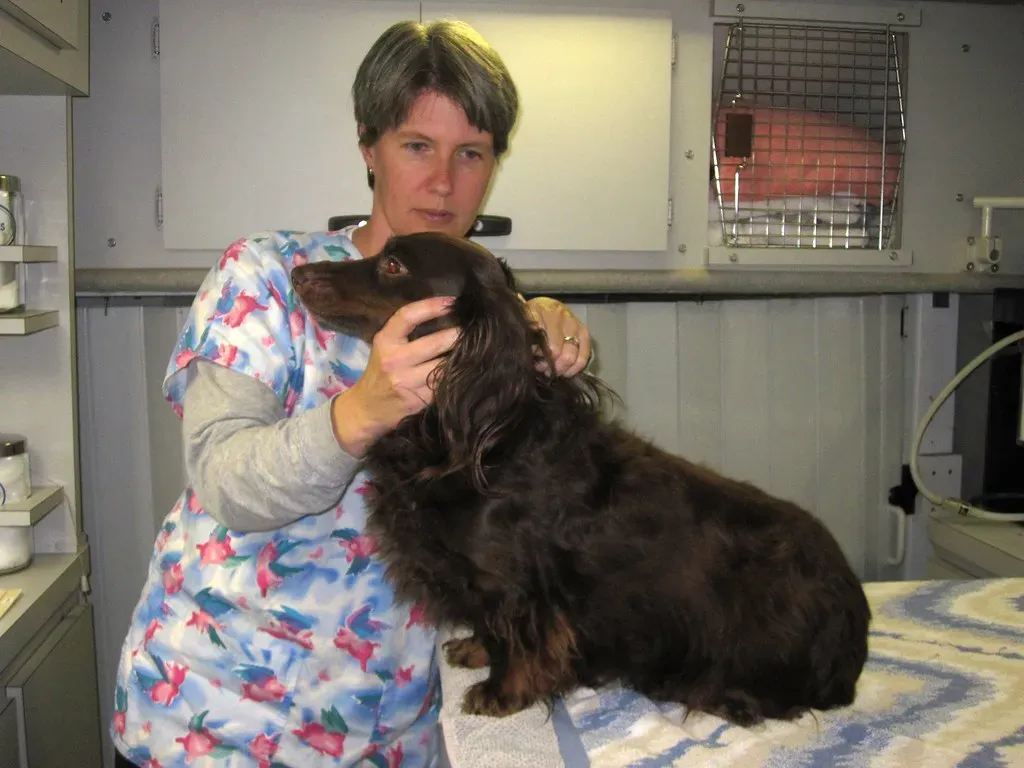
Conversations about pet weight can be… delicate. Owners may feel judged, guilty, or defensive, especially if a vet bluntly points out a problem during a rushed consult. Vet nurses often handle this more gently, over time, through dedicated weight clinics or informal chats at the scale. They become the friendly face of reality: the one who says, kindly but clearly, that a pet’s extra kilos are not “just fluff.”
Weight management appointments run by nurses can include body condition scoring, regular weigh-ins, diet recommendations, and practical advice about feeding routines. They might help owners understand how many treats actually add up over a day, or how a “small” extra scoop each meal can sabotage progress. They translate caloric guidelines into something you can actually use – like a specific measuring cup or portion in grams.
Nurses also deal with the social side of nutrition: different views in the same household, pressure from family or friends, or confusing marketing terms on pet food bags. They help owners navigate choices around prescription diets, home-cooked meals, or raw feeding, always trying to steer things back toward evidence-based, safe practices. A lot of owners are far more honest with nurses about what they’re really feeding – and that honesty is what allows for realistic plans instead of judgment and failure.
#10 Client Education, Myth-Busting, and Dealing With Dr. Google
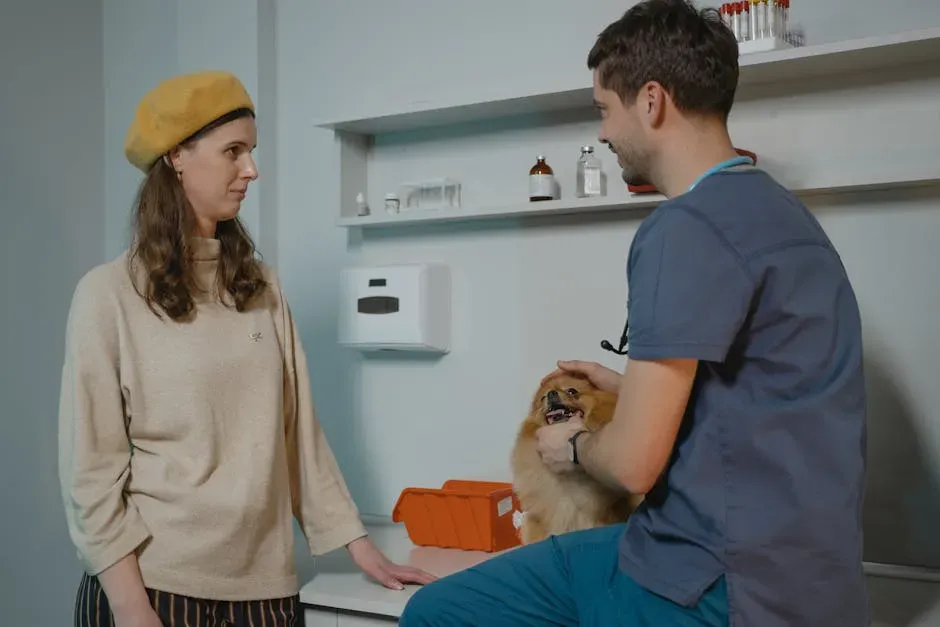
In 2026, almost every owner walks in with something they’ve read online. Sometimes that’s helpful curiosity; sometimes it’s a total minefield. Vet nurses are often the ones who do the gentle deconstruction: explaining why a viral “miracle cure” is risky, why a certain home remedy did more harm than good, or why a social media trend is not based on solid science. They turn frustration into teachable moments rather than confrontations.
On a daily basis, nurses explain vaccination schedules, parasite prevention, spay and neuter options, post-operative care, and what is actually normal for different life stages. They’re used to being asked the same questions over and over and still answering like it’s the first time, because for you, it is. They know that a rushed, jargon-heavy explanation just doesn’t stick when someone is worried and distracted.
- Nurses create or share handouts, charts, and checklists tailored to specific conditions.
- They repeat and reinforce the vet’s advice in simpler, more practical language.
- They pick up misunderstandings early, like owners thinking a one-off vaccine gives lifelong protection.
In many clinics, a huge chunk of “education” never shows up on the invoice or medical notes. It happens in doorways, over the phone, at the reception desk, or while a pet is weighed. By the time the vet comes in, the nurse has already laid the groundwork so the conversation can go deeper instead of getting bogged down in basics.
#11 Handling Complaints, Money Stress, and Conflict Before It Explodes
This is the part almost nobody talks about, but every clinic lives with: conflict. Upset owners about prices, miscommunication, wait times, or outcomes. People who are scared, grieving, or angry and need someone to direct it at. Vet nurses are often the ones who catch that storm first. They stand at the front desk listening to raised voices, reading tense emails, or handling phone calls that start with the words “I’m not happy.”
Very often, these issues never reach the vet directly. A nurse de-escalates, clarifies a misunderstanding, or offers a practical solution like a payment plan discussion, a follow-up appointment, or a clearer breakdown of costs. They walk a delicate line: protecting the team, respecting the owner’s feelings, and trying to keep the relationship intact so the pet still gets care. That emotional labor is huge, and it is rarely acknowledged.
Money stress is especially heavy. Nurses are the ones who see owners at the front desk whispering that they cannot afford the recommended treatment, or asking if there is a cheaper option. They help navigate estimates, explain why things cost what they cost, and sometimes witness heartbreaking decisions when finances and medical reality collide. By the time the vet enters the room, a lot of the tension has already been processed – or absorbed – by the nurse.
Opinionated Conclusion: Vet Nurses Deserve a Lot More Credit Than They Get

If you stripped vet nurses out of a clinic tomorrow, the whole system would collapse, and it would do so fast. Vets might hold the legal responsibility and make the final calls, but nurses hold everything else: the mess, the fear, the doubts, the practical “how on earth do I do this at home?” questions. They are part medical professional, part counselor, part teacher, part crisis manager. And most of what they do never shows up clearly on a bill or in a medical record.
In my view, we seriously under-value vet nurses, both emotionally and financially. Many are highly trained, constantly upskilling, and doing complex technical and emotional work under pressure, yet they are often still seen as “assisting the vet” rather than being skilled clinicians in their own right. That mindset needs to change. When your pet pulls through surgery smoothly, when your dog finally loses weight, when your cat’s diabetes stays stable, chances are there was a nurse quietly steering things behind the scenes.
Next time you visit a clinic, watch who is actually doing the talking, the handling, the explaining, the comforting. It’s probably a nurse. If you really want to support better veterinary care for your pet, start by recognizing how much of that care is delivered by the nursing team and not just the vet whose name is on the door. Maybe the real question is not what nurses handle that never reaches the vet – but how much of what you value about your clinic is actually thanks to them. Did you expect that?