
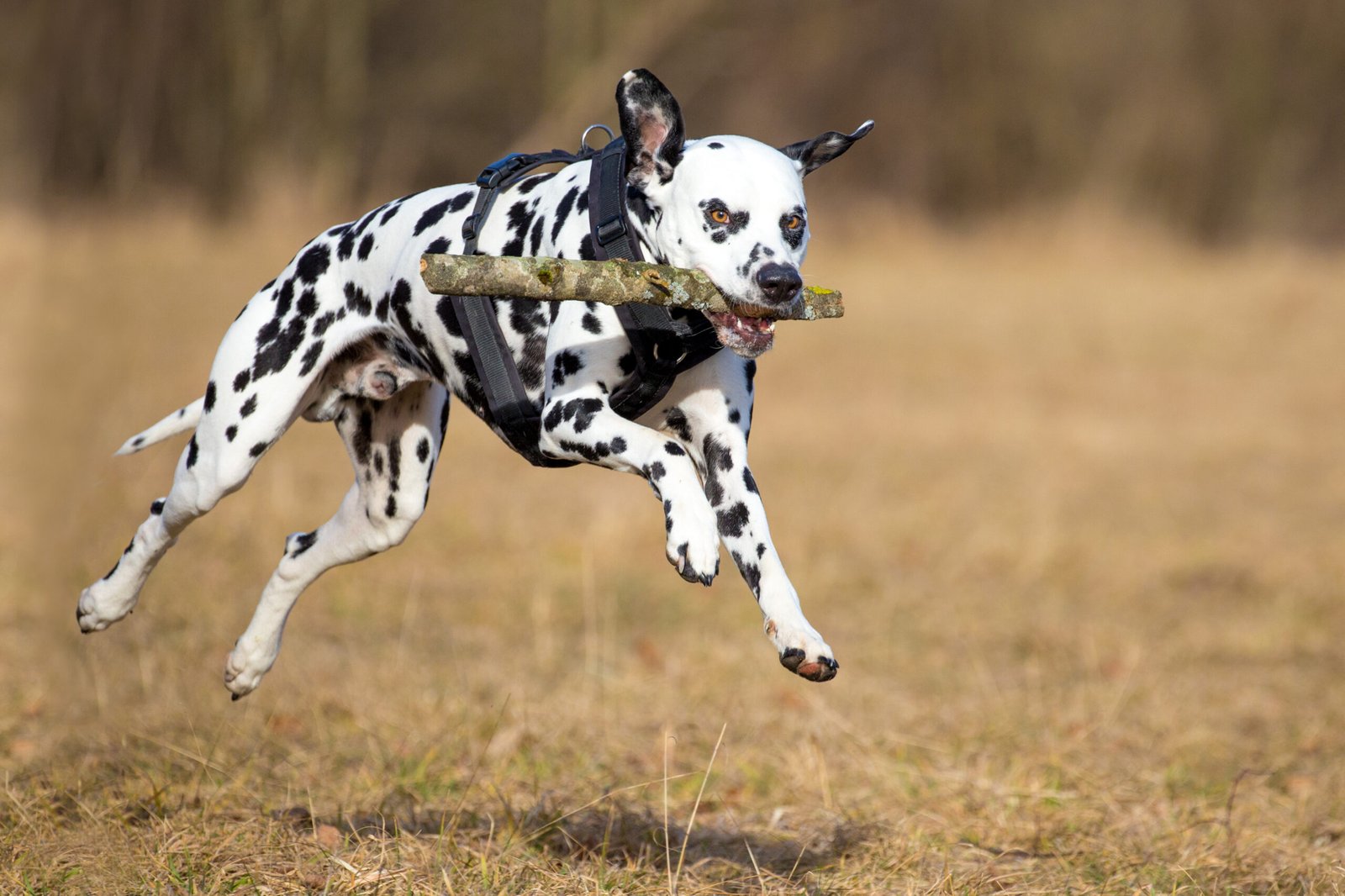
Dog lovers know that our furry companions come with their own unique personalities and quirks. While some breeds are naturally obedient and eager to please, others may require a little more patience and training to help them thrive. In this article, we’ll explore 15 dog breeds that often need a bit more effort when it comes to training. Whether you’re a seasoned dog owner or considering bringing a new pup into your life, understanding these breeds can help you prepare for a rewarding journey.
1. Border Collie
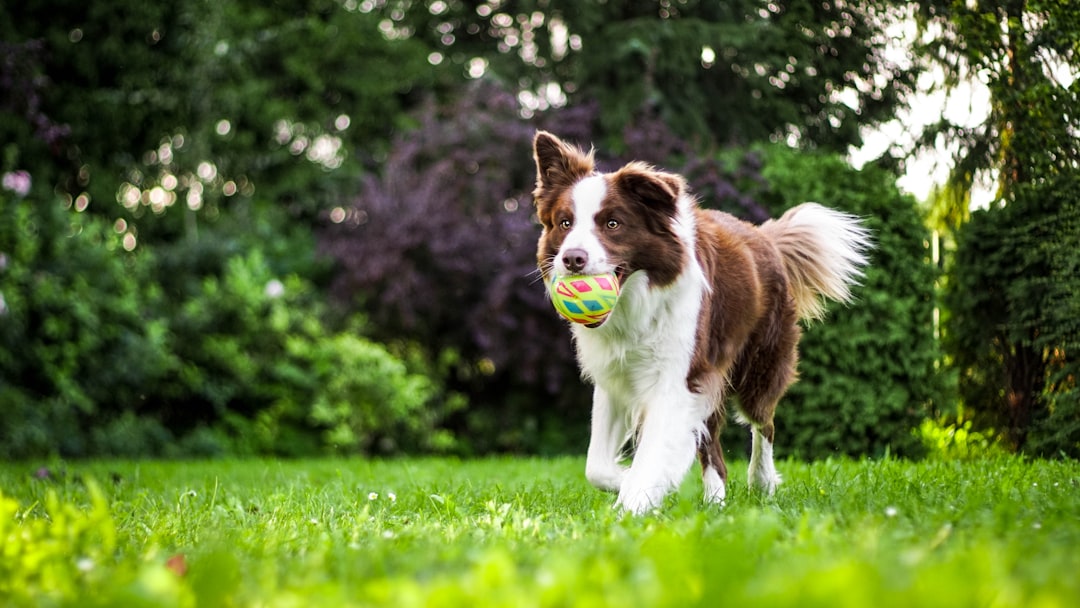
Border Collies are often hailed as one of the smartest dog breeds, which is both a blessing and a challenge. Their intelligence means they can learn commands quickly, but it also means they get bored easily. If not adequately stimulated, they may resort to destructive behavior. Think of a bored child in a classroom; they need mental challenges to keep them engaged. Training a Border Collie involves a lot of mental exercises, agility training, and consistent discipline to channel their energy positively.
2. German Shepherd
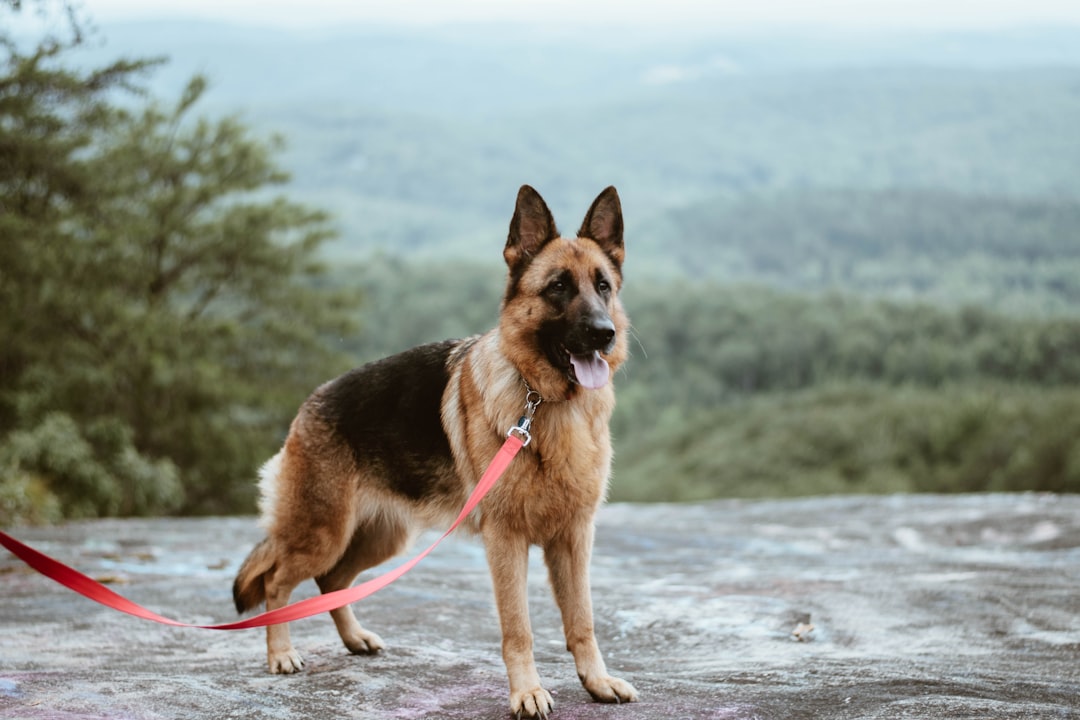
German Shepherds are known for their loyalty and protective nature, making them excellent working dogs. However, their strong-willed and sometimes dominant personality can make training a bit of a challenge. Consistency is key when training a German Shepherd. Like a diligent student, they thrive on routine and clear expectations. Early socialization and obedience training are essential to prevent unwanted behaviors and ensure they grow into well-behaved adults.
3. Siberian Husky
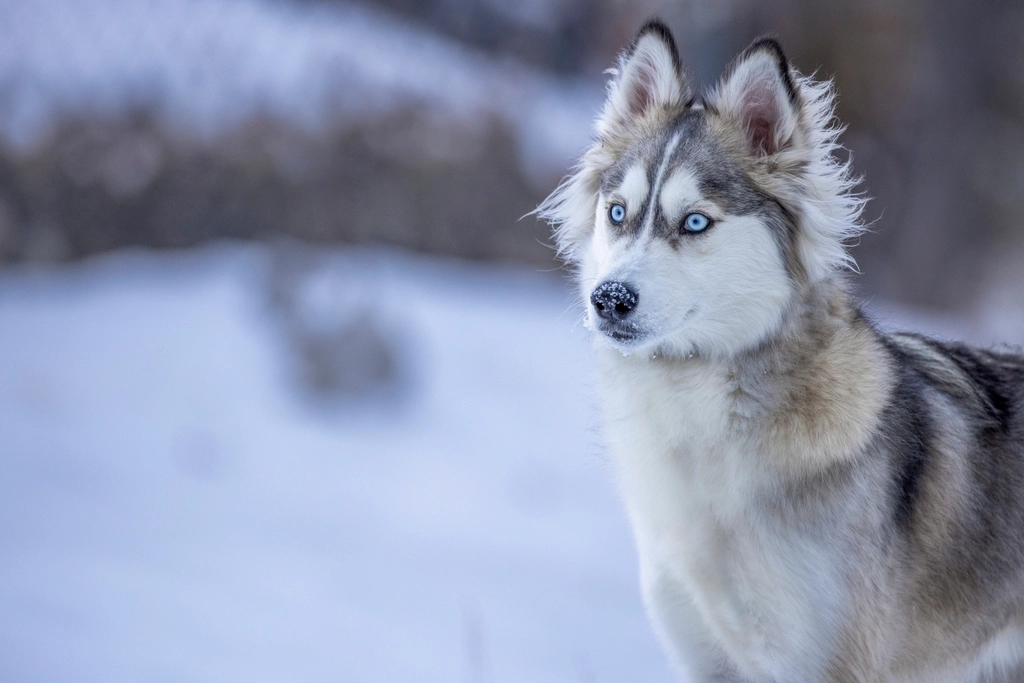
Siberian Huskies are famous for their striking appearance and boundless energy. These dogs were bred to pull sleds, which means they have a strong independent streak. Training a Husky requires patience and creativity. Picture a free-spirited artist who enjoys doing things their own way. Huskies need a confident owner who can establish themselves as the leader of the pack. Recall training is especially important, as their adventurous nature can lead them to wander off if not properly managed.
4. Jack Russell Terrier
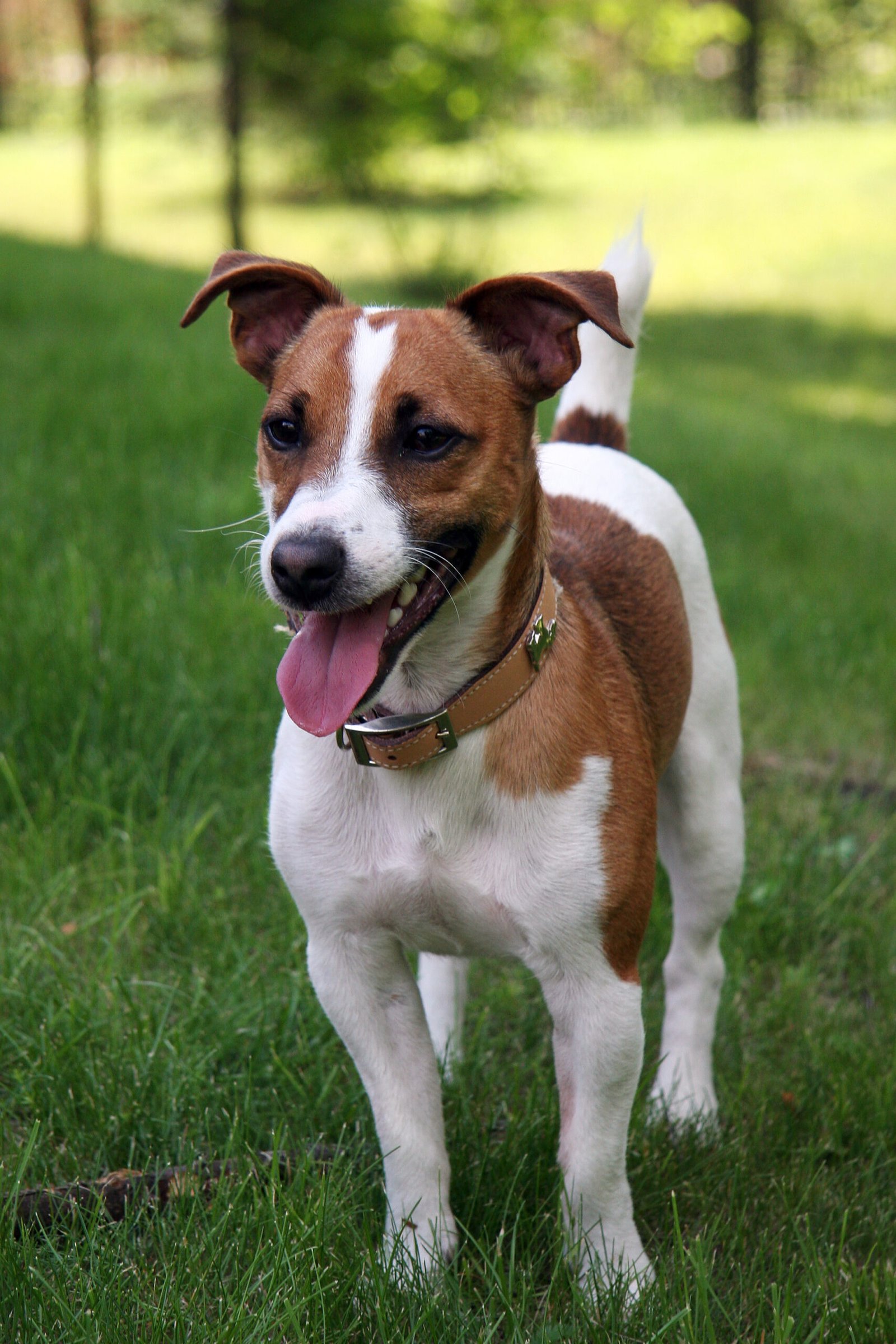
Jack Russell Terriers are small dogs with big personalities. Their high energy levels and strong prey drive can make them a handful for inexperienced owners. Imagine a hyperactive child always on the move, and you’ll get a sense of what living with a Jack Russell is like. Training should focus on channeling their energy into productive activities, such as agility or flyball. Consistent, positive reinforcement is crucial to keep them engaged and motivated.
5. Dalmatian
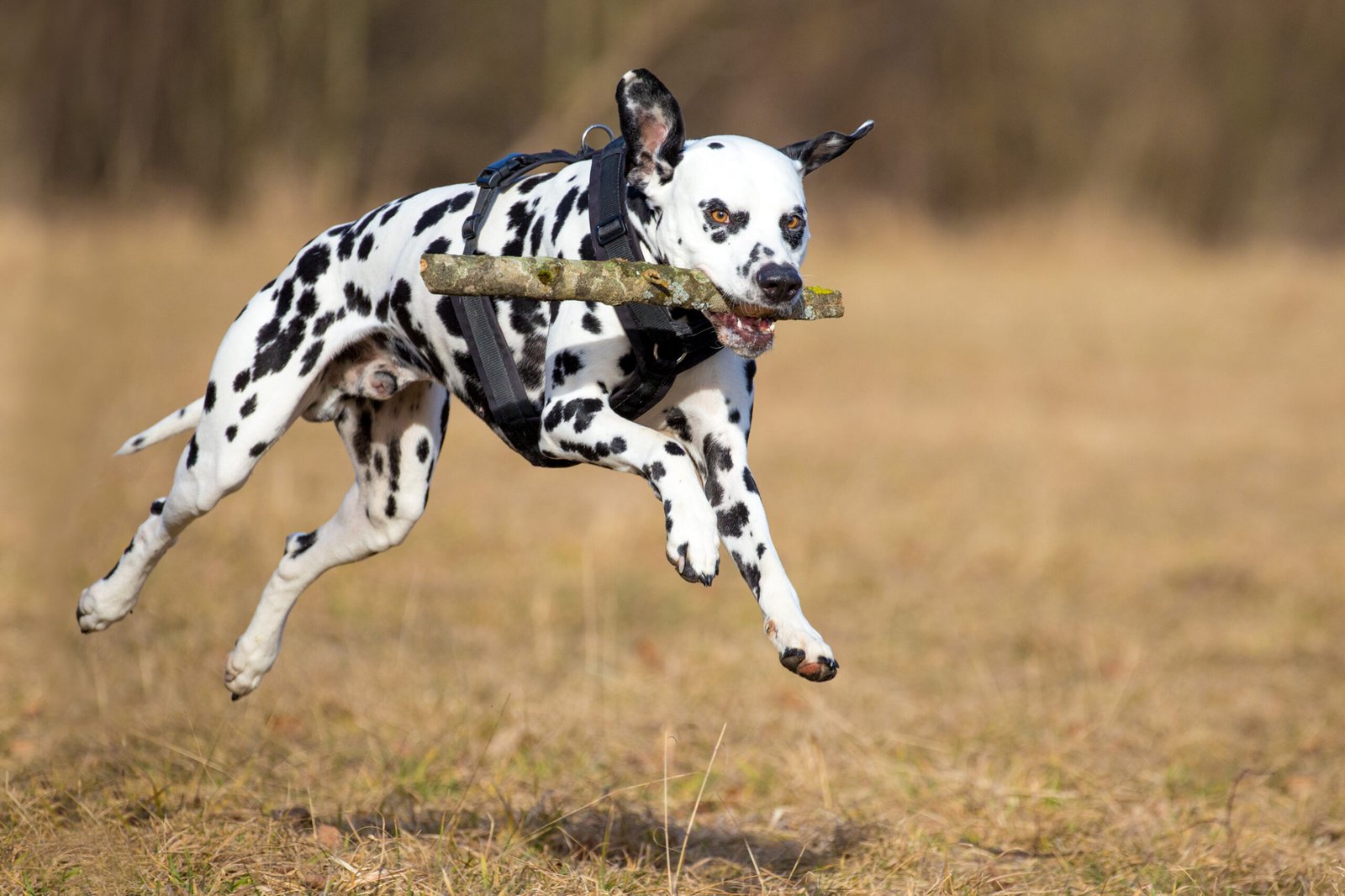
Dalmatians are known for their striking spotted coats and playful demeanor. However, they can also be quite stubborn and independent. Training a Dalmatian is akin to teaching a spirited teenager—they need structure and consistency to thrive. Socialization from a young age is vital to prevent them from becoming overly protective or aloof. Incorporating fun activities into their routine can help keep their attention and make training more enjoyable for both the dog and the owner.
6. Australian Cattle Dog
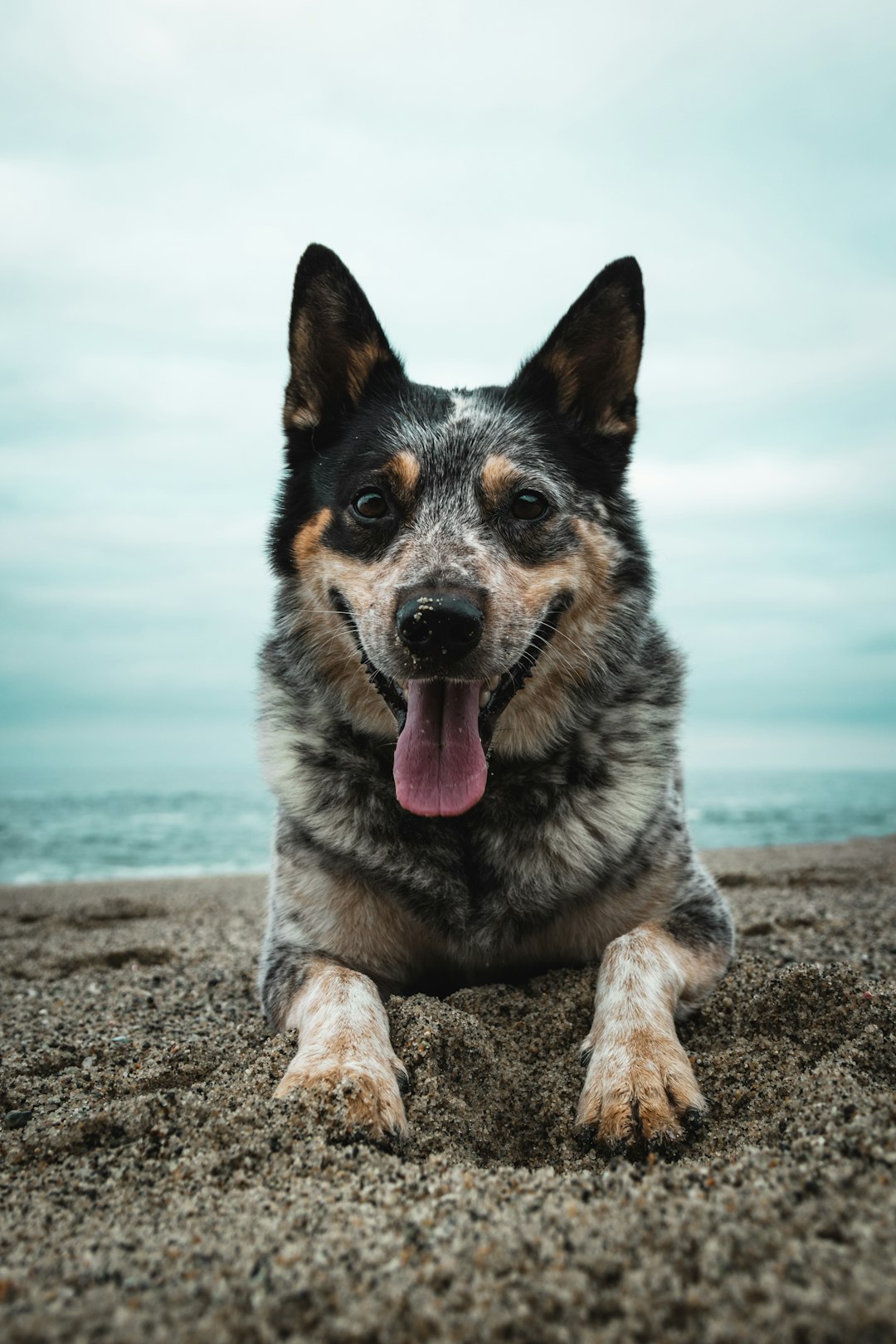
Australian Cattle Dogs, also known as Blue Heelers, are intelligent and hardworking. Bred for herding cattle, they have a strong drive to work and can become bored if not given a job to do. Training should focus on providing mental and physical challenges to keep them engaged. Picture a dedicated athlete who needs regular exercise to stay content. Incorporating obedience, agility, and even herding exercises can help satisfy their need for stimulation and prevent behavioral issues.
7. Rottweiler
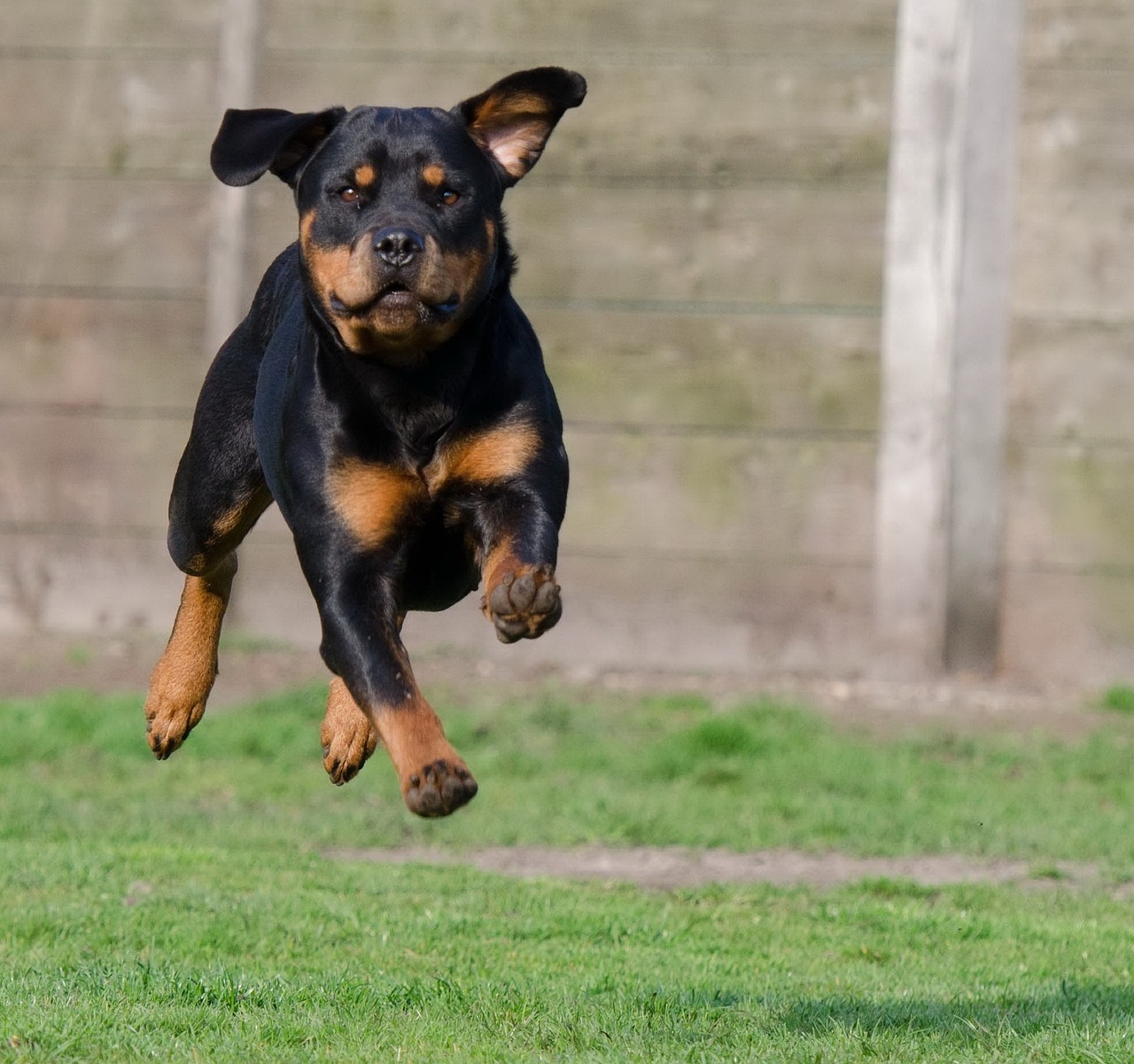
Rottweilers are powerful dogs known for their loyalty and protective instincts. However, their strength and determination can make training a challenge for novice owners. Like a strong-willed leader, they need clear boundaries and consistent training. Early socialization is crucial to ensure they grow into well-rounded adults. Positive reinforcement techniques work best with Rottweilers, as harsh methods can lead to fear or aggression.
8. Belgian Malinois
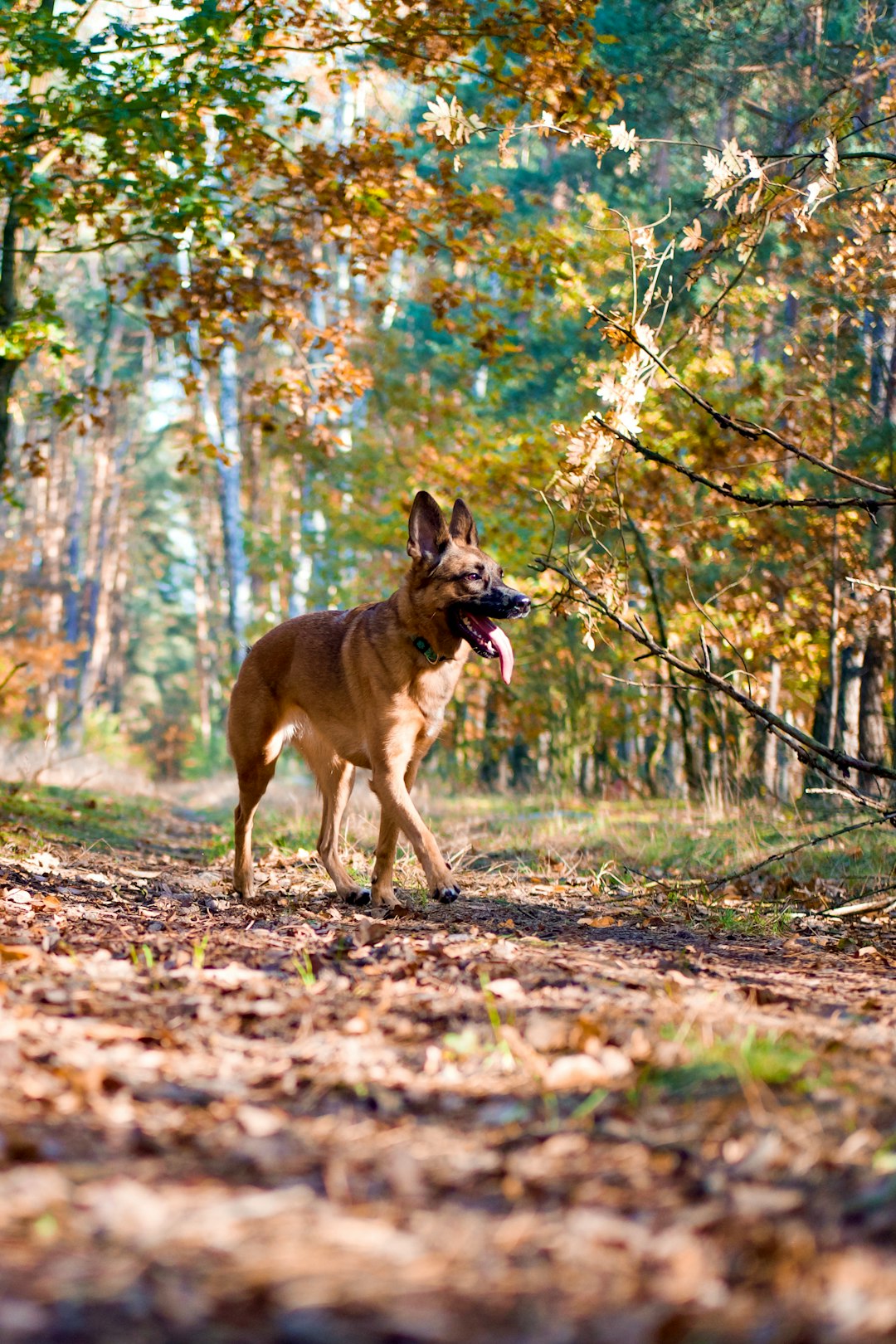
Belgian Malinois are often used as police and military dogs due to their intelligence and athleticism. However, their high energy levels and strong drive can make them challenging to train for the average pet owner. Think of them as elite athletes who require regular workouts and mental challenges. Training should focus on providing structure and outlets for their energy, such as obedience, agility, and tracking exercises. Consistency and positive reinforcement are key to keeping them motivated and focused.
9. Weimaraner
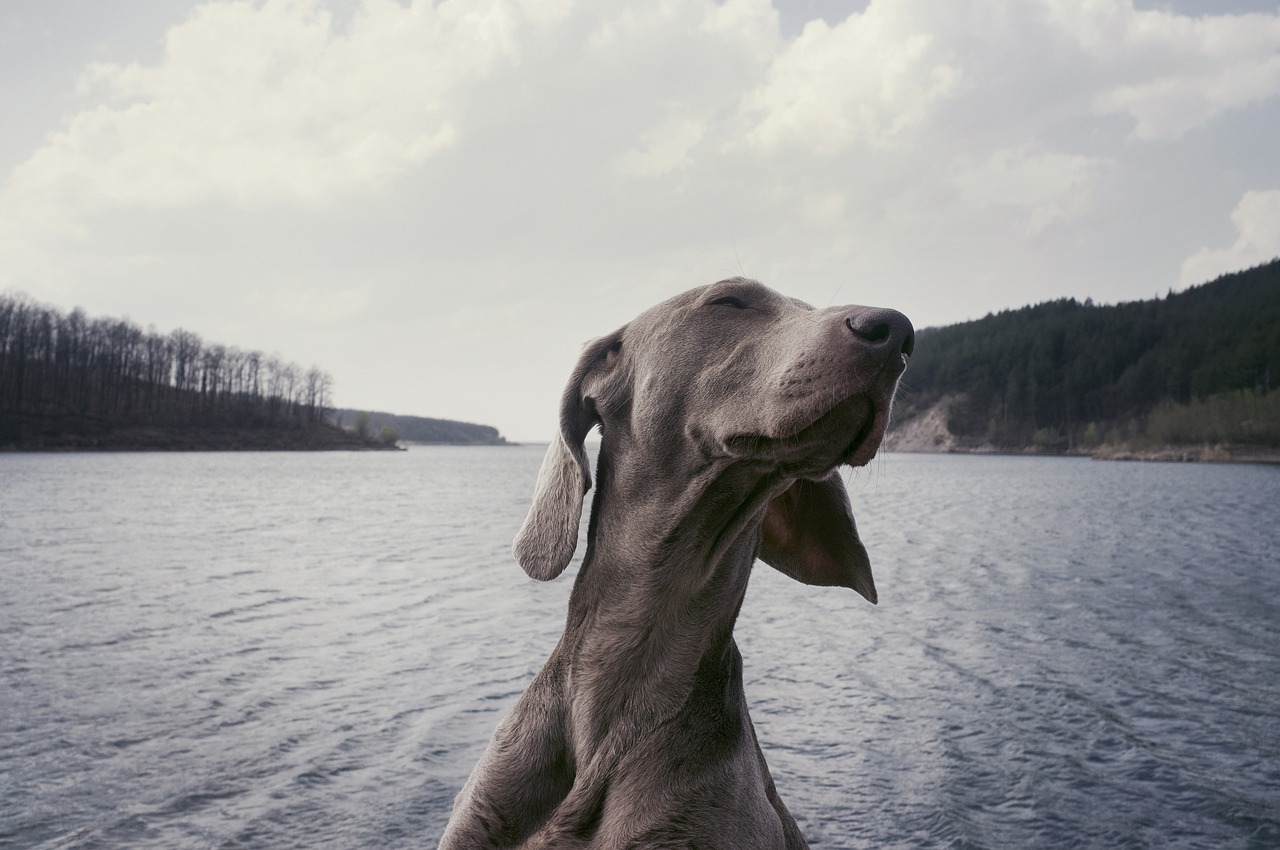
Weimaraners are known for their striking appearance and affectionate nature. However, their high energy levels and need for companionship can make them difficult to train. Imagine a social butterfly who craves interaction and attention. Weimaraners thrive on positive reinforcement and require consistent training to prevent separation anxiety and destructive behavior. Regular exercise and mental stimulation are essential to keep them happy and well-behaved.
10. Akita
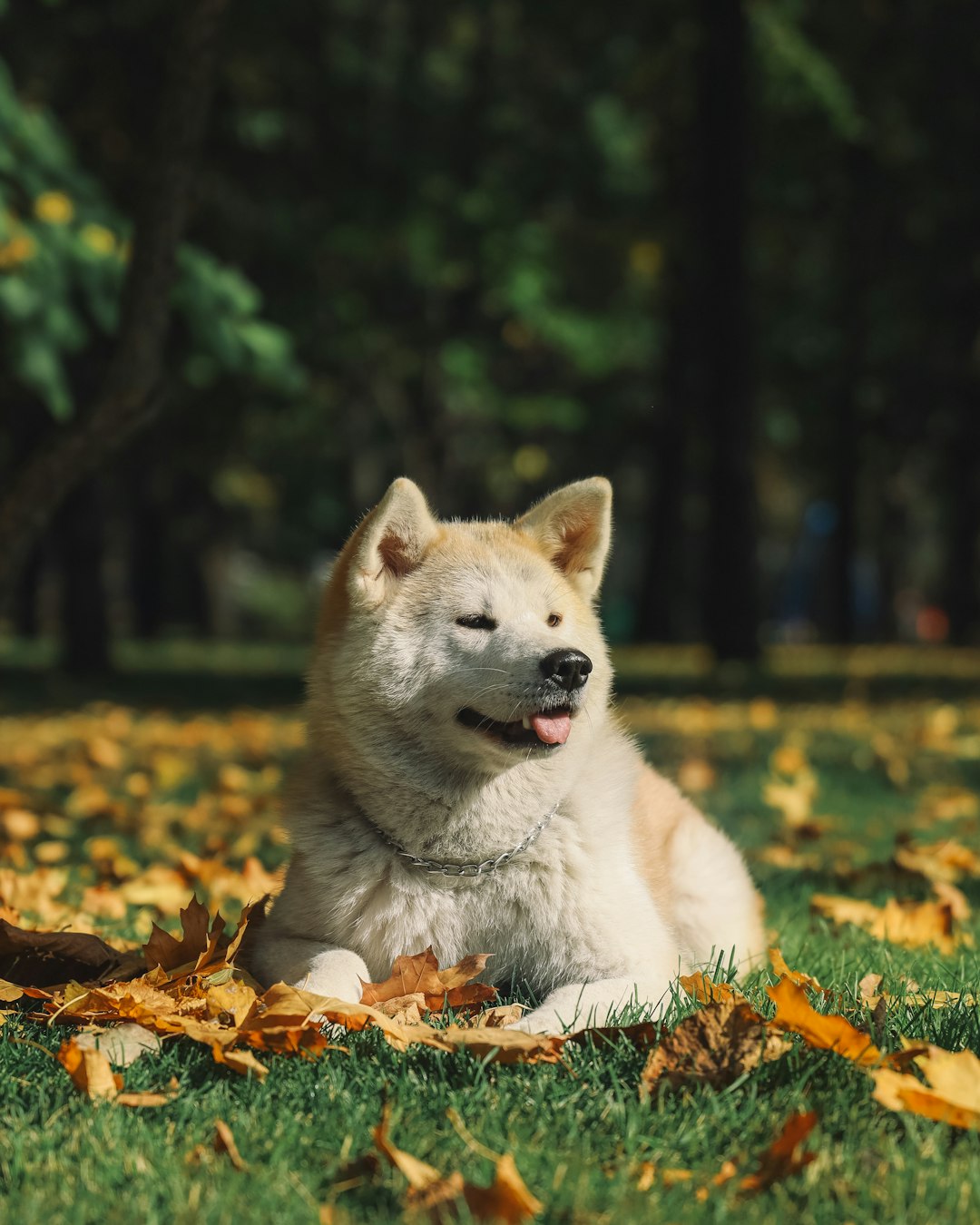
Akitas are known for their loyalty and protective nature, but their independent streak can make training a challenge. Like a stoic philosopher, they can be reserved and aloof, requiring patience and consistency from their owners. Early socialization is crucial to prevent aggression and ensure they are comfortable around other dogs and people. Training should focus on positive reinforcement and establishing a strong bond with the owner to keep them motivated and engaged.
11. Boxer
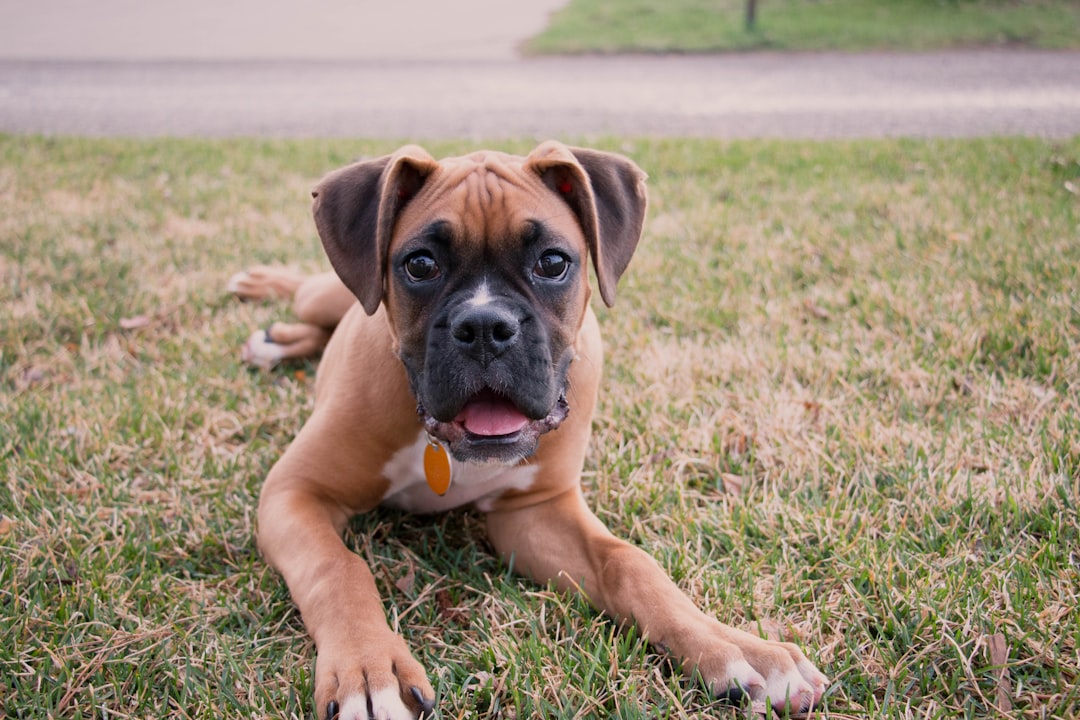
Boxers are playful and energetic dogs that can be a handful if not properly trained. Their exuberance can sometimes come across as stubbornness, requiring patient and consistent training. Picture a playful child who loves to bounce around—Boxers need regular exercise and mental stimulation to prevent boredom and destructive behavior. Positive reinforcement techniques work best, as they respond well to praise and rewards.
12. Staffordshire Bull Terrier
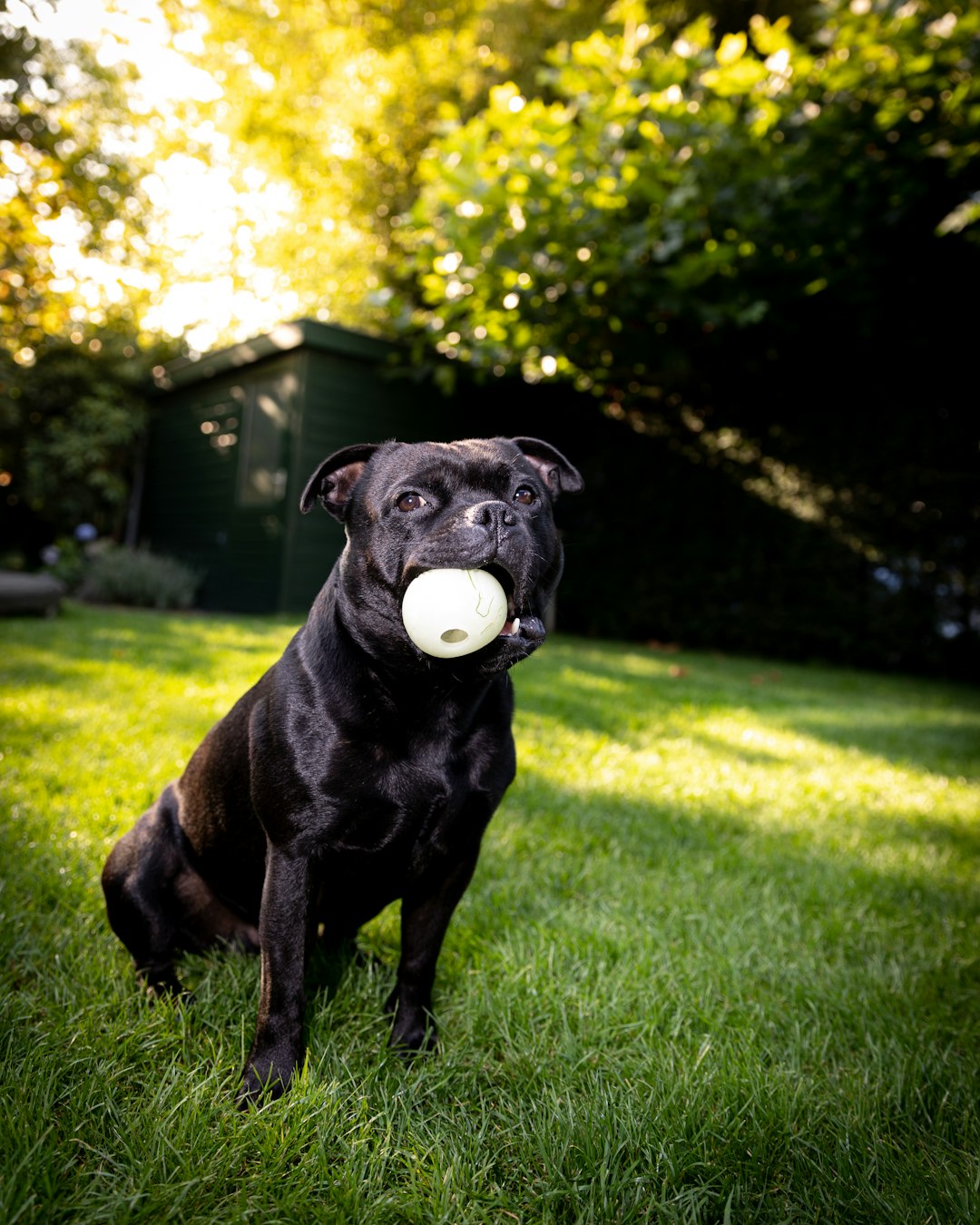
Staffordshire Bull Terriers are known for their strength and determination, which can make them challenging to train. Like a determined athlete, they require consistent training and socialization from a young age to ensure they grow into well-behaved adults. Positive reinforcement techniques work best, as harsh methods can lead to fear or aggression. Providing outlets for their energy, such as agility or obedience training, can help keep them engaged and prevent behavioral issues.
13. Doberman Pinscher
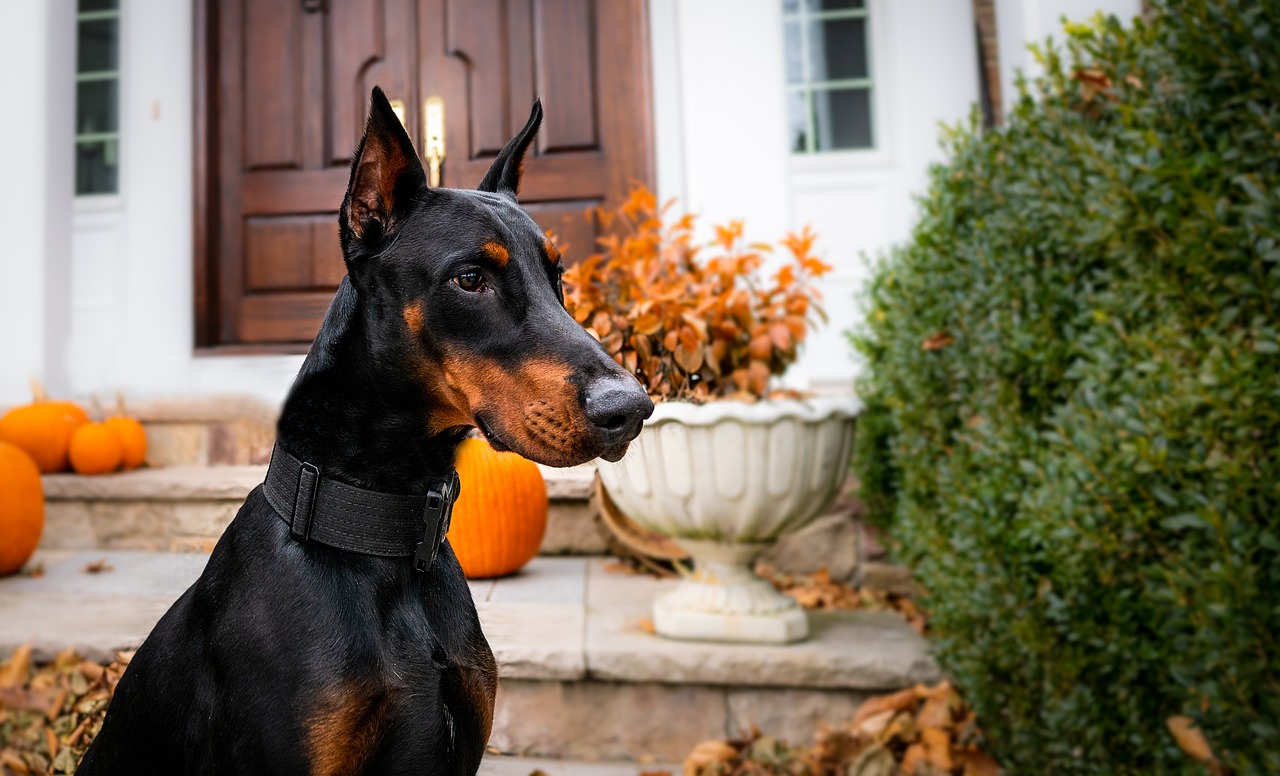
Doberman Pinschers are intelligent and loyal dogs that require consistent training to thrive. Their strong protective instincts can sometimes lead to aggression if not properly managed. Training should focus on establishing clear boundaries and providing mental and physical stimulation. Early socialization is crucial to ensure they are comfortable around other dogs and people. Positive reinforcement techniques work best, as they respond well to praise and rewards.
14. Beagle
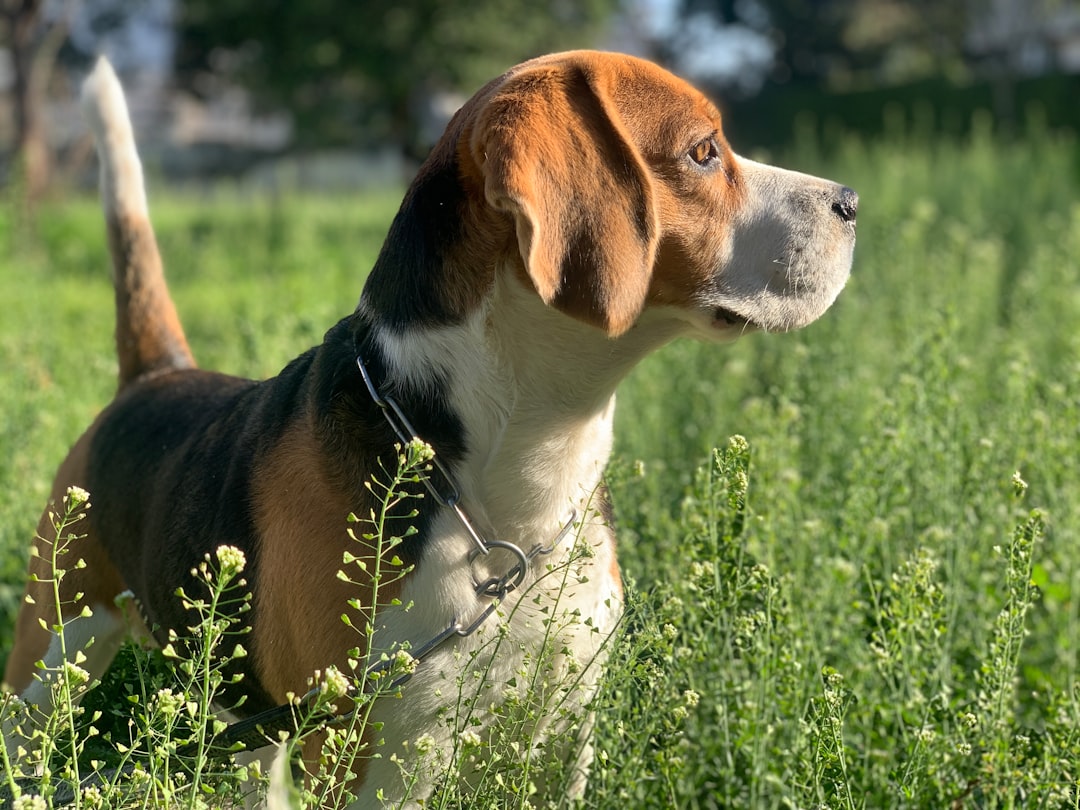
Beagles are known for their friendly and curious nature, but their strong sense of smell can make training a challenge. Like a detective on the scent of a case, they can become easily distracted by interesting smells. Training should focus on recall and leash manners to prevent them from wandering off. Positive reinforcement techniques work best, as they respond well to praise and rewards. Providing outlets for their energy, such as scent work or tracking exercises, can help keep them engaged and prevent boredom.
15. Bullmastiff
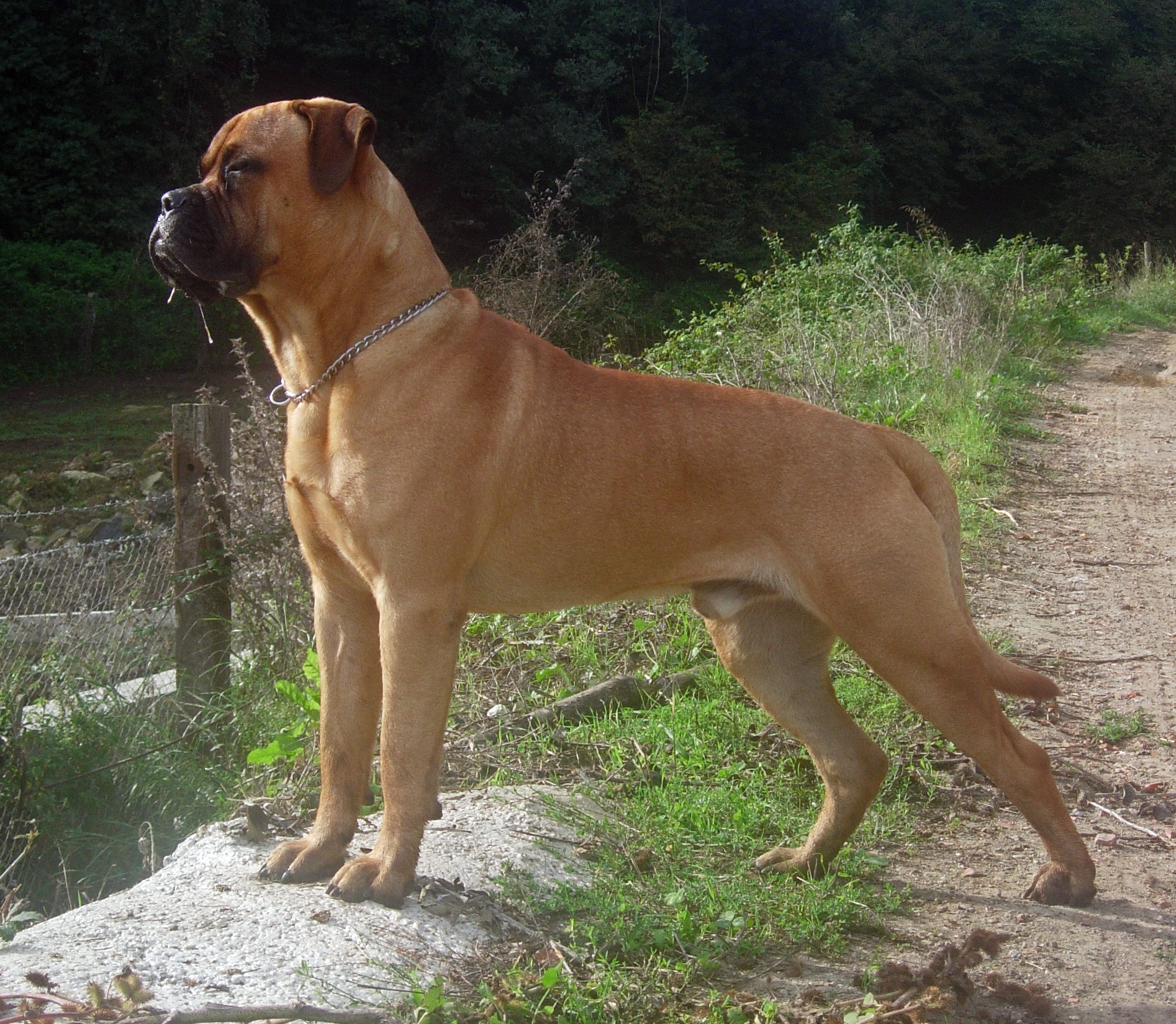
Bullmastiffs are gentle giants known for their loyalty and protective nature. However, their size and strength can make training a challenge for inexperienced owners. Like a gentle giant, they require consistent training and socialization from a young age to ensure they grow into well-behaved adults. Positive reinforcement techniques work best, as harsh methods can lead to fear or aggression. Providing outlets for their energy, such as obedience or agility training, can help keep them engaged and prevent behavioral issues.
Understanding the needs and characteristics of these dog breeds can prepare you for the rewarding journey of training them. With patience, consistency, and positive reinforcement, these dogs can become loving and loyal companions.


