

Building a deep and lasting bond with your dog in your 50s and beyond can be one of life’s most rewarding experiences. As we age, our priorities shift, and often, we seek companionship that is both meaningful and fulfilling. A dog can provide that and more, offering unwavering loyalty and love. However, building a strong relationship with your furry friend requires time, patience, and understanding. This article will guide you through six simple steps to nurture and strengthen this special bond.
Understand Your Dog’s Needs

Understanding your dog’s needs is the first step in building a strong bond. Dogs, like humans, have basic needs such as food, water, shelter, and medical care. However, they also require mental stimulation, exercise, and social interaction. Observing your dog’s behavior can offer clues to its needs. For instance, a dog that paces or whines may need more exercise or a change of scenery. Meeting these needs consistently will help your dog feel secure and loved, laying the foundation for a lasting relationship.
Moreover, different breeds have different requirements. A Labrador may love long walks and playtime, while a Chihuahua might prefer a cozy lap. Understanding these breed-specific needs can improve your interactions and ensure your dog feels at ease with you. Remember, a happy and healthy dog is more likely to form a strong bond with its owner.
Spend Quality Time Together

Spending quality time with your dog is crucial for building a lasting bond. This doesn’t mean just being in the same room; it means actively engaging with your pet. Activities like playing fetch, going for walks, or even just sitting together while watching TV can strengthen your connection. Dogs are social creatures, and they thrive on interaction with their owners.
As you age, you may find more time to dedicate to your dog, making it easier to incorporate them into your daily routine. Consistency is key, so try to set aside time each day for your dog. Whether it’s a morning walk or an evening cuddle session, these moments will become cherished rituals that both you and your dog look forward to.
Communicate Effectively

Effective communication is essential in any relationship, including the one you share with your dog. Dogs may not understand words the way humans do, but they are incredibly perceptive to tone, body language, and facial expressions. When communicating with your dog, use a calm and reassuring voice. Dogs can sense emotions, so maintaining a positive demeanor is important.
Training sessions are an excellent opportunity to practice communication. Use simple commands and reward your dog with treats or praise for a job well done. This not only reinforces good behavior but also strengthens your bond through positive interactions. Remember, patience is vital; your dog is learning just as much about you as you are about them.
Prioritize Health and Wellness
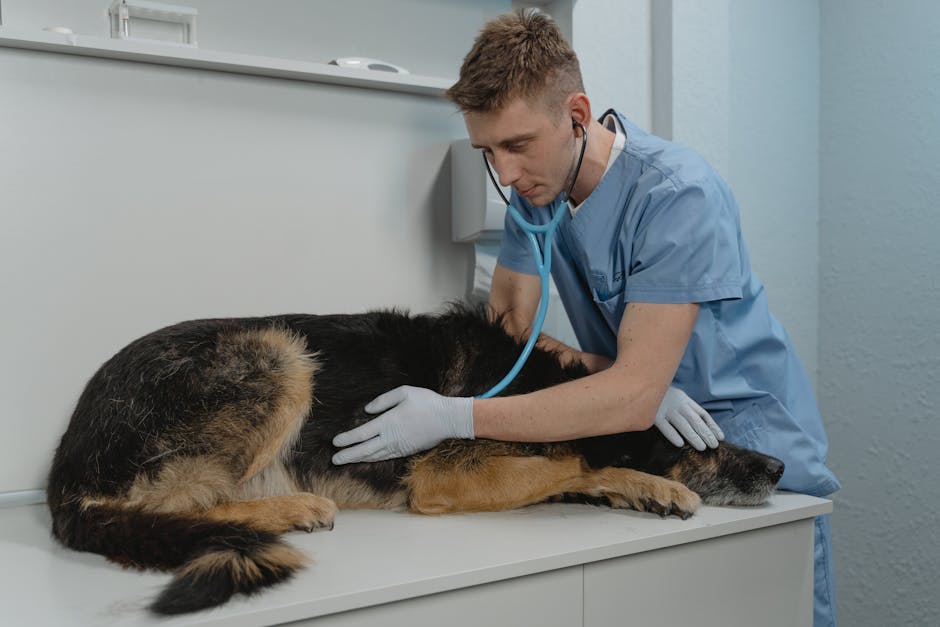
Your dog’s health and wellness should be a top priority. Regular vet visits, a balanced diet, and exercise are crucial components of a healthy lifestyle for your pet. As dogs age, they may develop health issues, so staying proactive about their well-being is essential. Addressing health concerns promptly can prevent more serious problems down the line.
Incorporating health checks into your routine can also serve as bonding time. Grooming sessions, for example, allow you to check for any abnormalities while spending quality time with your pet. Your dog will appreciate the attention and care, further strengthening your relationship. A healthy dog is a happy dog, and a happy dog makes for a stronger bond.
Respect Their Space

Just like humans, dogs need their own space and time to relax. Respecting your dog’s space is an important aspect of building a bond. If your dog retreats to a quiet corner or bed, it may be seeking solitude. Allowing your dog this time can help reduce stress and anxiety, making them more comfortable and trusting of you.
Creating a designated space for your dog can also reinforce this idea. A cozy bed or crate can provide a sense of security and ownership. Encourage your dog to use this space when they need a break. By respecting their boundaries, you show that you understand and value their needs, which is essential for a healthy relationship.
Practice Patience and Compassion
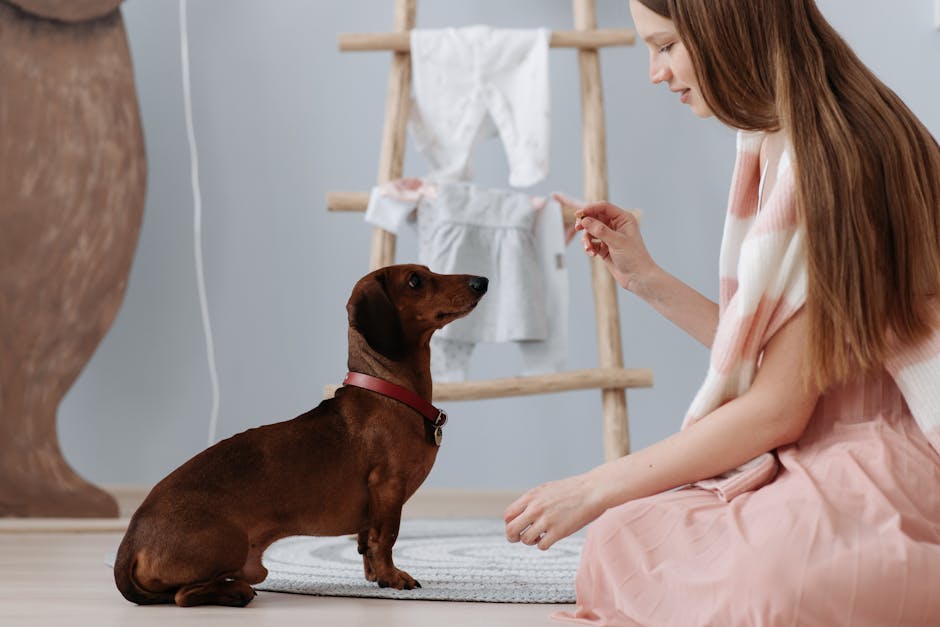
Patience and compassion are virtues that become more important as we age. These qualities are equally essential in building a bond with your dog. Dogs can have off days, just like humans, and may not always behave as expected. During these times, patience is key. Rather than reacting with frustration, approach the situation with understanding and empathy.
Compassionate interactions can deepen your bond with your dog. Offer comfort and reassurance during stressful situations, such as vet visits or thunderstorms. Your dog will come to see you as a source of safety and support, strengthening your connection. Remember, the love and loyalty of a dog are worth every bit of patience and compassion you can offer.
Building a lasting bond with your dog in your 50s and beyond is a journey filled with joy and fulfillment. By understanding their needs, spending quality time, communicating effectively, prioritizing health, respecting their space, and practicing patience and compassion, you can create a relationship that enriches both your life and your dog’s.


