
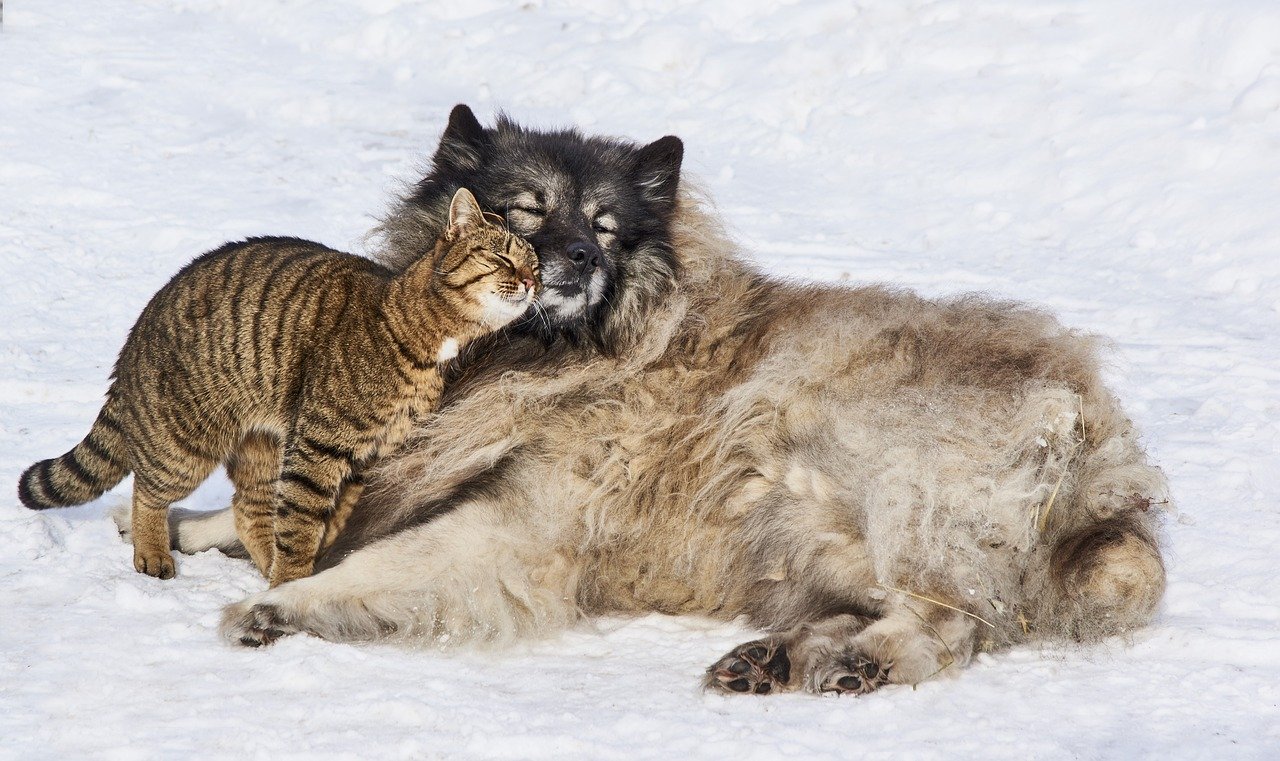
Dogs and cats have been our companions for thousands of years. While both animals offer companionship, they display affection in distinct ways. Anyone who has spent time with both knows that dogs are generally more enthusiastic about cuddles, whereas cats can be more reserved. But why is this the case? This article delves into the reasons behind these differences, offering insights into the affectionate nature of dogs and the more independent demeanor of cats.
The Evolution of Canine Cuddles
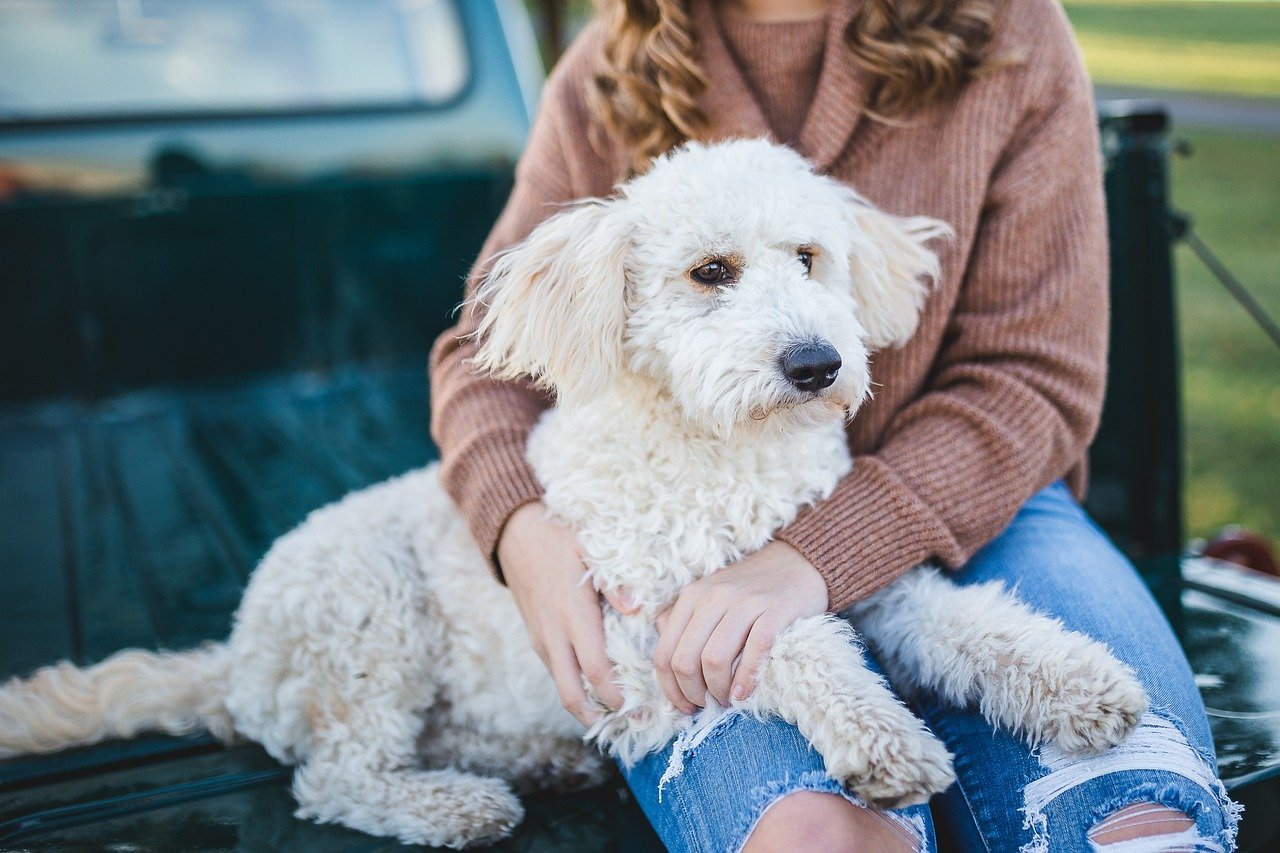
Dogs have evolved from wolves, pack animals that relied on close bonds to ensure survival. This pack mentality is deeply ingrained in their DNA. In the wild, wolves would huddle together for warmth and protection, a behavior that domestic dogs have retained. When your dog leans into you or snuggles up, it’s channeling its ancestors’ instincts. They see you as part of their pack, and sharing physical closeness is a way of strengthening that bond. It’s a delightful reminder of their history and how they’ve adapted to life alongside humans.
Understanding Canine Affection
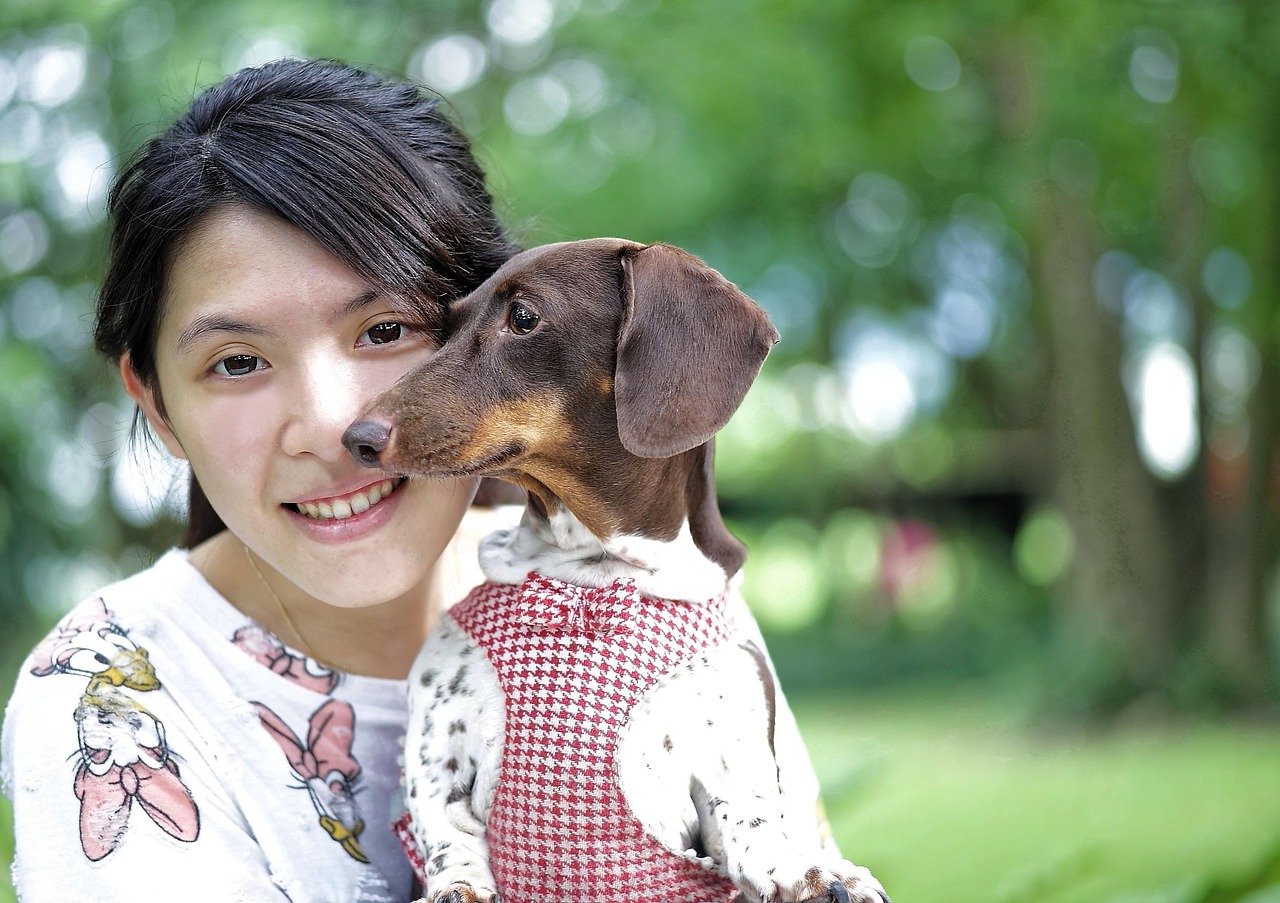
Dogs are naturally affectionate creatures. Their wagging tails, eager eyes, and playful demeanor are all expressions of love. When a dog cuddles, it’s their way of saying “I trust you” and “I love you.” This behavior is reinforced by the positive reactions they receive from humans. A good cuddle session often results in belly rubs, treats, or a game of fetch. This positive reinforcement encourages them to seek out cuddles more often. Dogs, much like humans, thrive on attention and affection, making them the perfect cuddle companions.
Why Cats Prefer Their Personal Space

Cats, on the other hand, have a more solitary lineage. Domestic cats are descendants of wild cats that were solitary hunters. Their survival depended on stealth and independence, traits that still influence their behavior today. While cats can be affectionate, they often seek out attention on their own terms. Unlike dogs, who might follow you around the house, cats enjoy their independence and prefer to approach you when they’re ready for attention. This doesn’t mean they don’t love you; it just means they express it differently.
The Science Behind Feline Aloofness
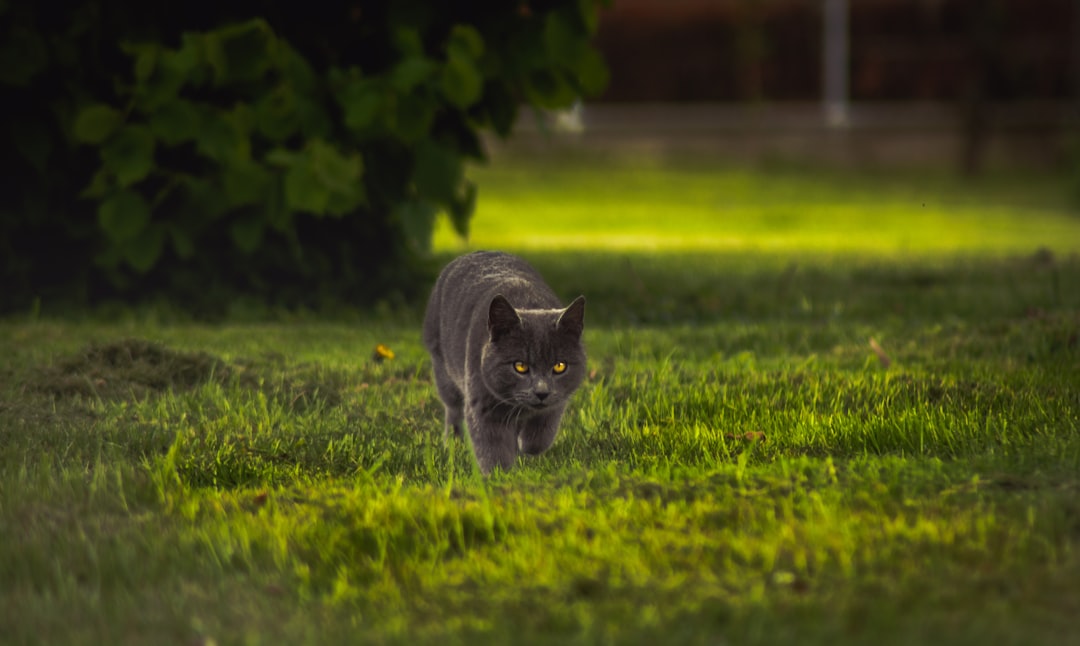
Research has shown that cats have a different social structure compared to dogs. While dogs view humans as part of their pack, cats see humans as large, friendly cats. Their aloofness is not a sign of dislike but rather a reflection of their instinctual behavior. Cats communicate through subtle gestures, like a gentle headbutt or a slow blink, which can be easily missed by those unfamiliar with feline behavior. Understanding these cues can enhance the bond between you and your feline friend.
The Role of Hormones in Animal Affection
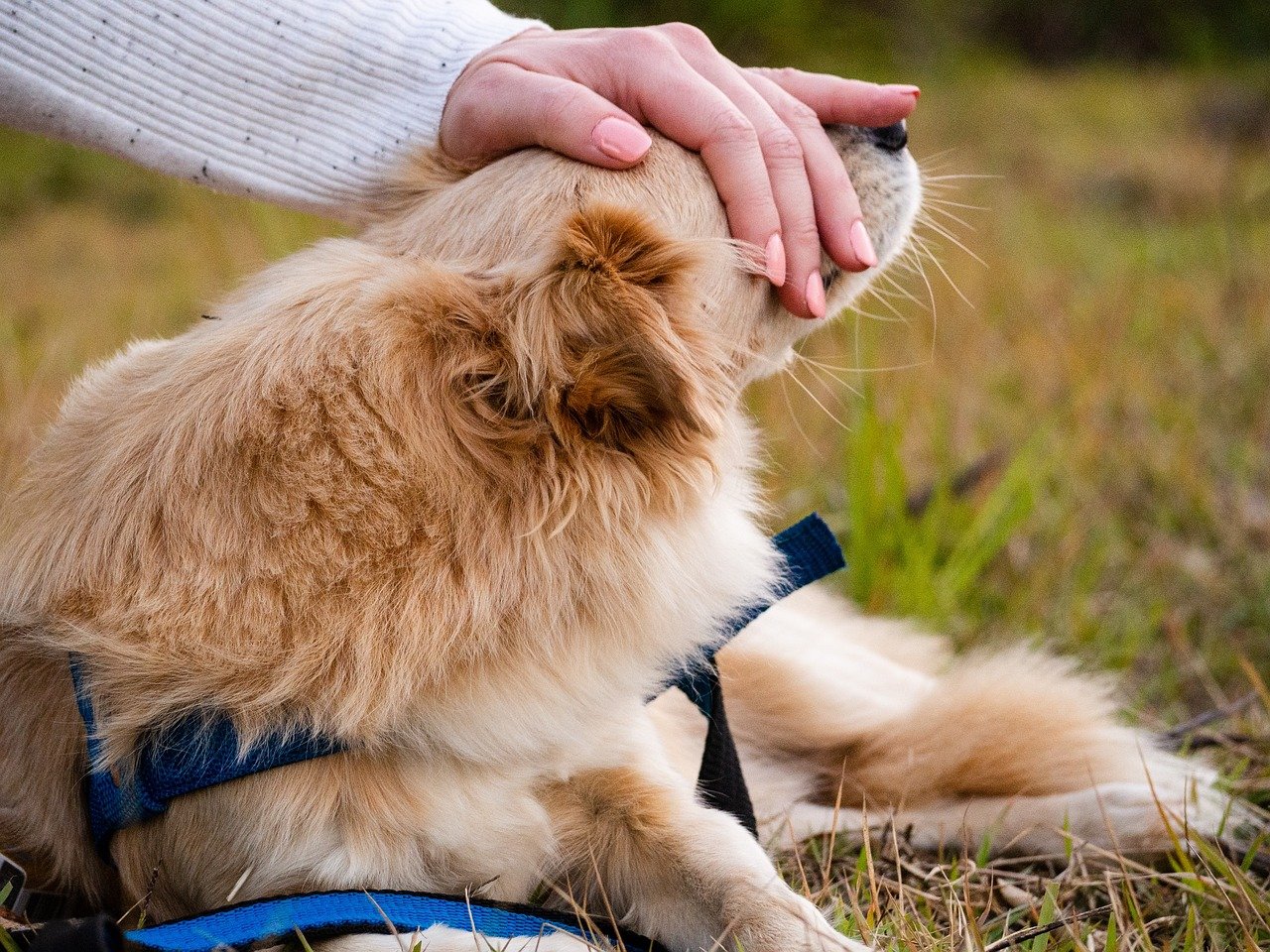
Both dogs and cats experience hormones that influence their behavior. Oxytocin, often referred to as the “love hormone,” plays a significant role in bonding. In dogs, the release of oxytocin occurs during activities like petting or cuddling, reinforcing their desire for physical closeness. Cats also produce oxytocin, but in smaller amounts, which might explain their more reserved nature. While they don’t crave constant affection like dogs, they still form strong bonds with their owners, just in their unique way.
Reading the Body Language of Dogs
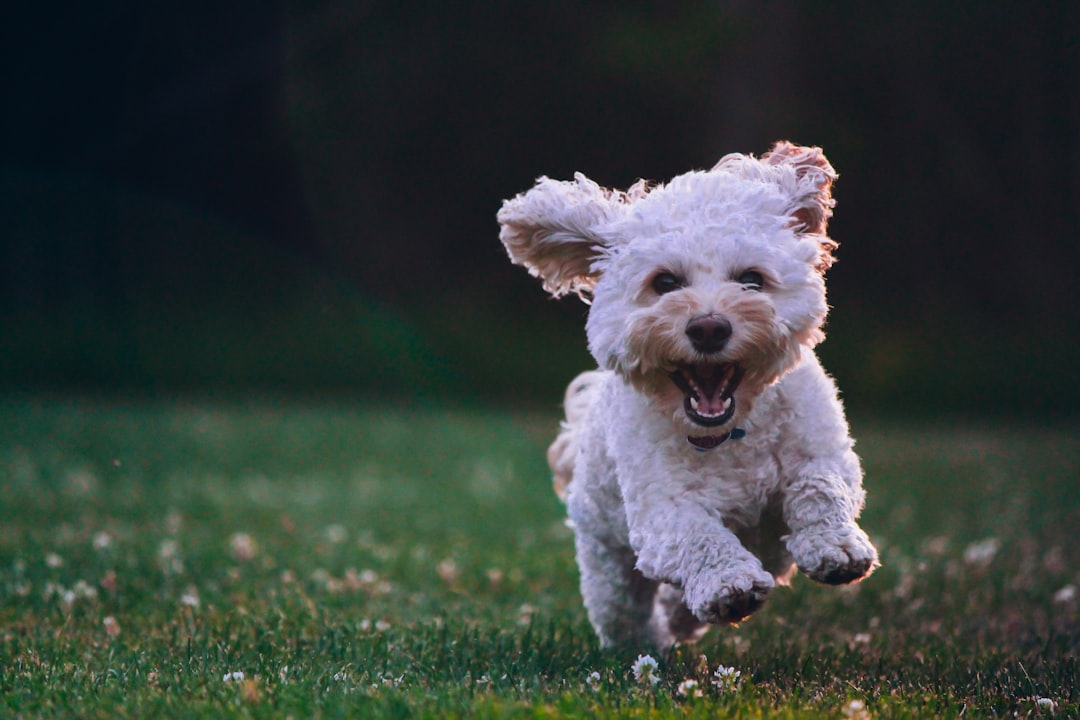
Understanding your dog’s body language can enhance your relationship. A dog that loves cuddles will often approach you with a wagging tail, relaxed ears, and a soft gaze. They might nuzzle close, seeking the warmth and comfort of your presence. Conversely, if a dog feels uneasy, its body might stiffen, and it could move away. Recognizing these signals ensures that cuddling remains a positive experience for both you and your furry friend.
The Delicate Dance of Feline Affection
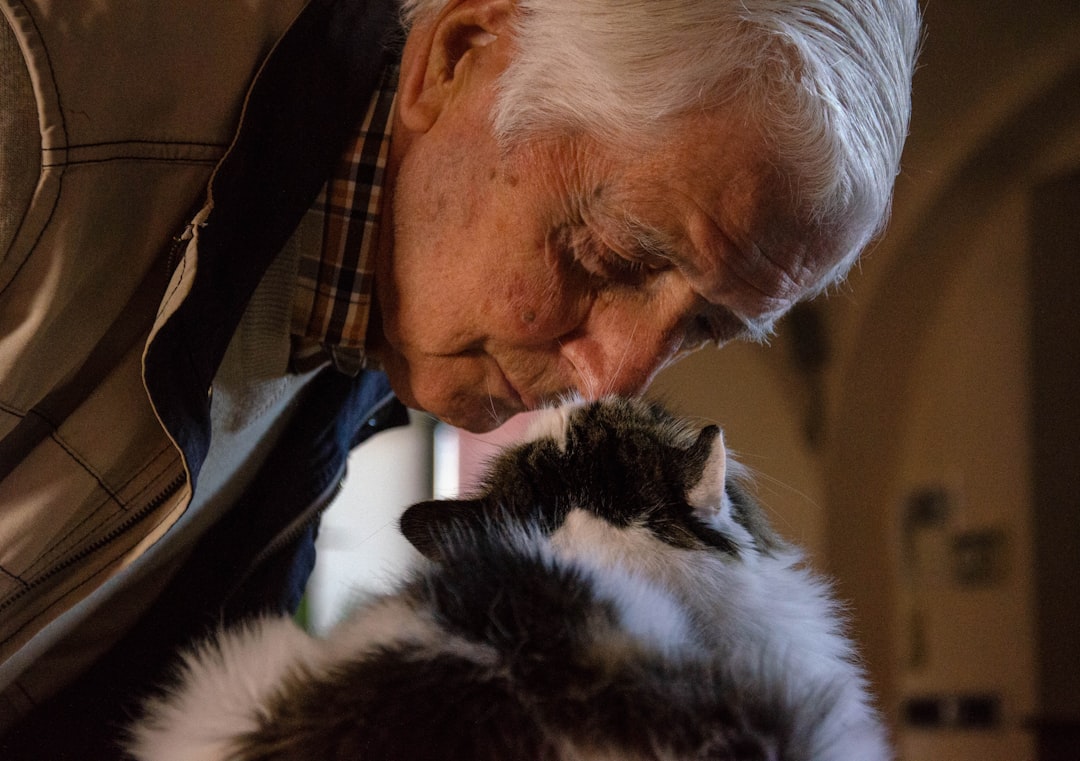
Cats, while independent, have their ways of showing affection. They might rub against your leg, purr softly, or curl up beside you. These gestures, though subtle, are profound expressions of trust. It’s essential to respect a cat’s boundaries. Forcing a cat to cuddle can lead to stress and anxiety. Instead, allow them to come to you. When they do, it’s a testament to the trust and bond you’ve cultivated over time.
Creating a Cuddle-Friendly Environment
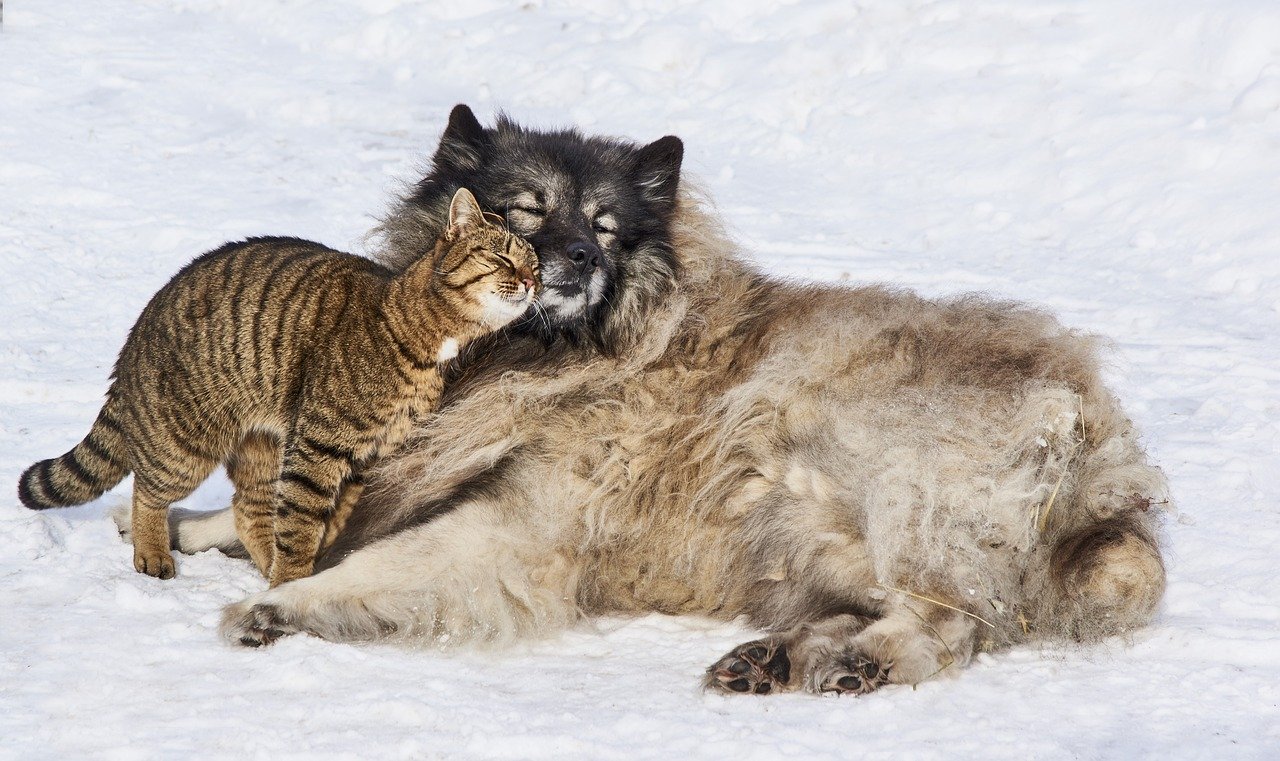
For both dogs and cats, creating a safe and comfortable environment is crucial. Dogs appreciate cozy blankets and soft beds, while cats enjoy elevated perches and quiet corners. Offering spaces where they can retreat or engage in play can enhance their sense of security. When they feel safe, they’re more likely to seek out affectionate interactions, whether it’s a dog jumping into your lap or a cat curling up beside you.
In conclusion, dogs and cats offer different kinds of companionship, each with its unique charm. Dogs, with their boundless enthusiasm for cuddles, bring warmth and joy, while cats, with their more reserved affection, offer moments of quiet connection. Understanding these differences enriches our relationships with them, allowing us to appreciate the diverse ways they show their love.


