

Have you ever wondered if a dog can thrive on a meatless diet? As more people embrace veganism, some are extending this lifestyle to their pets, sparking a heated debate. Is it a responsible choice or a step too far? This question elicits strong emotions, especially among dog lovers who want the best for their furry companions. In a world where dietary choices are becoming increasingly complex, this topic challenges our understanding of pet nutrition and ethics.
Understanding Veganism and Its Rise

Veganism isn’t just a diet; it’s a lifestyle choice that excludes all animal products. Over recent years, its popularity has surged, driven by concerns about animal welfare, environmental sustainability, and health benefits. As people become more aware of these issues, they’re looking for ways to align their entire lifestyle with their ethical beliefs, including how they feed their pets. This has led to a growing trend of vegan pet food, which is becoming more accessible in stores and online.
The rise of veganism has sparked discussions about its implications for pets. While some people view it as an ethical responsibility, others worry about the potential health impacts on animals. Dogs, traditionally carnivorous by nature, are now at the center of this debate. The question remains: can dogs truly thrive on a plant-based diet, or are we imposing human values on our animal friends?
The Nutritional Needs of Dogs

Understanding a dog’s nutritional needs is crucial when considering a vegan diet for them. Dogs are omnivores, which means they can consume both plant and animal-based foods. However, their dietary needs are distinct from humans. Proteins, fats, vitamins, and minerals are essential for their health and well-being. Animal proteins are a primary source of these nutrients, but can they be replaced with plant-based alternatives?
While some claim that dogs can survive on a well-balanced vegan diet, others argue that it might not provide all the necessary nutrients. Dogs require specific amino acids, such as taurine and L-carnitine, which are naturally found in meat. Without these, dogs might face health complications. It’s a delicate balance that requires careful consideration and consultation with a veterinarian.
Arguments for Vegan Diets for Dogs

Proponents of vegan diets for dogs argue that it can be ethical and environmentally sustainable. By choosing plant-based foods, they believe they’re reducing the demand for animal products and minimizing the environmental impact of pet food production. This aligns with the broader goals of veganism, which seeks to reduce harm to animals and the planet.
Additionally, some pet owners report that their dogs have thrived on vegan diets, experiencing improved health, energy levels, and even shinier coats. These anecdotal experiences fuel the belief that vegan diets can be beneficial for dogs, provided they are well-planned and nutritionally balanced. However, it remains a contentious topic, with opinions varying widely among experts and pet lovers.
Concerns About Forcing Dogs to Go Vegan

Critics argue that imposing a vegan diet on dogs may be a form of animal cruelty. They emphasize that dogs have evolved to eat meat, and depriving them of their natural diet could lead to health problems. Concerns include potential deficiencies in essential nutrients and the risk of malnutrition, which could have long-term consequences for a dog’s health.
Moreover, some veterinarians caution against vegan diets for dogs, citing the lack of scientific evidence supporting their safety and efficacy. They stress the importance of meeting a dog’s specific nutritional needs and warn that a poorly planned vegan diet could do more harm than good. This perspective raises ethical questions about the responsibility of pet owners to prioritize their pets’ health over personal beliefs.
Case Studies and Real-Life Examples

Examining real-life cases can provide valuable insights into the vegan diet debate for dogs. Some pet owners have successfully transitioned their dogs to vegan diets, reporting positive outcomes such as improved digestion, weight management, and increased energy. These stories often highlight the importance of careful planning and regular veterinary check-ups to ensure nutritional adequacy.
However, there are also cases where dogs on vegan diets have experienced health issues, such as lethargy, weight loss, and nutrient deficiencies. These examples underscore the risks associated with inadequate dietary planning and the need for individualized approaches. They also highlight the importance of consulting with professionals to make informed decisions about a pet’s diet.
The Role of Veterinary Guidance
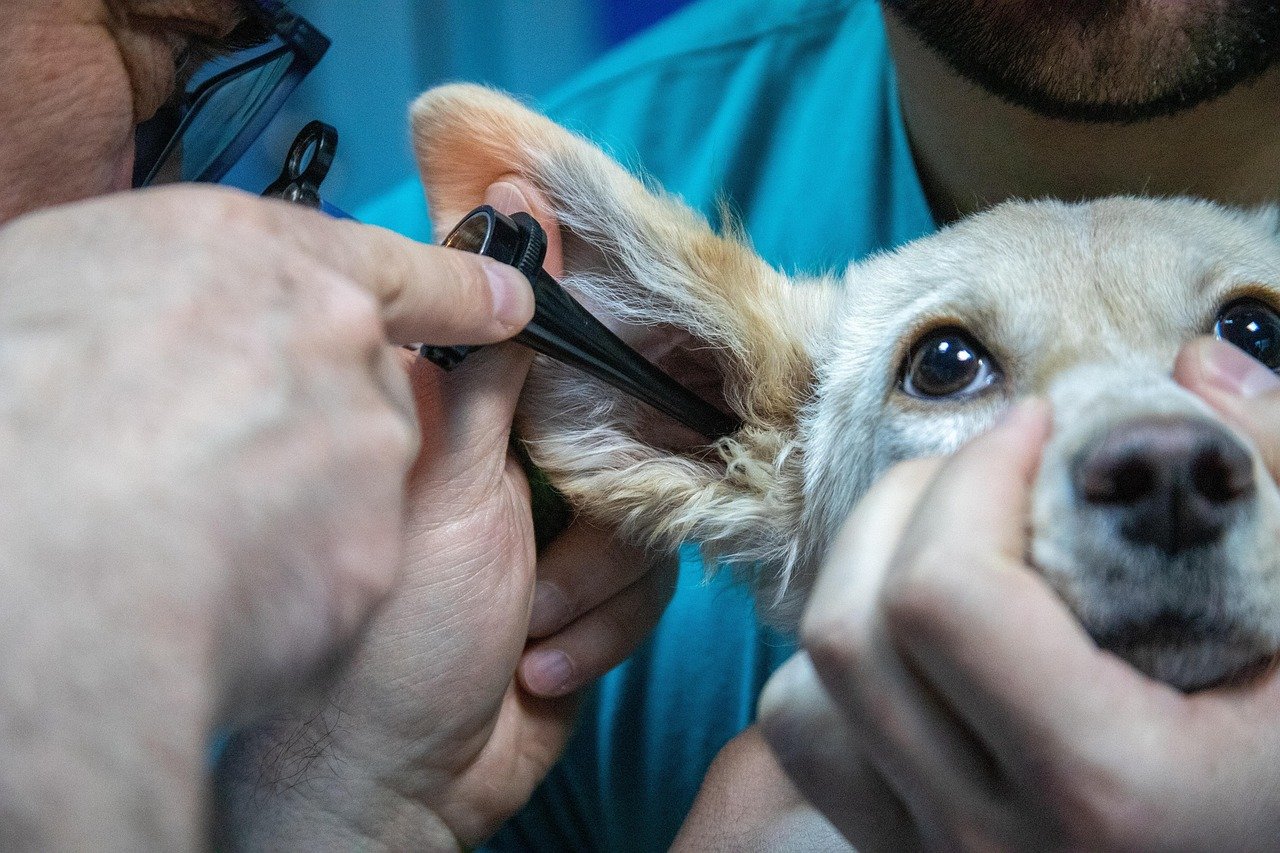
Veterinary guidance is crucial when considering a vegan diet for dogs. Veterinarians can provide expert advice on whether a vegan diet is suitable for a specific dog, taking into account factors such as age, breed, health status, and lifestyle. They can also recommend appropriate supplements and monitor a dog’s health to prevent potential deficiencies.
Consulting with a veterinarian ensures that a dog’s nutritional needs are met and reduces the risk of adverse health effects. It also provides pet owners with peace of mind, knowing that they’re making informed decisions based on professional advice. This collaborative approach is essential for ensuring the well-being of dogs on vegan diets.
Exploring Alternative Diet Options

For those hesitant about a fully vegan diet, there are alternative options to consider. Some pet owners opt for vegetarian diets, which include eggs and dairy, providing additional sources of protein and nutrients. Others choose to incorporate plant-based meals alongside traditional meat-based diets, creating a balanced approach that respects both ethical beliefs and a dog’s nutritional needs.
These alternatives offer flexibility and allow pet owners to tailor their dogs’ diets to suit individual preferences and health requirements. They also enable a gradual transition, giving dogs time to adapt to new foods and ensuring their health remains a priority. Exploring these options can help pet owners find a suitable compromise that aligns with their values and their pets’ well-being.
Conclusion: Balancing Ethics and Health

The debate over vegan diets for dogs is complex and multifaceted, with passionate arguments on both sides. Ultimately, the decision to feed a dog a vegan diet should be made with careful consideration of the dog’s health, nutritional needs, and individual circumstances. It’s essential to prioritize a dog’s well-being while respecting ethical beliefs.
As pet owners, we have a responsibility to ensure our furry companions receive the best care possible. This includes making informed dietary choices that support their health and happiness. Whether you choose a vegan diet for your dog or explore alternative options, the key is to remain informed, consult with professionals, and prioritize your pet’s well-being. What would you choose for your beloved dog?


