
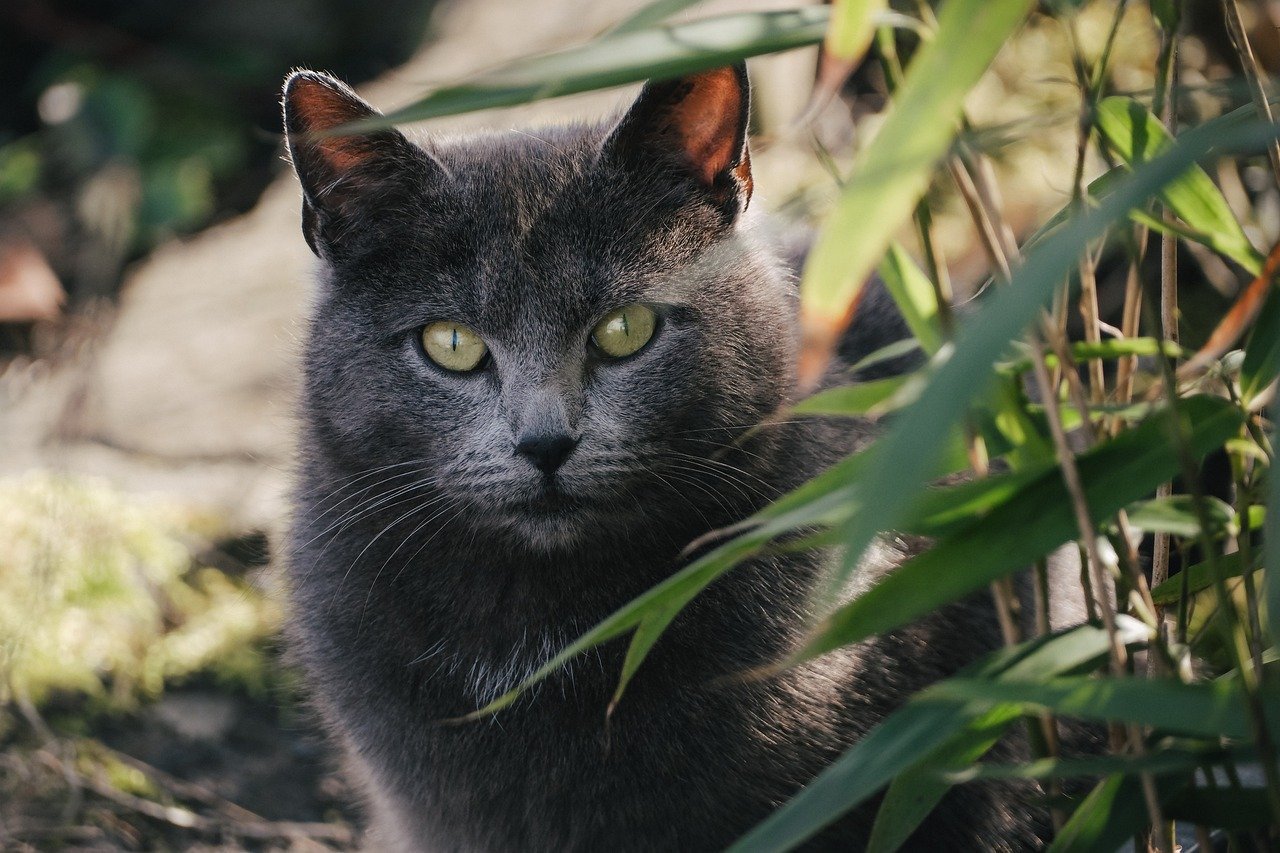
Have you ever wondered what goes on in the mind of your feline friend? It’s a question that many cat owners ponder as they watch their furry companions gaze out the window or pace around the house. Cats are known for their mysterious and independent nature, which can sometimes make it difficult to understand their true intentions. If you’ve ever felt a pang of worry that your cat might be planning an escape, you’re not alone. In this article, we’ll explore ten signs that might indicate your cat is plotting to run away. Whether you’re a seasoned cat owner or a new one, these insights could help you better understand your pet’s behavior.
Excessive Scratching at Doors and Windows
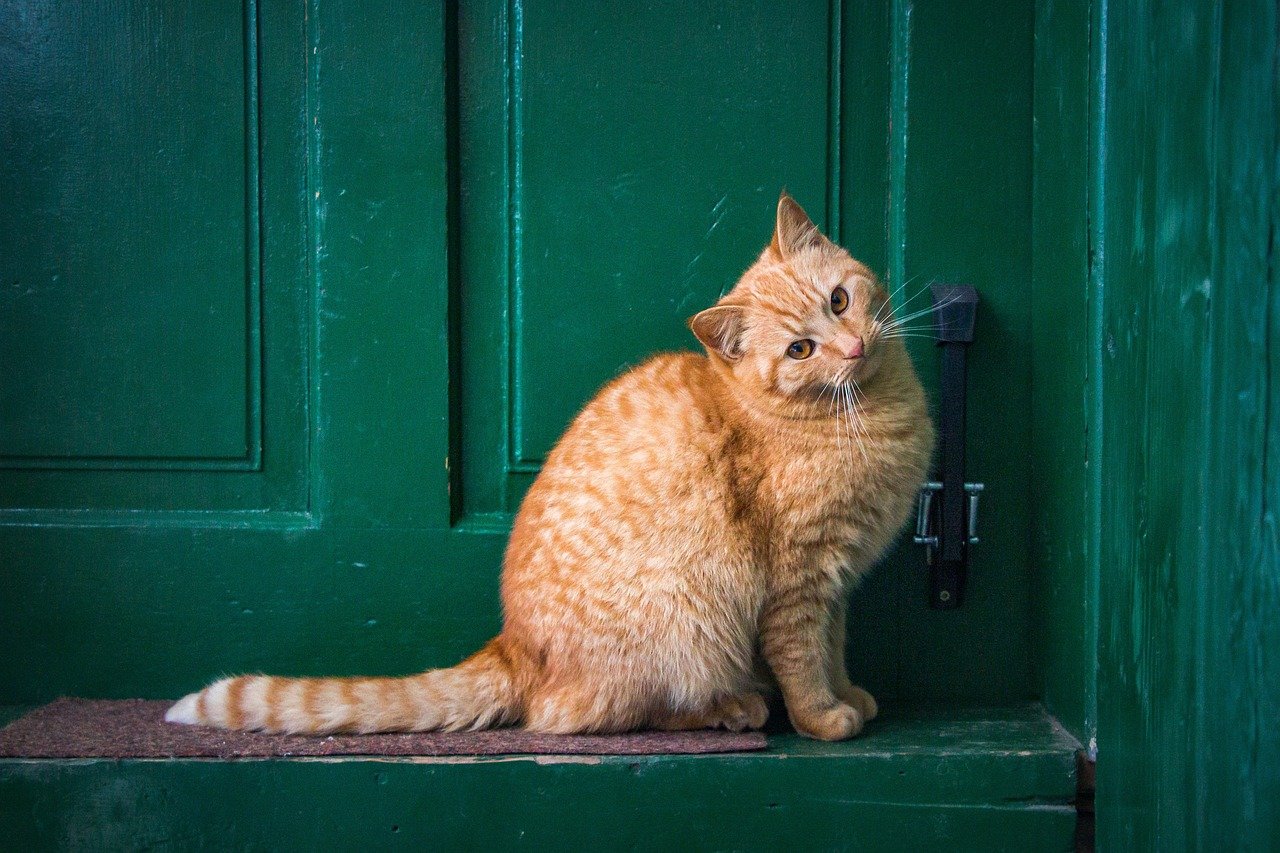
Cats are known for their independence and mysterious ways—but sometimes, that aloof behavior might be hinting at something more. While your feline friend might not be packing a tiny suitcase just yet, certain habits and changes in behavior can signal restlessness, stress, or a desire to escape their current environment. Whether it’s a sudden obsession with the door, increased hiding, or unexplained mood swings, your cat could be showing signs they’re not entirely content.
One of the most telling signs that your cat might be planning an escape is excessive scratching at doors and windows. Cats are naturally curious creatures, and they often want to explore the world beyond their immediate surroundings. If your cat is persistently clawing at these exit points, it might be trying to find a way out. This behavior can be particularly noticeable if your cat has never shown interest in scratching these areas before. It’s as if they’re trying to create an escape route, and their determination can be quite surprising. While some scratching is normal, an increase in this behavior could be a red flag.
Increased Interest in the Outdoors
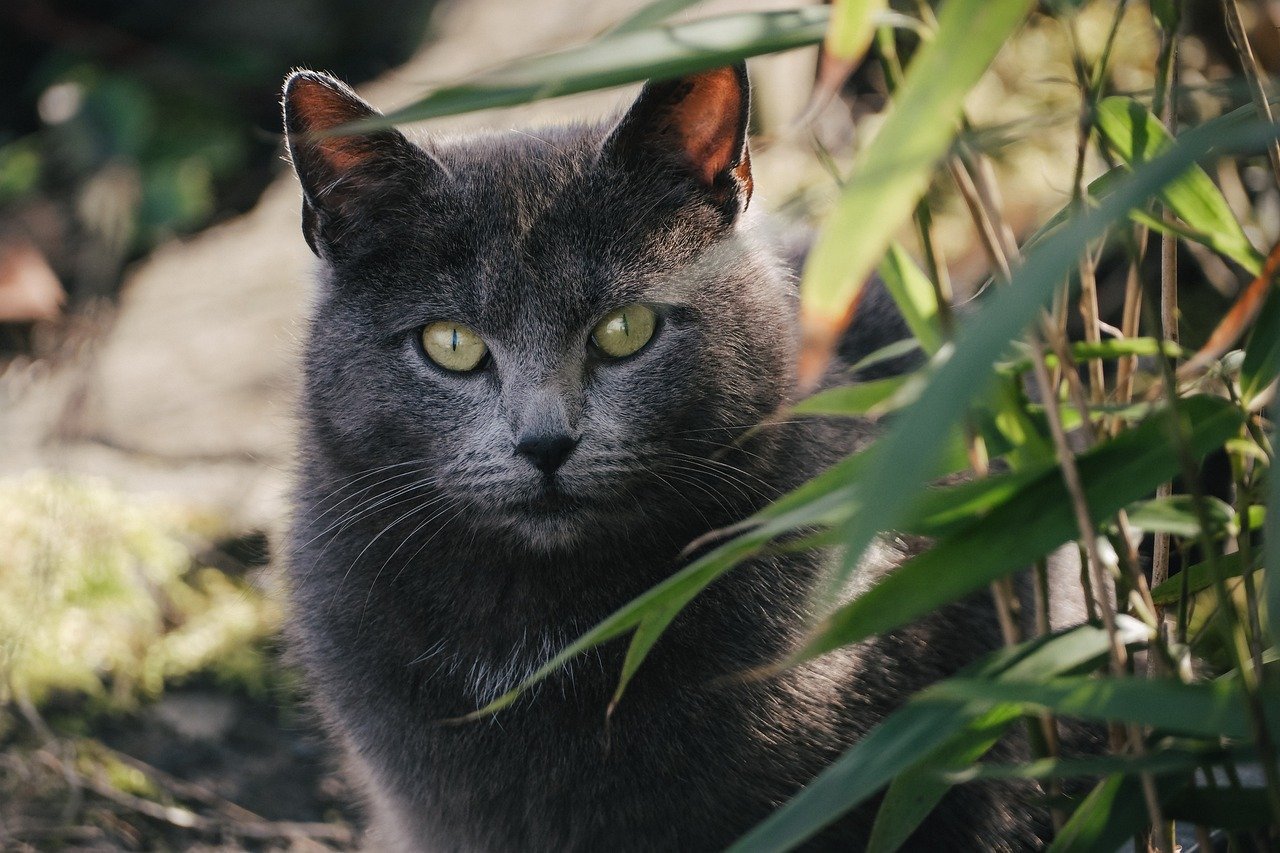
Has your cat suddenly developed a fascination with the great outdoors? If your previously indoor-loving kitty is now spending more time at the window or door, staring longingly outside, it might be contemplating a getaway. This newfound interest in the outside world could be driven by a variety of factors, such as the presence of other animals, intriguing sounds, or simply the allure of freedom. It’s like when we daydream about a vacation; your cat might be envisioning its own little adventure. Keeping an eye on this behavior can help you understand if your cat is feeling restless.
Frequent Attempts to Bolt

If your cat is making frequent attempts to dart through open doors or windows, it might be time to take notice. This behavior is more than just curiosity; it could be a sign that your cat is actively trying to escape. Cats are quick and agile, and a sudden dash for freedom can catch even the most vigilant owner off guard. This behavior is often accompanied by a heightened sense of alertness and readiness to seize any opportunity to slip outside. It’s as if your cat is waiting for the perfect moment to make its move.
Unusual Hiding Spots
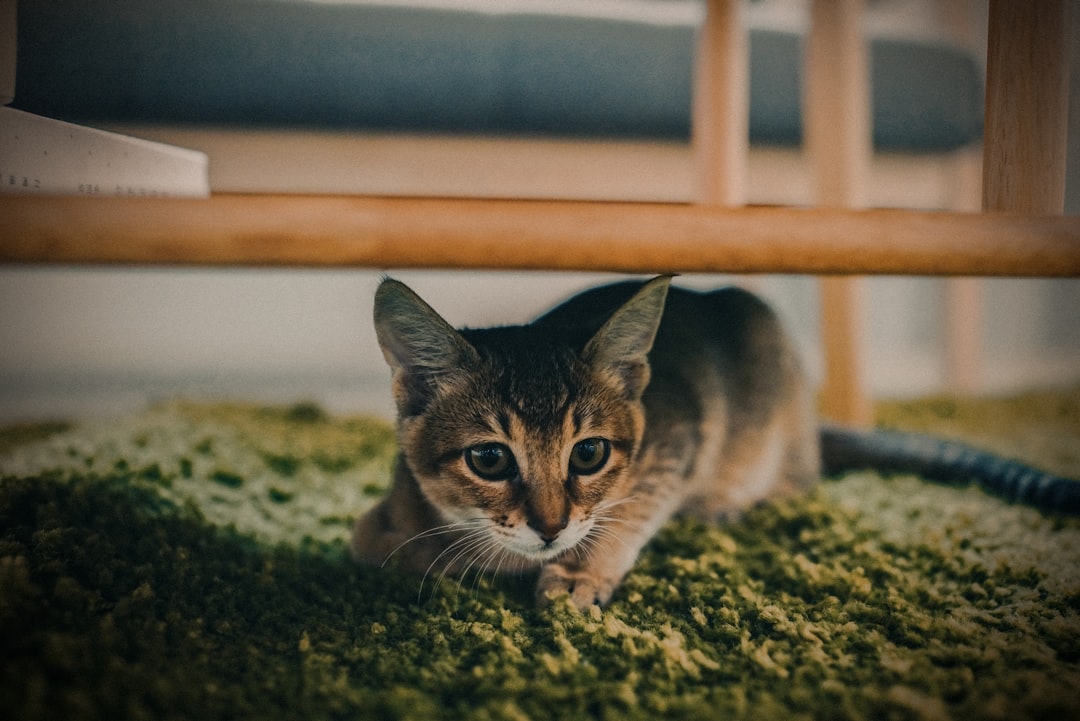
Cats love to hide, but if you notice your cat seeking out unusual or new hiding spots, it might be a sign of something more. Cats often hide when they’re feeling stressed or anxious, and these emotions can sometimes precede an attempt to run away. It’s like they’re trying to find a safe place to plan their next move. Pay attention to where your cat is hiding and how often. If the behavior is new or more frequent, it could indicate that your cat is feeling unsettled.
Changes in Eating Habits

A change in eating habits can be a significant indicator of your cat’s intentions. If your cat is eating less, it might be a sign of stress or anxiety, which could be linked to a desire to escape. On the other hand, if your cat is eating more, it might be trying to build up energy for its big adventure. It’s similar to how we might prepare for a long journey by fueling up. Monitoring your cat’s eating habits can provide valuable insights into its state of mind.
Increased Vocalization
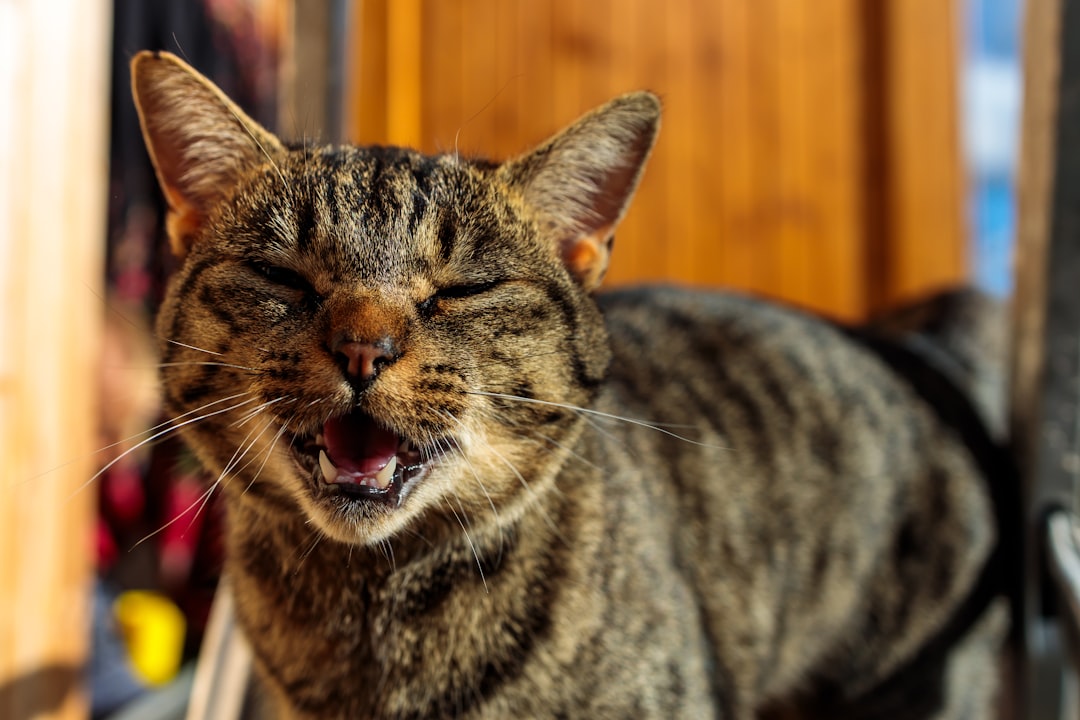
Is your cat meowing more than usual? Increased vocalization can be a sign that your cat is trying to communicate something important. It could be expressing dissatisfaction with its current environment or signaling a desire for change. Cats often use vocalization to express their needs, and a sudden increase in this behavior could indicate that your cat is plotting its next move. Listening to your cat and trying to understand what it’s saying can help you address any underlying issues.
Restlessness and Agitation
Restlessness and agitation are clear signs that something is amiss with your cat. If your usually calm and content kitty is suddenly pacing, fidgeting, or unable to settle down, it might be feeling the urge to escape. This behavior can be compared to how we feel when we’re anxious or eager to leave a situation. It’s as if your cat is trying to burn off nervous energy in preparation for a potential escape. Observing these changes can help you understand your cat’s emotional state.
Sudden Aggression
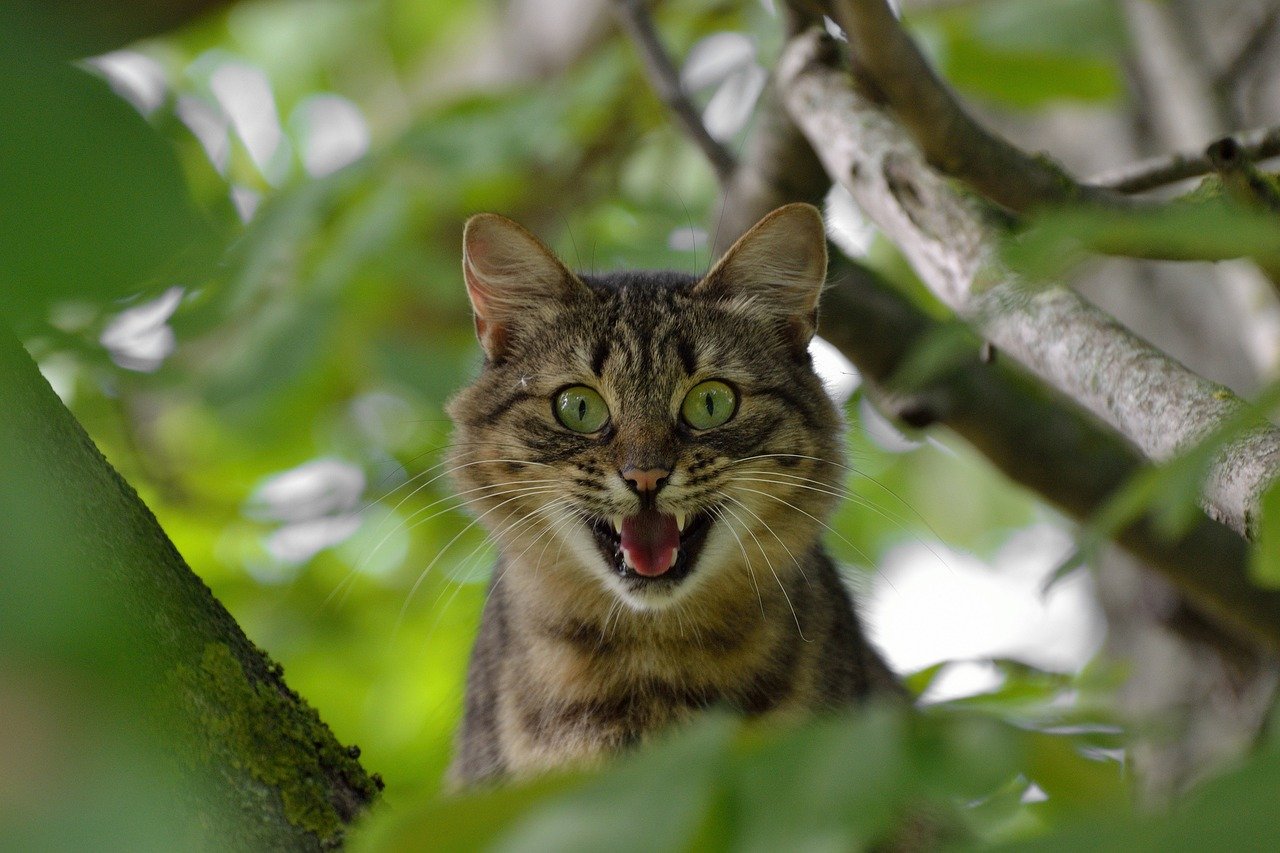
Aggression in cats can be alarming, especially if it appears suddenly. If your cat is displaying aggressive behavior, such as biting or scratching, it might be feeling trapped or frustrated. This aggression could be a way of expressing its desire to escape its current environment. It’s similar to how we might lash out when we’re feeling overwhelmed. Understanding the root cause of this aggression can help you address your cat’s needs and prevent any potential escape attempts.
Increased Grooming
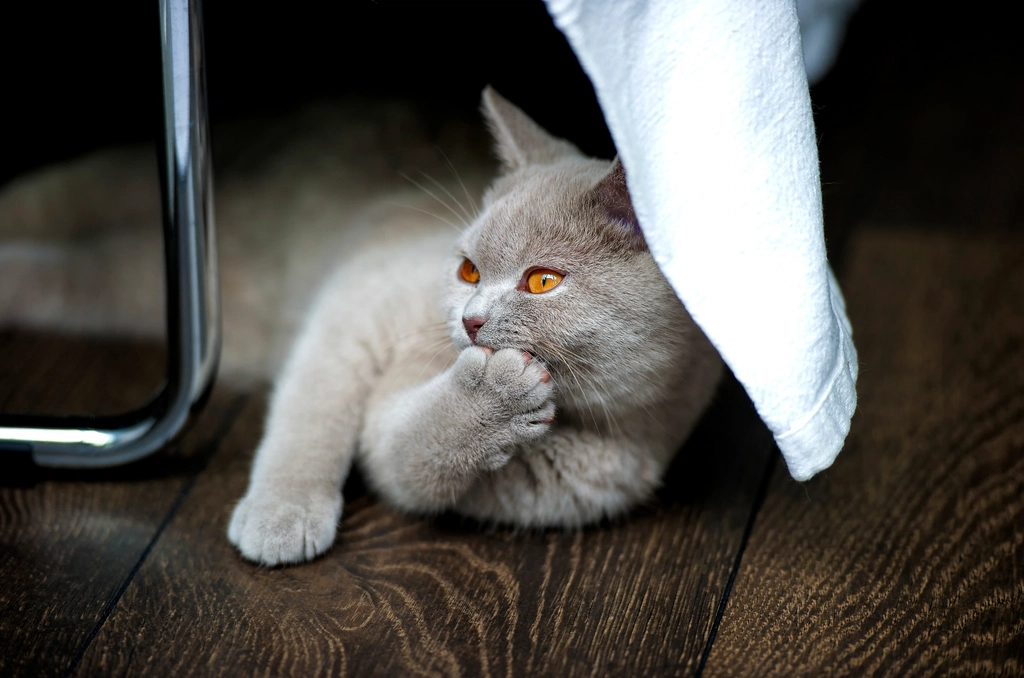
While grooming is a natural behavior for cats, an increase in grooming can be a sign of stress or anxiety. If your cat is grooming more than usual, it might be trying to soothe itself in preparation for a big change. It’s like how we might pamper ourselves before a big event. This behavior can be an indication that your cat is feeling unsettled and might be planning to run away. Paying attention to grooming habits can provide insights into your cat’s emotional well-being.
Unusual Attachment to Personal Belongings

If your cat is suddenly showing an unusual attachment to your personal belongings, it might be a sign that it’s feeling insecure or anxious. This behavior can include sleeping on your clothes, following you around the house, or seeking constant attention. It’s as if your cat is trying to find comfort in familiar scents and objects before making a big decision. Understanding this behavior can help you address your cat’s emotional needs and prevent any potential escape plans.
Understanding your cat’s behavior is key to ensuring its happiness and safety. By recognizing these signs, you can take proactive steps to address any underlying issues and prevent your cat from running away. Cats are complex creatures with unique personalities, and their actions often speak louder than words. So, next time you notice any of these behaviors, take a moment to consider what your cat might be trying to tell you. After all, our furry friends rely on us to keep them safe and content.


