

Have you ever caught your cat staring blankly out the window, looking more like a philosopher contemplating the meaning of life than a playful pet? It might shock you, but boredom in cats is real—and it’s a bigger deal than most people think! When left unstimulated, our curious companions can get up to all kinds of mischief, from redecorating your curtains to staging a midnight zoomie parade. But don’t worry—recognizing the signs of feline boredom and knowing just how to banish it can transform your home into a feline wonderland. Ready to dive into the secret world of your cat’s moods and unleash their inner adventurer?
1. Excessive Sleeping: Snooze or Lose?
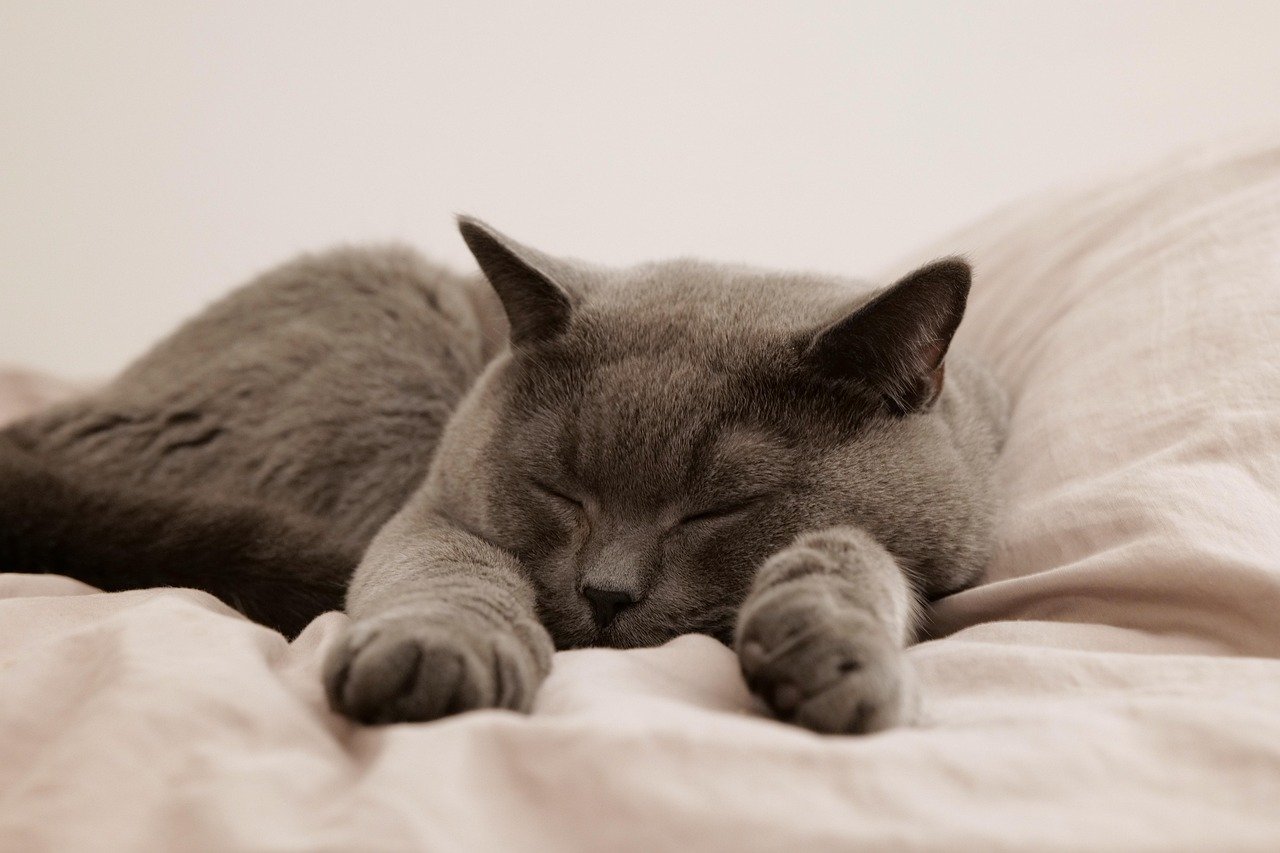
It’s no secret that cats love to sleep, but did you know too much snoozing could be a red flag? While it’s normal for cats to clock up to 16 hours of sleep a day, boredom can push this number even higher. If your furry friend seems glued to their favorite spot, barely moving except for the occasional stretch, it might be more than just laziness. Cats often use sleep as an escape when there’s nothing interesting happening around them. Think of it like us binge-watching TV when there’s nothing better to do! If your kitty is napping out of boredom, it’s time to shake up their routine.
2. Destructive Chewing and Scratching
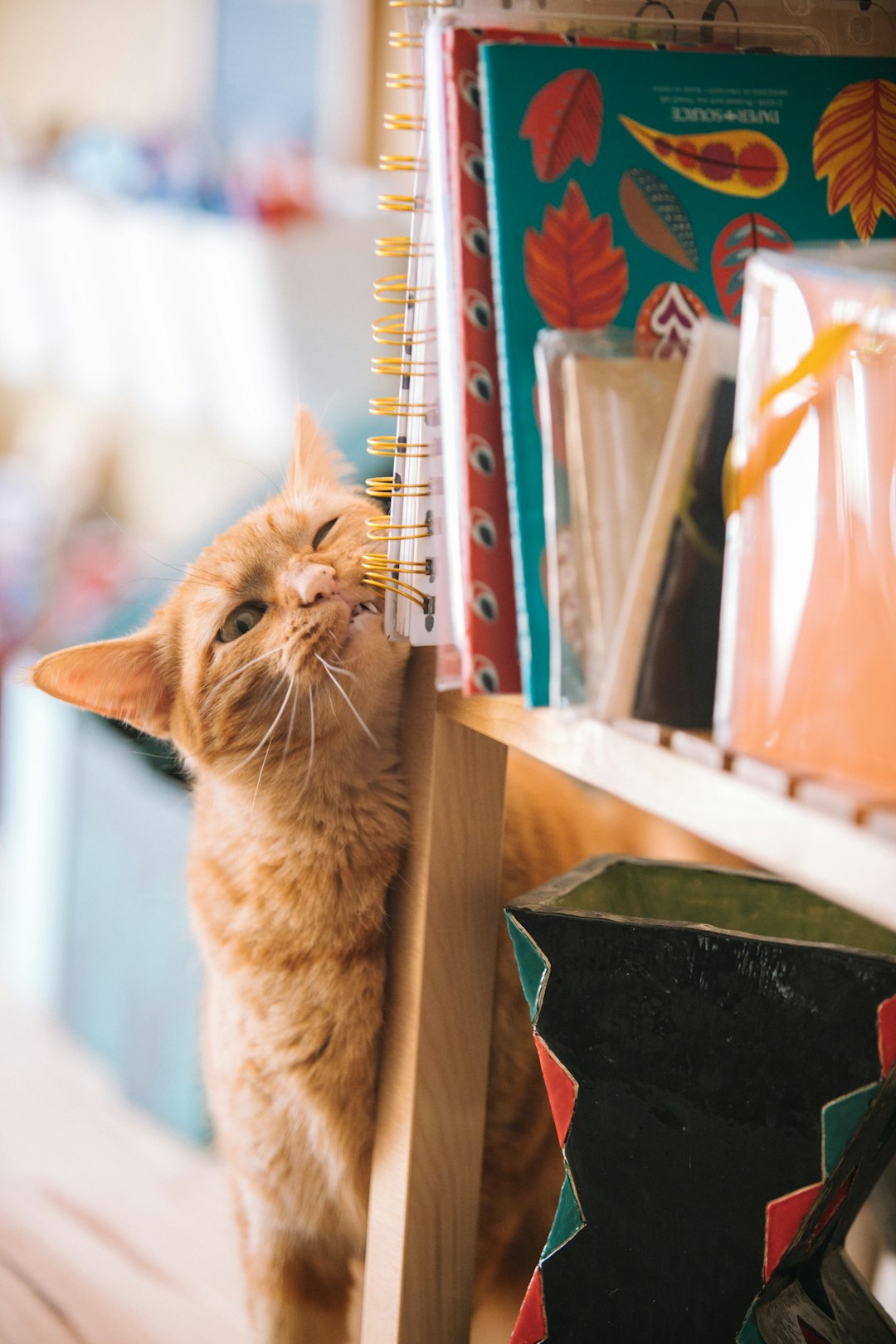
Ever come home to find your couch looking like it survived a hurricane? Bored cats often become tiny, furry wrecking balls. They’ll chew on wires, scratch up furniture, or even attack houseplants. This “bad” behavior isn’t about being naughty—it’s their way of saying, “Help! I need something to do!” Imagine being stuck in a room with nothing but a cardboard box for entertainment; you’d probably start tearing it apart too. If household destruction is on the rise, your cat is practically begging for more stimulation.
3. Overeating or Frequent Meowing
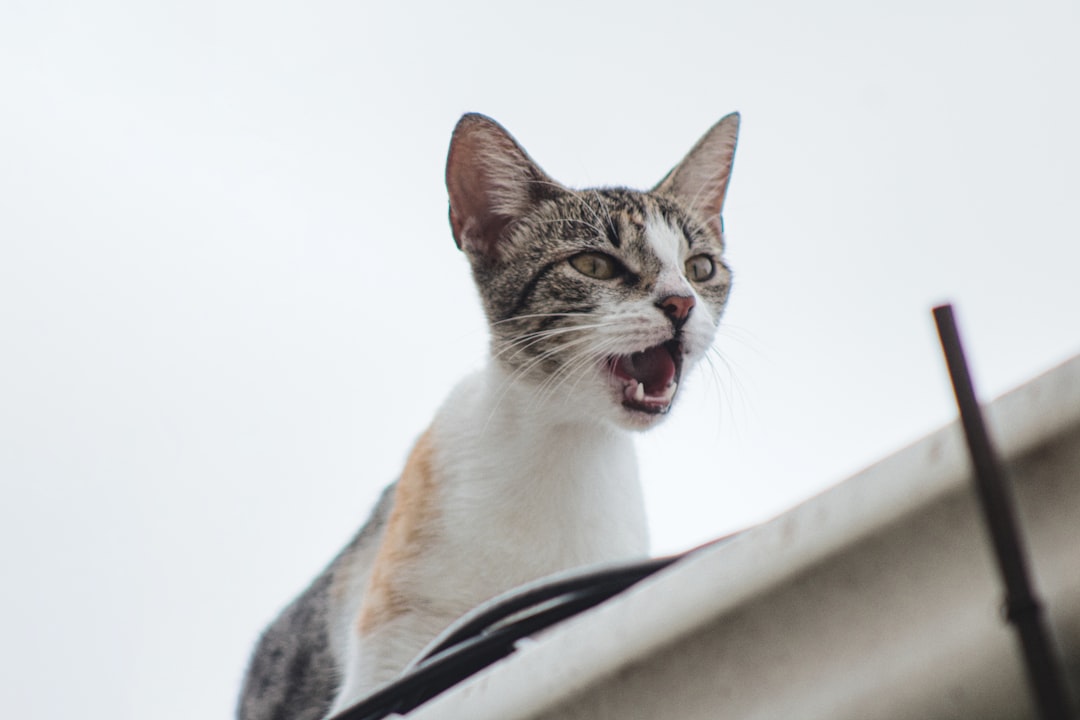
A bored cat often turns to food or vocalization for comfort. If your kitty is constantly pestering you for snacks or meowing your ear off—especially at night—it could be a sign they’re craving excitement, not just treats. Much like humans reach for chips when bored, some cats eat out of sheer monotony. Others become “chatty,” using their voice to grab your attention. This can quickly turn into a habit, so spotting the pattern early is key to keeping your cat both fit and happy.
4. Obsessive Grooming or Lethargy
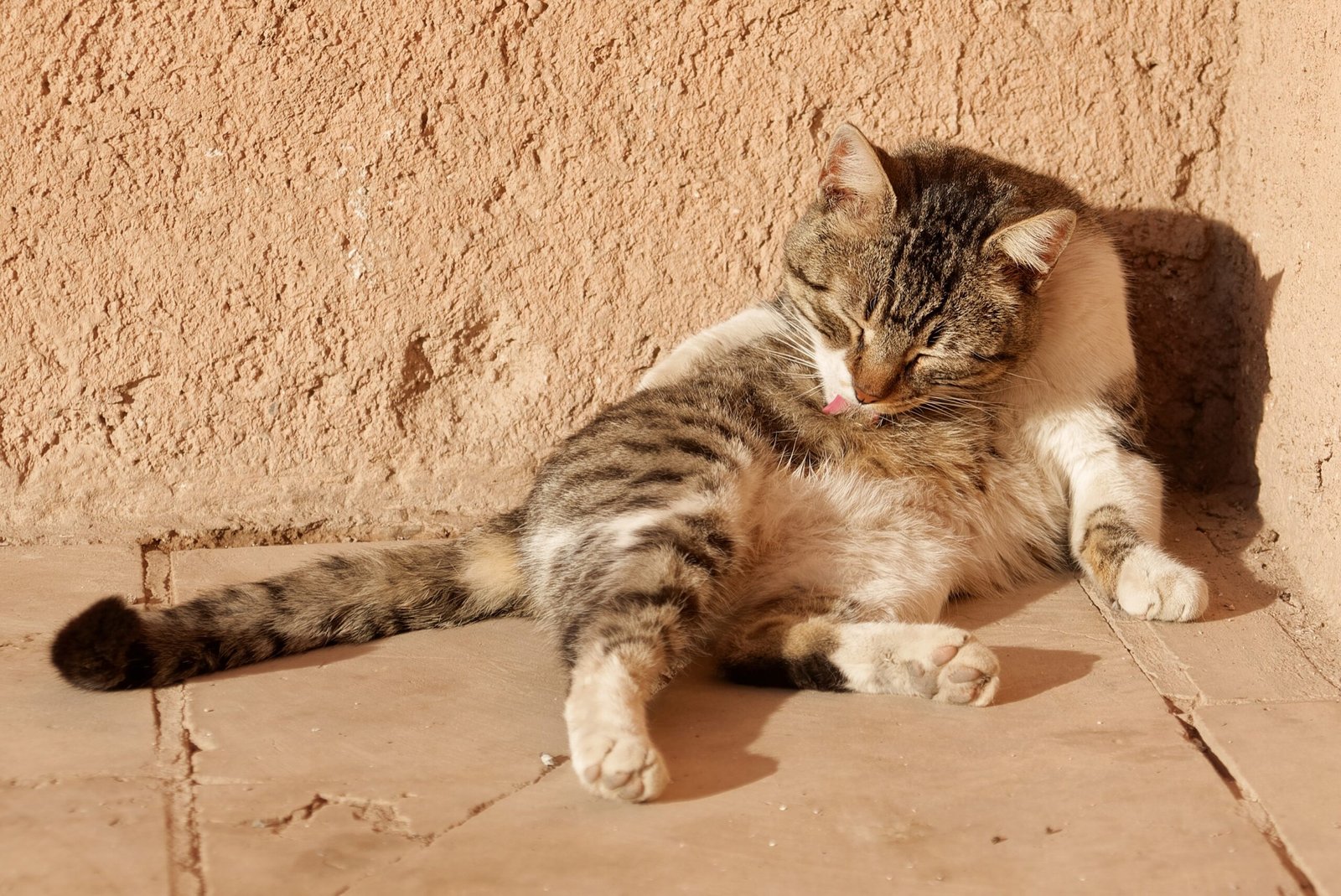
Have you noticed your cat licking themselves more than usual, or perhaps looking downright uninterested in anything at all? Over-grooming can be a coping mechanism for boredom and stress, sometimes leading to bald patches or irritated skin. On the flip side, some cats become unusually lethargic, barely responding to toys or affection. It’s like they’re stuck in a loop, unable to break free from their own monotony. Both behaviors are cries for help, signaling that your cat needs a new spark in their daily life.
5. Unusual Aggression or Picking Fights
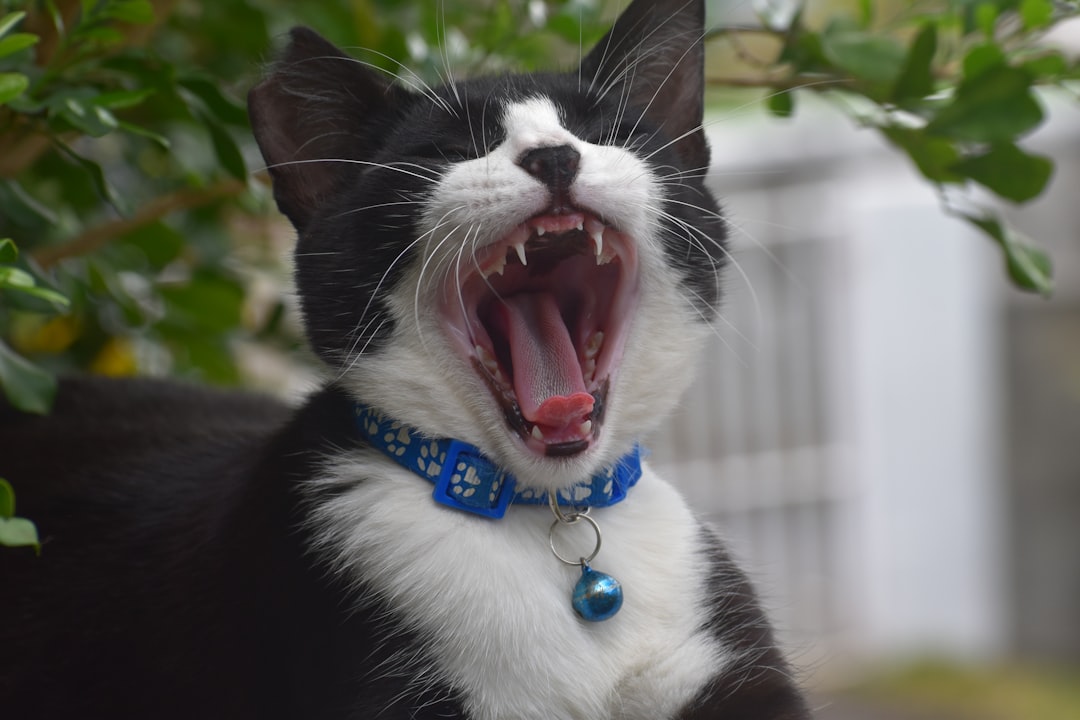
When cats don’t get enough mental or physical stimulation, pent-up energy can turn into aggression. This might look like swatting at your feet, ambushing other pets, or sudden mood swings during playtime. It’s as if your cat is saying, “I need action—now!” Just like kids who act out when bored, cats can become irritable and even pick fights for no reason. If your usually sweet kitty is suddenly a tiny tiger, boredom could be the real culprit.
6. Interactive Play Sessions: The Ultimate Cure

One of the best ways to blast away boredom is with interactive play sessions. Grab a wand toy, laser pointer, or crinkly ball and let the games begin! Even just 10 minutes of playtime twice a day can work wonders. Picture your cat as a wild hunter, stalking and pouncing on their “prey.” These games tap into their natural instincts and turn your living room into a jungle adventure. Plus, it’s a fantastic bonding experience—you’ll both end up happier and healthier.
7. Puzzle Feeders and Treat Toys
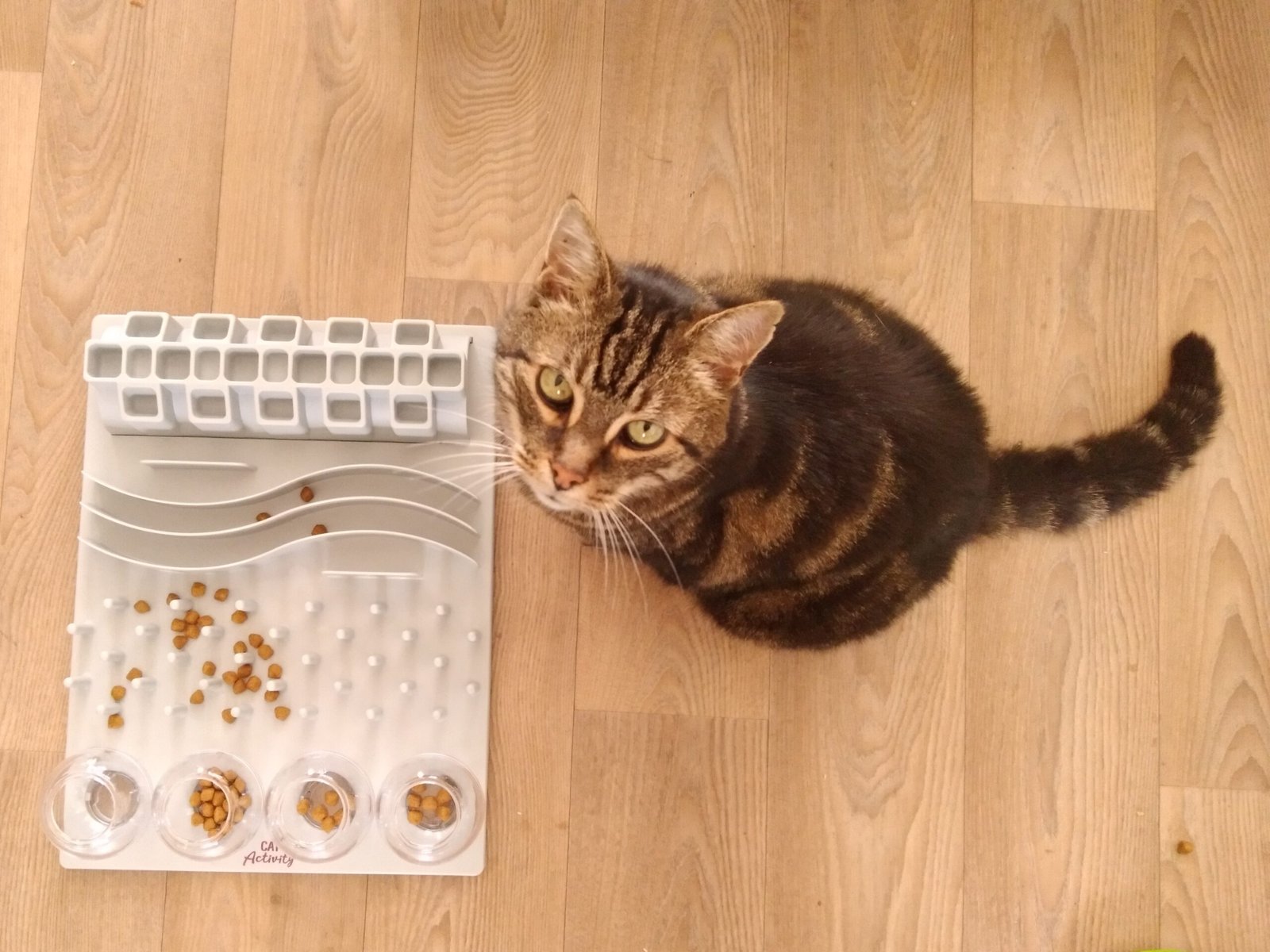
Turn mealtime into a mental workout with puzzle feeders or treat-dispensing toys. These gadgets make your cat solve simple puzzles to access their food, mimicking the hunt they’d experience in the wild. Not only does this slow down fast eaters, but it also keeps their brains buzzing with curiosity. Think of it as a daily crossword puzzle for your furry Einstein. Watching your cat paw, roll, and nudge their way to a reward is both hilarious and heartwarming.
8. Window Perches and Bird Watching
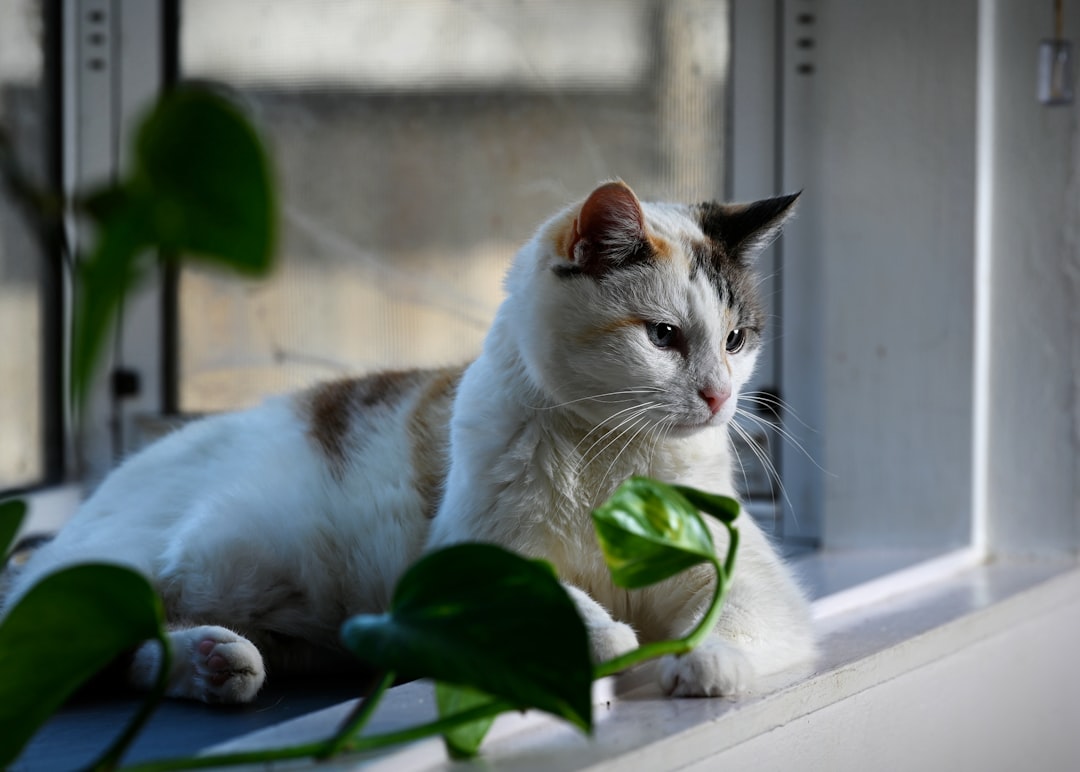
Cats are natural-born spectators, and a window perch can be pure magic. Set up a comfy seat by a sunny window and watch your cat transform into a wildlife enthusiast, tracking birds, squirrels, or even just passing cars. This simple activity provides hours of entertainment and mental stimulation. It’s like giving your cat their very own nature documentary, broadcast live and in full color. Add a bird feeder outside for bonus excitement—just make sure the window is secure!
9. Cat Trees and Vertical Spaces
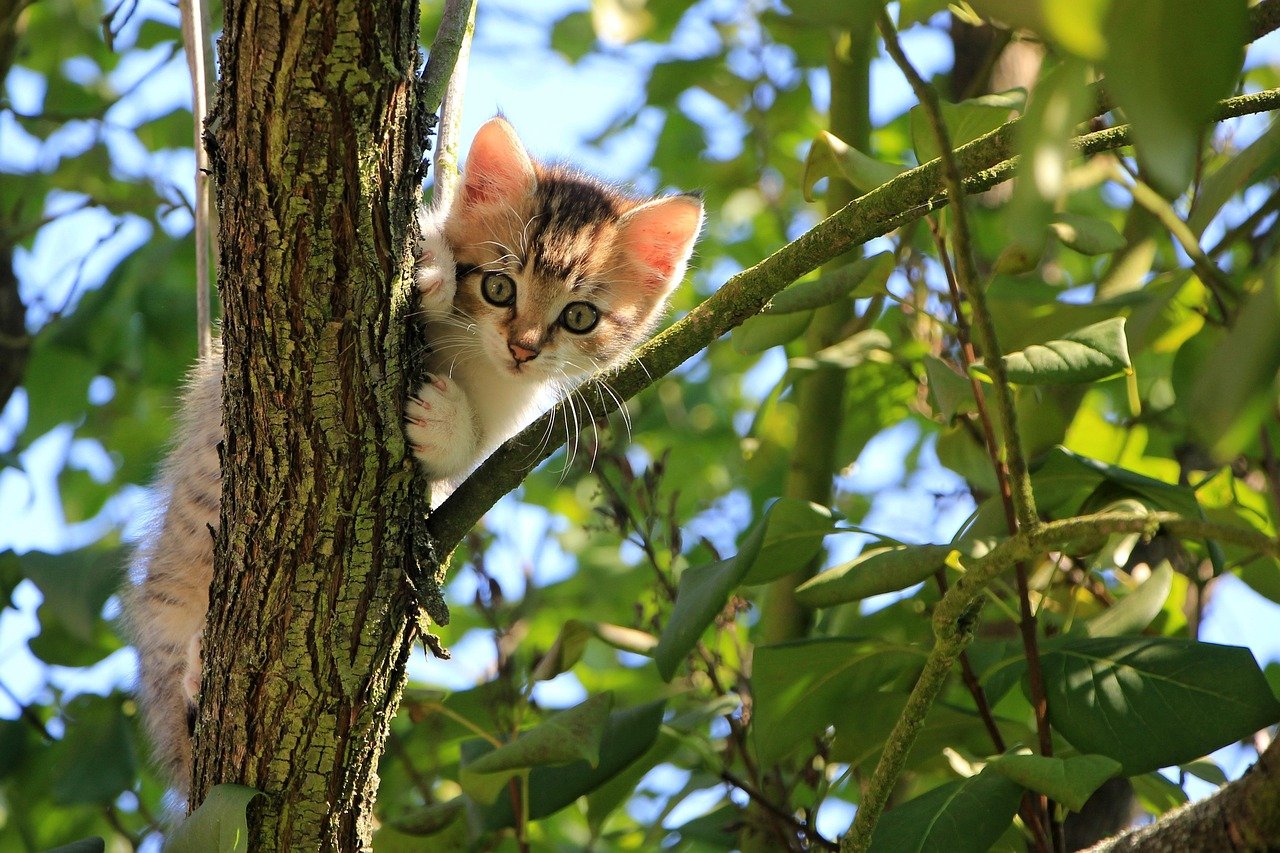
Cats adore climbing, exploring, and surveying their kingdom from above. Cat trees, wall shelves, or even a tall bookcase can satisfy their urge to climb and perch. Vertical spaces give them a sense of control and security, plus they’re just plain fun to scale. A multi-level cat tree becomes an amusement park—complete with scratching posts, hidey-holes, and lookout towers. It’s the ultimate boredom buster, especially for indoor cats who crave adventure.
10. Training and Learning New Tricks
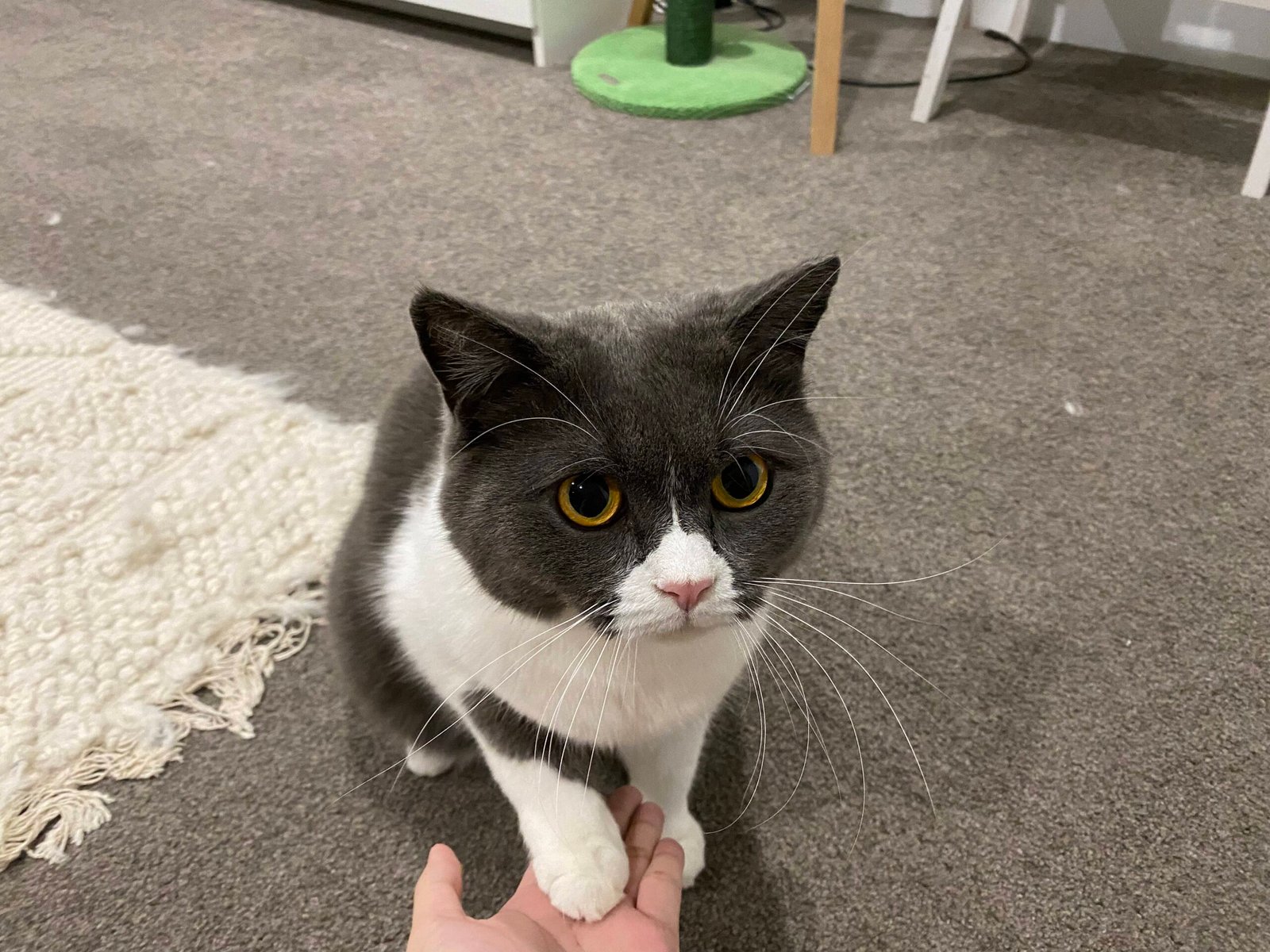
Who says you can’t teach an old cat new tricks? With patience and a few tasty treats, you can train your cat to sit, high-five, or even fetch. Training sessions challenge your cat’s mind and build confidence, all while strengthening your bond. Use positive reinforcement and keep sessions short and sweet. It’s amazing how quickly cats catch on—and how much they seem to enjoy learning! Plus, showing off your cat’s new skills is guaranteed to impress anyone who visits.
Isn’t it fascinating how a few simple changes can turn your cat’s world from drab to fab? Which of these activities will you try first?


