
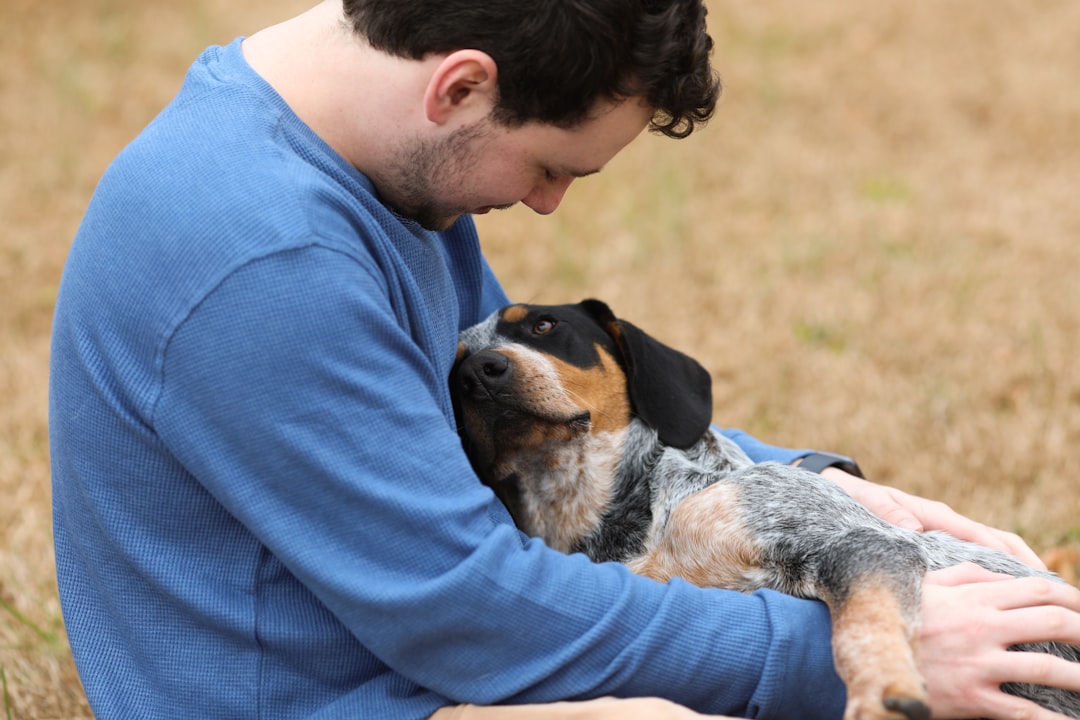
It’s a heart-wrenching thought for any dog lover: could your own struggles with anxiety, depression, or stress actually be affecting your beloved dog’s behavior? Imagine those soulful eyes, that wagging tail—dogs seem like emotional mirrors, always responding to our mood. But what if your bad days aren’t just your own? As science peels back the layers of the human-animal bond, a powerful truth emerges: your mental health doesn’t just shape your world, it can ripple through your home and touch your dog’s life in surprising ways.
Understanding the Human-Dog Emotional Connection

Dogs are more than pets—they’re family. From the moment a dog enters your life, a unique emotional connection forms, built on trust, affection, and constant togetherness. What’s truly astonishing is how closely dogs attune themselves to their owners’ feelings. When you’re happy, your dog might bounce with joy. When you’re anxious, they might retreat or become restless. This isn’t just wishful thinking; research shows dogs can pick up on human emotions through body language, tone of voice, and even scent. For many, their dog is a source of comfort during tough times, but few realize the impact can go both ways.
The Science Behind Emotional Contagion
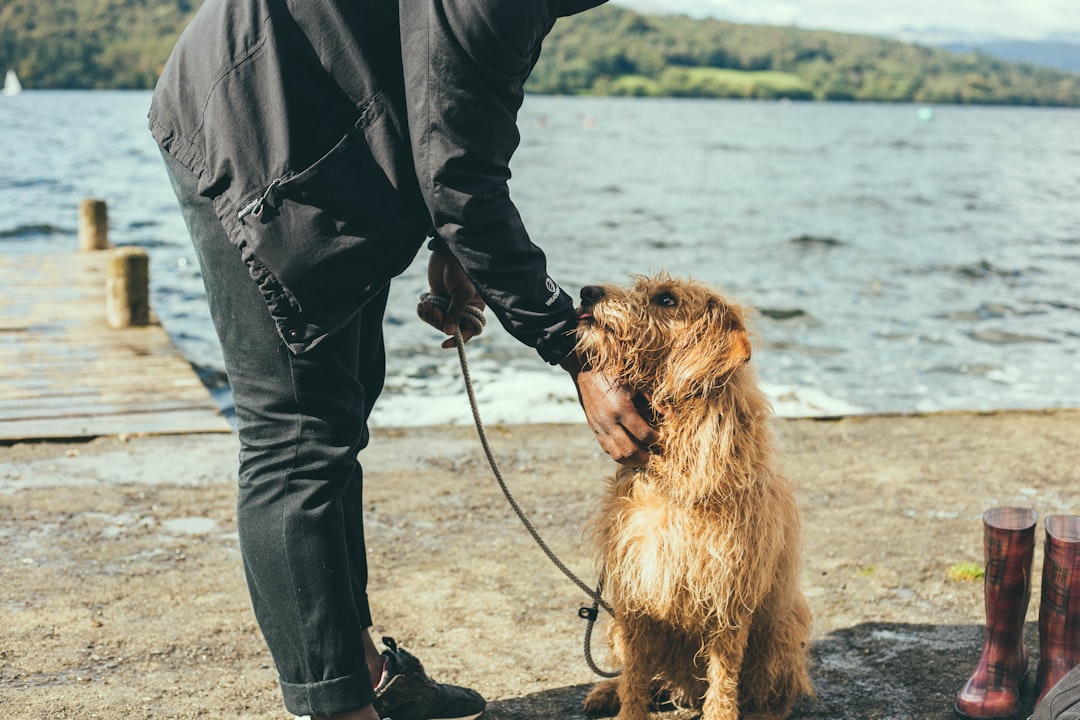
Emotional contagion is the process by which one individual’s emotions spread to another. Think of it as emotional “catching”—just as yawns are contagious, so are feelings. Studies have shown that dogs can mirror their owner’s emotional states, sometimes even synchronizing their heart rates. If a human is tense or anxious, a dog’s stress hormones, like cortisol, can rise as well. This emotional transfer isn’t about blame; it’s about the deep, instinctive bond that’s evolved between humans and dogs over thousands of years.
Recognizing Changes in Your Dog’s Behavior

Dogs aren’t able to tell us in words when something is wrong, but their actions can speak volumes. If your mental health is suffering, you might notice subtle or dramatic changes in your dog’s behavior. Perhaps your usually playful pup becomes withdrawn, or a calm dog suddenly starts acting out. Common signs include increased barking, aggression, hiding, pacing, or changes in their eating and sleeping patterns. Such shifts aren’t always dramatic but can signal your dog is feeling the effects of your emotional state.
How Anxiety Transfers to Your Dog

Anxiety can be like a fog that fills a room, spreading silently and invisibly. Dogs, with their keen senses, are quick to notice when something’s off. If you’re anxious, you might unconsciously change your behavior—becoming more irritable, restless, or withdrawn. Your dog feels these changes and may become anxious themselves, leading to behaviors like trembling, whining, or destructive chewing. Over time, this can create a feedback loop where your dog’s anxiety increases your own, and vice versa.
Depression and Its Ripple Effect on Canine Companions

Depression can strip life of its color, making even simple tasks feel overwhelming. For dog owners, this often means less engagement—fewer walks, less play, and reduced affection. Dogs thrive on routine and interaction; when these are disrupted, it can leave them feeling confused and lonely. Some dogs may become lethargic or lose interest in toys, while others might act out in search of attention. The sadness you feel can unintentionally become a cloud that covers your dog as well.
Stress in the Household and Its Impact on Dogs

A home should be a haven, but when stress fills the air, even dogs can sense the tension. Dogs are experts at noticing raised voices, hurried movements, and tense silences. Chronic stress—whether from work, finances, or relationships—can turn a once-relaxed dog into a bundle of nerves. You might see them pacing, barking excessively, or even developing stress-related health problems. Just as children are affected by family dynamics, so too are our canine friends.
Attachment Styles and Dog Behavior

Not all human-dog relationships are the same. The way you bond with your dog—your attachment style—can shape their sense of security. If you’re anxious or inconsistent, your dog may become clingy or uncertain, always watching for your next move. On the other hand, a secure attachment helps dogs feel safe and confident. Mental health issues can sometimes make it harder to provide that stability. Dogs are incredibly attuned to your presence and absence, and they adapt their behavior accordingly.
Dogs as Emotional Support—and the Double-Edged Sword
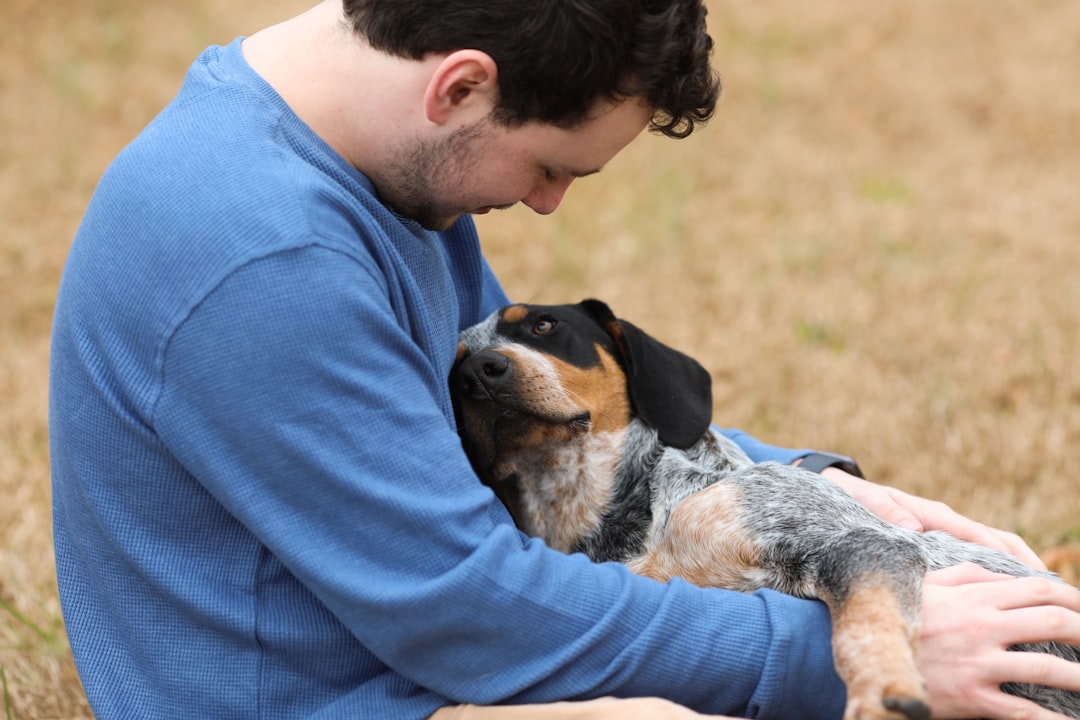
Many people turn to their dogs for emotional support during tough times—and for good reason. Dogs offer unconditional love and a listening ear without judgment. But being a constant emotional anchor can also take its toll on your pet. If you’re leaning heavily on your dog, they may begin to feel the weight of your emotions. It’s a double-edged sword: while dogs can help you cope, they can also become stressed or anxious themselves if the emotional load becomes too great.
Practical Steps to Protect Your Dog’s Wellbeing

Protecting your dog from the negative effects of your mental health challenges doesn’t mean hiding your feelings—it means taking conscious steps. Maintaining a routine, ensuring regular walks and playtime, and providing consistent affection all help. If you notice changes in your dog’s behavior, consider reaching out to a veterinarian or a dog behaviorist. Taking care of your own mental health is one of the best gifts you can give your dog. Simple self-care, therapy, or even support groups can lighten your load and brighten your dog’s world.
Seeking Help for Both You and Your Dog

Sometimes, the best way to help your dog is to help yourself first. Mental health issues are nothing to be ashamed of, and seeking support can change everything—for both you and your dog. There’s no shame in asking for help, whether from a mental health professional or a trusted friend. If your dog’s behavior has changed, their well-being is also at stake, and a professional trainer or veterinarian can offer guidance. Healing can be a journey you take together, growing stronger side by side.
Embracing the Healing Power of the Human-Dog Bond

The remarkable thing about the bond between you and your dog is that it goes both ways. While your struggles can affect your dog, your recovery and happiness can uplift them, too. Dogs are resilient, forgiving, and incredibly responsive to love and care. By nurturing your own well-being, you create a ripple effect of positivity that transforms your dog’s life. The journey may be challenging, but the rewards—shared joy, comfort, and companionship—are well worth it.
Believe it or not, your mental health can affect your dog more than you think—these loyal companions pick up on your moods, stress levels, and daily routines. When you’re feeling off, they can become anxious, withdrawn, or even act out. The good news? By taking care of your own well-being, you’re also supporting theirs. A healthy mind means a more balanced, happy relationship with your pup. After all, you’re in this together—emotionally and energetically.


