
Isn’t it fascinating to imagine the world through your dog’s eyes? Picture yourself playing fetch in a sun-soaked park. You toss a bright red ball, thinking it’s easy for your furry companion to spot. But what if red doesn’t even look like red to them? The colorful world we know is a completely different canvas for our four-legged friends. Understanding what colors dogs see isn’t just a scientific curiosity—it can help us bond better, choose the right toys, and even train more effectively. Let’s take a deep dive into the mysterious and magical world of dog vision, and finally answer the big question: what colors can dogs really see?
How Dog Eyes Differ From Human Eyes

When you look into your dog’s soulful eyes, you’re not just gazing at a smaller version of your own. Dog eyes are built differently from ours, and these differences explain why their view of the world is unique. Humans have three types of color-detecting cells in their eyes, called cones, which let us see a wide spectrum of colors. Dogs, on the other hand, have only two types of cones. This means their color vision is naturally more limited. Their eyes also have more rod cells, which help them see better in low light but don’t contribute to color vision. The structure of a dog’s eye is perfectly designed for a life of chasing, sniffing, and spotting movement, rather than admiring rainbows.
The Science Behind Dog Color Vision
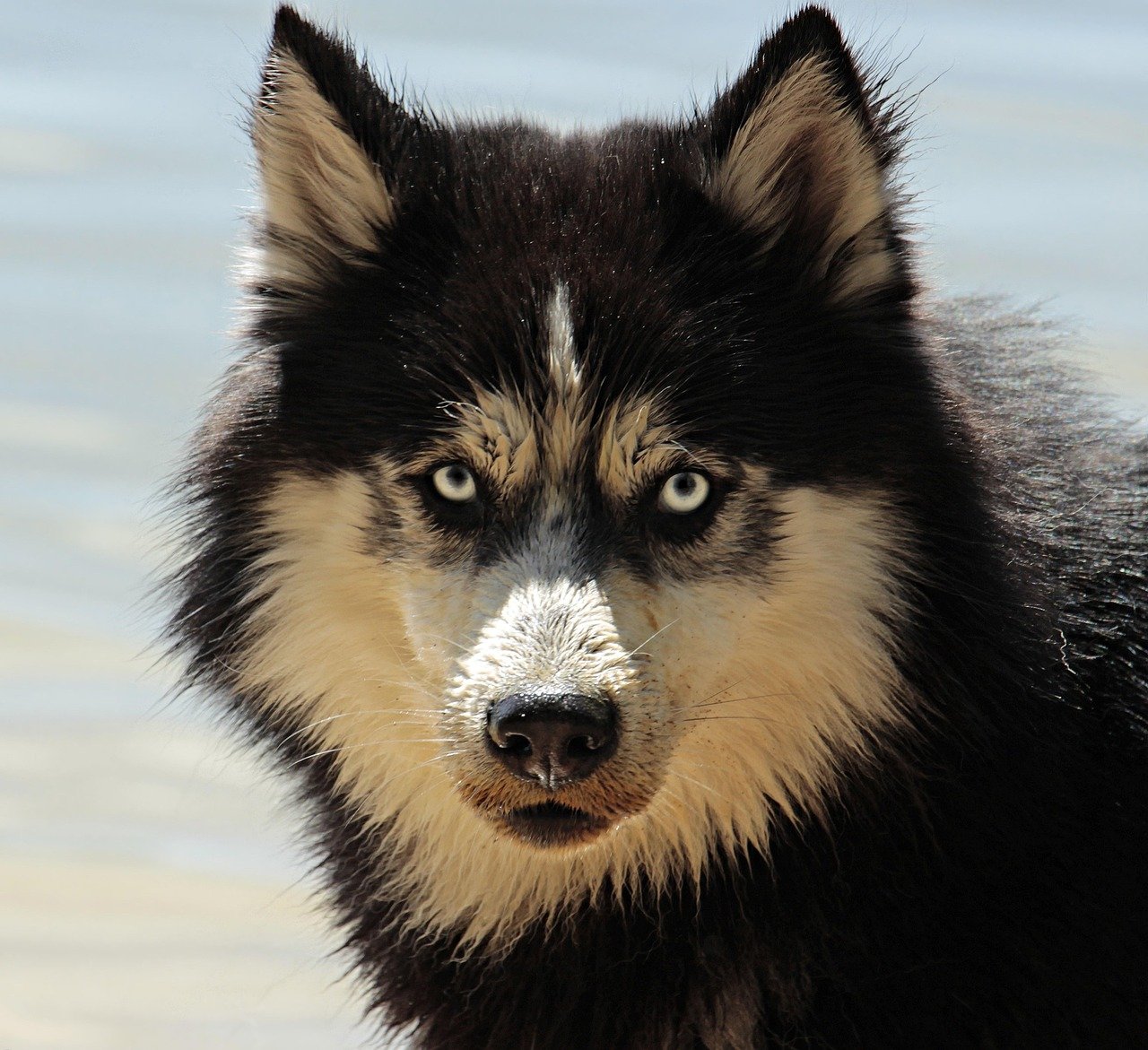
Dogs are what scientists call “dichromatic,” which means they can see only two primary colors. Humans are “trichromatic,” capable of seeing three. For dogs, the color world is painted mostly in shades of blue and yellow. Red and green, which stand out vividly to us, are almost impossible for dogs to distinguish. Imagine watching the world through a gentle golden-blue filter—that’s how life looks to a dog. This isn’t a flaw; it’s just nature’s way of suiting them to their needs. Their ancestors needed to spot movement in the wild, not pick ripe fruit or match their collars to their leashes.
What Colors Can Dogs Actually See?

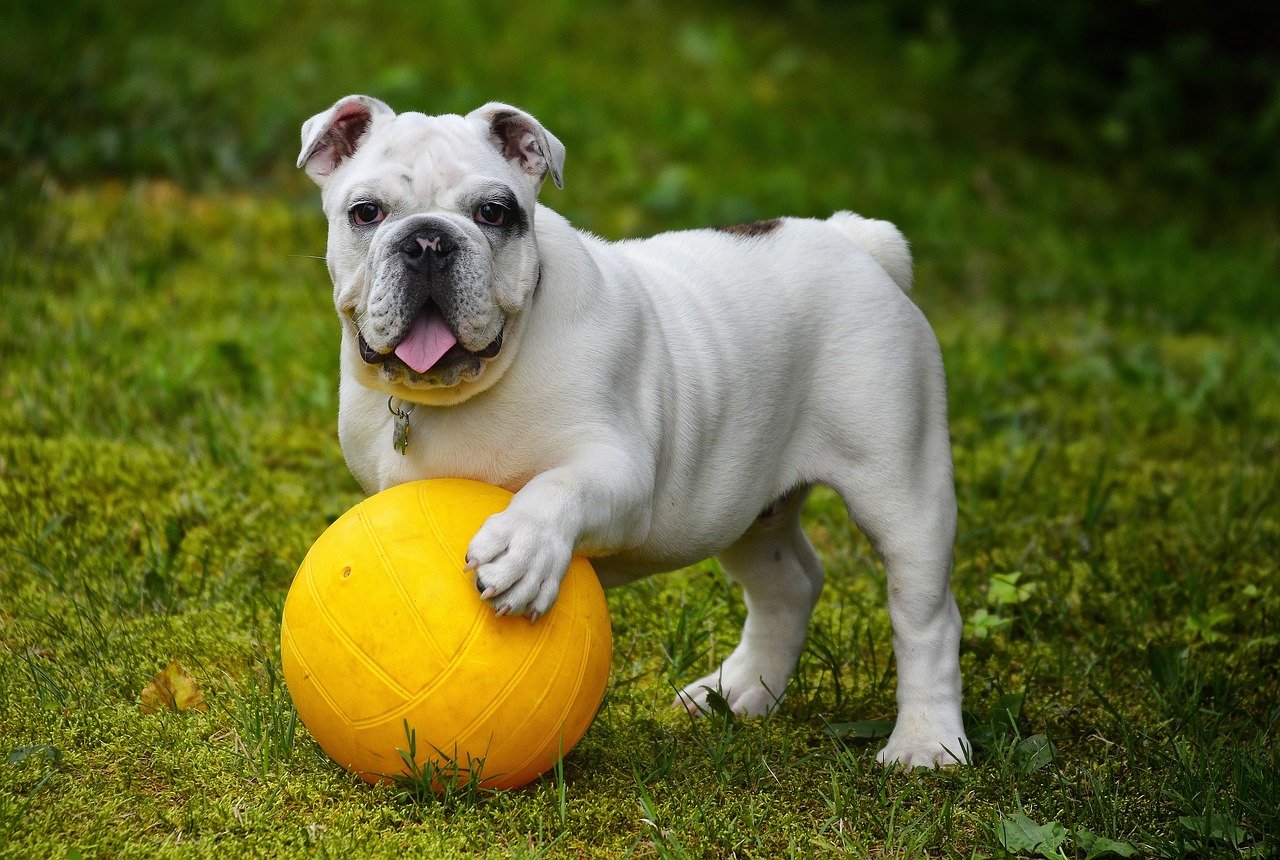
So, what does your dog really see? The colors that pop for them are blue and yellow, along with various shades and blends of these two. Reds and greens, however, fade into dull browns or grays. That bright red ball you toss in the garden? To your pup, it probably looks like a muddy brown spot against the grass. But a blue toy? That’s like a neon sign flashing in the night! Understanding this can help you choose toys and accessories that your dog can actually enjoy and easily find.
Colors Dogs Can’t See
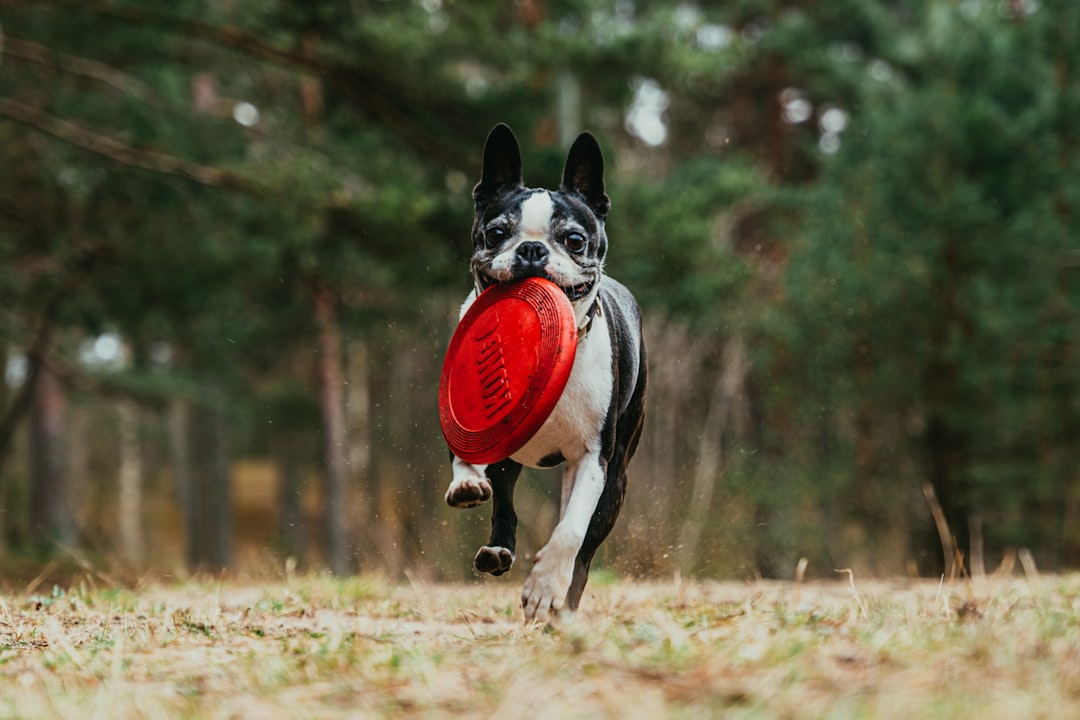
It might surprise you, but dogs are actually “color blind” in the sense that they can’t see reds or greens. To them, red is just another shade of brown or gray. This is very similar to how a person with red-green color blindness perceives the world. Green grass, red balls, and orange frisbees all blend together into a muddy, indistinct palette. If you’ve ever wondered why your dog sometimes struggles to find a red toy in the yard, now you know—the color simply doesn’t stand out for them at all.
How Dogs Use Color in Their Daily Lives

Just because dogs can’t see every color doesn’t mean color is unimportant to them. They still use the colors they do see—mostly blues and yellows—to help them tell objects apart. For example, a yellow ball on green grass will be much easier for them to spot than a red one. Some clever trainers use this knowledge to help dogs learn faster, using blue or yellow objects for games and commands. It’s a small but powerful way to make your dog’s life richer and more engaging.
Night Vision: A Dog’s Secret Superpower
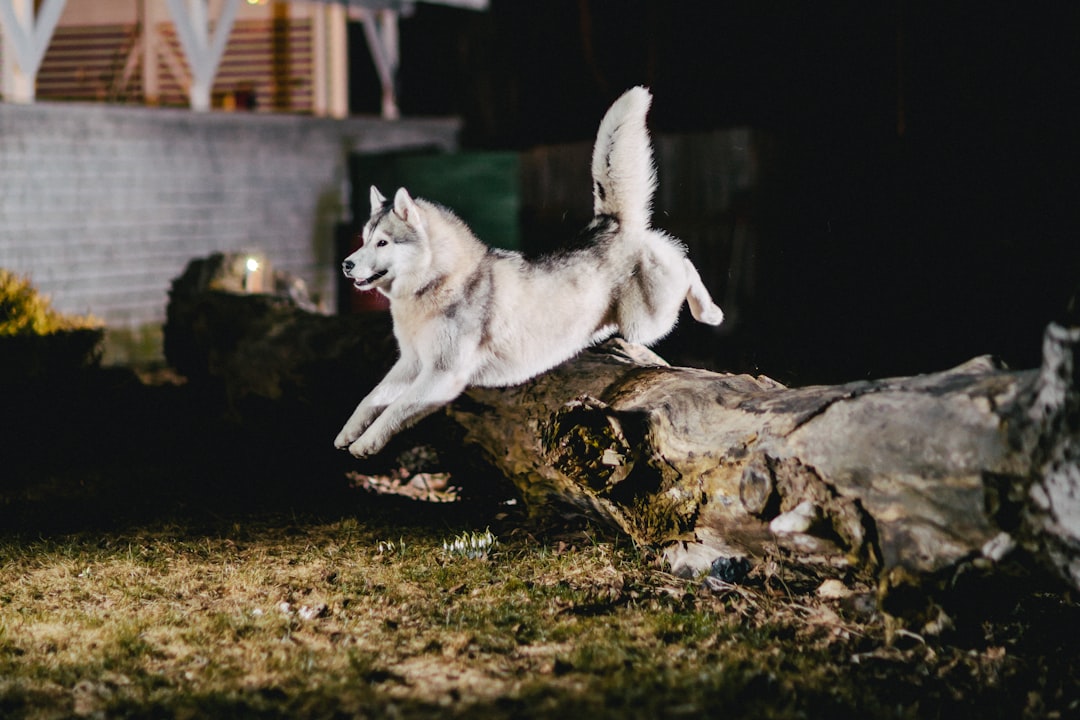
While dogs might lose out when it comes to seeing the rainbow of colors, they have a superpower humans can only envy: amazing night vision. Their eyes are packed with rod cells that allow them to see in much dimmer light than we can. This comes from their wild ancestry, where spotting movement at dawn or dusk meant survival. Your dog doesn’t need a nightlight in the hallway—they’re perfectly capable of padding around in near darkness, seeing shapes and movement where we see only shadows.
Why Dogs See Movement Better Than Detail
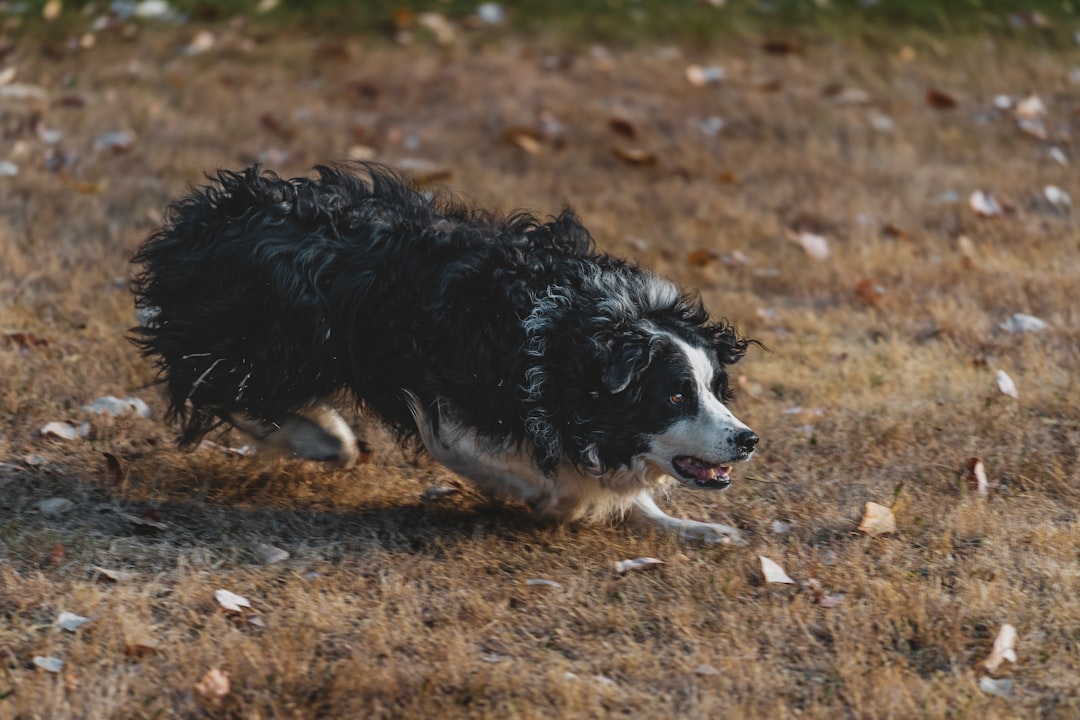
Dogs aren’t built to appreciate fine details in the world around them. Instead, their vision is tuned to detect movement, even the slightest twitch in the grass or a darting squirrel in the distance. This is another legacy from their ancestors, who relied on sharp motion detection to hunt and avoid danger. While a dog might not notice a tiny spot or line, they’ll see a flicker of movement from across the yard in an instant. This is why they might bark at the flutter of curtains or chase after falling leaves—they’re hardwired to notice what moves.
Can Dogs See Television Screens?
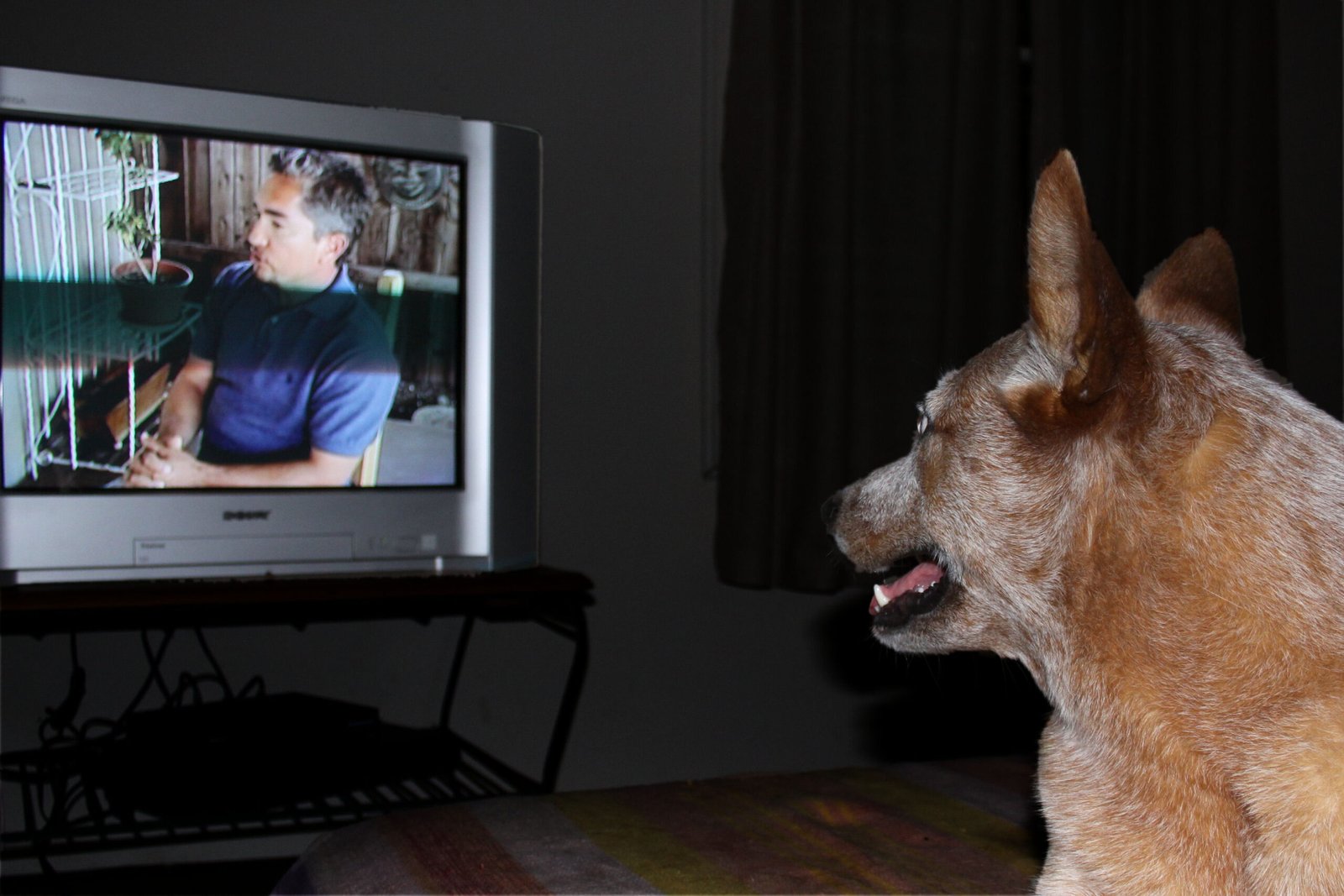
Ever catch your dog staring curiously at the TV? You might wonder if they can actually see what’s happening. Thanks to their unique vision, dogs can see what’s on the screen, but it’s not the same as what we see. Older TVs flickered too slowly for their eyes, but modern high-definition screens refresh fast enough for dogs to perceive the action. However, the colors still appear in their signature palette of blues and yellows, so the vibrant world of cartoons or nature shows looks much simpler to them. Still, they can spot movement, hear sounds, and react to the action, making TV time a shared experience.
Best Colors for Dog Toys and Training Tools

Knowing what colors dogs can see best gives you a secret advantage. If you want your dog to find toys easily, go for blues and yellows. These colors stand out sharply against green grass or brown soil. Avoid reds, oranges, and greens, which all look similar and dull to your pup. Many professional trainers and dog sports enthusiasts swear by blue frisbees and yellow balls for this reason. Next time you shop for a new toy, skip the reds and pick up something blue or yellow—you’ll probably notice your dog finds it much faster!
How Age and Breed Can Affect Dog Vision
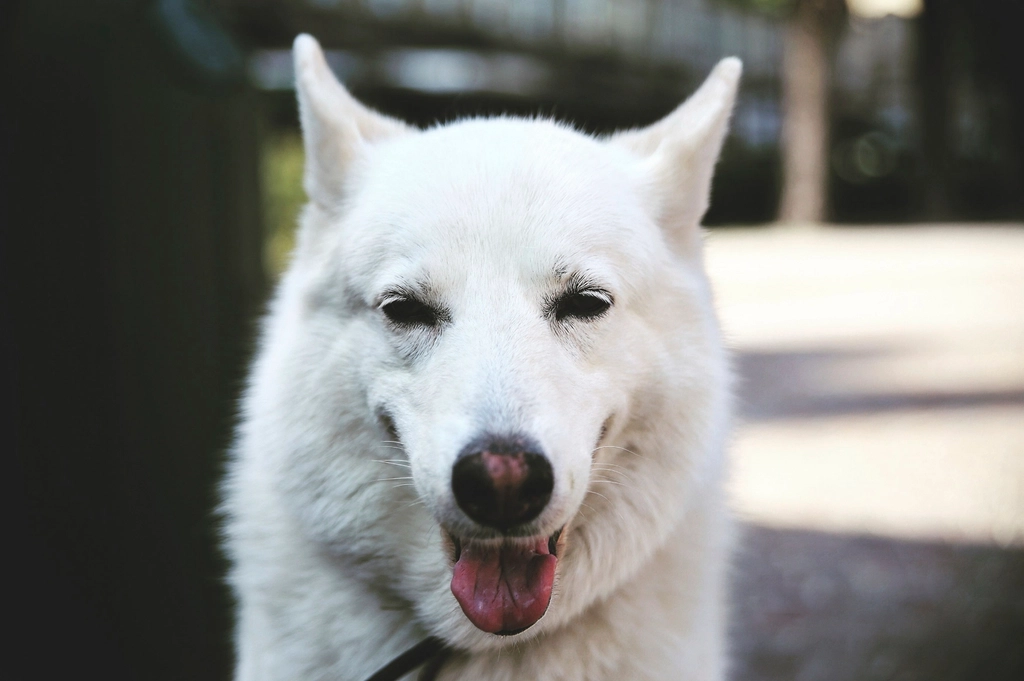
Not all dogs see the world the same way. While all dogs are dichromatic, some breeds have naturally sharper vision than others. Breeds developed for hunting or herding, like Border Collies and Greyhounds, often have better eyesight and a broader field of vision. Age also plays a role. As dogs get older, their eyesight can decline, just like in humans. They may develop cataracts or other vision issues, making it even harder for them to distinguish objects, especially in low light. It’s important to adjust your playtime and training as your dog ages, using high-contrast toys and being extra patient.
Common Myths About Dog Vision

There are plenty of myths out there about how dogs see the world. One of the most common is that dogs see everything in black and white. While it’s true they see fewer colors, their world isn’t entirely gray. They see blues and yellows clearly, and their vision is specially tuned for detecting movement and seeing in the dark. Another myth is that all dogs have perfect eyesight. In reality, like people, some dogs are nearsighted or farsighted, and their vision changes with age. Understanding the truth helps us appreciate our dogs even more and allows us to care for them better.
Conclusion
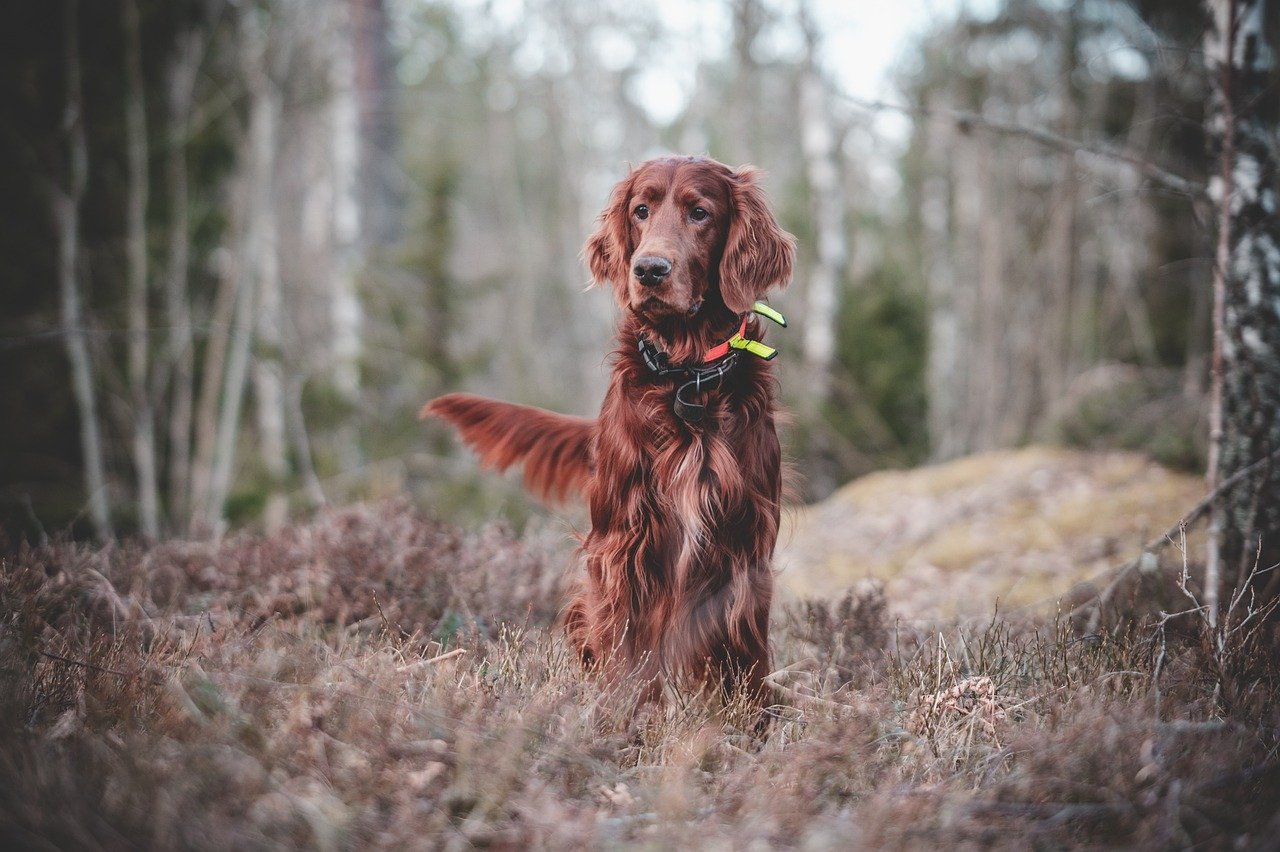
Dogs see the world in a unique blend of blues and yellows, with reds and greens appearing as muted shades. Their vision is built for detecting movement and seeing in low light, making them excellent hunters and companions. While they can’t enjoy the full rainbow like we do, their view is perfectly suited to their needs. With a little knowledge, we can make their world brighter and more engaging—one blue ball at a time.
Turns out, your pup’s world isn’t as colorless as we once thought! While dogs don’t see the full rainbow like we do, they can still pick up on blues, yellows, and shades in between. So that red toy? It might look more like a dull brown to them—but they still love it anyway. Understanding how your dog sees helps you choose better toys, train smarter, and just appreciate their unique view of the world. It’s not less colorful—it’s just dog-tuned!


