
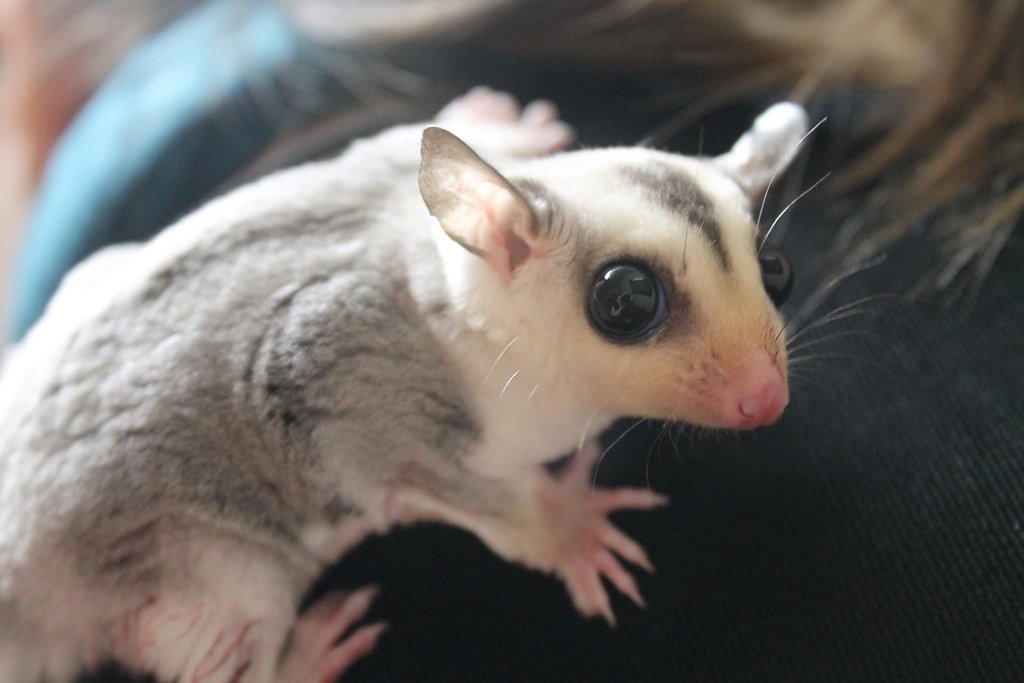
Small pets might look like low-effort companions, but some come with a long list of daily needs! Ferrets, hedgehogs, and sugar gliders, for example, require specialized diets, frequent cleaning, and plenty of mental stimulation. On the flip side, guinea pigs, budgies, and even leopard geckos can be much more beginner-friendly with just basic care. This mix of high and low-maintenance pets shows how important it is to research before bringing one home. Size doesn’t always mean simplicity! Choosing the right pet for your time, lifestyle, and comfort level is key to a happy, healthy experience—for both of you.
Ferrets: Mischief Wrapped in Fur
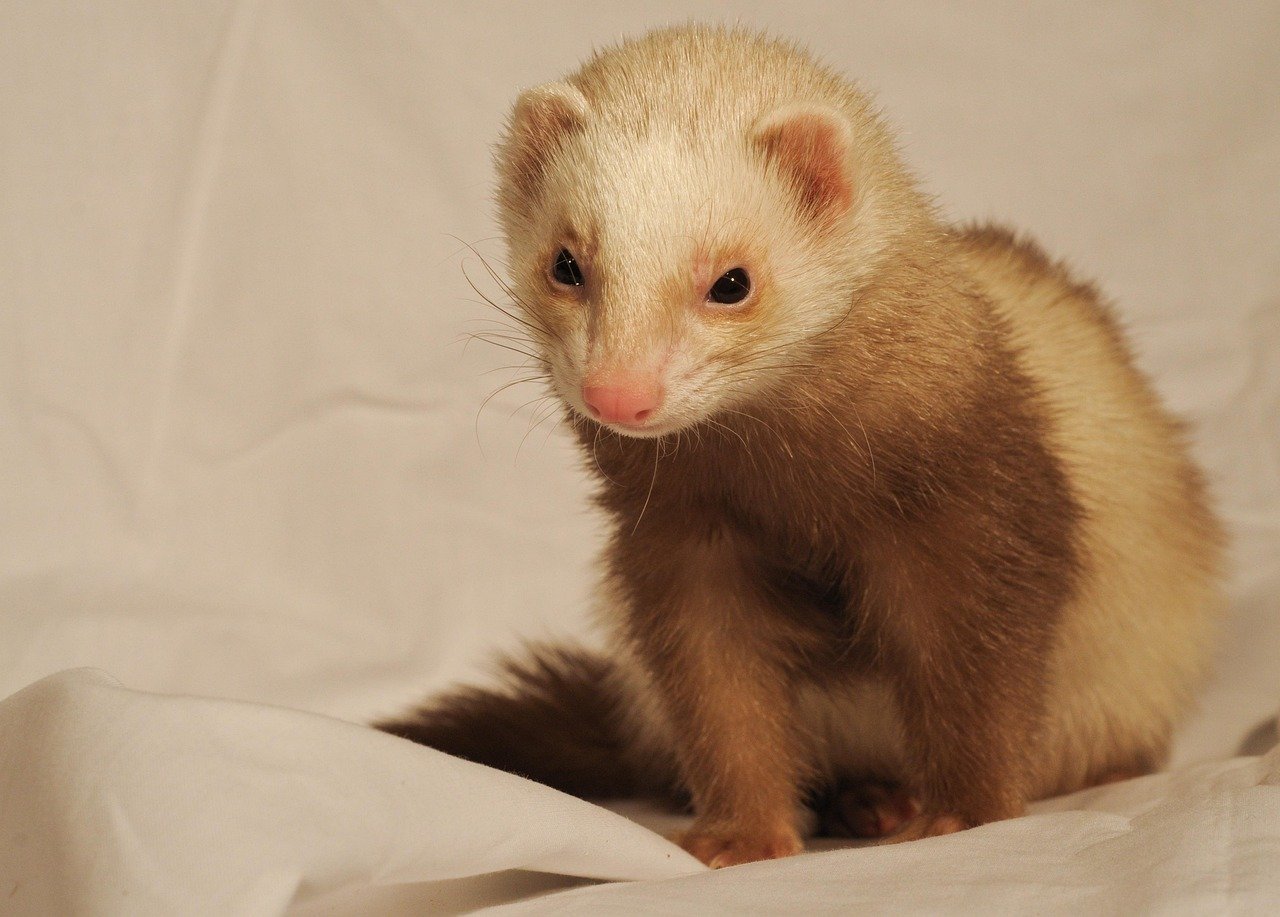
Ferrets are endlessly entertaining, playful, and smart—so much so that they can be a handful for even experienced pet owners. These slinky little mammals need at least four hours of supervised play outside their cages each day. They get into everything, so you’ll need to ferret-proof your home much like you would for a toddler. Ferrets also have strong-smelling scent glands and need regular cleaning to keep their habitats from becoming overwhelming.
Their diets are another challenge. Ferrets are obligate carnivores, meaning they thrive on a diet high in animal protein and fat—no veggie pellets allowed. They’re also prone to specific health issues, such as adrenal disease, which means frequent vet check-ups are a must. Simply put, these guys are not “set it and forget it” pets. If you want a companion that keeps you on your toes, ferrets are a wild ride.
Hedgehogs: Cute, Prickly, and Demanding
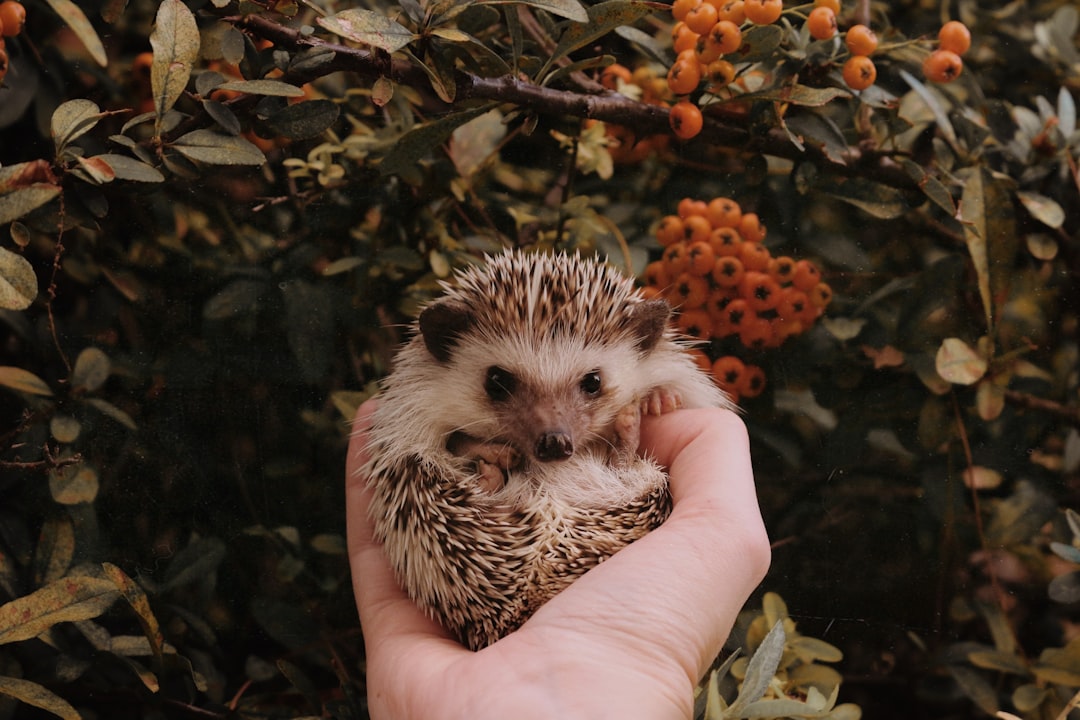
Hedgehogs might look like adorable little pincushions, but their care is anything but simple. First off, they’re nocturnal, so if you’re a light sleeper, their nighttime activity could keep you up. They require temperature-controlled environments—get too warm or too cold, and your hedgehog could quickly become ill.
Their diet is specialized as well, needing a mix of high-protein cat food, insects, fruits, and veggies. Regular nail trims and exercise wheels are essential, as hedgehogs are prone to obesity and foot problems. Add in the need for frequent socialization to avoid nippiness, and you’ve got a pet that requires a lot more than just a cute Instagram post.
Sugar Gliders: Adorable Yet Complicated
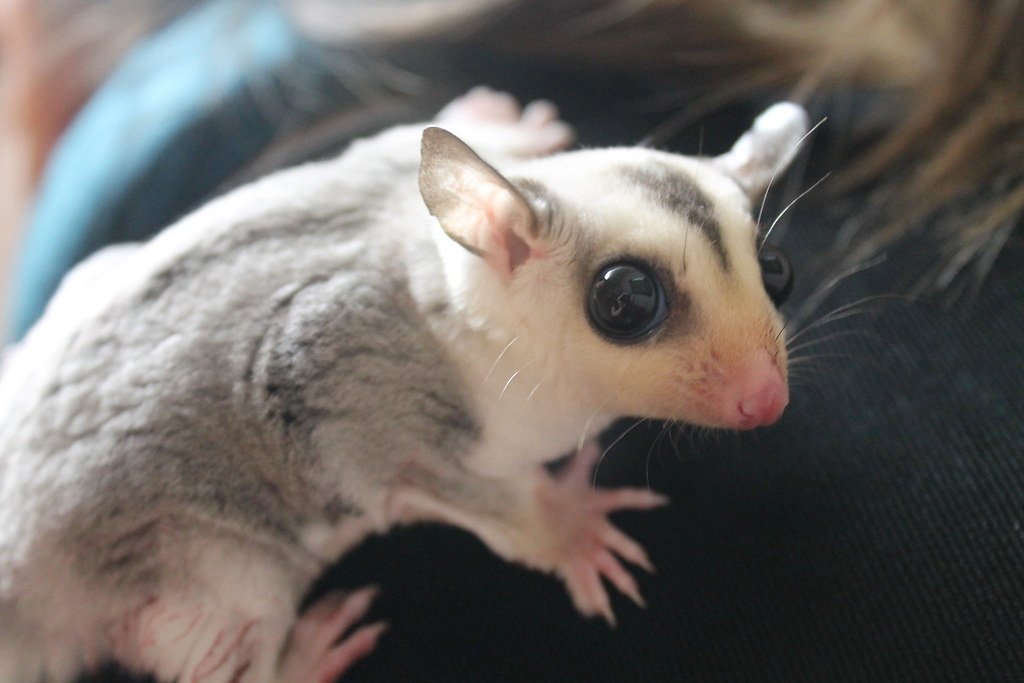
Sugar gliders look like tiny flying squirrels, but don’t be fooled by their size or sweet faces. These marsupials are highly social and will become depressed or even sick if kept alone. They need a companion (or two), which doubles or triples the care required. Sugar gliders are also nocturnal, so they’ll be most active when you’re winding down for bed.
Their diet is a science experiment in itself: a precise mix of insects, fruits, and special supplements. Their cages must be large and filled with enrichment items, plus they need daily out-of-cage bonding time. If you’re up for the challenge, sugar gliders can be rewarding, but they’re definitely not the pet for someone looking for simplicity.
Chinchillas: Fluffy But Finicky
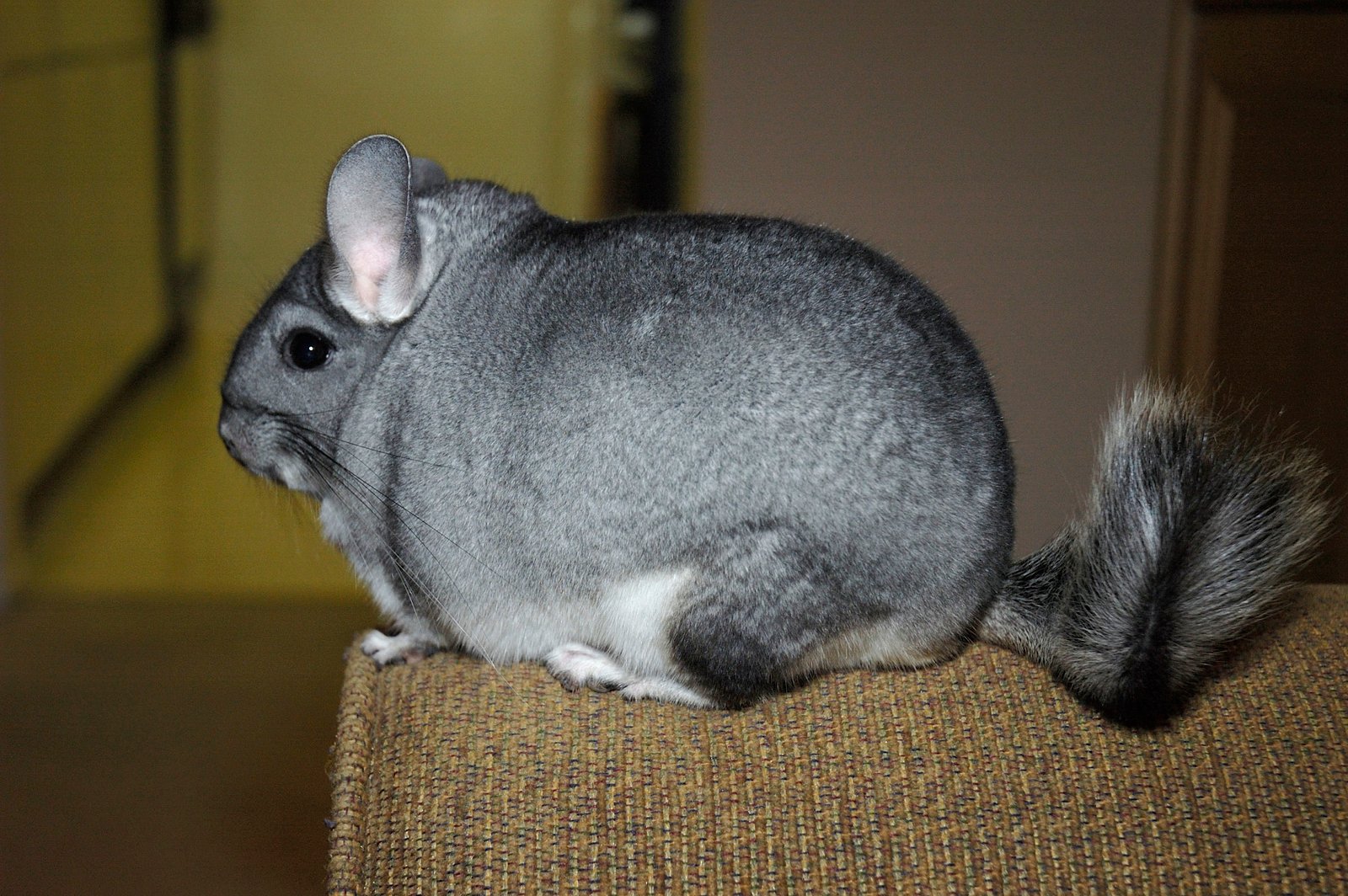
Chinchillas are famous for their incredibly soft fur, but keeping them happy means going the extra mile. They require a dust bath several times a week to keep their coats clean, which is both adorable and messy. Chinchillas are sensitive to heat and humidity, so climate control in your home is non-negotiable.
Their diet needs to be just right—fiber-rich hay, special pellets, and the occasional treat. They’re also prone to dental issues, so chew toys are a must. Chinchillas are skittish by nature, needing gentle handling and plenty of space to hop and climb. For all that fluff, they need a surprisingly firm hand in care.
Birds (Parrots, Cockatiels, Budgies): More Than a Pretty Song
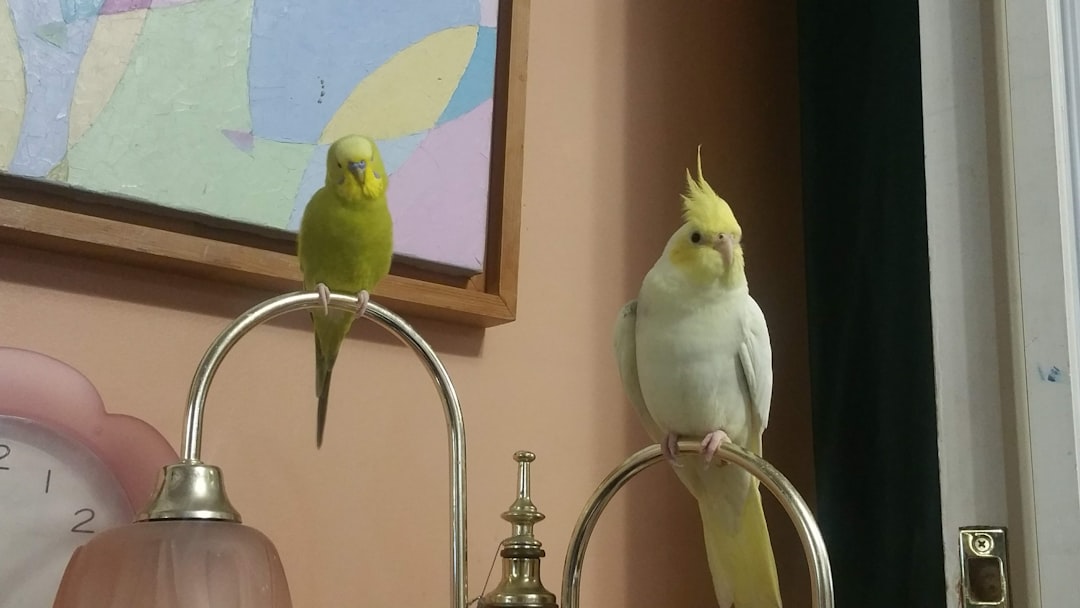
Small birds like parrots, cockatiels, and budgies can light up a room with their colors and personalities. But don’t underestimate the work involved. Birds need large cages, daily cleaning, and hours of mental stimulation. Bored birds can develop feather plucking or even scream for attention.
Their diets must be varied—seeds alone are not enough. You’ll need to offer fresh fruits, veggies, and specialized pellets. Birds are social creatures, craving interaction with you or other birds. Parrots especially can live decades, so this is a long-term commitment. If you love a challenge and have the time, these feathered friends can become beloved family members.
Rabbits: Cute, Social, and Surprisingly Demanding

It’s easy to think a bunny is a low-maintenance pet, but rabbits are among the most misunderstood. They need a huge amount of space—tiny cages are a no-go. Free-roaming (like a cat) is ideal, but that means bunny-proofing your house to protect cords and furniture.
Rabbits need lots of hay, fresh greens, and constant access to clean water. Their social needs are huge; a lonely rabbit is an unhappy rabbit. They require regular grooming, especially long-haired breeds, and can be prone to digestive problems. If you want a rabbit, prepare for a pet that needs as much attention as a dog.
Guinea Pigs: Big Needs in Small Packages
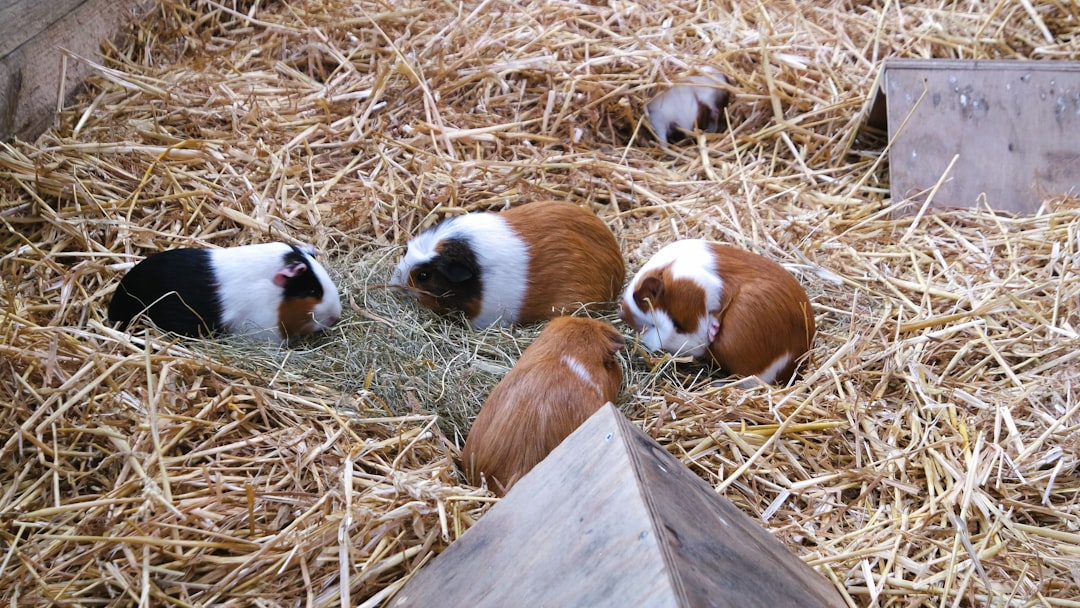
Guinea pigs are gentle and sweet, but their care needs can surprise you. They require large cages with plenty of space to run around, plus daily cleaning to keep odors at bay. Guinea pigs are social animals, so you’ll need at least a pair to keep them happy.
Their diet is specialized: hay, vitamin C-rich pellets, and fresh veggies every day. They’re prone to dental issues and can hide illness well, so regular checkups are crucial. Guinea pigs also need daily interaction—they love to be talked to and gently handled. With the right setup, they’re a joy, but definitely not “easy.”
Turtles and Tortoises: Slow-Moving, High-Maintenance Wonders
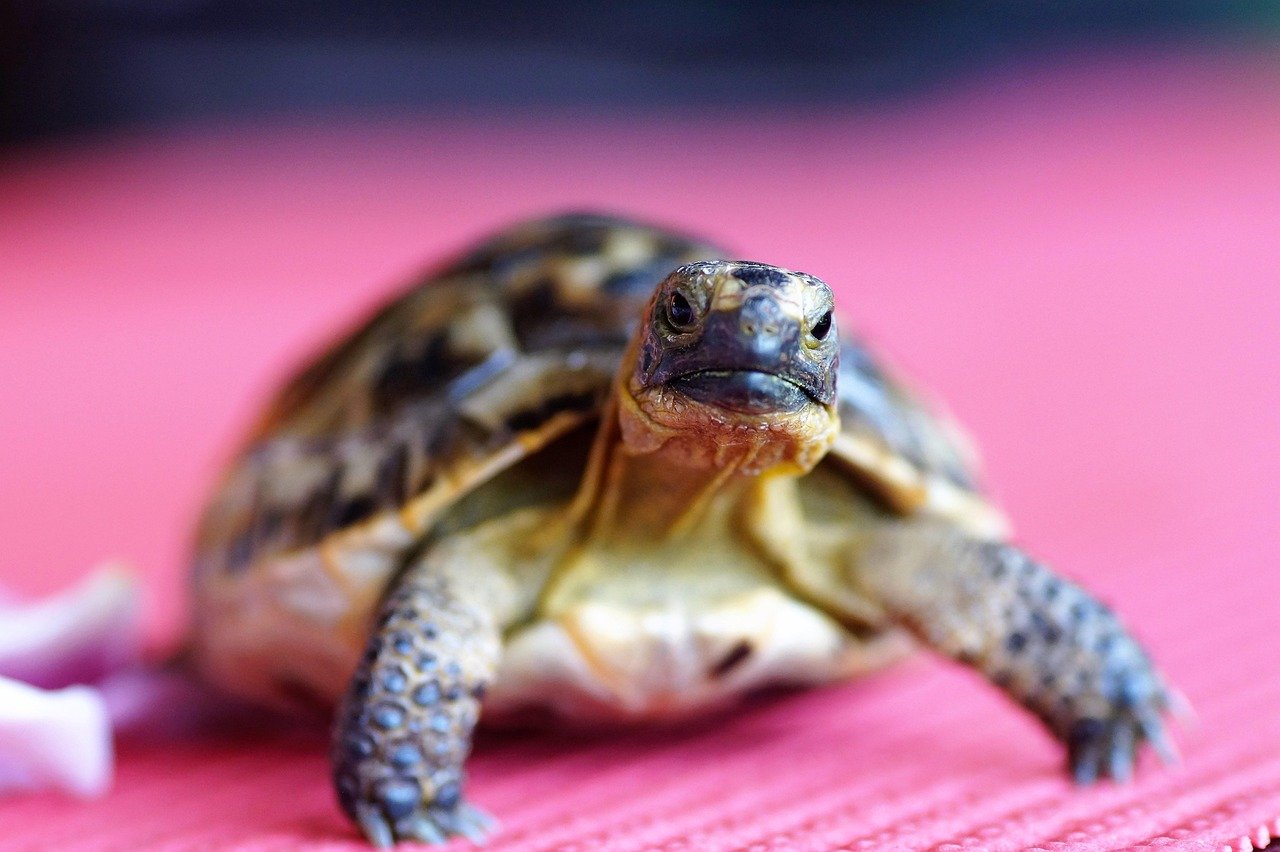
Turtles and tortoises might seem like the ultimate “set it and forget it” pets, but that’s far from the truth. These reptiles need carefully controlled environments with UV lighting, temperature gradients, and humidity management. Their enclosures must be spacious, escape-proof, and cleaned regularly.
Diet is another challenge; turtles need a mix of leafy greens, vegetables, and sometimes live food, while tortoises require specific greens and calcium supplements. Many species live for decades, making them a lifelong commitment. Health issues can be tricky to spot, so regular vet visits are a must. For all their slow pace, their care is anything but slow.
Hamsters: A Surprisingly Simple Starter Pet
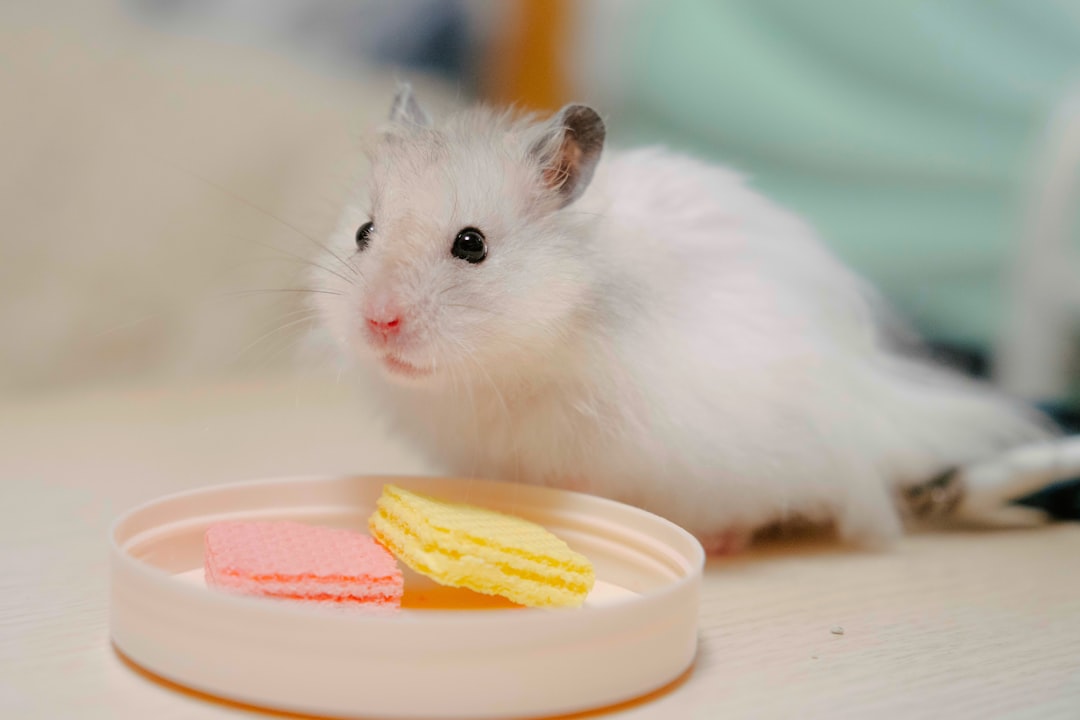
Hamsters are one of the classic small pets, and it’s not hard to see why. They’re relatively easy to care for, needing a decently sized cage, clean bedding, and a steady supply of hamster food and water. While they do enjoy running wheels and tunnels, their enrichment needs are simple.
These little critters are content to spend most of their day sleeping and are mostly active at night, so they don’t mind if you’re busy during the day. Weekly cage cleaning and occasional handling are all they really ask for. If you’re looking for a pet that lets you dip your toes into animal care, hamsters are a gentle introduction.
Gerbils: Low-Fuss, High-Energy Fun
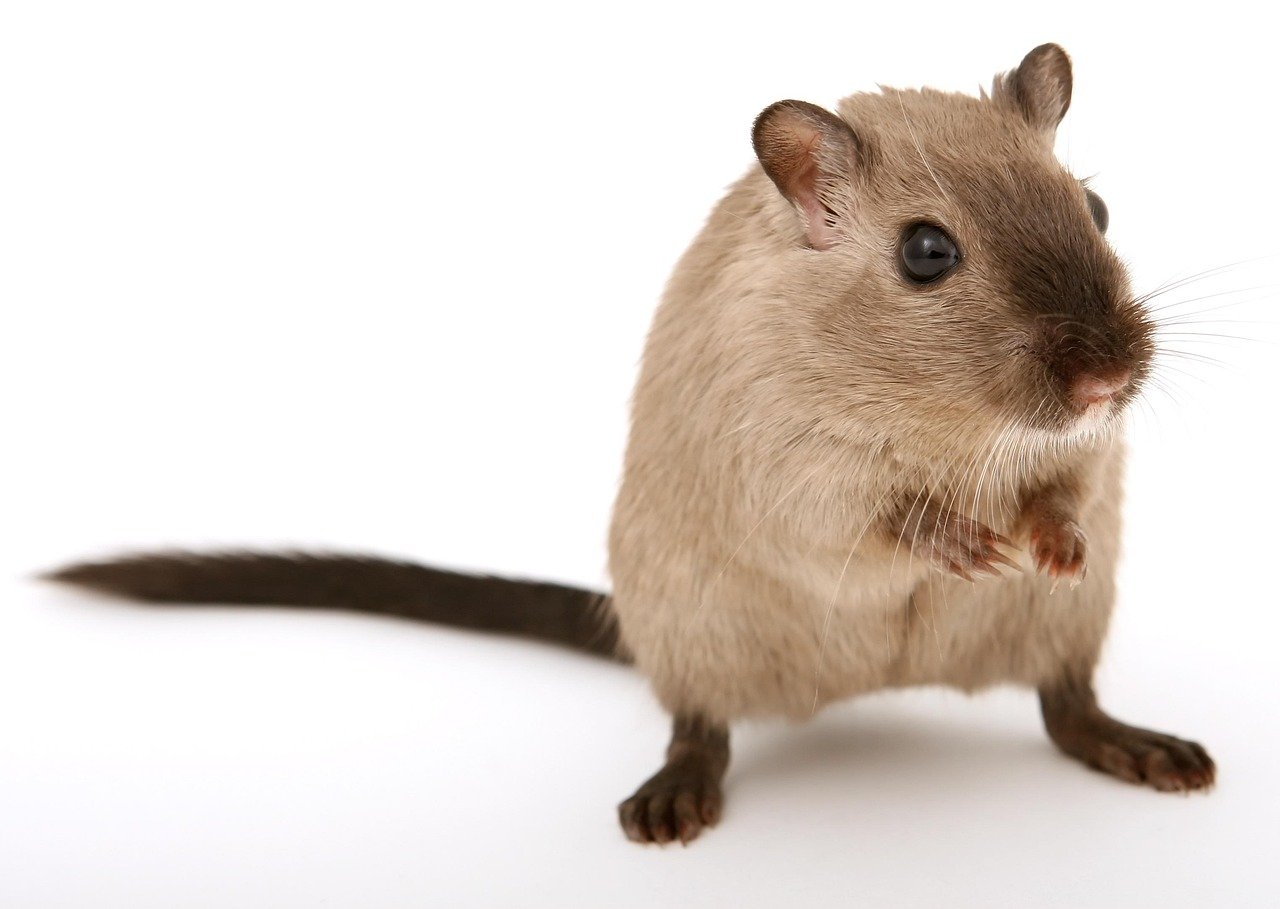
Gerbils are lively, social, and much less demanding than many other small pets. They thrive in pairs or small groups, so you can double the fun without doubling the work. Their cages need to be filled with burrowing material and tunnels, as they love to dig and explore.
Feeding is easy—commercial gerbil mixes, the occasional veggie, and constant access to water. Gerbils are generally healthy and clean animals, with minimal odor if you keep up with basic cage maintenance. They’re sturdy and rarely bite, making them a great choice for families or first-time pet owners.
Mice: Tiny, Easy, and Entertaining
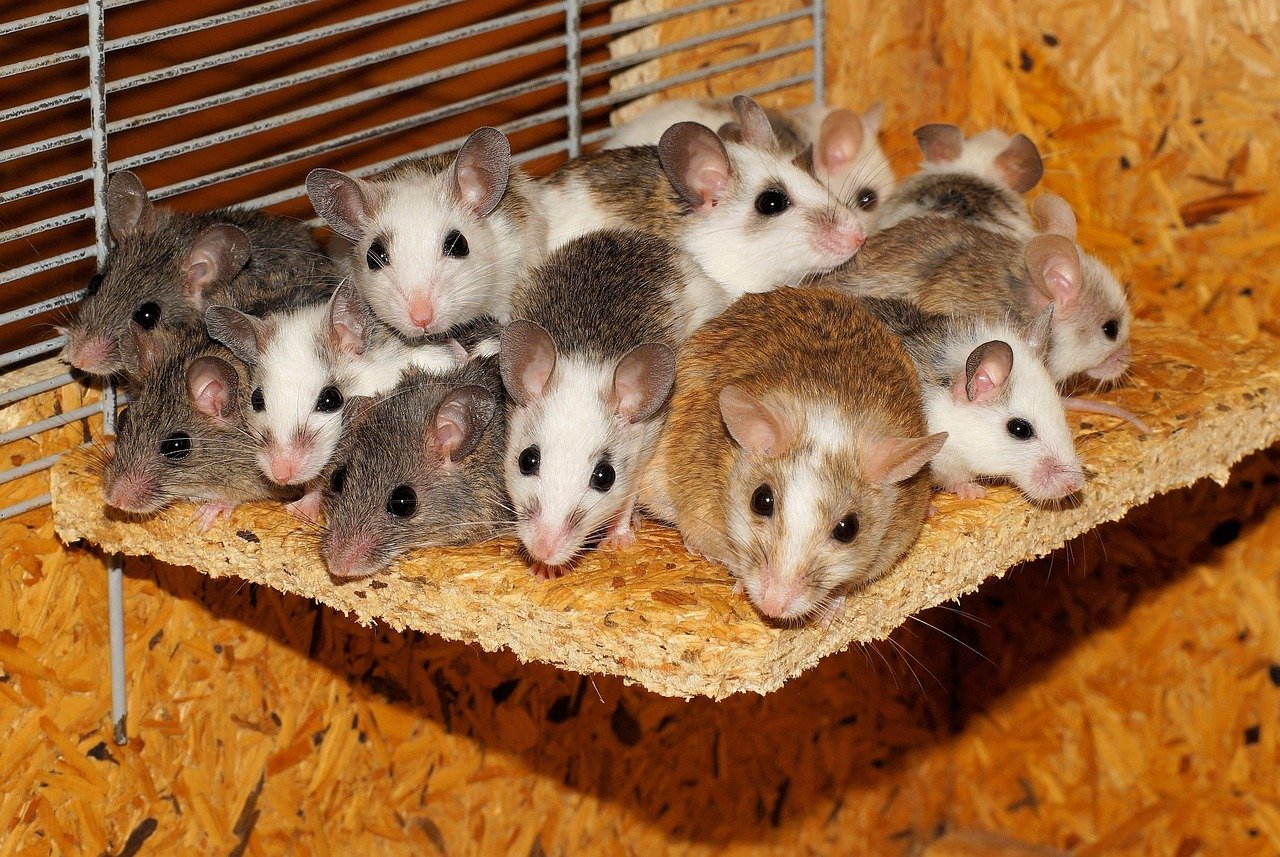
Mice might be small, but their personalities are enormous. They’re easy to care for, needing just a simple cage, clean bedding, and a balanced mouse food mix. Mice enjoy climbing, chewing, and exploring, but they don’t demand hours of attention from you.
Weekly cleaning and occasional enrichment—like cardboard tubes or wheels—keep them happy. They’re social creatures and do best in same-sex groups, which also makes them more fun to watch. For those who want a lively pet that doesn’t take over their lives, mice are a great fit.
Leopard Geckos: The Laid-Back Lizard
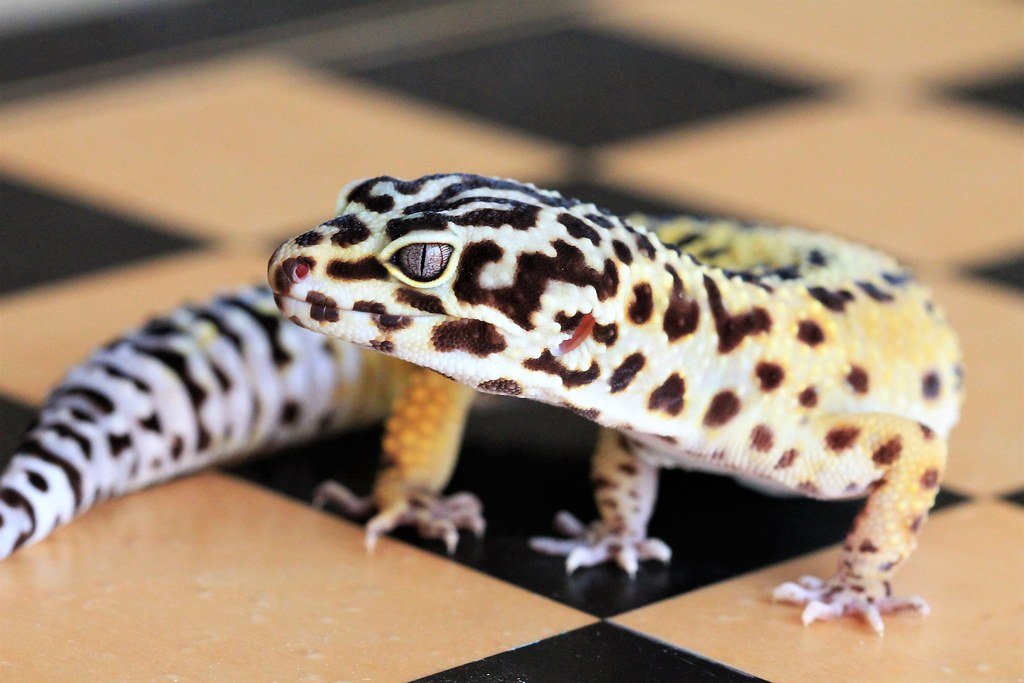
If you’re drawn to reptiles, leopard geckos are a fantastic low-maintenance option. Their enclosures need to be warm and dry, with a hiding spot and a shallow water dish. Leopard geckos eat live insects like crickets or mealworms, but their feeding schedule is easy to manage.
These geckos are docile and adapt well to handling, making them great for beginners. They don’t require UV lighting, and their cleaning needs are minimal—just spot-clean as needed and do a full clean every few weeks. Leopard geckos are content to watch the world go by, making them a chill companion.
Betta Fish: Vibrant and Undemanding
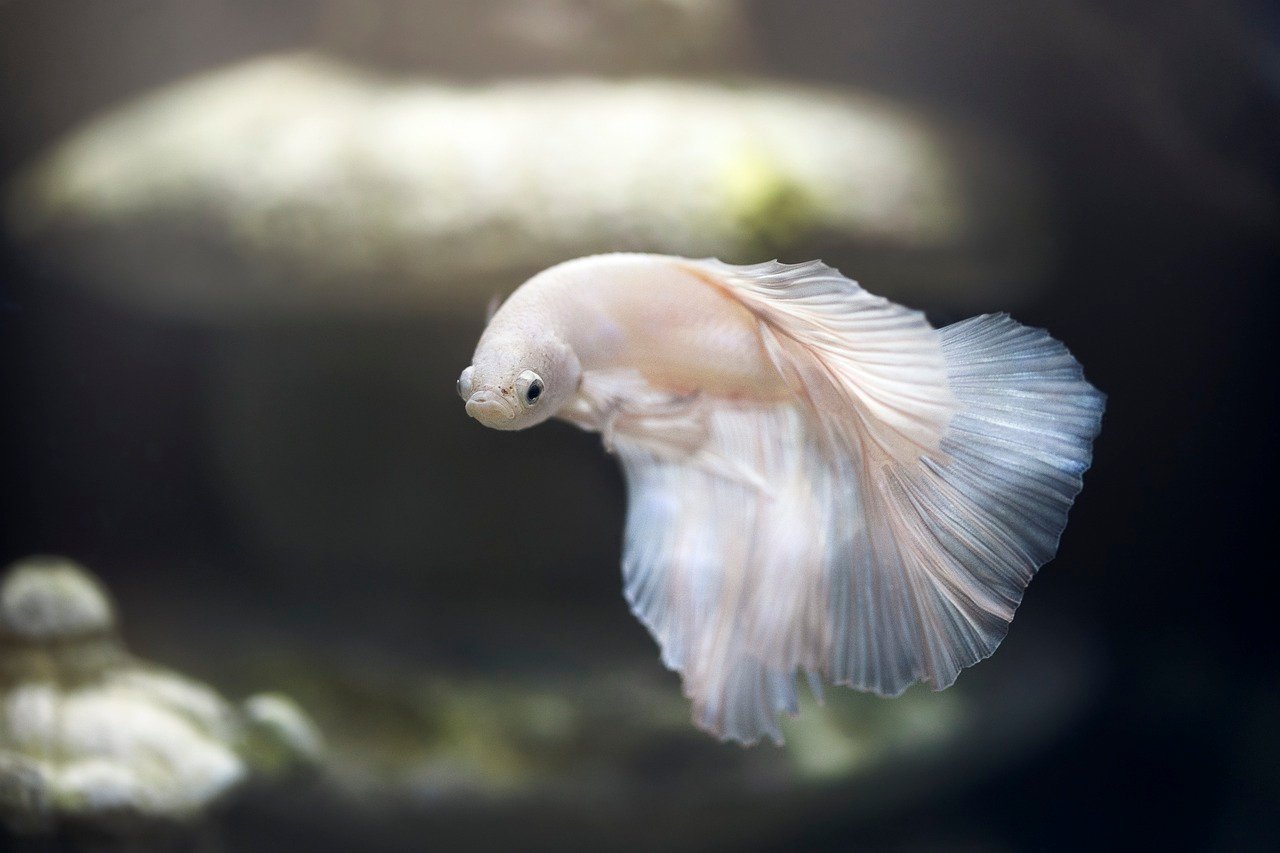
Betta fish are known for their stunning colors and flowing fins, but they’re also surprisingly easy to care for. They do best in a filtered tank with clean, warm water, but they don’t need a massive aquarium. Betta fish are solitary, so one per tank is ideal.
Feeding is simple—a variety of betta pellets or flakes with the occasional treat. Tank cleaning is straightforward and only needs to be done weekly. Betta fish don’t require social interaction and are happy to swim solo, making them a beautiful addition to any home with minimal fuss.
Rats: Smart, Social, and Manageable
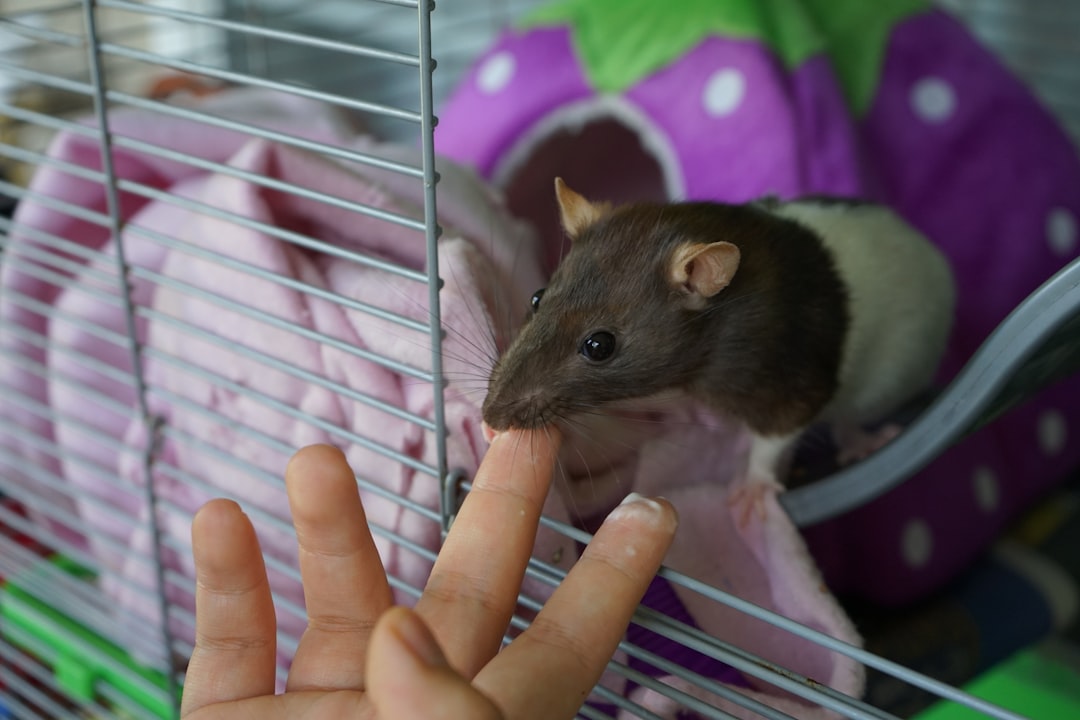
Rats might get a bad rap, but they’re some of the friendliest and most trainable small pets you can find. They need a spacious cage with plenty of toys and places to hide, but their needs are otherwise straightforward. Rats are social, so having a pair will keep them happier and healthier.
Their diet consists of commercial rat pellets, plus some fresh fruits and veggies. Rats are quick to bond with their people and enjoy short daily play sessions. Cleaning their cage once a week and providing regular enrichment will keep them content. For those who want a pet with lots of personality but not a ton of hassle, rats are a winner.
African Dwarf Frogs: Tiny, Aquatic, and Effortless
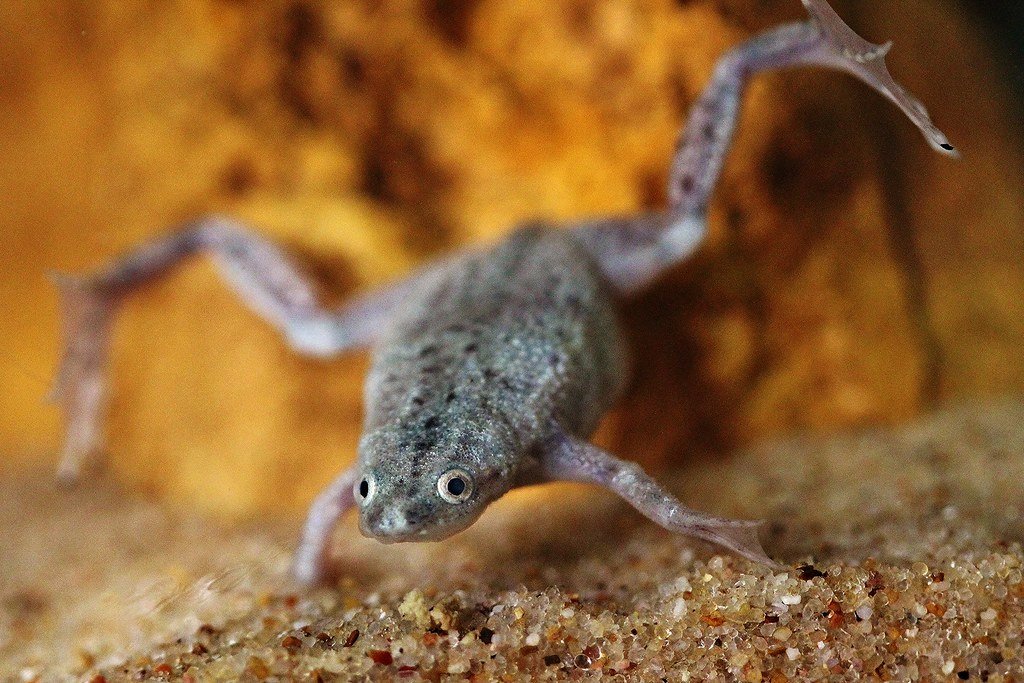
African dwarf frogs are delightfully easy pets for those who love aquatic creatures. They need a small, filtered aquarium with clean water and a few hiding spots. Feeding is simple—specialized frog pellets and the occasional frozen treat are all they need.
These frogs are fully aquatic and don’t need to leave the water, so there’s no need for land areas or complex habitats. They’re peaceful, coexisting with other non-aggressive tank mates. Regular tank cleaning and water changes keep them healthy, but otherwise, these frogs are the definition of low-maintenance.
While small pets may seem like the easiest companions, they each come with their own set of needs—some more demanding than you’d expect. Knowing which ones require extra care versus those that are more laid-back can save you a lot of stress down the road. Whether you’re a busy pet lover or a first-time owner, matching your lifestyle to the right small pet is the secret to a happy, healthy bond. Do your homework, and you’ll find the perfect tiny companion for your home.


