
Ever wondered why some dogs seem to have an endless supply of bark while others barely make a peep? Living with a vocal canine companion can transform your peaceful home into a symphony of noise that tests even the most patient dog lover’s nerves. These vocal breeds don’t just bark occasionally – they view barking as their primary form of communication, security system, and entertainment all rolled into one.
From tiny terrors with big voices to larger breeds that think they’re the neighborhood watch, these dogs will challenge your tolerance levels and possibly strain relationships with your neighbors. But before you dismiss these chatty breeds entirely, it’s worth understanding that their vocalization often comes from generations of breeding for specific purposes. Some were bred to hunt, others to guard, and many to communicate across vast distances. Their barking isn’t just noise – it’s their way of doing what they were born to do.
Siberian Husky: The Arctic Opera Singer

Siberian Huskies are among the most vocal dog breeds, often seen in viral videos singing in unison over the most mundane things, like being told it’s time to go to bed. These magnificent arctic dogs don’t just bark – they howl, whine, screech, and produce sounds that can reach impressive decibel levels. They may surprise you with some of the vocalizations they make, from barking and whining to howling and screeching, having a lot to say about everything and becoming especially vocal when excited or stressed.
This arctic sled dog previously carried bulk loads of weighted supplies for long distances and heroically saved the city of Nome, Alaska, from a diphtheria outbreak, but is now an internet sensation and future pop star because of its diverse vocalizations and symphony of sounds. Siberian Huskies can’t stay silent and can always be seen expressing their wide range of emotions with howls, whines, chirps, and boisterous barks.
German Shepherd: The Commanding Communicator
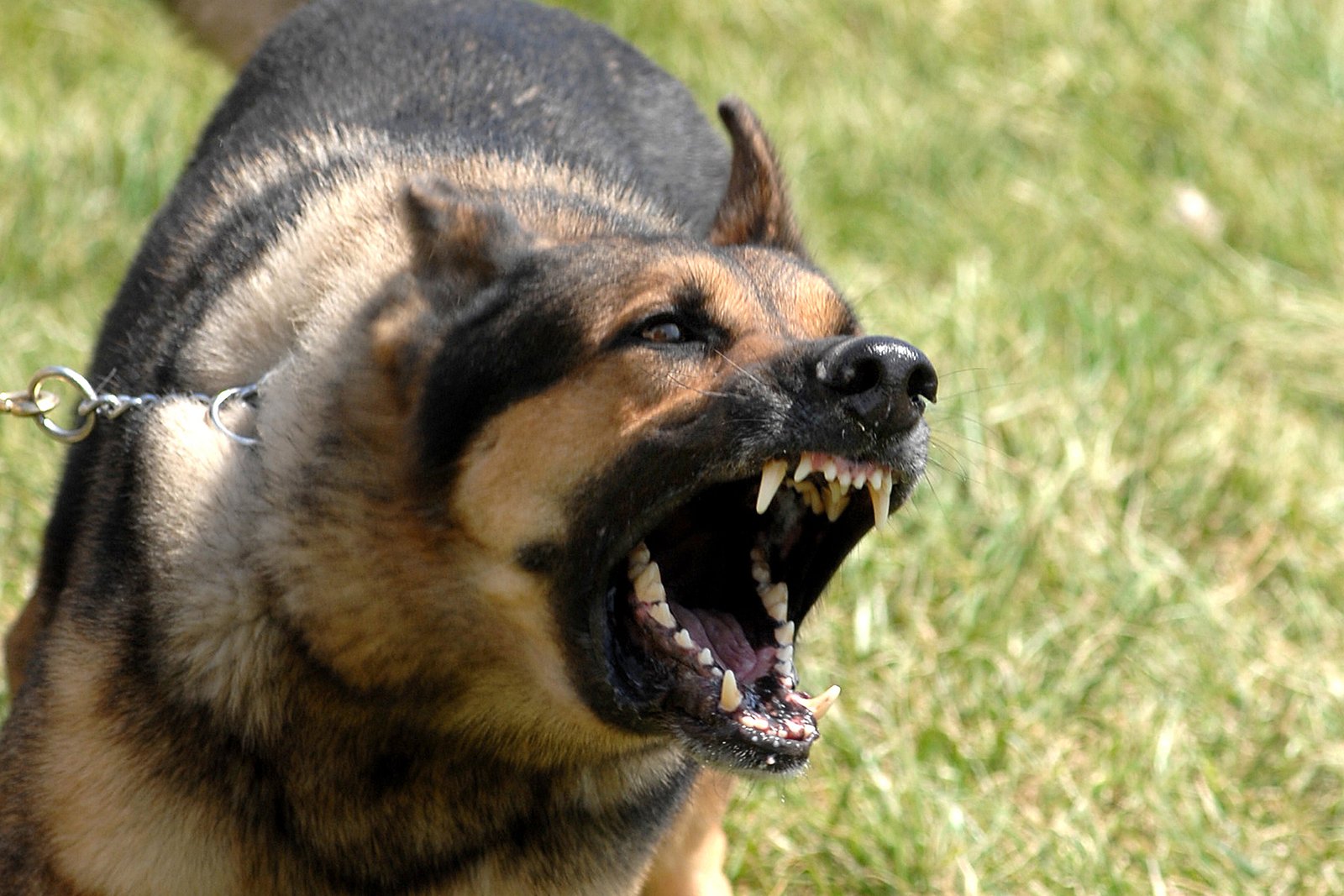
Coming in close second in rankings of most vocal dog breeds, German Shepherds can give Siberian Huskies a run for their money when it comes to having something to say, being regarded for diverse skills from herding to drug detection to guarding, and having a lot to say especially in stressful and exciting situations. These intelligent working dogs possess a naturally expressive personality that translates into frequent vocalizations. Howls, whines, and grumbles are all common vocalizations from this breed.
German Shepherds are generally more expressive and have a very distinctive loud bark. Their vocal nature stems from their working heritage – these dogs were bred to communicate with handlers across fields and alert them to potential threats. They offer a combination of loud and constant barking, probably because of their herding, guarding, and drug detection instincts that make them feel the need to communicate everything.
Beagle: The Melodious Hunter
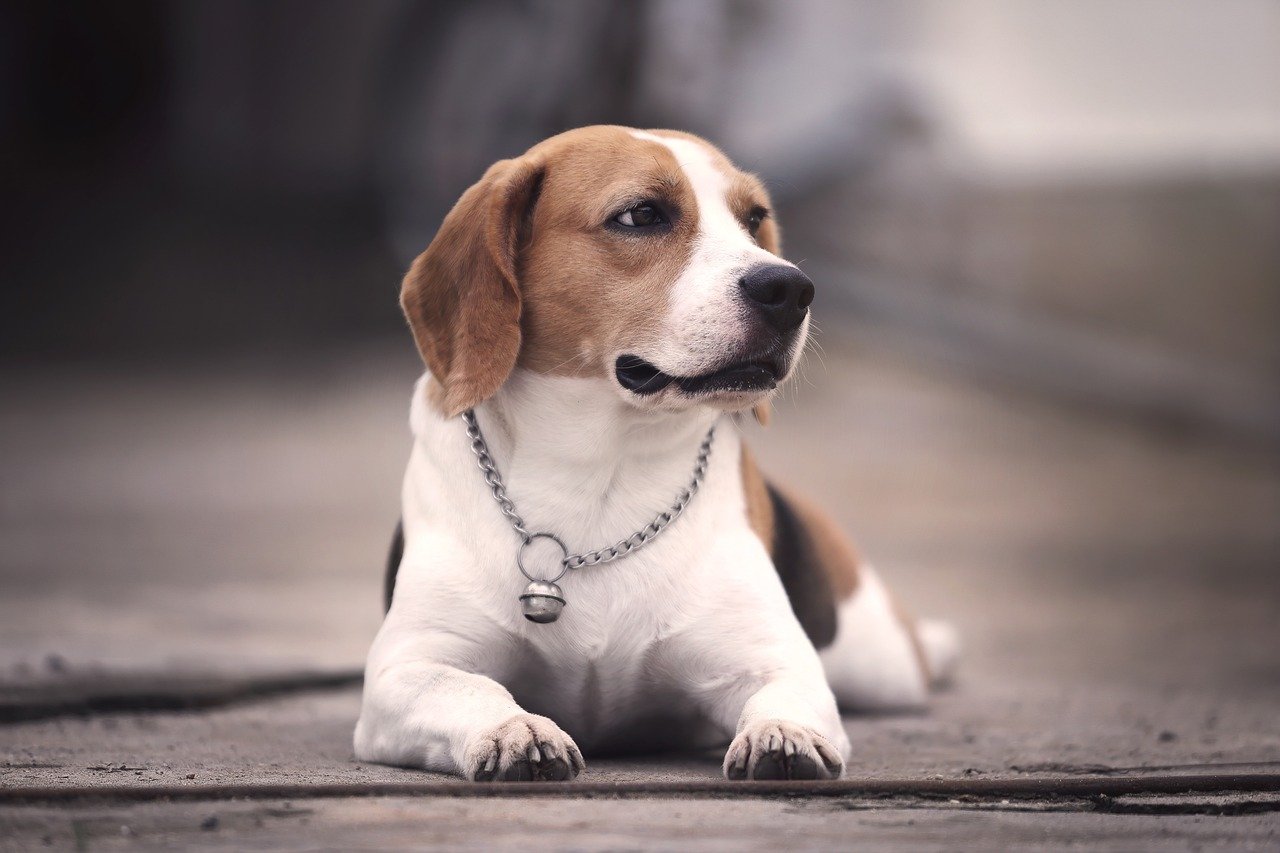
Beagles were bred to howl during hunts to alert hunters of their location and prey, making them another loud dog breed that is a scent hound bred in the UK to hunt hares, rabbits and foxes, possessing a distinctive howl or bark with a wide variety of vocalization, with their behavior genetically passed down through generations as a characteristic trait of the breed. These lovable hounds don’t just bark – they bay, howl, and produce sounds that can carry across great distances.
These beagles with big floppy ears have diverse vocalizations, including standard barks, howls, and a sound similar to a yodel called a bay that is used when hunting. Beagles are generally considered very vocal, and because barks can mean many things, they may be alerting you of an intruder or asking for food, telling you everything about what they feel and want throughout the day.
Chihuahua: The Tiny Terror
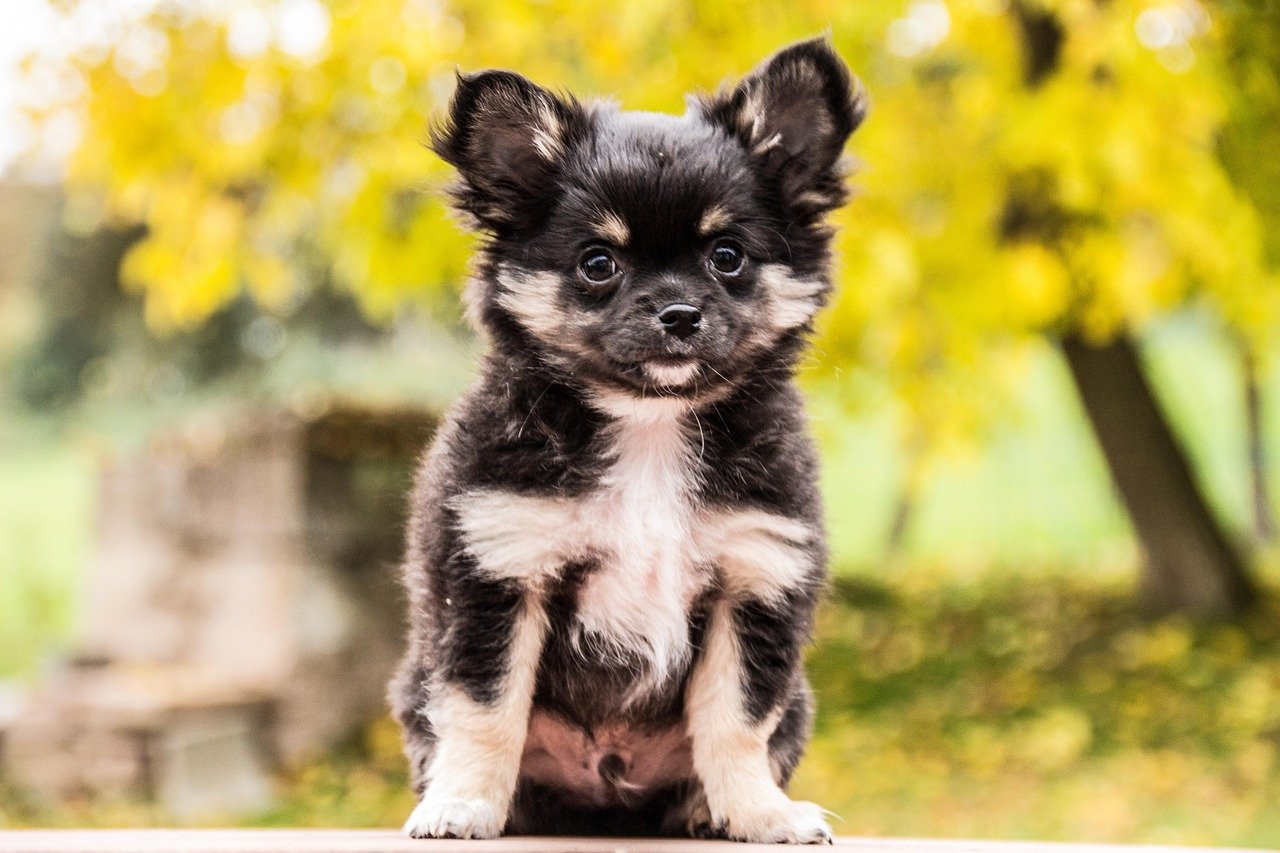
This descendant of the Techichi is known to bark at the top of their lungs whenever they feel threatened, need attention, or are simply asserting control, and although they come in diminutive size, they are quite loud and vocal about everything, unable to shut up before having the last word. Don’t let their pocket size fool you – these little dogs have voices that can wake the entire neighborhood. Excessive and inappropriate barking is one of the most common Chihuahua behavioral problems reported by owners.
Chihuahuas are small dogs with big personalities, fearless breeds known for their bravery and yippy bark, tending to go up to dogs much larger than themselves and bark them down. These intensely loyal canines use their voice to express excitement, thrive on human attention and may bark to seek affection from their owner, and besides barking, you may hear a Chihuahua howling, barking, growling, and whining.
Basset Hound: The Deep-Voiced Announcer

Like the Beagle, the Basset is often considered a good-natured breed that loves to be surrounded by its human family, but as a hound, they often have lots of things to say, from baying and howling to whining and yelping, and because of their large size, exercise needs, and tendency to vocalize, this breed is not suitable for apartment living. These low-slung hounds might move slowly, but their voices carry far and wide with remarkable resonance.
Basset Hounds are gentle and loving pack dogs who bark, bay, whine, yelp, and howl, barking excessively when they are lonely or excited, with keen noses where scents agitate them and can trigger howling. While they are calm at home, Basset Hounds can be stubborn on a scent trail and bark in a deep, resonant voice.
Dachshund: The Tunneling Trumpeter
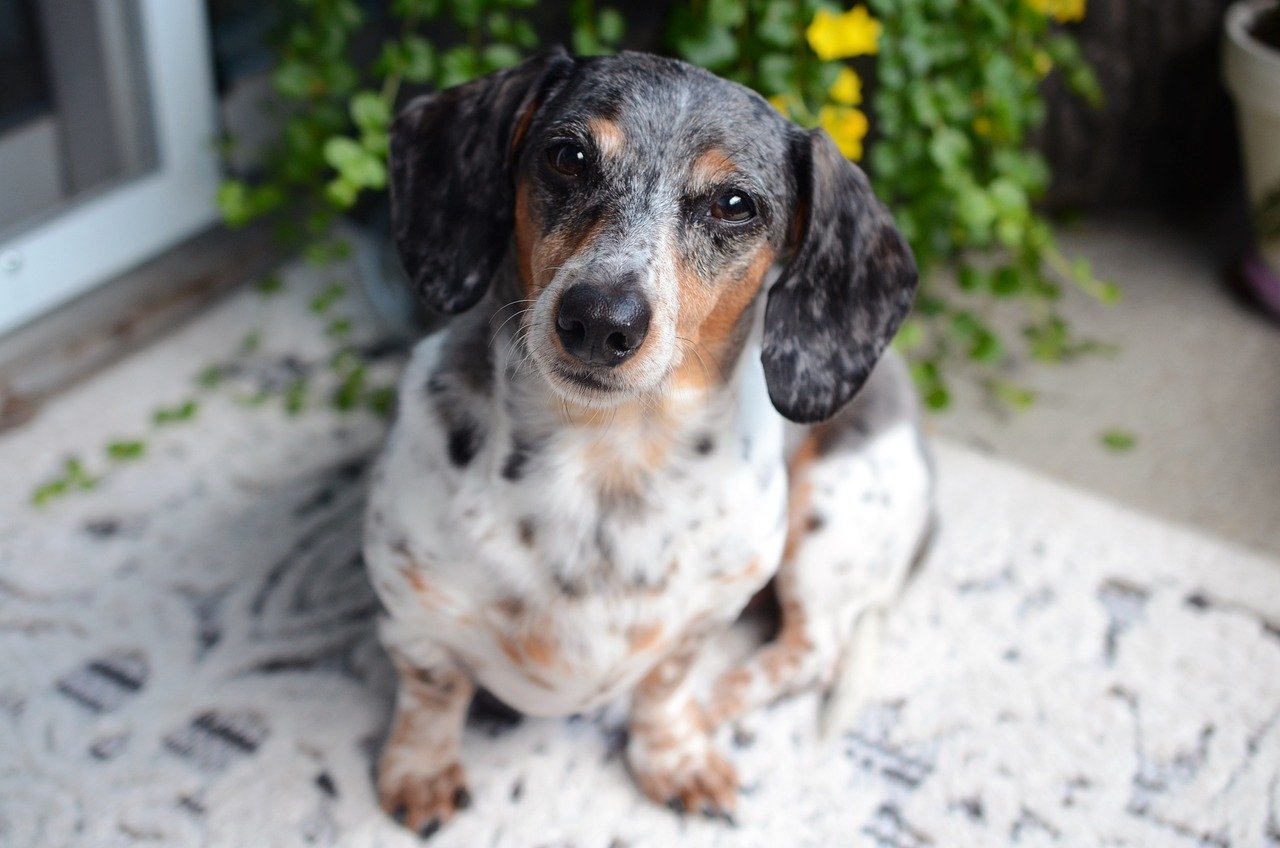
Aside from being exceptional diggers, Dachshunds love to make noise, being big barkers who often bark about anything and everything that excites or stresses them, with a bark often considered that of a much bigger dog, which can make them great watchdogs. These sausage-shaped dogs were originally bred to hunt badgers in underground tunnels, requiring them to bark to communicate their location to hunters above ground.
Hunting dogs are bred to be chasers, diggers, and barkers, and this tenacious spirit has not left them despite the lack of badger to pursue in your home, with the dachshund having a unique bark that is somehow both high-pitched and exceptionally loud, and they are notorious for using it all the time. Their distinctive bark serves multiple purposes – from alerting owners to visitors to expressing excitement about daily activities like meal time.
Jack Russell Terrier: The Energetic Alarm System
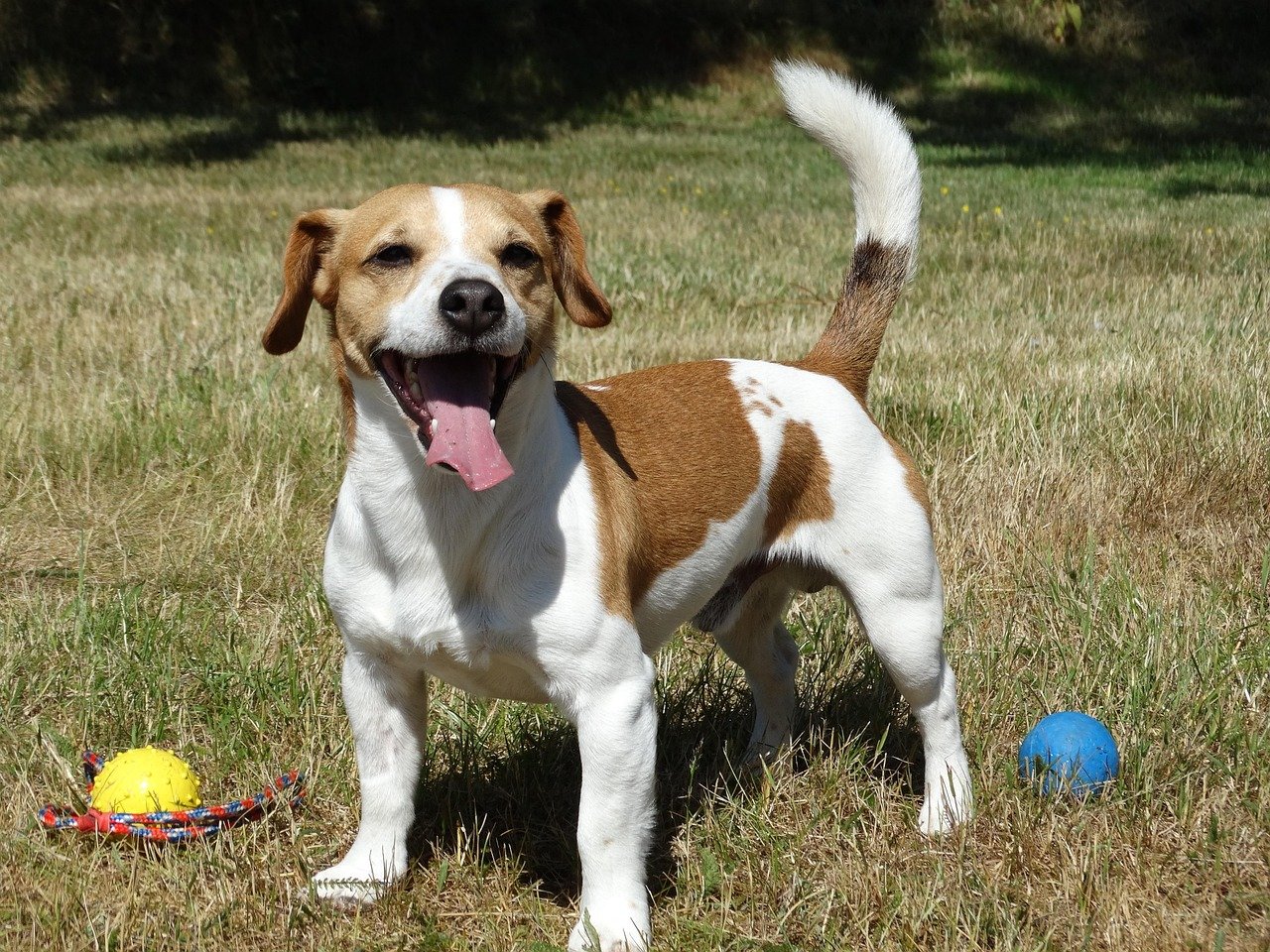
Small dogs, particularly Jack Russells, rely on their barks to communicate a lot more than larger breeds. Jack Russells have a unique personality with the energy of a toddler and are naturally bred to hunt and perform at high levels, and in most circumstances with dog breeds, if they are meant to hunt, they are also protective in nature, and with protection comes barking – lots of it. These terriers were bred to work independently, making their own decisions and alerting hunters to their findings.
The Jack Russell terrier is a somewhat vocal dog, and these pups like to bark to alert their owners of potential threats or to threaten any wild animals they see outdoors, and you may be able to limit excessive barking with proper training, but overall, this dog is vocal and may not be the best choice for living in spaces with noise restrictions. Jack Russells simply love to speak their mind and let you know what’s going on, which can come in the form of running up and down fence lines barking or even barking to let you know they are bored and it’s time to play.
Pomeranian: The Fluffy Siren
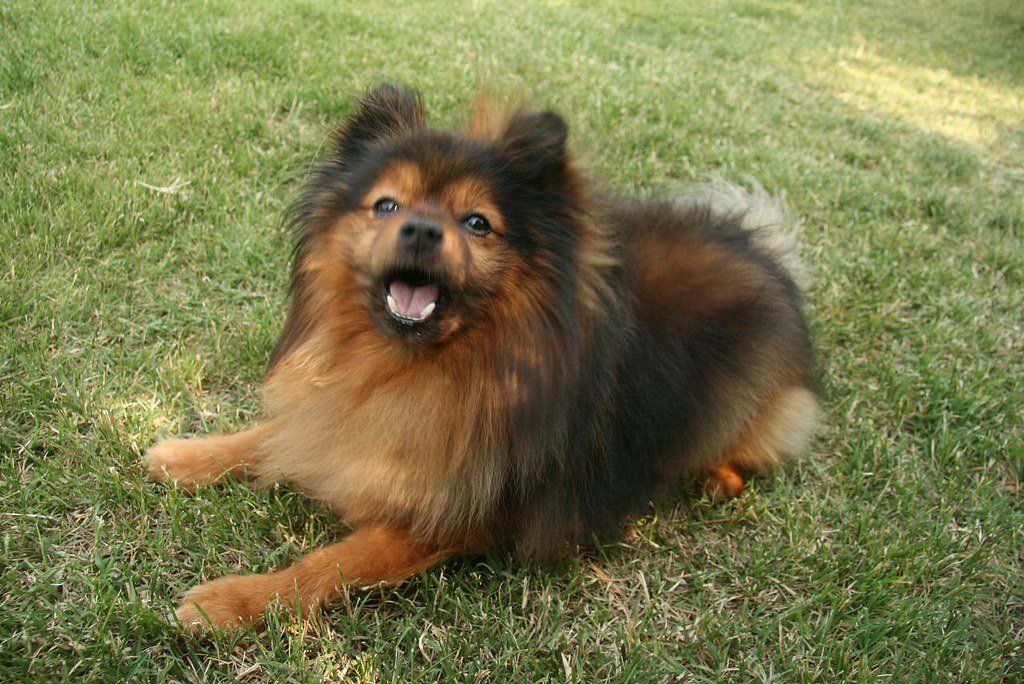
While all dogs bark, Pomeranians are known to be more vocal compared to some other breeds, partly due to their alert nature and size, making them more sensitive to their surroundings and often quicker to sound the alarm at any perceived threat or excitement compared to larger, more laid-back breeds. These tiny balls of fluff pack an impressive amount of sound into their petite frames. A lot of small companion dogs, such as Pomeranians, are prone to being more vocal, often making excellent watchdogs by alerting you to any perceived dangers, with being vocal also becoming a strategy they’ve learned gets them attention, and sometimes small breeds will bark because they feel more anxious or vulnerable due to their small size.
Studies show that Pomeraniasns are right on par with Yorkshire Terriers but bark a bit more than Chihuahuas and bark moderately more than Pugs and Shih Tzus. Their barking is often a response to environmental stimuli, excitement, or a need for attention, with common reasons including alerting their owners to something unusual, responding to unfamiliar sounds or sights, expressing excitement, or seeking attention, and sometimes they may bark out of boredom or anxiety, especially if left alone for extended periods.
Australian Shepherd: The Herding Herald
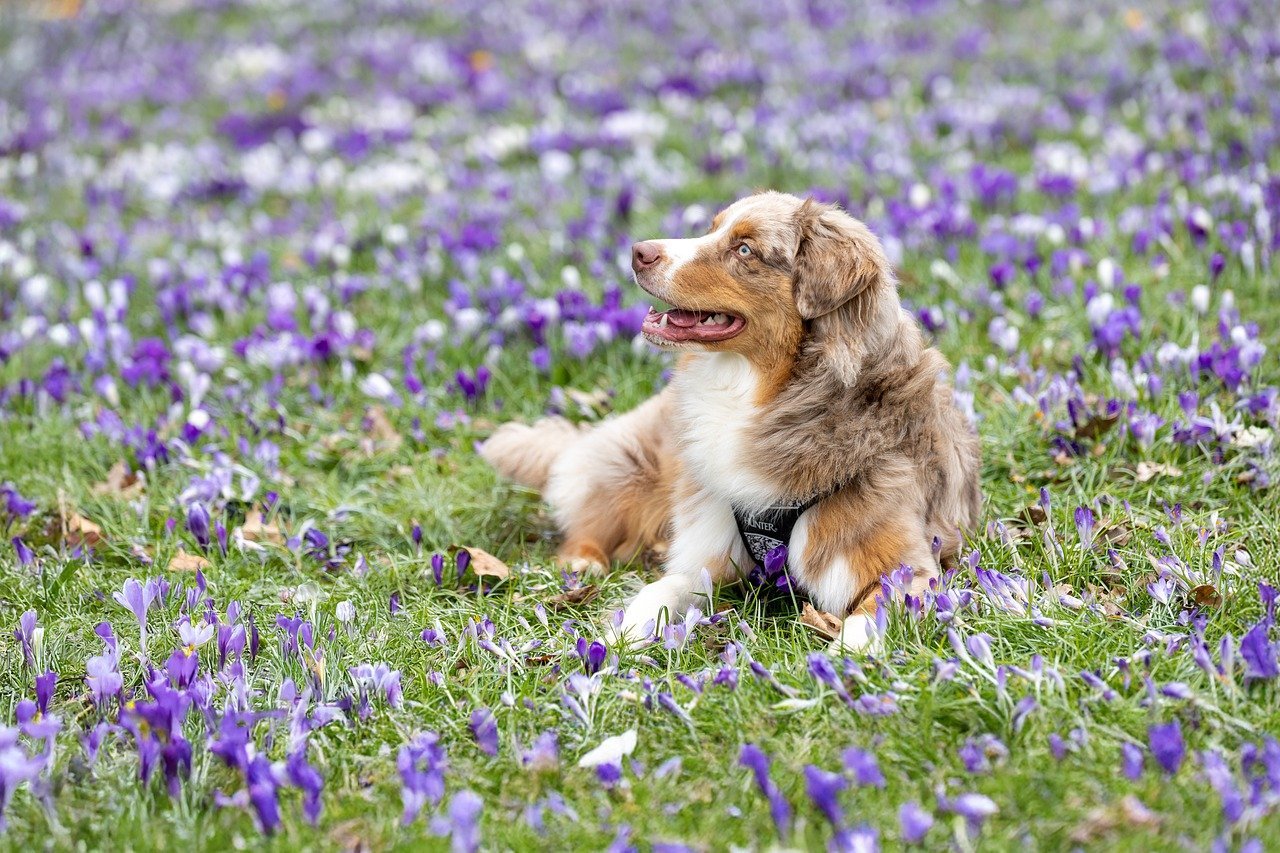
Although they’re intelligent and highly trainable, you can expect a dog that loves to vocalize with an Aussie, as they will often bark when excited, trying to get their way, and even when trying to herd – whether they’re herding farm animals or your kids. These working dogs were bred to manage livestock across vast ranges, requiring strong communication skills to work effectively with their handlers. A study showed that Aussies are frequent barkers, with one Australian Shepherd representing eleven percent of total barks recorded from ten dogs.
Herding is ingrained in Aussies’ DNA, and just like other herding dogs, they have a natural tendency to bark. Their vocalization isn’t just random noise – it’s an integral part of their working instinct. Without proper training, Aussies may not know how to behave in different situations, so they use barking as a way to communicate their frustration or confusion, and they are possessive of their toys, so they may bark reactively if their favorite toy or food is taken away.
Yorkshire Terrier: The Pocket Watchdog

Yorkshire Terrier is another small dog breed with great personalities and a tendency to talk a lot, being vocal dogs who make sure their owners listen to their voice, and whether they see a new visitor or hear an unfamiliar noise, Yorkies start barking. These tiny terriers were originally bred as working dogs in textile mills, tasked with catching rats and other vermin – a job that required alertness and quick vocal communication. Yorkshire Terriers are small dog breeds with great personalities and a tendency to talk a lot, being vocal dogs who make sure their owners listen to their voice, and whether they see a new visitor or hear an unfamiliar noise, Yorkies start barking.
Yorkies crave companionship and will bark and whine to get your attention, with these courageous fellows always vocalizing when they see something they think you should know about, and Yorkies may also bark out of boredom or separation anxiety. Despite their small stature, these dogs have the confidence of much larger breeds and aren’t shy about making their opinions known through frequent barking.
Miniature Schnauzer: The Bearded Barker

One of the most talkative dog breeds, Miniature Schnauzers make great watchdogs with heart-melting personalities, loving to be busy and learning quickly, but they need adequate physical and mental stimulation so they do not bark excessively, requiring proper training, exercise, and enrichment. These intelligent dogs were originally bred as farm dogs and rat catchers, roles that required them to be vocal and alert. Boredom or anxiety can be problematic, and while their size makes them well-suited for apartment living, their loud barks may offend your neighbors.
Miniature Schnauzers are among the most talkative dog breeds, making great watchdogs with heart-melting personalities, loving to be busy and learning quickly, but they need adequate physical and mental stimulation so they do not bark excessively, requiring proper training, exercise, and enrichment, with boredom or anxiety being problematic, and while their size makes them well-suited for apartment living, their loud barks may offend neighbors.
Bloodhound: The Scent-Driven Vocalizer
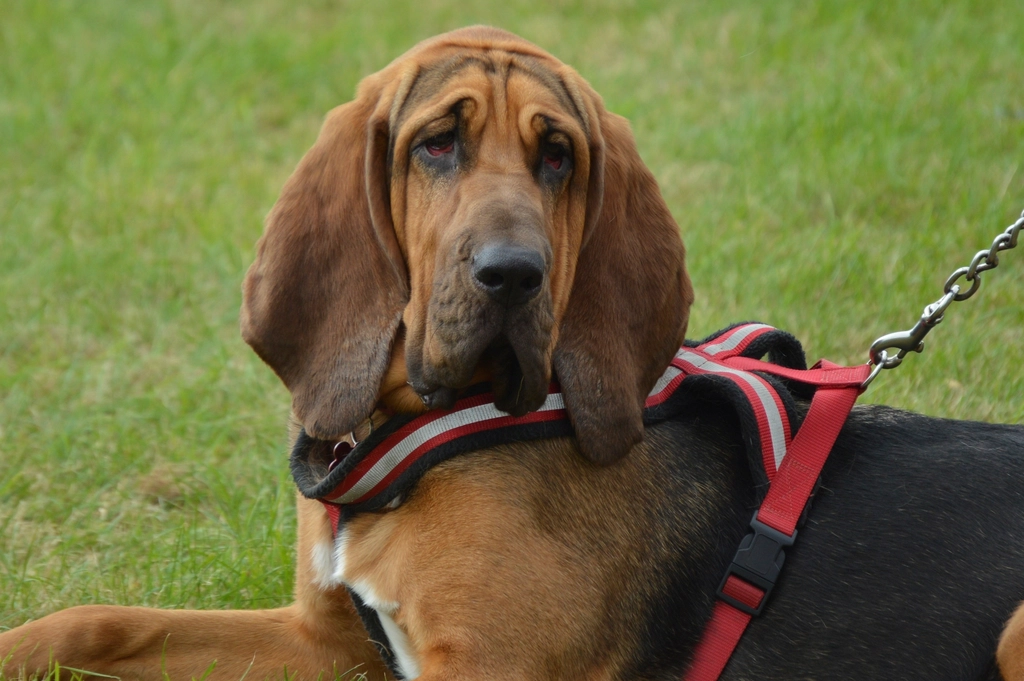
Often lauded for its strong sense of smell, the Bloodhound is an excellent dog often employed as a search and rescue dog and serving as a hunting scent hound, though often thought of as lazy dogs, they can actually be quite active and athletic, and when excited, happy, or stressed, this breed loves to howl and bay, with frequent barking also expected from Bloodhounds. These impressive scent hounds were bred to track game and people across great distances, requiring powerful voices to communicate their findings to handlers who might be far away.
Their deep, resonant voices can carry for miles, making them excellent working dogs but challenging pets for those seeking quiet companionship. When a Bloodhound catches an interesting scent, their instinct is to announce their discovery loudly and persistently. This breed’s vocalization is so deeply ingrained that even well-trained Bloodhounds will struggle to remain silent when their hunting instincts are triggered by an intriguing smell trail.
Conclusion

These twelve breeds represent some of the most vocally demanding dogs you’ll encounter, each bringing their own unique style of communication to your household. From the operatic performances of Siberian Huskies to the persistent yapping of Chihuahuas, these dogs don’t just bark – they commentate on life itself. While their vocal nature can certainly test your patience, it’s important to remember that most of these behaviors stem from centuries of selective breeding for specific working purposes.
Understanding why these breeds bark so much is the first step toward managing their vocal tendencies effectively. With proper training, adequate exercise, mental stimulation, and patience, even the most talkative breeds can learn appropriate boundaries. The key lies not in silencing them completely, but in teaching them when it’s appropriate to use their voice and when quiet time is golden.
Are you ready to embrace the symphony, or would you prefer a quieter canine companion?


