
You’ve probably noticed it before. That look in your dog’s eyes when they’re bored, the way they wander aimlessly from room to room, maybe chewing something they shouldn’t or barking at every tiny sound outside. It’s frustrating for you, sure. Can you imagine how frustrating it must be for them?
Here’s the thing most people don’t realize. A 15-minute brain game session can tire a dog similarly to a 30-minute walk, and honestly, that’s kind of remarkable when you think about it. Your dog’s mind is hungry for stimulation, craving puzzles and challenges just as much as their body craves that evening stroll. The benefits are profound: reduced boredom, fewer behavioral issues, improved confidence, and even a slower cognitive decline as your dog ages. What if I told you that some of the most powerful ways to enrich your dog’s life don’t require fancy equipment or hours of your time? Just you, a few household items, and a willingness to see the world through your dog’s curious, brilliant eyes. Let’s dive in.
Hide and Seek: The Ultimate Confidence Builder
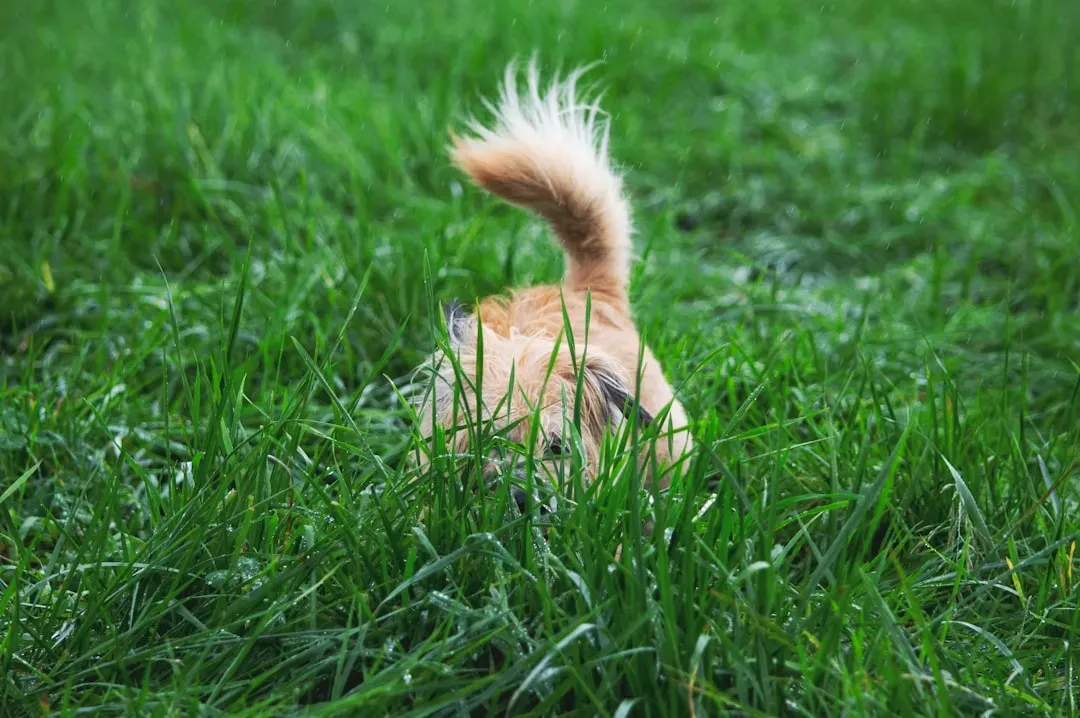
Let’s be real, hide and seek isn’t just for kids. This classic game taps into something primal in your dog, something that makes their entire being light up with purpose. When you hide and call your dog to find you, you’re engaging their powerful sense of smell, their problem-solving skills, and their deep desire to be near you.
Start simple at first. Duck behind a door while someone distracts your pup, then call their name. Watch how their ears perk up, how they tilt their head trying to locate you. It may take patience for your dog to find you, but they will enjoy releasing physical and mental energy throughout the process. As they get better, make it trickier by hiding in closets, behind shower curtains, or even under blankets.
The beauty of this game lies in the reward. When your dog finally discovers you, celebrate like they’ve just won an Olympic medal. That surge of joy they feel, that sense of accomplishment, it builds their confidence in ways that ripple through their entire life. Dogs who play hide and seek regularly become better problem solvers, more attentive listeners, and honestly, just happier companions.
The Cup Game: Testing Memory and Focus
Remember those street performers shuffling cups with a hidden ball underneath? Your dog can play that game too, and they’re often surprisingly good at it. All you need are three plastic cups and some treats or a favorite toy.
Place the treat or toy under one cup and shuffle the cups around while your pup tries to follow which one holds the reward. Once you’re done shuffling, encourage your dog to choose a cup either with their paw or nose. If they get it right, they win the prize. If not, stay patient and encouraging because frustration kills the fun faster than anything.
This game works wonders for dogs who struggle with impulse control or attention spans. I’ve seen hyperactive dogs transform into focused, thoughtful decision-makers through regular cup game sessions. You can make it easier by barely moving the cups at first, or harder by adding a fourth cup or speeding up your shuffling. The key is keeping your dog engaged without overwhelming them.
What really matters here is watching your dog think. You’ll see their eyes tracking the cups, their body tensing with anticipation, their brain working overtime to solve the puzzle. That’s the magic happening right there.
Puzzle Feeders: Making Mealtime an Adventure
Think about this for a second. In the wild, dogs would spend roughly seventy percent of their day hunting and searching for food. A feral dog may spend as much as 70 percent of its day hunting and searching for food. This requires quite a bit of physical energy expenditure and use of problem-solving skills. Now compare that to your dog’s reality: a bowl of food that disappears in thirty seconds flat.
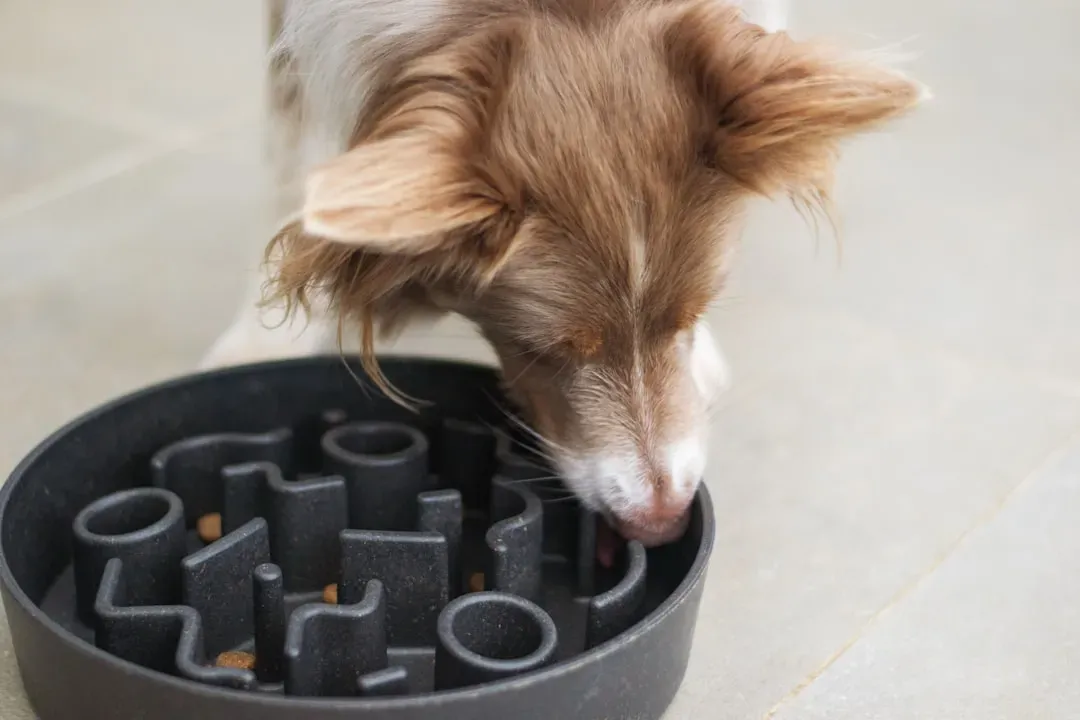
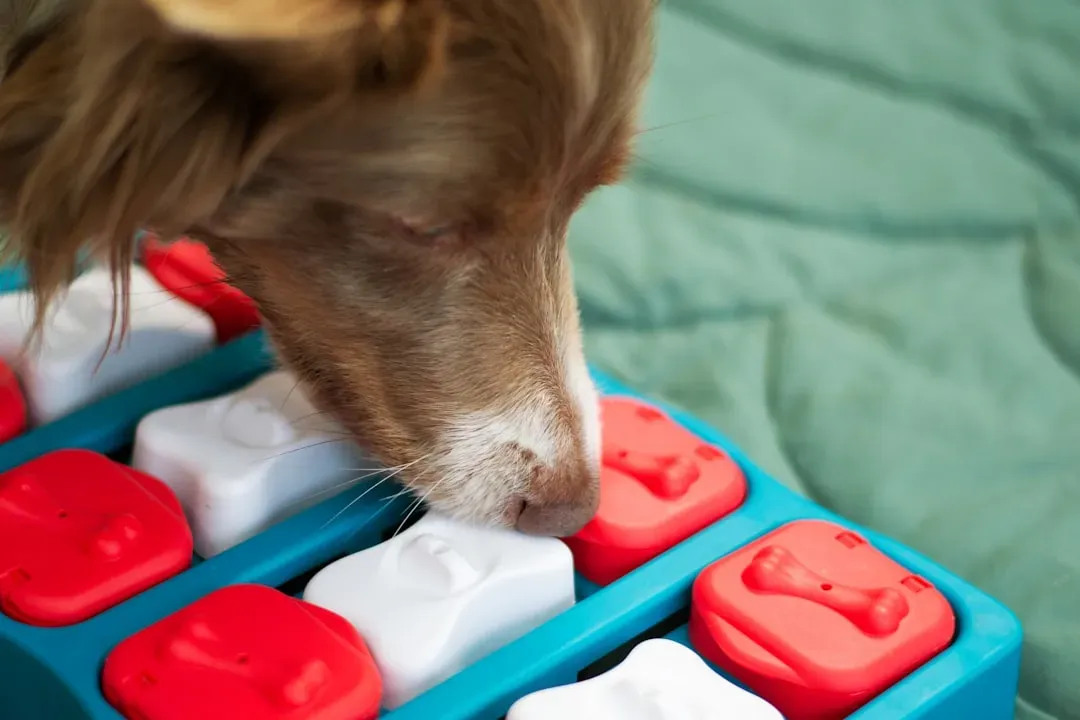
Puzzle feeders change everything. These ingenious devices make your dog work for their meals, engaging their natural foraging instincts and slowing down fast eaters at the same time. The process of figuring out how to get their food from the feeder is mentally stimulating for dogs. It encourages them to use their problem-solving skills and keeps them occupied.
Start with simple designs if your dog is new to this. A snuffle mat with kibble scattered through the fabric folds works beautifully for beginners. As they master easier puzzles, graduate to more complex feeders with sliding compartments, spinning wheels, or hidden drawers. Some dogs get so into these challenges that mealtime becomes the highlight of their entire day.
Using puzzle feeders can reduce boredom and alleviate destructive behaviors. Dogs often resort to chewing furniture or shoes when they aren’t mentally stimulated. Puzzle feeders offer a constructive solution. Trust me, your couch cushions will thank you.
Name That Toy: Building Language Skills
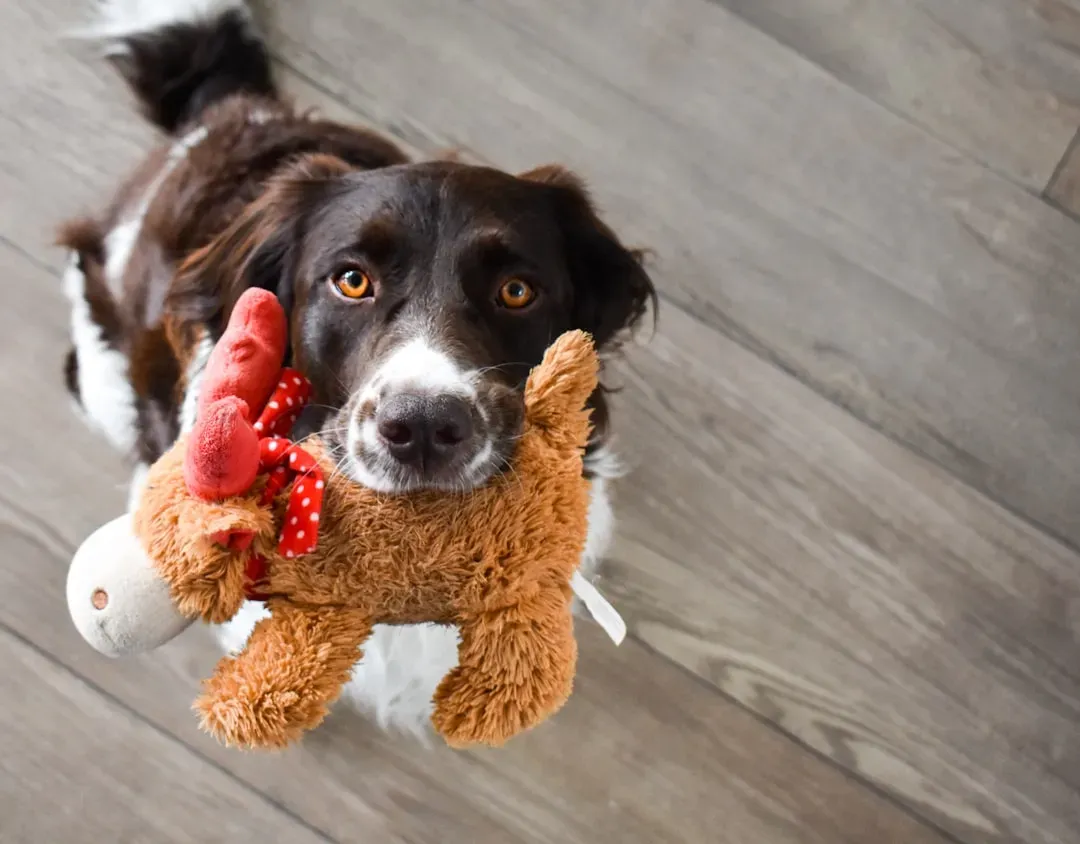
Did you know that the average domestic dog can learn the meaning of about 150 words, with some clever canines stretching that to 250 words? Your dog is capable of so much more than just “sit” and “stay.” Teaching them the names of their toys opens up a whole new dimension of communication between you two.
Pick three or four favorite toys and start using their names consistently. Hold up the squeaky duck and say “duck” before every throw. Do the same with their rope, their ball, their stuffed hedgehog. After enough repetition, place all the toys in a row and ask your dog to bring you a specific one by name. Their face when they realize they got it right? Priceless.
This game strengthens memory, reinforces the bond between you, and gives your dog a sense of purpose. Reward them with praise and treats when they choose the correct one. This game will help sharpen their memory and reinforce communication between you and your furry pal. Some dogs take to this game like naturals, while others need more patient repetition. Either way, the journey is just as rewarding as the destination.
DIY Obstacle Course: Physical and Mental Fusion
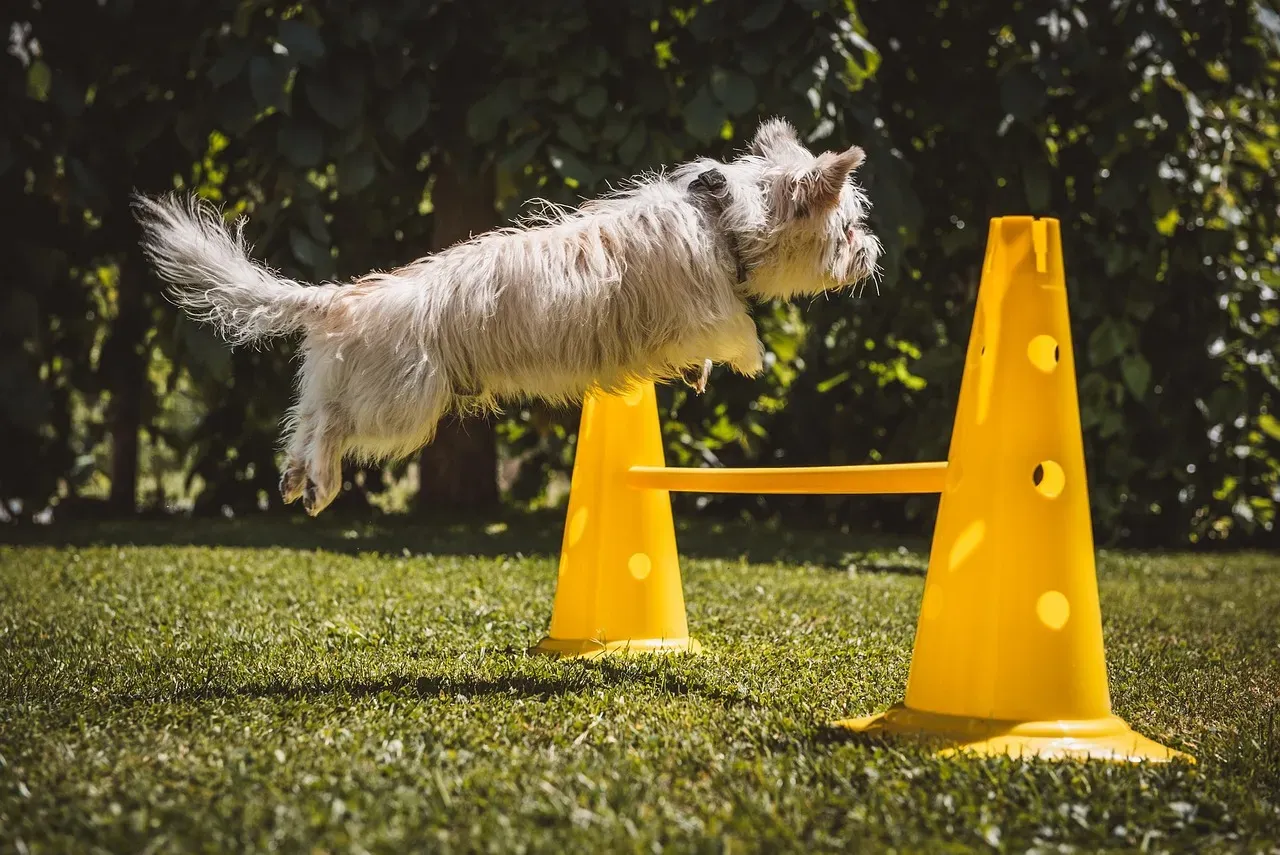
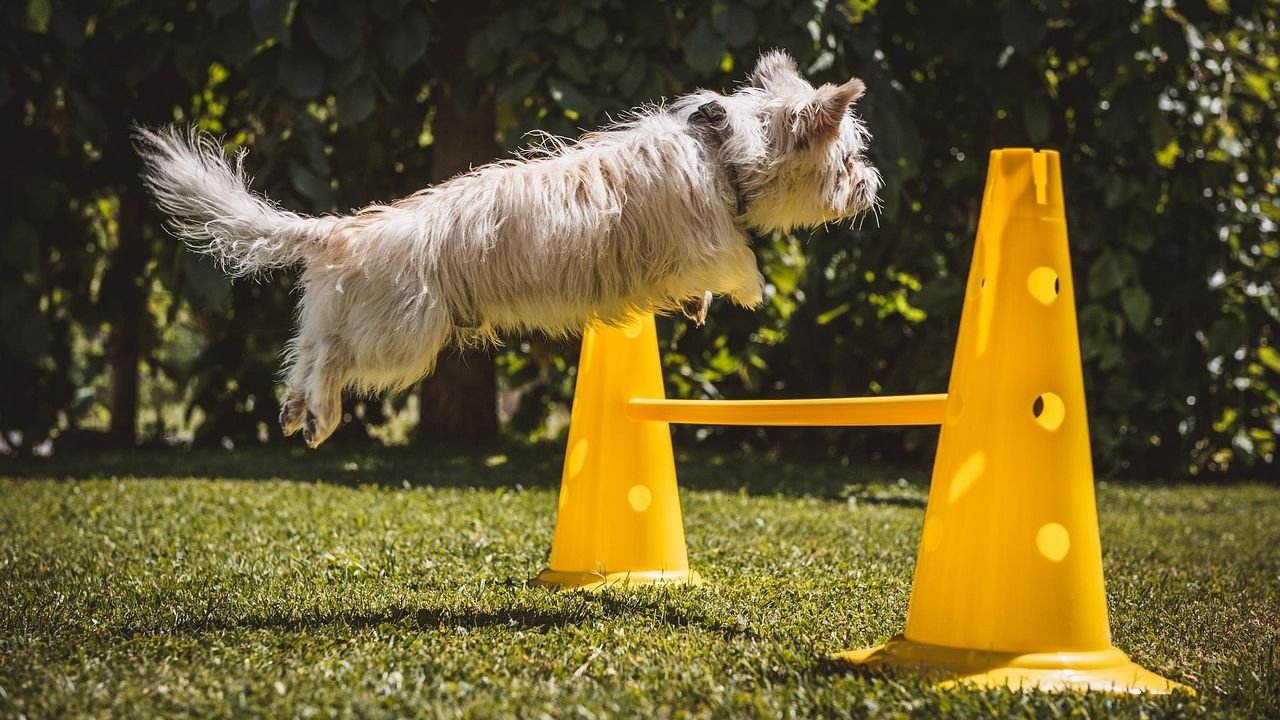
Here’s where things get really fun. You don’t need an expensive agility setup to create an obstacle course your dog will love. Household items work brilliantly. Dining chairs become weaving poles, broomsticks become jumps, cardboard boxes become tunnels, and couch cushions become balance beams.
As your dog navigates the course, it learns to overcome various challenges. This boosts their confidence and improves coordination. What I love most about obstacle courses is how they combine physical exercise with mental challenge. Your dog isn’t just running, they’re thinking about where to step next, listening for your cues, making split-second decisions.
Start simple with just two or three obstacles, then gradually add complexity as your dog gains confidence. Always use positive reinforcement, celebrating every small success with treats or praise or both. The goal isn’t perfection, it’s engagement and growth.
Change up the course regularly to keep things interesting. Move obstacles to different rooms, introduce new challenges, vary the order. The key is to provide as much stimulation, variety, and novelty as possible – so long as it’s fun. The moment it stops being fun for your dog, you’ve pushed too hard. Scale back, simplify, and remember that this is supposed to be joyful for both of you.
Why This Matters More Than You Think
Let me be honest with you. This type of enrichment can help dogs feel calmer and less stressed, and can improve overall behaviour. Cognitive enrichment can also slow age-related cognitive decline in dogs. We’re not just talking about keeping your dog entertained here. We’re talking about fundamentally improving their quality of life, their emotional wellbeing, and their long-term health.
Boredom often leads to destructive behaviors, such as chewing furniture, excessive barking, and digging. Mental stimulation helps redirect this energy into positive activities, reducing the likelihood of destructive behaviors and promoting a calm demeanor. Think about all those problem behaviors you’ve been struggling with. The digging in the backyard, the barking at shadows, the anxious pacing. Many of these issues stem from understimulation, from a brilliant mind trapped in a routine that doesn’t challenge it.
Brain games offer something deeper than distraction. They offer fulfillment, purpose, and the satisfaction that comes from solving problems and achieving goals. Your dog doesn’t just want to be fed and walked. They want to think, to learn, to grow. These five simple games give them exactly that opportunity, and the transformation you’ll see might just surprise you.
What game will you try first with your pup? Start today, even if it’s just five minutes of hide and seek before dinner. Your dog’s tail-wagging gratitude will tell you everything you need to know. What do you think about it? Tell us in the comments.


