
You know that feeling when you call your dog, and they just stare at you like you’re speaking a foreign language? We’ve all been there. Some dogs just have that look in their eyes, the one that says they heard you perfectly well but have decided your request isn’t worth their time.
The truth is, not all dogs are wired the same way. While some breeds live to make you happy and follow every command with tail-wagging enthusiasm, others were bred for centuries to think independently and make their own decisions. It’s not that they’re dumb or untrainable. They’re just… selective listeners, shall we say? Let’s dive into the world of stubborn pups and their polar opposites.
Afghan Hound: The Elegant Free Spirit
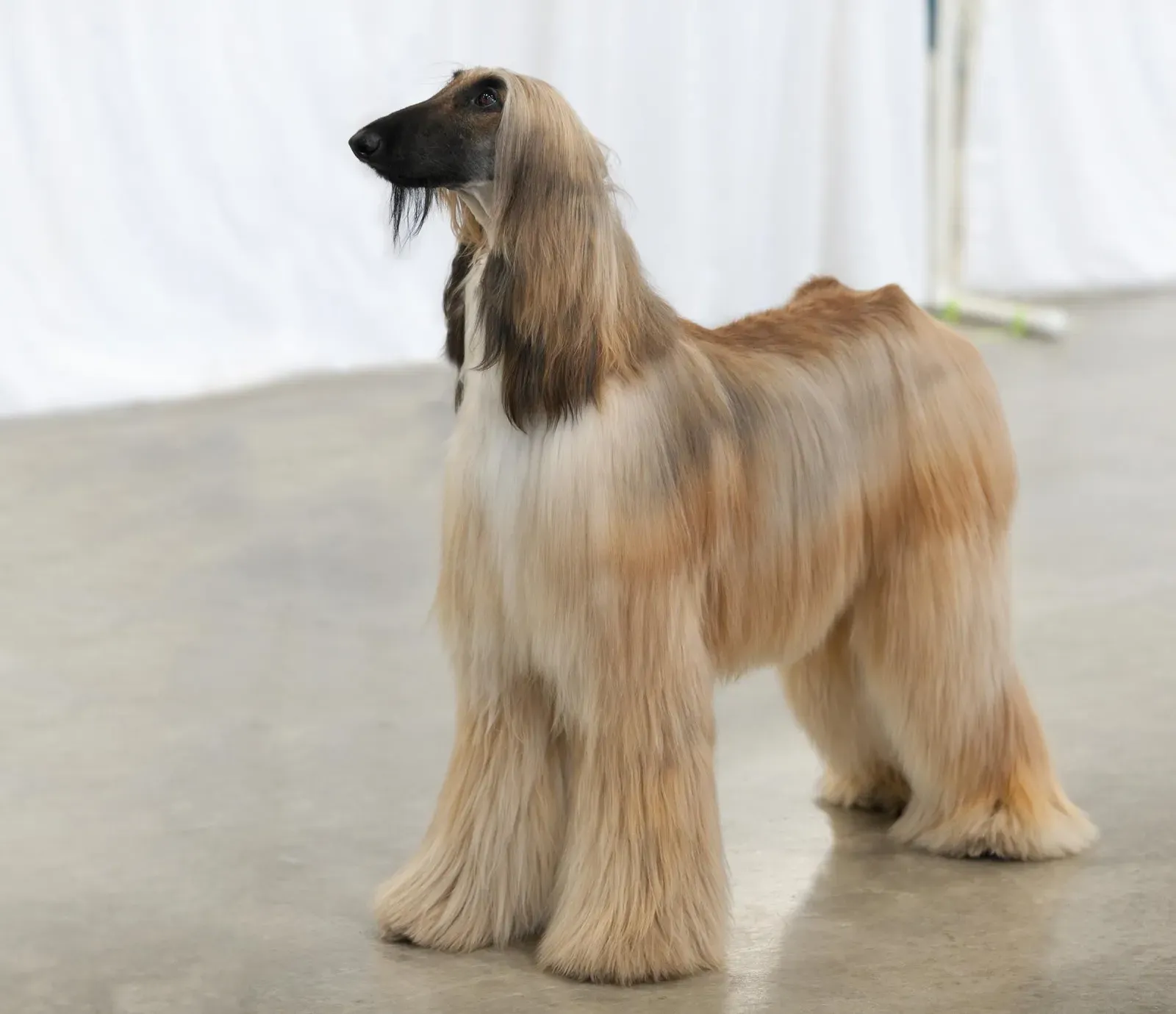
With its elegant appearance and aloof demeanor, the Afghan Hound is a classic stubborn breed originally bred for hunting with a strong independent streak. These dogs are basically the supermodels of the canine world, and they know it.
Like many sighthounds, Afghan hounds can be aloof and distant, independent and stubborn, making them hard to train. The thing is, they’re not unintelligent. They simply prefer to think for themselves and do things on their own terms. Picture trying to convince a cat to do tricks, and you’re getting close to the Afghan Hound experience.
Siberian Husky: The Escape Artist With an Agenda
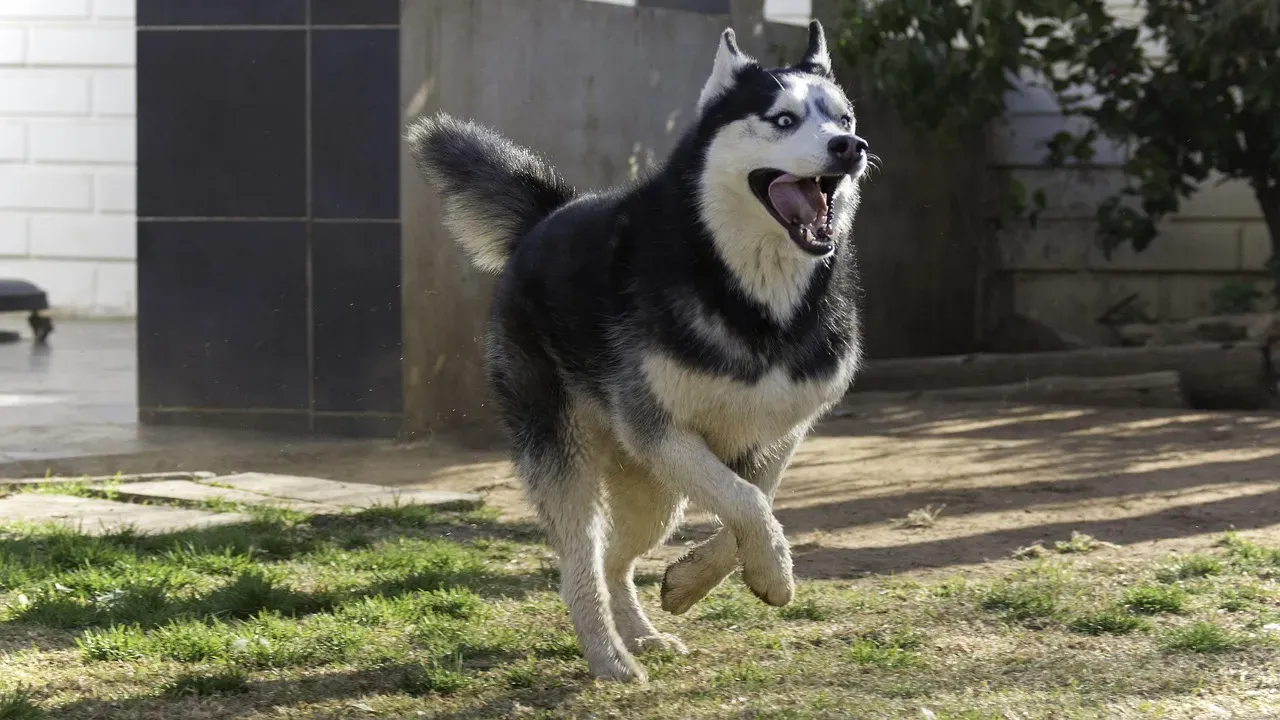
Siberian Huskies are arguably the most stubborn breed with short attention spans that make them challenging to train and unsuitable for first-time pet owners. If you’ve ever met a Husky, you know they’re gorgeous, goofy, and absolutely mischievous.
They were bred to be independent, as this ensured a mushing group of huskies would ignore commands if the terrain was deemed unsafe, but that independence means they have a stubborn streak when it comes to listening to commands. Their souls were born to run for hours, and honestly, your backyard fence is just a suggestion to them. They’re also notorious escape artists who can outsmart most containment systems.
Shiba Inu: The Cat in Dog’s Clothing
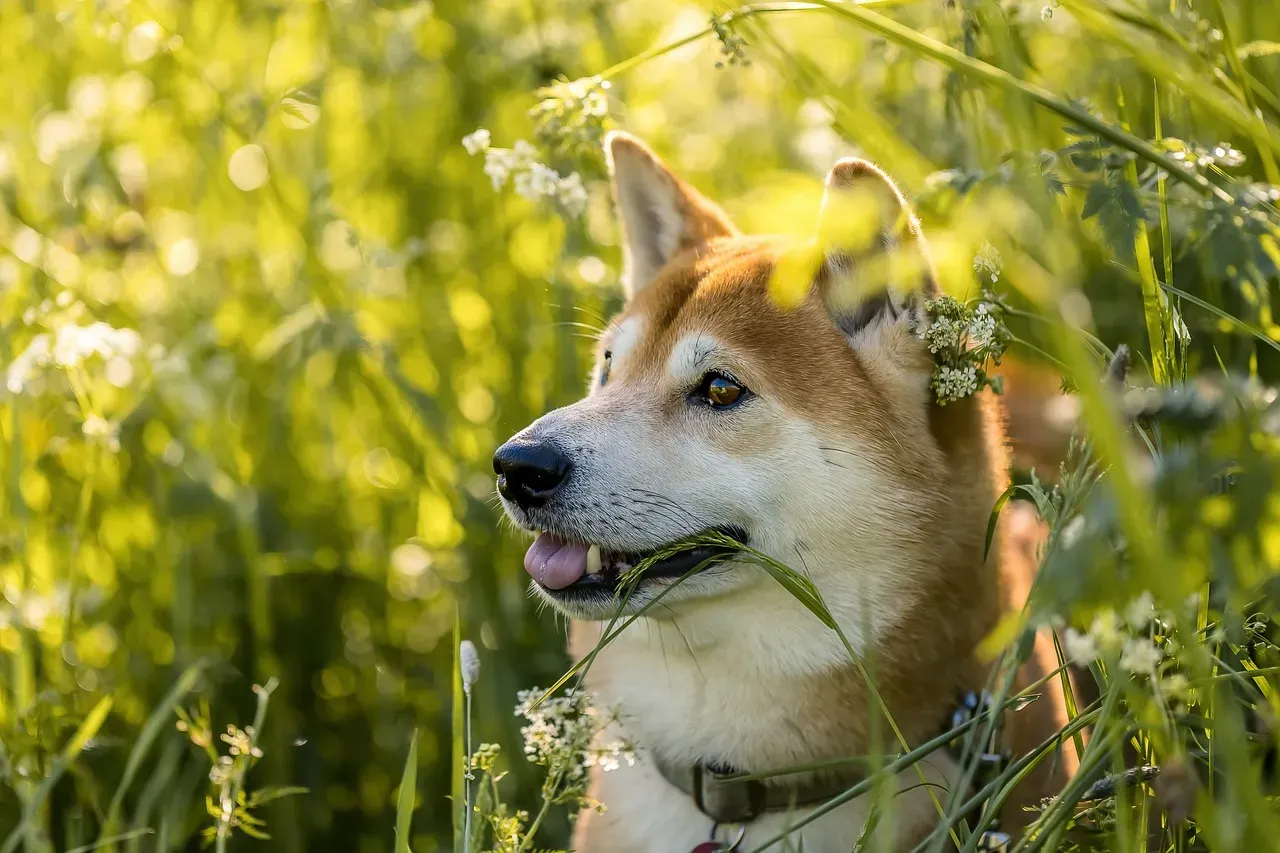
Many people believe that Shiba Inus are very feline-like, a perception built around their independence, aloofness and determination. This ancient Japanese breed is utterly charming but headstrong beyond belief.
The Shiba Inu is known for its strong-willed temperament and dislike of following commands, and while highly intelligent, its independent nature can make training a challenge. They’re quick to form opinions about the world, and once they’ve decided how things should be, good luck changing their mind. Early socialization is crucial, or you’ll end up with a tiny, furry dictator running your household.
Beagle: Following Their Nose, Not Your Voice
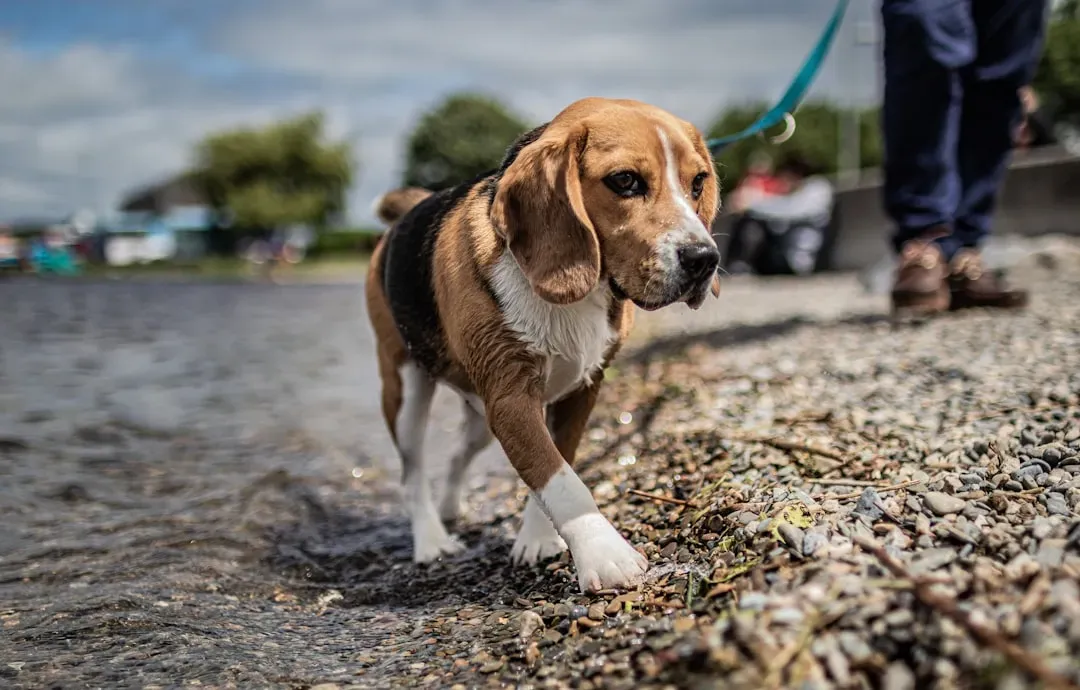
Let’s be real, Beagles are adorable with those soulful eyes and floppy ears. The Beagle is friendly, loving, and notoriously difficult to train, with an independent streak and incredible nose that means it will often ignore its owner’s calls when on a scent trail.
This breed’s exceptional sense of smell often leads them to be easily distracted by scents, making training a challenge. You might be calling them for dinner, but if they’ve caught wind of something interesting three blocks away, you’re basically invisible. Their hunting heritage means their nose rules their brain, and your commands come in a distant second.
Dachshund: Small Dog, Big Attitude

The short wiener dog is well-known for their lively and independent attitude, intelligence, hunting ability, and stubbornness, and Doxies like to do things their own way. Don’t let their tiny legs fool you.
These little sausages were bred to hunt badgers underground, which requires serious courage and independence. Dachshunds are brave and bold, often showing no fear despite their small size, and this courage, combined with a strong sense of independence, can make them quite stubborn when it comes to training or obeying commands. You’ll likely find yours digging holes, chewing shoes, or chasing anything that moves.
Bulldog: Laziness Masquerading as Defiance
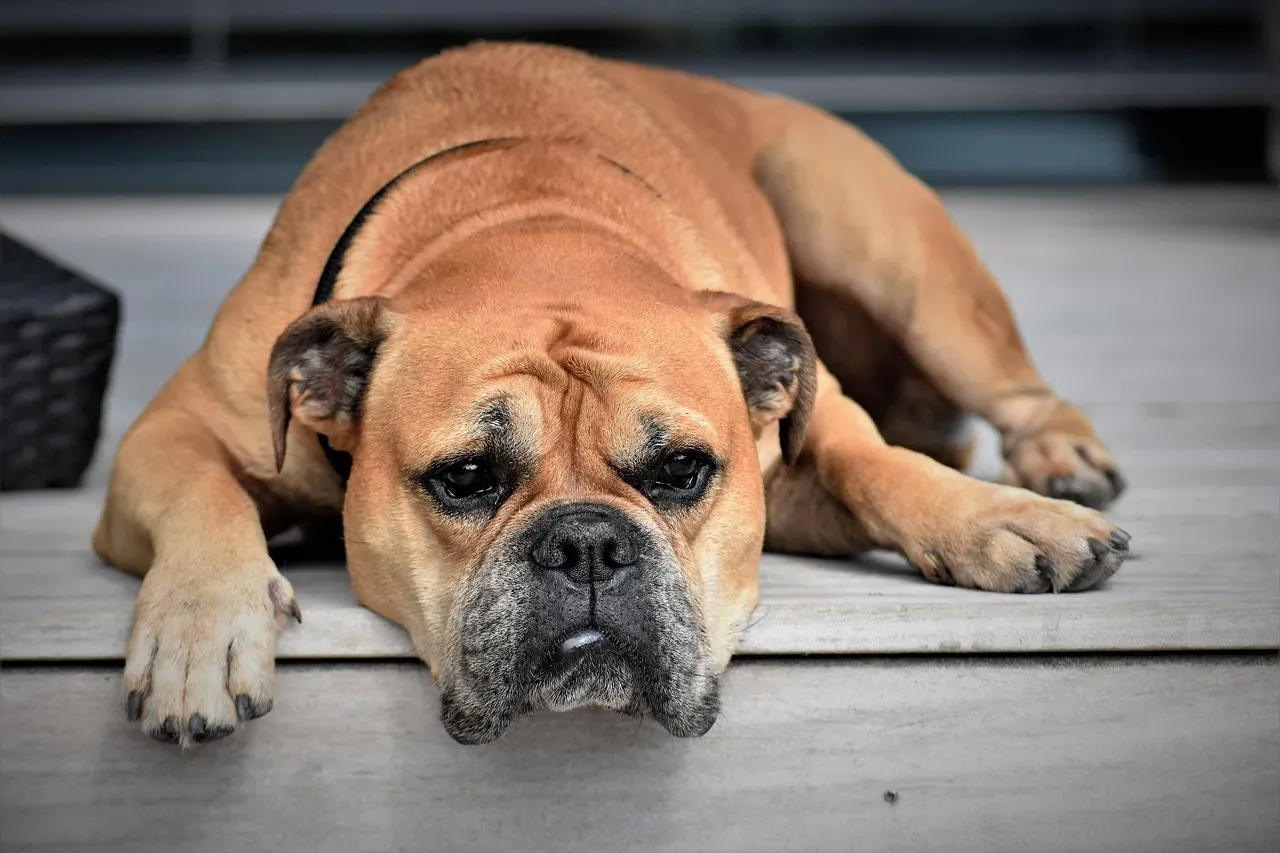
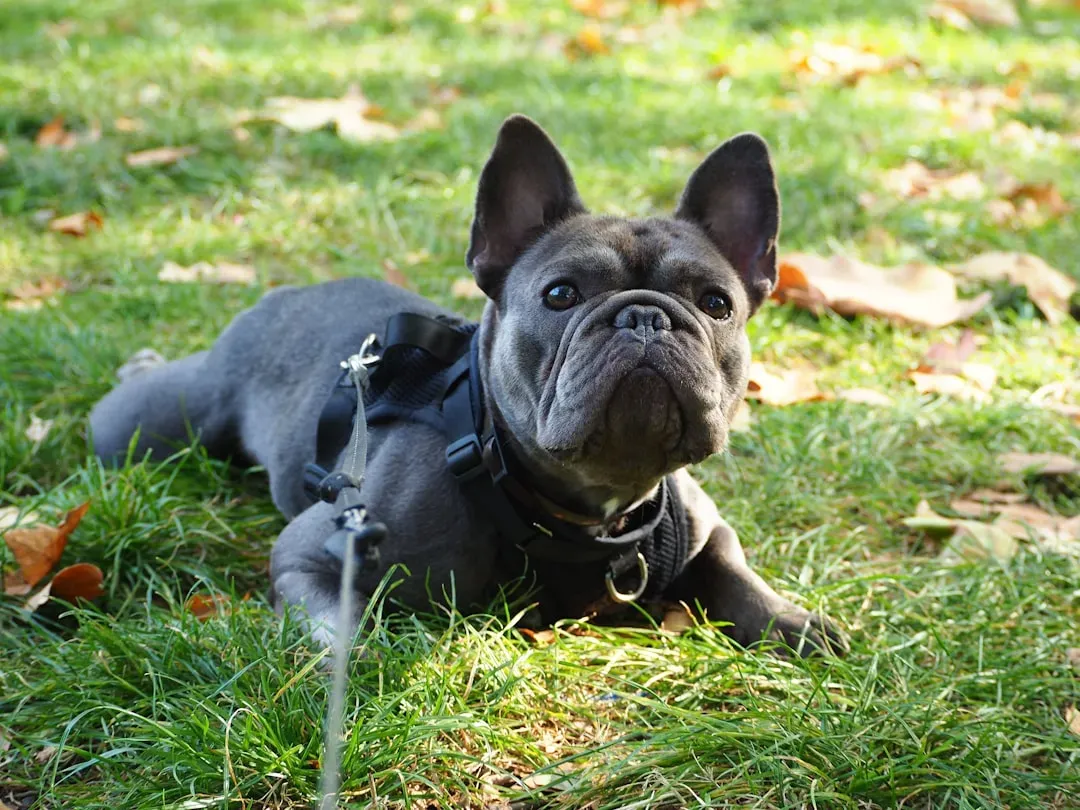
The Bulldog may seem lazy, but don’t mistake that for obedience as these dogs can be willfully slow to respond. Here’s the thing about Bulldogs: they’re not necessarily stubborn in the traditional sense. They just prefer doing things at their own leisurely pace.
They like to do things at their own pace and comfort, setting their terms and indulging in activities only when they feel like doing so. Their laid-back nature combined with selective obedience means you’ll need treats, short training sessions, and the patience of a saint. They make amazing family companions, though, once you accept you’re living on their schedule.
Basenji: The Barkless Wonder With Opinions
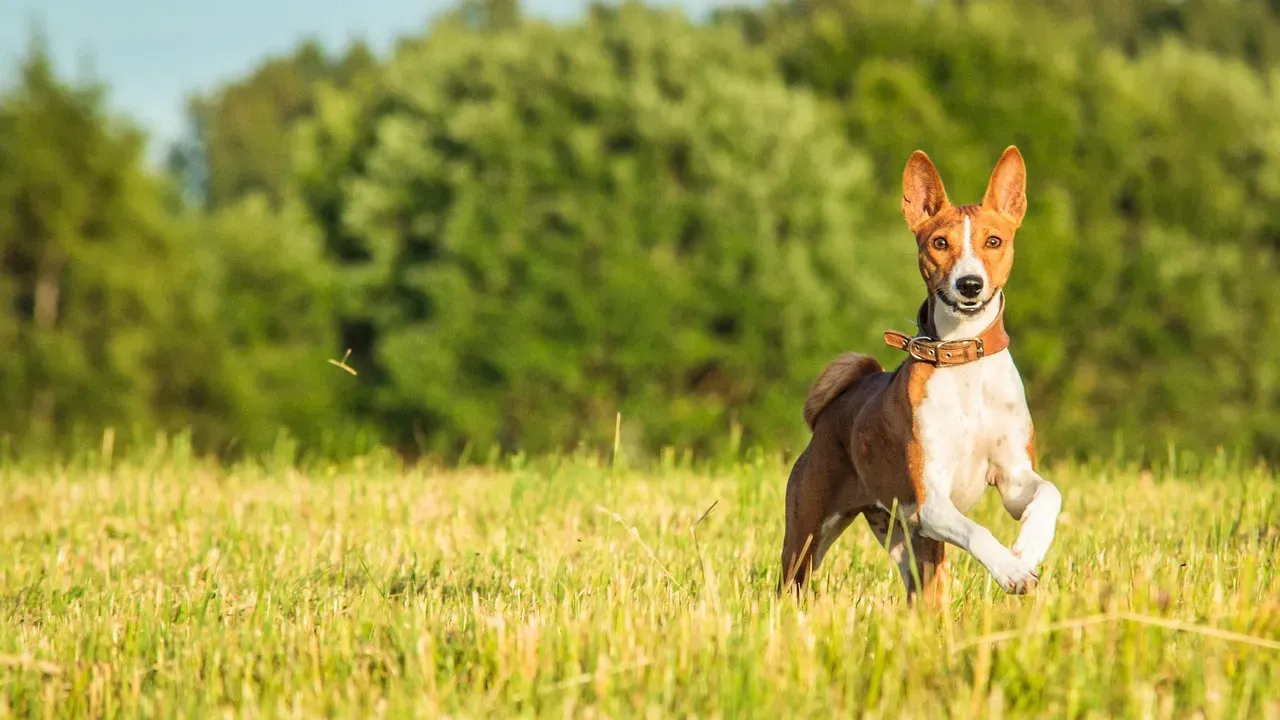
Basenjis are known for their cat-like personalities, being both independent and intelligent, and this breed is notoriously difficult to train due to their stubborn nature. They’re also called the barkless dog, though they make plenty of other sounds.
Basenjis are highly curious and playful, and like curious toddlers, they can get into trouble if not supervised. Their independence means they groom themselves like cats and approach life with feline sensibilities. Training requires creativity and mental stimulation, because boredom and a Basenji are a recipe for household chaos.
Chow Chow: The Aloof Guardian
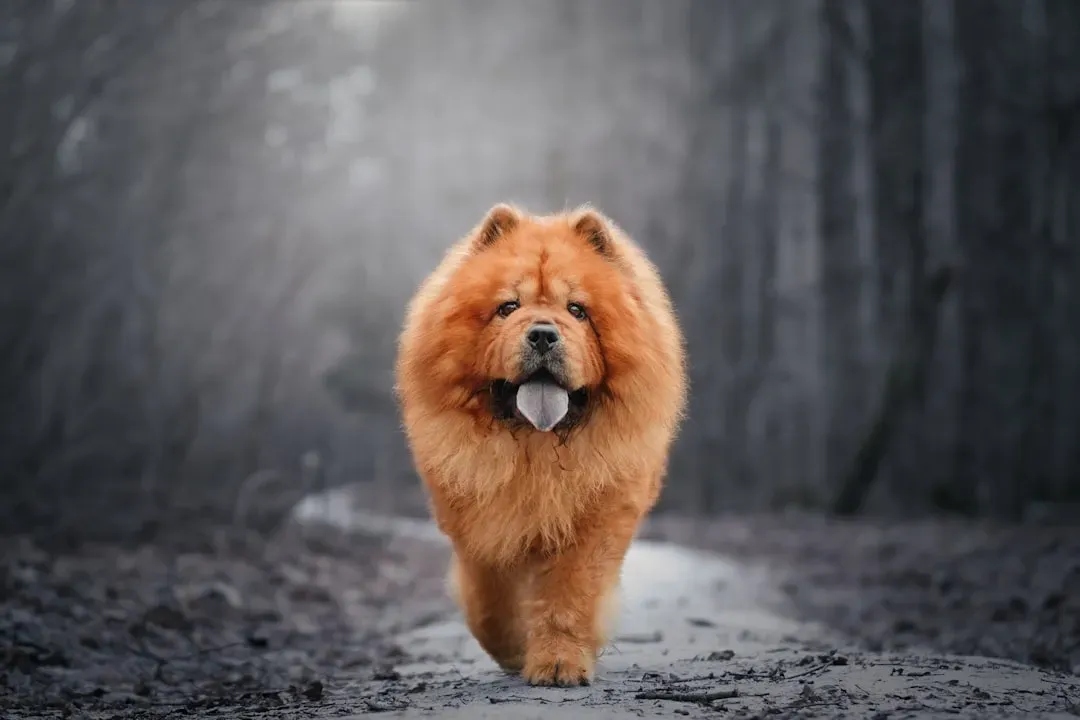
Chow Chows are not just distinctive in appearance but also in personality, tending to be aloof and very independent, which can make training a challenge. These fluffy lions have attitudes to match their impressive looks.
Chow Chows are not naturally inclined to obedience, instead being independent thinkers who value autonomy. They’re loyal to their family but wary of strangers, and they need experienced owners who can establish leadership without being harsh. Think of them as furry philosophers who need to understand the “why” behind your commands, not just blindly follow them.
Jack Russell Terrier: Energy and Stubbornness Combined
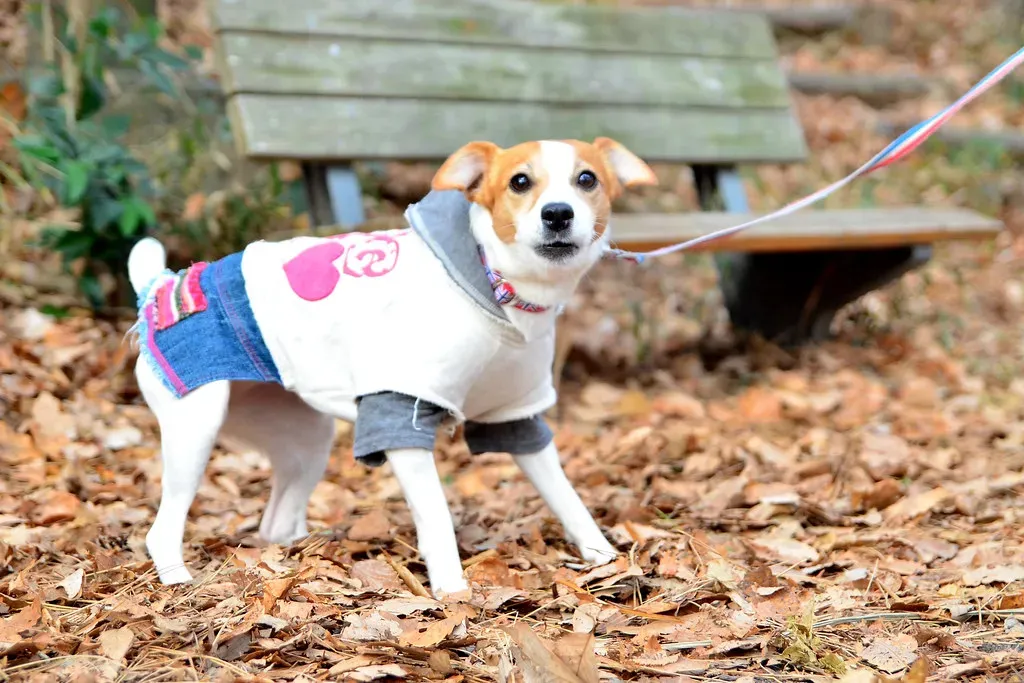
For a small dog, the Jack Russell Terrier sure has a big fursonality, known for their fun-loving and independent attitude, with a streak of stubbornness that makes them difficult to train. These pocket rockets are clever, energetic, and absolutely relentless.
The Jack Russell Terrier was bred to hunt small prey like foxes, so it’s no surprise they often act like they’re on their own mission. They need structured routines, plenty of exercise, and owners who can keep up with their mischievous antics. If you’re not careful, they’ll be running the show before you know it.
Scottish Terrier: Dignified and Determined
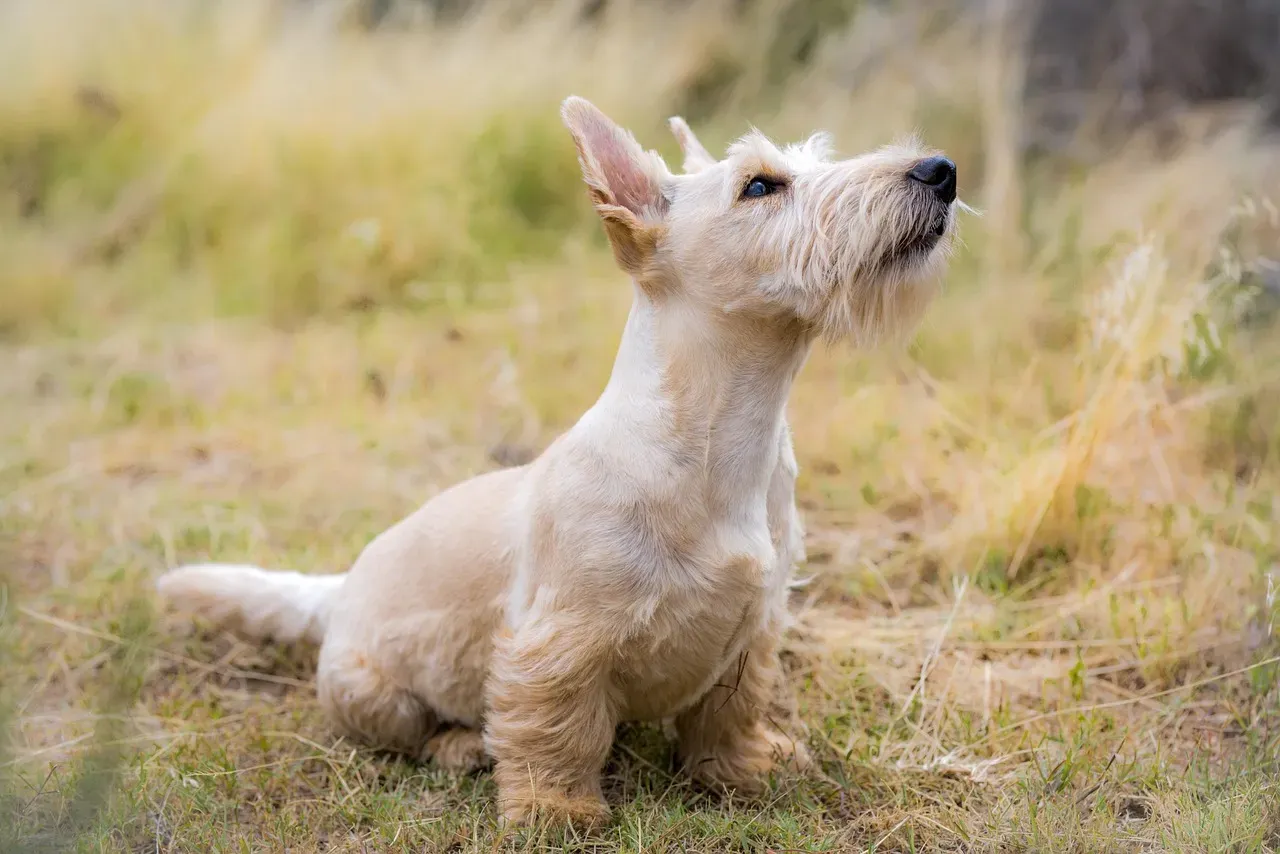
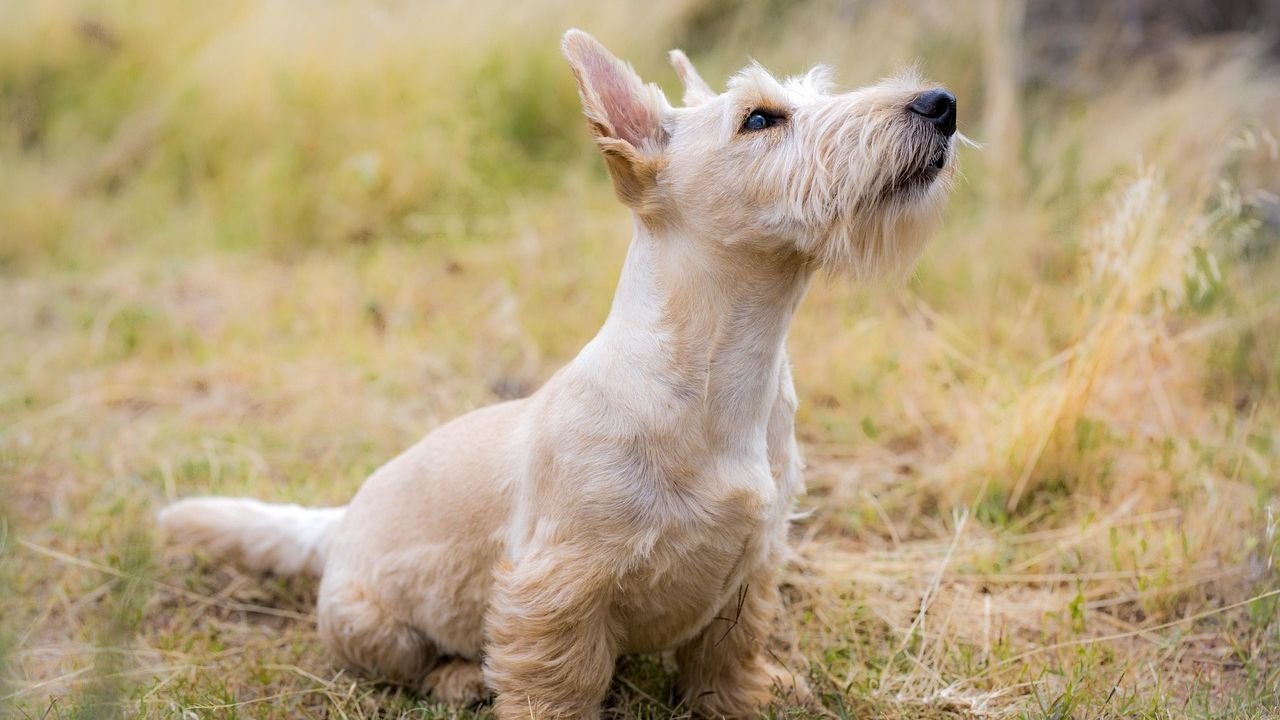
This handsome Terrier knows how pawesome they are and will likely do whatever they want, bred to hunt small game with bravery, activity, and loyalty to their family, but also really stubborn because they believe they’re in charge.
Scotties have big personalities packed into compact bodies. Scottish Terriers are loyal to one person, meaning you’ll need to commit to obedience training and socialization as soon as they are old enough. They’re independent thinkers who need firm training from day one, or they’ll happily inform you who’s really the boss in your relationship.
Border Collie: The Brilliant Listener
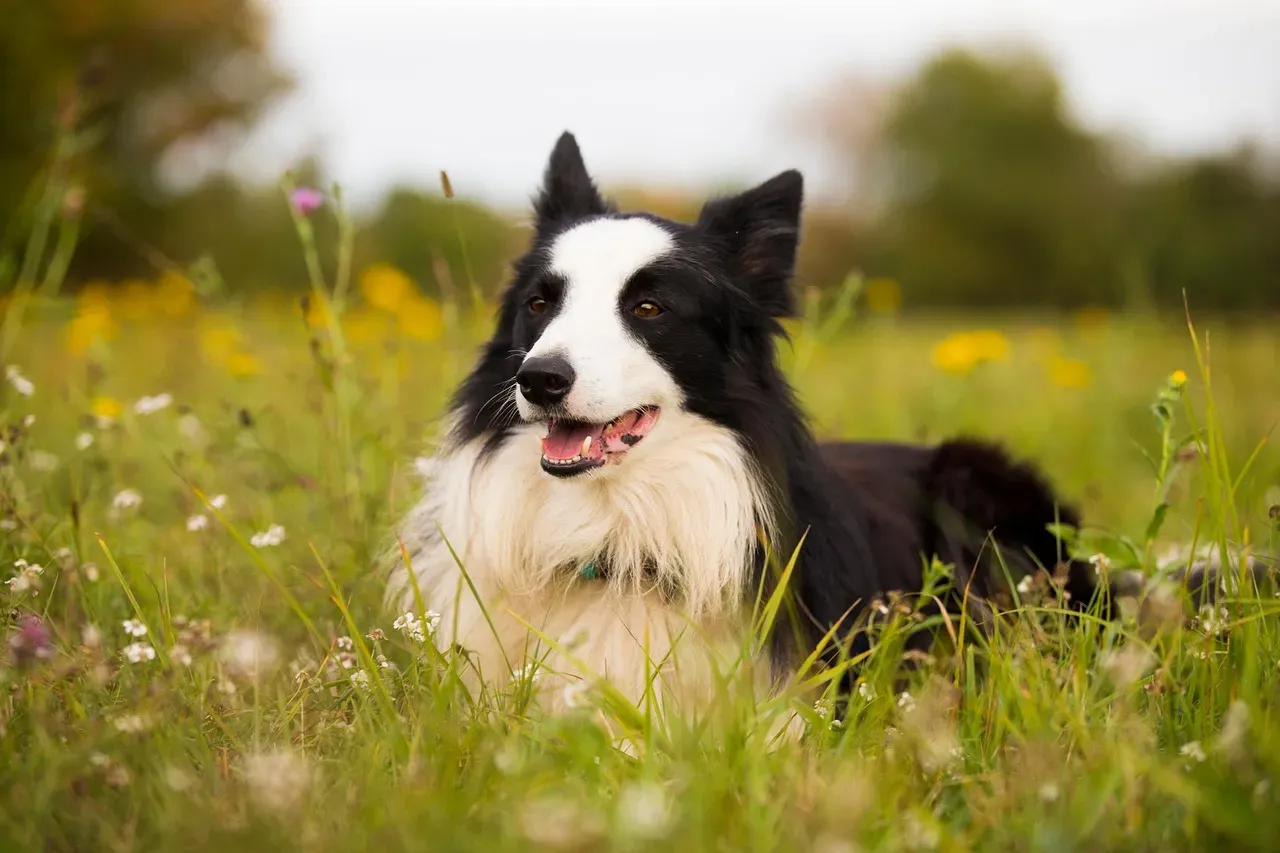
Now let’s switch gears and talk about the dogs who actually want to please you. Border collies are one of the smartest dog breeds with an unmatched understanding of their humans, staying in tune with the people and pets around them, quick and eager to learn with a strong work ethic and a love of activity.
Border Collies are popular working dogs because they are smart, energetic, and have an innate desire to work, often regarded as the world’s best herding dogs. These dogs thrive when given jobs to do. They need mental stimulation and physical exercise, but they’ll learn commands faster than you can teach them.
Labrador Retriever: America’s Sweetheart
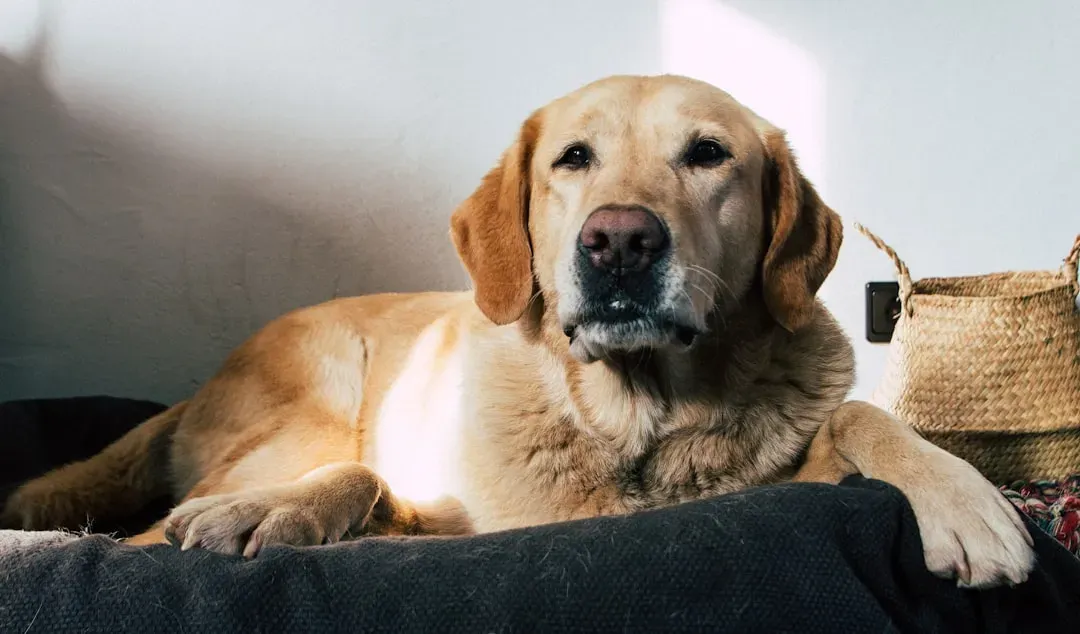
The Labrador Retriever is friendly, energetic, and eager to please, often considered an ideal first pet as you begin learning how to train dogs. There’s a reason Labs have been America’s favorite breed for decades.
Labs have consistently been top-ranked at the club’s National Obedience Championship for the past several years, even winning it on several occasions, and are eager-to-please pups and some of the easiest dogs to train. They’re gentle, patient, and love challenges, which makes training them an absolute pleasure. Food motivation and games of fetch are their love language.
Golden Retriever: The Perfect Family Companion
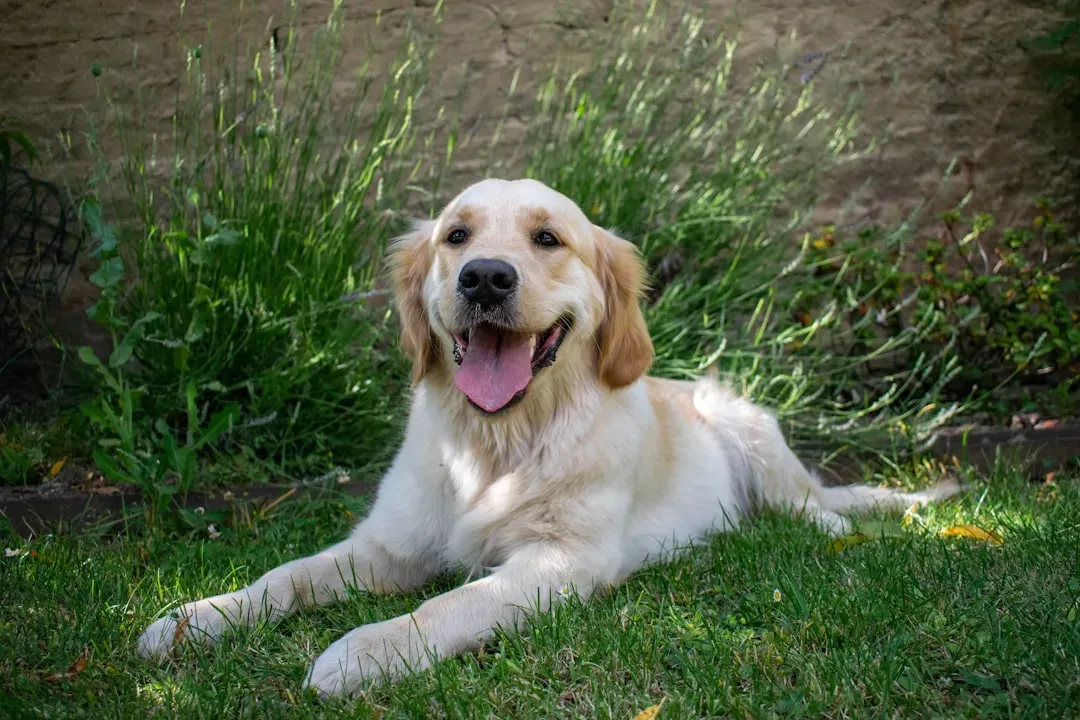
Golden Retrievers are well-known for their friendly, outgoing nature and their exceptional trainability, often praised for their intelligence and eagerness to please, which makes them one of the easiest breeds to train. Honestly, Goldens might be the most universally beloved dogs on the planet.
Goldens are often known for being a bit goofy, but they’re also extremely loyal to their people and eager to please, and their friendly and patient nature makes them excellent candidates for obedience training and advanced skills like search and rescue or therapy work. They’re gentle, smart, and just genuinely want to make you happy. What more could you ask for?
German Shepherd: The Dedicated Worker
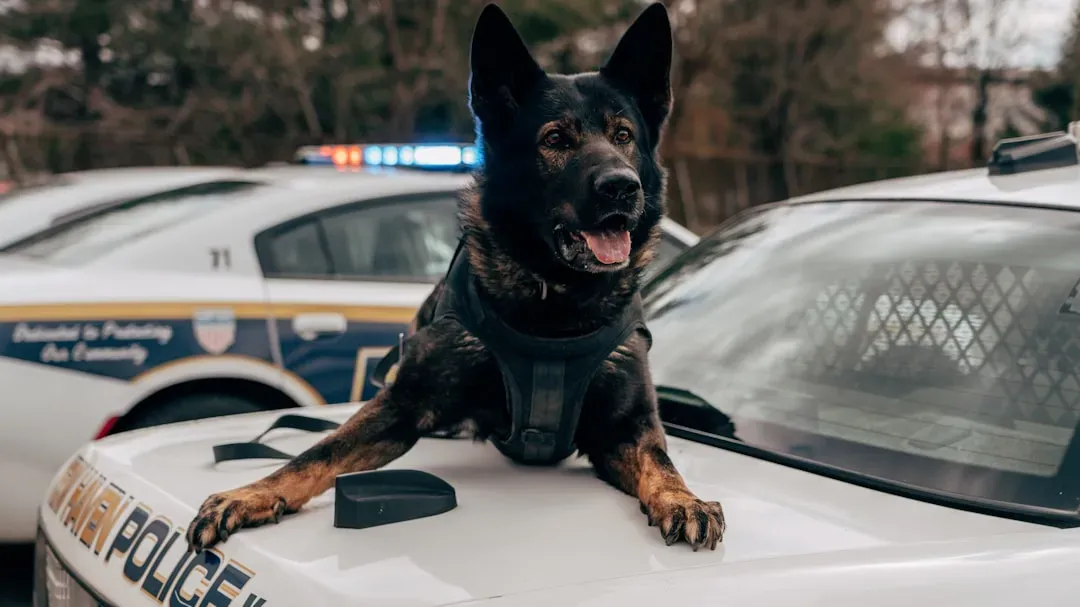
German Shepherds are often used in police and military roles due to their trainability, and with proper socialization and everyday skill training, these intelligent and courageous dogs can adapt easily to life as family companions.
German shepherds are actually quite affectionate family members, good around other dogs, and high energy, requiring daily mental stimulation and activity with their eager to please personality making them very easy dogs to train. They’re quick learners who excel in obedience and protection work. Their loyalty and intelligence mean they thrive when given clear purpose and structured training.
Poodle: Beauty and Brains
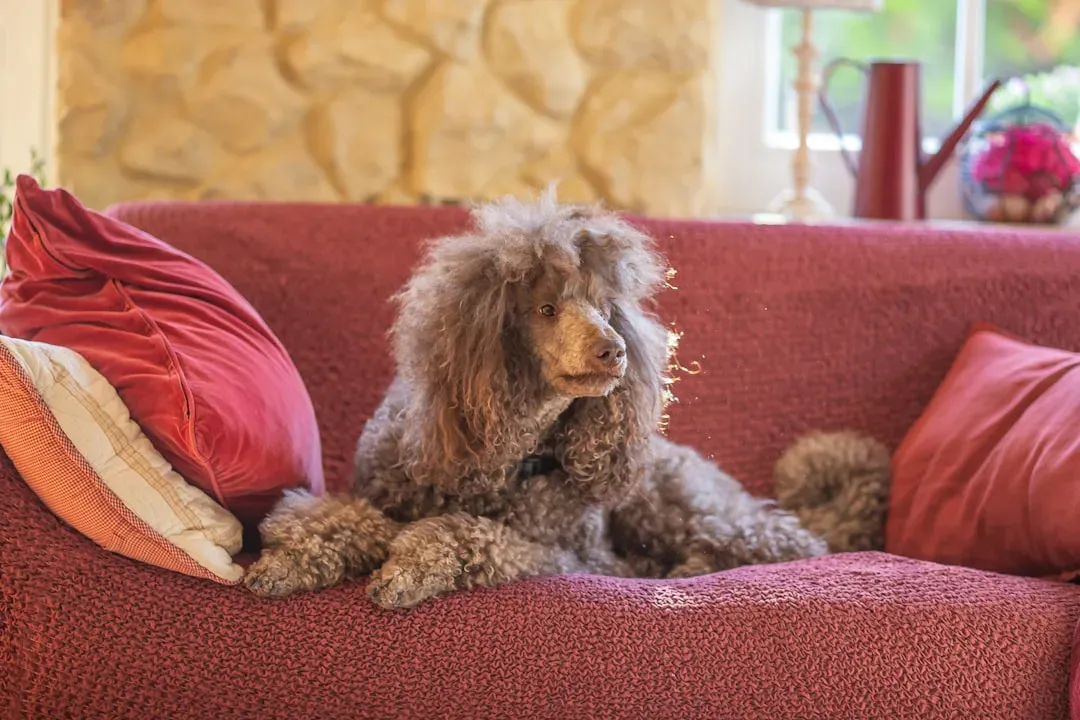
Standard Poodles are quick learners, and their desire to please their owners makes them one of the easiest breeds to train. Behind that fancy haircut is one seriously intelligent dog.
All three types of Poodle tend to do well at training, and these intelligent and elegant dogs also come with a high desire to please their humans, allowing them to excel at obedience training and various dog sports. They’re athletic, adaptable, and excel in everything from agility to retrieving tasks. Their eagerness to learn combined with their problem-solving abilities makes them exceptional students.
The Bottom Line on Stubborn Versus Eager
Here’s the thing I’ve learned after years of working with dogs: stubbornness isn’t always a bad trait. The most stubborn dog breeds tend to be intelligent, independent, and occasionally infuriating, but while stubborn dogs may be harder to train, they often make fiercely loyal and clever companions when handled with patience.
What seems to us as stubborn is actually a very strong motivation that does not lie in the rewards we are looking to offer, and strong willed dogs usually are more driven by their instincts than external rewards. Understanding your dog’s breeding history helps you appreciate why they behave the way they do. Independent breeds need creative training, high-value rewards, and owners who respect their intelligence. Eager-to-please breeds thrive on positive reinforcement and structured learning.
Every dog, regardless of breed, deserves patience and understanding. Whether you’ve got a stubborn Husky who thinks recall is optional or a Golden Retriever who lives to obey, training is about building trust and communication. Did you end up with a stubborn breed by accident, or did you know what you were getting into? Either way, the journey of understanding your dog’s unique personality is what makes the relationship so rewarding.


