
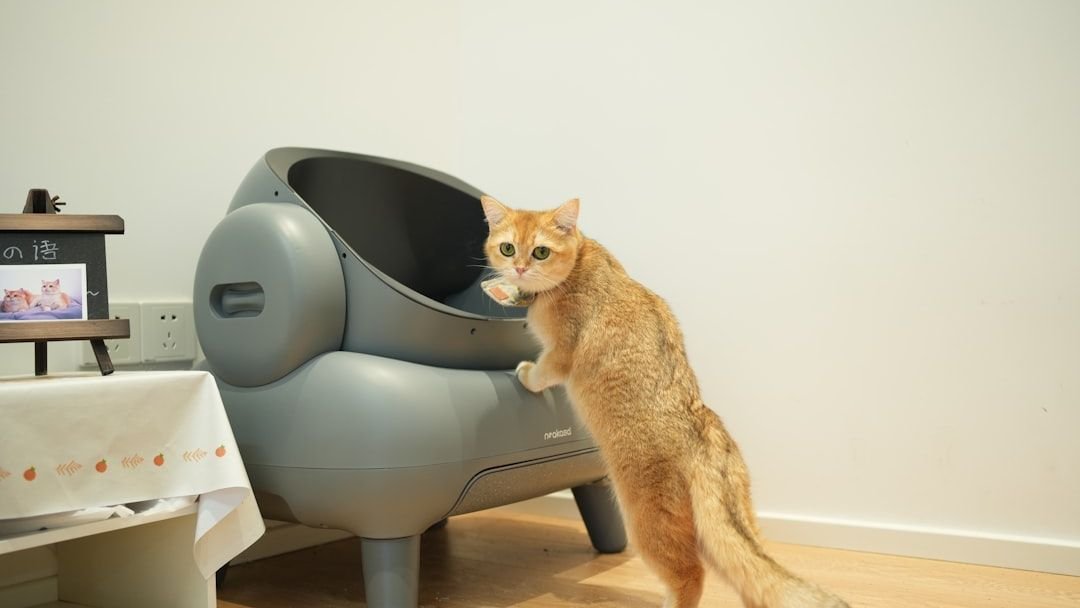
There’s nothing quite as frustrating as walking into your living room and smelling that unmistakable scent of cat urine where it absolutely should not be. Your carefully trained feline has suddenly decided the corner of your bedroom or perhaps your favorite rug is a perfectly acceptable bathroom. I know how maddening this can be. The good news is that cats don’t do this out of spite or revenge, even though it might feel that way at 3 a.m. when you’re scrubbing the carpet.
Most of the time, cats peeing outside the box are dealing with issues that can be treated – whether it’s a medical condition, stress, or a behavioral issue. Understanding why your cat is avoiding their litter box is the first step toward solving the problem. Let’s explore the six most common reasons behind this frustrating behavior and what you can actually do to fix it.
Medical Issues Are Often the Hidden Culprit
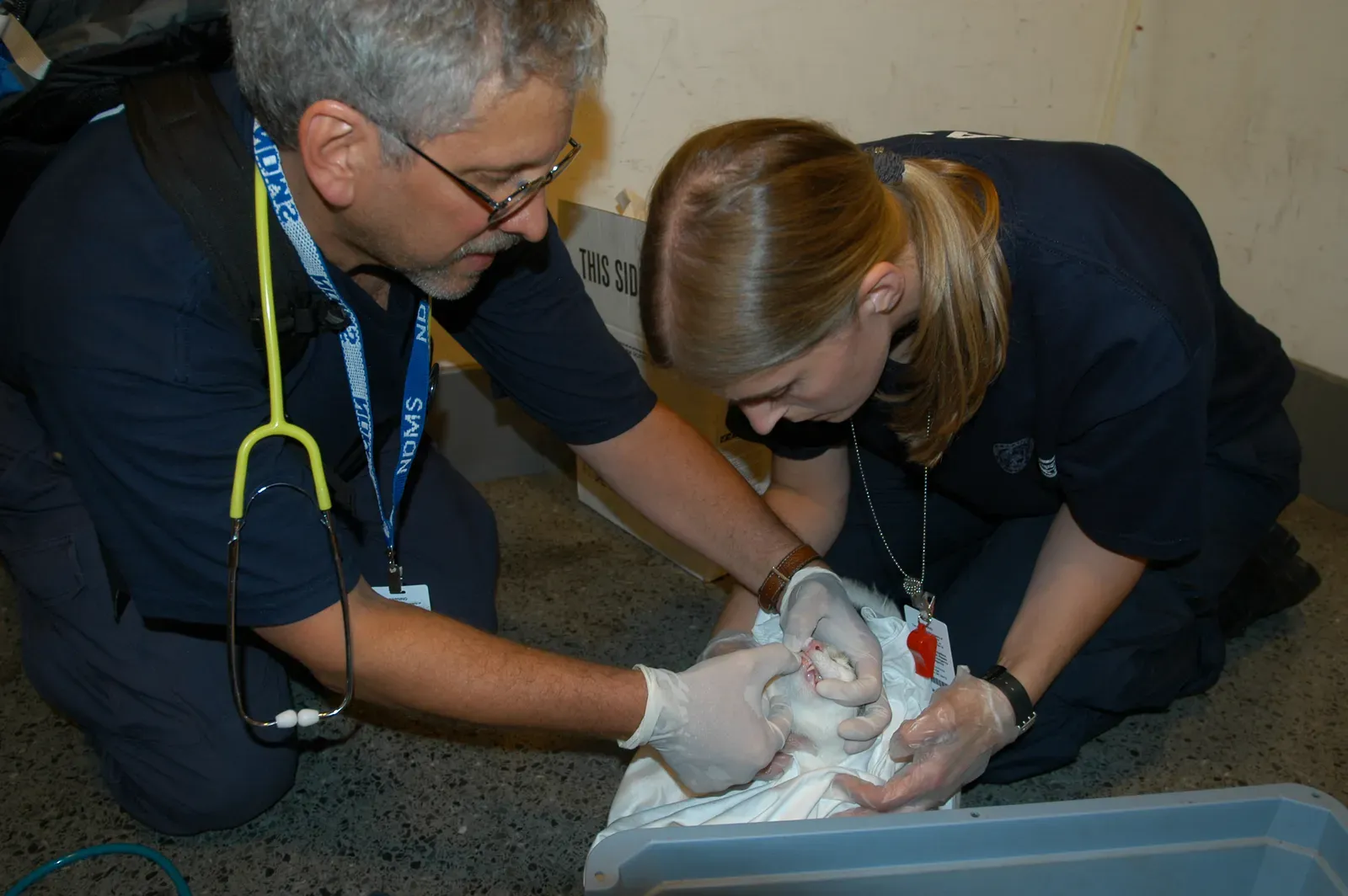
Here’s the thing that many cat owners don’t realize at first. If your cat suddenly begins peeing outside of the litter box, it’s most likely due to a medical issue. Your cat isn’t being difficult or trying to get back at you for leaving them alone all day. They’re potentially in pain or discomfort.
This behavior could be the result of a urinary tract infection, kidney disease, or diabetes. Urinary tract infections cause bacteria to affect the bladder or kidneys, leading to inflammation that makes peeing painful. Cats may associate the litter box itself with that pain, causing them to avoid it entirely.
Bladder stones and crystals are other common medical problems. Stones in the bladder can roll around and cause inflammation of the bladder wall, which then leads to an urgency to go. Think about it from your cat’s perspective. If you felt a sudden, painful urge to urinate, you might not make it to the designated spot either.
Kidney and thyroid diseases as well as diabetes mellitus are also possible culprits in a failure to use the litter box, as they often lead a cat to drink more and urinate more frequently. Older cats with arthritis might find it physically painful to climb into a box with high sides. The very first step you should take is scheduling a vet appointment to rule out these health concerns.
Sometimes the medical issue is subtle. Age-related diseases that interfere with a cat’s mobility or with his cognitive functions can influence his ability to get to the litter box in time. Your senior cat might simply need a box that’s easier to access.
Honestly, skipping the vet visit is a mistake many people make. Most medical conditions can be ruled out through urine and blood tests. Once you know your cat is medically cleared, then you can start investigating environmental and behavioral causes.
A Dirty Litter Box Is a Deal Breaker for Cats
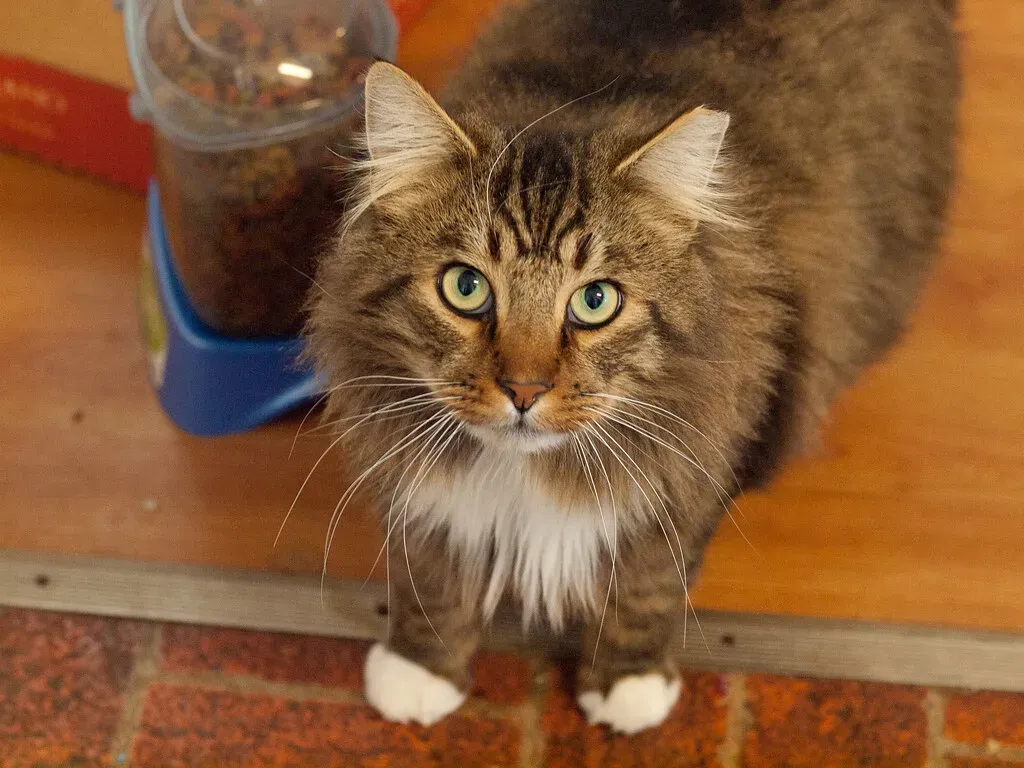
Let’s be real. Would you want to use a filthy public restroom? Neither does your cat. Cats are incredibly clean animals with a sense of smell far more sensitive than ours. The feline sense of smell is much stronger than ours, so a box that seems “clean enough” to you might still smell disgusting to your cat.
Scoop the litter every day, or multiple times a day if you have multiple cats in your home. Refresh the litter and do a deep cleaning of the box every one to two weeks. This isn’t just a suggestion. It’s basically a requirement if you want your cat to consistently use their box.
I think many cat owners underestimate just how picky cats can be about cleanliness. In the same way that humans do not want to use a dirty restroom, your cat will not want to use their litter box if it is filthy. If you haven’t had a chance to properly clean it, your cat may pee next to the litter box instead of inside the box. The irony is that your cat is trying to be considerate by going near the box rather than in it.
Cats can be very picky about using a box that already contains urine or feces, particularly if that urine or feces is not their own. In multi cat households, this becomes even more critical. One cat’s mess can turn off another cat completely.
Consider investing in a self cleaning litter box if you struggle to keep up with daily scooping. The effort you put into maintaining a pristine litter box will directly translate to fewer accidents around your home. It sounds crazy, but a clean box can solve roughly half of all litter box problems.
Wrong Litter Type Can Send Your Cat Elsewhere
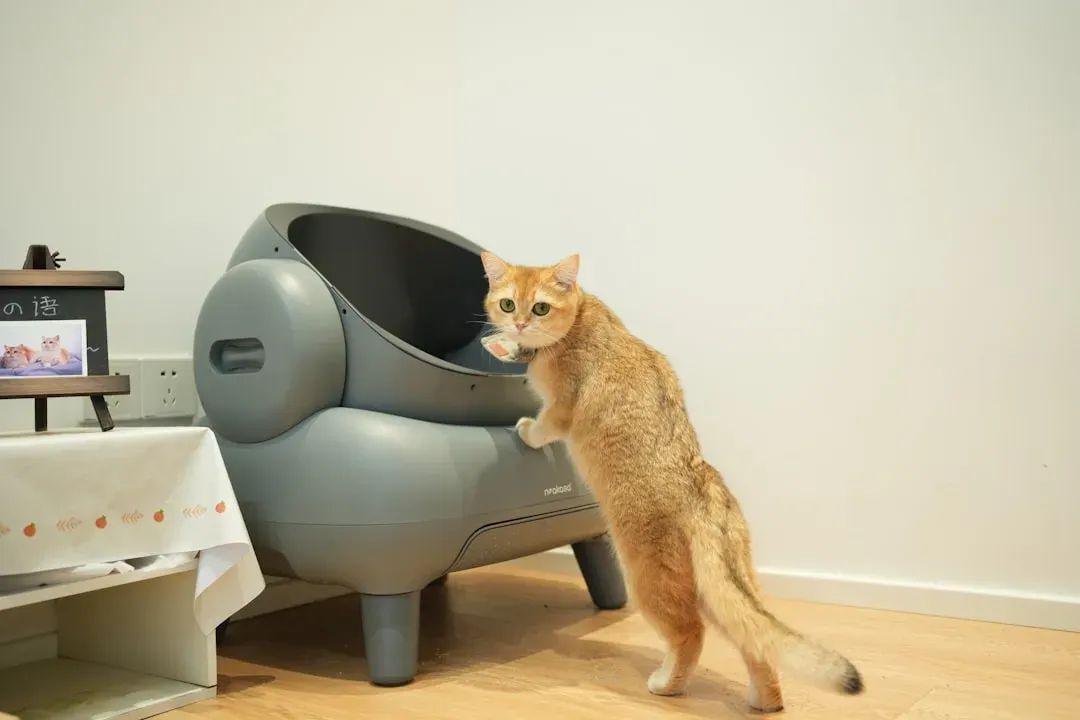
Not all litter is created equal, at least not in your cat’s opinion. Cats tend to prefer fine, soft textures like clay or silica over pellets due to the large particles, so it’s possible your cat may not like the type of litter you bought for them. You might have switched brands to save money or because your local store was out of the usual kind, but your cat noticed immediately.
Heavily perfumed cat litter may seem to be the better choice for you, but cats tend to disagree. Their noses are more sensitive than ours, so what smells pleasant to us can be overpowering to them. That lovely lavender scent you adore might smell like a chemical factory to your feline friend.
They also like to stick with what’s familiar, so a cat may urinate outside the litter box if you suddenly switch to a new type of litter. Cats are creatures of habit. Sudden changes in their environment can throw them off completely.
Research shows that most cats prefer unscented, clumping clay litter. Studies have shown that among cats, the all-around favorite litter type is an unscented, clumping clay litter containing activated charcoal. If you want to experiment with different types, keep at least one box filled with their preferred litter as a backup option.
Some cats also have texture preferences based on what they experienced as kittens. If you have a kitten that spent time with their mother before coming home with you, it’s possible they learned what type of litter they’d like from their mother. Trial and error might be necessary to find what works best for your particular cat.
Litter Box Location and Setup Matter More Than You Think
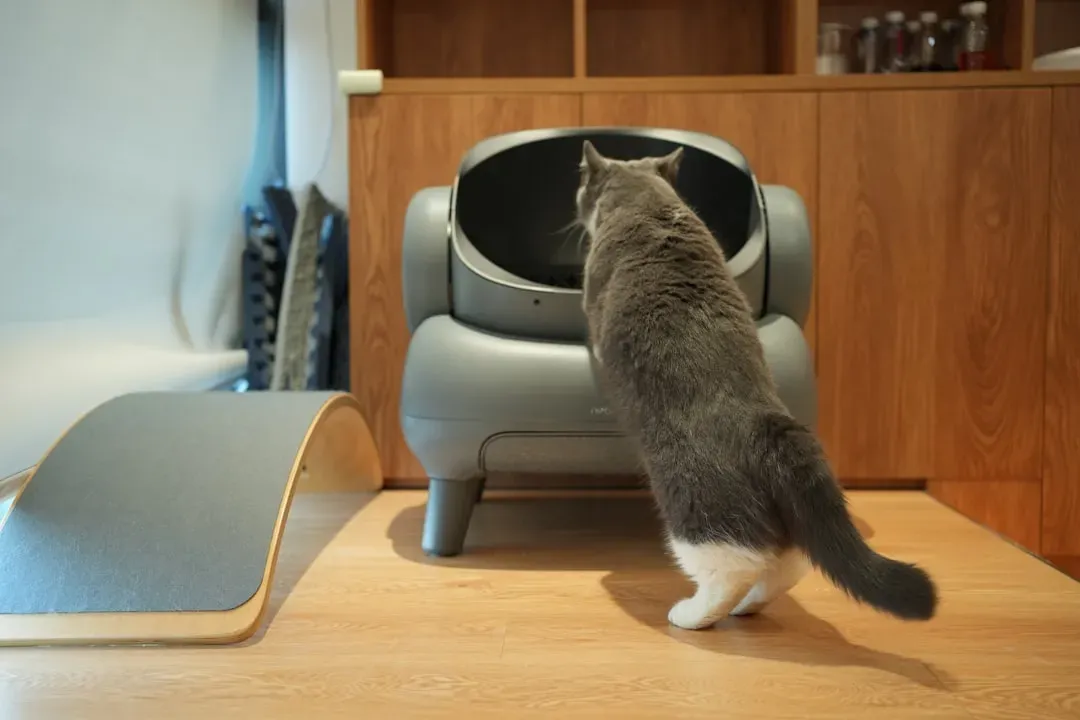
In addition to litter box cleanliness, the placement of the boxes could cause your cat to go elsewhere. For example, a box that is in a basement can be a problem for an older cat that has trouble with stairs or their eyesight. Location truly is everything when it comes to litter boxes.
Cats prefer quiet, easily accessible spots for their bathroom needs. Place litter boxes in quiet, easily accessible areas where your cat won’t be disturbed while doing their business. Avoid high-traffic areas and places, such as the laundry room, where loud noises may frighten your whiskered pal. The sound of a washing machine’s spin cycle or a furnace kicking on can startle a cat mid business.
If you have multiple stories in your home, you’ll want at least one on each floor. Think about it: if you were on the second floor of your house, would you want to run all the way downstairs to use the bathroom? Neither does your cat. Convenience matters, especially for older cats or those with mobility issues.
The general rule of thumb is one box per cat, plus an extra one. So if you have two cats, you need three litter boxes minimum. This prevents territorial disputes and ensures each cat always has access to a clean box. Placing boxes in separate areas throughout your home gives cats privacy and options.
Box design also plays a role. Many cats dislike covered litter boxes because they can’t see potential threats approaching. Ensure you place boxes in areas where your feline friend can see people and other pets approaching. Cats don’t like feeling trapped or ambushed when in their litter box. An open box in a corner where they have clear sightlines often works better than a fancy enclosed model.
Stress and Anxiety Can Trigger Inappropriate Elimination
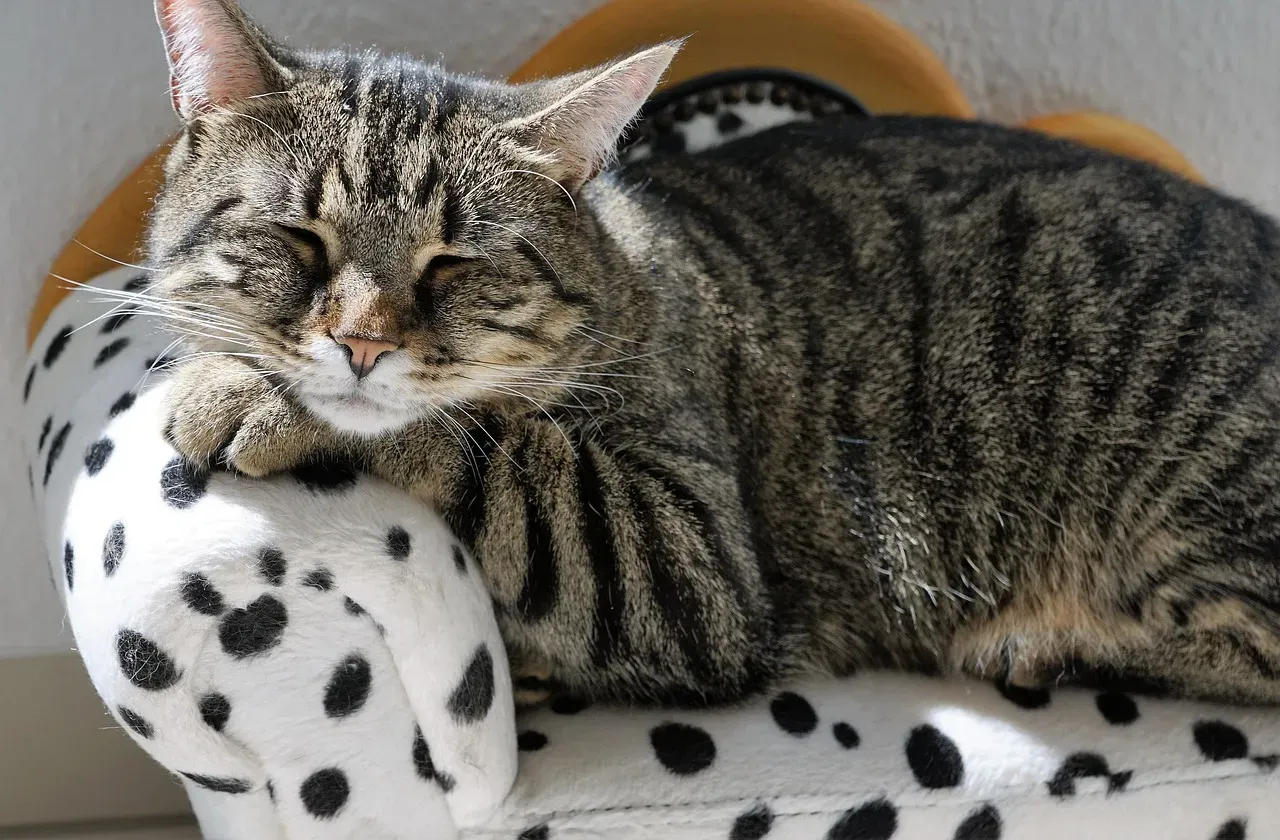
Cats are surprisingly sensitive creatures. Cats are sensitive to changes in their environment and routine. Stress and anxiety can lead to changes in behavior, including peeing outside the litter box. What seems like a minor change to you might feel like a major upheaval to your cat.
Common stressors include moving to a new home, the arrival of a new pet or baby, or changes in the household routine. Even something as simple as rearranging furniture or getting new curtains can disorient a cat enough to cause litter box avoidance. All of these changes are disorienting to your kitty and can lead to inappropriate urination.
A cat who is anxious, nervous, or stressed may pee outside the box. This isn’t “revenge-peeing” or holding a grudge – though many humans blame passive-aggressive kitties. A distressed cat can forget routines or legitimately have difficulty with bladder control. They’re not being spiteful. They’re genuinely overwhelmed.
Changes in your schedule can also affect your cat. If you suddenly started working longer hours or traveling more frequently, your cat might be experiencing separation anxiety. If your cat is peeing on your bed, pillows, or clothes, especially while you are gone, it might be a symptom of separation anxiety. Peeing on items that smell like you is actually their way of seeking comfort.
Consider using calming aids like pheromone diffusers to help reduce stress. Creating a predictable routine with regular feeding times and play sessions can also help anxious cats feel more secure. Sometimes addressing the underlying stressor is all it takes to solve the problem completely.
Multi Cat Household Conflicts Create Litter Box Drama
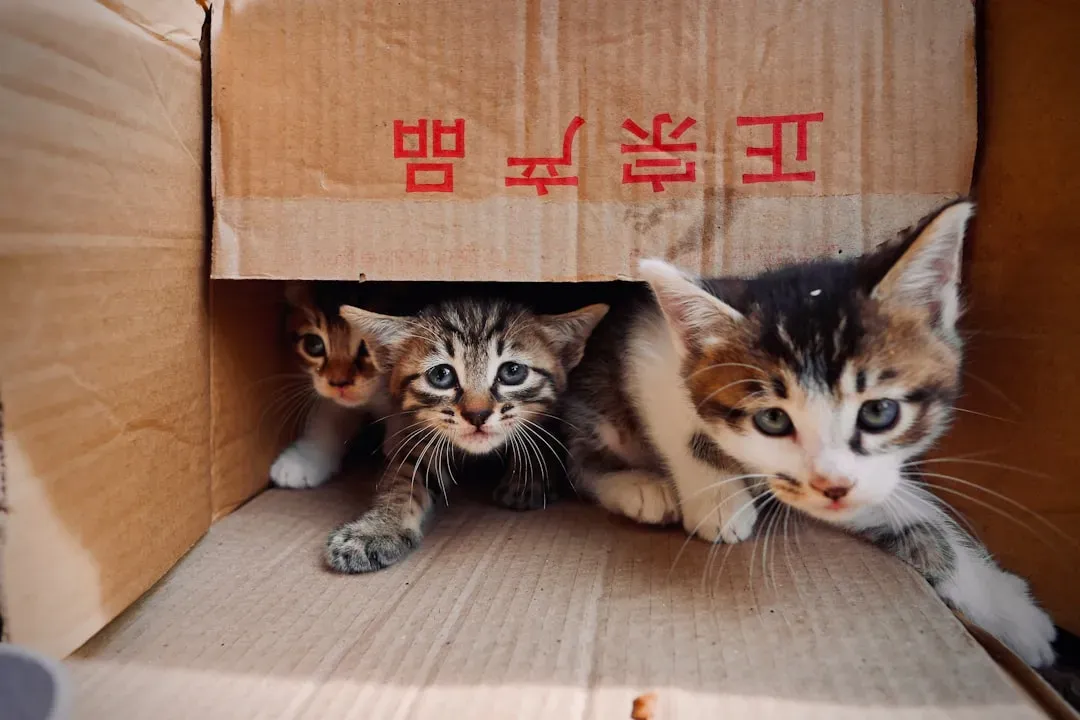
If you have multiple cats, conflicts between them might be causing litter box issues. Conflicts between multiple cats or the introducing a new cat may cause inappropriate urination. If your cats got into an altercation in or near the litter box, they may choose to avoid the box rather than take the chance that another fight will happen if they use it.
One cat may also be guarding the litter box. Make sure you have several litter boxes spaced out throughout your house so one cat can’t prevent access to all the boxes at the same time. A bully cat can essentially control bathroom access, forcing more timid cats to find alternative spots.
The dynamics in multi cat homes are complex. In households with multiple cats, territorial disputes can lead to inappropriate urination. Ensuring each cat has their own space, including separate litter boxes, food, and water dishes, can help reduce conflict and marking behaviors. Think of it as giving each cat their own private bathroom rather than forcing them to share.
Box placement becomes even more critical when you have multiple cats. Place the litter boxes in different rooms to provide privacy and peace. Two boxes side by side might seem convenient to you, but cats perceive them as one large box, which doesn’t solve territorial issues.
Sometimes you need to temporarily separate cats to let tensions fade. Separate your cats for a while to let the tensions fade, and then try gradually reintroducing them. During the reintroduction process, make absolutely certain each cat has guaranteed access to their own resources. With patience and proper setup, most multi cat households can overcome litter box problems.
Conclusion: Solving the Puzzle Takes Patience and Detective Work
Fixing litter box problems isn’t always quick or straightforward, but it is almost always possible. The key is approaching the situation methodically rather than getting frustrated with your cat. Start with a veterinary exam to rule out medical causes, then systematically address environmental factors like cleanliness, litter type, box location, and potential stressors.
Addressing the underlying reason is the best way to stop your cat from peeing outside the litter box. Sometimes the solution is as simple as adding another litter box or switching to unscented litter. Other times it requires managing multi cat dynamics or helping an anxious cat feel more secure.
Remember to thoroughly clean any areas where your cat has urinated using enzymatic cleaners. Use an enzymatic cleaner to remove all traces of the scent, as cats may be drawn back to the same spot if they can still smell their own urine. Never use ammonia based cleaners, as they can actually attract cats back to the same spot.
Most importantly, never punish your cat for inappropriate elimination. Never punish your cat for peeing outside of the litter box. Punishment only increases stress and anxiety, making the problem worse. Your cat is trying to communicate that something is wrong, whether it’s a health issue, environmental problem, or emotional distress.
With dedication and the right approach, you can restore harmony to your home and get your cat back to using their litter box consistently. Has your cat ever had litter box issues? What solution worked best for you?


