
Why Cat Purrs Form a Unique Vocal Fingerprint Over Shifting Meows
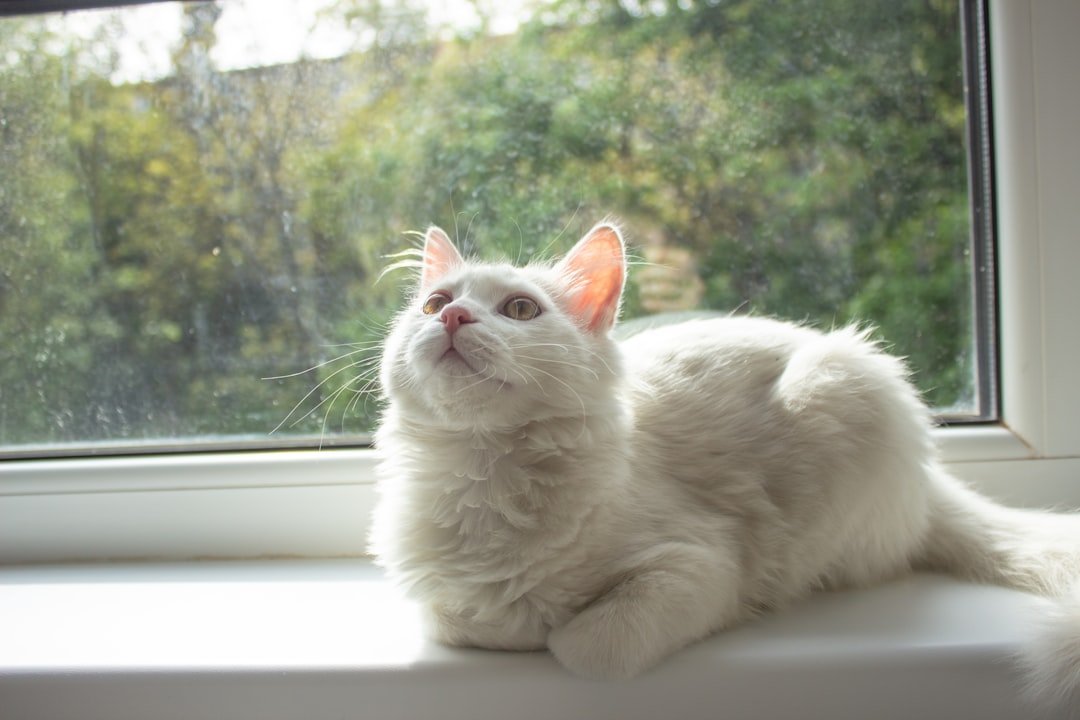
Purrs Hold Steady as Personal Signatures (Image Credits: Unsplash)
Recent scientific analysis has uncovered the distinct individuality embedded in a cat’s purr, setting it apart from the more variable meow.
Purrs Hold Steady as Personal Signatures
Researchers discovered that a cat’s purr maintains remarkable consistency across its lifetime. This stability turns the purr into a reliable vocal marker for each animal. Unlike other sounds, it does not fluctuate with external factors.
Cat owners frequently describe their pet’s purr as instantly recognizable. The sound emerges during moments of comfort, such as when a cat relaxes near a trusted companion. Scientists confirmed this through precise audio examination, revealing purrs as far superior for pinpointing individual cats compared to meows.[1]
Advanced Tools Unlock Feline Vocal Secrets
Experts at the Museum für Naturkunde Berlin and the University of Naples Federico II led the investigation. They applied sound analysis techniques originally designed for human speech recognition. Recordings came from the Animal Sound Archive at the Berlin Natural History Museum.
The team compared purrs and meows from domestic cats against those of wild species like African wildcats, jungle cats, cheetahs, and cougars. Purrs proved consistently unique, acting like a “vocal fingerprint” tied to the individual cat, regardless of context.[1]
Domestication Reshapes Meows, Spares Purrs
Domestic cats developed more versatile meows over generations living with humans. These sounds vary in pitch and tone to signal hunger, seek attention, or express displeasure. Wild cats, by contrast, produce simpler meows with less range.
Purring, however, resisted such changes. It links closely to feelings of safety and bonding, from kittens with mothers to adults with owners. This grounding in emotional security keeps the purr stable and deeply personal.
- Meows adapt to moods and needs, shifting frequently.
- Purrs signal comfort, remaining unchanged over time.
- Domestic meows exceed wild counterparts in variety.
- Audio tests favor purrs for cat identification.
- Purring reflects trust rather than demands.
Insights for Understanding Cat Emotions
The findings highlight purrs as windows into a cat’s sense of well-being. A steady purr suggests security and contentment. Owners can use this knowledge to gauge their pet’s emotional health more accurately.
Meows, while communicative, demand context to interpret fully. Their flexibility aids interaction with people but obscures individual traits. Purrs offer clearer, unchanging clues about identity and inner state.
Key Takeaways
- Purrs serve as lifelong vocal IDs, outperforming meows in recognition tests.
- Domestication boosted meow variety but left purrs consistent.
- Listen to your cat’s purr for signs of comfort and trust.
Cat communication reveals layers of evolution and personality shaped by human companionship. Next time your cat purrs contentedly, recognize it as a signature sound all its own. What distinctive qualities do you notice in your cat’s purr? Share in the comments.