
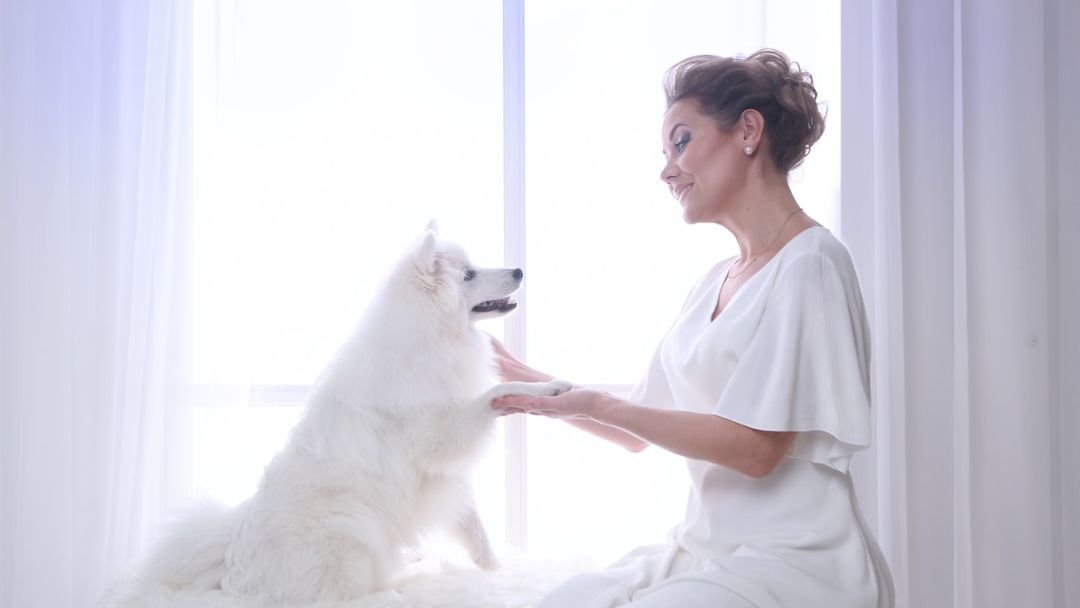
You’re in the middle of telling your dog it’s not time for a walk yet, and what does he do? He looks you dead in the eyes and lets out a long, dramatic whine followed by a low, grumbling woof. It feels hilariously human, doesn’t it? Almost like he’s saying, “Excuse me, I respectfully disagree.”
That moment is something millions of dog owners know all too well, and honestly, it’s one of the most endearing things about sharing your life with a dog. Talking back, or what behaviorists call “vocalizing,” is far more purposeful than it looks. There’s real science and real emotion behind every whimper, howl, and grumble your pup throws your way. Let’s dive in.
Your Dog Isn’t Being Rude – They’re Communicating
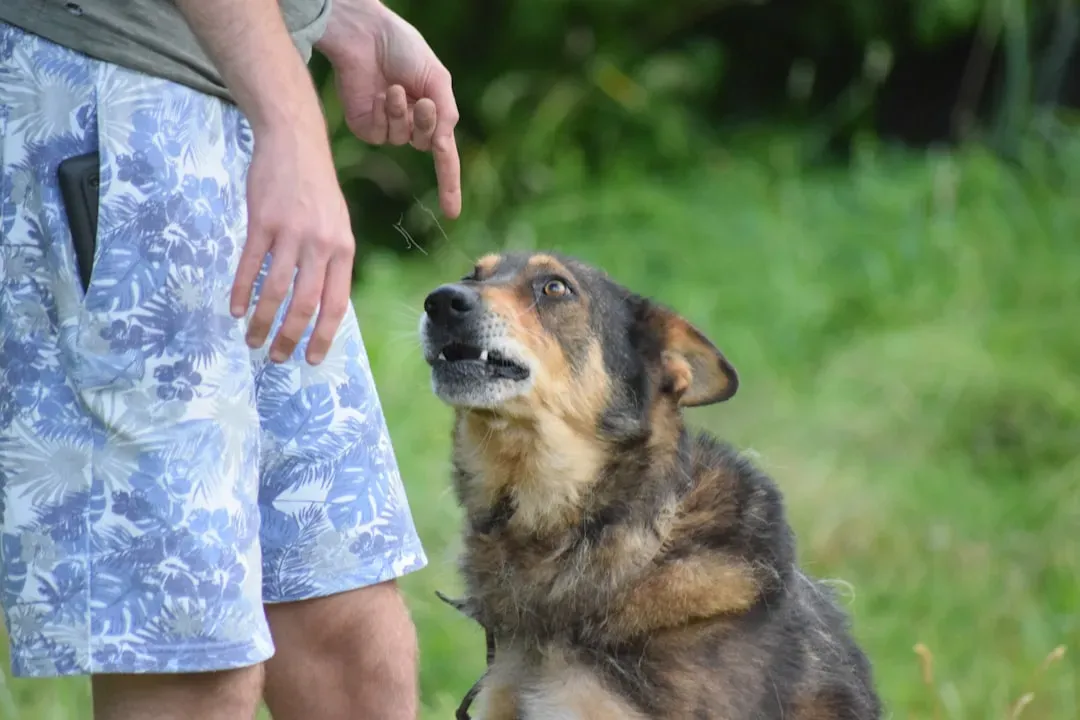
Here’s the thing most people get wrong: they assume a dog that talks back is being defiant. In reality, your dog is doing the most natural thing a social animal can do. Dogs have a remarkable ability to communicate through a variety of sounds, and because each vocalization conveys a specific message or emotion, understanding the meaning behind different vocalizations can help owners address their pets’ needs more effectively, leading to a stronger bond and a happier, healthier dog.
Think of your dog’s vocalizations as a second language, one they’ve been speaking since birth. By the age of four weeks, a dog has developed the majority of its vocalizations. The dog is actually the most vocal of all canids and is unique in its tendency to bark in myriad situations. So that dramatic back-and-forth with your Labrador? It’s rooted in thousands of years of deeply wired communication instinct.
The Many Voices of a “Talking” Dog
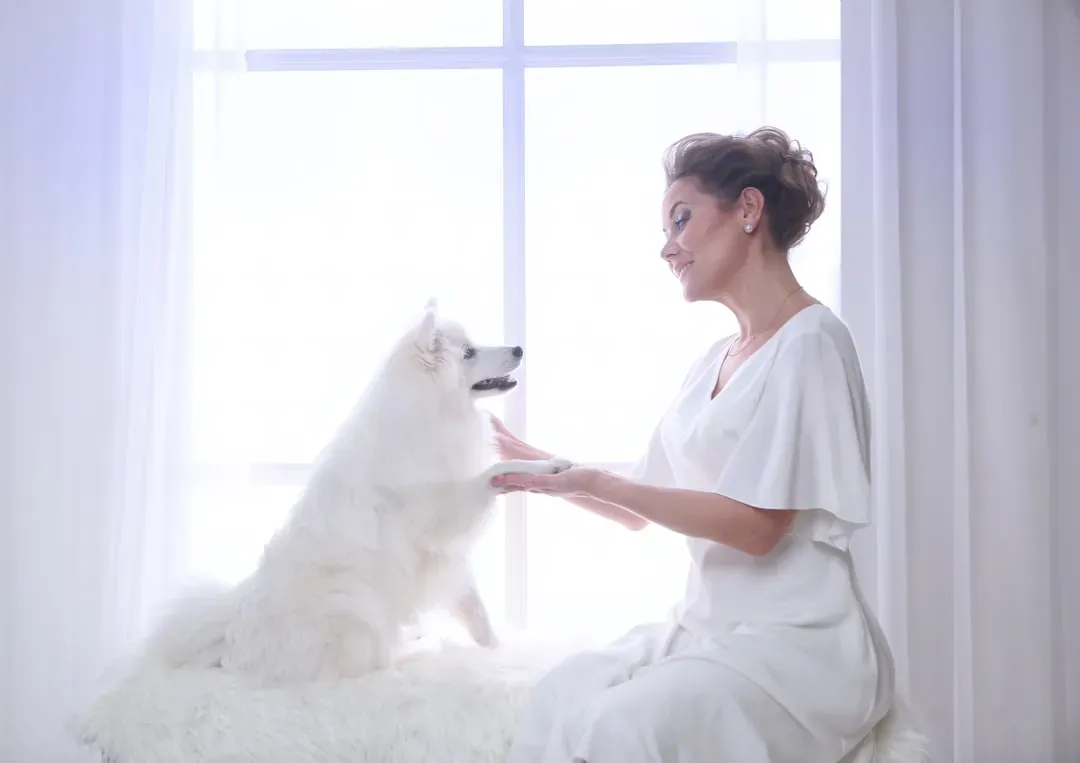
Auditory communication in dogs can include barks, growls, howls, whines and whimpers, screams, pants, and sighs. Each one carries its own emotional fingerprint, and learning to tell them apart is genuinely life-changing for your relationship with your dog. I think a lot of owners underestimate just how nuanced this vocal library really is.
Dogs use whining to express specific needs, such as to go outside to relieve themselves, a desire to play, or feelings of hunger, unhappiness, pain, anxiety, or excitement. Meanwhile, sighing or groaning can happen when a dog is settling down to rest or being petted, but it can also be a sign of disappointment, such as when it is not mealtime yet or they’re not getting to go for a walk when they want. That dramatic sigh after you say “not now”? Pure canine disappointment. Completely valid.
When Breed and Biology Turn Up the Volume
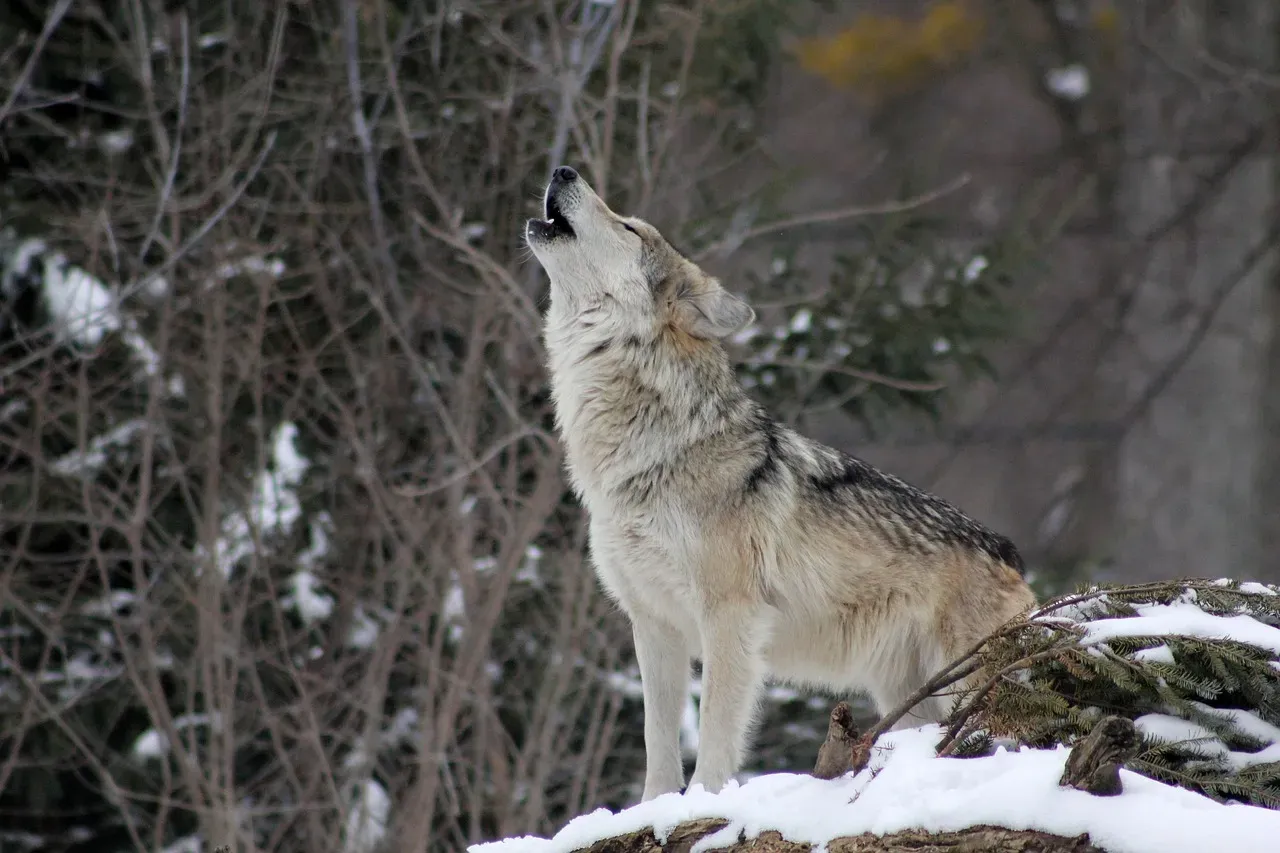
Some dogs are just born louder, and it’s not a training failure on your part. Huskies and Alaskan Malamutes come from cold climates where long-distance howling helped them communicate with their pack across snowy landscapes. They’re known for their vocal “talking,” a range of sounds from whining to dramatic “woo-woo” howls. If you own a Husky, you already know this painfully, hilariously well.
As a result of domestication, most dog species show marked differences compared to the ancestral wolf in vocalization range, frequency, and function, since humans have spent many generations artificially selecting for effective human-dog communication. In other words, we literally bred dogs to talk to us more. So when your dog chatters at you constantly, you only have thousands of years of human decision-making to blame for that.
Reading the Room: Body Language Is Half the Conversation
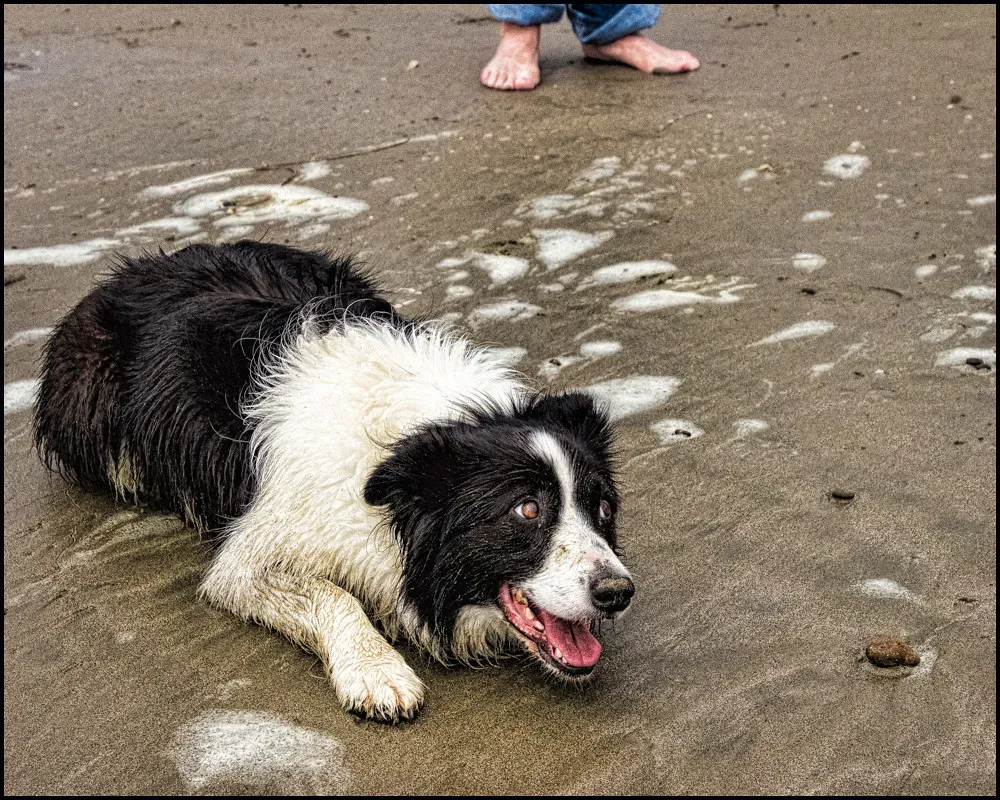
Vocalization on its own only tells part of the story. Even though it can be a complex process to understand what a dog is trying to communicate through their vocalizations, considering the type of vocalization, their body language, and surrounding environment can help owners gain valuable insights into their pet’s needs and emotions. It’s a bit like reading a text message without seeing someone’s face. The tone matters enormously.
A barking dog with a wagging tail and relaxed ears and face may be happy and barking from excitement, while a barking dog that is standing stiff with ears at attention may indicate they feel threatened. So the next time your dog growls at you during play versus during a tense situation, your job is to look at the whole picture, not just the sound. Growling can be seen as a negative behavior, but it is an important form of communication that can help prevent potentially dangerous situations by signaling to others to stay back or indicating a personal boundary has been crossed.
When Talking Back Is a Sign Something Is Wrong

Let’s be real here – sometimes that extra vocal urgency isn’t just personality. It’s a signal. Dogs can whine, groan, or even yelp when they are experiencing pain or discomfort. If an owner suspects their dog is exhibiting these sounds because of a medical concern, they should consult with a veterinarian to identify and address the source of the potential issue. Persistent, unusual, or suddenly increased vocalization should always raise a flag.
It’s always good to check with your veterinarian if a previously vocal dog suddenly goes silent or the sound of their bark changes, as these could be signs of an underlying health condition. Honestly, any significant shift in your dog’s vocal patterns, louder or quieter, is worth a conversation with your vet. Dogs can’t tell you they’re hurting, so they show you in the only language they have.
Conclusion: Listen More, Dismiss Less
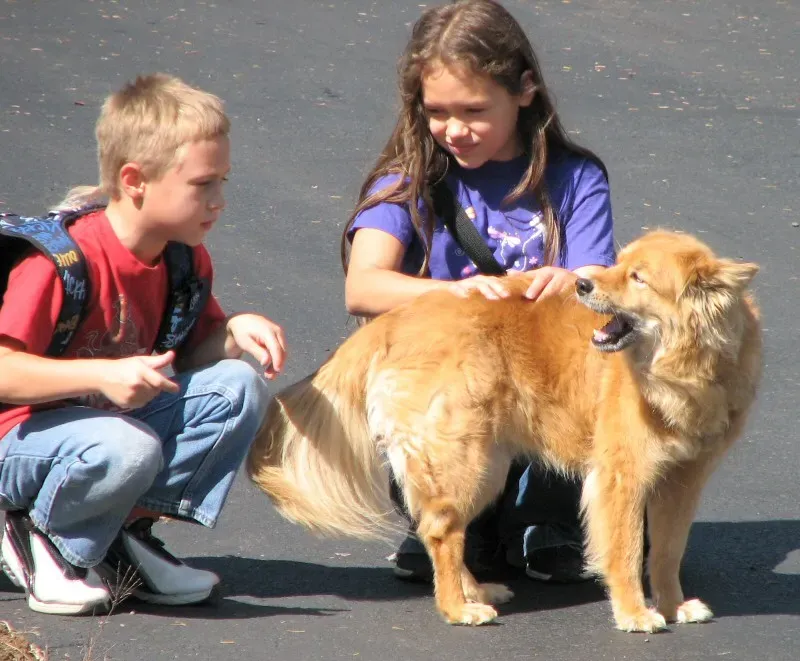
Your dog talking back isn’t a nuisance. It’s an invitation. It’s them reaching across the species barrier and trying their best to make themselves understood, with everything they’ve got. Because each vocalization conveys a specific message or emotion, understanding the meaning behind different vocalizations can help owners address their pets’ needs more effectively, leading to a stronger bond and a happier, healthier dog.
The more fluent you become in your dog’s vocal language, the deeper your bond grows. Pay attention to the pitch, the context, the body language alongside it. Dogs may be quite effective communicators, but they only know how to express themselves with their own canine communication. New research is revealing how dogs read our subtle cues, emotions, and intentions, suggesting that our canine best friends really understand us far better than we understand them.
So the next time your dog gives you that long, indignant grumble after you say “no,” maybe instead of shushing them, lean in and listen. What are they really trying to say? You might be surprised by the answer.


