
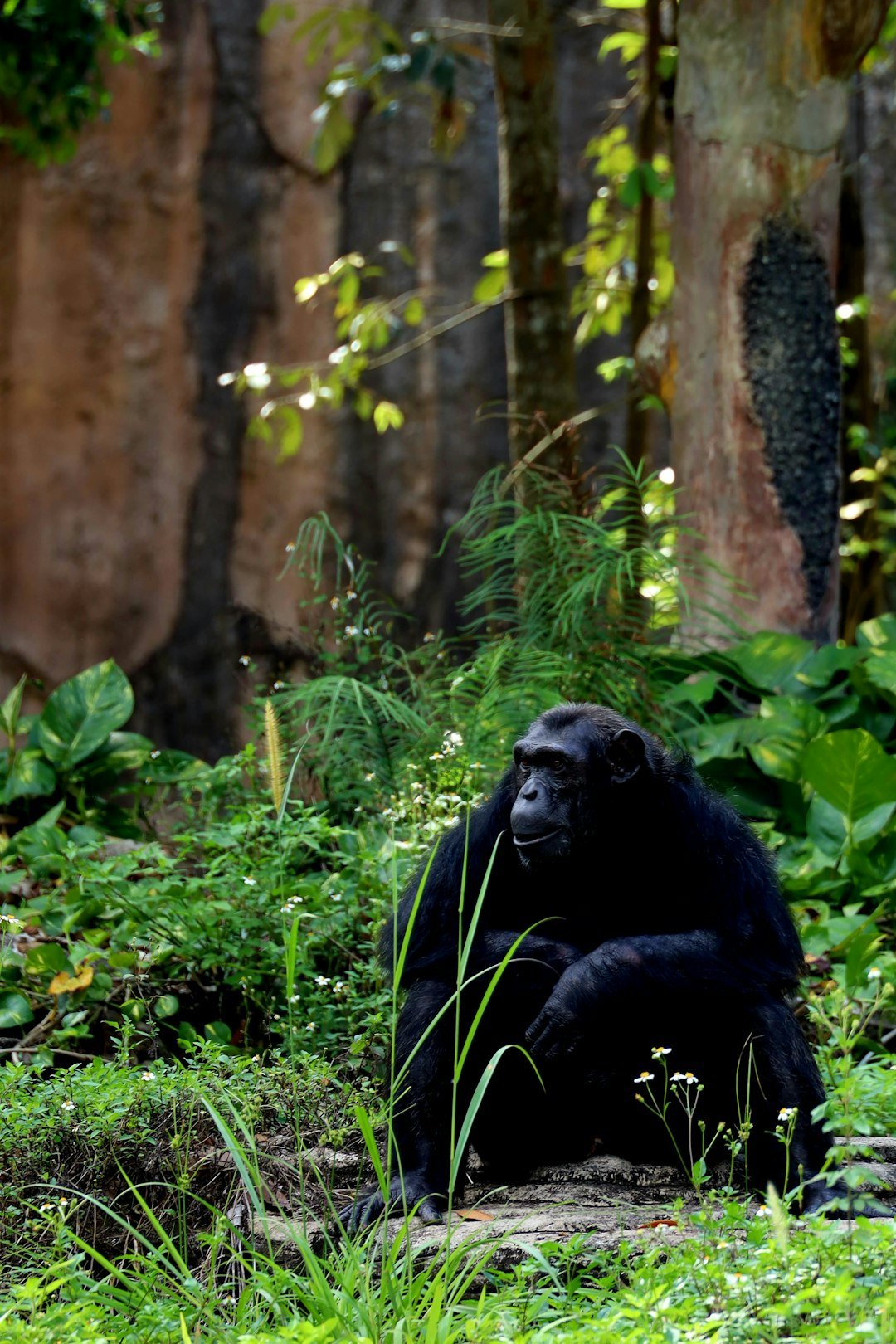
Gashaka Gumti National Park, Nigeria – Deep within this expansive wilderness, one of Africa’s most endangered primates clings to survival. The Nigeria-Cameroon chimpanzee, the rarest subspecies of its kind, found refuge here even as conflict engulfed the region. Researchers, long absent due to insecurity, now venture back with innovative tools to document these elusive creatures.[1]
A Research Hub Lost to Insurgency
Researchers once flocked to Gashaka Gumti, Nigeria’s largest protected area spanning 600,000 hectares. The park served as a premier site for studying West African primates until the late 2010s. Insecurity from groups like Boko Haram forced scientists and rangers to abandon their posts by 2018.[1]
Without patrols, poachers and bandits exploited the vacuum. Wildlife populations plummeted amid unchecked hunting and habitat encroachment. Stations like Kwano fell into ruin, overgrown and silent. Yet the park remained a critical haven for the Nigeria-Cameroon chimpanzee, with estimates placing global numbers between 3,500 and 9,000 individuals.[1]
Local Assistants: Unsung Heroes of the Bush
Field assistants from nearby villages refused to abandon their homeland. Individuals like Maigari, a resident of Gashaka village, continued tracking chimpanzees despite the dangers. “It’s our bush,” he declared. “If they want to kill me, they will kill me because the chimps are my friends.”[1]
These locals monitored troops without pay or formal support for years. Their intimate knowledge of the terrain proved invaluable. They documented chimpanzee behaviors, from honey collection to family groups. Their persistence kept hope alive for the park’s future.
Partnership Ignites a Conservation Revival
A pivotal shift occurred in 2018 when Nigeria’s government partnered with the Africa Nature Investors Foundation, a local nonprofit. Over 180 rangers received training and deployment across the park. This bolstered security and deterred illegal activities.[1]
Conservationist Elisha Emmanuel noted the impact: “This has really brought security to the park, which now gives us the opportunity to restart research.” Patrols equipped with proper tools curbed poaching camps and grazing incursions. Aerial surveys via helicopter extended reach to remote ridges and valleys. The stage was set for scientific resurgence.
Camera Traps Capture Elusive Evidence
Teams deployed camera traps across rugged terrains previously inaccessible. Helicopters facilitated placement in basins, highlands like Gangirwal and Chappal Waddi. Early footage revealed promising signs: new chimpanzee groups, some with infants.[1]
Recordings from sites like Madem Valley showed troops of six or seven individuals nurturing young. These discoveries suggested population stability or growth. Observations also highlighted threats, including mining sites and poacher remnants. Such data will guide targeted protection efforts.
- New groups in Kwano and highlands, including mothers with babies.
- Chimpanzees foraging for honey in remote forests.
- Evidence of human encroachment, like grazing and illegal camps.
- Potential for undiscovered endemic species in elevated areas.
The Road Forward for Primate Survival
Gashaka Gumti now positions itself as a renewed center for primate studies. Plans include additional research bases and expanded surveys. Emmanuel praised the locals: “The presence of Maigari and the other field assistants really gave the park hope of existing again. I celebrate them as heroes.”[1]
Challenges persist, from porous borders fueling wildlife trade to traditional hunting practices. Nigeria lost 70% of its wildlife over the past half-century. Sustained ranger presence and community involvement offer the best defense.
Key Takeaways
- Gashaka Gumti holds one of the largest remaining populations of the critically endangered Nigeria-Cameroon chimpanzee.
- Camera traps have rediscovered groups with infants, signaling hope amid past declines.
- Local partnerships and over 180 new rangers have restored security for research revival.
As Gashaka Gumti reemerges from isolation, its chimpanzees embody nature’s tenacity. This effort underscores how collaboration can reclaim lost ground in conservation. What steps should global communities take to support such remote strongholds? Share your thoughts in the comments.


