
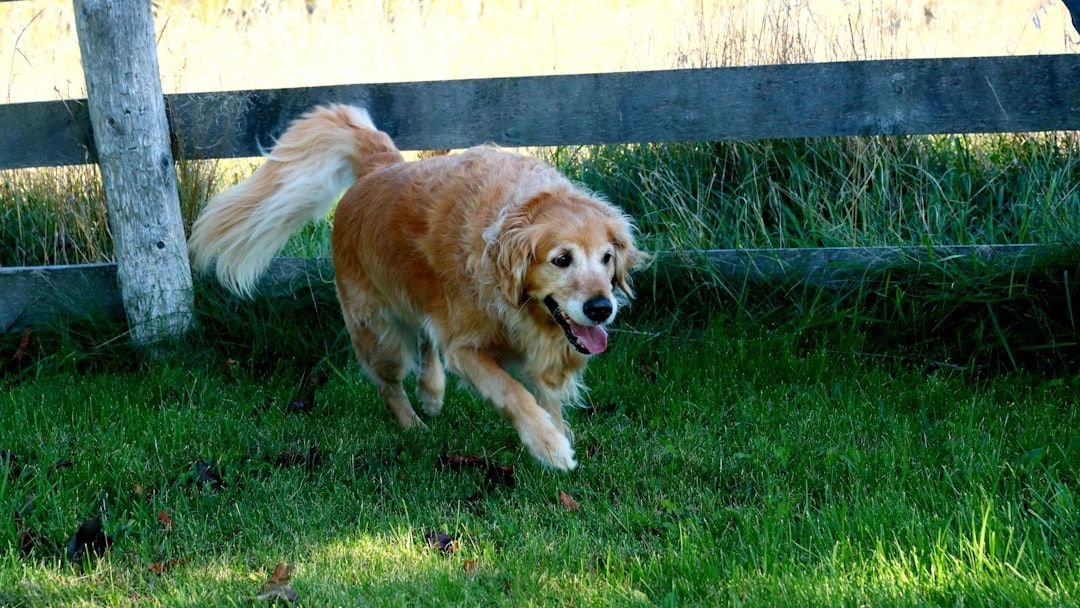
You walk through the front door after a long day, and there she is. Tail going a mile a minute, whole body wiggling like she’s powered by pure joy. It’s one of the most heartwarming sights in the world. You assume she’s happy. You’re probably right. But here’s the thing – that assumption could also be wildly wrong.
Most dog owners read a wagging tail the same way they’d read a smile on a friend’s face. Quick wag equals happiness, right? Not always. The truth is far more fascinating, and honestly, a little humbling. Your dog’s tail is essentially a living mood board, broadcasting detailed emotional signals that go far beyond a simple “I’m happy.” And once you learn to read them, you’ll never look at your dog the same way again.
So let’s dive in, because what your dog’s tail is actually saying might just surprise you more than you’d expect.
A Wagging Tail Doesn’t Always Mean a Happy Dog
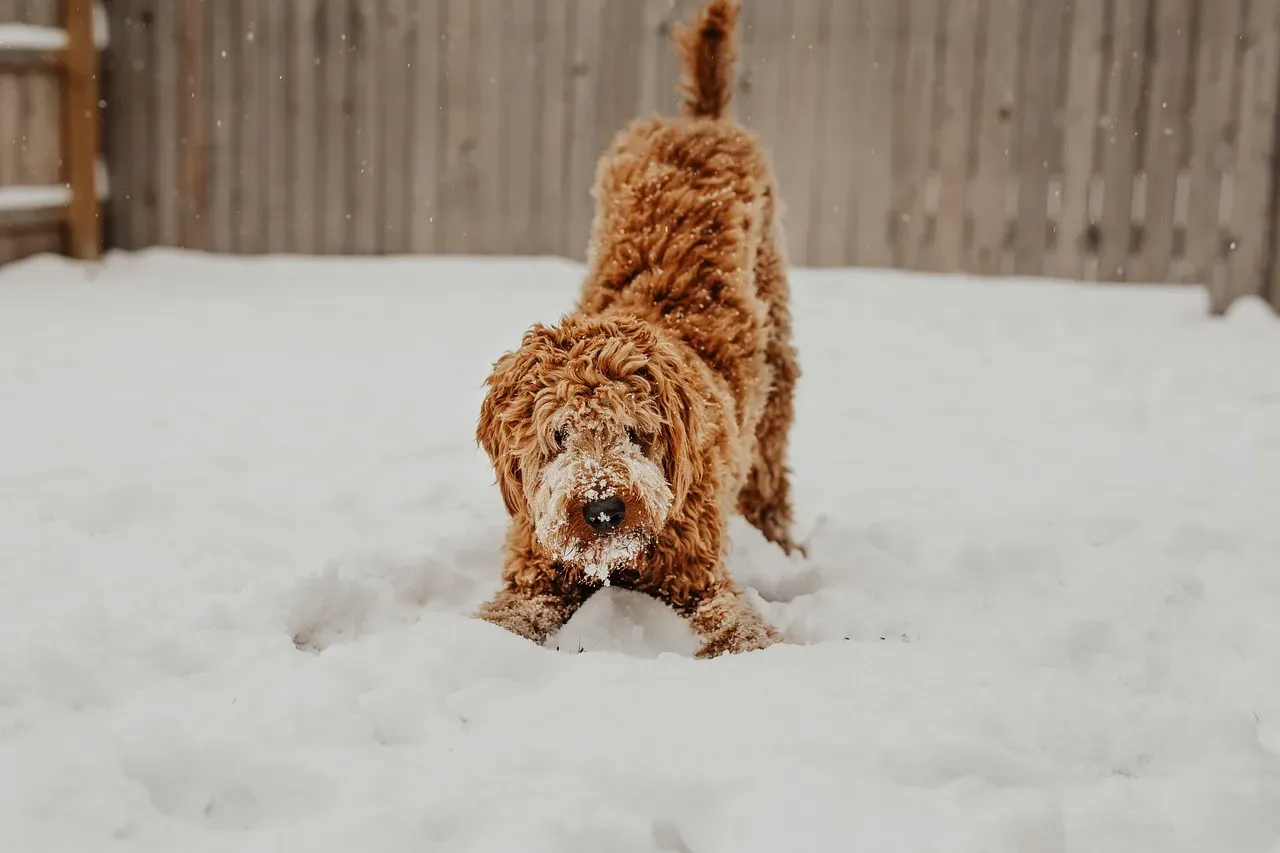
Let’s be real – this is the big myth that needs busting first. The tail wagging behavior of a dog may not always be an indication of its friendliness or happiness, as is commonly believed. Tail wagging can also be an indication of fear, insecurity, challenging of dominance, establishing social relationships, or even a warning that the dog may bite. That’s a lot riding on one little wag.
Think of it like a human smile. Sometimes we smile because we’re genuinely happy. Other times, we smile out of nervousness, politeness, or even discomfort. Your dog’s tail works the same way. Contrary to popular belief that a wagging tail always signals happiness, tail movement is a sophisticated form of canine communication. The speed, direction, and position of the wag can express everything from excitement to unease.
Tail wags are complicated and complex; not all tail wags are alike. The rate at which a tail moves contributes to the dog’s communication, as does the position of the tail while wagging. As a dog’s arousal increases, the tail may wag more quickly regardless of the nature of that arousal. So a rapidly wagging tail in a tense body? That’s your cue to pay closer attention to the whole picture.
The Direction of the Wag Is a Window Into Your Dog’s Brain
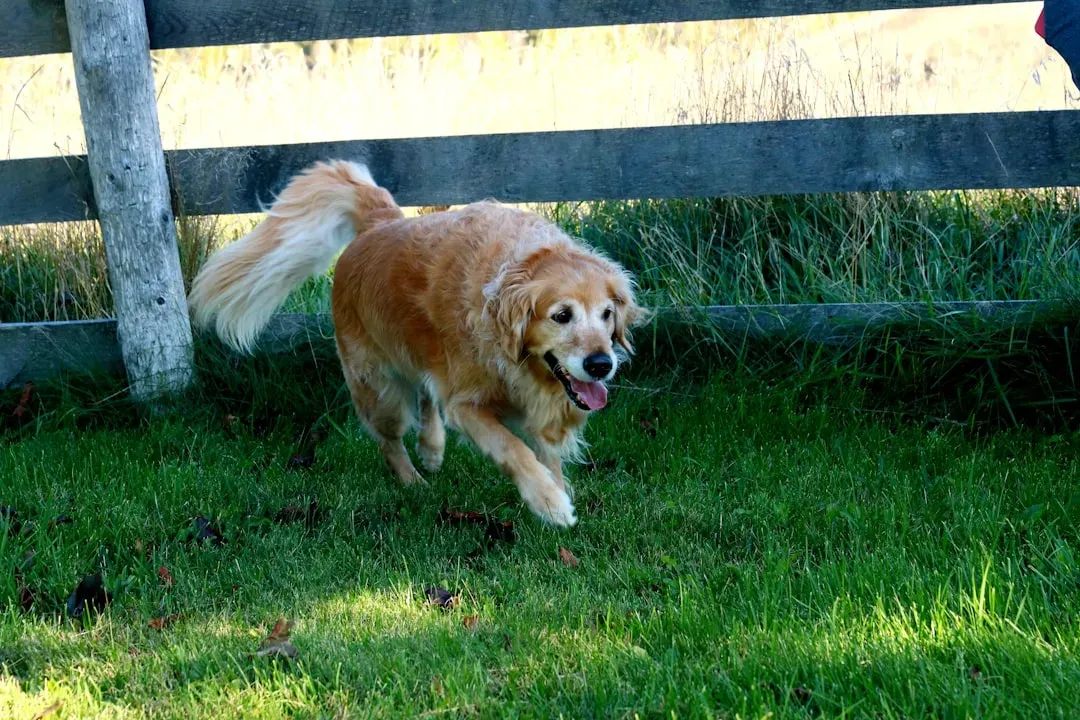
Here’s a fact that genuinely blew my mind when I first came across it. Studies show that dogs wag their tails to the right when they are happy or confident, and to the left when they are frightened. It’s not random. There’s actual neuroscience behind it.
The side bias of dog tail wags suggests a brain hemisphere lateralization that controls the movement of the tail. Tail wags biased to the right are controlled by the left hemisphere, while left-biased wags are controlled by the right hemisphere. It’s essentially a peek into which part of your dog’s brain is doing the talking.
What’s even more remarkable is that other dogs can actually feel this difference. Dogs that saw another dog wag to the left looked anxious, and their heart rates increased – a sign of stress. Dogs that watched a dog swing its tail to the right stayed calm and relaxed, an indication that right wags are an expression of companionship and confidence. They’re reading each other fluently, even when we aren’t.
Tail Height Tells You Who’s in Charge (Or Who’s Scared)
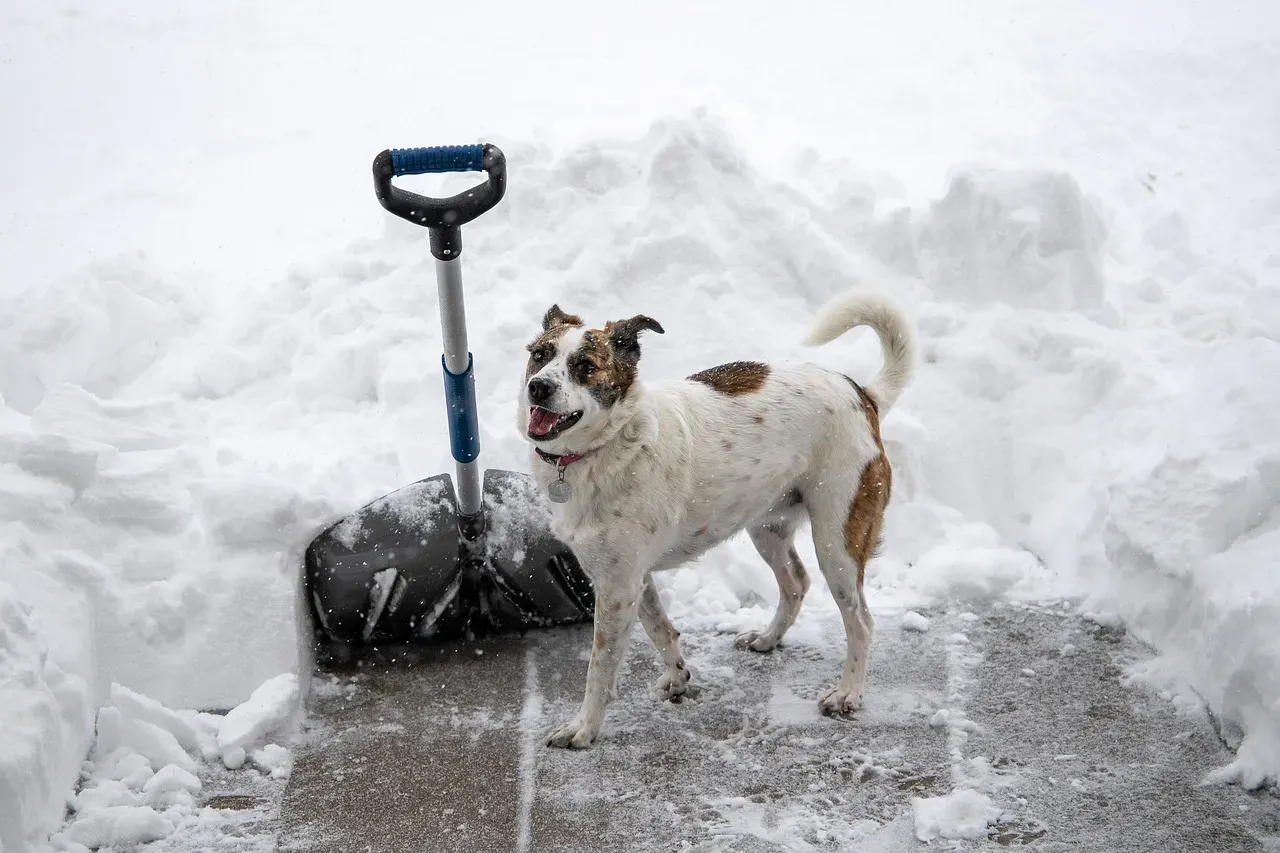
The position in which a dog holds its tail is indicative of the emotional state of the animal. When the tail is held at maximum height, it is a demonstration of dominance and can also indicate a positive demeanour. A tail held at medium height can indicate interest in the dog’s surroundings. Think of tail height as your dog’s personal confidence dial – turned all the way up means asserting control, dialed down low means things feel threatening.
When a tail moves from neutral, to taut vertical, to a tight arch over the back, it indicates increased arousal. This tail position is an assertive posture that can progress to an intense aggressive display. If you see this in an unfamiliar dog at the park, your best move is to give them space and calmly redirect your own dog away.
A lower-than-neutral tail position typically means submission. If the tail is tucked between the legs, it is a stronger message of insecurity and fear. These dogs may also crouch and cower, wanting to diffuse what they see as a threat. It is important to take precaution in these moments; if the perceived threat is not removed, the dog may begin to display reactivity based on the fear they are feeling.
Wag Speed Is Your Dog’s Emotional Volume Knob
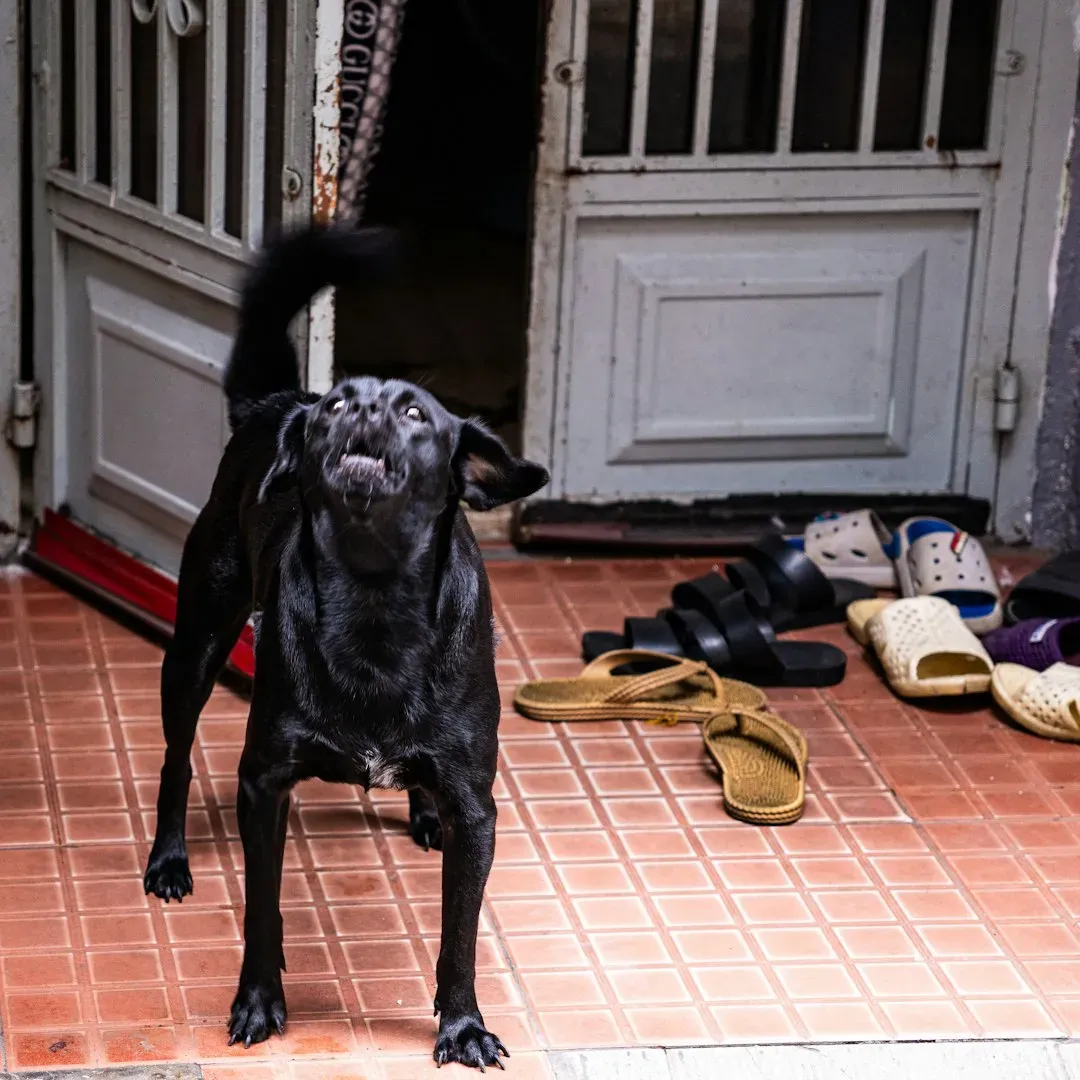
Imagine emotions as music playing inside your dog. The tail wag speed is just the volume. The speed of the wag indicates how excited the dog is. Meanwhile, the breadth of each tail sweep reveals whether the dog’s emotional state is positive or negative, independent from the level of excitement. So a dog can be intensely excited in a positive way, or intensely excited in a worrying way – and the direction and breadth of the wag are what separate the two.
A wide, fast-moving tail wag usually indicates excitement and happiness. Dogs display this type of wag when they see their favorite humans, are about to receive treats, or are engaging in playtime. That whole-body helicopter wag your Golden Retriever does when you pick up the leash? Pure, unfiltered joy. Honestly, it’s hard not to feel good watching it.
A very slow wag, while the rest of the body is very still, can mean that a dog is uncertain, anxious, or insecure. It can also be a warning sign of potential reactivity or dominant behavior. Slow does not always mean calm. Read the whole body before you reach out to pet an unfamiliar dog with a slow, stiff wag.
Puppies Actually Have to Learn How to Wag
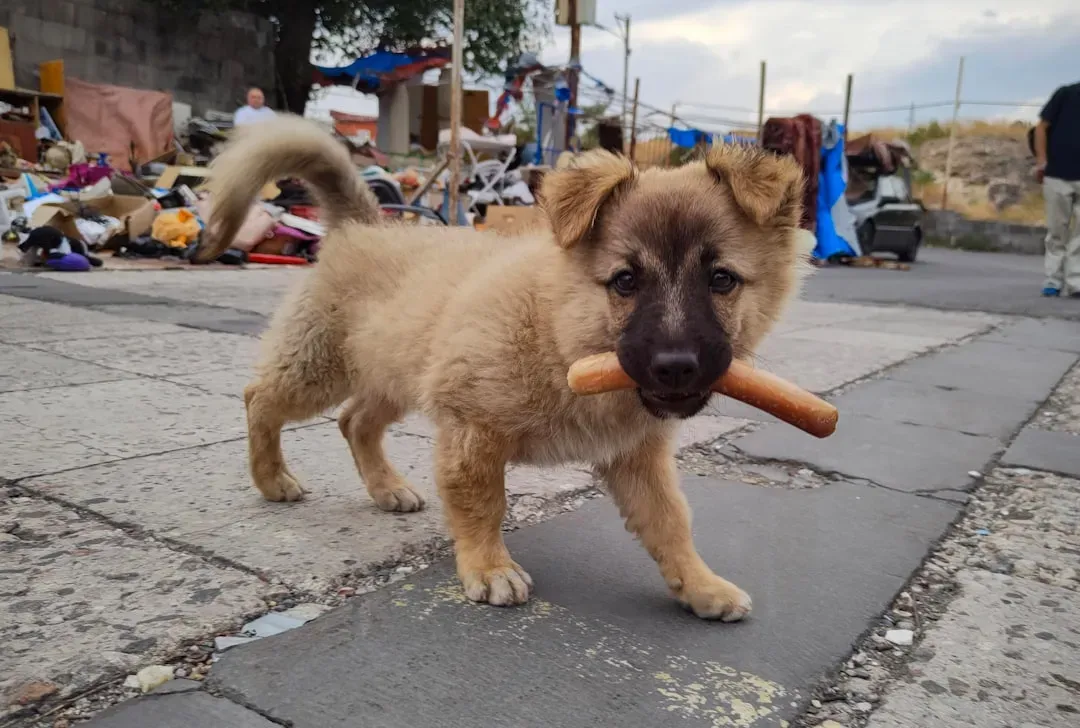
This one surprised me too. Tail wagging isn’t something dogs are born knowing how to do. Like human infants, dogs must learn their language. Puppies aren’t born knowing what a wagging tail means any more than newborn babies understand words. But when puppies are about a month old, they recognize the need to communicate with their mother and siblings, so they pick up the lingo. A pup wags his tail to tell his littermates that he’s tired of playing or to tell his mother that he’s hungry.
It’s a learned social language, shaped through early interaction and domestication. One study that looked at more than 40 species over a four-year time span found that the domestic dog was the species that wags its tail most. Another group of researchers found that dogs wag their tails at a younger age and more often than wolves. Domestication essentially turned tail wagging into a more frequent and elaborate communication tool.
Dogs Only Wag When Someone Is Watching
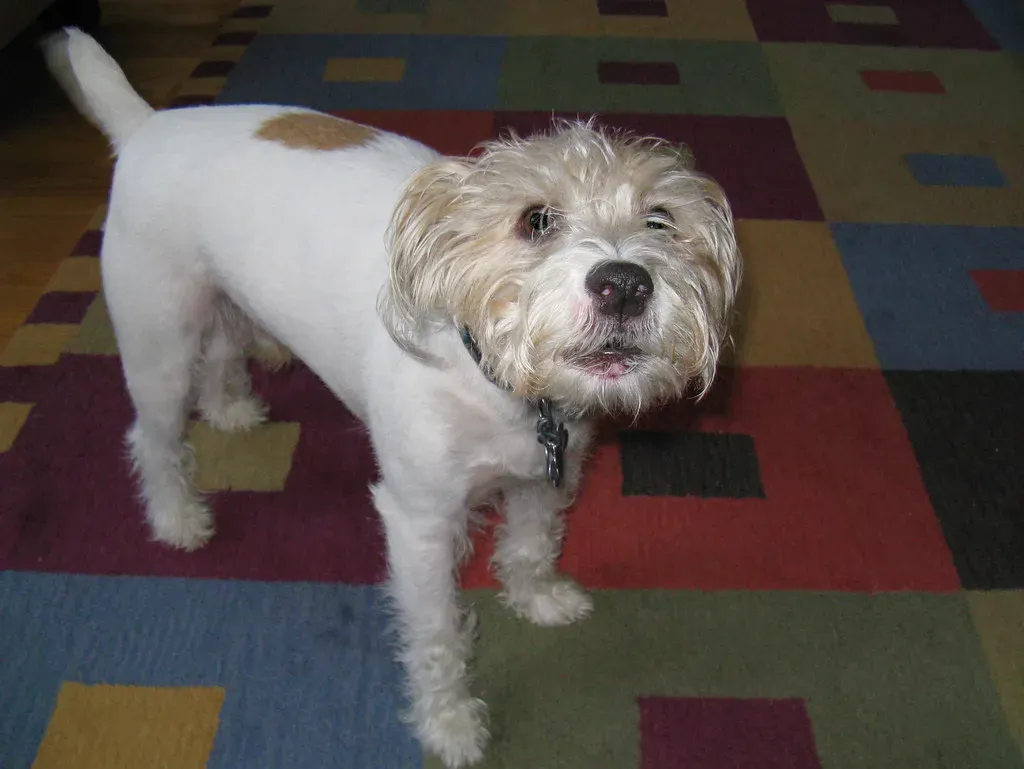
I think this might be one of the most emotionally touching facts about dog tail language. Dogs tend not to wag their tails unless there is another animal or human nearby with whom to interact. It’s not an automatic reflex. It’s a deliberate signal meant for an audience – and you are always that audience.
Since tail wagging is meant as a signal, a dog will only wag its tail when other living beings are around. When the dog is alone, it will not give its typical tail wags, in the same way people do not talk to walls. That means every single wag your dog gives you is, on some level, a message specifically for you. That idea genuinely gets me every time.
Dogs are highly social animals, and tail movement is one of their most expressive non-verbal signals. Much like human facial expressions or tone of voice, a dog’s tail conveys emotional intent and helps them communicate with people and other dogs. The next time your dog wags at you, know they’re making a choice to connect with you in the only language they have.
Tail Wags Can Signal Pain or Discomfort Too
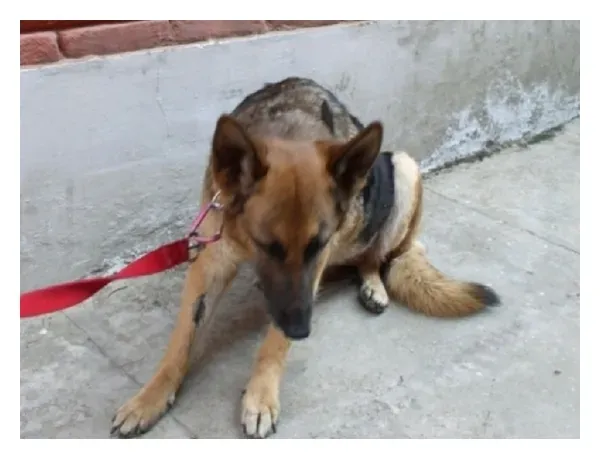
This is the one that often gets overlooked, and it matters deeply for your dog’s wellbeing. A dog in pain doesn’t always whimper or hide. Sometimes, the signal is quieter. It’s important to watch for any signs of distress. If the tail wagging is accompanied by signs of discomfort, such as whining, shifting restlessly, licking a particular area, or other signs of illness, it might indicate that your dog is in pain or feeling unwell. In such cases, a visit to the vet is important to ensure everything is alright.
Dogs experiencing emotional conflict may begin to wag their tails rapidly as a reflection of their discomfort. So if your dog’s rapid wag seems out of place or doesn’t fit the situation, trust your instincts. Something might be off beneath the surface, and your attentiveness could make all the difference.
While a dog’s tail position is a crucial indicator of their emotions, it’s just one piece of the puzzle. To truly understand how a dog is feeling, pet parents need to observe a variety of body language cues. By looking at other aspects like ear position, mouth shape, hackles, and overall body posture, you can get a more comprehensive picture of how your dog is feeling. A tail wag is the headline. The body is the full story.
Conclusion: Your Dog Is Always Talking. Are You Listening?
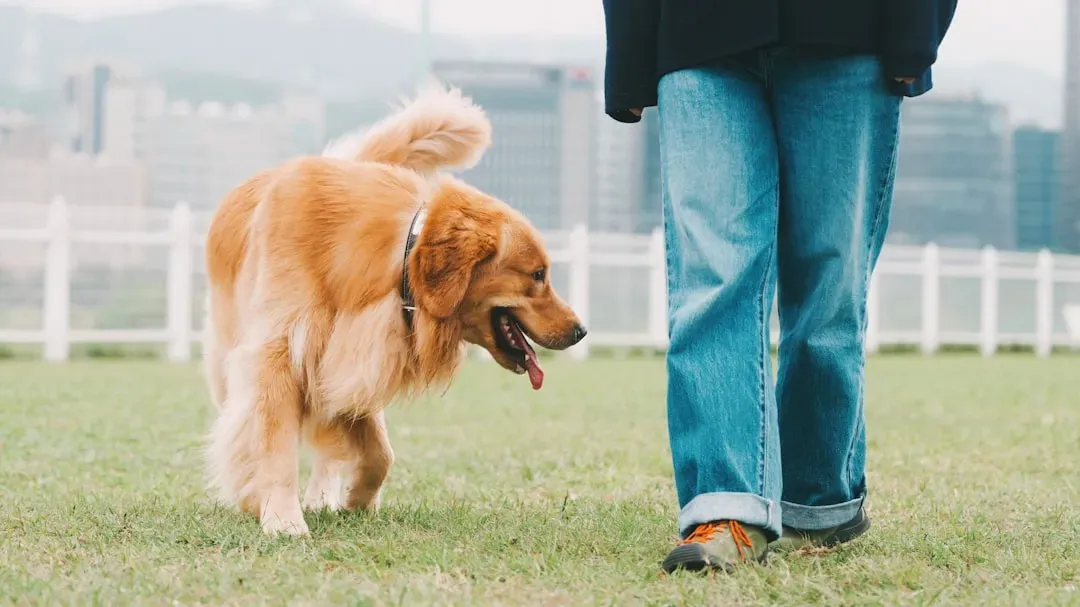
Once you start reading your dog’s tail with fresh eyes, you realize something beautiful – your dog has been trying to tell you things all along. Every little flick, every wide sweep, every nervous tuck is a sentence in a language they’ve spent thousands of years refining just to communicate with you.
It’s not always easy to decode. Breeds vary, individuals vary, and context matters enormously. No dog body language signals act alone. They’re all part of a package. So when you read a dog’s communication, look at every signal the dog is using from the tail height to the eye shape. The tail is the most visible part, but it never speaks alone.
Here’s what I believe: the more fluent you become in your dog’s tail language, the deeper your bond becomes. Not just because you can prevent tense moments at the dog park, but because your dog feels truly seen and understood. And isn’t that what every living creature wants? Take a moment today and really watch your dog’s tail. What are they telling you right now?


