
There is something undeniably beautiful about the bond between an older adult and their dog. A warm nose nudging your hand in the morning. A tail wagging just because you walked into the room. Dogs bring so much joy, companionship, and purpose to life, especially during the golden years. Honestly, the science backs this up too. Studies have shown that seniors who have pet dogs tend to be in a better mood overall and experience enhanced health and well-being benefits as a result of having the daily attention and unconditional love that pets offer.
Here’s the thing, though. Not every dog is the right dog. A mismatch between a senior and their breed can lead to stress, injury, financial strain, and heartbreak on both sides. Choosing wisely is one of the greatest acts of love you can show both yourself and your future furry companion. So before you fall for the first set of puppy eyes at the shelter, let’s talk about the breeds that, as much as we adore them, are genuinely not well-suited for life with someone over 60. Be prepared to be surprised by a few of these.
1. Siberian Husky – Too Much Dog for Most Quiet Mornings
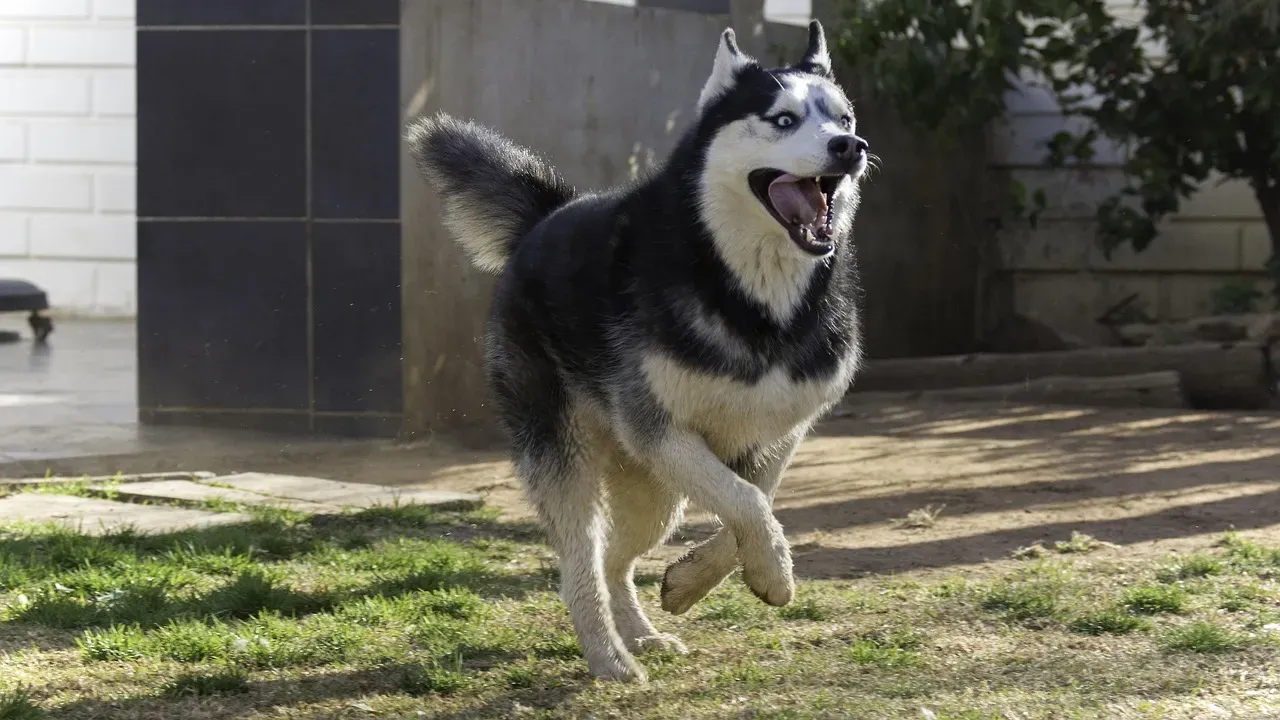
Picture waking up at 6am, a cool cup of tea in hand, hoping for a peaceful start to the day. Now imagine a 50-pound ball of pure chaotic energy launching itself off the couch and demanding a two-hour run. That’s Husky life in a nutshell. It’s difficult to contain the exuberant energy of these dogs, so senior dog owners may feel overwhelmed by this breed. The Siberian Husky requires a fair amount of playtime and can become unhappy without adequate exercise and activity.
On top of the energy demands, grooming and training add another layer of challenge. Huskies can be somewhat more stubborn than other breeds when it comes to training, which may pose challenges for seniors who may need a dog with a more obedient and adaptable nature. To top it off, Huskies have a huge wanderlust potential – they can and will get away from their owners to go explore. They are also incredibly mouthy and playful, especially as puppies. They love to chew, chew, chew. That’s a lot to manage at any age.
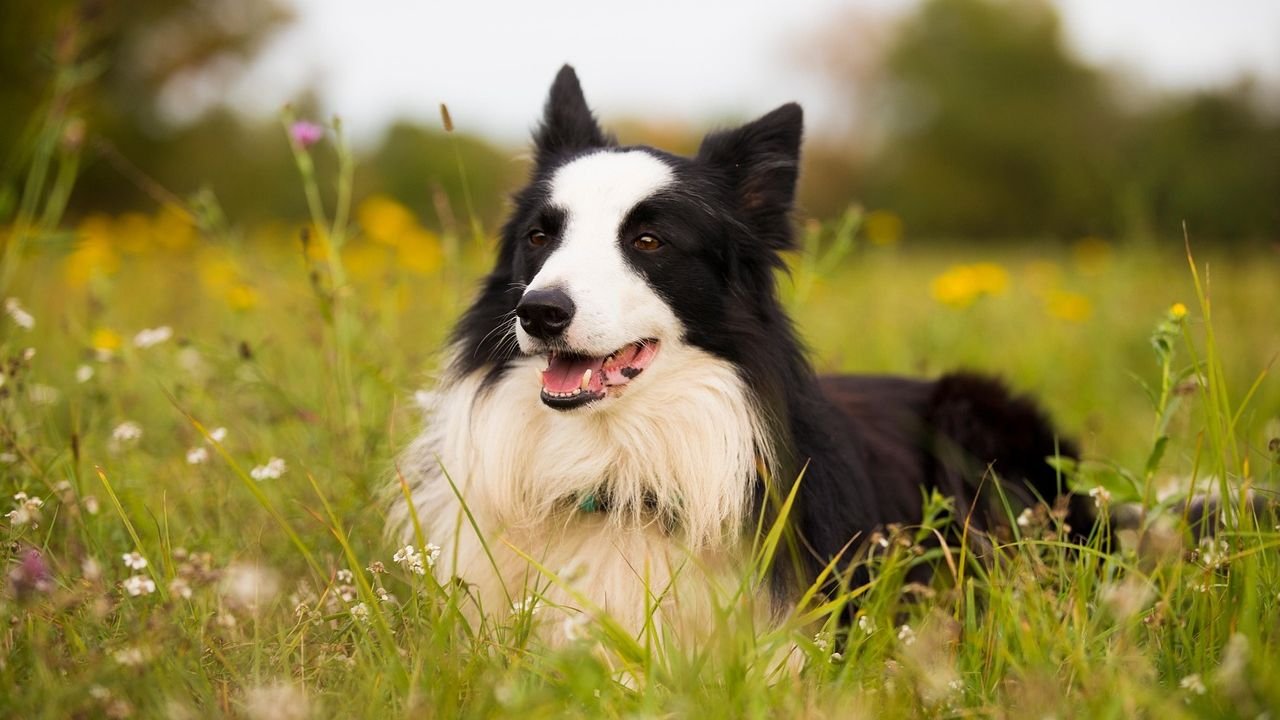
2. Border Collie – Brilliant, But Relentlessly Demanding
Border Collies are genuinely one of the most intelligent dog breeds on the planet. I think that’s exactly why they can be so exhausting. Their brains never switch off, and they need a human who can keep up. Border Collies are medium-sized dogs known for their intelligence and high energy levels. They require a significant amount of physical and mental stimulation to thrive. If they do not receive enough exercise and mental enrichment, they can become bored and may exhibit destructive behaviors.
Think of it like owning a toddler who also happens to be a genius. A bored Border Collie will redecorate your living room, and not in a good way. Collies also have a tendency to herd, which can lead to nipping at heels and chasing, behaviors that could potentially be hazardous for seniors with balance issues. For anyone with limited mobility or a calmer pace of life, this breed is honestly more of a challenge than a comfort.
3. Australian Shepherd – The Ranch Dog That Never Clocked Out
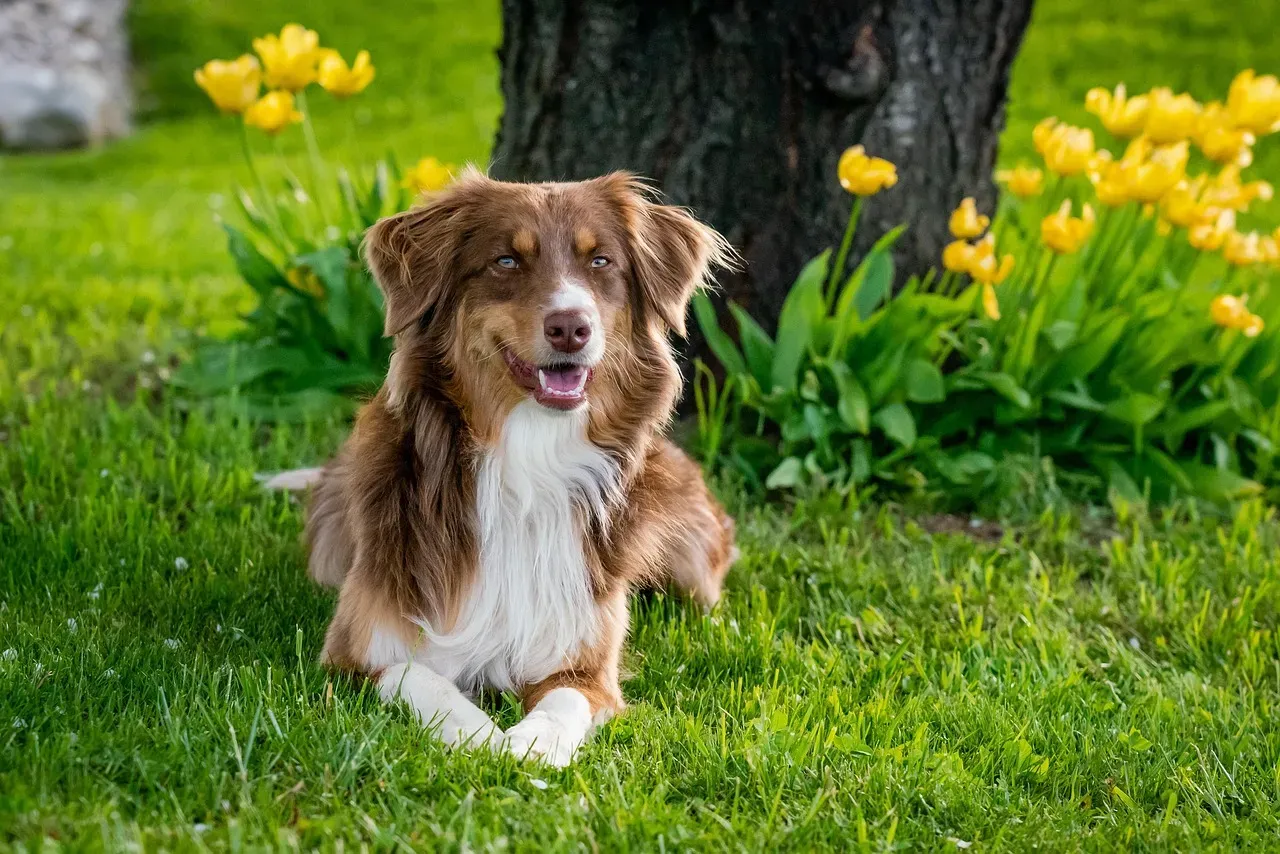
Australian Shepherds were literally bred to work from sunup to sundown on ranches. They are mid-sized working dogs who are very active and not a good match for an owner with a sedentary lifestyle. Australian Shepherds are high-energy, rambunctious dogs that require a lot of time and attention, as well as lots of daily exercise. That herding drive doesn’t disappear just because they’re living in a suburban home now.
The grooming demands alone are worth pausing over. These dogs are pretty high maintenance – they require daily grooming and tons of exercise. Aussies have long double coats that shed considerably, so you would need to prepare for lots of clean-up. They also need at least an hour of strenuous physical activity a day, which can be hard to commit to. Add in a strong prey drive and you have a dog that keeps you on your toes every single day.
4. Pit Bull – Powerful, Protective, and a Handful to Handle
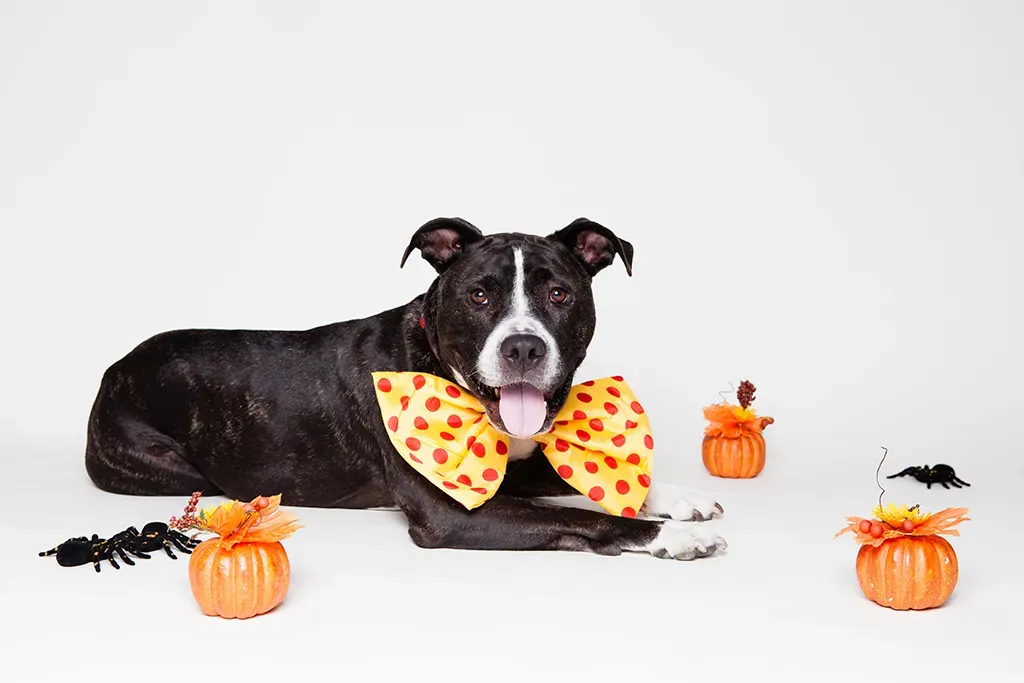
Let’s be real. Pit Bulls can be sweet, loyal, and deeply loving dogs. Many are. The issue for seniors over 60 isn’t really their heart, it’s their strength, their energy, and their history. Pitbulls may be gentle and affectionate with their owners, but their protective nature might make them become aggressive with humans or other animals. They are not high maintenance, but they do require a lot of room to run. These dogs require a lot of training early on in life, and they can be difficult for some seniors to handle.
Physically, the risks are significant. Large breeds like Pit Bulls can be too physically demanding for seniors. They require substantial exercise and strength to handle, making them challenging for older individuals. An accidental knock from an excited Pit Bull can mean a serious fall, and that’s a risk that’s simply not worth taking when safer, equally loving breeds exist.
5. Rottweiler – Loyal Guardian With a Lot of Responsibility Attached
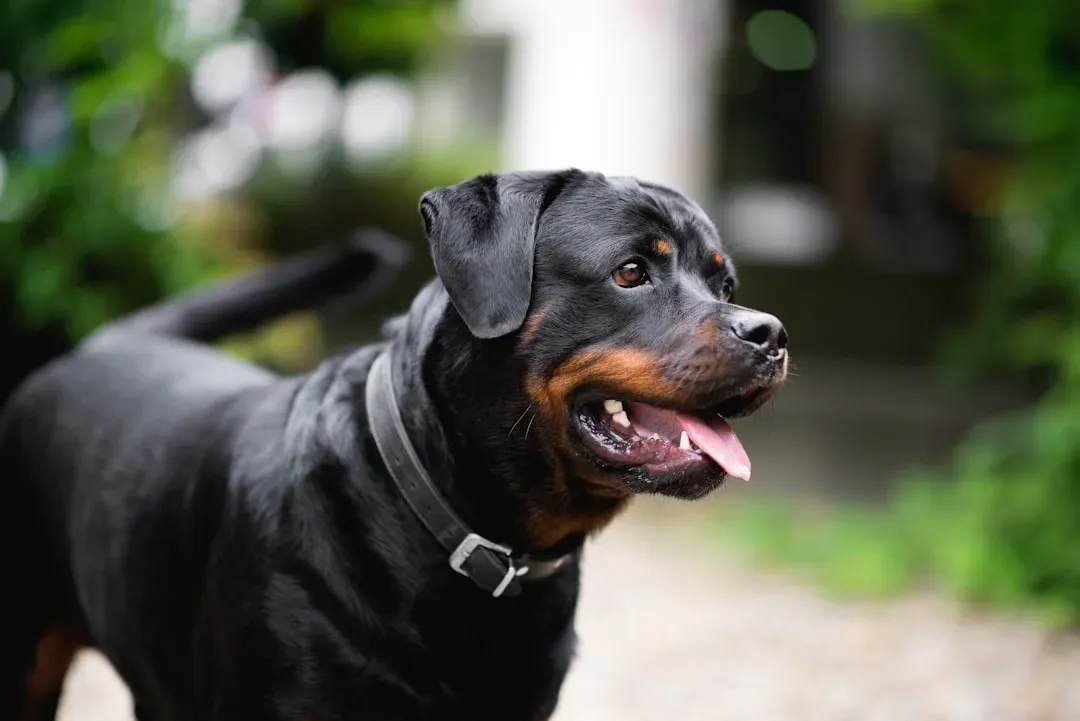
Rottweilers are strikingly beautiful, deeply loyal dogs who form powerful bonds with their families. That loyalty, though, comes with a protective instinct that requires serious training and management. Rottweilers are strong, sturdy working dogs that have a natural instinct to protect their owner and their territory. While properly trained Rottweilers can be good family pets, they can display an aloof attitude toward strangers in their effort to be protectors. Because of their strength and large size, Rottweilers are not suited to apartment living and are not a match for first-time dog owners or most seniors.
These dogs are very protective, and they may respond aggressively to visitors or those who seem threatening to them. Imagine a delivery person, a grandchild, or a home health aide walking in and facing a 100-pound protective Rottweiler. That scenario creates stress for everyone involved, and it puts the senior owner in a difficult position they may not have the physical capacity to manage.
6. Labrador Retriever – America’s Favorite Breed With One Big Catch

Labrador Retrievers break hearts by appearing on this list, I know. They’re cheerful, friendly, and practically ooze warmth. Labrador retrievers are medium to large-sized dogs that make good family pets. They are known for being one of the most popular breeds of dogs in the United States and are commonly used as assistance animals. While they do have excellent temperaments, they require a lot of time, attention, and space to run.
Here’s where the challenge really lands: Golden Retrievers and Labs crave physical activity and need at least two hours of exercise a day. These dogs are a sporting breed and will want to play with their owner as much as possible. For seniors with joint pain, limited stamina, or mobility concerns, keeping a Labrador truly happy and healthy is a serious commitment. Because of their size and strength, it may be difficult for some seniors to control them while walking them.
7. Great Dane – A Gentle Giant Who Doesn’t Know His Own Size
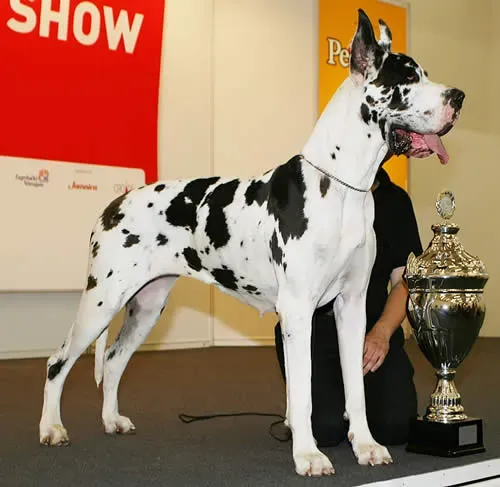
Great Danes are tender-hearted dogs. They are genuinely sweet, and some of them honestly believe they are lap dogs. The problem is, they weigh as much as a grown adult. Great Danes make fantastic family pets, but they might not do so well for seniors – and it’s no fault of their own. Danes are one of the largest domesticated dog breeds alive, which means they are a bit hard to handle. Full-grown Danes reach weights of up to 200 pounds.
Beyond the size issue, there is a heartbreaking consideration that doesn’t get talked about enough. Their relatively short lifespan can be emotionally taxing, as they might not be with you as long as other breeds. Additionally, the last thing you need is a 100-plus pound dog accidentally knocking you over or stepping on you. Great Danes also suffer from numerous health problems, such as bloat and hip and elbow problems, which will only increase your vet bills.
8. Saint Bernard – All the Love, All the Mess, All the Weight
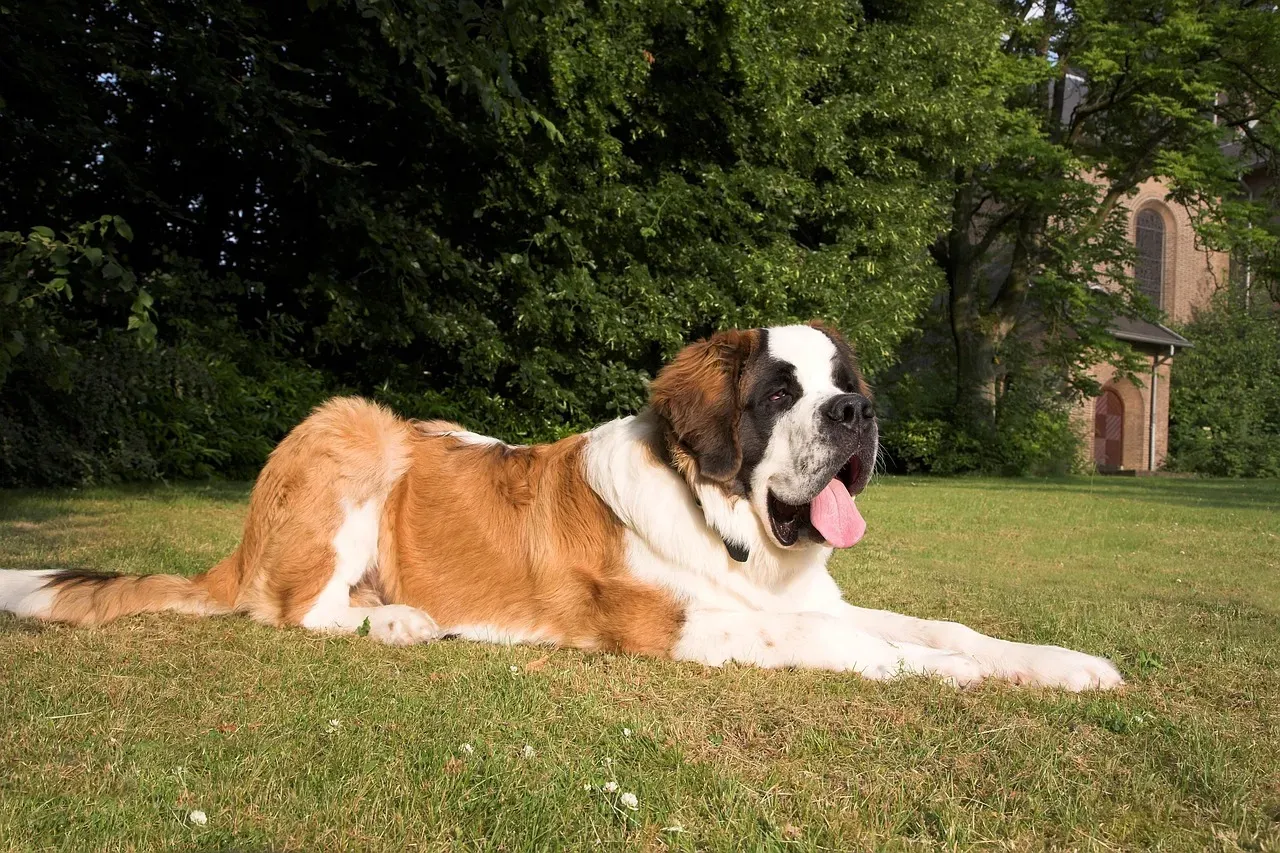
Saint Bernards are the big, snuggly teddy bears of the dog world, and they have earned that reputation. They adore their people. Still, their sheer size creates real daily challenges that most seniors simply aren’t equipped to manage alone. Saint Bernards hold a reputation for being big sweethearts – and this is very true. But they are also massive animals that are slow to mature. Because they just don’t recognize how big they are, they can easily knock down just about anyone.
And then there’s the cleanup. Saint Bernards are characterized by their kind-hearted nature, but their sheer mass can be overwhelming. These gentle giants also tend to drool excessively and require frequent grooming, adding to their maintenance needs. Their stature can make them difficult to transport and manage, especially for seniors with physical limitations. Think about what a vet trip looks like when your dog outweighs you. It’s a genuine safety concern.
9. Jack Russell Terrier – Tiny Body, Absolutely Enormous Energy
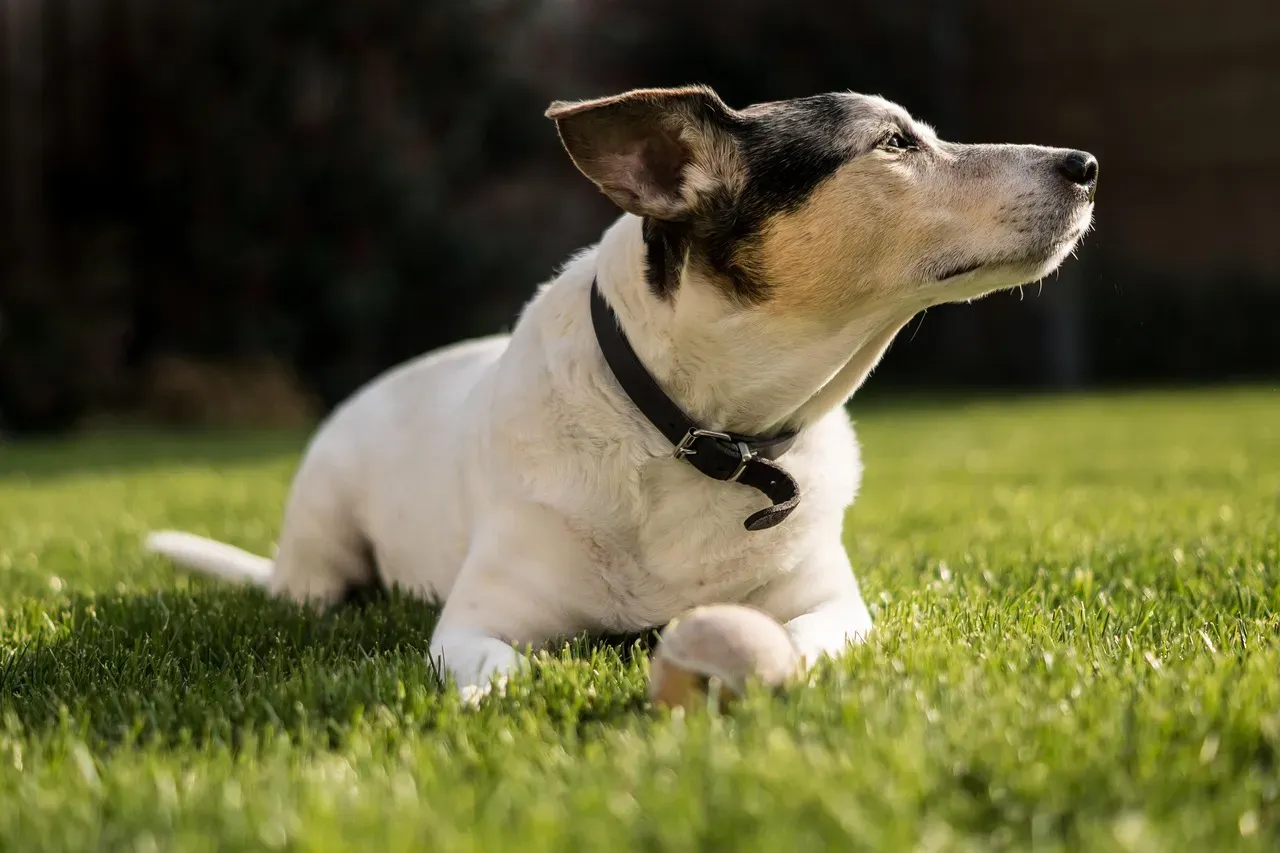
Don’t let the small size fool you. Jack Russells are, pound for pound, some of the most intense dogs you will ever meet. They were originally bred for fox hunting, and that hunting instinct runs deep. While they are relatively small dogs, they have a lot of energy, and they need ample space to run around, so they are not suited to apartments or homes with no outdoor space. They have a reputation for being stubborn and aggressive, so obedience training is important with this breed. Russell Terriers are great watchdogs, but it takes a lot of energy to keep up with them.
A senior expecting a calm cuddle companion will be in for quite a shock. High-energy breeds include Border Collies, Australian Shepherds, and Jack Russell Terriers. These dogs are known for their intelligence and athleticism, but without adequate activity, they can develop behavioral problems such as excessive barking, chewing, or digging. Excessive barking alone can be a serious problem, especially for those in senior living communities or apartments with thin walls.
10. Belgian Malinois – A Working Dog That Never Really Stops Working
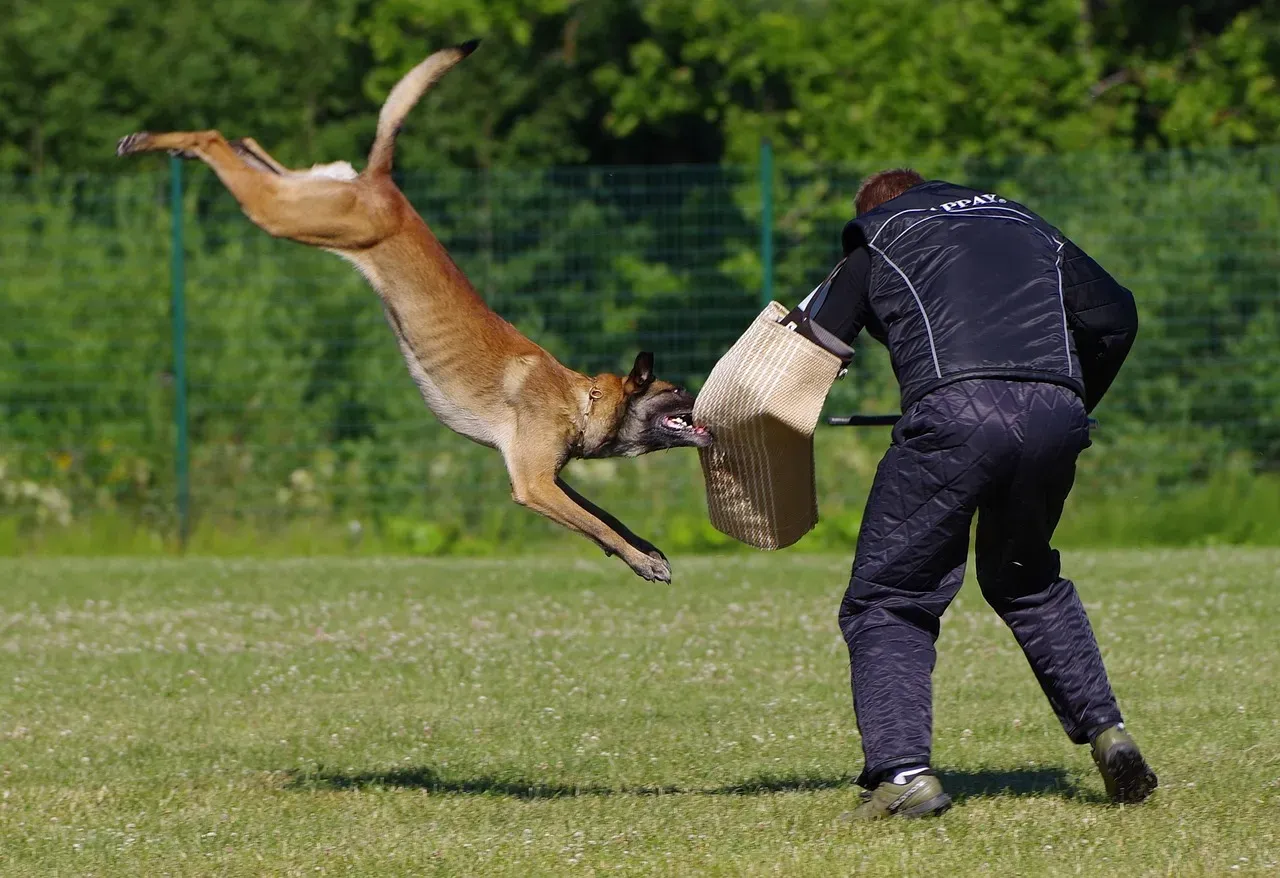
The Belgian Malinois looks like a sleek, beautiful German Shepherd. It moves like an athlete. It thinks like a detective. And honestly, it belongs on a police force or search-and-rescue team, not in a quiet retirement home. The Belgian Malinois is a force to be reckoned with. They have incredible stamina and can perform outlandish tasks, winding up on task forces and rescue teams everywhere. However, when it comes to pet life, Malinois might not fare as well with seniors. The Malinois requires extensive mental and physical stimulation for practically all their wakeful hours.
If they don’t have a task, they will quickly bore and pick up bad habits. A Malinois that doesn’t get enough exercise might also develop restless or nervous behaviors that can lead to aggression. This breed demands a handler with serious experience, physical stamina, and hours to dedicate every single day. It’s hard to say for sure whether any individual dog will be difficult, but with the Malinois, the odds are stacked against a peaceful senior lifestyle.
Conclusion: It’s Not About the Dog – It’s About the Match
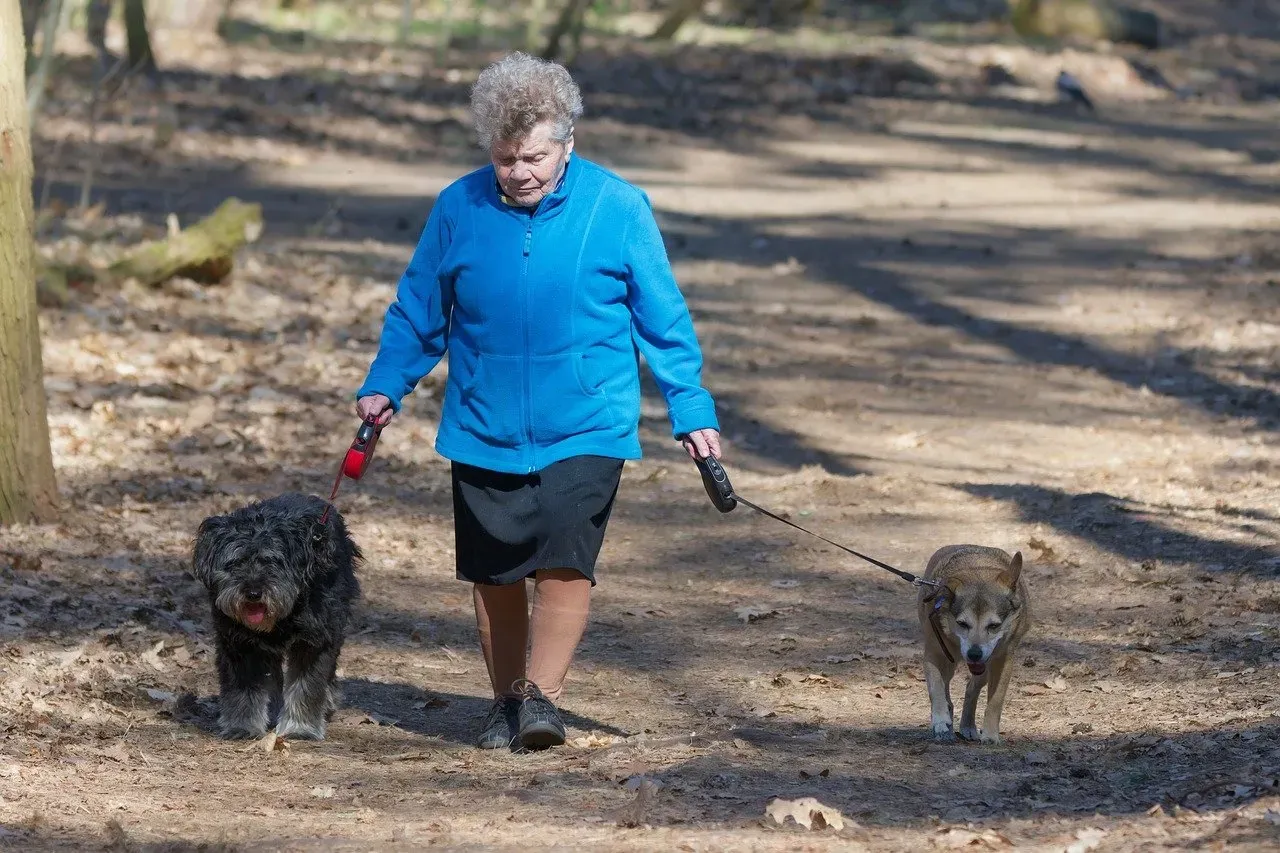
Every single breed on this list has real fans and devoted owners who would swear by them. That’s not the point. The point is that if you’re a senior, you’d be wise to choose a dog who fits into your lifestyle and matches well with your physical abilities. A senior’s choice of breed can have a dramatic impact on daily life. A dog’s size, energy level, and temperament are key factors to consider.
The best companion for a senior is a dog that brings calm, joy, and manageable responsibility. Think smaller, gentler breeds that thrive on closeness rather than constant activity. Dogs provide companionship, which can significantly alleviate feelings of loneliness and isolation. They can also help to instill a sense of purpose and routine, as they require regular feeding, exercise, and care. From a physical health perspective, having a dog can encourage regular exercise and outdoor activity, which can aid in maintaining mobility and cardiovascular health.
The right dog will change your life in the most beautiful way. The wrong one will wear you down before you’ve had the chance to truly enjoy each other. You deserve a companion who fits your world, not one who turns it upside down. So take your time, do your research, and when in doubt, always spend time with the specific dog to assess compatibility. Consult with experts for guidance in choosing the right breed for a senior’s circumstances and lifestyle. Which breed surprised you most on this list? We’d love to hear your thoughts in the comments.


