

Picture this. It’s the end of a long day. Your dog shuffles over to their favorite spot, flops down with the dramatic flair of a soap opera character, and lets out this deep, soulful exhale. You freeze. Was that a sigh? Did your dog just… sigh? You almost want to ask them, “Long day, buddy?”
Here’s the beautiful truth: that single breath carries more meaning than you might think. Dogs are constantly communicating with us through body language, sounds, and yes, even their breathing. That sigh, as simple and ordinary as it seems, is actually a tiny window into your dog’s emotional world. So before you scroll past it as “just a dog thing,” stick around. What you’re about to discover might completely change how you listen to your dog.
It’s More Than Just a Breath: What a Dog’s Sigh Actually Is
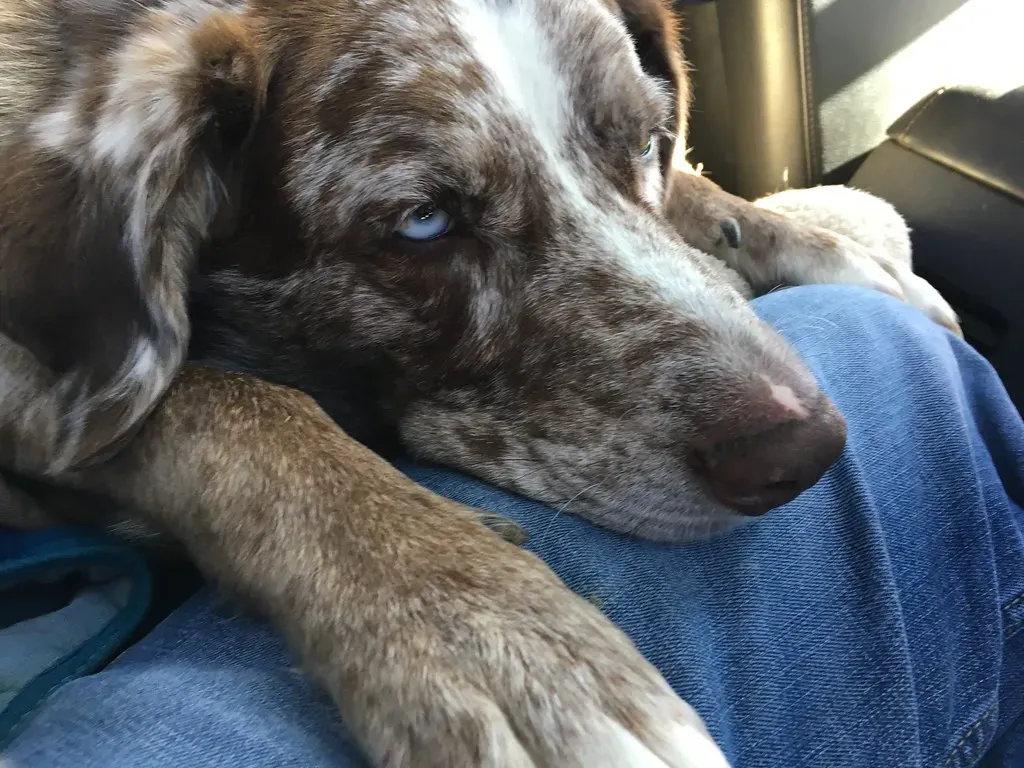
Most of us hear the sigh and think nothing of it. Sighing in dogs involves taking a deep, sometimes audibly louder inhalation, about twice the length of a normal breath, followed by a slow, pronounced exhale. Think of it like your dog hitting a mental pause button.
A dog’s sigh typically comes at the end of an action, such as lying or sitting down. It’s terminal punctuation on the current thought or feeling, like a period, ellipses, or exclamation mark on a message written in words. Honestly, that’s a beautiful way to think about it.
Sometimes the sigh will occur through the mouth, as it does with humans, but often, a dog will sigh through their nose, while their mouth is closed. So the next time you hear that quiet nasal exhale, your dog is absolutely saying something. You just need to know how to read it.
The Happy Sigh: Pure Contentment in One Exhale

Let’s start with the good news, because honestly, most sighs are good news. Contentment is one of the biggest reasons dogs sigh, especially if they sigh while resting or before lying down. If your dog lets out a loud sigh after a fun day and proceeds to settle in and relax, there’s a good chance they let out that breath because they feel content and safe.
A dog who sighs while or after lying down is likely expressing pleasure, especially if they end up with their head on their forepaws. A clue to this sigh’s sentiment is the dog’s eyes: half-closed lids indicate contentment. I think that’s one of the sweetest things about dogs. Their happiness is written all over their face, if you know where to look.
A dog that is comfortable or feeling relaxed can sigh, and it might be accompanied by an audible groan of pleasure. Sighs of contentment are typically accompanied by soft body language, such as loose ears, a neutral tail position, a soft expression in the eyes, and a slightly open mouth. So relax. More often than not, your dog is just telling you life is good.
The Frustrated Sigh: When Your Dog Is Low-Key Over It

Not every sigh is blissful, though. If your dog sighs while lying down and their eyes remain wide open when they are reclined, it could be an expression of disappointment. Perhaps they have given up on going out again or wanted to keep playing tug of war. Sound familiar?
Your dog might let out an exasperated sigh when they want to do something, such as play or walk, but you aren’t giving them what they want. Let’s be real, we’ve all been there. You’re deep in a work call and your dog is lying by the door, sighing audibly like a furry passive-aggressive roommate.
When a dog sighs because of disappointment, their eyes will be open and alert, and they might be lying down, or sitting up and anticipatory. That wide-eyed, expectant stare paired with a sigh is essentially your dog saying, “I had plans today, and you ruined them.” Fair enough.
The Bored Sigh: Your Dog Needs a Little More From You

Dogs can feel boredom when they don’t have enough mental or physical stimulation. Just like us humans, dogs get pleasure out of meaningful work such as fetching or digging. They find the challenge rewarding, so if they have nothing to accomplish, they can get bored.
Think about it this way. Imagine spending eight hours sitting in a room with nothing to do. You’d sigh too. Probably loudly. If your active dog is stuck inside on a rainy day, and they let out a sigh, it could be a sign that they need more stimulation. Additional mental enrichment, like puzzle toys, brain games or an indoor training session, could alleviate their boredom or frustration.
If it’s been a while since you’ve gone for a walk or played together, boredom might be to blame for those dramatic sighs. Try going on a walk, playing tug-of-war, or offering a stimulating activity like a chew toy stuffed with peanut butter or a challenging food puzzle. A bored dog is often a sighing dog. The fix, thankfully, is usually pretty simple.
The Attention-Seeking Sigh: Your Dog Has Figured You Out

Here’s something that might surprise you. Dogs are smart and can learn to sigh to get your attention. If this behavior results in you petting or playing with your dog, it’s something they might start offering more often. Sneaky? Maybe. Adorable? Absolutely.
Dogs are notoriously great at picking up on what gets their owner’s attention, and some dog owners are more in tune with their dogs than others. This means that in many cases dogs learn that sighing gets their owner’s attention. This usually leads to further rewards for the dog such as affection, toys, treats, and food.
It’s the canine equivalent of a kid dramatically announcing they’re bored. Just as dogs learn that sitting earns a treat, they may learn that a forlorn puff of air brings your hand to their head. You’ve essentially trained your dog to sigh at you, and honestly, it’s working perfectly on both ends.
When the Sigh Is a Health Signal: What to Watch For
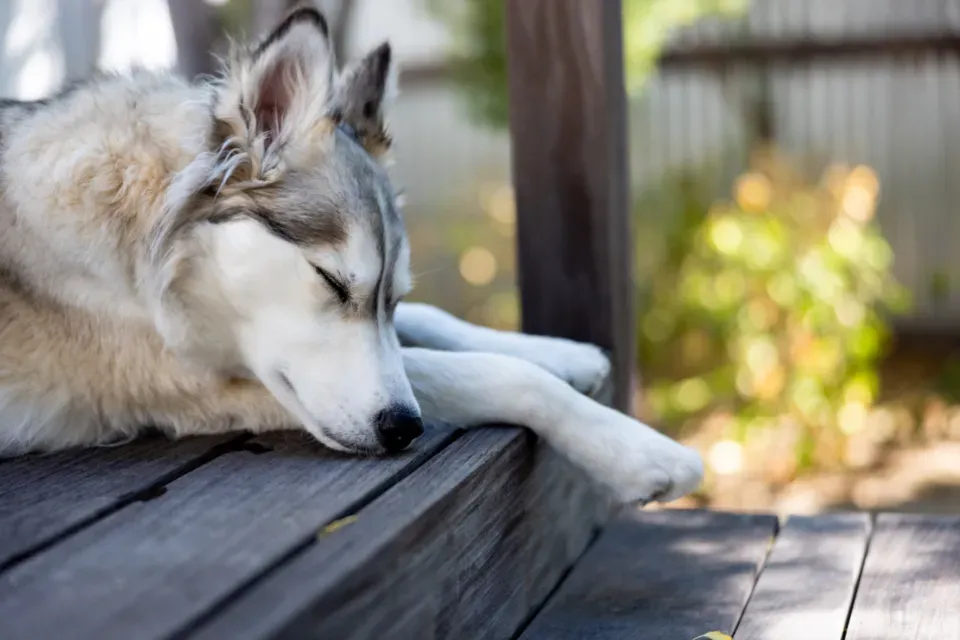
Most sighs are harmless. Most sighing is a gentle, benign message, but some sighs can reveal a medical issue, notably arthritis. If a dog sighs while lying on a certain part of the body or moving into a specific position, they may be experiencing discomfort in their joints from arthritis.
Occasionally, sighs are tied less to emotion and more to the body trying to settle around discomfort. This is seen more often in older dogs or animals with joint, back or breathing problems. If you notice your senior dog sighing more than usual and shifting restlessly, that’s worth paying close attention to.
If your dog is having a lot of heavier breathing, gasping, or making other noises such as groaning, you should talk to your vet as these could indicate an underlying medical condition. If your dog is sighing several times a day and there are any other signs of discomfort, vomiting or diarrhea, see your vet. Your gut as a dog parent matters. Trust it.
Conclusion: Learn to Listen Between the Breaths
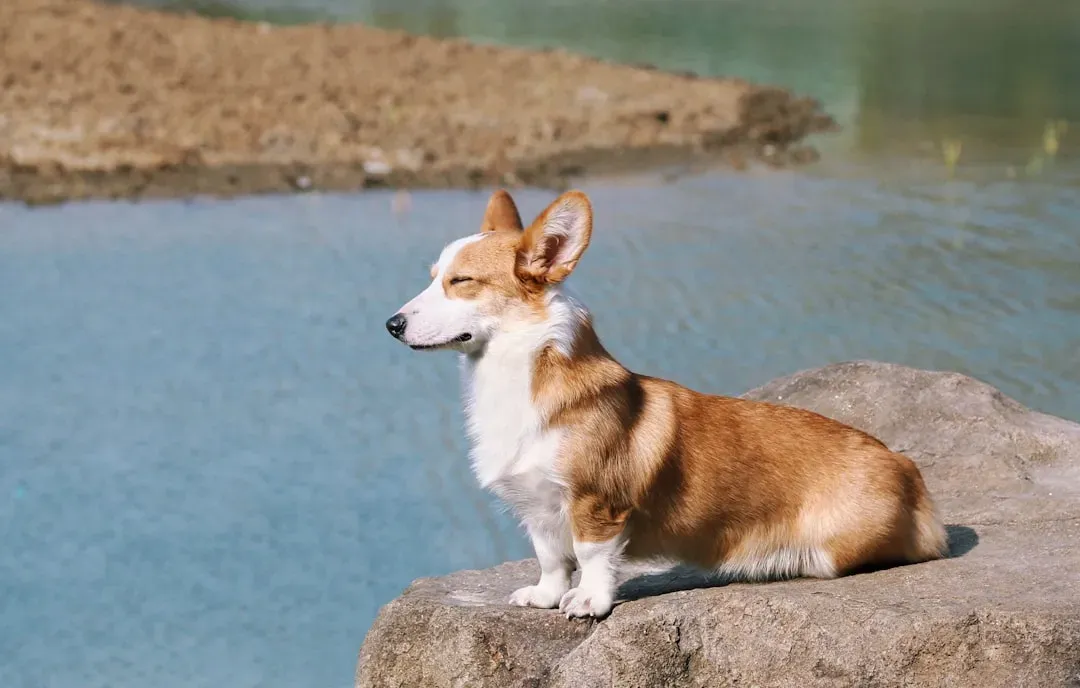
Your dog cannot hand you a note that says “I’m happy” or “I need more walks” or “my hip hurts.” But they are telling you, every single day, in the language of breath, body posture, and eye expression. When your dog sighs, it is an emotional signal terminating an action. More simply put, sighing acts as a sort of period at the end of a dog’s unspoken sentence.
Once you begin to notice when and how your dog sighs, you can fine-tune everyday choices. A contented flop and sigh after a walk suggests you’ve hit the exercise sweet spot. Repeated bored huffs around mid-afternoon might be your cue for a short training session or chew toy.
The more you tune in, the deeper your bond grows. That sigh is not background noise. It’s your dog reaching out to you in the only way they know how. All they ask is that you listen. So next time your dog exhales in that long, dramatic way, pause for just a moment and ask yourself, what are they really trying to say? You might be surprised how much you already know.


