
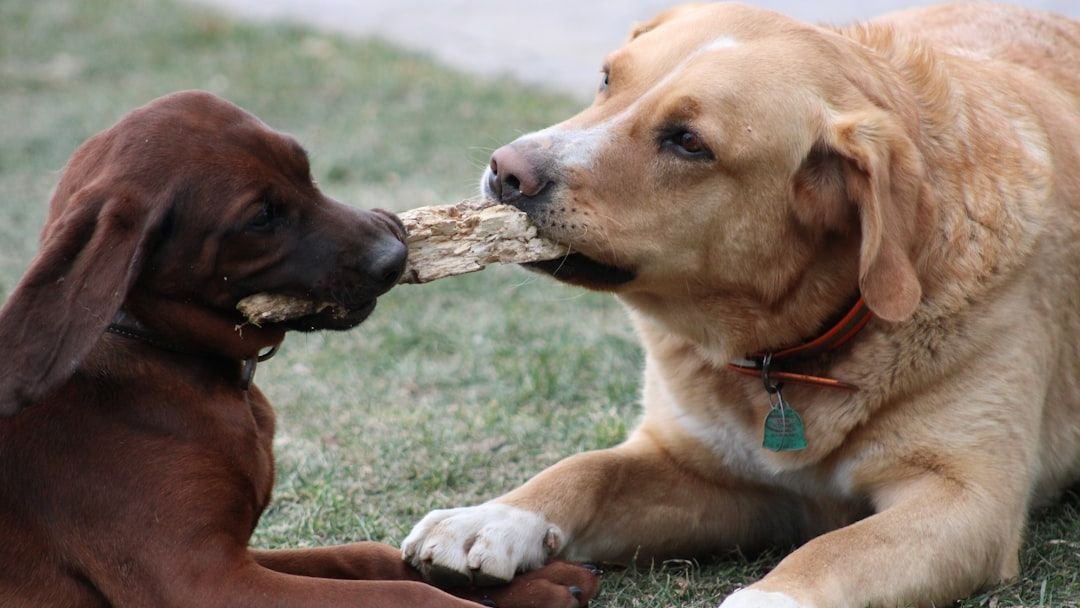
You’ve done everything right. You researched the breed, prepped the house, bought all the gear. The new pup arrives, tails are wagging, hearts are full. Then within days, your resident dog is sulking in the corner, growling at mealtimes, or flat-out refusing to share the sofa. Sound familiar?
Bringing a new pet home is one of the most exciting things a dog lover can do. It’s also, honestly, one of the easiest ways to accidentally create chaos. The tricky part? Most of the mistakes happen before you’ve even noticed them. They come from love, excitement, and the very best intentions. Let’s dive into the ten biggest pitfalls, and more importantly, exactly how to sidestep every single one of them.
1. Skipping the Neutral Territory Introduction
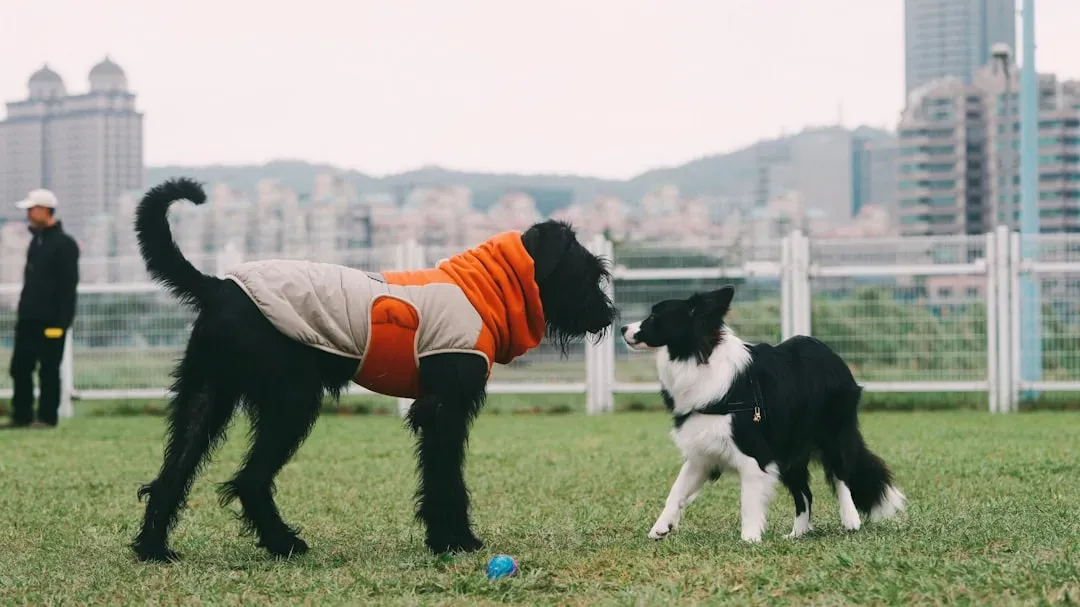
Here’s the thing that surprises most owners: your home already belongs to your resident dog. Walking a newcomer straight through the front door feels, to your existing pup, like a total invasion of their kingdom. You don’t want to walk a new dog into your home with your current dog waiting inside, because your dog will naturally feel that the newcomer is an intruder, not a new friend. Think of it like someone walking uninvited into your bedroom. Not exactly a warm welcome.
Introduce the dogs in a neutral area rather than your own home or yard. Both dogs should be on leashes for control, but try to allow them a little room to maneuver. A quiet park or an unfamiliar street works perfectly. Keep things calm, keep things positive, and let them gradually figure each other out on common ground.
2. Doing the Introduction All at Once
Owners are so eager to get the relationship started that they rush the whole process. I get it, you want them to be best friends immediately. But dogs need time to process each other’s presence before going nose-to-nose, and that takes more than one meeting. It is always best to go slowly. It is better for the dogs to have their first interactions be calm and controlled than to have too much freedom, have a conflict and then have to undo that.
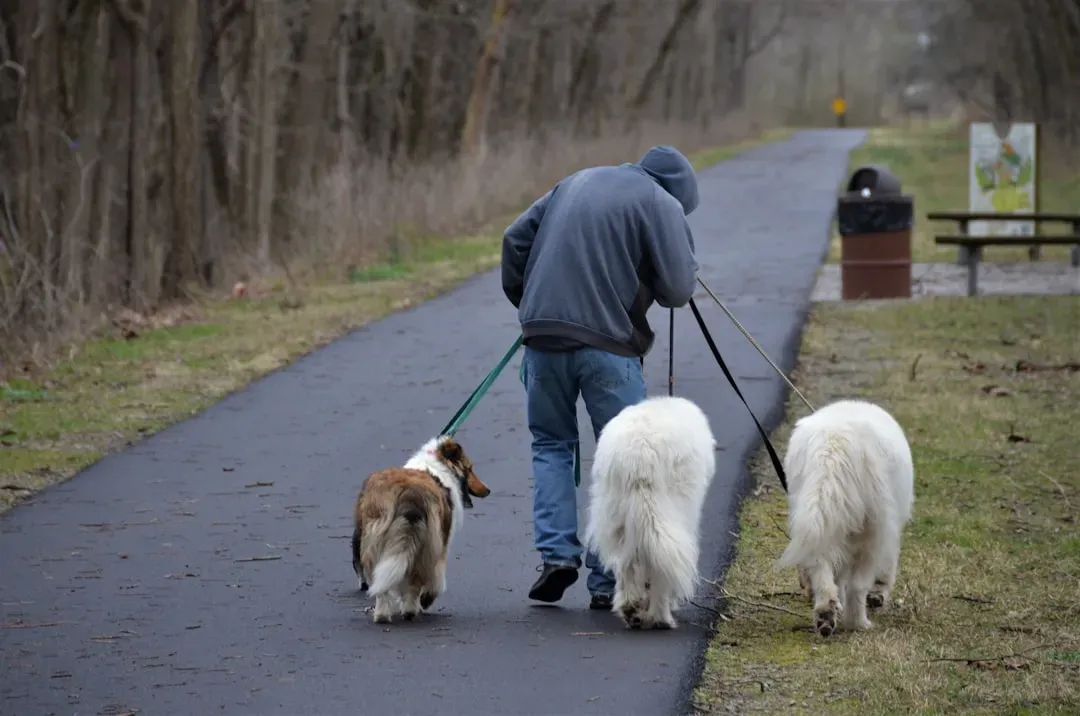
A really effective trick that many owners overlook is the parallel walk. Each dog has his own person. The purpose is to go for a walk, not to meet each other. Encourage walking, not interacting. This is a great way to ease tension and allow them to become accustomed to each other’s scents. It’s low pressure, it’s gradual, and it works beautifully.
3. Ignoring Body Language Warning Signs
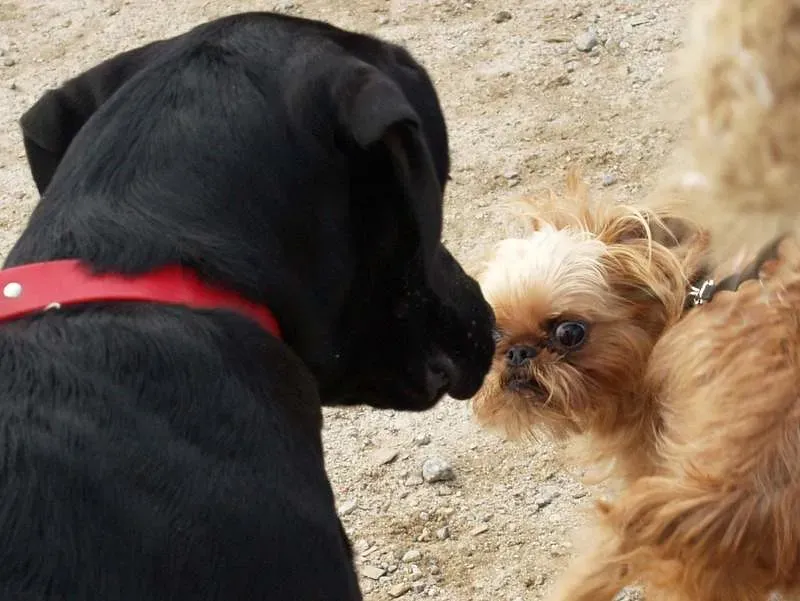
This one genuinely breaks my heart because it’s so preventable. Dogs communicate everything through their bodies, and if you miss the signals, you’re essentially walking past a flashing red light. Be on the lookout for signs either dog is anxious or uncomfortable, such as growling, snapping, showing teeth, back-hunching, long stares, and raised fur. These aren’t drama. These are genuine distress calls.
On the flip side, learning the green-light signals is just as important. One body posture that indicates things are going well is a play-bow. One dog will crouch with her front legs on the ground and her hind end in the air. This is an invitation to play that usually elicits friendly behavior from the other dog. When you see that, breathe easy. You’re on the right track.
4. Leaving Them Unsupervised Too Soon
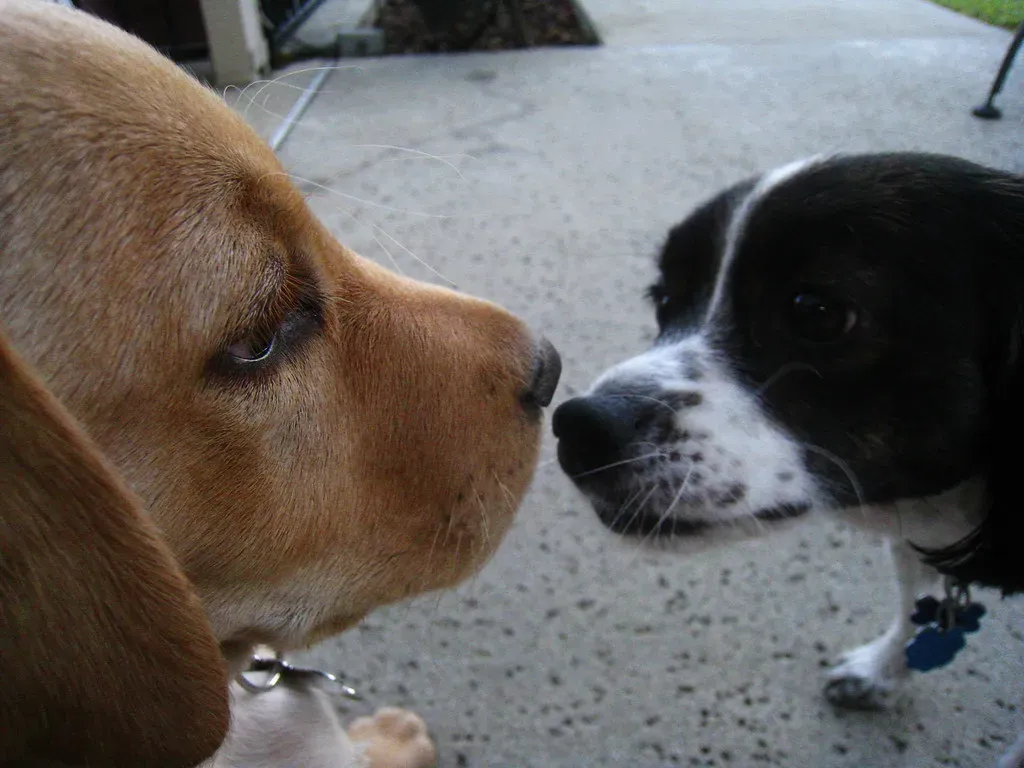
Let’s be real: life gets busy. You get home, things seem okay, and you sneak off to make dinner while the two dogs roam free together. Totally understandable, and also one of the riskiest things you can do in the early days. It is best not to leave two newly introduced dogs alone before they have become acquainted and the new dog is at least somewhat comfortable in his new home.
When you are not able to supervise them, it is best either to crate the new dog or put the dogs in separate rooms. You want to make sure they don’t have any issues when you aren’t around because one altercation can make it much more difficult for them to be comfortable with each other. Think of supervision as a short-term investment with a massive long-term payoff.
5. Feeding Them Side by Side
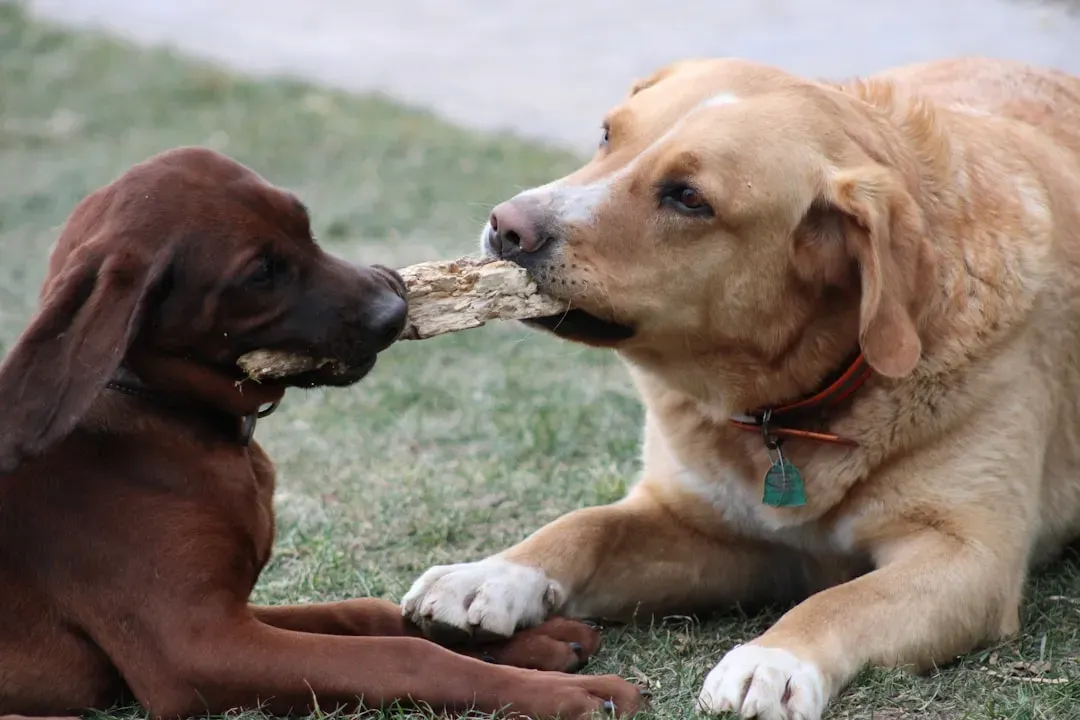
Food is serious business in the dog world. Even the sweetest, most mellow dog can turn tense at feeding time when there’s a stranger nearby. Owners often assume that sharing a meal together is a bonding experience. For dogs, it can be the exact opposite. Do not feed the dogs next to each other. Put them in separate rooms and close the door. Prevent any interactions while preparing food, while they are eating, and immediately afterwards.
At first, feed your dog the way you always have done and feed the new dog in a different room. Your dog should not have to worry about feeding time, leading to problems feeding the dogs. Once a solid friendship develops, you can reassess. Until then, separate feeding zones are non-negotiable.
6. Neglecting the Resident Dog’s Routine
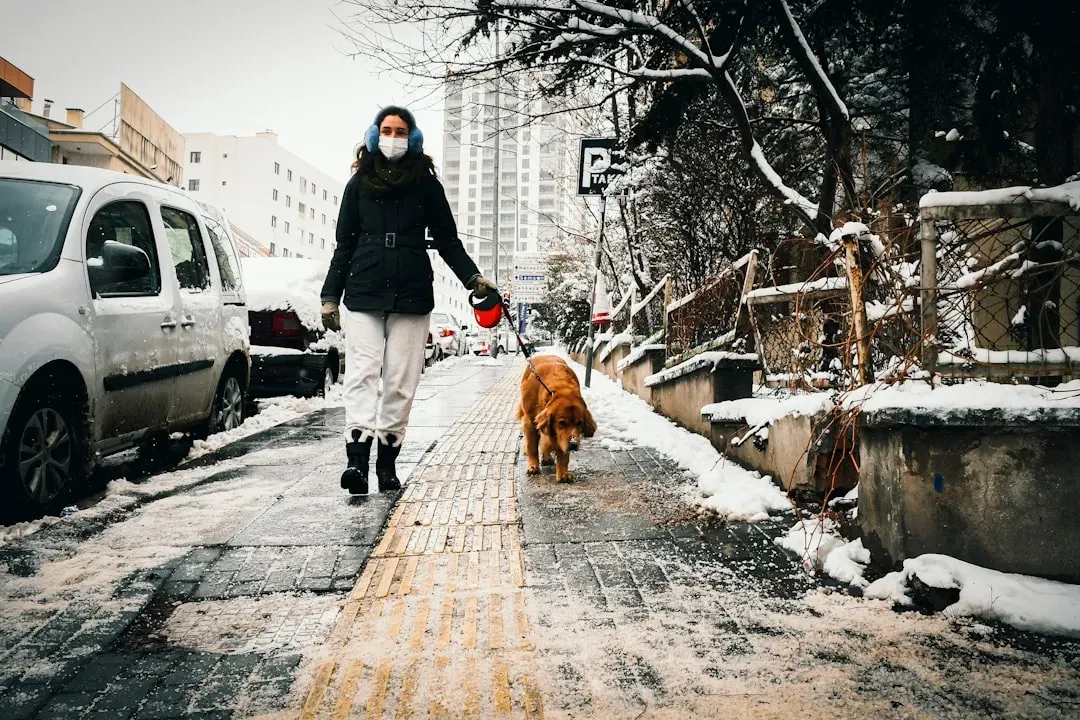
Imagine this: your life is running along smoothly, walks at 7am, dinner at 6pm, cuddles on the couch every evening. Then suddenly, everything shifts. A new creature arrives and everything you knew as normal gets disrupted. That’s exactly what your resident dog experiences. Keep your older dog on a routine. Disruption in eating and walking rituals can cause territorial issues.
As you go about your normal routine, implement each step with the older dog before the puppy, including putting the leash on, filling the food bowl, and having playtime. This small act of seniority signals to your resident dog that they still matter. It’s a tiny thing with enormous emotional weight for your dog.
7. Forgetting to Give Your Resident Dog Special One-on-One Time

New pets are irresistible. All the attention naturally flows toward them, and who can blame anyone? They’re adorable. But your resident dog notices the shift immediately. Just like when a new baby arrives and a sibling appreciates special mommy time, older dogs adjusting to new pets welcome a little extra attention from their owners. Spend some alone time with your older dog so they feel loved and less jealous of the new addition.
Be sure to give the adult dog some quiet time away from the new pet, and lots of attention when the new pet is around. You are basically saying to your current dog that they get more attention when the newcomer is around and should be happy with their presence. Clever, right? You’re literally rewiring how your resident dog feels about sharing you.
8. Letting Toys and Resources Become Battle Zones
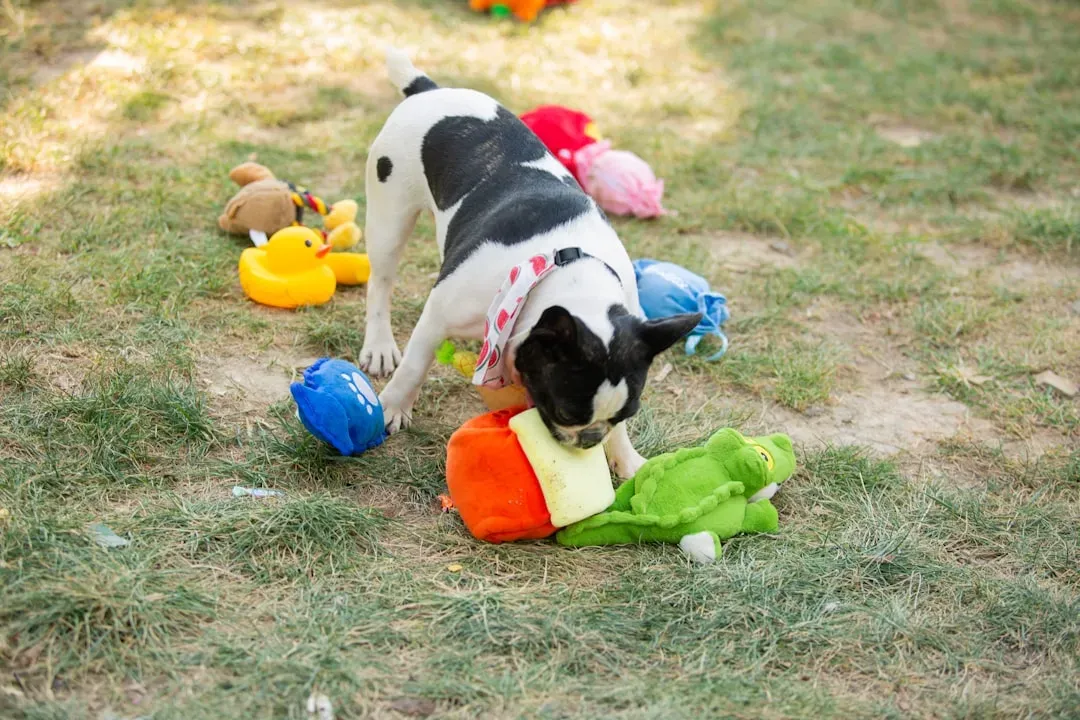
Toys, beds, bones, water bowls. These might look like innocent household items to you, but to your dog they are prized possessions worth defending. Prior to bringing your new dog home, place anything your resident dog might guard in one area. This may include food bowls, bones, beds, and toys. Make sure the new dog has a separate area for all of their items. Even if your pet has never been possessive in the past, it’s best to be cautious.
There should be more than one water bowl and more than one comfortable place to lie down. There should be plenty of toys so that there’s no reason for the dogs to have a conflict over access to them. If your dog has a history of guarding his toys, they should be removed for the initial introduction period, which may take a few weeks. More resources means less competition. Simple as that.
9. Misreading “Stubborn” Behavior as Attitude
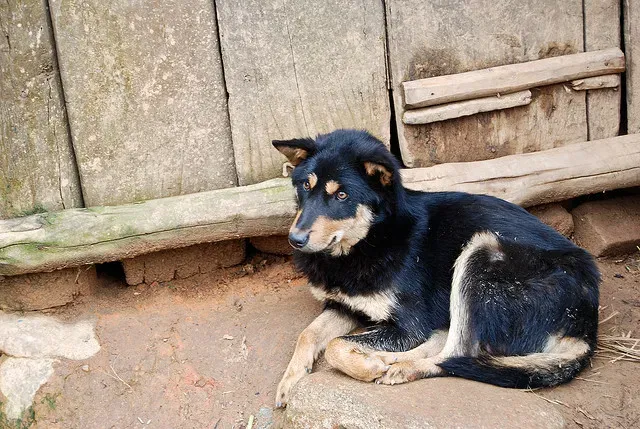
When a dog growls, hides, or refuses to engage with the newcomer, it’s easy to label them as difficult or jealous. The truth is far more nuanced, and understanding this distinction can completely change how you respond. In a lot of cases, dogs are not being stubborn, a human trait we give to dogs, but are actually anxious or fearful of the situation they have been put in. Not being able to recognize when your dog is fearful is a big mistake that can be costly.
Signs of trouble during a pet introduction include aggressive body language such as growling, continuous barking, or lunging, combined with fearful responses like cowering, excessive hiding, or attempts to escape. These signals indicate significant stress and a need to slow down or reassess the introduction strategy. Respond with patience, not frustration. Your dog is asking for help, not picking a fight.
10. Waiting Too Long to Seek Professional Help
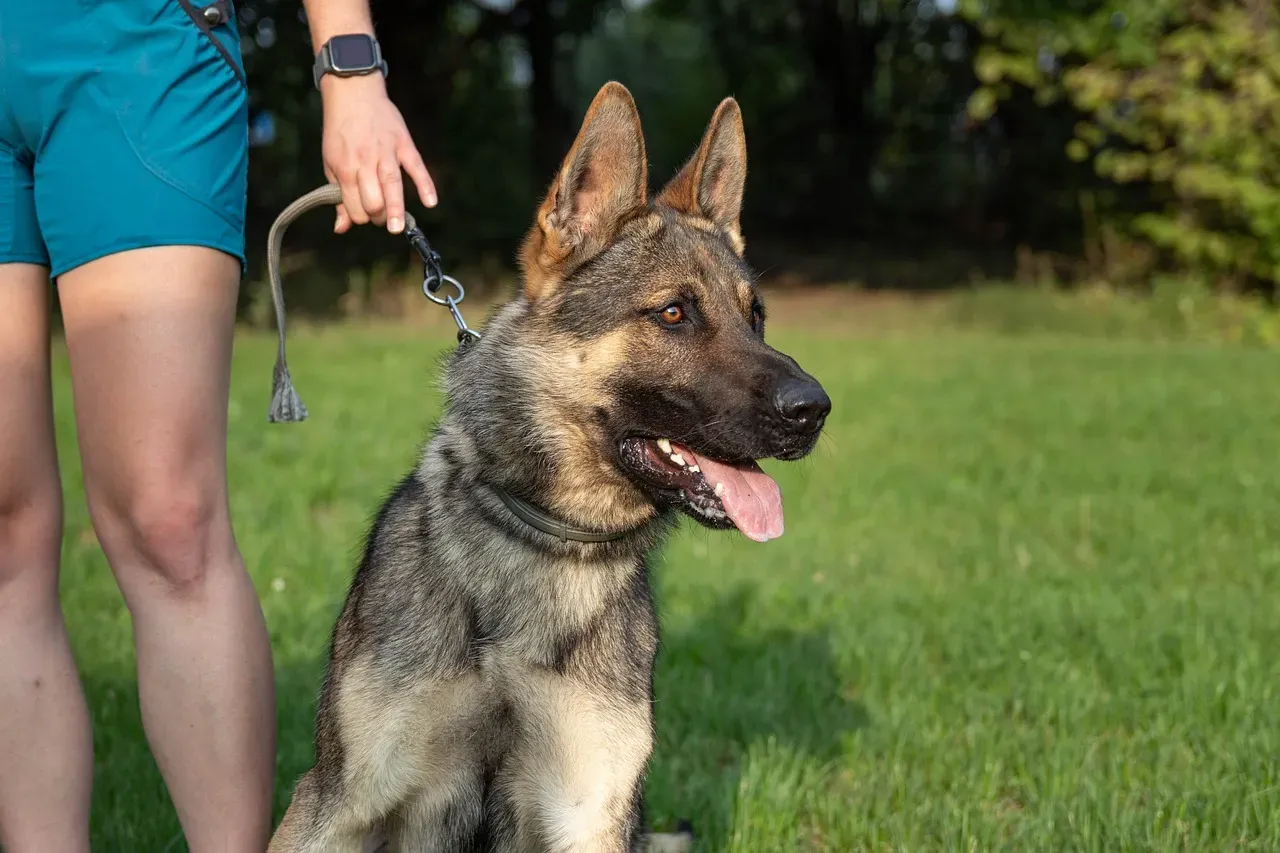
I know it sounds crazy, but one of the most loving things you can do is admit early that you need backup. Many owners wait weeks, sometimes months, hoping things will smooth themselves out. If the introduction of a new dog to a household doesn’t go smoothly, contact a professional trainer immediately for help. Dogs can be severely injured in fights, and the longer the problem continues, the harder it can be to resolve. Conflicts between dogs in the same family can often be resolved with professional help.
If aggressive or fearful behaviors persist despite careful, slow introductions, consider seeking professional help from a certified behaviorist or veterinarian. Early intervention can prevent serious issues. Reaching out early isn’t failure. It’s the smartest, most proactive thing you can do for everyone in your household, two-legged and four-legged alike.
Conclusion: Patience Is the Most Powerful Tool You Own
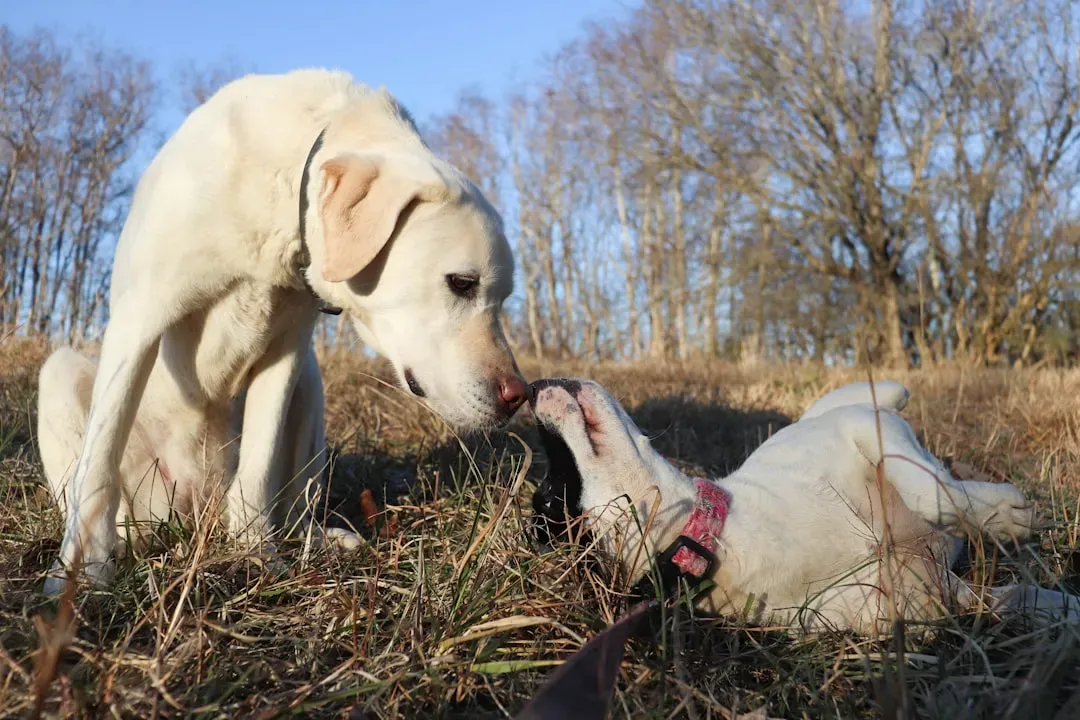
Introducing a new pet is rarely a straight line. There will be awkward moments, a little growling, a few tense stare-downs, and days where you wonder if this was the right call. That’s completely normal. What matters most is that you slow down, stay observant, and lead with empathy for both your animals.
Every dog is an individual. Some will warm up in days, others need weeks or even months to truly settle into their new dynamic. Successfully integrating a new pet into your existing household demands significant patience, careful planning, and keen observation of animal behavior. A slow, structured approach focusing on scent familiarization, controlled visual interactions, and positive reinforcement is crucial.
You brought a new life into your home because you have love to give. That love, combined with the right knowledge, is genuinely all it takes. So take a breath, trust the process, and enjoy the beautiful, sometimes messy, always rewarding journey of watching two dogs become family. What moment surprised you most when you introduced your pets? Tell us in the comments below!


