
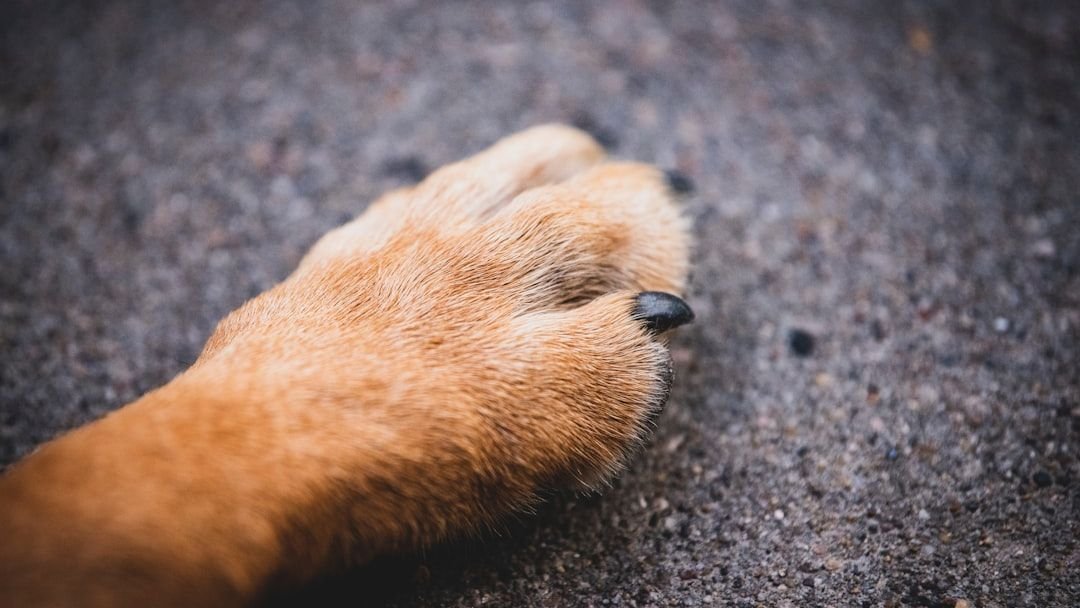
Think about the last time your dog padded over and gently placed a paw on your knee. You probably smiled, maybe even melted a little. But did you ever stop to wonder what that small, furry gesture was actually trying to say? Honestly, most of us take our dogs’ paws for granted. We see them as cute little toe beans, great for leaving muddy prints on the kitchen floor, but not much else.
Here’s the thing: your dog’s paws are one of the most fascinatingly complex parts of their body. They communicate, they feel, they protect, and they reveal things about your dog’s health that even seasoned owners sometimes miss. From the quiet press of a paw against your leg to the frantic licking of pads at midnight, there is an entire language happening right at ground level. Ready to finally understand it? Let’s dive in.
A Tiny Masterpiece: What’s Actually Inside Your Dog’s Paw
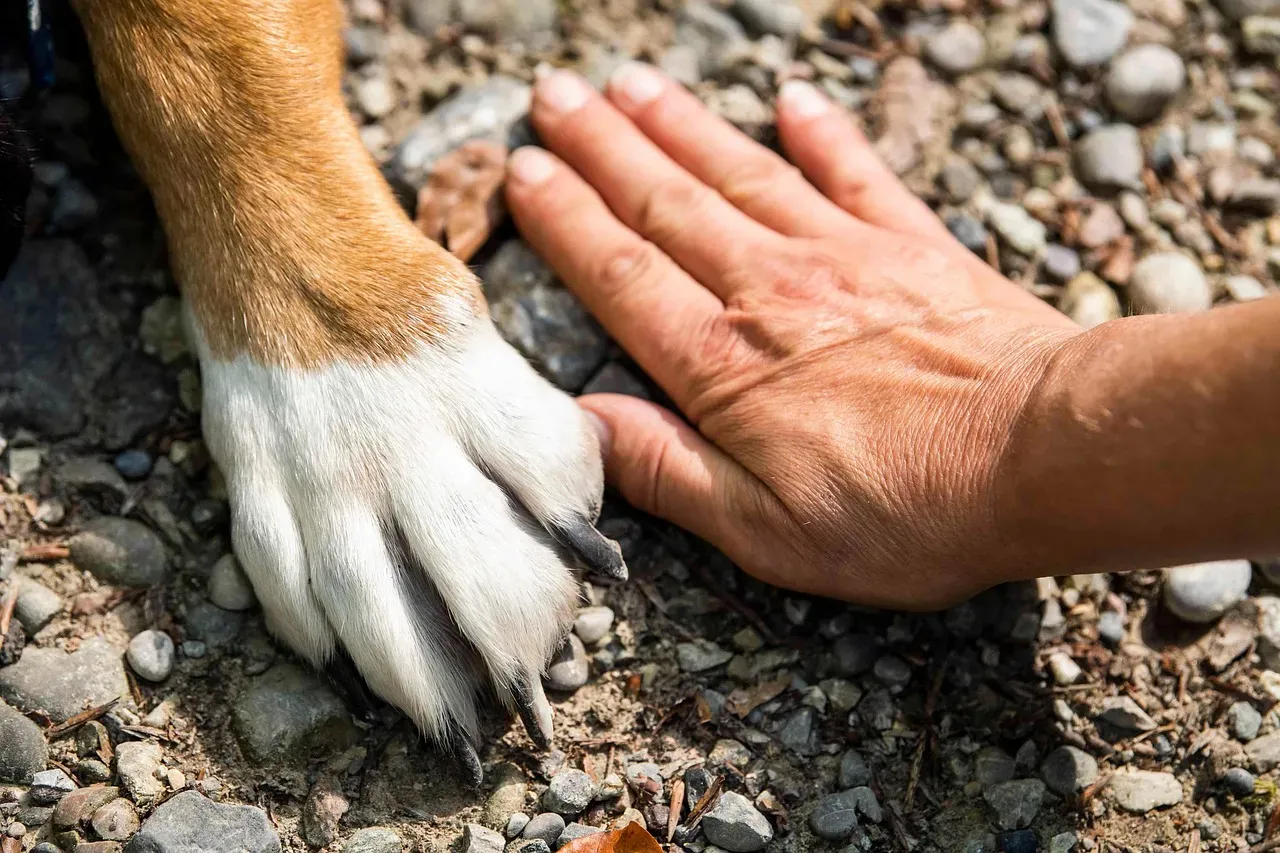
Most people assume a dog’s paw is basically just a foot. It’s so much more than that. Your dog’s paw is a complex piece of anatomy, serving as a shock absorber, climate control system, grip enhancer, and even a form of communication. Think of it like a Swiss Army knife built into every step your dog takes.
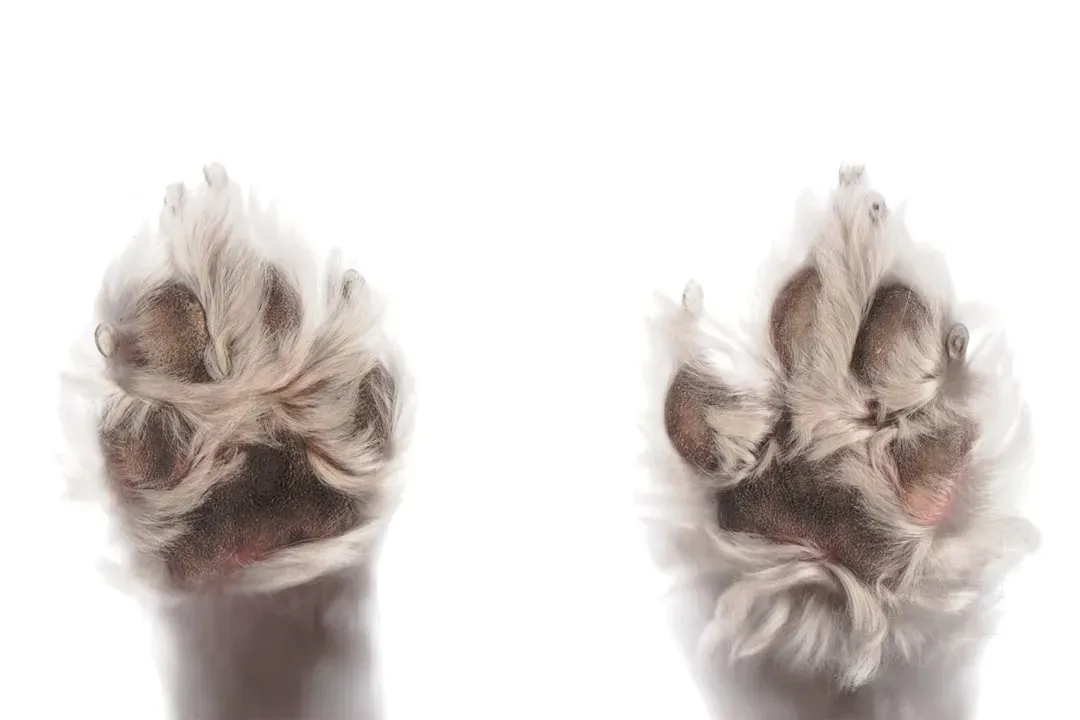
Dog paw pads are composed of thick calloused skin, fat, and connective tissue. This design allows them to bear weight, provide insulation against cold, and protect bones and joints from high impact. It’s the same reason your dog can run across gravel that would have you wincing in three steps.
Digital pads, found under each toe, absorb shock, provide traction, and help distribute load during movement. The large central metacarpal pad bears the majority of the body’s weight and absorbs impact during running or landing. The carpal pad, located on the front limbs, aids in braking, turning, and downhill control. It’s like having built-in hiking gear your dog never has to pack.
Unlike humans, dogs carry the majority of their weight on their toes versus their heels. So when your dog sprints across the yard, they’re essentially running on their tippy-toes the entire time. Kind of incredible when you picture it.
The Paw Speaks: What Your Dog Is Telling You With Every Touch
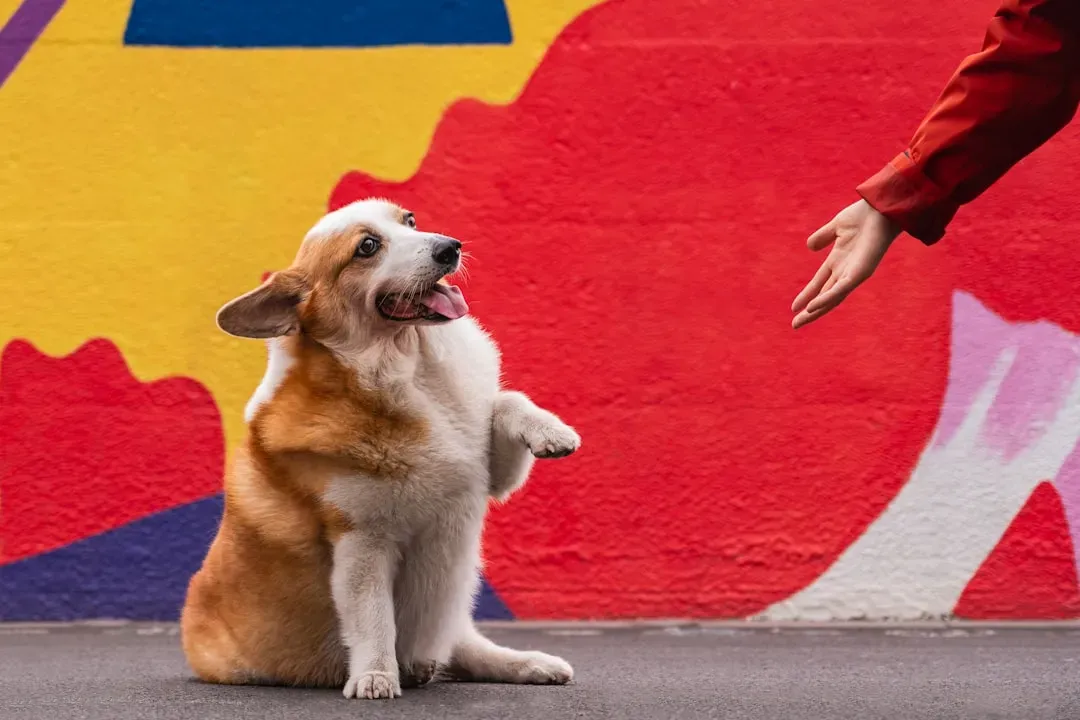
If your dog has ever pressed a paw onto your thigh while you’re watching TV, here’s the truth: that was not an accident. Pawing is a natural form of communication for dogs, often used to express a need. It could be hunger, boredom, love, or a full bladder. Context is everything.
Dogs use pawing to express a wide range of emotions, from excitement and love to a gentle nudge for attention or a reminder for dinner time. This instinctual behavior is rooted in their social nature and offers an attention-grabbing way to interact and convey their needs to their human companions. Think of it like a tap on the shoulder from someone who can’t speak your language but desperately wants to connect.
Dogs who are pawing simply to say “I love you” will have a relaxed posture including naturally-positioned ears, a gently wagging tail, and a soft gaze. So if your dog looks completely blissed out while resting a paw on you, congratulations. You’re being adored.
If a dog lifts their paw without touching anything, this might be a sign of stress. That subtle, suspended paw mid-air? It’s easy to miss. Pay attention, because that moment could be your dog quietly saying they’re overwhelmed and need your help.
When Paws Send Health Warnings: Signs You Should Never Ignore
Let’s be real: our dogs can’t tell us when something hurts. That’s what makes reading their paw behavior so important. The condition of the paws speaks to your dog’s overall health and can signal a potential issue. Healthy dog paw pads are smooth and have no cracks, calluses, burns, or blisters, and there’s no sign of inflammation, irritation, or bad smell.
Excessive paw licking in dogs is often a sign of allergies, infection, pain, or stress rather than a harmless habit. I know it sounds crazy, but that repetitive licking you’ve been writing off as a quirky grooming ritual? It deserves a much closer look.
Environmental allergies are the most common cause of excessive paw licking. Dogs absorb allergens through their skin and paws, unlike humans who typically react through inhalation. Seasonal pollen, grass, dust mites, and mold spores often trigger these reactions. So if the licking gets worse every spring, it’s not a coincidence.
Some dogs will obsessively lick a paw over and over until a large, hairless, inflamed area develops. This is called a lick granuloma, or acral lick dermatitis, and the exact cause is debated. Some believe it is a self-soothing behavior in response to anxiety or boredom. When you see this, it’s time to call the vet, not just distract your dog with a treat.
Paw Care Through the Seasons: Protecting What Carries Them
Here’s something most dog owners only think about in emergencies: paw care is a year-round commitment, not just a summer thing. If you hold your hand on the pavement for 5 seconds and it’s too hot, it is too hot for your dog’s feet. Walk them at a later time or stay on the grass. That five-second rule is one of the simplest, most powerful things you can remember.
In the winter you want to protect your dog’s paws from salt, ice balls, and cutting their pads on sharp items hidden under snow. Cold weather can expose your dog’s paw pads to drying, cracking, trauma, frostbite, and chemical burns. Winter walks can be just as hazardous as summer ones, just in different ways.
Balms contain ingredients like shea butter, coconut oil, and beeswax to soothe dry or cracked pads. A little balm before a winter walk goes a long way, like putting on good gloves before heading out into the cold. Do a weekly paw check for cuts, thorns, and debris, and wipe paws off after walks to remove pollen, road salts, or lawn chemicals.
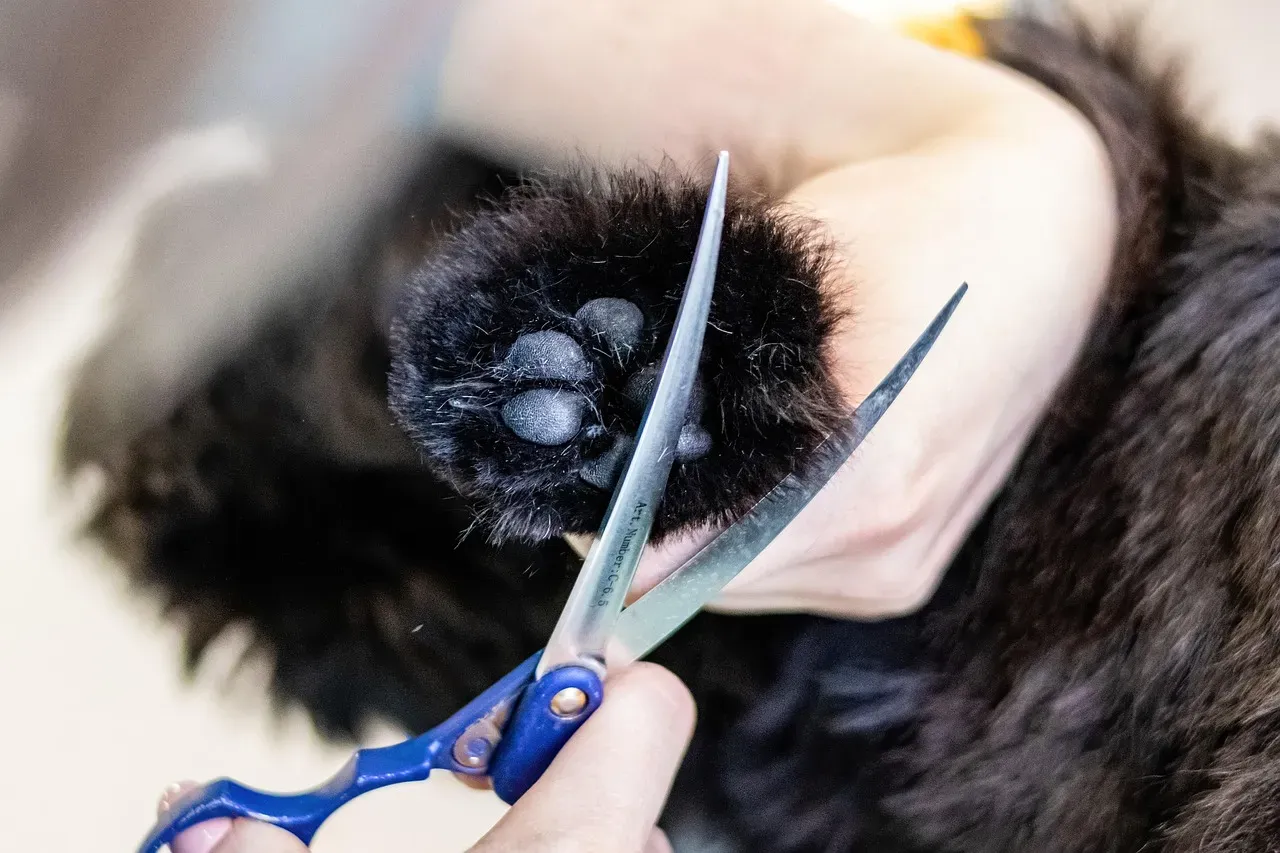
Nail issues may not seem like a huge problem, but they can be incredibly painful and take a long time to resolve. Ingrown nails occur when a nail grows into the surrounding skin, causing pain and potential infection. Split or torn nails typically arise from brittle or overgrown nails, leading to painful injuries. Routine nail trimming helps avoid overgrowth and the associated problems. Honestly, nail care is one of the most overlooked parts of keeping a dog healthy.
The Scent, Sweat, and Surprising Science of Dog Paws
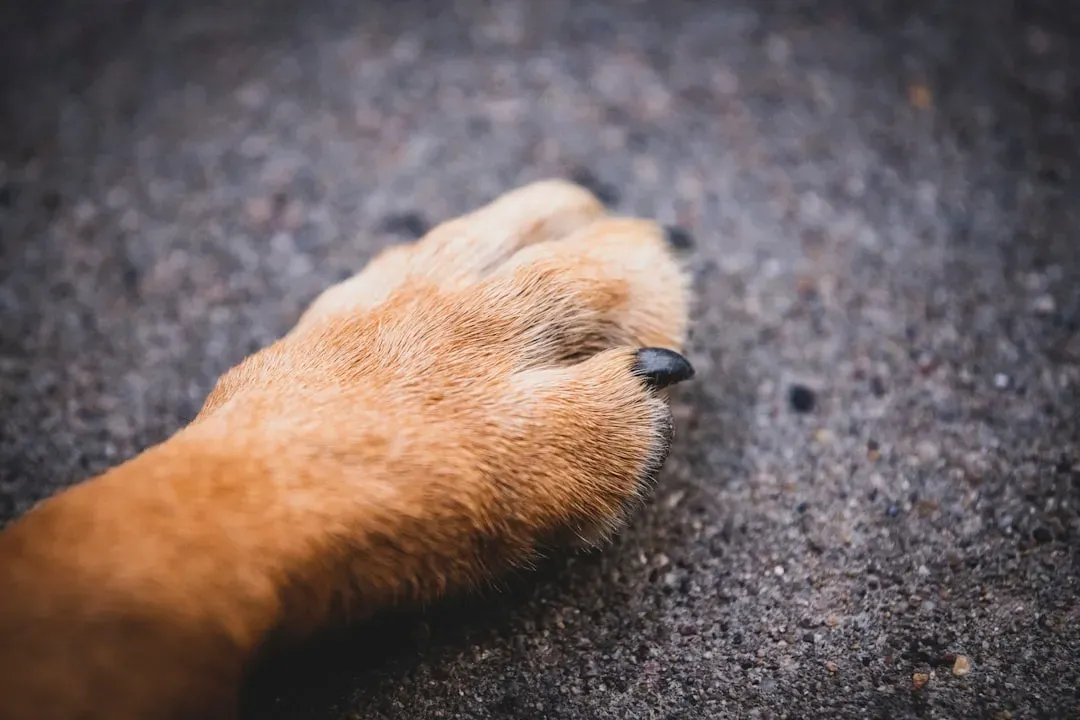
Have you ever sniffed your dog’s paws and gotten a faint whiff of corn chips? Don’t be alarmed. That Frito Corn Chips smell is caused by bacteria called Pseudomonas and Proteus. The yeast-like odor given off by this bacteria often smells just like corn chips. It’s one of the stranger and more delightful facts in all of dog ownership.
Your dog’s paws have sweat glands that allow them to perspire, helping them to cool down and keep their pads from getting too dry. If a dog is stressed or nervous, their paws can perspire, just like you do. So the next time you notice damp paw prints on the vet’s examination table, it may not just be from walking through puddles.
Some dogs like St. Bernards and Newfoundlands have wide sprawling paws to help them get traction on snow and ice. Water dogs such as retrievers and Portuguese Water Dogs have webbing between their toes to help them swim. Akitas and Dobermans have what are known as “cat feet,” which are small and high-arched, giving them better endurance. Evolution basically custom-built each breed’s paws for their original job.
As a pack animal, dogs will strive to conceal their discomfort for as long as they can. Therefore, if they show signs of distress, they are unable to conceal it, and it’s an issue that must be taken care of as soon as possible. The paws are often where that hidden distress finally shows up first.
Conclusion: Look Down More Often
There’s something genuinely moving about realizing how much your dog expresses through four small paws. Every press against your leg, every frantic lick, every hesitant lifted foot mid-walk is a piece of information meant for you. They can’t write you a note. They can’t send a text. Their paws are doing the talking.
The good news is that once you start paying attention, you can’t stop noticing. A weekly paw check becomes second nature. You start reading the context around a paw tap. You catch health issues earlier. Paws are essential tools for movement, balance, temperature regulation, and even sensing the world around them. Understanding how your dog’s paws are built and how they function can help you spot what’s normal, recognize early signs of trouble, and keep your pup comfortable on every adventure.
So next time your dog pads over and rests a paw on you, take a breath. Don’t move it away too quickly. That small, warm weight is a whole conversation. The question is, are you listening? Drop a comment below and tell us: what does your dog’s paw behavior say about them?


