
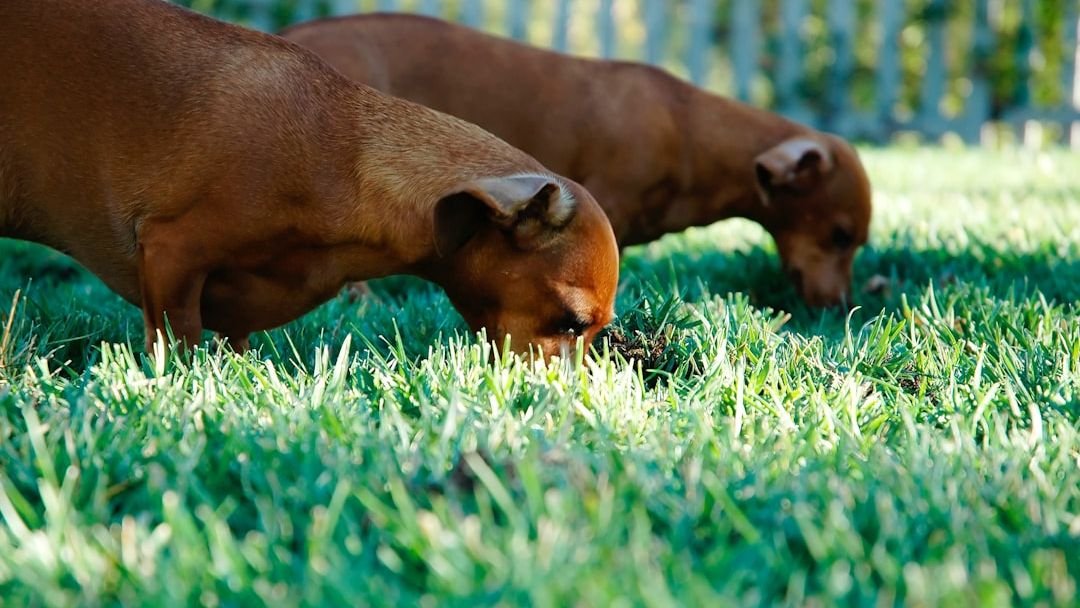
You’re out for a walk, the sun is shining, your dog seems perfectly happy, and then suddenly, head down, tail up, they start munching on grass like a little furry lawn mower. Sound familiar? If you’ve ever watched your beloved pup do this and felt a wave of confusion or quiet panic wash over you, you are absolutely not alone. This is one of the most googled, most asked-about dog behaviors out there. It puzzles new dog parents and seasoned ones alike.
Here’s the thing though. The answer isn’t as simple as most people assume. There are layers to this quirky habit, some fascinating, some health-related, and some that are just pure, unapologetic dog-ness. Stick with me, because what you’re about to discover might completely change how you see your dog’s backyard snacking. Let’s dive in.
It’s Deeply Rooted in Their Ancestry (Yes, Really)
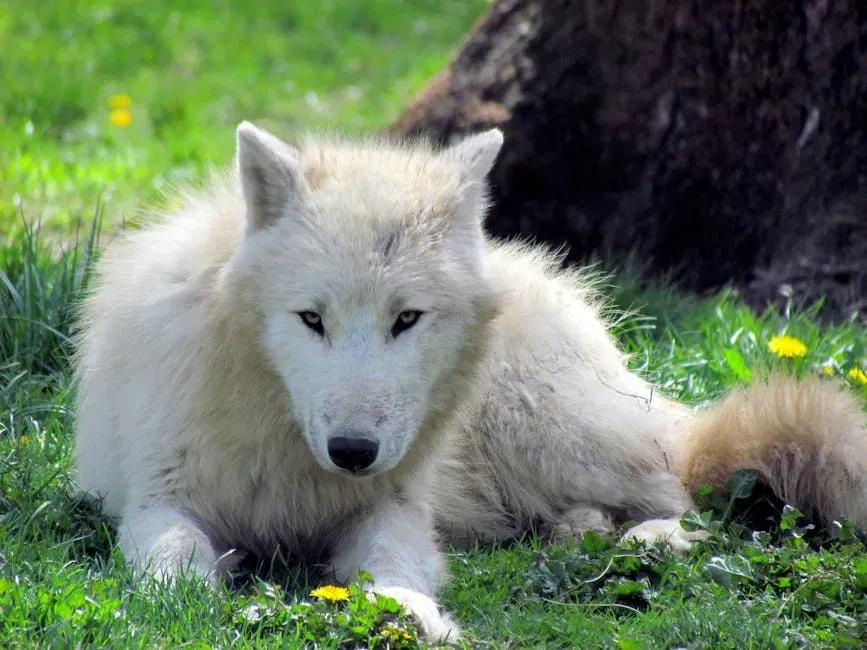
Your dog’s ancestors did not eat kibble packaged in sealed bags. Dogs are not true carnivores, but they’re not exactly omnivores either. In the wild, they consumed anything that helped fulfill their basic dietary requirements. Think of it like an ancient survival buffet, and plants were always on the menu.
Stool samples from studies show that a notable portion of wolves eat grass. Modern dogs don’t have to hunt for their food anymore, but they haven’t lost that instinct to scavenge. Some dogs, even those that genuinely love their commercial dog food, will eat grass as a reflection of their scavenger ancestry. So honestly, when your dog is nibbling the lawn, part of them is channeling their inner wolf. It’s kind of incredible, if you think about it.
Their Gut Might Just Be Asking for More Fiber
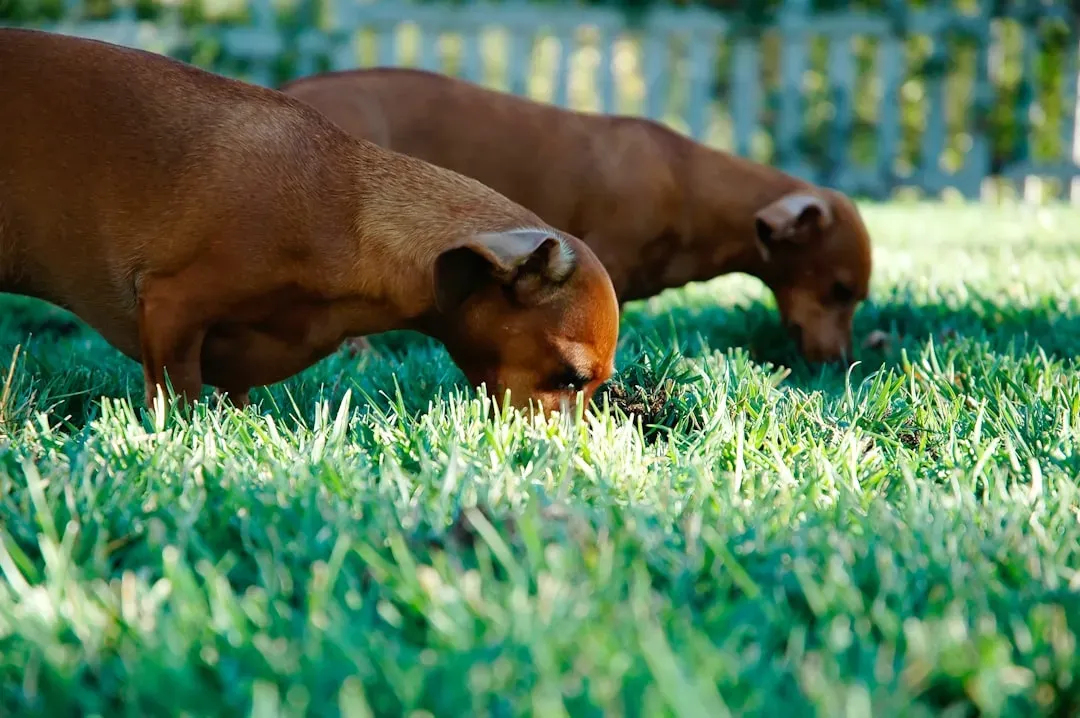
Dogs need roughage and fiber in their diets, and grass is actually a source of fiber. A lack of fiber affects the dog’s ability to digest food and pass stool, so grass may help their bodily functions run more smoothly. Think of it the way we sometimes crave vegetables after eating nothing but processed food for a few days. The body just knows.
There’s even a documented case of an 11-year-old Miniature Poodle who had a seven-year history of eating plants and grass and vomiting afterward. The problem resolved completely after the dog was placed on a commercial high-fiber diet. This was strong evidence that the dog was supplementing a dietary deficiency by eating grass, and once the fiber need was met, the grass-eating stopped. If your dog seems obsessed with grazing, it may be worth reviewing what’s actually in their bowl.
Boredom and Anxiety Are Bigger Culprits Than You Think
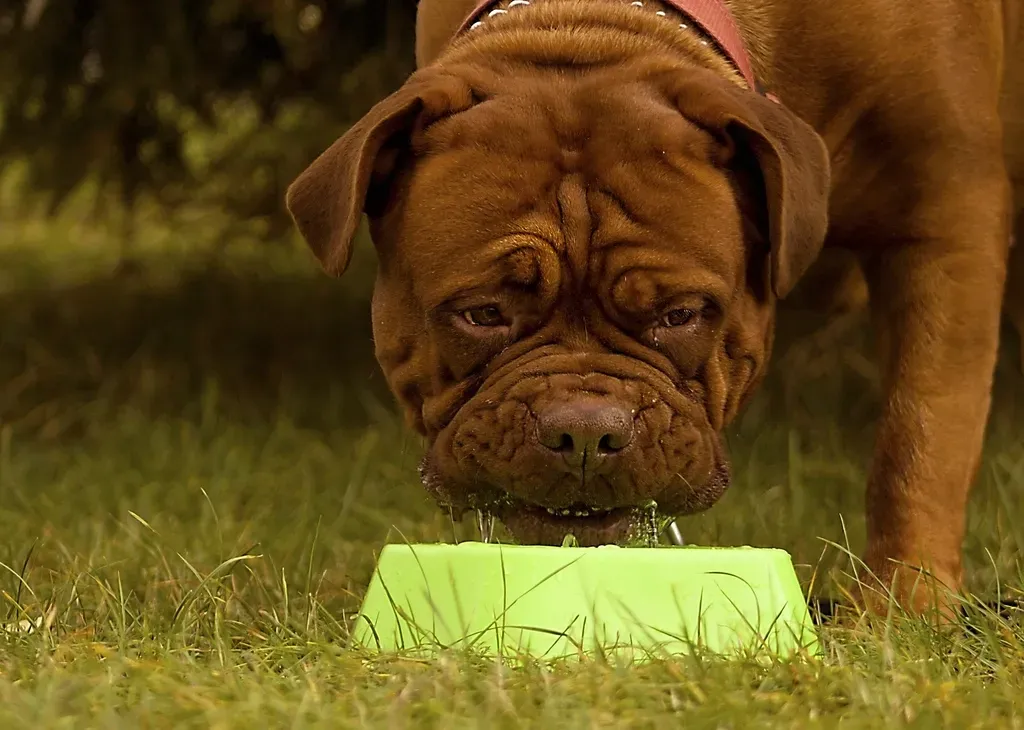
Dogs crave human interaction and may try to get their owners’ attention through undesirable actions like eating grass if they feel neglected. Anxious dogs eat grass as a comfort mechanism, much like nervous people chew their fingernails. Whether dogs are bored, lonely, or anxious, it’s often noted that grass eating increases as owner contact time decreases. That detail right there is both heartbreaking and deeply telling.
For anxious dogs, a new toy or an old T-shirt with their owner’s familiar scent may provide some comfort. A food-containing puzzle toy that challenges the dog will provide mental stimulation and relieve boredom. More active dogs benefit from more frequent walks and strenuous playtime. Before you assume it’s a stomach issue, ask yourself honestly: is your dog getting enough of you?
The Vomiting Myth, Debunked Once and for All

Let’s be real. Most of us assumed for years that dogs eat grass to make themselves throw up. It sounds logical. It’s been repeated so many times it feels like fact. Studies show that less than a quarter of dogs vomit after eating grass, so it is unlikely they turn to grass as a form of self-medication. In fact, only about ten percent of dogs show signs of illness before eating grass. The bottom line is that most grass-eating dogs are not sick beforehand and do not vomit afterward.
Bile can build up as a dog’s stomach becomes empty, which can feel irritating and uncomfortable. Eating grass can help release that bile. Many dog owners have seen their dog suddenly eat grass intensely, vomit, and then appear happier and more energetic shortly after. So sometimes the vomiting-grass connection is real, just not nearly as universal as the old myth suggests. Eating grass could also be your dog’s way of getting more fiber in their diet, which helps them digest food, pass stool, and generally keep their GI system operating like clockwork. A change to food with higher fiber content may help a dog who is regularly seeking out grass.
When Grass-Eating Is a Red Flag Worth Acting On
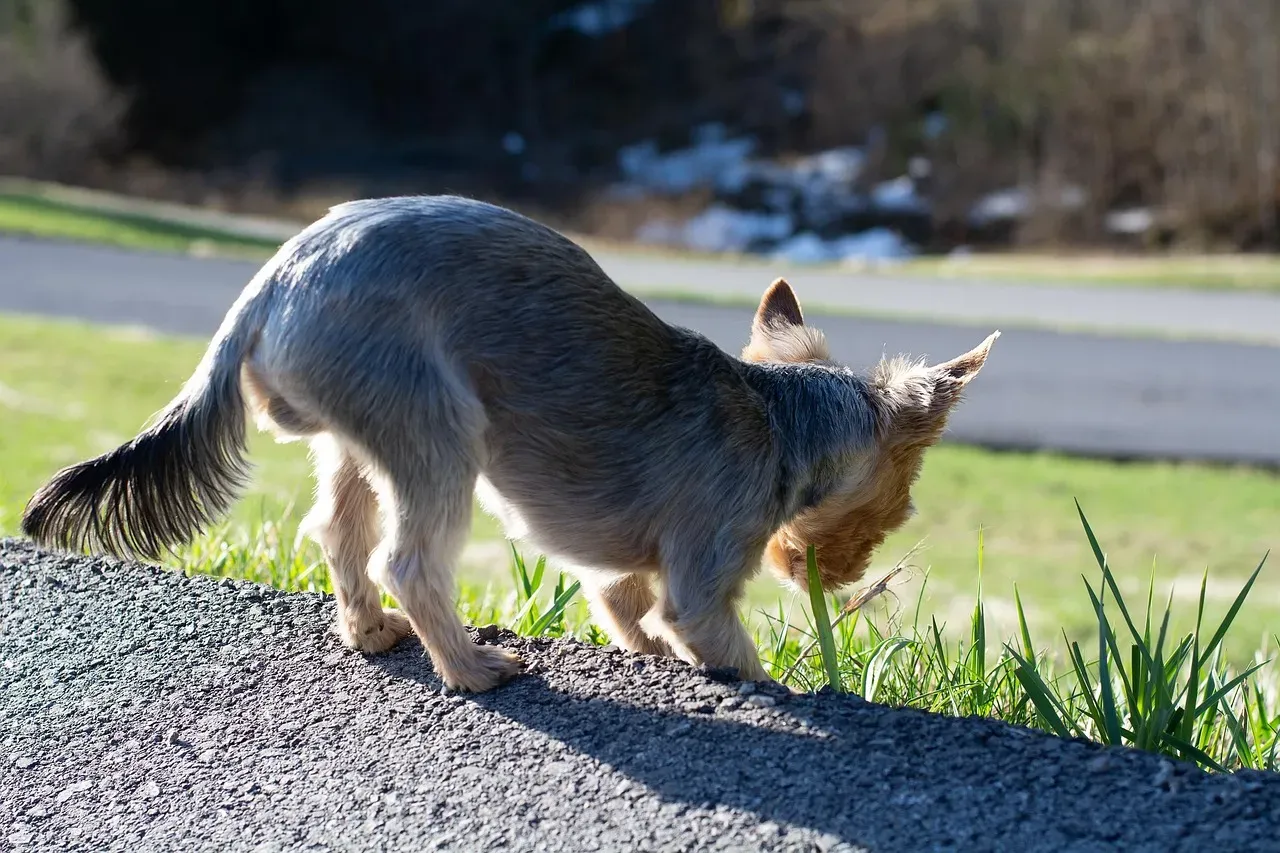
If you notice your dog eating grass more frequently or excessively, be alert for potential underlying illnesses. Check for vomiting, diarrhea, weight loss, decrease in appetite, bloody stool, lethargy, or lip licking. These aren’t just minor warning signs. They’re your dog’s way of telling you something is off, and they deserve to be taken seriously.
Lawns treated with pesticides, herbicides, or fertilizers can seriously harm dogs if ingested, so always ensure the grass your dog can access is free from those chemicals. Grass can also harbor parasites such as hookworms or roundworms, which can be ingested and cause real health issues. You should consult a veterinarian if your dog vomits repeatedly after eating grass, has diarrhea, seems lethargic, eats large amounts at once, shows signs of dietary deficiency, or may have ingested chemically treated grass. When in doubt, call your vet. Always.
Conclusion: Your Dog Is More Complex Than You Imagined
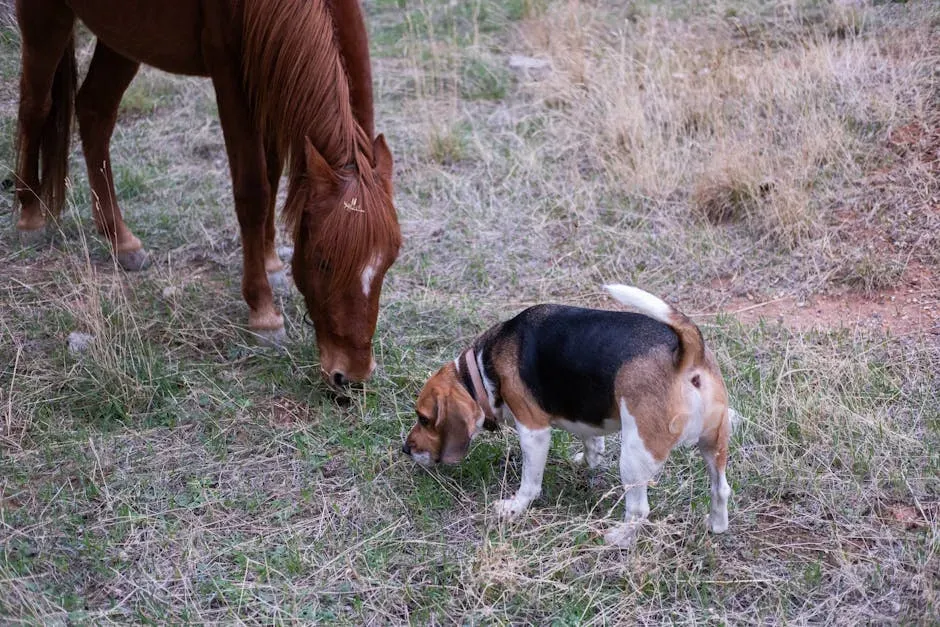
Grass-eating is rarely the dramatic health crisis we fear it is. Most of the time, it’s a perfectly natural, instinct-driven, or emotionally motivated behavior that your dog has been hardwired for across thousands of years. Dogs eating grass is actually quite common, has been observed in wild dogs too, and may be completely natural. Most veterinarians consider it a normal dog behavior.
Still, being a great dog parent means paying attention to the details. How often is it happening? Is your dog anxious or under-stimulated? Is their diet actually giving them what they need? Small adjustments, like more walks, better food, more quality time together, can make a world of difference. By improving diet, increasing enrichment, and using consistent training, you can successfully manage your dog’s grass-eating and keep your pet healthy and thriving.
Your dog cannot tell you in words what they need. But they’re always communicating, in their own wonderfully weird way. The next time they dive headfirst into the lawn, maybe instead of panicking, you’ll pause and ask: what are you trying to tell me, buddy? What do you think your dog’s grass habit is really about? Share your story in the comments below.


