
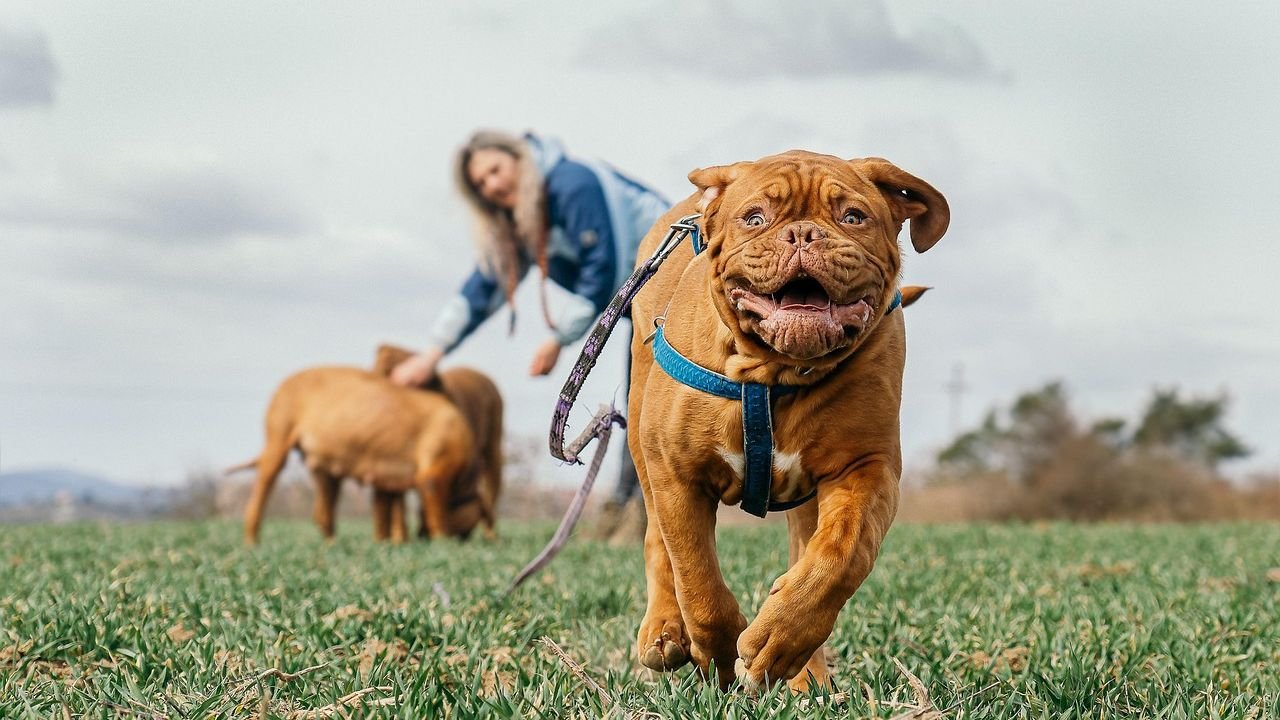
Picture this: you’ve just settled onto the sofa with a warm cup of coffee, and your dog has already claimed the best cushion, eyes half-closed, snoring softly like a tiny engine. Sound familiar? Or maybe your reality is closer to the opposite – a dog who has been staring at the leash since 6 a.m. and hasn’t stopped pacing since.
Here’s the thing about dogs: their energy levels aren’t random. They’re deeply wired into their breed history, their body shape, and even their very purpose in life. Some dogs were literally bred to lounge in palaces. Others were engineered to run all day across open fields without breaking a sweat. Understanding which camp your dog falls into can completely change how you care for them. So let’s dive in – you might be surprised by a few names on this list.
The Basset Hound: Champion of the Long Nap

If there were an Olympic medal for napping, the Basset Hound would sweep the podium every single time. Originally bred for hunting, Basset Hounds are surprisingly laid-back dogs whose short legs and long bodies make them far less suited for intense physical activity – a few short walks and some indoor play are usually enough for this calm, scent-driven breed. It’s almost comical how little effort they need to feel completely fulfilled.
Their long, droopy ears can make them more prone to ear problems, and their long bodies and short legs can cause back and joint issues – so it’s really important to keep a close eye on their weight, as extra pounds put even more strain on those joints. A quick sniff around the block, a gentle belly rub, and a warm bed? That’s their idea of a perfect Tuesday.
The English Bulldog: Wrinkles, Snores, and Zero Regrets
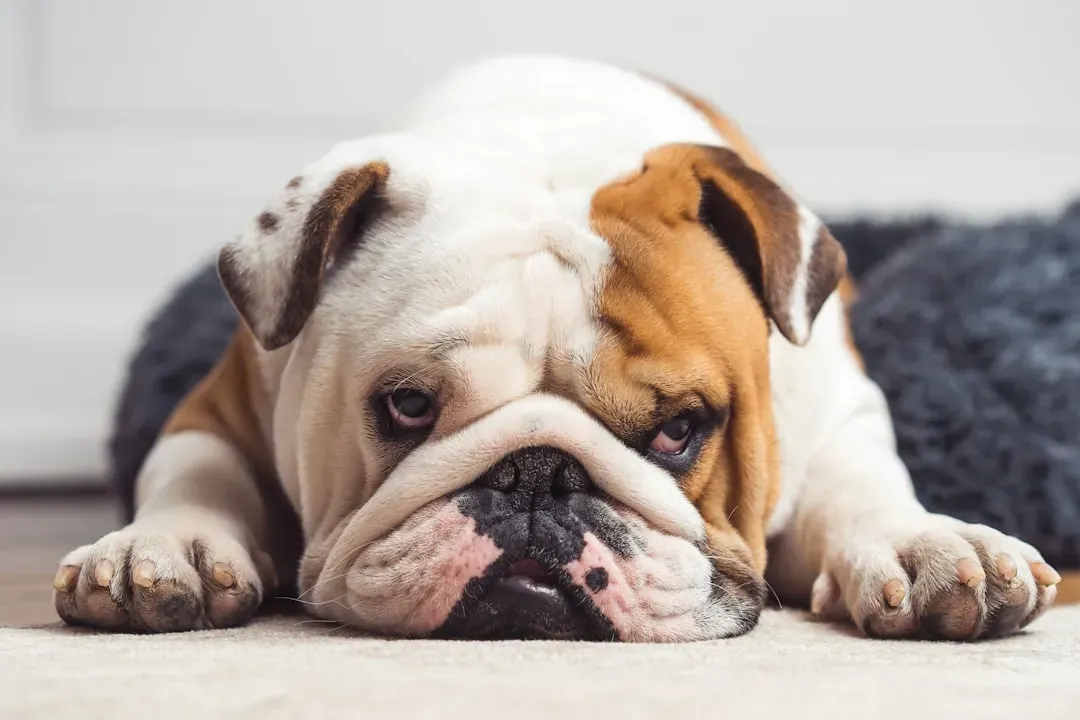
Picture a lovably lazy dog, and the first image to appear in most people’s heads is a wrinkly, stocky Bulldog. Despite the breed name suggesting a rough-and-tumble pup, Bulldogs are actually more content to snuggle all day than wrestle with another dog. Honestly, I think they’ve figured something out the rest of us haven’t.
Bulldogs are low-energy primarily because they are brachycephalic, meaning their flat-face structure makes it harder for them to breathe – and proper breathing becomes especially difficult in hot and humid weather. Casual playtime and short walks are really the best way to keep a Bulldog in good shape without pushing their limits. Keep sessions cool and brief, and your Bulldog will thank you with a dramatic, contented flop onto the nearest soft surface.
The Greyhound: Fastest Dog on Earth, Laziest Dog on Your Couch
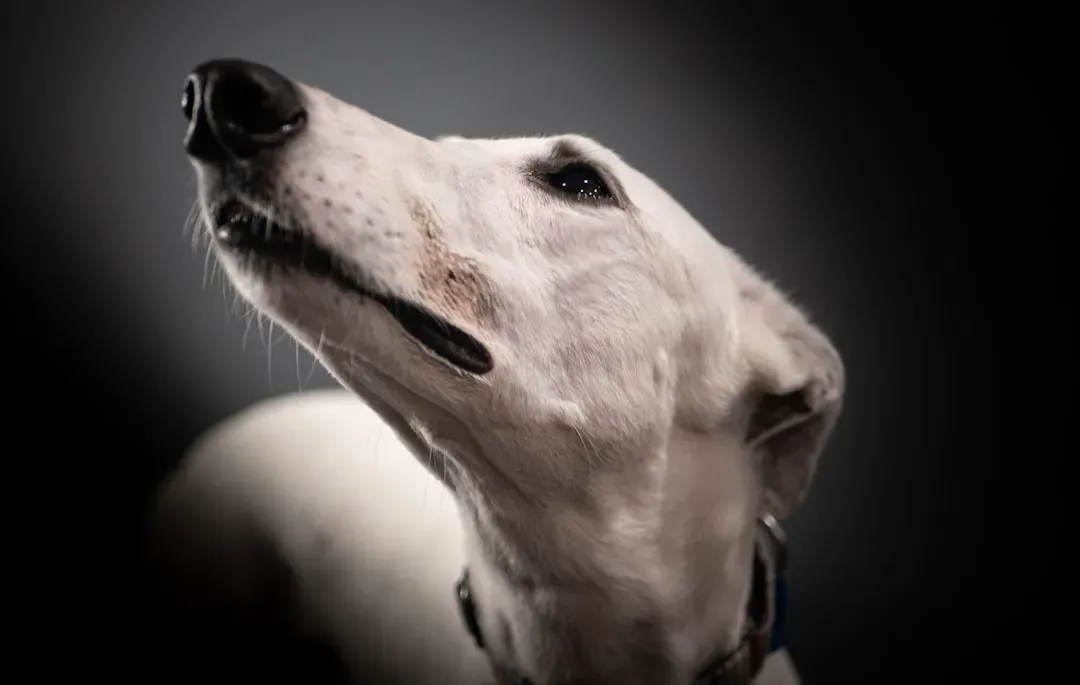
Here’s one that surprises almost everyone. You’d think the world’s fastest dog breed would need hours of daily running. Nope. Bred for speed, the Greyhound might seem like a surprising choice as a low-energy breed, but the reality is that these elegant dogs are quite lazy at home – often called couch potatoes – while still needing a daily outlet like a leashed walk or a short sprint in a fenced space to stretch those long legs.
Think of them like sprinters, not marathon runners. They go absolutely full-throttle for short bursts, then crash hard. Low-energy dogs like Greyhounds are content with one or two leisurely walks a day, and they are absolute champions at napping. If you’ve ever wanted a sleek, elegant, deeply affectionate dog who won’t demand a five-mile jog every morning, the Greyhound might just be your perfect match.
The Cavalier King Charles Spaniel: Royally Relaxed
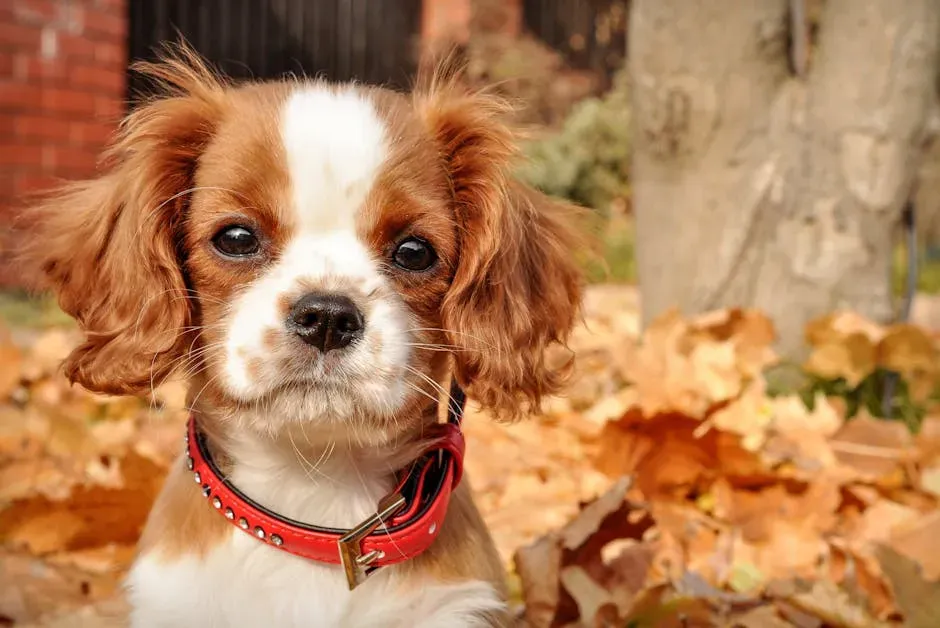
The Cavalier King Charles Spaniel has no issue spending the bulk of its time just laying around and being adored by its people – despite the fact that the Cav’s roots hark back to hunting among the British royal family. There’s something wonderfully ironic about a hunting dog whose greatest skill today is perfecting the art of the lap sit.
The Cavalier King Charles Spaniel is the exception among Spaniels – they have a moderate energy level and are fantastic companion dogs for laid-back pet parents, a relaxed personality that may well stem from their royal roots. Keep an eye on their heart health though, as Cavaliers are known to be prone to heart conditions as they age. Regular vet check-ups are a real act of love with this breed.
The Pug: Professional Couch Potato With Big Feelings
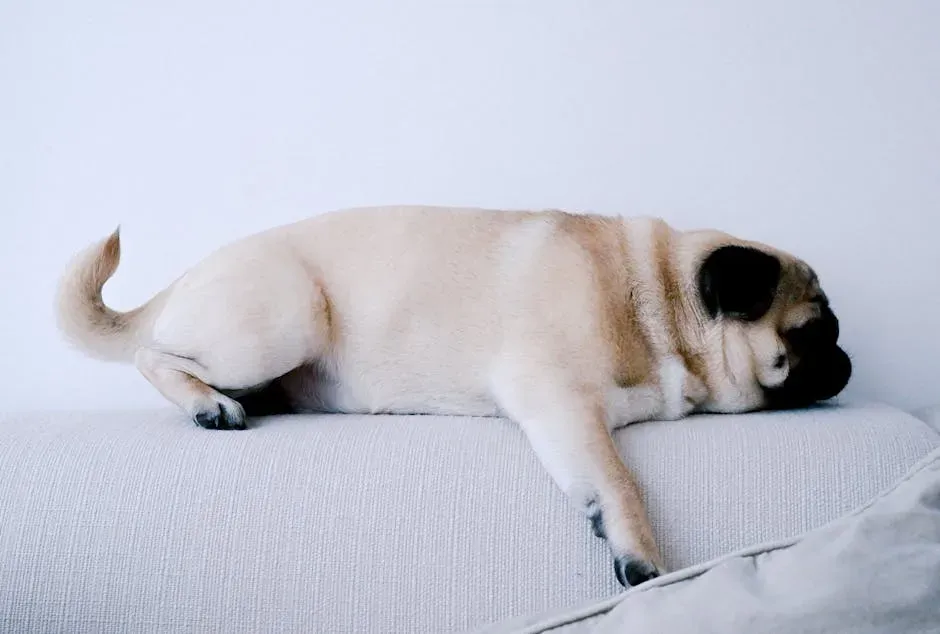
Flat-faced and compact, Pugs are the poster child for lazy dog breeds – naturally muscular and sturdy, but not at all keen on exercise, perfectly happy to join you for a lazy day on the couch. They bring so much personality to even the quietest of moments, which is part of their magic.
Pugs are an emotional breed that forms deep connections with their humans, which also means they’re at risk of developing separation anxiety – making early socialization with other people and animals really important, and group training classes can be a genuinely helpful tool. Let’s be real: a Pug’s emotional needs are as big as their personality, and meeting both is half the joy of owning one.
The Mastiff: Gentle Giant, Master Sleeper
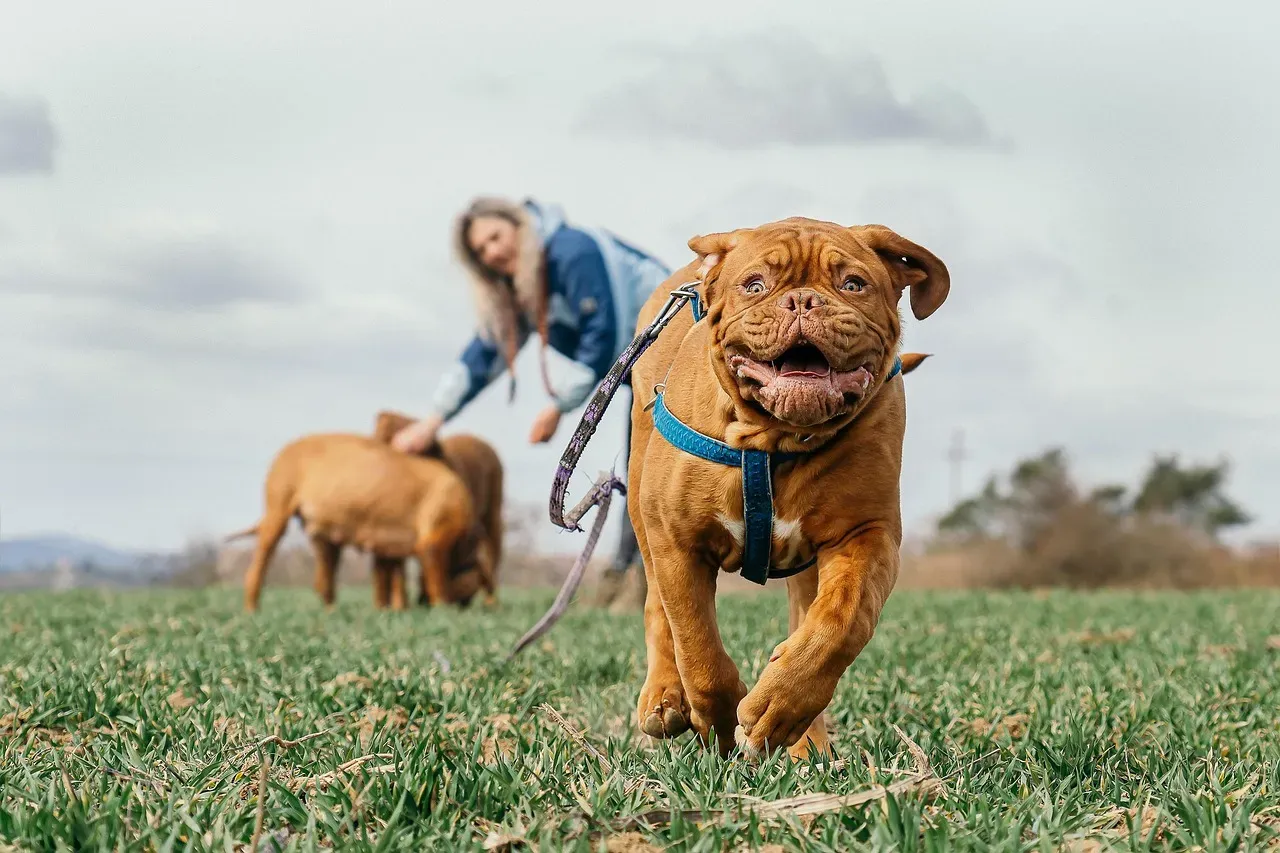
A giant breed that can easily mature to a weight of 120 to 200 pounds, the Mastiff is a large, powerful, and surprisingly low-energy dog – and because of the breed’s somewhat lazy nature, it’s important to establish a routine of regular exercise, even just a short walk every day, to keep them active and mentally stimulated. Think of daily exercise less as a requirement and more as a health investment for this magnificent animal.
The Mastiff’s sheer size means that even a slow walk around the block burns more calories than it would for smaller breeds. Livestock guardians like Mastiffs tend to be very laid back, as their historical job was simply to hang out with the flock until trouble arose. That deeply relaxed instinct is still very much alive in today’s family Mastiff. Just make sure the sofa is reinforced.
The Border Collie: The Dog Who Never Clocks Out
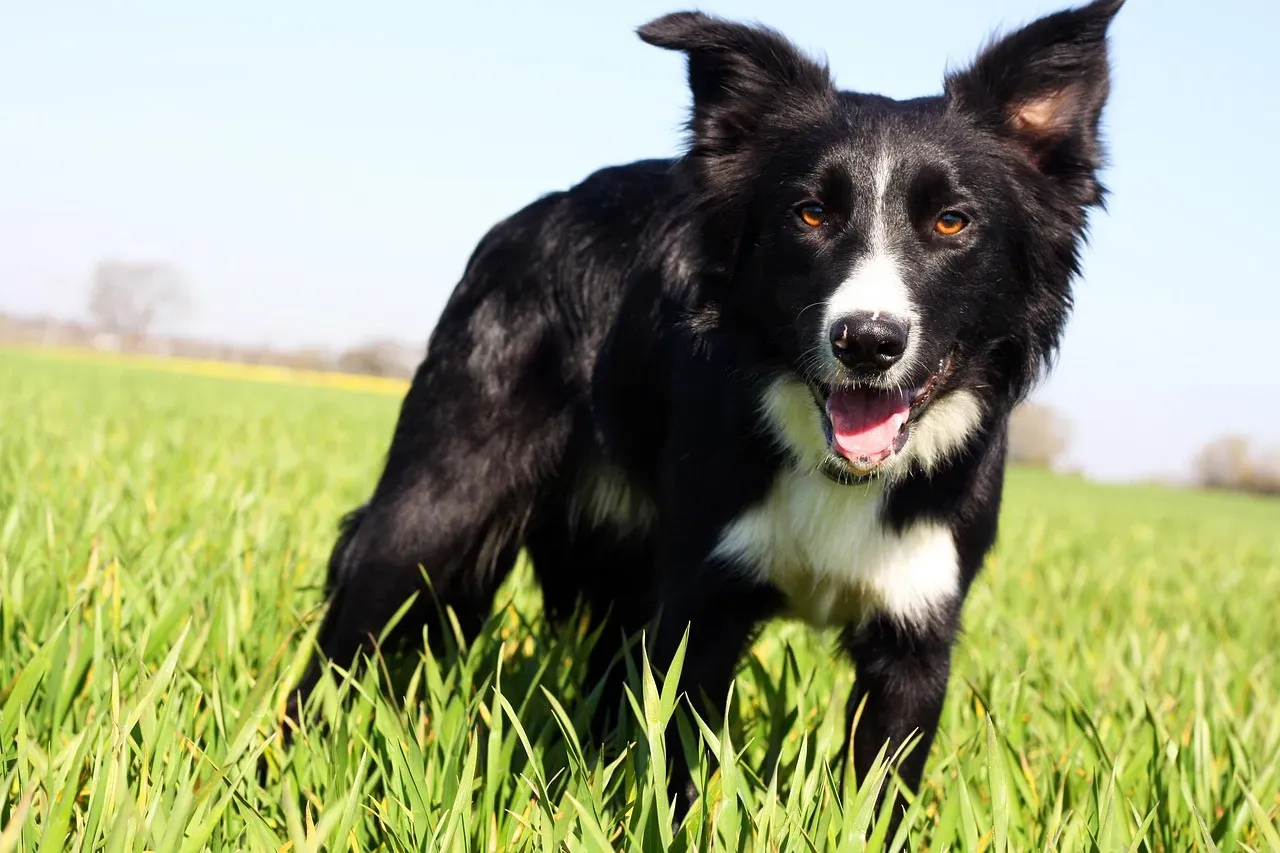
Now we shift gears completely. If the Basset Hound is the nap champion, the Border Collie is its polar opposite. Border Collies are the Olympians of the dog world – known for their incredible intelligence and stamina, they excel at herding, agility, and obedience. They don’t just want to be busy. They need to be, in the deepest sense of the word.
A Border Collie needs daily exercise for at least two hours or more, and they are amazing at agility courses – but without a “job” to do, they can easily get mischievous and even develop destructive behaviors. I’ve heard countless stories of Border Collies redecorating entire living rooms out of sheer boredom. Mental stimulation is non-negotiable for this breed. Puzzle toys, trick training, and agility work are all brilliant tools.
The Siberian Husky: Born to Run, Wired to Explore
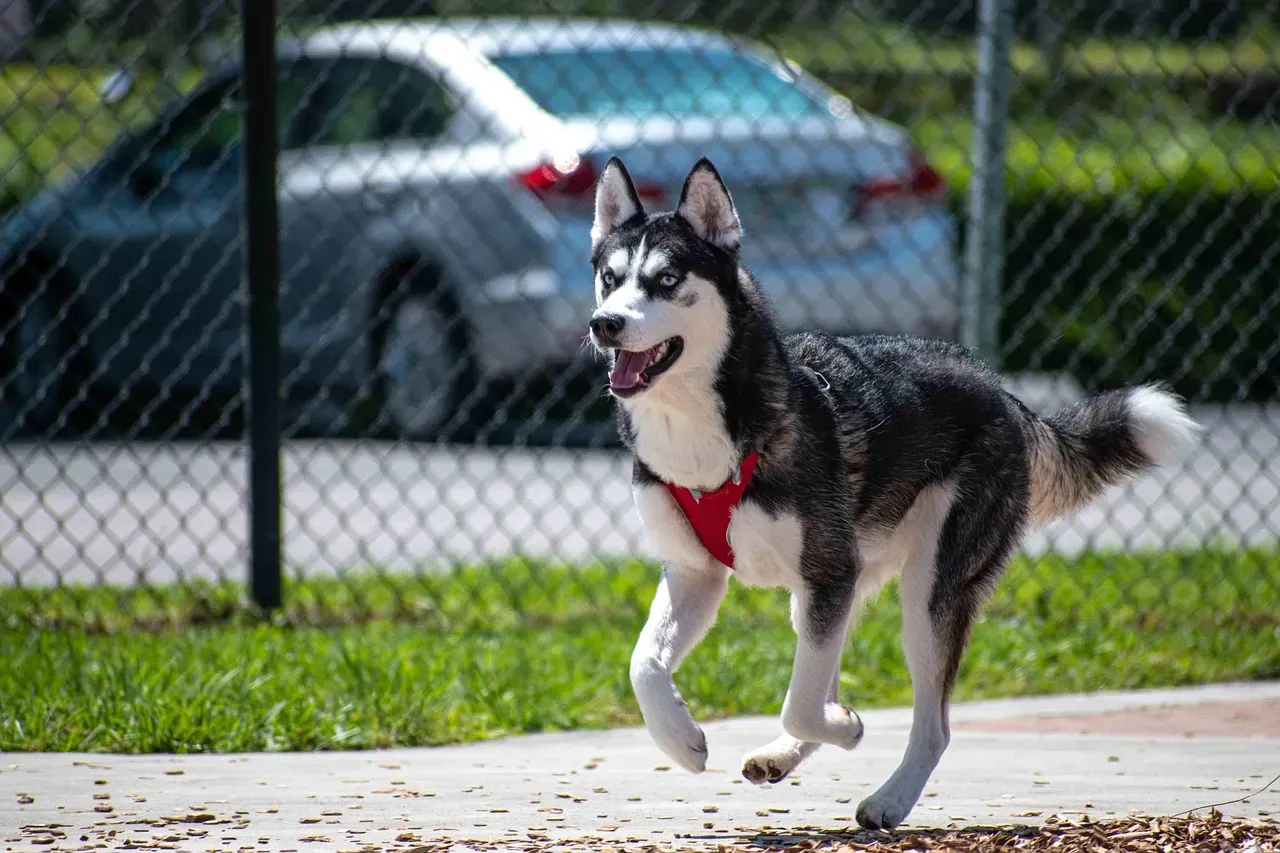
Known for being among the most willing and hard-working sled dogs, Siberian Huskies are also fun-loving, adventurous, alert and independent – and their incredible endurance and mischievous nature requires proper training, the right nutrition, and lots of exercise in a well-fenced area. That last detail about fencing is absolutely critical. Huskies are natural escape artists with a strong wanderlust.
Huskies require at least two hours of exercise daily, and they’re vocal about it too – their famous “talking” and howling is often their way of telling you they haven’t had enough to do. Owning a Husky without a plan for their energy is like buying a sports car and only driving it to the mailbox. They deserve so much more.
The Labrador Retriever: The Energetic Best Friend
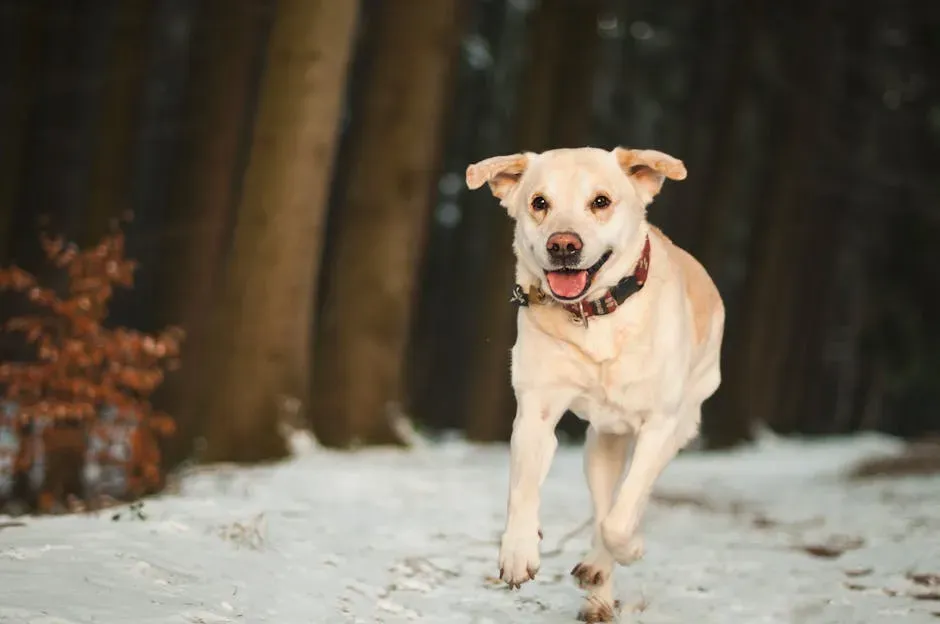
Labrador Retrievers are one of the most popular dog breeds in the world, and it’s easy to see why – these active, friendly dogs are fantastic hunters, swimmers, and playmates who are always up for an adventure, whether you’re hiking, playing fetch, or just enjoying their goofy charm. There’s a reason they’ve topped popularity charts for decades running.
Labs require significant daily activity, with at least 60 to 90 minutes of walks, runs, fetching and swimming to help them stay happy and healthy. Without that outlet, a young Lab can become a joyful tornado of destruction – chewing shoes, bouncing off walls, and generally testing your patience with love. Channel that energy with intention and they’ll reward you with a loyalty and affection that’s truly hard to match.
The Jack Russell Terrier: Small Dog, Enormous Engine
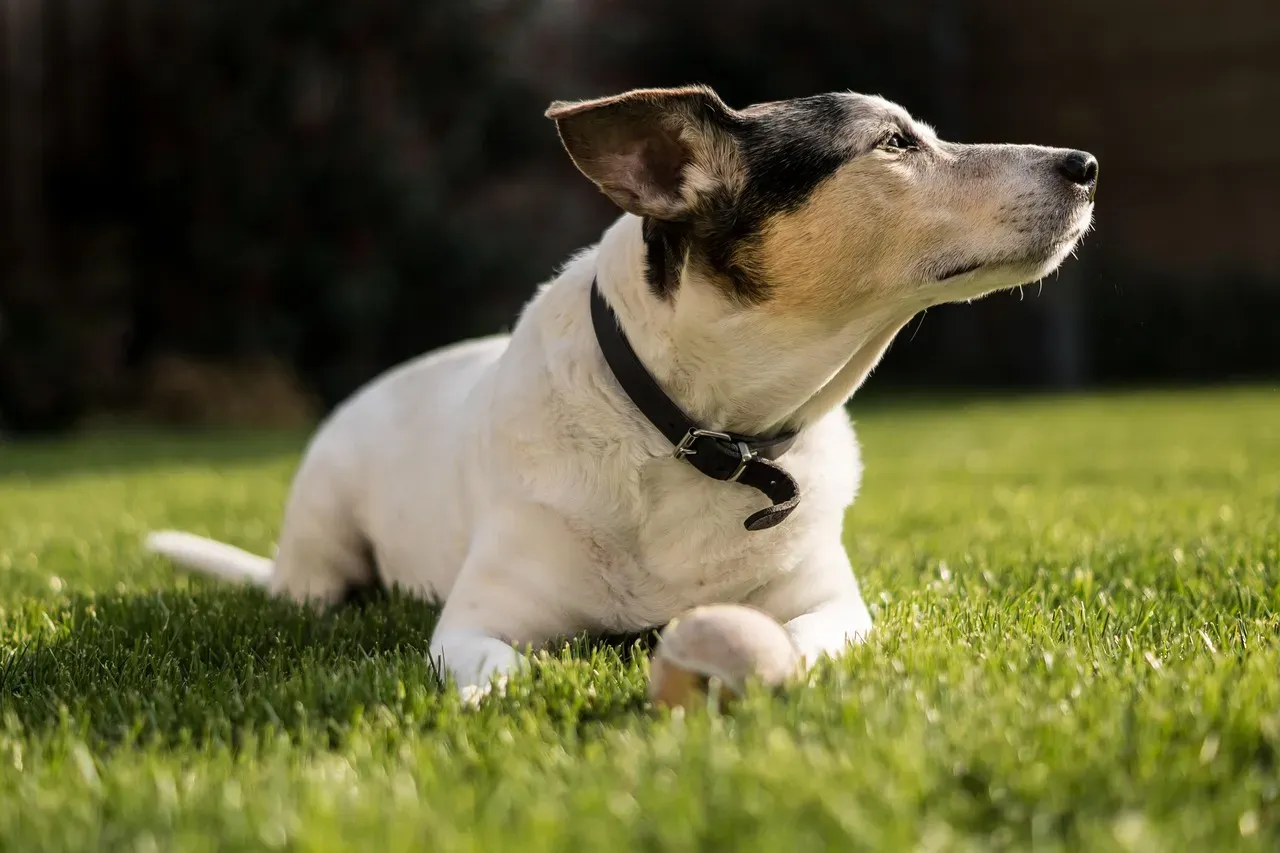
The Jack Russell Terrier is a pint-sized dynamo with an enormous personality – these energetic dogs love chasing, digging, and performing tricks, and they’re small but fearless, keeping you laughing with their antics as long as they get plenty of exercise and attention. It’s like someone put a race car engine inside a biscuit tin.
Terrier breeds are known for their boundless energy and tenacity – originally bred to hunt vermin, a task that demands real endurance, Jack Russells are genuinely always on the move. If you live in a flat and work long hours, a Jack Russell will likely make you question your life choices. However, if you have an active household and love a dog with a giant personality, they are absolutely electric to be around.
The Australian Cattle Dog: The Farm Worker Who Never Retired
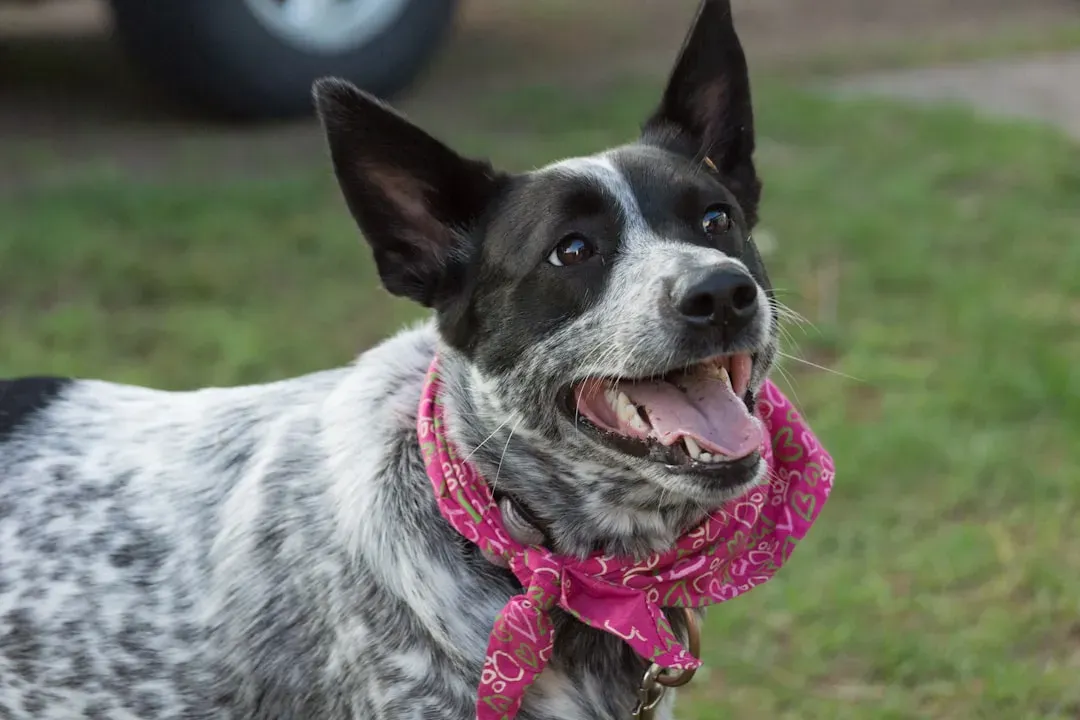
The Australian Cattle Dog, known as the “Blue Heeler,” is a tough, agile breed originally developed for herding livestock – with endless energy and sharp problem-solving skills, they do best in active households, and don’t be surprised if they try to “herd” your family members too. Yes, including the toddlers. It’s equal parts hilarious and something you’ll want to manage with solid training.
High-energy dogs like the Australian Cattle Dog were traditionally bred for demanding jobs like herding, hunting, and guarding – they love having a task to do, and are often highly intelligent, requiring both mental and physical exercise to stay happy and avoid boredom. A bored Cattle Dog is genuinely one of the most creative problem-solvers you’ll ever encounter, and not always in ways that benefit your furniture.
The Vizsla: The Velcro Dog Who Never Sits Still
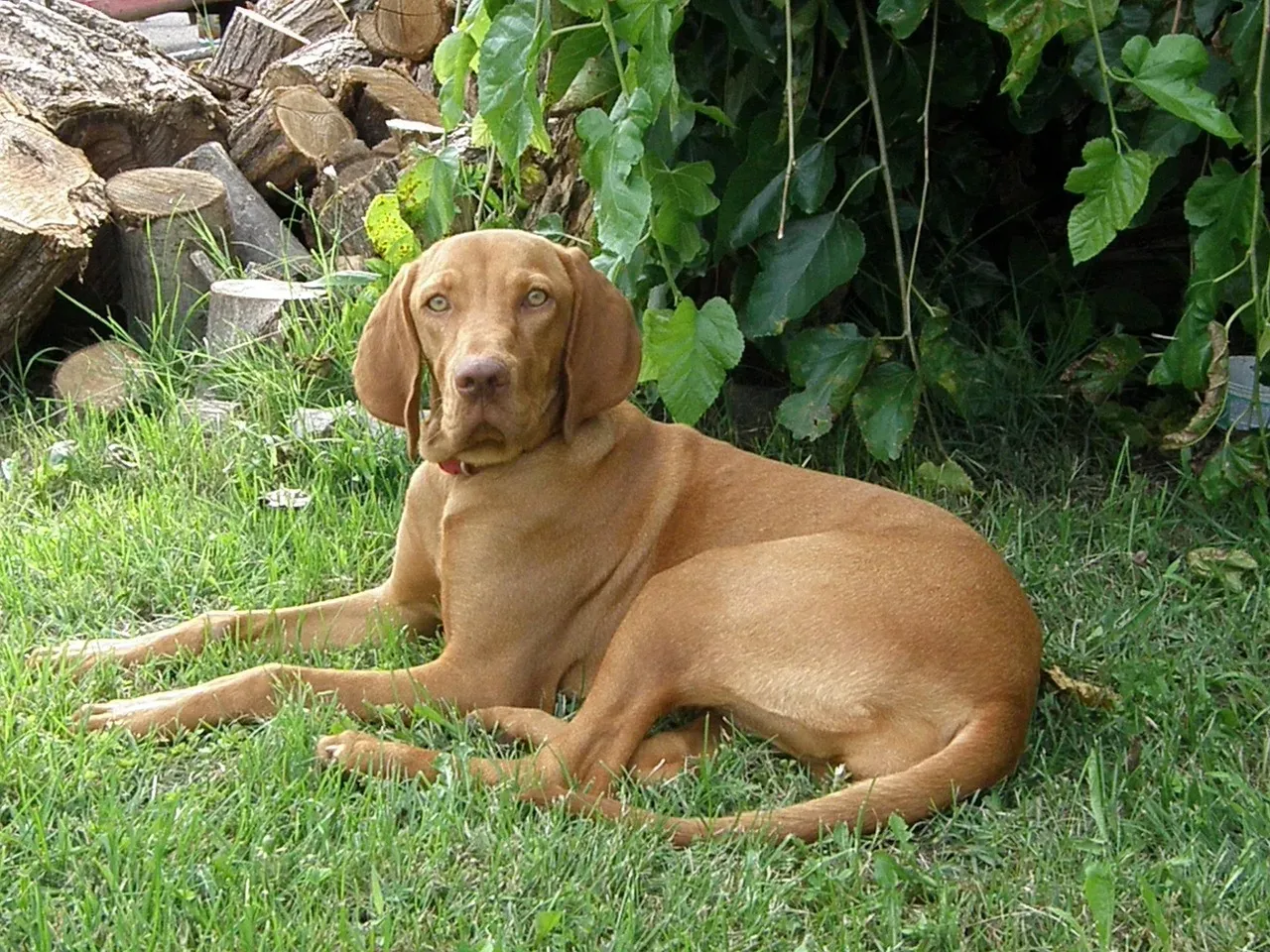
Vizslas are famously known as “velcro” dogs because they are notoriously clingy – loyal to a fault, highly affectionate, and despite their high energy, they’re quite gentle around children and respond positively even to strangers. That combination of energy and deep attachment makes them uniquely demanding in the most endearing way possible.
Even though their temperament can be quiet and cuddly when they’re beside you, the Vizsla is hound-bred to be active – originally hunting dogs who like to be out in the forest, the field, or the water, and they are especially agile and quick. Not only will a Vizsla keep up with you no matter what your outdoor activity is, but they can stay active consistently for extended stretches and will often outlast you. They need an owner who embraces an active lifestyle, not just tolerates one.
Conclusion: Know Your Dog, Love Them Better
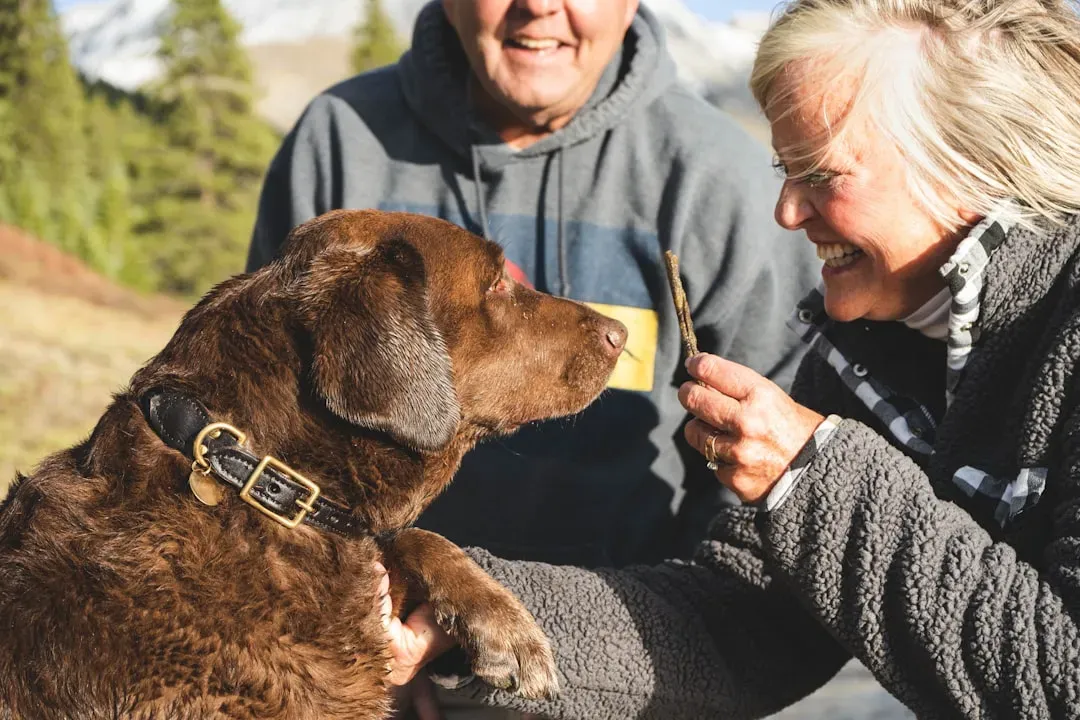
Whether your dog is snoring through your favorite show or bouncing off the walls at dawn, one truth applies to every single breed on this list: understanding their nature is one of the deepest forms of love you can offer them. Low-energy dogs are content to spend the day snoozing or watching activity unfold around them, and can be a great fit for households that want companionship without the commitment of several hours of daily exercise – but all dogs still require regular exercise, attention, and affection. And high-energy dogs? They simply need more of all of it, more often.
The worst mismatch in dog ownership isn’t a bad dog – it’s a misunderstood one. A Border Collie in a tiny apartment without stimulation isn’t a bad dog; it’s a working dog without work. A Mastiff pushed into rigorous daily runs isn’t a healthy dog; it’s a gentle giant being asked to be something it’s not. Regardless of breed, it’s important to remember that all dogs are individuals, and that training and socialization are essential for both families and dogs to live happily together.
So, whether you’re team napper or team never-stops, the real question is this: does your dog’s lifestyle truly match who they were born to be? Take a moment to reflect on that. Your dog is counting on you to get it right – and honestly, they’re worth every bit of the effort.


