

There are moments in life that no one warns you about with enough depth. The slow realization that your dog, your shadow, your most loyal companion, might be preparing to leave you. It doesn’t always come with a dramatic signal or a sudden collapse. More often, it arrives quietly, like a whisper in the wind, tucked inside everyday behaviors you might easily overlook.
Dogs are remarkable communicators. They just don’t use words. And in their final chapter, they speak to us through subtle physical and emotional shifts that carry enormous meaning, if only we know how to listen. This article is your gentle guide to those signs. Not to cause fear, but to offer you the gift of awareness, so you can be fully present for your dog when it matters most. Let’s dive in.
1. They Stop Eating, Even the Good Stuff

Let’s be real, if your dog is refusing their favorite treat, something is up. Towards the end of life, it’s perfectly normal for a dog to refuse food. You may notice a gradual tapering of the appetite, or your dog may eat one day and refuse to eat altogether the next. It feels alarming, and it should get your attention.
When the body is dying, its systems are powering down in a logically organized manner, and food digestion is one of the first to go. The organs involved in breaking down and using food are slowing down as the body recognizes that food and water are no longer necessary. It’s not stubbornness. It’s biology.
Here’s the thing, don’t force meals. If your dog’s appetite fades, focus on offering small amounts of their favorites or a spoonful of broth for comfort, rather than forcing meals. Warmth and gentleness matter far more than calories at this point.
2. An Unusual Retreat Into Solitude

There is a common belief that many animals know when their time is coming and will increasingly seek solitude, hiding or withdrawing from family members and seeking quiet, undisturbed places. If your normally velcro pup suddenly disappears to a corner of the house, don’t take it personally.
It can be surprising when a dog who always wanted to be by your side suddenly starts seeking out closets, under beds, or quiet corners. This isn’t a sign they love you any less; sometimes, dogs instinctively look for solitude as a way to rest and prepare.
Think of it like this: even humans want quiet when they’re not feeling well. Your dog is doing the same. Respect their space, but stay close enough to offer soft comfort when they seek it.
3. A Heartbreaking Loss of Interest in What Once Brought Joy

As dogs near the end, you might notice they no longer care about the things that once brought them joy, whether that’s chasing a ball, going for walks, or greeting their neighborhood friends. That sudden lack of interest is a powerful signal that their energy is focused inward, not outward. Think of a usually adventurous pup who starts sleeping through the doorbell or ignores a beloved squeaky toy.
If a dog is near the end, they may not want to get up from their spot, even for their most beloved things like toys, treats, and offers to go for a walk. They might not even seem happy to see family members. If your dog has been sort of puddling up in a pile of lethargic, disinterested misery for more than a day, that can be an early warning sign that she is getting ready to leave this life.
4. Dramatic Changes in Sleep and Energy Levels

Senior dogs sleep a lot. As your dog nears the end of his life, he will sleep more and more and will tire more easily. He may also opt to stay home on his dog bed instead of going on walks and outings like he used to. Honestly, this is one of the quietest signs and therefore one of the most commonly missed.
They may spend most of their time sleeping or lying down and show little interest in activities they once enjoyed. You may even notice altered sleep patterns, sleeping more during the day and becoming restless at night, which is one of the most common end-of-life signs in dogs. If your dog used to greet you at the door and now barely lifts their head, take note.
5. Shifts in Breathing That Are Impossible to Ignore

As the body slowly shuts down, it is common to observe changes in the breathing patterns, which can begin weeks or days before the dog dies. Breathing may be labored and shallow, or light and irregular with long pauses between breaths. It can feel terrifying to witness. You’re not imagining it.
At the very end of life, breathing often becomes ragged. Instead of a nice, even in-and-out rhythm, you might hear great breaths in, then a long pause, and a little sigh out. There might be panting, great pauses, or almost a rattling sound as your pup struggles to keep going. If you’re hearing these changes, it’s time to contact your vet right away.
6. Losing Control of the Body in Painful Ways
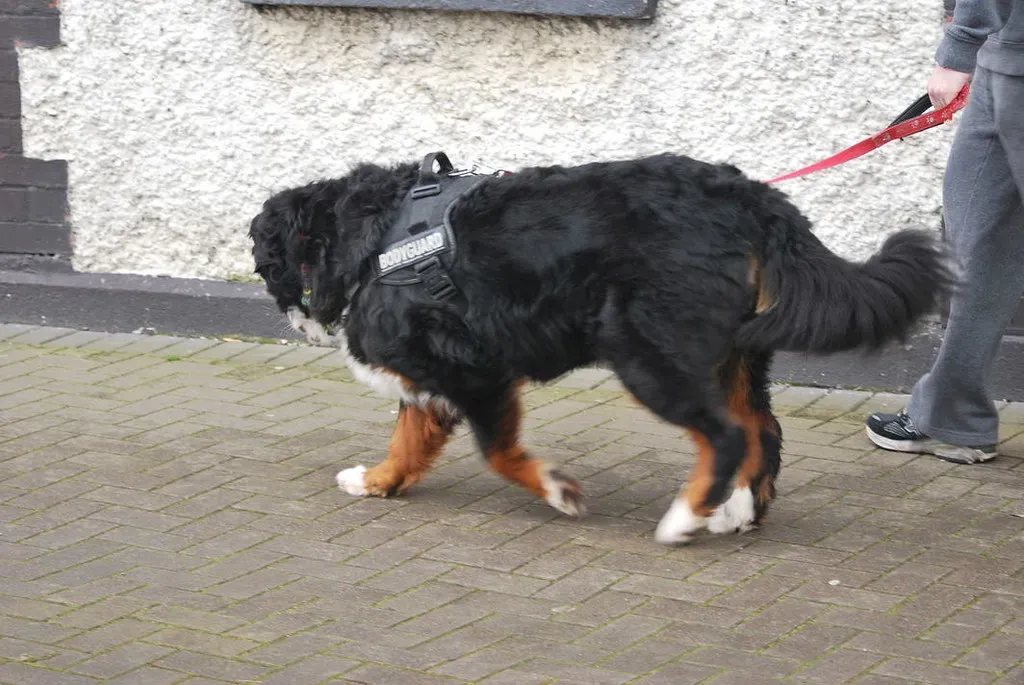
As pets near the end of life, they may lose control of their bladder or bowels, or become unable to maintain their usual hygiene. This includes accidents indoors, even in pets who have been reliably housetrained for years, and soiling themselves due to weakness or inability to move from their resting place. It’s not a behavioral regression. It’s simply the body giving way.
At some point during the dying process, a dog will often become completely incontinent. In this state, a dog will sometimes relieve herself while unconscious and have no awareness of it at all. It’s important to keep your dog dry and clean with each such occurrence. Be patient and compassionate. Your dog is not embarrassed. They need your tenderness now more than ever.
7. Unsteady on Their Feet, Lost in Familiar Spaces
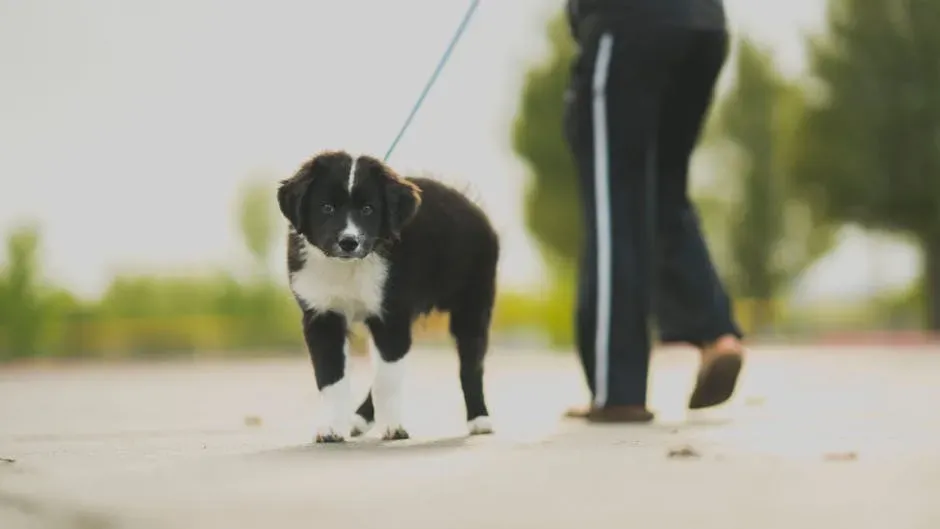
As your dog’s body ages, muscles and nerves stop functioning as well as they used to. Between the loss of muscle mass and the malfunction of proprioceptive nerves, coordination will decline. He may struggle with steps and navigating obstacles, or slip on non-carpeted surfaces. Some dogs stumble or have trouble placing their feet correctly when walking.
Near the end of life, dogs may experience extreme confusion. They may wander the house aimlessly or get lost in the backyard. There may be times when you think they don’t recognize you or your family members. It’s heartbreaking to watch. Gently guide them, speak softly, and resist the urge to panic in front of them.
8. Unusual Sounds: A Changed Voice

Changes in vocalization patterns can provide insights into a dog’s comfort level, pain, or emotional state as their time draws to a close. This may include vocalizing, whining, or whimpering more due to discomfort, becoming unusually quiet and ceasing to bark or growl, or emitting low-pitched howls or disoriented barks if experiencing a decline in mental faculties.
Your dog might bark excessively, whine, or in some cases stop barking altogether. Unusual vocalizations or a change in vocalization to a lower tone may indicate stress or pain. Think of it as your dog’s way of saying something important without having the words for it. Listen carefully. It’s one of the most emotionally telling signs you’ll encounter.
9. A Sudden Surge of Affection (The Goodbye Cuddle)
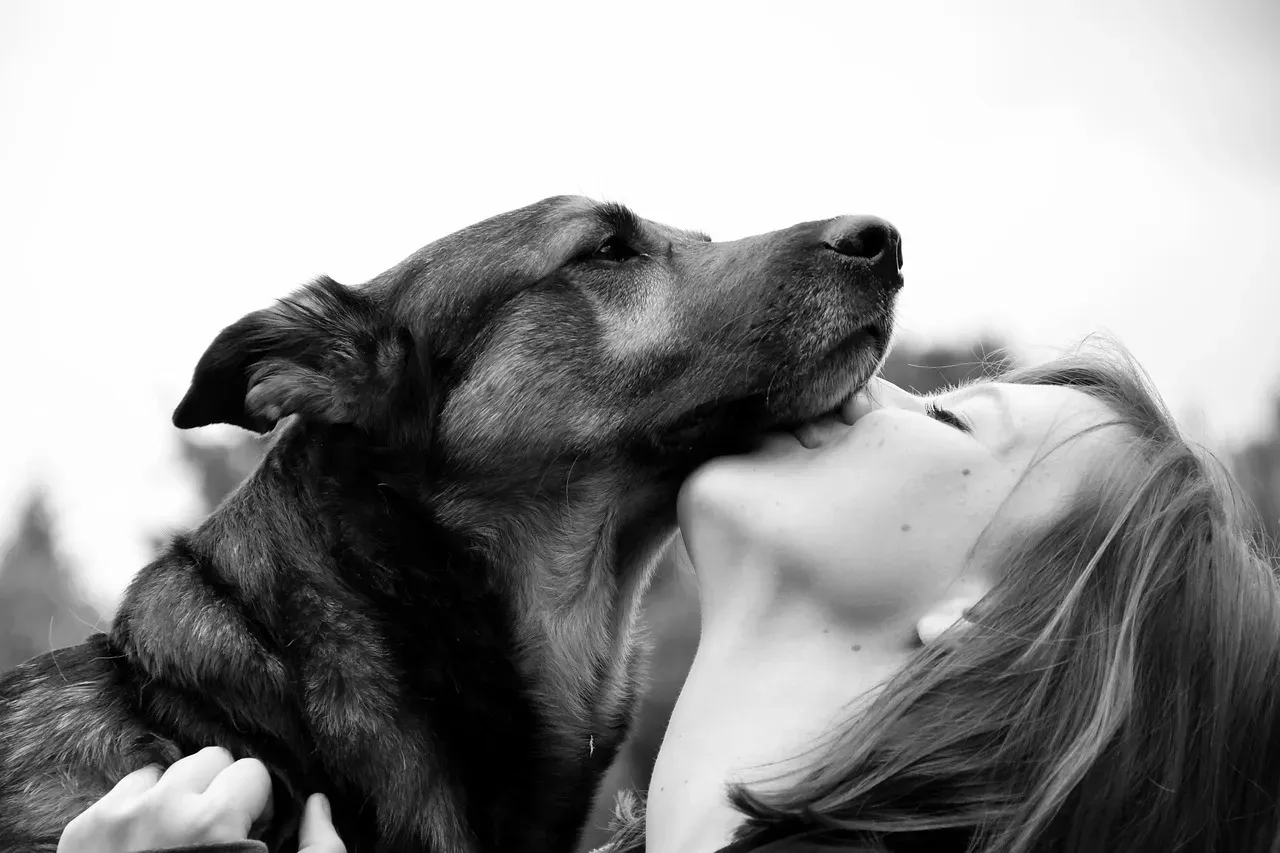
This one might surprise you, but it’s one of the most touching things I think dogs do. Many dogs absolutely know that they are dying and want to make the most of their last moments. Both dogs who eventually isolated themselves to pass actually spent the hours before isolating seeking kisses, pets, and snuggles from their human family members.
Some dogs will know their time is approaching and will look to their people for comfort. Saying goodbye to your dog with love and grace means staying with your dog during these final hours and reassuring them with gentle stroking and a soft voice. If your dog suddenly wants to be glued to your side after days of withdrawal, don’t question it. Just hold them. That moment is a gift.
10. Rapid or Visible Weight Loss Despite Your Best Efforts
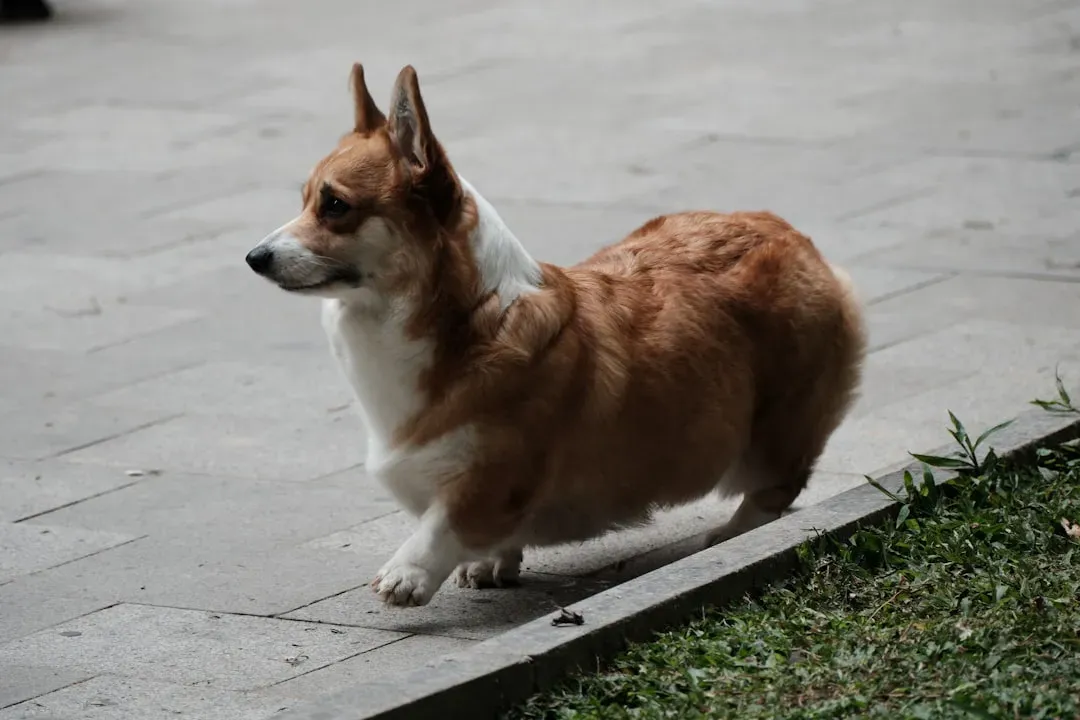
While weight loss is common in older dogs, extreme or rapid weight loss can be a sign that a dog is nearing the end of life. Extreme weight loss can occur from not eating or changes in their metabolism due to certain conditions. You might notice it in their ribs, their spine, or simply in the way their collar suddenly seems too big.
Weight loss is very common in senior dogs and will start well before the end of life. Part of this is a normal aspect of the aging process, as the dog gets older and his body becomes less efficient at digesting protein, which causes him to lose muscle mass. A diet with higher levels of easily digestible protein can help slow or prevent extreme weight loss. Illness can also cause weight loss, either due to poor appetite or increased strain on the body.
What You Should Do: Practical Steps to Support Your Dog Now

Knowing the signs is half the battle. The other half is responding with both clarity and compassion. Sudden or persistent shifts such as drastic weight loss, significant drop in energy, altered breathing, or clear signs of pain should prompt immediate consultation with a veterinarian to ensure timely intervention. Don’t wait and hope it passes.
Dogs pick up on our emotions, and whatever you are feeling, they are likely feeling too. So try to stay in a warm, loving, attentive, and intimate frame of mind. Your calm is a comfort to them, even when your heart is breaking inside.
If you’re looking for signs that it’s time to discuss humane euthanasia with your vet, ask yourself: Is your dog still eating and drinking? Are they still able to enjoy the same activities and social interactions? Is your dog comfortable, able to move about to urinate or poop, and able to rest without pain? Ultimately, are they having more good days than bad? These questions, while painful, are the most loving ones you can ask.
A Final Thought: Love Them Through Every Step
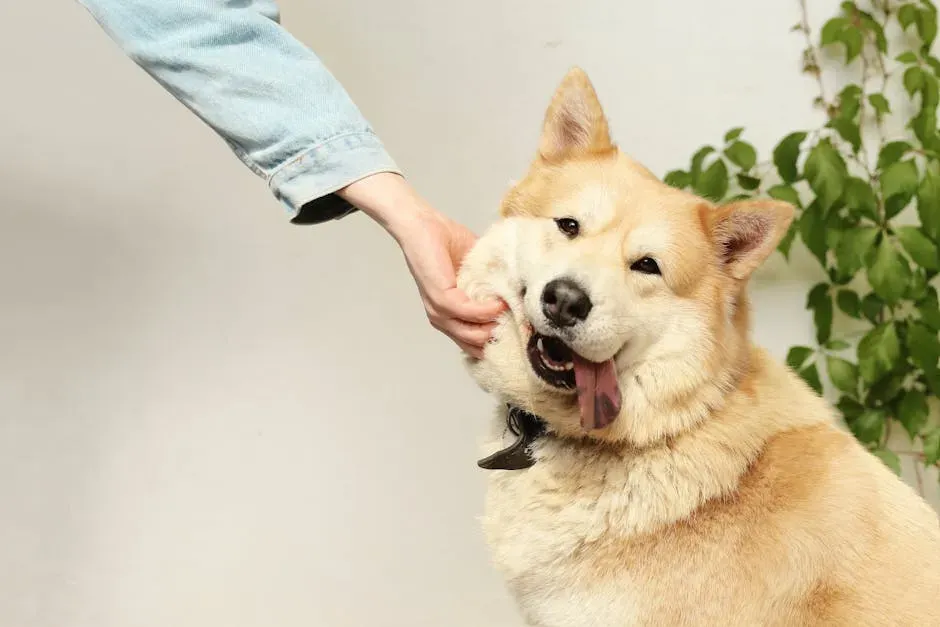
Watching a dog approach the Rainbow Bridge is one of the most profound, aching experiences a person can face. It is also one of the most sacred. Keeping your dog comfortable and showing your love are the most important things you can do as you help your loved one pass over. There is no doubt that your presence will serve you and your dog well during this special time. Saying goodbye is never easy, but sharing the passage from life to death with someone you love can be a beautiful experience, for which you will always be grateful.
Your dog has spent their whole life reading you, comforting you, and choosing you every single day. The greatest gift you can give them at the end is simply this: your presence, your calm, and the warmth of your love. That’s enough. That’s everything.
Every dog deserves to feel deeply loved in their final moments, and you being here, learning these signs, already tells me everything about the kind of dog parent you are. What signs have you noticed in your own dog? Share your story in the comments and know that you are absolutely not alone in this.


