
8 Extraordinary Facts About a Dog’s Nose

There is a moment every dog owner knows well. You walk through the front door, and before you’ve even set your bag down, your dog is already pressed against your legs, nose working furiously. They know where you’ve been. They know how you’re feeling. They might even know what you had for lunch. It seems magical, even a little unnerving. Honestly? It kind of is.
is one of nature’s most astonishing creations, and most of us have barely scratched the surface of understanding just how extraordinary it truly is. There are facts about that little wet snout that will leave you speechless, and once you learn them, you’ll never rush your dog through a sniffing session on a walk again. Let’s dive in.
Your Dog’s Nose Is Incomprehensibly More Powerful Than Yours
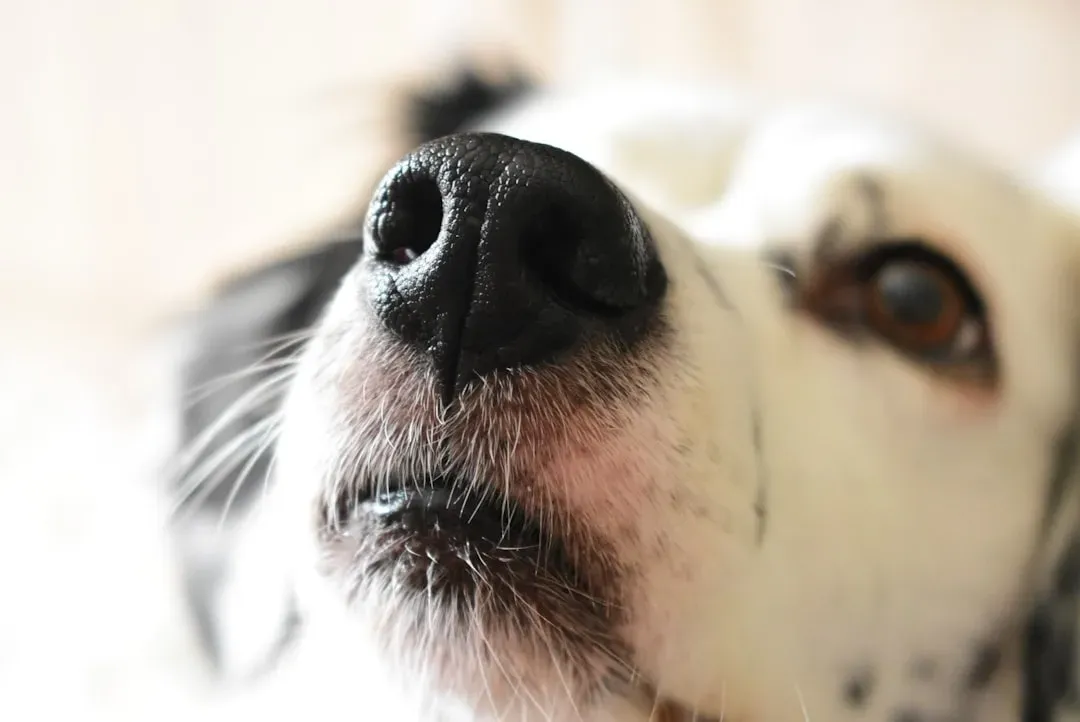
Let’s be real, we humans think we’re pretty capable beings. Then you learn the truth about your dog’s nose and suddenly feel very humbled. A dog’s sense of smell is between ten thousand and one hundred thousand times as potent as ours, powered in part by up to 300 million olfactory receptors compared to our mere 6 million.
Think about that for a second using a real-world image. Dogs can detect the equivalent of half a teaspoon of sugar dissolved in an Olympic-sized swimming pool. That is not a superpower reserved for cartoon characters. That is your dog, right now, sniffing your couch cushion.
The part of the canine brain dedicated to processing smells is also 40 times larger than ours, proportionally speaking. It’s as if nature decided dogs should experience the whole world through scent, and then built a brain powerful enough to make that happen. The nose isn’t just one of their senses. It’s their primary window to reality.
Is Engineered to Sniff Continuously
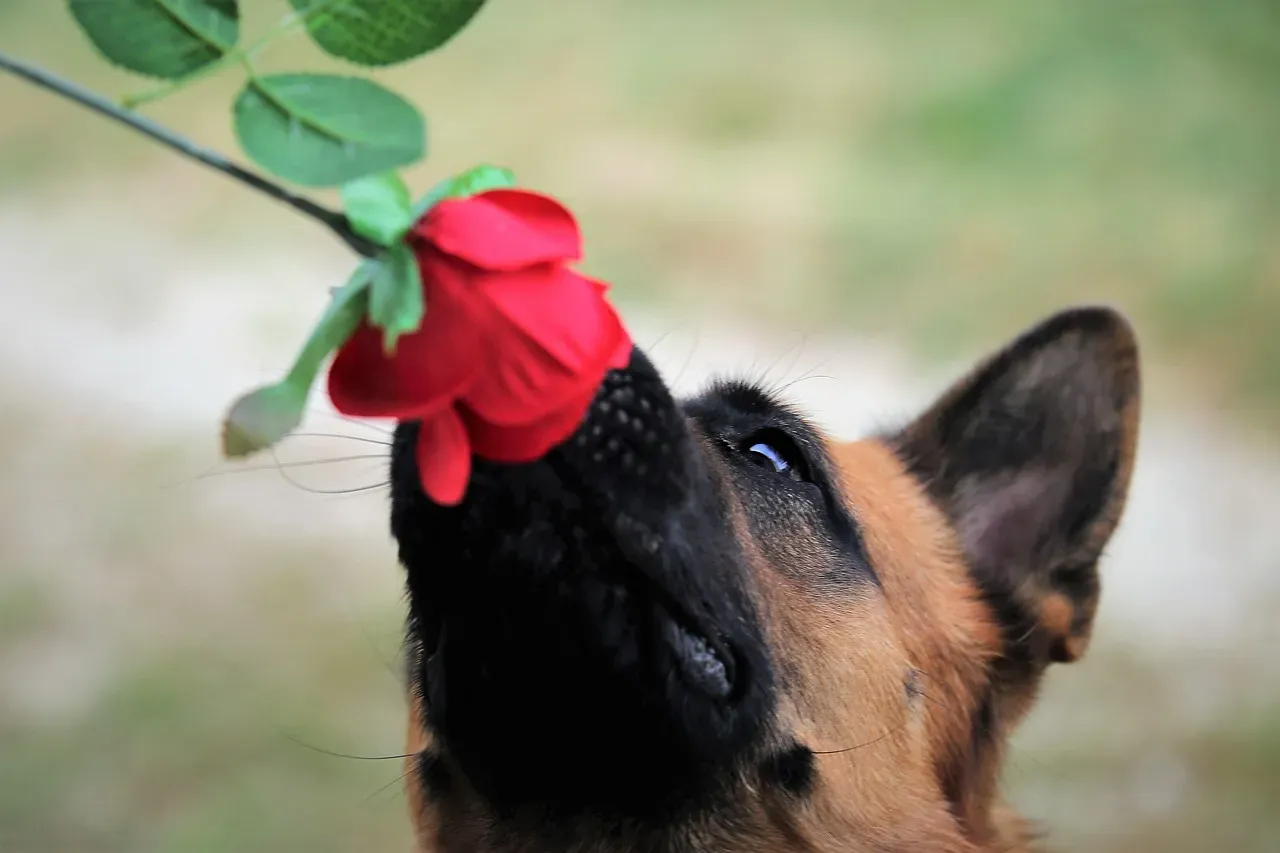
Here’s something that genuinely amazed me when I first learned it. A dog can breathe in and out at the same time, and it’s not an accident. separates the air it breathes into two streams. One is dedicated to breathing, while the other focuses purely on detecting scents. Dogs can also inhale and exhale simultaneously, creating a constant circulation of air through their noses.
When dogs exhale, the spent air exits through the slits on the sides of their noses, and the way that exhaled air swirls out actually helps usher new odors in, allowing dogs to sniff more or less continuously. Compare that to us, where every breath out essentially wipes the scent slate clean.
The result is a nose that never truly rests. In one study from the University of Oslo, a dog on a hunt sniffed continuously for a full 40 seconds, across 30 respiratory cycles. Think of it like a living, breathing scent vacuum that never needs to pause. No wonder your dog takes forever to finish investigating that one particular lamppost.
That Wet Nose Isn’t Just Adorable, It’s Functional
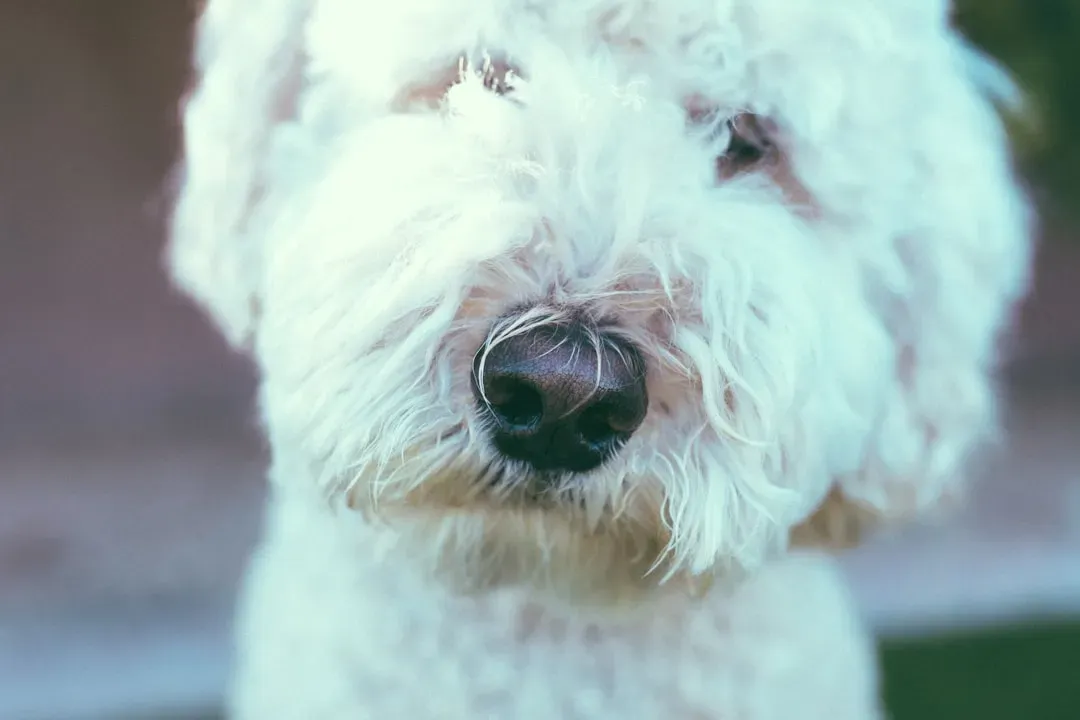
You’ve probably wiped a wet dog nose off your face at some point, maybe while saying “eww” and secretly loving it. That dampness, though, isn’t random. The reason dogs often have damp noses is that scent particles attach to damp surfaces far more easily than dry ones. A wet nose quite literally catches more of the world.
The canine nose works best when it is damp, with the wet outer surface and mucus-covered nasal canal efficiently capturing scent particles. Moisture is so important that dogs will lick their noses when they become dry. It’s basically self-maintenance. Smart animals.
Now, there’s also an important myth to clear up here. Whether is wet or not has actually little to do with health, and the myth of a dry nose indicating a sick dog has been debunked. That said, if your pet’s nose looks normal and they’re active, eating, and drinking well, there’s no need to worry. But if the nose looks crusty, has sores, or your dog seems unwell in any way, contact your vet.
Your Dog Can Move Each Nostril Independently
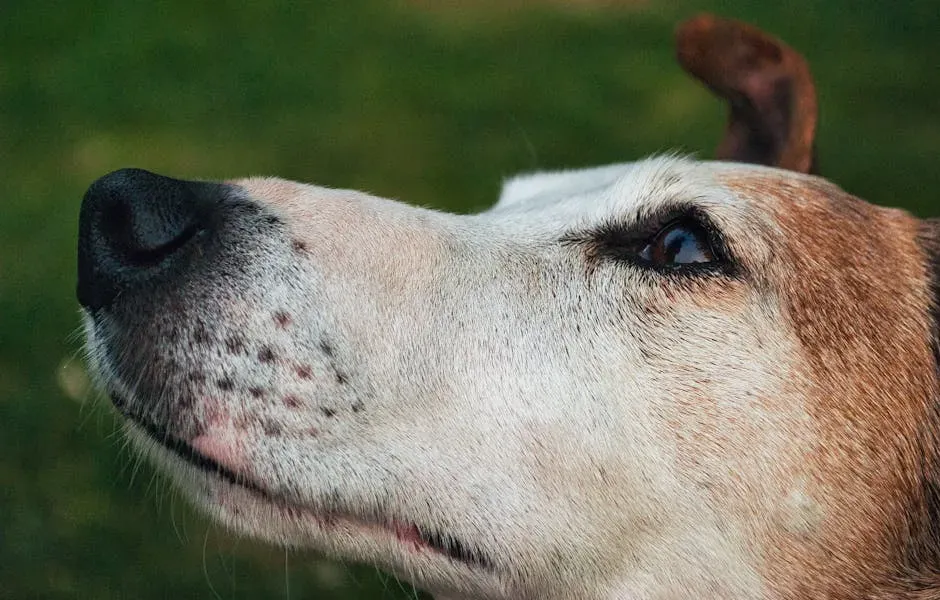
Go ahead and try to wiggle just one nostril right now. I’ll wait. Couldn’t quite manage it, could you? Dogs can wiggle their nostrils independently of each other, while humans can only wiggle both simultaneously. It sounds like a party trick, but the implications are genuinely remarkable.
By taking in different smells through separate nostrils, dogs can form a three-dimensional picture in their brain to find exactly where the source of a smell is located. It’s essentially olfactory stereo, like the difference between hearing a sound from one ear versus both.
Dogs also have a great homing instinct that depends on this ability. Since they can move their nostrils independently, they can determine the direction of an odor and use their sense of smell almost like a compass. The next time your dog zigzags across the pavement during a walk, they’re not being difficult. They’re navigating.
Your Dog Has a Secret Second Nose
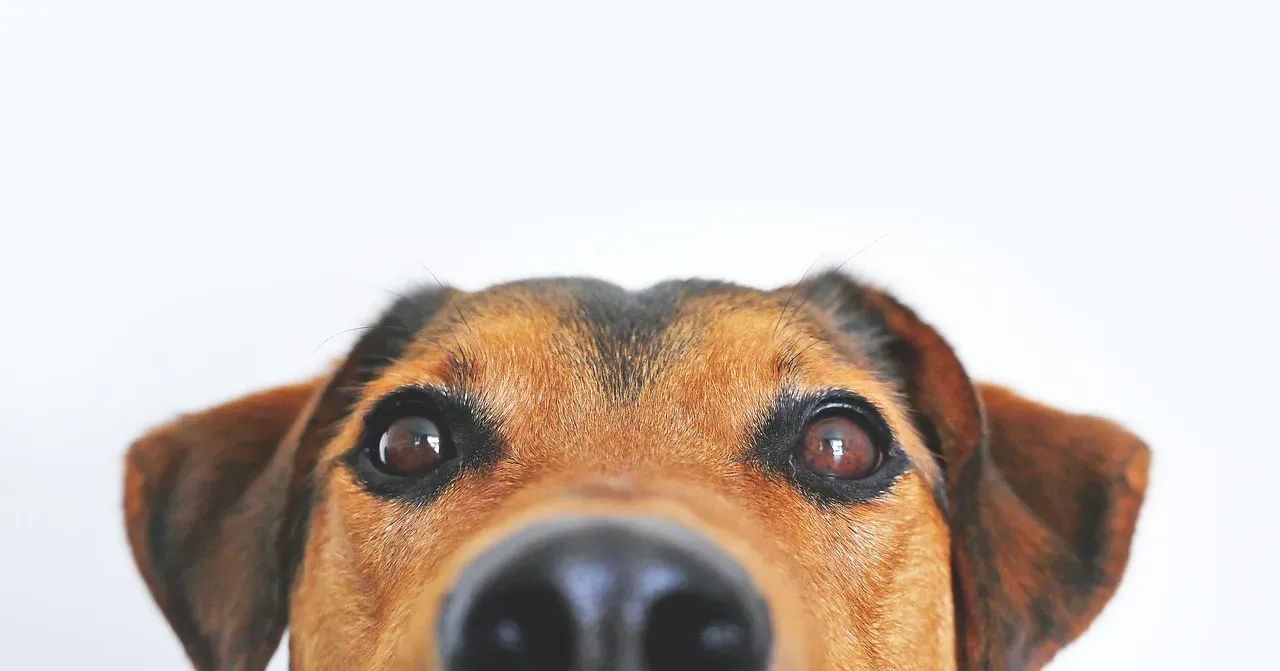
Most people don’t know this one, and it blows minds every time. Dogs have an additional olfactory tool beyond the nose itself. The Jacobson’s organ, also called the vomeronasal organ, is located inside the nasal cavity and opens into the roof of the mouth behind the upper incisors. It serves as a secondary olfactory system designed specifically for chemical communication.
The nerves from Jacobson’s organ lead directly to the brain and are different from other nerves in the nose. They don’t respond to ordinary smells, but to substances that often have no detectable odor at all. In other words, they detect what we might call “undetectable” odors.
The two parts of the dog’s odor detection system, the nose and Jacobson’s organ, work together to provide sensory capabilities that neither could achieve alone. When dogs curl their lips and flare their nostrils, they open up Jacobson’s organ and essentially become remarkably efficient smelling machines. Two noses for the price of one. Not a bad deal.
Your Dog Can Smell Your Emotions

Have you ever noticed your dog padding over quietly when you’re having a rough day, even when you haven’t made a sound? It’s not coincidence, and it’s not just intuition. Dogs can sense fear and anxiety through their noses. When we are stressed or scared, we secrete adrenaline, a hormone that dogs can detect even though we cannot smell it ourselves. When we’re anxious, increased heart rate and blood flow carry body chemicals to the skin surface, where dogs can smell them more easily.
Recent studies show that dogs can detect not only specific scents of drugs or explosives, but also changes in emotions as well as shifts in human cell metabolism during various illnesses, including COVID-19 infection. Your dog genuinely reads you on a chemical level, which is both deeply touching and slightly humbling.
I think this is one of the most beautiful things about dogs. They don’t need you to explain yourself. They already know. That silent comfort they offer when you’re struggling isn’t accidental. It’s rooted in biology, and it’s one of the most profound forms of empathy in the animal kingdom.
Can Detect Cancer and Serious Disease

This one stops people in their tracks, and rightly so. The medical world has discovered that dogs can be trained to detect certain types of cancer, including ovarian and prostate cancer, melanoma, and lung cancer, as well as to sniff out malaria and Parkinson’s disease. That is not science fiction. That is happening right now.
Researchers found that dogs could identify COVID-19 patients with a remarkable accuracy rate. One 2019 study also indicated that dogs can sniff out cancer with a similarly high accuracy rate of around 97 percent. To put that in perspective, those are numbers that would impress even the most sophisticated laboratory instruments.
Dogs can be trained by humans to use their olfactory abilities in a variety of medical fields, with a detection limit often much lower than that of sophisticated laboratory instruments. It’s hard not to feel a profound sense of awe here. The gentle, truffle-sniffing creature curled at your feet may very well hold the future of early disease detection in that little wet nose.
Every Dog Has a Completely Unique Nose Print
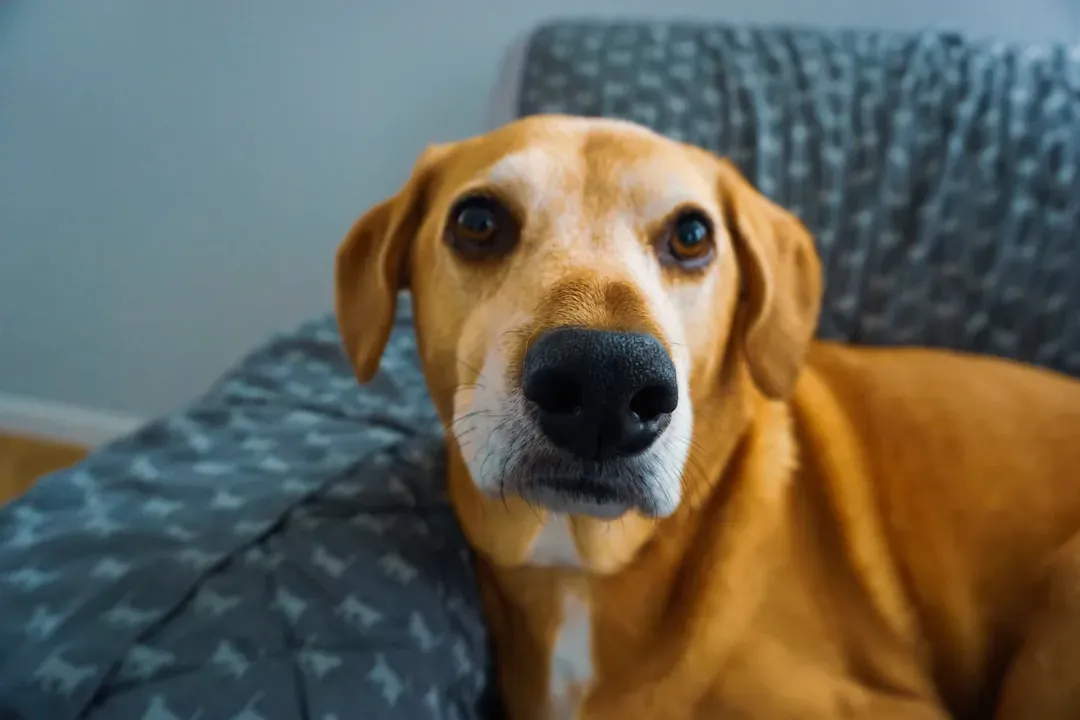
Just like no two human fingerprints are the same, no two dogs share the same nose print. The pattern of bumps and grooves in the skin around and between a dog’s nostrils, as well as the shape of the nostrils themselves, is completely different for every single dog. It is their biological signature, written right there on their face.
Researchers photographed dogs’ noses multiple times over several months and confirmed through both visual examination and algorithmic verification that each nose pattern remained completely unique and unchanged over time. That level of individual distinctiveness is extraordinary.
Here’s where it gets practically useful. Phone apps have been developed that use nose print technology to help locate lost dogs. You register your dog’s nose image, and if your dog goes missing, other app users can scan a found dog’s nose to see if it matches yours, with the app notifying you if there is a match. The Canadian Kennel Club actually accepted canine nose prints as proof of identity as far back as 1938. That little boopable snout has been a one-of-a-kind identification tool all along.
Conclusion: A Nose Worth Celebrating Every Single Day
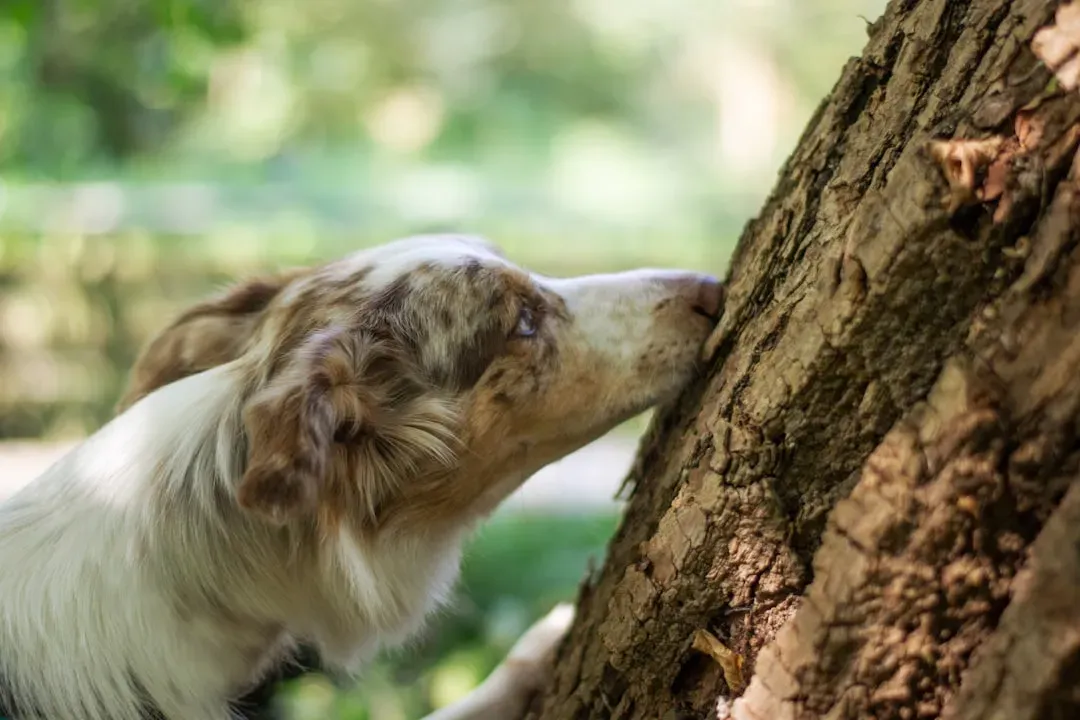
When you truly understand what your dog’s nose is capable of, every slow sniff on a walk transforms from an inconvenience into something worth marveling at. Your dog is reading the world in a language you will never fully comprehend, one that is layered, nuanced, and breathtakingly detailed. They’re not wasting time. They’re living fully.
As their human, one of the greatest gifts you can offer your dog is the freedom to sniff. Let them linger at that tree. Give them time to investigate the invisible story written on the sidewalk. Support their nose health by watching for crustiness, unusual discharge, or any changes in behavior around scent.
These eight facts are really just the beginning. The more you understand your dog’s extraordinary nose, the more deeply you’ll connect with who they truly are. And honestly, isn’t that what this whole beautiful relationship is about? What does your dog’s nose reveal about them that still surprises you?