
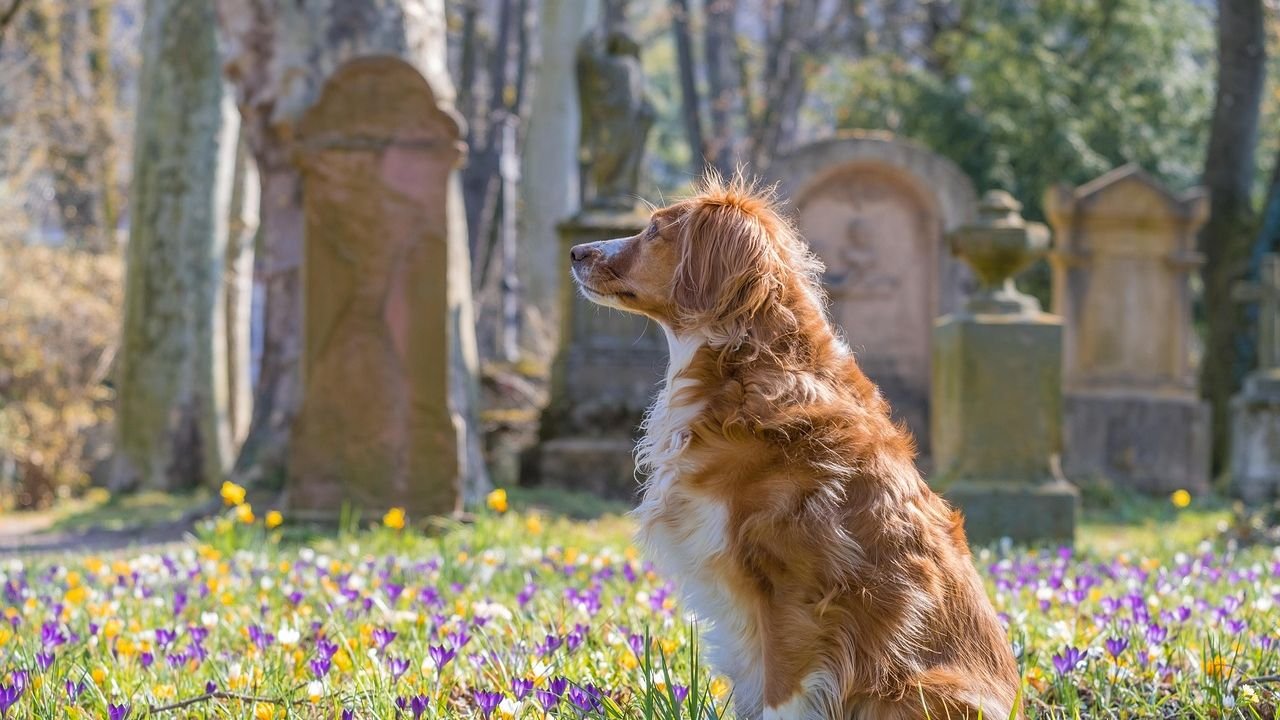
There’s a specific kind of quiet that settles into a home after a beloved dog is gone. No clicking of nails on the floor. No excited bark at the sound of your keys. Just an absence that feels impossibly loud. If you’ve ever loved and lost a dog, you know exactly what I’m talking about, and honestly, no amount of time quite prepares you for it.
March is Pet Memorial Month, and it feels like the perfect moment to pause, breathe, and talk openly about something so many of us quietly carry. Whether your fur babe crossed the Rainbow Bridge last week or several years ago, the love doesn’t disappear. It just changes shape. So let’s talk about how to honor it, carry it forward, and find some gentle healing along the way. Let’s dive in.
Why Pet Grief Is Real and Why You Should Never Minimize It
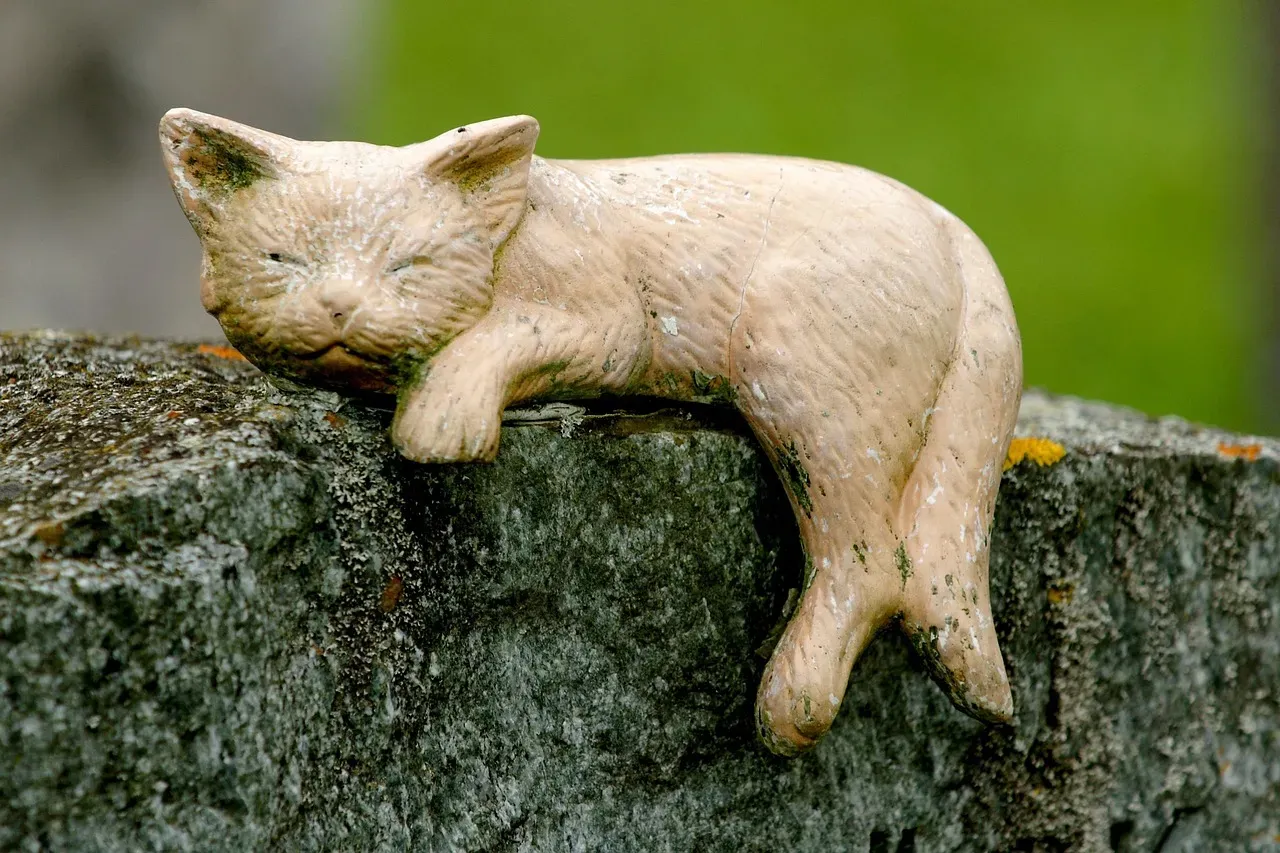
Let’s be real: society doesn’t always give us full permission to grieve a dog the way we grieve a person. Some well-meaning people might say “it was just a pet,” and honestly, that might be one of the most unhelpful things anyone can say. Just like losing a human family member, losing a pet can be a traumatic experience. Pets quickly become a part of your family, and you build a bond on mutual love and trust.
While we all respond to loss differently, the level of grief you experience will often depend on factors such as your age and personality, the age of your pet, and the circumstances of their death. Generally, the more significant your pet was to you, the more intense the emotional pain you’ll feel.
Grief can’t be ranked. Sometimes our head gets in the way of our heart’s desire to mourn by trying to justify the depth of our emotion. Your grief is your grief and deserves the care and attention of anyone who is experiencing a loss. So give yourself full permission to feel everything, without apology.
The Rainbow Bridge: More Than Just a Poem

Most dog lovers have heard the phrase “crossed the Rainbow Bridge,” but have you ever really sat with what it means? The concept of the Rainbow Bridge has brought solace to many grieving pet owners. It is a mythical place where pets go after they pass away, where they are restored to health and vitality, and where they wait for their human companions to join them.
Inspired by the “Rainbow Bridge” concept from a 1959 poem often linked to pet loss, the project began with Valerie Vizena, former chair of the arts committee of the Civic Woman’s Club of Picayune. That poem has quietly comforted countless heartbroken dog parents for decades. I think its power lies in how it transforms loss into something with a sense of future reunion, which is a genuinely beautiful thing.
The Rainbow Bridge serves as a space for reflection and rejuvenation. Whether you are a pet owner or not, everyone is welcome to take a moment away from the hustle and bustle of daily life. In communities across the country, physical Rainbow Bridge memorials are now being created, including a brand new one that opened this very March of 2026 in South Carolina, specifically to give grieving pet owners a place to gather and remember.
Beautiful Ways to Create a Lasting Memorial for Your Dog
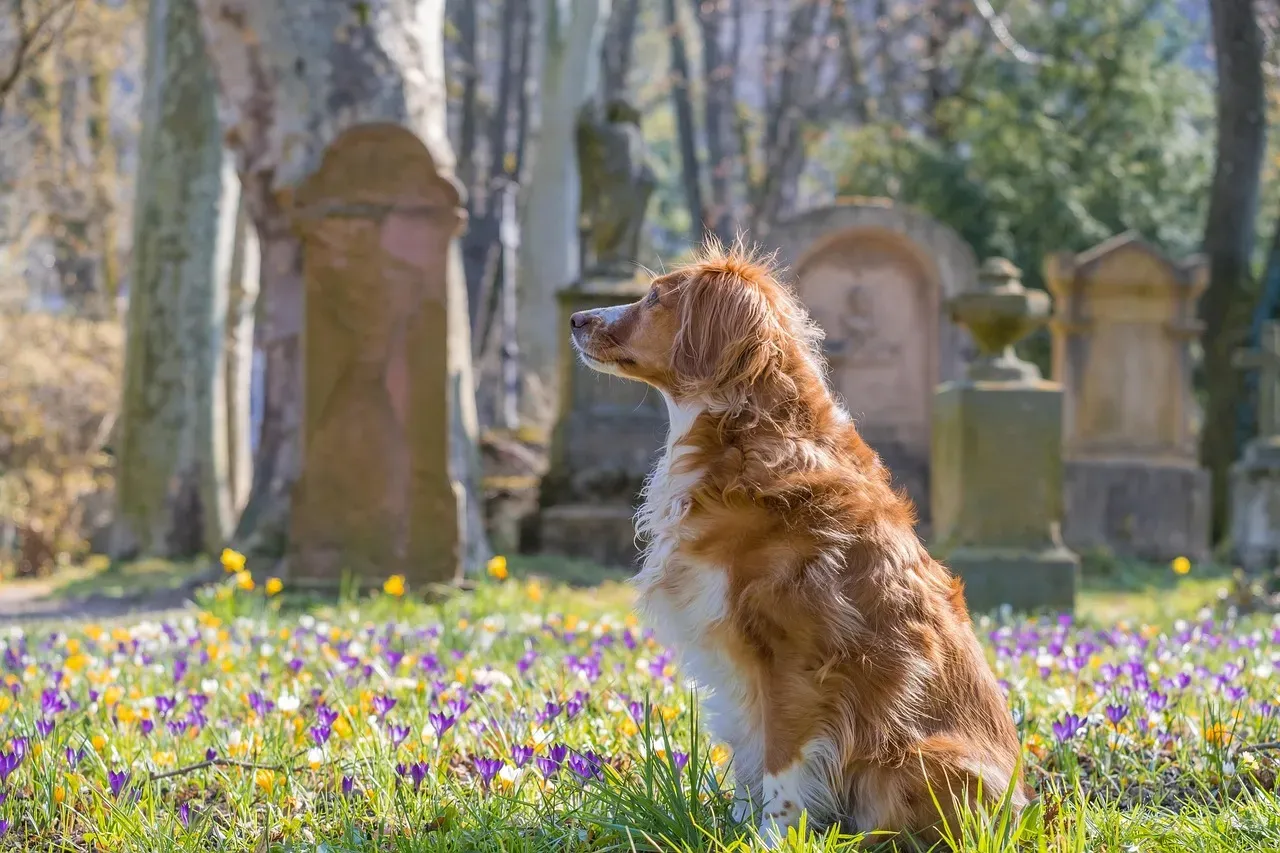
A memorial is more than talking or thinking about your pet – it is an intentional action that can help start the healing process. Think of it like planting a seed. The act itself becomes part of your healing, something tangible and real when the grief feels shapeless and overwhelming.
One way to attend to grief is to memorialize the life of the pet that has passed. Pet memorials come in many forms, from rituals and funerals to volunteering or donating in your pet’s memory or creating a keepsake out of your pet’s ashes or fur. Some pet parents create shadow boxes filled with a collar, favorite toy, and a paw print. Others commission custom portraits or plant a memorial garden where a tree grows in their dog’s honor.
You might plant a native tree or flowering shrub in memory of your pet, create a memory box with your pet’s collar or favorite toys, or purchase a product that incorporates your pet’s ashes into a memorial necklace, bracelet, ring or suncatcher. There is no right or wrong choice here. The right memorial is simply the one that feels most like your dog.
Honoring Your Dog’s Memory Through Action and Community
Here’s the thing: sometimes the most healing thing you can do isn’t to sit quietly with your grief but to let it move through you and into the world. You might volunteer at an animal shelter, participate in a charity walk, or when you’re ready, adopt another pet who needs a loving home. These actions can help channel grief into positive endeavors, honoring a pet’s memory by making a difference in the lives of other animals.
Perhaps the simplest but most eloquent way to memorialize a pet is to make a donation in their honor to a cause or animal organization. Some families go even further. Some pet parents choose to honor their pets through a scholarship fund created in the pet’s name. Many veterinary students have been able to fund their education through these generous pet memorial gifts, which remember and honor the pet and help aspiring veterinarians follow their dreams.
Finding comfort in connection with others who have experienced similar loss can be immensely beneficial. Online support groups and forums provide a space for pet owners to share their feelings, stories, and memories, fostering a sense of community and understanding. By connecting with others, you can find solace in knowing that you are not alone in your grief and that the love for pets is shared by many. This March especially, communities are showing up beautifully for one another.
Helping Children and Seniors Navigate the Loss of a Pet
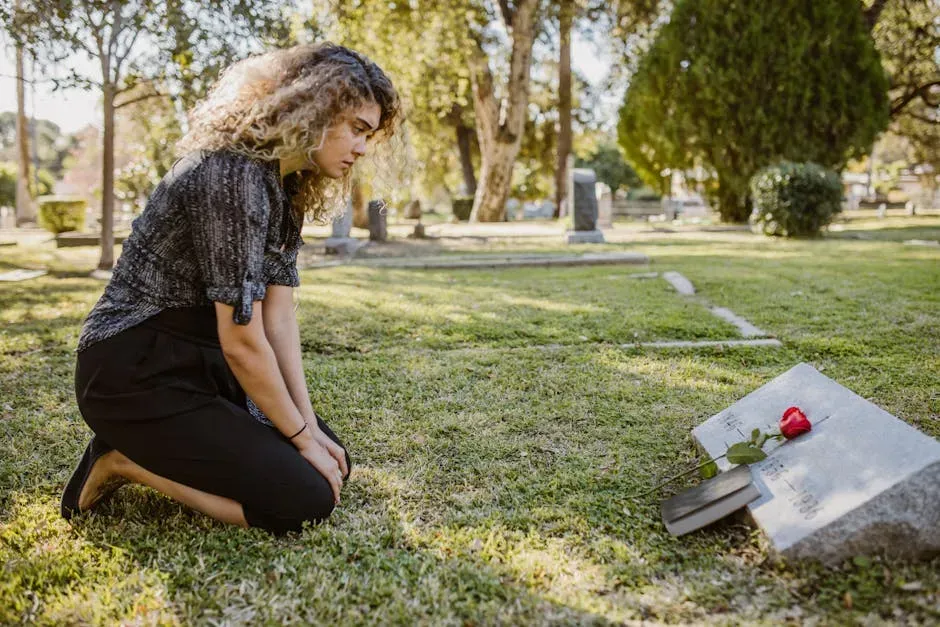
Losing a dog hits differently depending on where you are in life, and it’s worth talking about both ends of the spectrum. The loss of a pet may be a child’s first experience with death. The child may blame themselves, their parents, or the veterinarian for not saving the pet. They may feel guilty, depressed, or frightened that others they love may be taken from them.
Expressing your own grief may reassure your child that sadness is okay and help them work through their feelings. Children may also benefit from participating in age-appropriate mourning rituals alongside you, such as drawing pictures of their pet, writing to their pet, or sharing happy memories of their pet. Don’t try to rush them through it either. Grief, even in little hearts, needs space.
Coping with the loss of a pet can be particularly hard for seniors. Those who live alone may feel a loss of purpose and immense emptiness. A pet’s death may also trigger painful memories of other losses and remind caregivers of their own mortality. If you have an elderly loved one who has recently lost their dog, please check in on them often. That simple act of showing up means everything.
Moving Forward: Grief, Healing, and What Comes Next
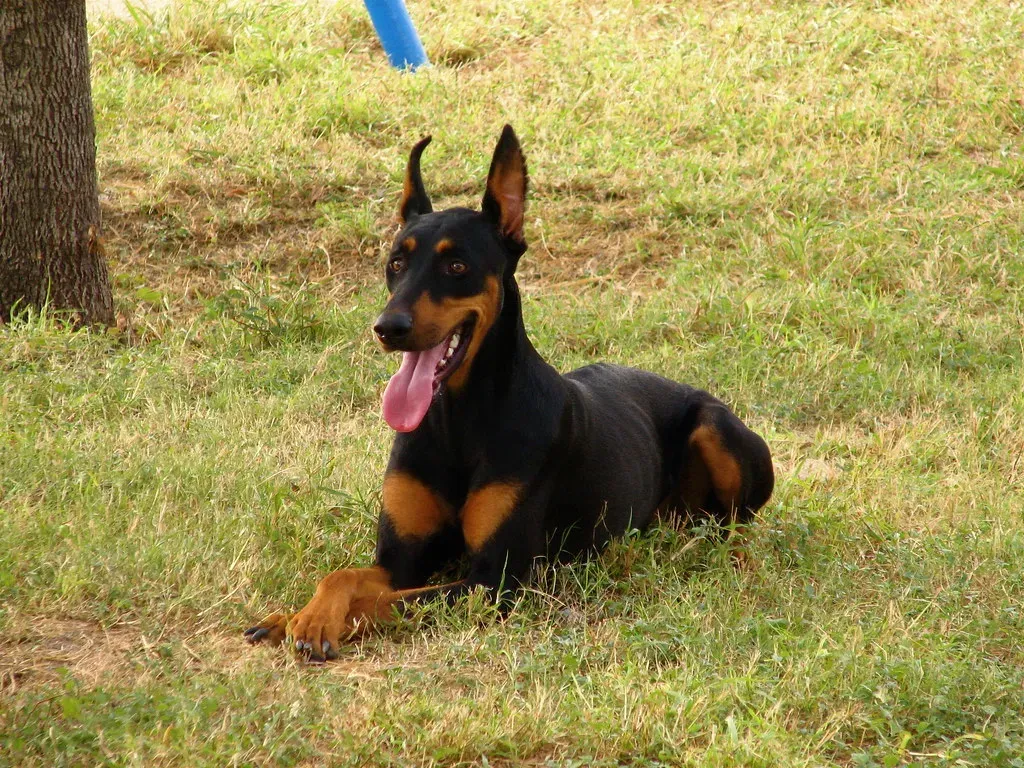
Grief isn’t always a predictable process that flows in linear stages. People may experience complex emotions that arrive in waves or fluctuate like a roller coaster. One day you might feel peaceful looking at old photos. The next, you’ll reach to fill a water bowl that’s no longer there. Both responses are completely valid.
Your memories allow your pets to live on in you. Embracing these memories, both happy and sad, can be a very slow and, at times, painful process that occurs in small steps. Take some time to look at past photos, write a tribute to your pet, or write your pet a letter recalling your time together. It sounds simple, but writing a letter to your dog is genuinely one of the most cathartic things you can do. I know it sounds a little wild, but try it.
Research suggests that the most intense feelings often occur in the first two months, with underlying sadness sometimes lasting six to twelve months or longer. There is no set timeline. Grief is unique to each person. So be patient with yourself, the way your dog was always patient with you. If things feel unmanageable, you may consider speaking with a grief counselor to help you move forward in life.
Conclusion: Their Paw Prints Never Fade
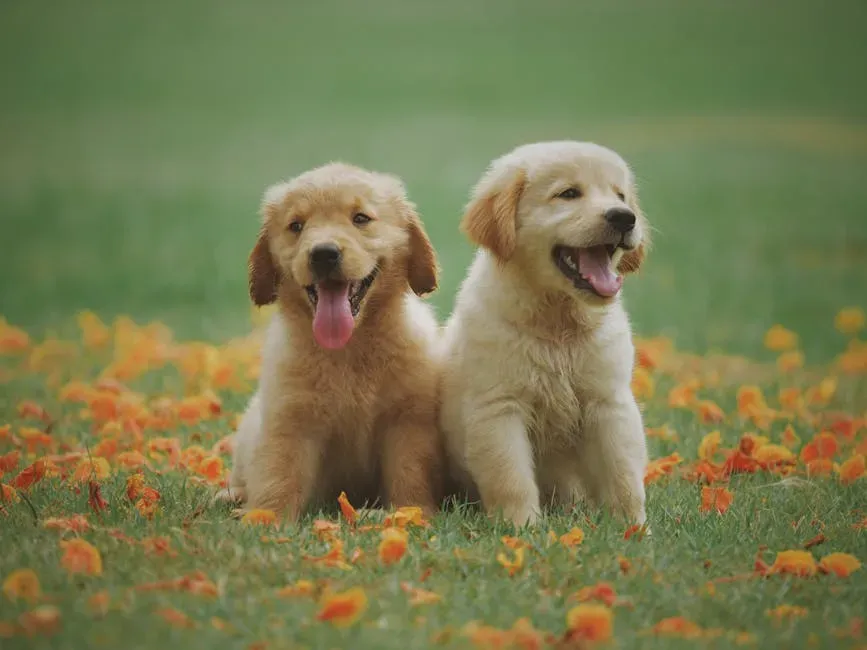
Whether it was a dog who greeted you with wagging tails and slobbery kisses, each pet leaves behind a legacy of love and companionship. As you remember these happy times, you honor the unique personalities and quirks that made each pet special, acknowledging their role in shaping your life. That is not a small thing. That is everything.
This March, in honor of Pet Memorial Month, do something intentional for your fur babe. Light a candle. Plant something that blooms. Donate to a shelter in their name. Write them a letter. Most mental health experts believe that finding ways to honor loved ones who have passed is an important part of an often very complicated grieving process. Grieving is important for preserving the memory of the one you lost, helping you heal, helping you move forward, and helping you process difficult feelings.
Your dog gave you their whole life. The least we can do is carry them forward in ours, with love, with purpose, and with a heart wide open. What’s one small way you plan to honor your fur babe this March? Share it in the comments. You might just inspire someone else who needs it today.


