
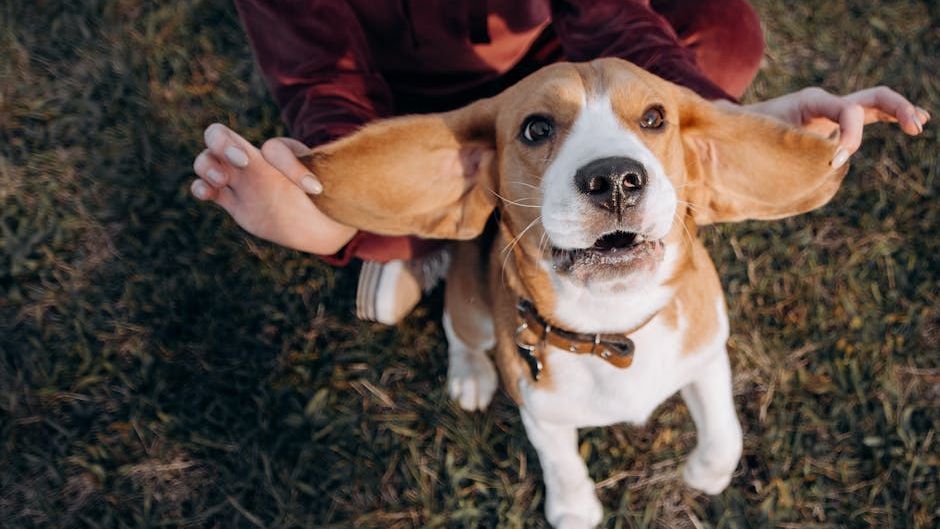
There’s a particular kind of quiet that settles over a house when a dog gets old. The frantic sprints to the door slow to a gentle trot. The tail still wags, but maybe a beat later than it used to. You notice it gradually, and then all at once, your perpetually young companion is wearing a grey muzzle and moving with the careful dignity of a much older soul.
Most of us love our dogs deeply, but love alone doesn’t always prepare us for what aging actually looks like. There are things your dog is experiencing that they can’t tell you, changes happening beneath the surface that shift what they need from you. Knowing them early enough to act on them is one of the most meaningful things you can do for the animal who has given you everything.
#1 – They Become a Senior Sooner Than You Think
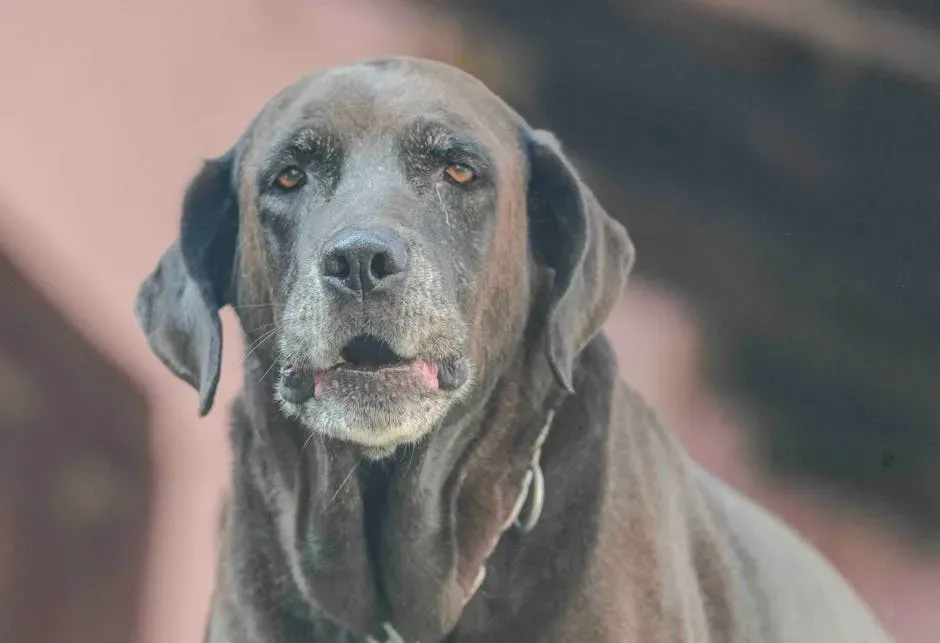
The idea that a dog ages seven years for every one human year is a persistent myth, and a misleading one. Dogs don’t age at 7 years per human year. How fast they age actually varies depending on their size, with large and giant dogs aging faster than smaller breeds.
Giant breed dogs such as Great Danes may be classified as seniors as early as 5 years of age, while mixed breed dogs can be considered seniors at approximately 7 years of age. That’s not old in human terms, but biologically, the clock has already started moving faster.
Dogs don’t become senior overnight. Aging is a slow and gradual process, and changes can be subtle, so it’s important to keep a close eye on your dog’s health and behavior and discuss any changes you notice with your veterinarian. Starting to pay closer attention at the midpoint of your dog’s expected lifespan is not premature – it’s smart.
#2 – Their Joints Are Starting to Hurt Long Before They Show It
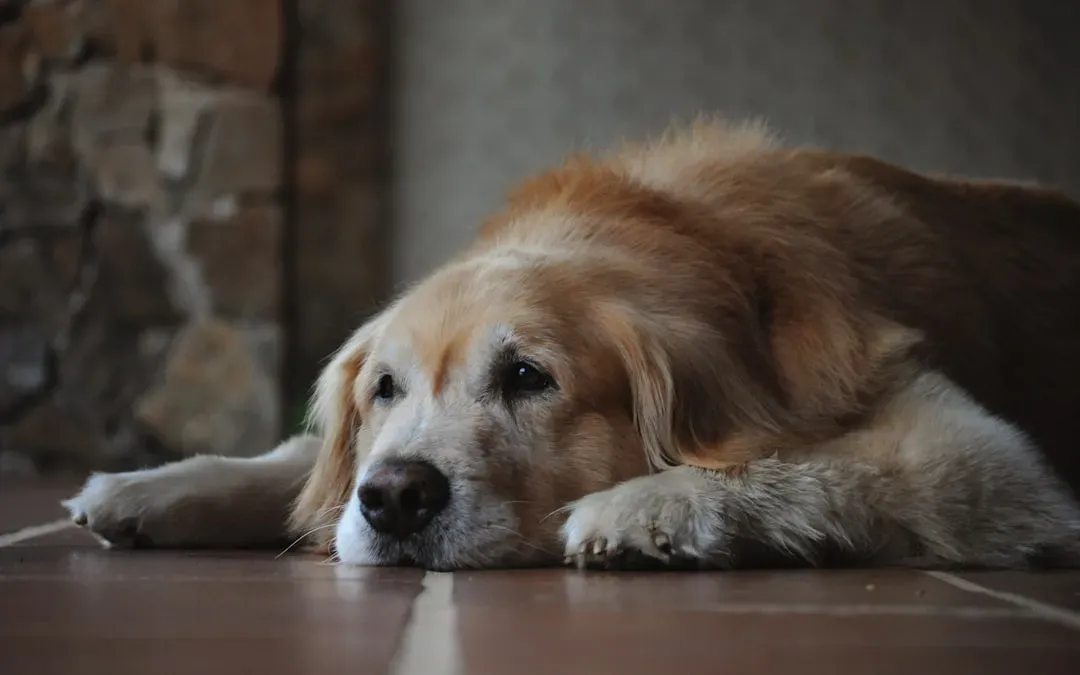
Dogs are masters at hiding discomfort. By the time a dog is visibly limping or refusing the stairs, joint pain has often been building quietly for months. Whether it’s an old injury that begins to flare up more often or arthritis that continues to worsen, joint pain can cause a number of problems for an older dog, from difficulty getting into the car or down the stairs to being able to move around in cold weather.
Supplements containing chondroitin, glucosamine, and MSM reduce joint inflammation and support healthy cartilage. Joint supplements work best when started before arthritis develops, but they are beneficial even in dogs who have already developed this condition since they slow the progression of disease.
Providing an orthopedic dog bed for your senior pet is a great idea to promote comfort. Since older pets tend to spend more time lying down, these beds provide additional support for their joints and prevent pressure sores on their elbows and legs. These are small adjustments with a real impact on daily quality of life.
#3 – Their Eyesight Is Fading, Often Quietly
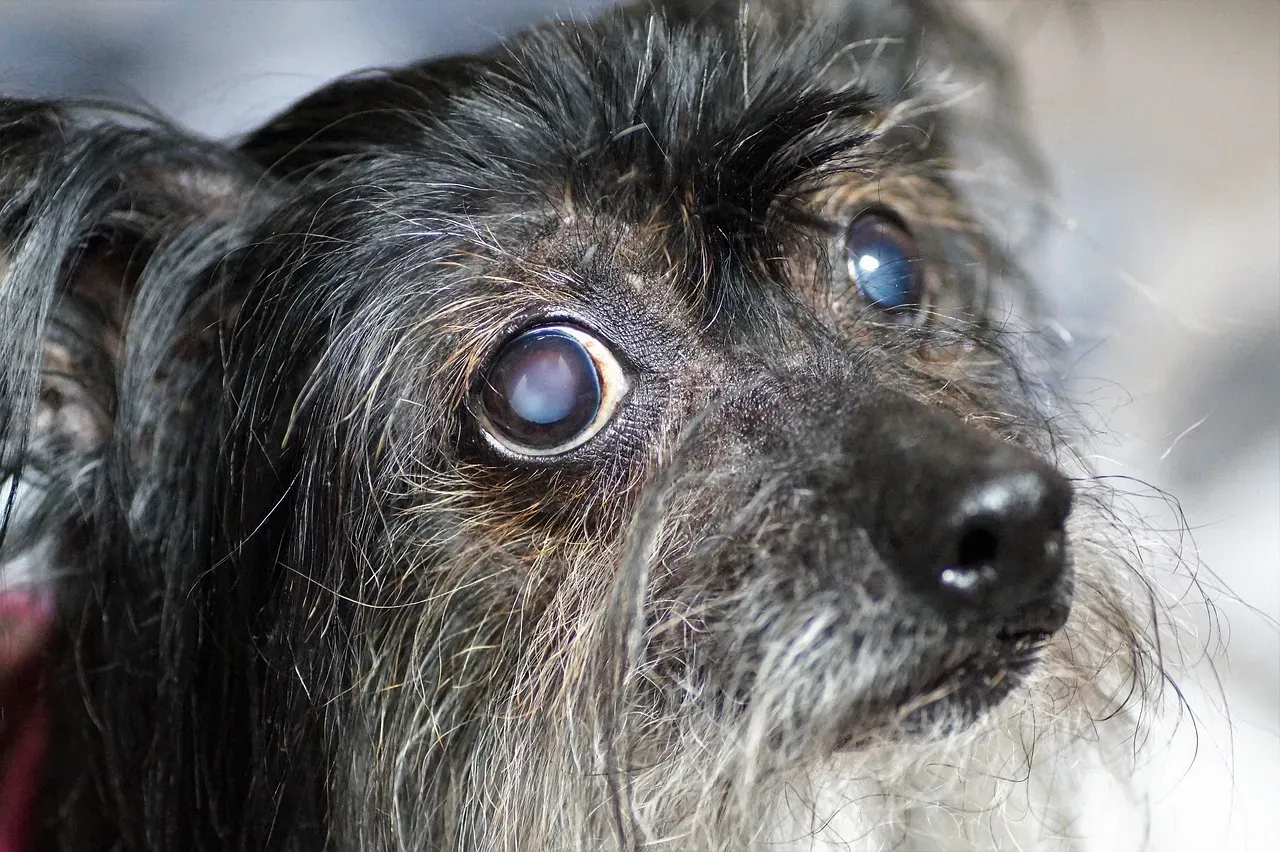
If your dog seems to bump into things occasionally or startles more easily in dim lighting, it likely isn’t clumsiness. Cloudy eyes can happen so gradually that you might not notice it right away. While it’s a fairly common occurrence in senior dogs and doesn’t affect vision, it may also be a sign of canine cataracts or other eye diseases, most of which are easily treatable.
Cloudy eyes are a common sign of aging in dogs of all breeds. While this is often a benign process called nuclear sclerosis, cloudy eyes can also be caused by cataracts, which are painful for your dog and make it hard for them to see. Knowing the difference matters, and only a vet exam can confirm which you’re dealing with.
It is normal for pets to lose some of their sight and hearing as they age, similar to people. Senior pets might develop cataracts affecting their vision, and they might not respond as well to voice commands. Adjusting how you communicate with your dog to account for these changes shows a level of care they can genuinely feel.
#4 – “Ignoring You” Is Often Just Hearing Loss
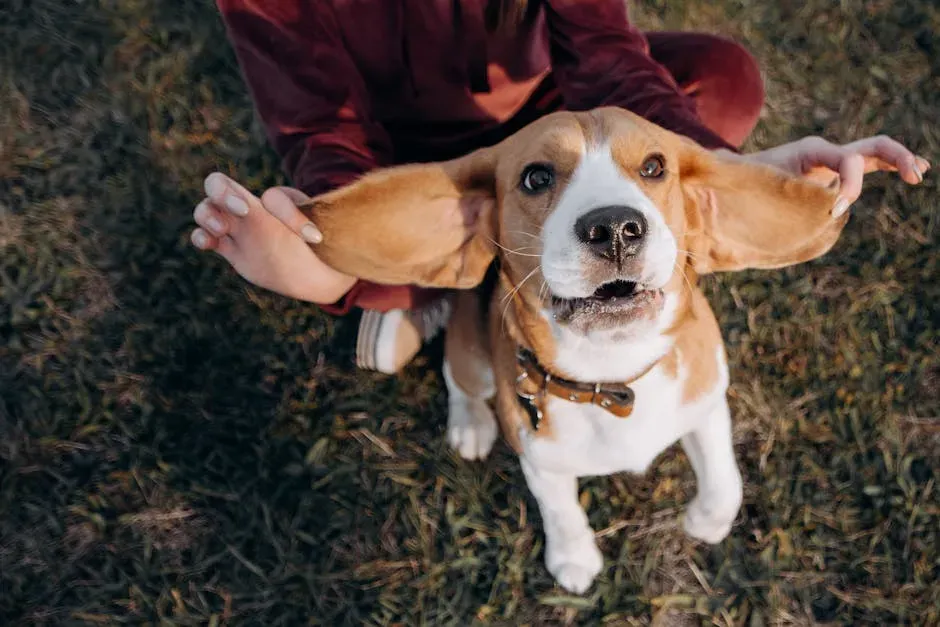
This one catches a lot of owners off guard. You call your dog’s name, they don’t come, and your first instinct is stubbornness. The reality is far more likely to be physical. Sometimes pet parents think their dog is simply being stubborn when they don’t respond to a command. If your dog is getting up in age, they may not be able to hear you. Hearing loss is among the common signs of old age in dogs.
When their dog ages, many pet parents feel he is ignoring them. However, the fact is that he may be hard of hearing and doesn’t hear you calling him. At times, your dog might not see the ball you have thrown right before him. Most people do not notice these vision or hearing loss signs in their dogs until they become severe.
The good news is that dogs adapt remarkably well. You might be able to use hand signals to direct your dog more effectively. Ask your vet or a professional dog trainer for more information on using hand signals to communicate with your pet. A few weeks of adjustment and you’ll have a whole new language together.
#5 – Their Metabolism Has Changed, Even If Their Appetite Hasn’t
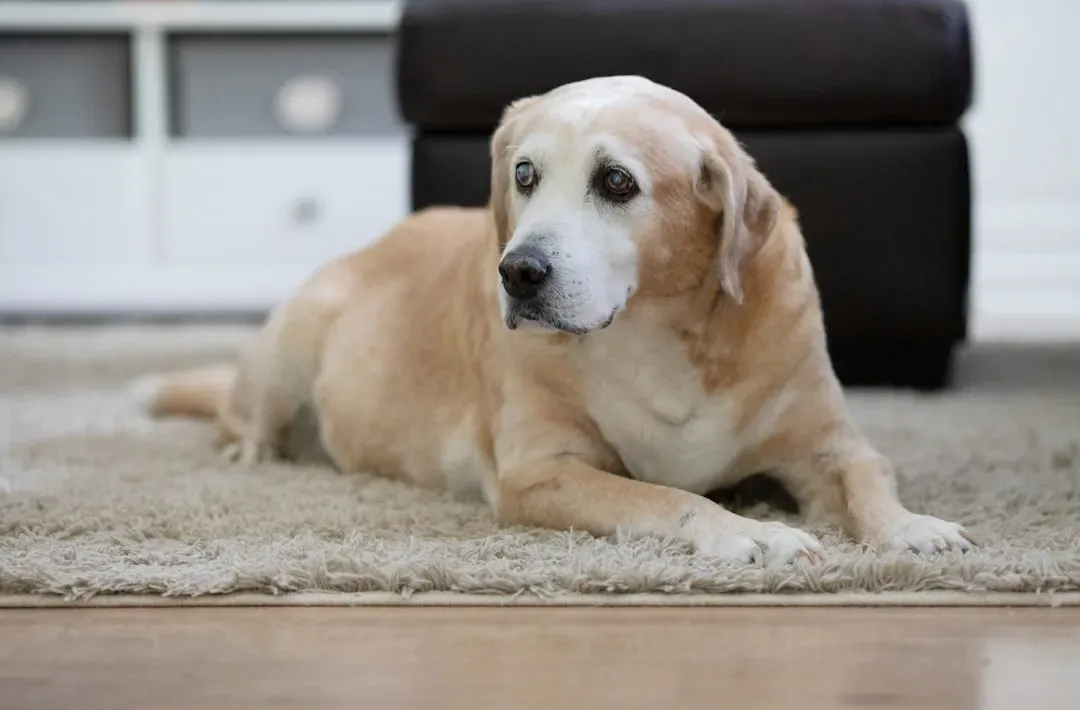
Few things are more endearing than a dog who acts like every meal is their first. The problem is that senior dogs can no longer back up that enthusiasm with the same metabolism they had at two years old. When humans age, our metabolism slows down and we need less food to maintain a consistent weight. It’s the same with dogs. Though they may act just as hungry and treat-crazed as ever, their body isn’t burning the calories the same way, so they gain weight.
Weight gain can have a huge impact on a dog’s life. It increases the risk of a number of conditions like arthritis, diabetes, and heart disease, among others. It also reduces their quality of life by putting more strain on their body, making it harder for them to get around and enjoy their walks and playtime.
You may find it’s time to shift to dog foods designed for senior dogs, which have fewer calories, more fiber and less fat, and extra nutritional supplements. You may also find that you need to minimize the treats you dole out throughout the day. Adjusting portions thoughtfully, rather than cutting food harshly, is the gentler approach.
#6 – Their Brain Needs Exercise Too
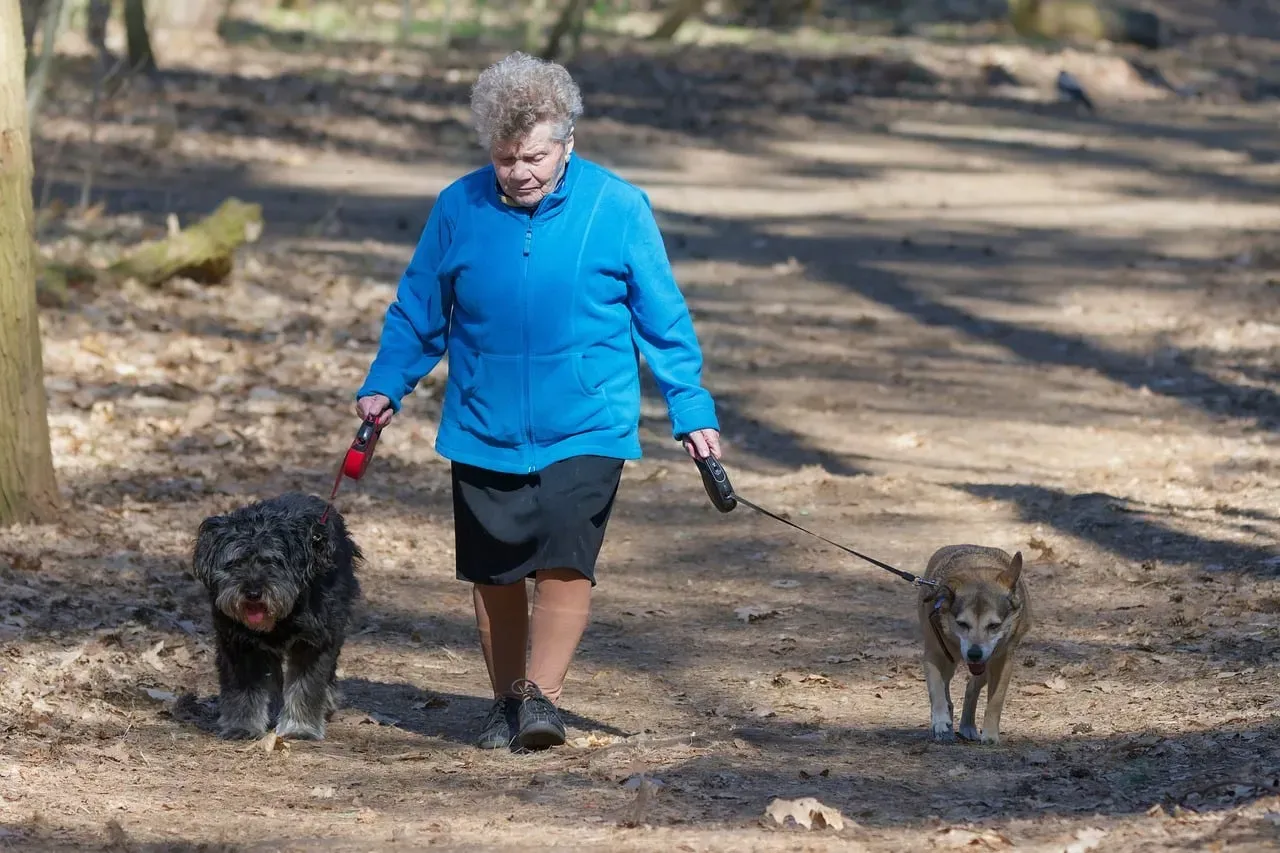
Physical slowing is obvious. Cognitive slowing is easier to miss, and more important to address than most owners realize. Mental engagement is just as important as physical exercise for senior dogs. As they age, some may experience mild cognitive decline, so keeping their minds active helps them stay alert and content. Try scent games, gentle training sessions, or puzzle toys to challenge them in fun ways.
Another behavioral change you may see as your dog advances in age is restlessness, particularly at night. If your pet seems to pace around in a disoriented or confused fashion, it could be an initial sign of canine cognitive dysfunction. Think of it as a dog’s version of Alzheimer’s disease. It’s a confronting thought, but catching it early allows for meaningful intervention.
You can teach an old dog new tricks. Continue to reinforce basic commands and teach new tricks. This not only provides mental stimulation but also strengthens the bond between you and your dog. The learning doesn’t stop just because the pace slows down.
#7 – They May Forget Rules They’ve Known for Years
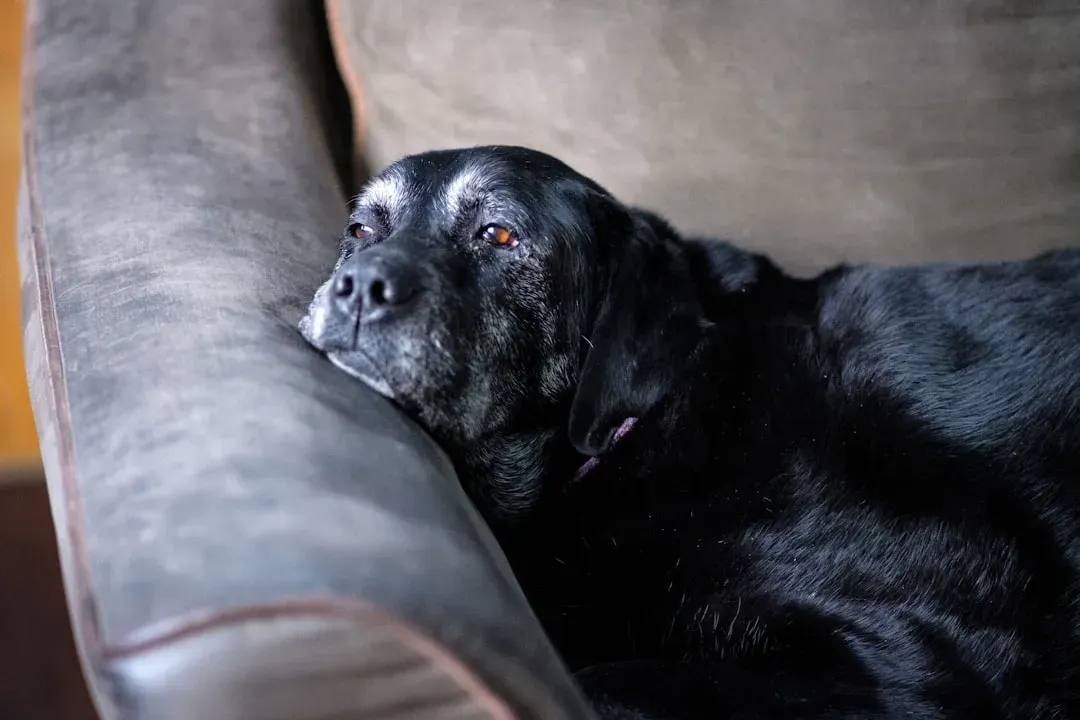
Housetraining that held firm for a decade can suddenly become unreliable. It’s not a behavioral regression or a power struggle. It’s neurological change. A loss of cognitive ability is common with aging. Your dog may forget simple things like how to navigate around an obstacle or even get lost in areas he’s not familiar with. He may have a harder time performing tasks or learning new tricks. In fact, he may forget behaviors he’s known for a long time such as being house trained.
Watch for signs of dementia in your dog. He may start to forget commands or other trained behavior he grasped when younger. A forgetful dog may seem to wander, even in familiar territory. Senior dogs may also have more accidents in the house. Responding with patience rather than frustration is the kindest and most effective approach.
Returning to basics, gentle reminders, shorter intervals between bathroom trips outside, and a calm, predictable environment all help. Punishing a dog for cognitive symptoms doesn’t correct anything. It only adds confusion and anxiety to an already disorienting experience for them.
#8 – Routine Feels More Like Safety to Them Now
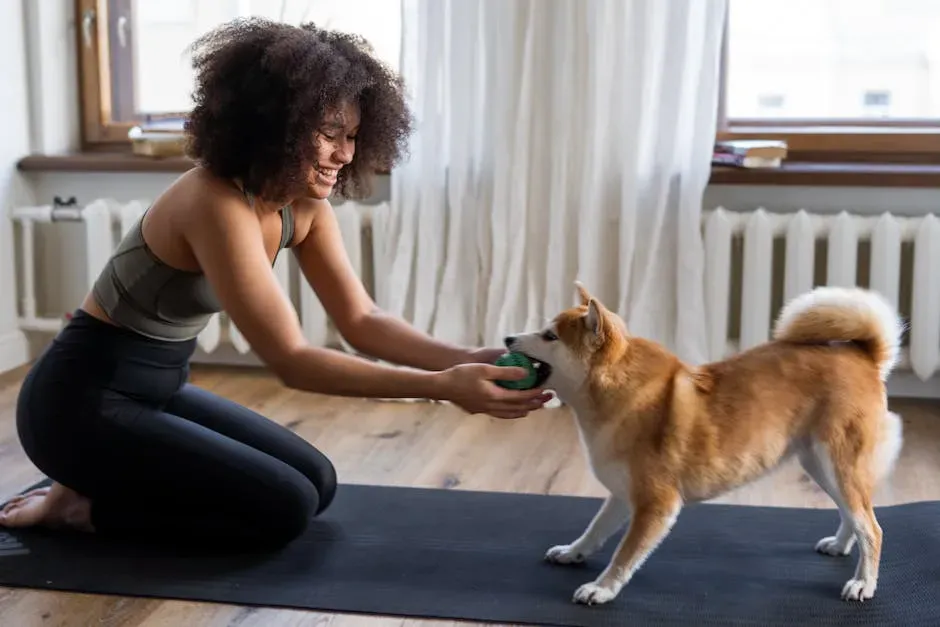
When a dog is young, they handle schedule disruptions with relative ease. As they age, routine shifts from preference to genuine psychological need. It’s possible that your pup will rely more on routine than ever before, looking for predictable situations to manage the changes they’re going through.
Regular movement, predictable routines, and intentional bonding time help dogs feel secure, and that sense of stability can shape behavior just as much as training does. A consistent feeding schedule, regular walk times, and a familiar sleep spot aren’t small comforts. They’re anchors.
Some dogs become more agitated and irritable than usual as they age, while others become clingy or prefer solitude. A large portion of these behaviors can be attributed to increased pain or dulled senses. Keeping their world steady gives them one less thing to figure out when so much else feels unfamiliar.
#9 – Their Dental Health Affects Far More Than Their Breath
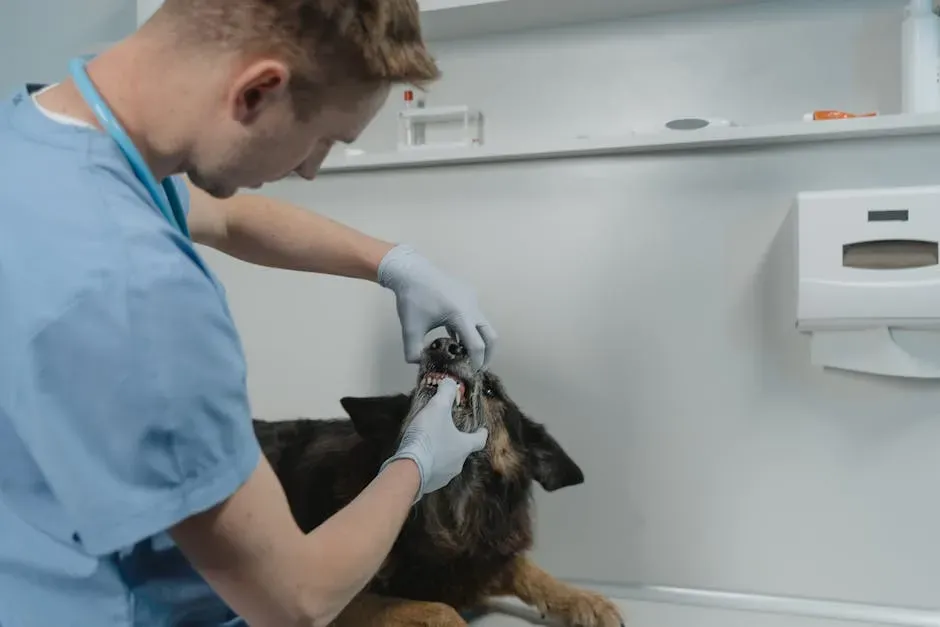
Most owners notice bad breath and think little of it. But in a senior dog, persistent dental issues go well beyond odor. While bad breath in dogs can be common at any age, if your dog seems to suddenly have awful breath, it could indicate gum disease, tooth decay, or oral infection. The immune system weakens as dogs age and they aren’t able to fight off infections as easily as they did when they were younger. Along with a good dental cleaning, your vet may decide to do blood work to rule out infection.
As dogs age, there is an increased susceptibility to dental disease. Maintain good dental hygiene by brushing your dog’s teeth every day to help prevent plaque buildup on their teeth. Senior dogs also benefit from once-yearly professional dental cleanings by your veterinarian, while those who are predisposed to dental issues may need twice-yearly cleanings.
Oral health is often overlooked in older pets, but dental disease can cause infections and pain. Brushing, dental chews, and professional cleanings keep your dog’s teeth and gums in good condition. A dog in dental pain often eats less, sleeps more, and becomes withdrawn. What looks like aging can sometimes be a tooth that needs treatment.
#10 – They Struggle to Regulate Body Temperature
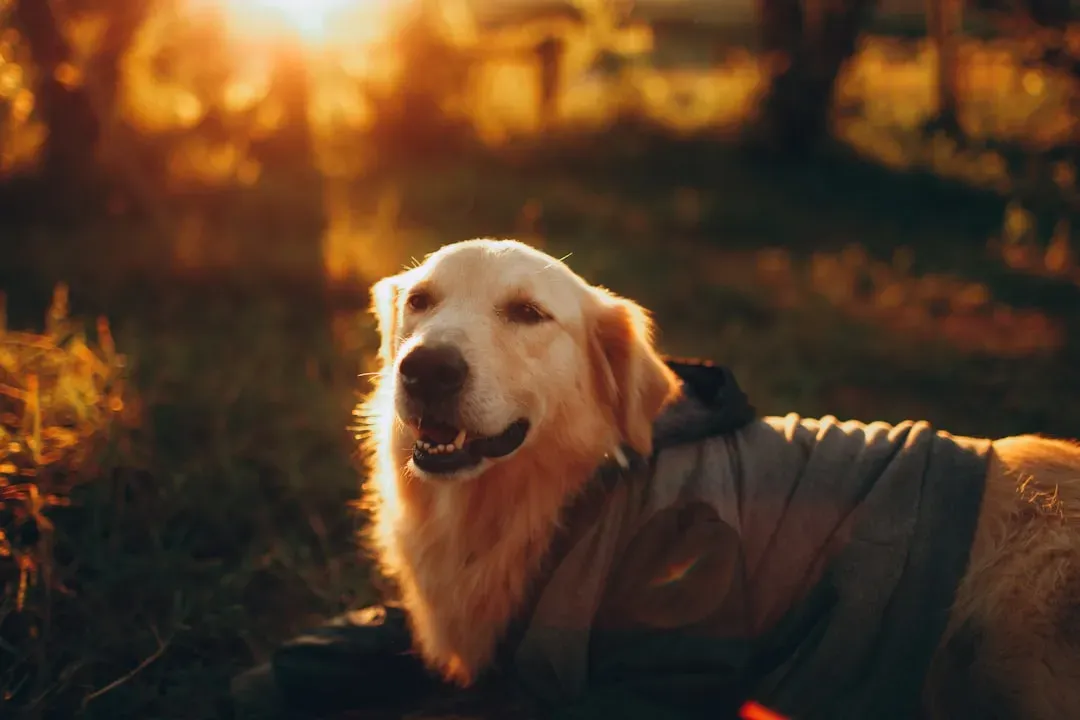
That draft by the back door that never bothered your dog before? It matters now. As their body slows down, some senior dogs may struggle to regulate their temperature as effectively as they did when they were younger. They may have trouble staying warm in the winter or cool through the summer, so it’s important to take extra precautions.
As dogs age and their bodies change, they become more sensitive to outside conditions. Senior dogs, regardless of breed, are more susceptible to hot and cold weather, so make sure you’re able to keep them cool during summer and warm during winter. Fans and air conditioning will help with heat, while coats will help with cold. Adding some more blankets to their beds, and even considering keeping a coat on your dog while indoors if it’s extra chilly, can help.
As dogs age, they begin losing large amounts of hair and their bodies are more sensitive to temperature fluctuations. Avoiding wide temperature variations and keeping the humidity consistent increases their comfort. A warmer bed in winter and access to shade and cool water in summer aren’t luxuries. They’re necessities for an aging dog’s comfort.
#11 – More Frequent Vet Visits Are No Longer Optional
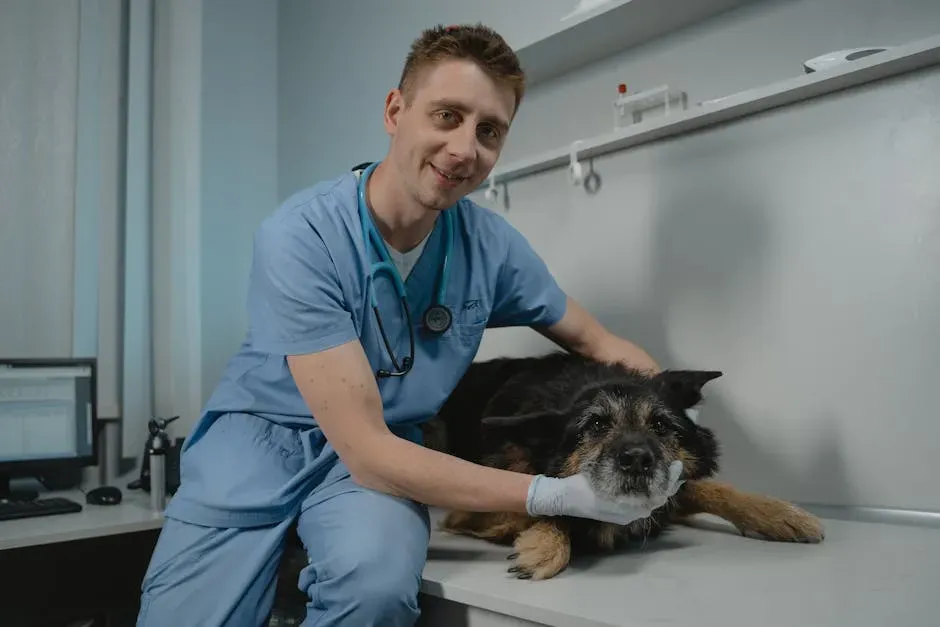
Annual check-ups that were perfectly adequate during the adult years become genuinely insufficient for a senior dog. Regular veterinary examinations can detect problems in older pets before those problems become serious or life-threatening, which can lead to a longer, healthier life for your pet.
Regular vet visits and lab testing often allow you to catch health issues before they become clinically obvious, meaning they’re easier and less expensive to treat, offering a better prognosis for your dog. For healthy senior dogs, wellness visits at least once every six months with yearly lab work are recommended. Dogs with health conditions and geriatric dogs may need more frequent check-ups and bloodwork.
Expect a wider variety of tests at routine veterinary visits. Endocrine problems, such as Cushing’s disease or hypothyroidism, are common in older dogs. These conditions are manageable and should be diagnosed early. The sooner a problem is found, the more treatment options remain available – and that window matters enormously.
#12 – Their Anxiety Can Quietly Escalate With Age
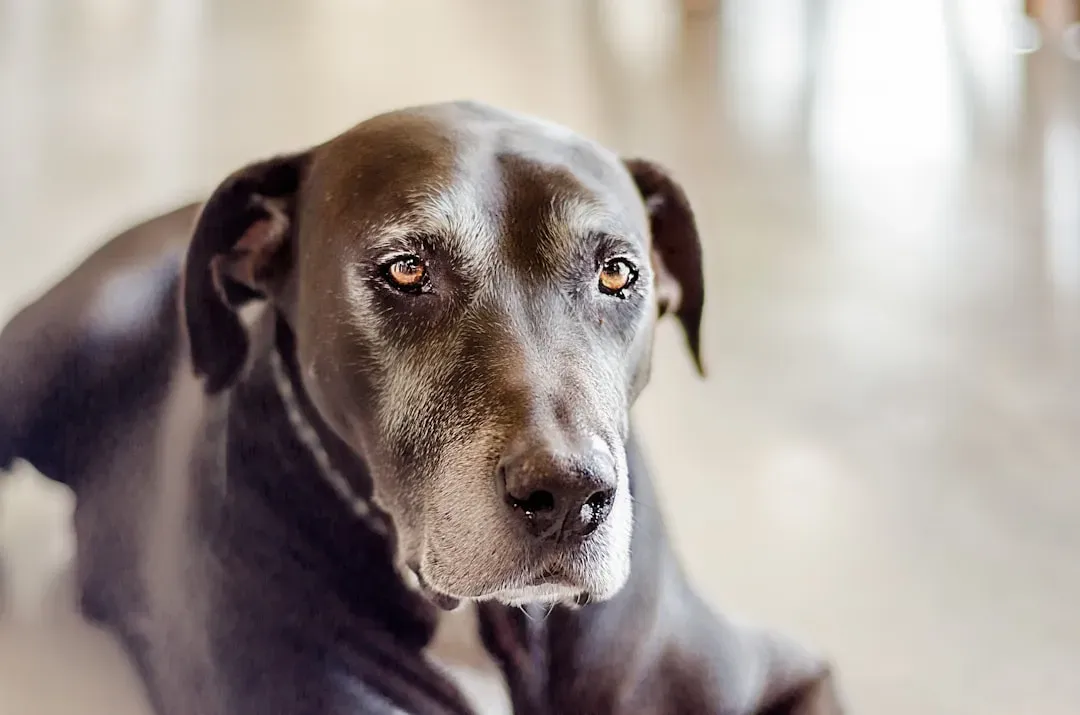
A dog who was calm and easygoing in their younger years can become noticeably anxious as they get older, and the change can be confusing without context. Senior dogs tend to have more trouble dealing with stress and anxiety than younger dogs. These problems may worsen as your dog ages, and things like sensitivity to loud noises, separation anxiety, and even aggression or avoidance of family members might occur. Check in with your vet to learn how to address these problems.
At this age, a dog may become less tolerant of young children, reacting negatively to sudden squeals or unpredictable movements. He may also begin to exhibit distress when you leave or be disturbed by loud noises such as firecrackers or thunderstorms. This isn’t a personality flaw. It’s a response to a body that is working harder just to feel okay.
If your vet does not find anything medically wrong in your dog, you can do certain things to help reduce their anxiety, such as using food puzzles, taking frequent short walks, maintaining a consistent routine, and allowing extra space when you have visitors in your home. Small environmental changes can make a surprisingly large difference in a senior dog’s daily sense of security.
#13 – They Still Need to Move, Just Differently
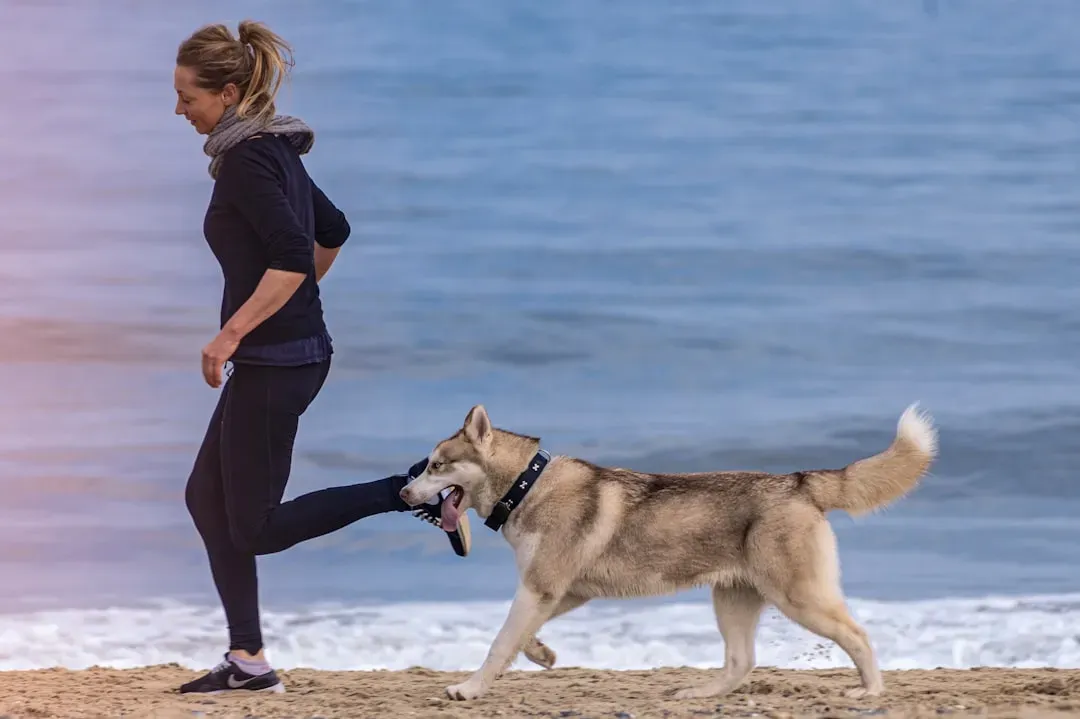
One of the most common mistakes well-meaning owners make is pulling back on exercise entirely once their dog slows down. Reduced activity actually accelerates muscle loss and weight gain, which creates a compounding problem. It is important to make sure they still get some age-appropriate exercise. Exercise can help minimize loss of muscle and strength, decrease weight gain and obesity, and can help with joint pain and stiffness.
Low-impact exercises such as walking, swimming, or gentle play can help maintain muscle tone, joint flexibility, and overall wellbeing. Always be mindful of your dog’s limitations and adjust the intensity and duration of exercise accordingly. For example, instead of taking one long walk per day, walk for shorter periods twice a day. The goal shifts from performance to consistency and comfort.
Although they may be slowing down, senior dogs still need regular exercise. Not only will this help stop them putting on weight but it gives them a chance to explore and meet other dogs and people. They may need shorter walks though, little and often, and you may need to lift them in or out of the car or get a ramp. Meeting them where they are is the point.
#14 – Your Presence Is the Most Powerful Thing You Can Offer
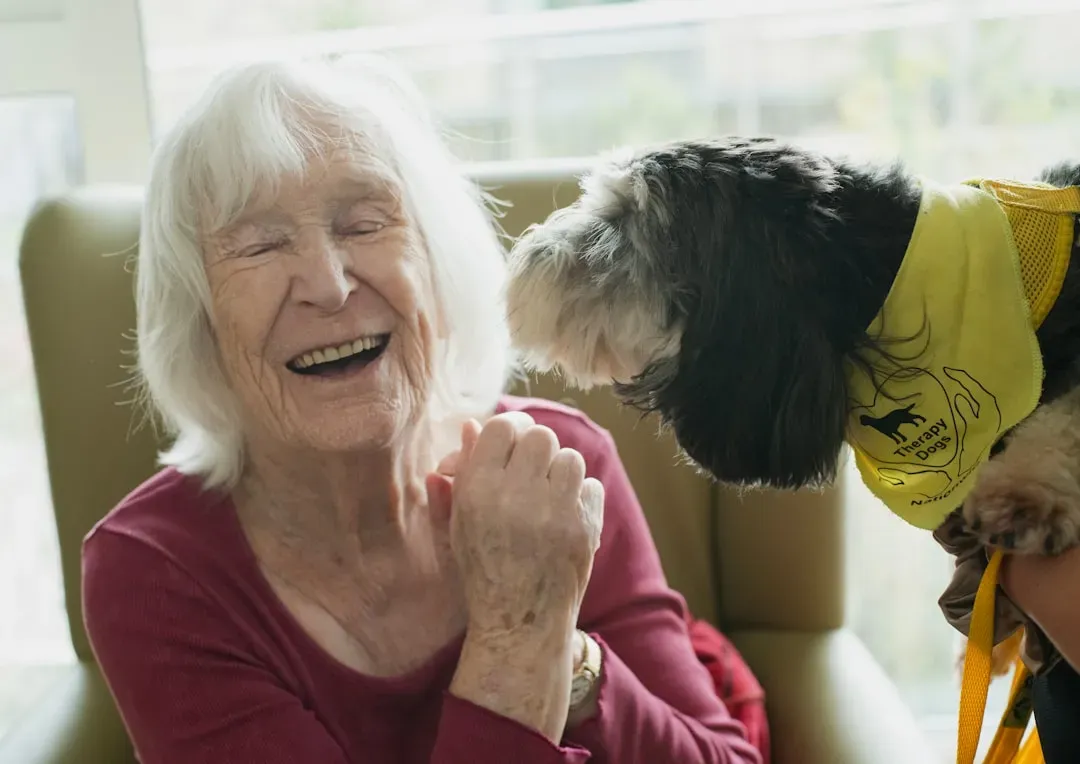
Everything else on this list matters, but this one sits underneath all of it. As a dog grows older, their world gets smaller. The long hikes become shorter strolls. The boisterous greetings become soft leans. What remains constant, what they seek out and orient toward, is you. Continue offering reassurance and love. Gentle affection, a soft place to rest, and your familiar presence can make a world of difference.
Our dogs give us many years of love and loyalty and it’s only natural to want to make their senior years as comfortable and enjoyable as possible. Aging is a normal part of life and with some vigilance and attention to your dog’s health, these can truly be golden years. That framing is worth holding onto, especially on the harder days.
Eventually, you may need to focus on comfort care as your senior dog nears the end of their life. This can include pain management, palliative support, and important discussions with your veterinarian about the best ways to maintain your dog’s comfort and dignity. Showing up for that part with the same love you brought to the puppy years is, honestly, everything.
A Final Thought Worth Sitting With
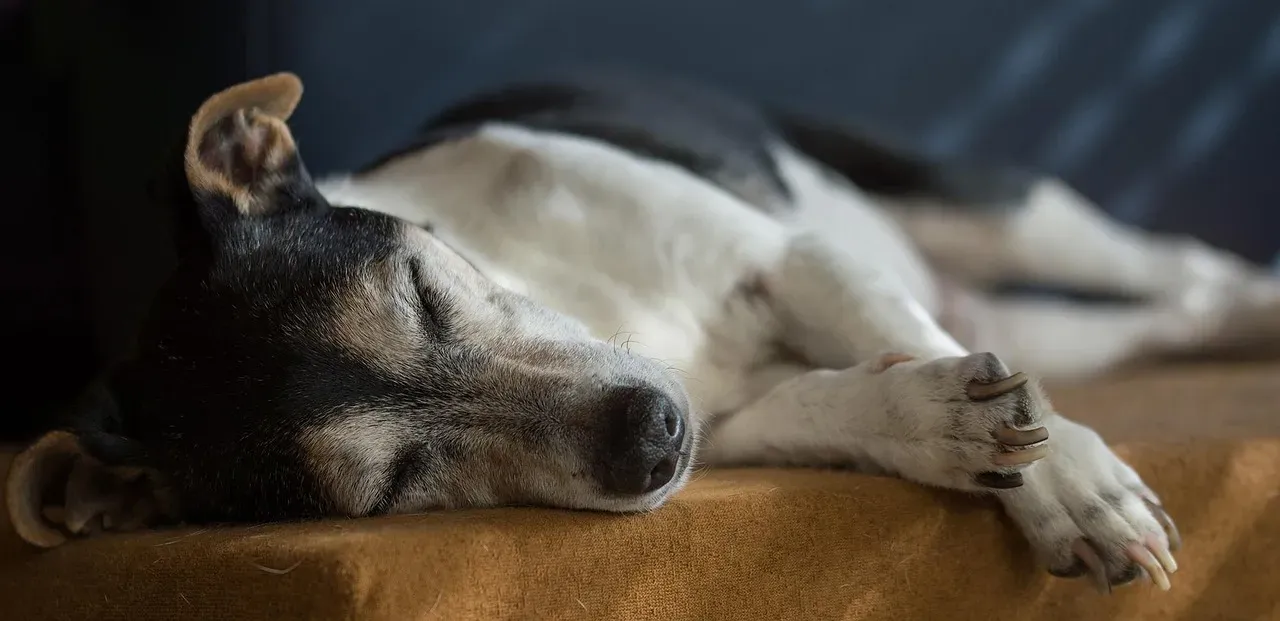
There’s a kind of grief that comes before the loss itself, when you’re watching a beloved dog slow down and feeling the weight of limited time. It’s real, and it’s part of loving an animal. The best thing you can do with it is turn it into action – better food, more attentive vet care, a warmer bed, a gentler pace on walks, a hand resting on their side a little longer than usual.
Dogs don’t know how many years they have. They only know how today feels. Age is not a disease. Although senior pets may develop age-related problems, you can help your pet live a happy, healthy, and active life in their senior years by providing for their physical, mental, and health care needs. That’s not a small thing. That’s the whole thing.
The grey muzzle your dog is growing into deserves the same enthusiasm you brought to their first day home. If you start paying closer attention now, before the changes become urgent, you won’t just be adding time. You’ll be adding comfort, dignity, and the kind of quiet joy that only a dog who feels truly cared for can show you.


