
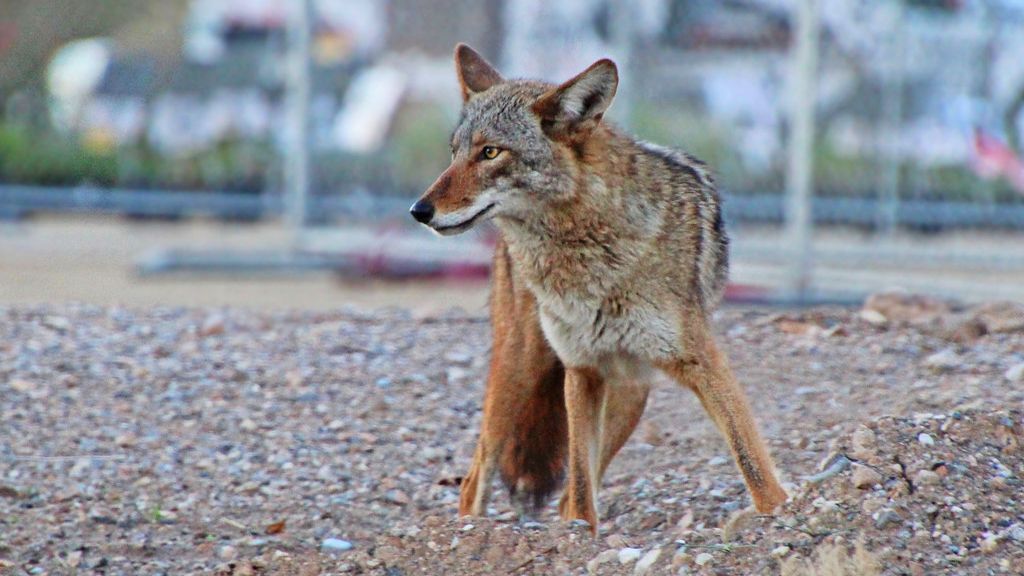
Most people don’t think twice about the wild canine that might be trotting through a suburban park at dusk or howling just beyond the tree line on a cold night. Coyotes have quietly become one of the most successful wildlife stories in American history, spreading from their original prairie heartland into forests, farmlands, beachside dunes, and city alleys. They’re everywhere, they’re adaptable, and in some states, their numbers are genuinely staggering.
There are an estimated nearly three million to nearly five million coyotes throughout the United States, when excluding jurisdictions that provide no census or population density data. Today, coyotes are among the most widespread and successful wild mammals in North America. Rather than facing extinction, their population is growing, a testament to their extraordinary ability to adapt and coexist with human civilization. So which states are carrying the heaviest coyote populations, and what makes those places so irresistible to one of North America’s craftiest predators?
#1: Texas – The Undisputed Coyote Capital
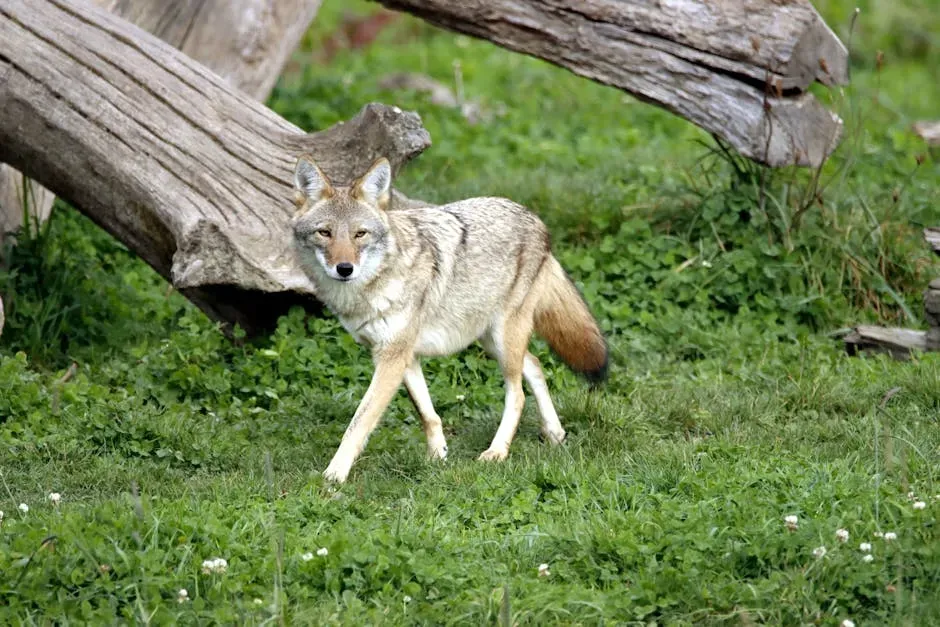
Texas tops the list with an estimated 859,510 coyotes. The state’s vast open lands, ranches, and varied ecosystems support the largest coyote population in the country. The sheer scale of Texas gives coyotes an enormous canvas to work with, from the dry, sun-scorched scrubland of West Texas to the thick piney woods in the east and the coastal prairies stretching toward the Gulf.
Coyotes are a common sight in Texas, roaming the expansive prairies and open fields, with the state’s large size and diverse landscapes offering an ideal environment for these animals to thrive. They’ve adapted to both rural ranches and urban neighborhoods, often heard howling through the night in places like Dallas and Houston. Populations are expanding their ranges throughout much of North America, and the animals help control rodent populations, which benefits agriculture, though conflicts with livestock remain a constant concern for ranchers.
#2: California – Urban Survivors and Desert Dwellers
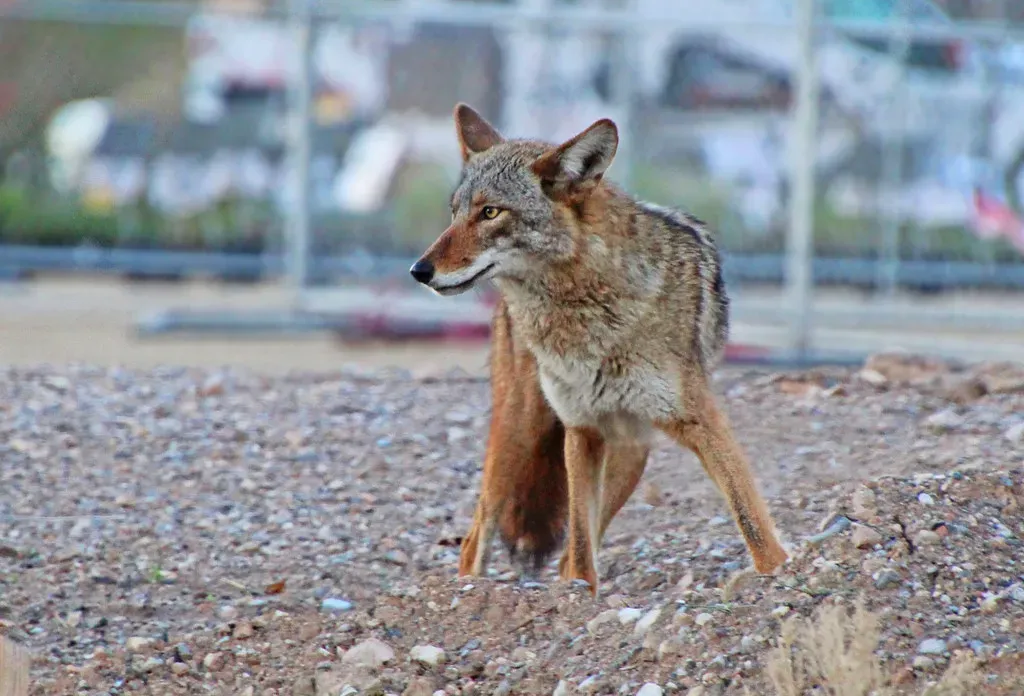
California has roughly a quarter million coyotes in the state, a staggering number made even more impressive by how these animals have infiltrated nearly every ecosystem the Golden State offers. California is home to a burgeoning coyote population thriving in diverse habitats from urban areas to vast wilderness, with the state’s varied ecosystems ranging from deserts to forests providing ample food sources and shelter.
Urban coyotes in California are a whole separate chapter. Los Angeles, San Diego, and the Bay Area all deal with coyotes cruising alleys and greenbelts, on top of the cattle and sheep operators getting hit out in open country. With that much overlap between people, pets, produce fields, and wild ground, California’s numbers explain why there is more talk every year about non-lethal tools, better trash control, and night calling where it’s allowed.
#3: Arizona – Desert Specialists With Surprising Range
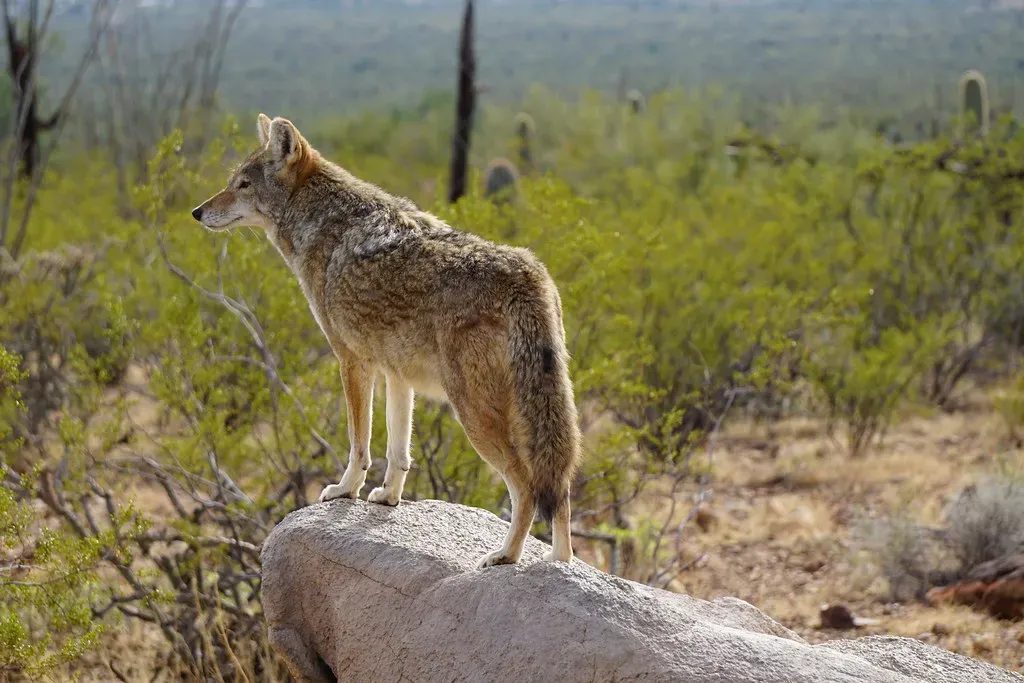
Coyotes roam almost all areas of Arizona, from the wilderness to the suburbs and urban parks. Sightings are common, and homeowners are often concerned about their pets’ safety. The Copper State, too, considers coyotes a nuisance. According to the Game and Fish Department, there are around 200,000 breeding coyotes throughout Arizona. That density is remarkable for a state whose landscape can seem inhospitable to almost everything.
In Arizona, there are approximately 200,000 coyotes, with the deserts and forests of Arizona being ideal habitats offering plenty of prey and open spaces. Their largely nocturnal habits mean most residents never see them directly, yet the animals are active and present across every corner of the state, from the Sonoran Desert floor to the cool ponderosa pine forests of the Mogollon Rim.
#4: Kansas – Prairie Predators in the Heartland
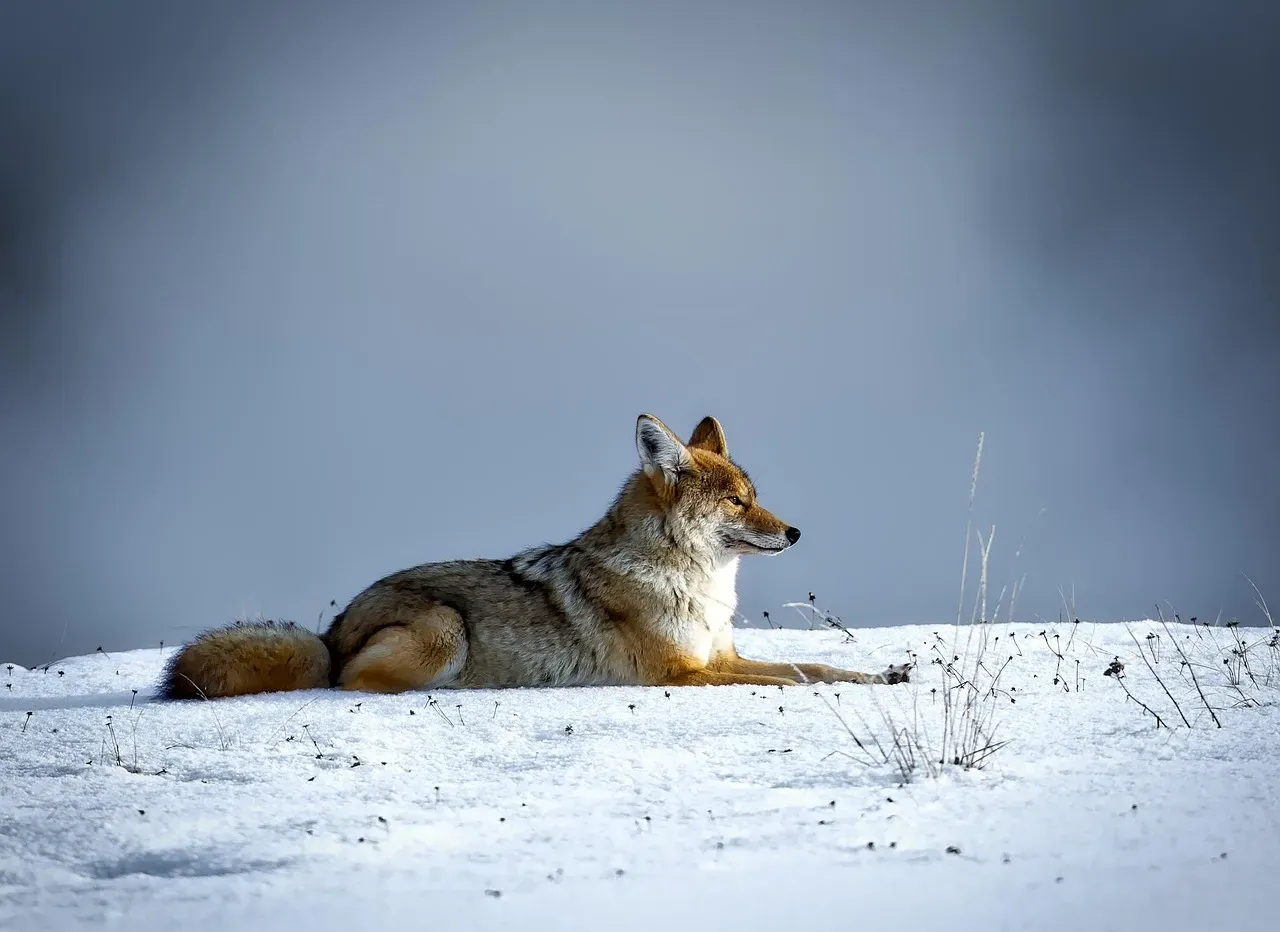
Kansas has about 150,000 coyotes. The state’s agricultural areas and prairies are perfect hunting grounds for these skilled predators. Kansas is home to approximately 150,000 coyotes, with some estimates suggesting the population could reach 300,000. These predators play a vital role in open prairies by controlling populations of small mammals. Farmers often debate their role, weighing the benefits of natural pest control against concerns over livestock protection.
Coyote abundance has been found to be highest in grasslands and agricultural operations, landscapes that provide ample prey and shelter. Kansas fits that profile almost perfectly. The rolling tallgrass and mixed-grass prairies stretch in every direction, and the combination of abundant small mammals, scattered farmsteads, and limited large predators creates near-ideal conditions for a coyote to live a long and productive life.
#5: New Mexico – Mountain and Desert Territory
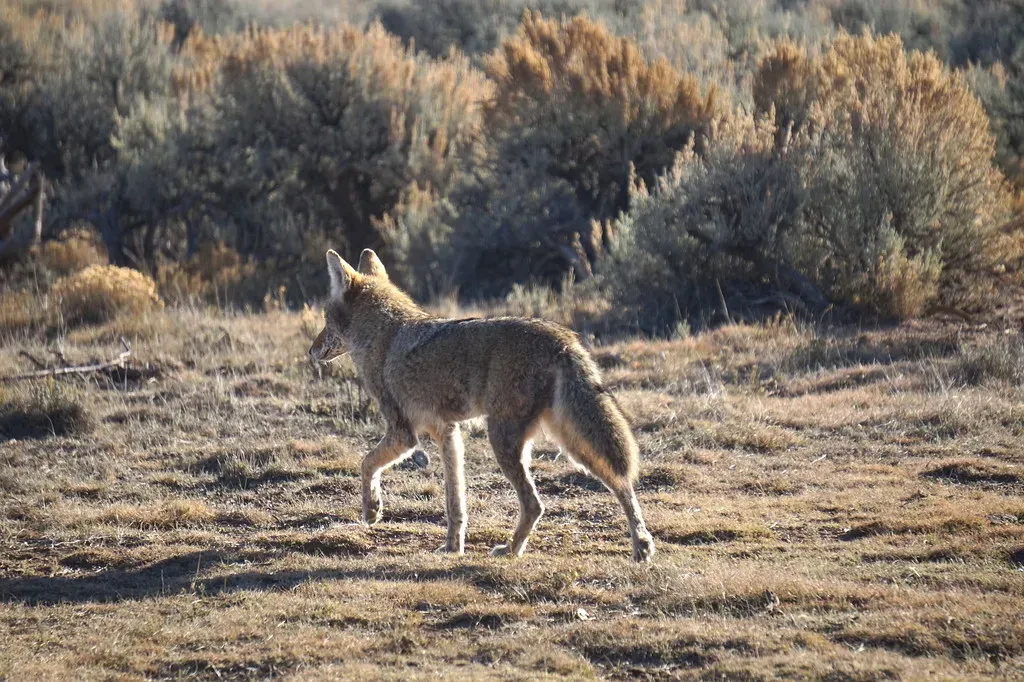
New Mexico’s 125,000 coyotes thrive in the desert and mountainous regions, with the state’s varied terrain providing ample opportunities for hunting and denning. New Mexico’s coyotes thrive in desert terrains, relying on stealth and intelligence to avoid predators and humans alike. Their predominantly nocturnal habits allow them to hunt efficiently while remaining largely unseen.
That combination of room to roam and constant human activity is exactly why New Mexico ends up near the top of the population chart. The state blends large tracts of public land, working ranches, tribal territory, and small agricultural communities. Coyotes navigate all of it with ease, shifting between high desert scrub and forested mountain slopes depending on the season and available food supply.
#6: Georgia – The Quietly Growing Southeast Hotspot
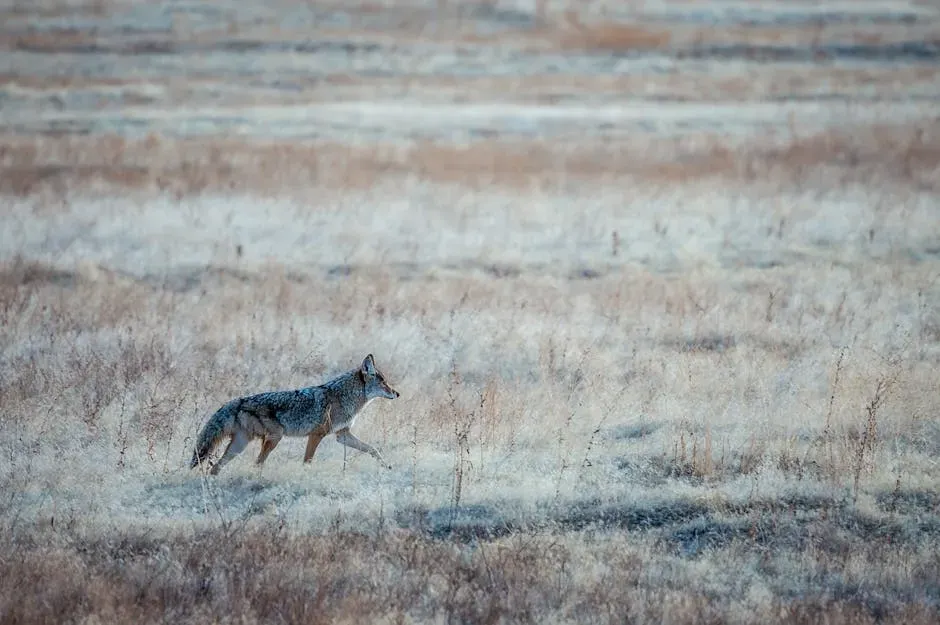
Roughly 90,000 coyotes live in Georgia, and their presence in suburban neighborhoods continues to rise. Known for their stealth, they make use of parks and other human spaces as food sources. In some cases, they’ve been spotted behaving like domestic dogs to avoid detection. For many Georgia residents, the coyote’s rise has been both surprising and rapid. These animals weren’t a major part of the southeastern landscape just a few decades ago.
There’s no question coyote numbers have increased throughout the East and the Southeast over the last 20 years. Georgia’s mix of agricultural land, pine forests, suburban sprawl, and river bottomland has created an especially welcoming patchwork of habitat. Researchers who study coyote spread note that “almost all eastern states show exponential growth,” and Georgia stands out as one of the clearest examples of that trend in the South.
Why Coyotes Keep Spreading – and Why It Matters
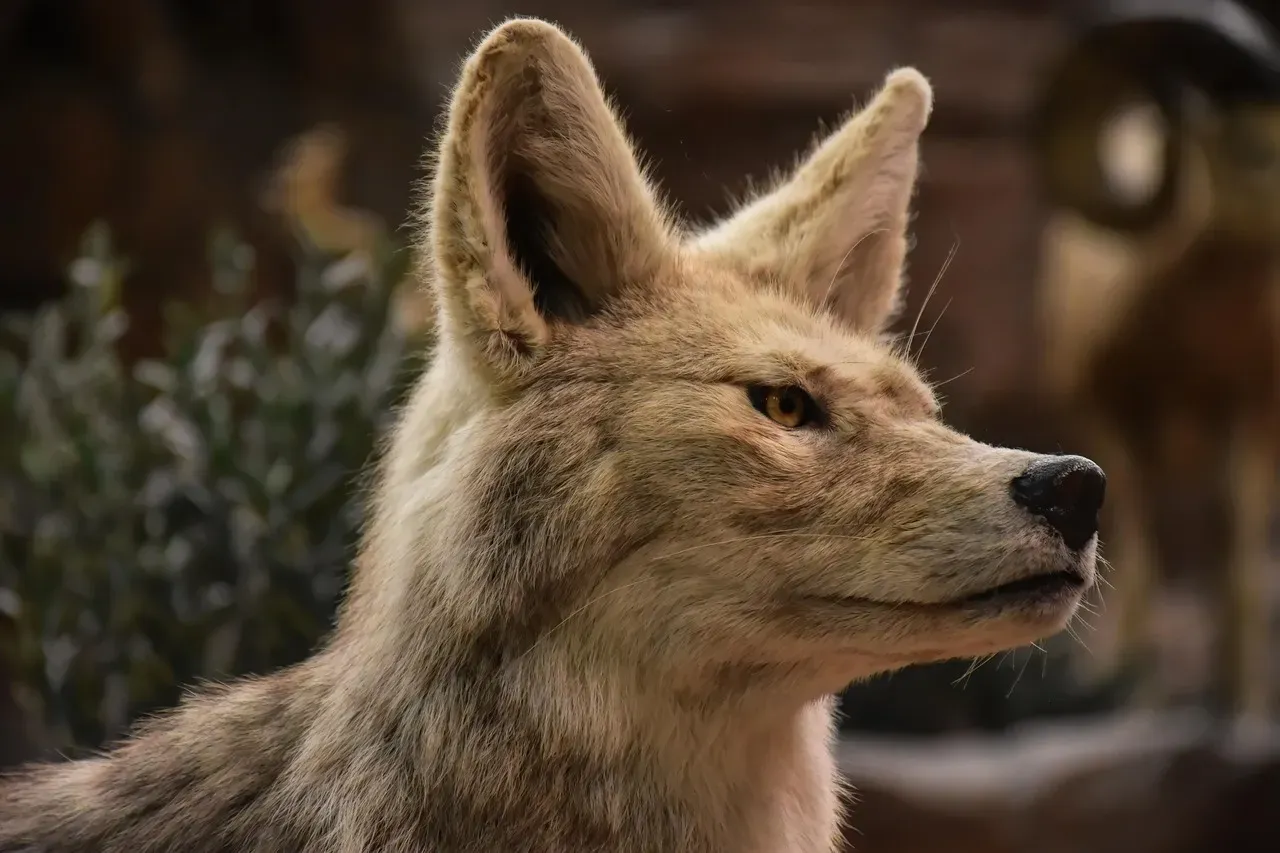
Research has found that human hunting did not reduce coyote populations but instead led to increases in coyote numbers, perhaps due to higher reproduction and immigration rates. This is one of the more counterintuitive findings in modern wildlife science and it goes a long way toward explaining why coyote management is so frustratingly complicated for agencies across the country.
Despite their controversial status as predators, coyotes play a vital role in ecosystems as mesopredators, regulating prey populations and contributing to overall biodiversity. Understanding the distribution and dynamics of coyote populations across states helps inform wildlife management decisions and fosters coexistence between humans and wildlife in diverse landscapes. The conversation around coyotes, in other words, is rarely simple. Every rancher with lost livestock and every ecologist citing balance represents a legitimate perspective in a genuinely complex debate.
Living Alongside Coyotes – What Communities Can Do
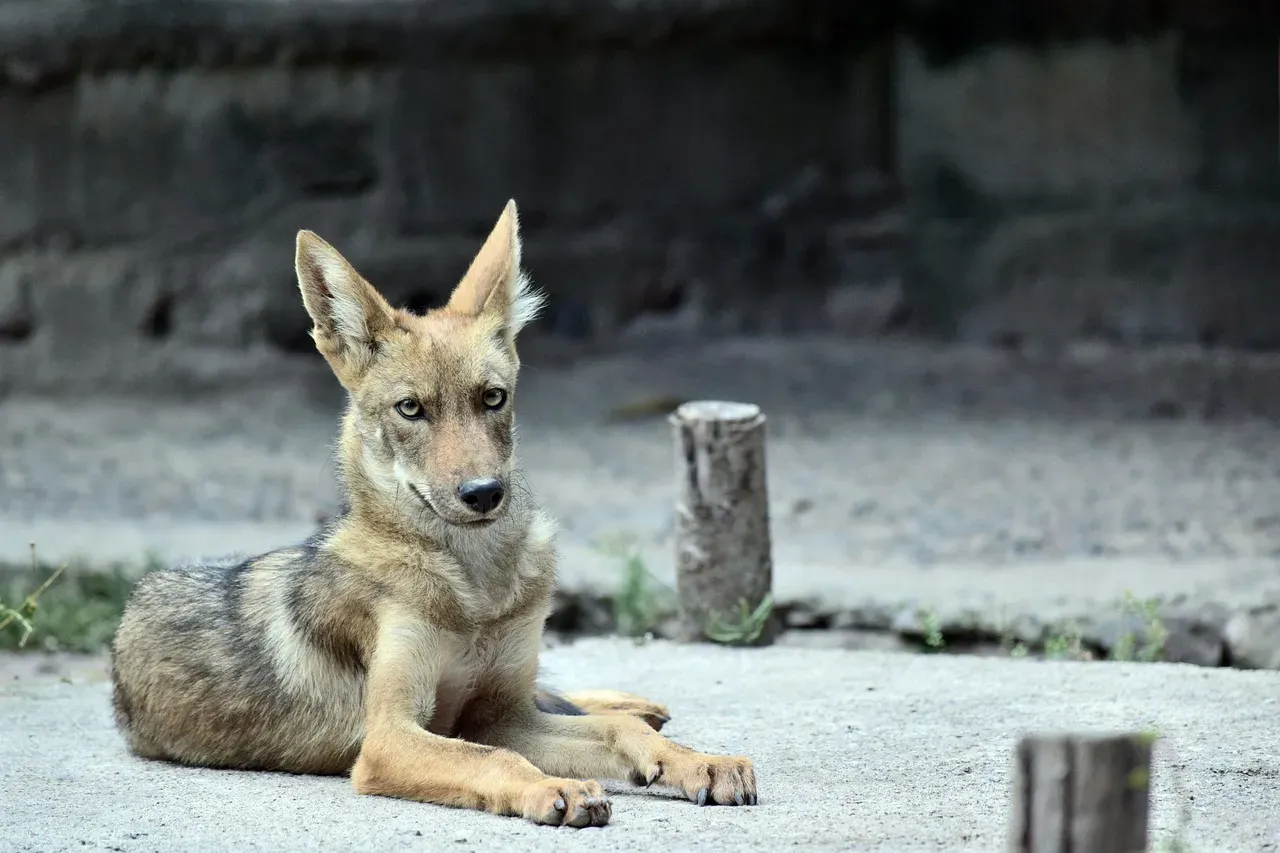
Even though they are dominant carnivores, coyotes are beneficial to their native ecosystems. Coyotes help control the population of other species, such as skunks, raccoons, and foxes. While coyotes are typically not dangerous for humans, they can be a threat to small pets and livestock. Most encounters remain brief and non-confrontational, but awareness matters, especially in areas where populations are dense.
Livestock ranches continue to seek various methods of managing the coyote population in order to protect their animals. These strategies can range from trapping and lethal control measures to nonlethal prevention tactics such as guard dogs, electric fences, and predator lights. At larger, suburban scales, coyote populations have thrived, benefiting from the fragmented habitats and edges that offer access to both natural and human-modified resources, which means urban and suburban residents are increasingly part of this conversation too.
Conclusion
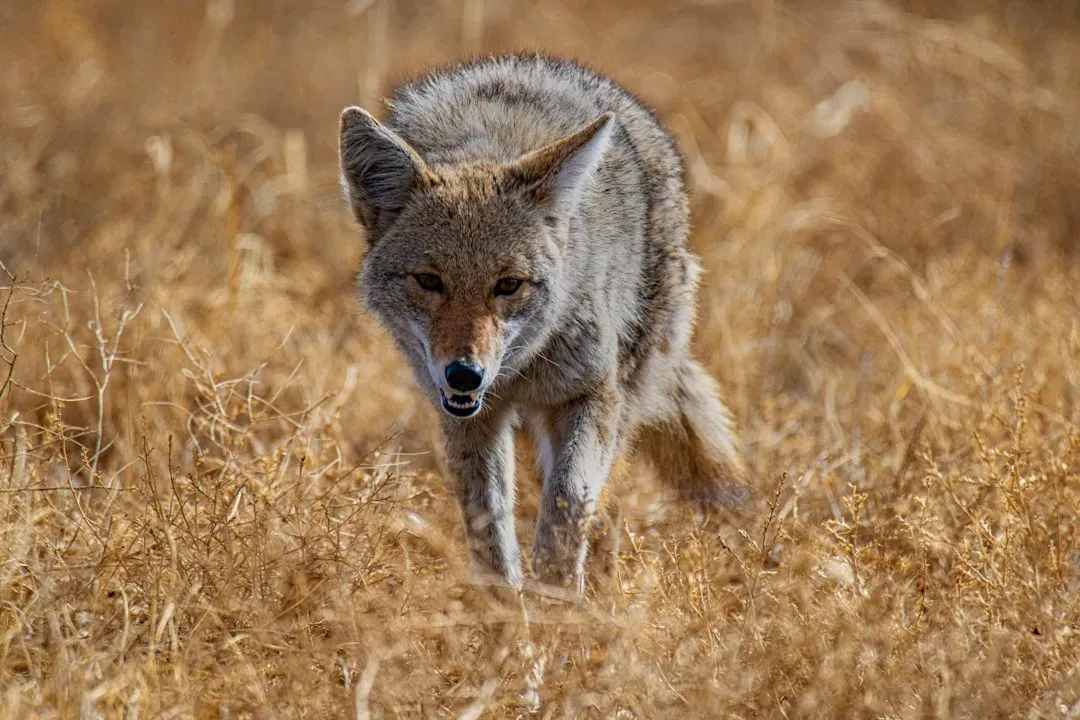
The coyote’s story across America is, at its core, a story about resilience. These animals were never supposed to be coast-to-coast residents. For much of history, they were creatures of the plains and the Southwest. Then the landscape changed, human activity shifted the ecological order, and coyotes simply adapted while everything else struggled.
Texas leads by a wide margin, California commands the urban frontier, and states like Arizona, Kansas, New Mexico, and Georgia round out a picture that stretches from desert to suburb to pine forest. The numbers are impressive, even a little humbling. Rather than shrinking away from the modern world, coyotes have made it their own. Whether you view that as a nuisance or a marvel probably depends on where you’re standing, but their place in the American wild is no longer up for debate. They’re here, they’re thriving, and every indication suggests they’re not going anywhere.


