
If you live in California and you love your dog the way most of us do, honestly, few things keep you up at night quite like the thought of a coyote lurking in the backyard. It’s a real, growing concern. The California Department of Fish and Wildlife estimates somewhere between 250,000 and 750,000 coyotes live in the state. That’s not a small number. State officials confirm that coyote encounters have increased as human population expands into wildlife habitat.
Coyote attacks on dogs are a documented problem in Southern California, associated with real morbidity and mortality. Here’s something that might surprise you: a striking majority of dogs presenting after a coyote attack weigh under 10 kilograms. So if you own a small dog, you’re right to be concerned. The good news? Certain breeds are built to handle these encounters far better than others. Let’s dive into the 13 toughest of them all.
1. Kangal Shepherd: The Gold Standard of Coyote Deterrence
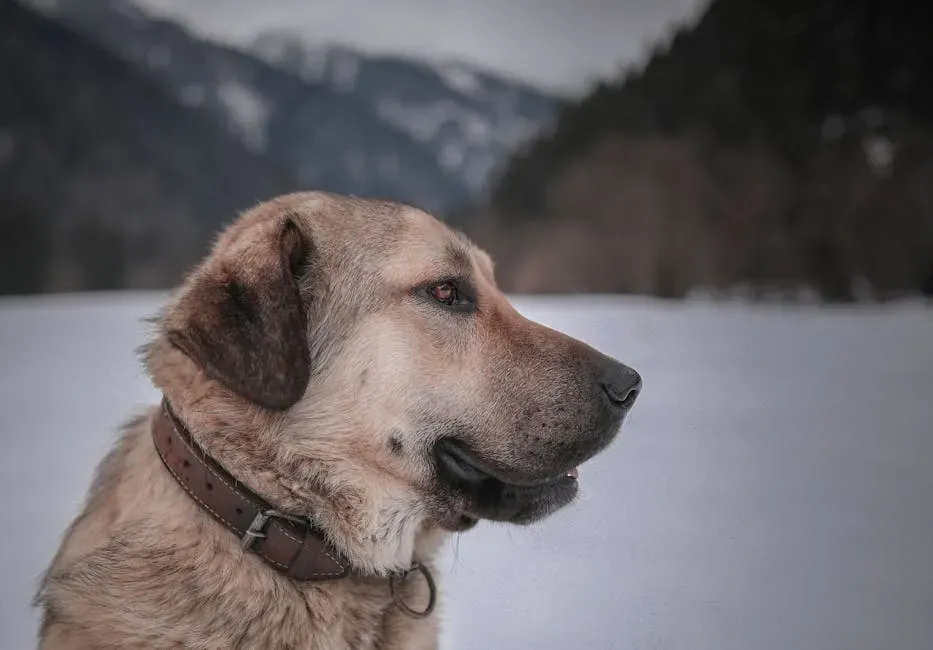
If there’s one breed that consistently tops every list when it comes to facing down predators, it’s the Kangal. The Kangal Shepherd Dog is not as heavy as some other mastiff breeds, which actually allows it greater speed and agility, and these dogs can reach speeds of up to 35 mph. That’s faster than a coyote, which typically runs at about 25 to 30 mph.
Kangals are bred to be powerful and determined guardian dogs, capable of defending against predators such as wolves and bears, and while they are not inherently aggressive toward other animals, they will not back down from a fight if their family or livestock is in danger. That measured confidence is exactly what you want in a coyote country companion.
Their large size and muscular build make them physically imposing, while their strong jaws and sharp teeth allow them to effectively deter potential threats, and their loud, intimidating bark can scare off predators or intruders before things ever escalate to a physical confrontation. Prevention tip: Ensure your Kangal has room to patrol. A cramped yard frustrates this breed and reduces its effectiveness as a deterrent.
2. Anatolian Shepherd: Ancient Guardian With Modern Relevance
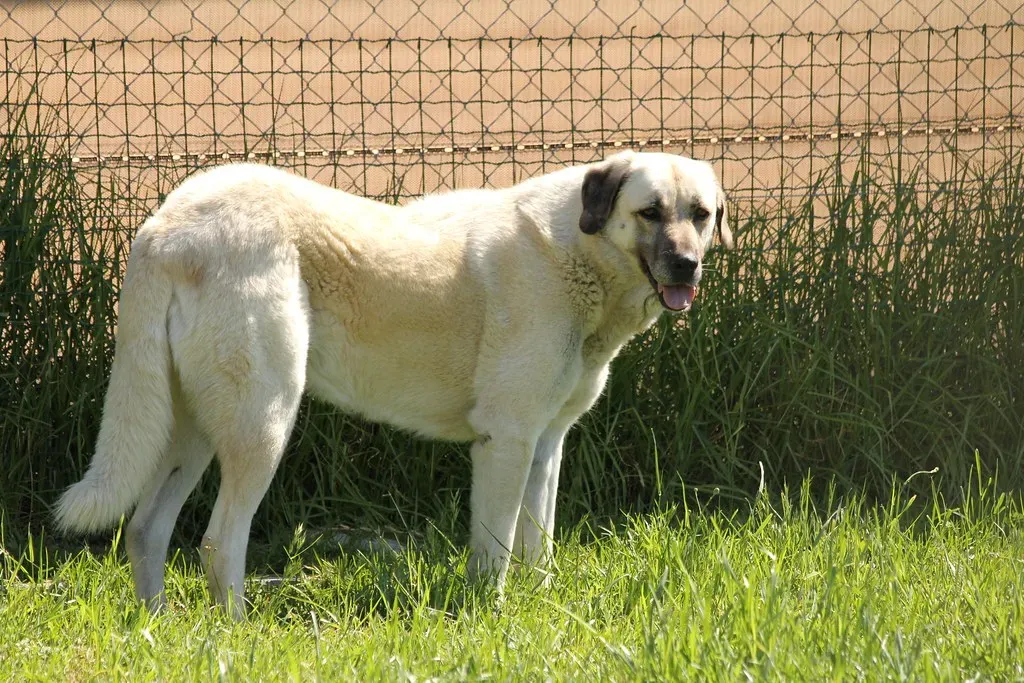
Anatolian Shepherds have been used to protect livestock and farms against everything from humans and wolves to buffalo and cheetahs, with a lineage tracing as far back as the Bronze Age. That’s thousands of years of predator-awareness hard-wired into their DNA.
When it comes to rural security, the Anatolian’s calm confidence and strong territorial instincts make it an exceptional deterrent against predators, and rather than chasing threats, it uses its imposing presence and deep bark to warn intruders before taking defensive action. Think of this breed like a seasoned security professional who rarely raises their voice but always commands the room.
A full-grown male Anatolian weighs 110 to 150 pounds, most of it muscle. One behavior cue to watch: Anatolians tend to patrol perimeter lines instinctively. If yours is pacing the fence line at dusk, it’s not restless – it’s doing its job. Support that instinct with secure, tall fencing of at least six feet.
3. Great Pyrenees: The Gentle Giant That Means Business
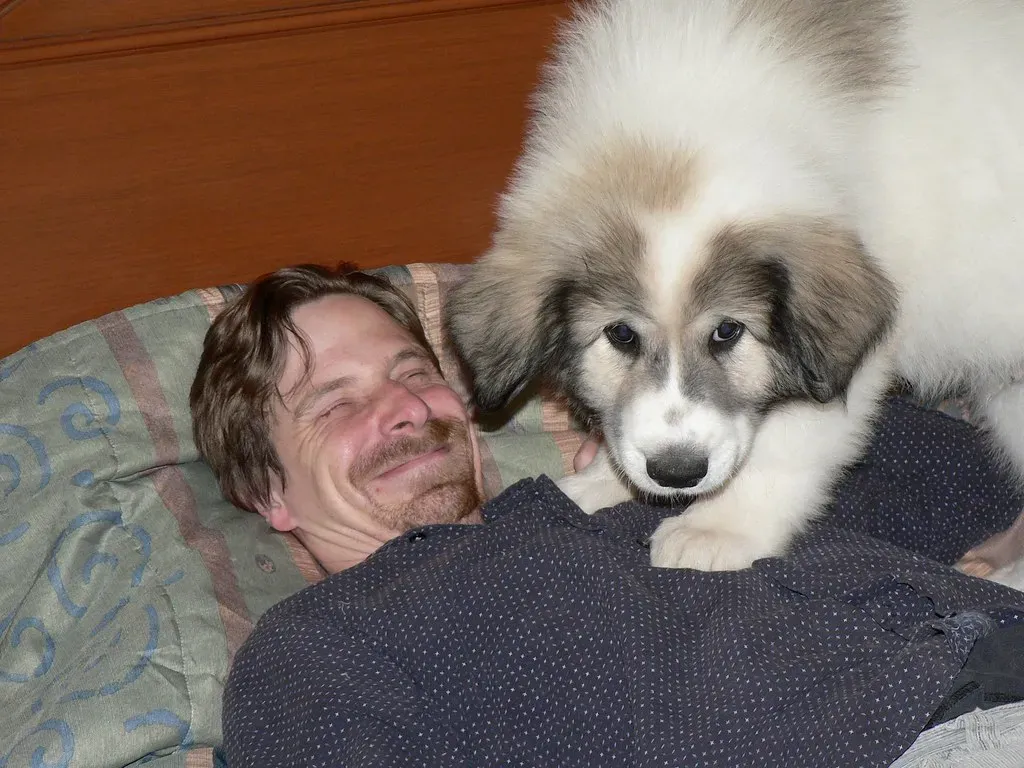
The Great Pyrenees is a stalwart guardian, traditionally used to protect livestock in the mountains of France, and known for their calm and patient temperament, they are fearless when faced with potential threats, with a thick coat that makes them more resilient to bites and scratches. That coat isn’t just beautiful – it’s practically armor.
The Great Pyrenees can repel attackers, especially coyotes, as they weigh 85 to 115 pounds, and these dogs are fun-loving and friendly but have a bite force capable of imposing much harm on other predators and coyotes if needed. They’re not looking for trouble, but they’ll absolutely finish it if trouble shows up uninvited.
In North Dakota, dogs like the Great Pyrenees slashed coyote predation rates on sheep ranches by 93 percent, and in Colorado, they averted nearly $900,000 in livestock losses in just one year. Those aren’t made-up numbers, that’s documented field performance. Health sign to note: watch for hip dysplasia, a common concern in large breeds, which can reduce their mobility and guarding effectiveness over time.
4. German Shepherd: The Versatile Defender
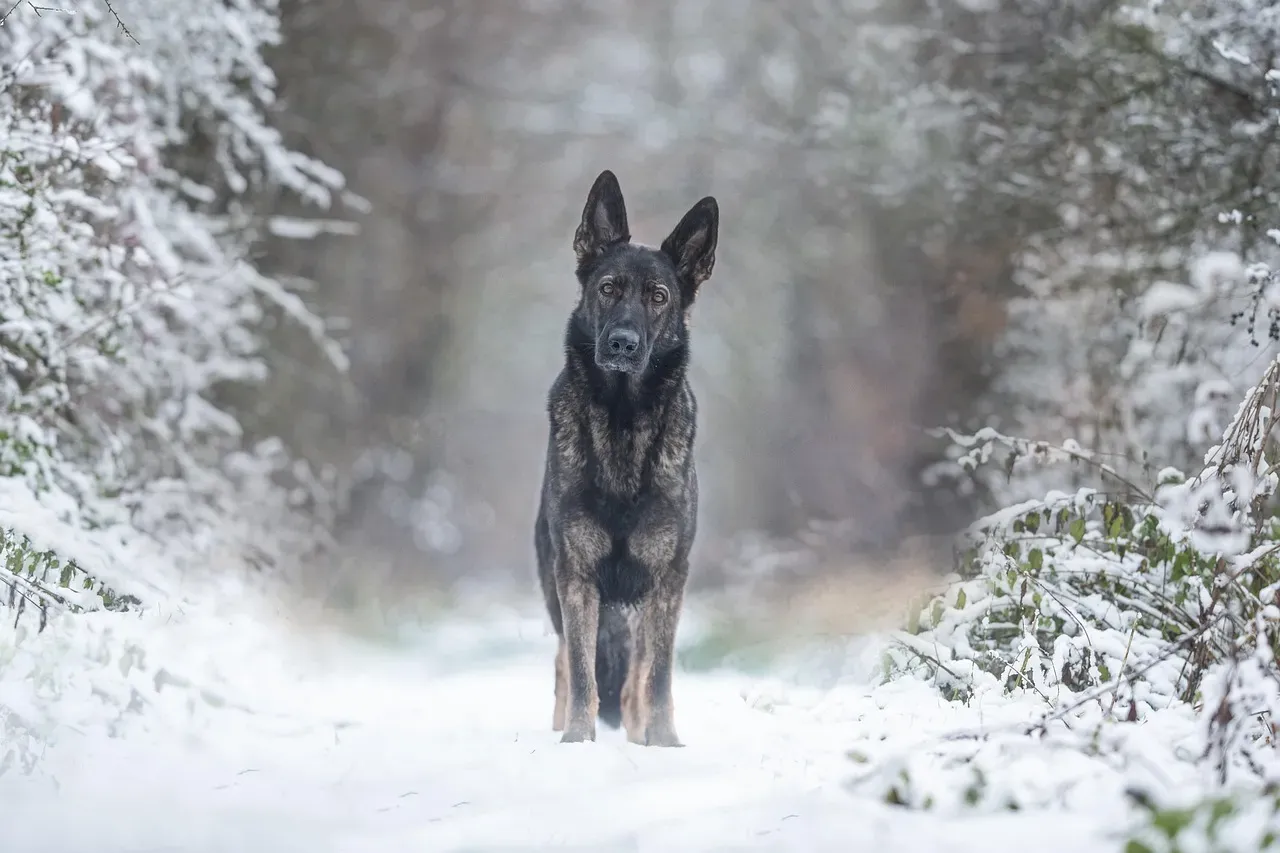
German Shepherds possess a blend of intelligence, agility, and loyalty that makes them one of the most versatile working dogs, and with quick decision-making skills and protective instincts, they are capable of handling dangerous situations including encounters with coyotes. Honestly, the German Shepherd might be the single most well-rounded breed on this entire list.
Known for their vigilance and courage, German Shepherds excel as watchdogs and loyal family protectors, and while they can be aloof with strangers, their devotion to household members is unmatched, offering a rare combination of protection, companionship, and enduring loyalty. They’re also one of the most trainable breeds alive, which matters a lot in coyote-prone areas where controlled responses are critical.
If you live in suburban Southern California, where coyotes regularly wander into backyards, a well-trained German Shepherd is arguably one of the most practical choices for the average family. They don’t need acres of land to thrive. They need consistent training, daily exercise, and a purpose to keep that sharp mind engaged.
5. Rottweiler: Calm, Powerful, and Not to Be Tested
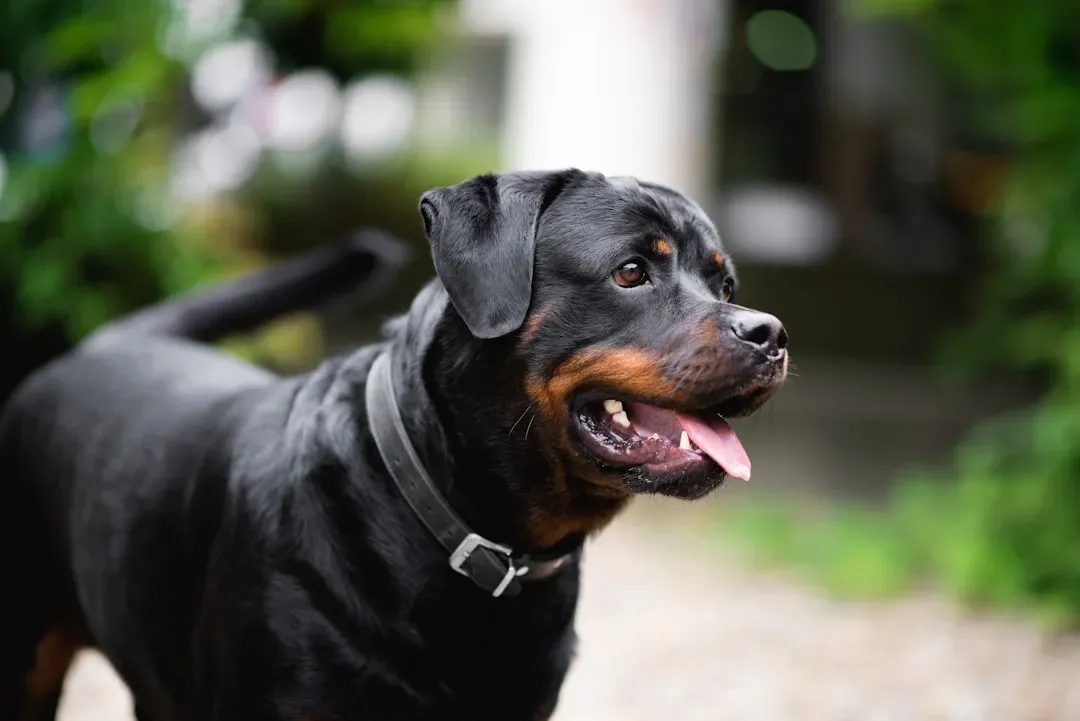
On rural land, Rottweilers excel as protectors due to their keen awareness and powerful presence, and their deep bark and strong body language alone are often enough to deter trespassers and wildlife, while they stay alert yet composed, assessing situations before acting. That combination of restraint and raw power is genuinely impressive.
They are robust and muscular, making them intimidating to potential intruders, and Rottweilers are loyal, intelligent, and have a natural guarding instinct, with a versatility that allows them to excel in a variety of roles, from guarding livestock to protecting their human family. Imagine a dog that looks like it could bench press your car but still lets your kids use it as a pillow. That’s basically a Rottweiler.
Behavior cue: Rottweilers will often position themselves between you and a perceived threat before you even notice the danger. If your Rottie suddenly tenses up and stands in front of you on an evening walk, take that seriously. Something has caught their attention, and their instincts are rarely wrong.
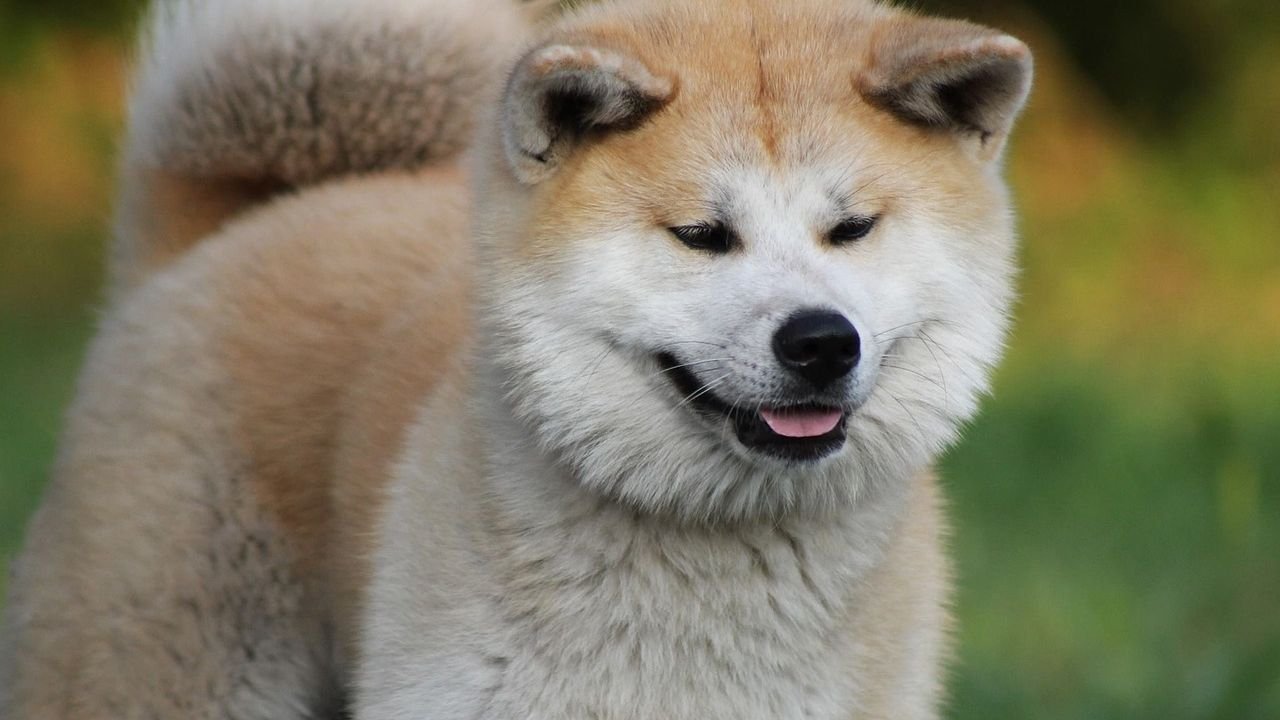
6. Akita: Japan’s Fearless and Loyal Protector
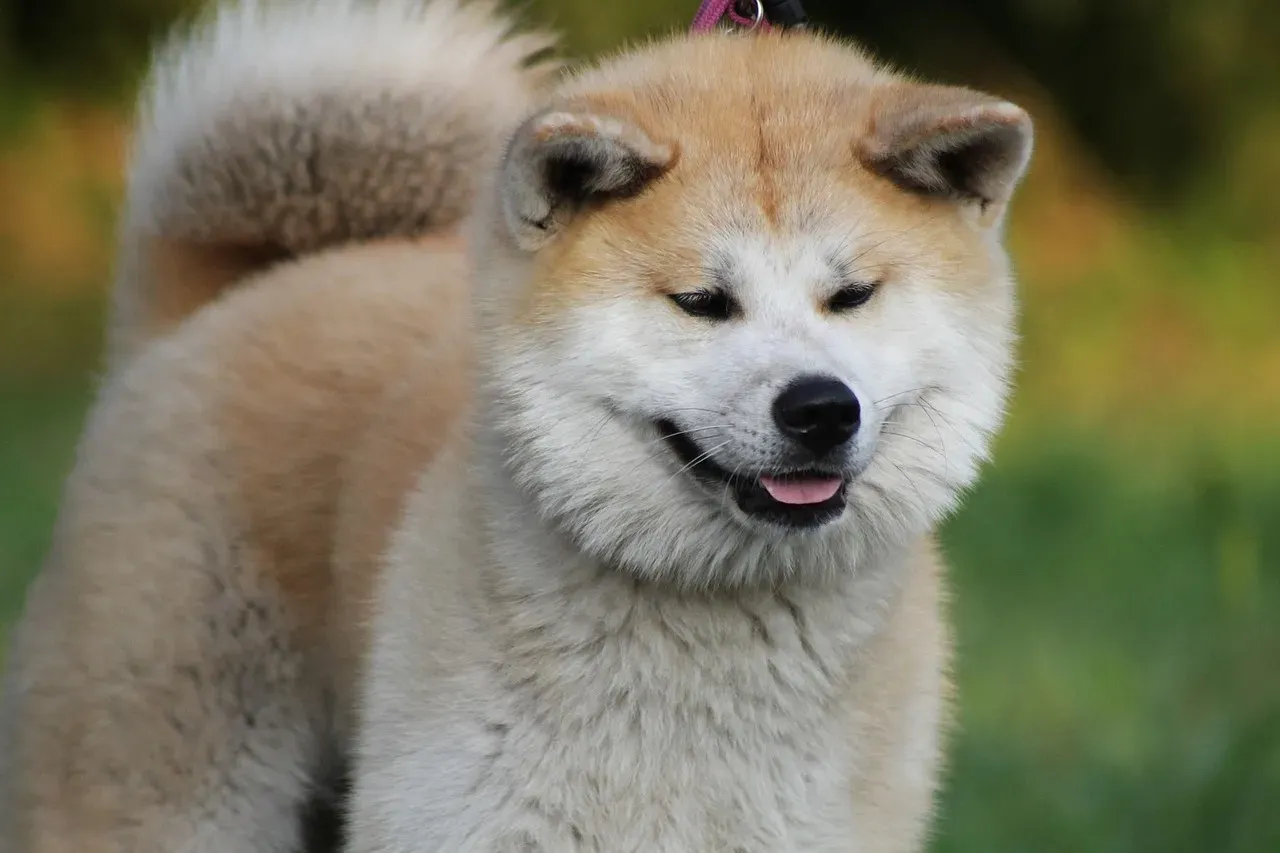
Akitas are alert and courageous, characteristics that define their nature as formidable protectors. Originally bred in Japan for hunting large game including wild boar and even bears, the Akita brings serious hunting and guarding instincts to the table. They are not a breed that bluffs.
Originally bred in Japan for hunting large game, the Akita is a fearless and independent breed whose thick double coat provides protection from harsh weather, and their imposing stance makes them a strong deterrent to predators. That double coat also means coyote bites have a harder time reaching skin – a practical physical advantage in a confrontation.
Akitas tend to be intensely loyal to their immediate family while remaining suspicious of strangers and other animals. That means socialization from puppyhood is non-negotiable. A well-socialized Akita in a California home or ranch is a confident, controlled guardian. An unsocialized one is unpredictable, which serves neither you nor your dog well.
7. Belgian Malinois: The Speed Demon of the Guardian World
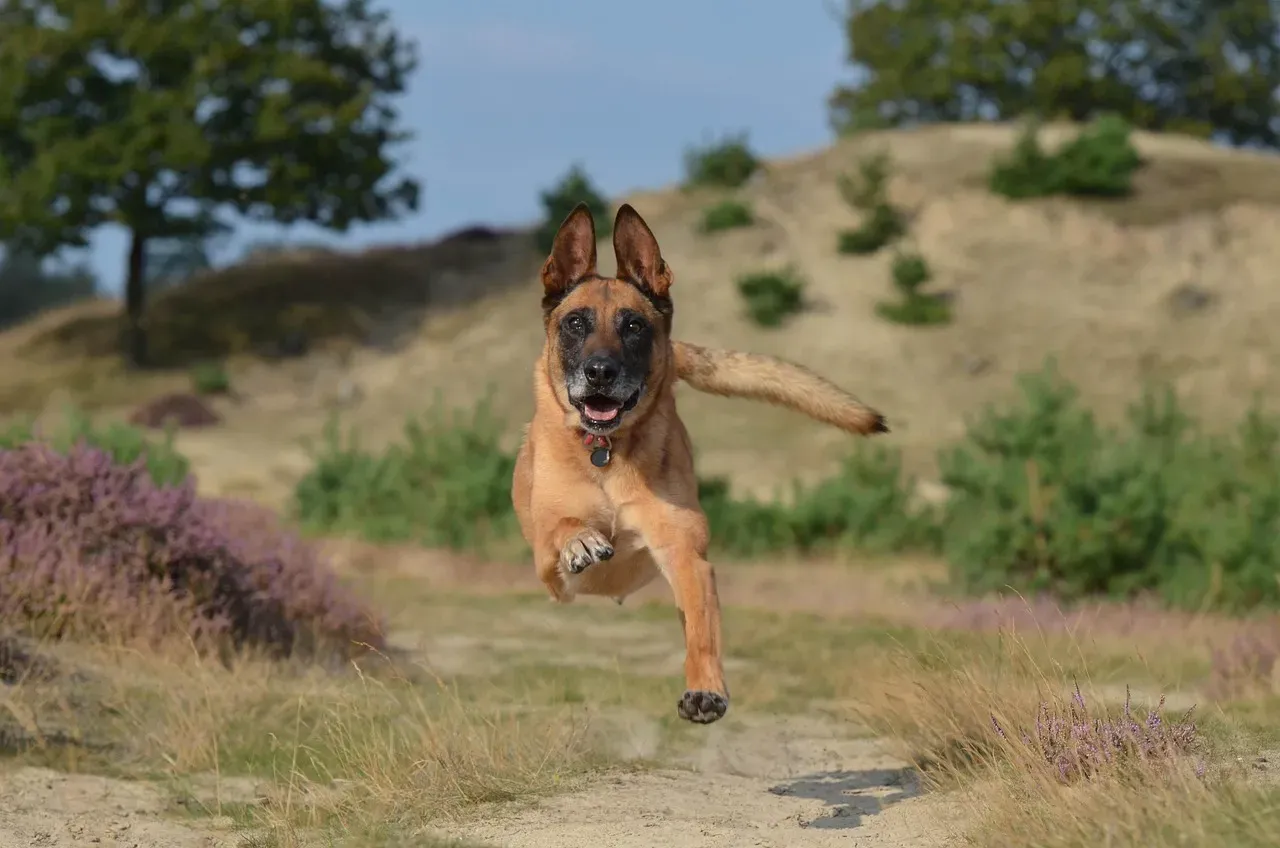
While not a traditional livestock guardian, the Belgian Malinois is a highly trainable, intelligent, and versatile breed, and known for their work with police and military units, they possess the speed, agility, and protective instinct needed to chase off coyotes, with a loyalty that makes them suitable for properties at risk of coyote encounters.
The Belgian Malinois is a highly intelligent and agile breed, known for its work in law enforcement and protection, with a lean, muscular build that provides the speed and strength needed to confront threats like coyotes. Picture them as the athlete of the guardian world – lean, fast, and perpetually switched on. They don’t miss much.
Here’s the thing though: the Malinois is not a casual-lifestyle dog. They need a job, lots of exercise, and an experienced handler. If you’re a dedicated owner willing to put in the training time, a Malinois is one of the most responsive and effective coyote deterrents money can buy. If you’re a first-time dog owner, look elsewhere first.
8. Boerboel: South Africa’s Fearsome Farm Guardian
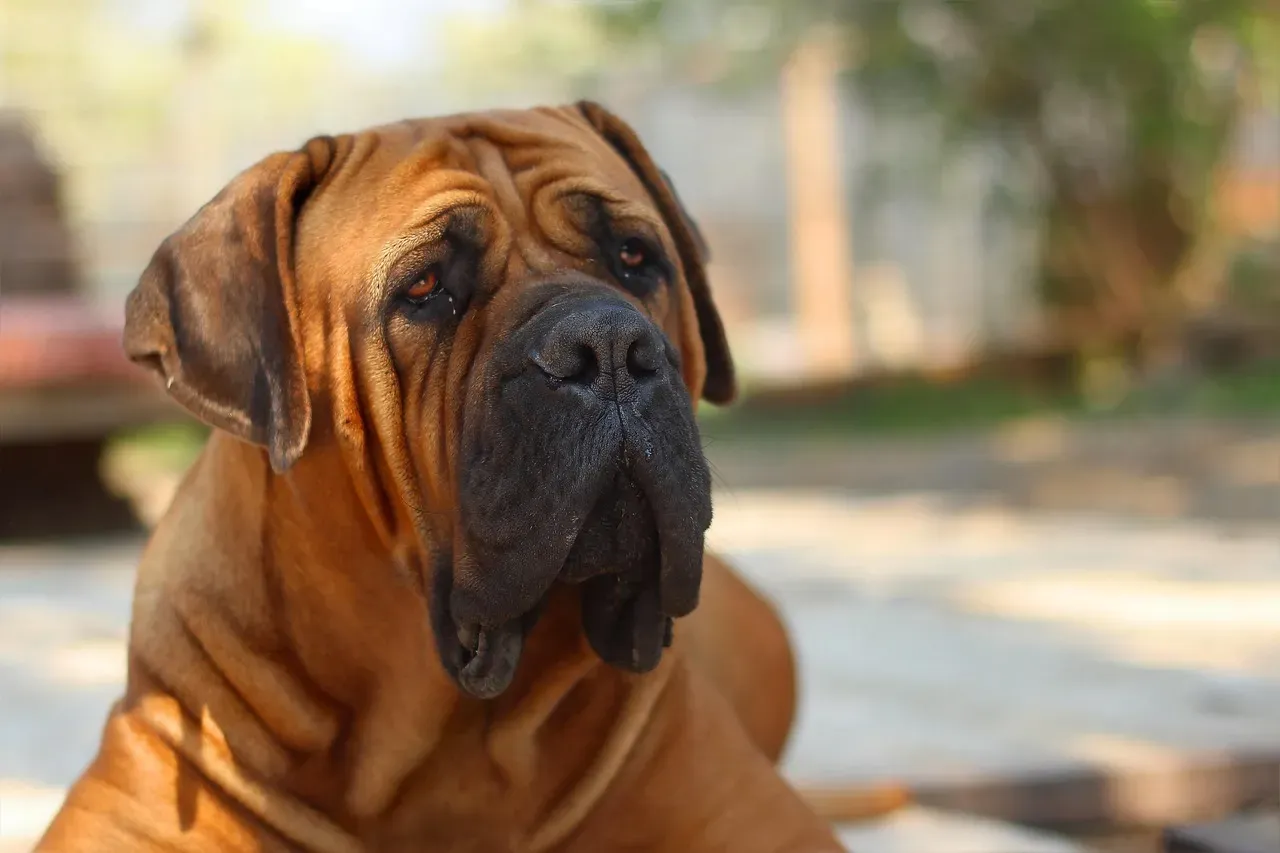
The Boerboel, or South African Mastiff, was bred to protect homesteads from large predators, making them well-suited for warding off coyote threats, and known for their muscular build and territorial instincts, Boerboels will not hesitate to defend their families and property.
Their courage and stability under pressure have earned them a reputation as dependable guardians, they can be territorial and alert, making them quick to act when a threat is near, and this combination of affection and power makes the Boerboel a trusted protector. What I find compelling about this breed is how deliberate they are. They don’t panic, they don’t overreact. They assess, and then they act.
Their loyal and fearless nature makes them exceptional guardians, always ready to defend their territory and family, and Boerboels possess a keen intelligence, allowing them to assess threats and respond effectively, with their protective instincts and strong bond with their owners making them reliable companions and defenders. If you have a larger property in rural California, this might be the breed you’ve been looking for.
9. Tibetan Mastiff: The Nocturnal Mountain Fortress
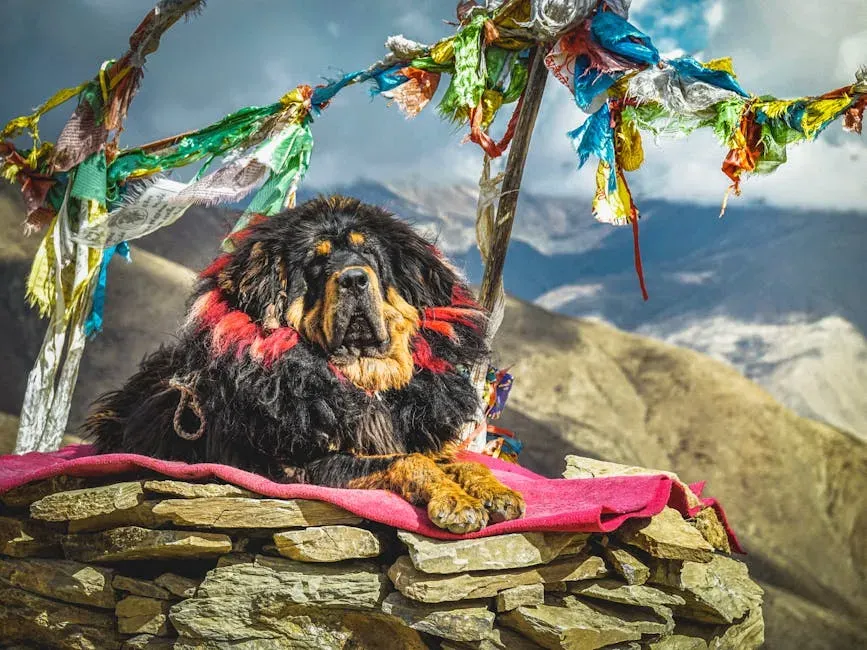
The Tibetan Mastiff is an ancient guardian breed that dates back as early as 1100 B.C., and after centuries of isolation in the Himalayan Mountains, it developed into the powerful livestock guard dog known today, called “do khyi” in Tibet, meaning “home guard,” a fitting name for a dog known for its independence, courage, and ability to face predators like wolves, coyotes, and even bears.
Tibetan Mastiffs are nocturnal by nature, becoming especially alert and vocal at night when livestock is most vulnerable. This is a fascinating trait, and it’s practically tailor-made for California, where coyotes are most active during evening and nighttime hours. Wild animals often avoid them simply because of their size and presence. Sometimes you don’t need a fight – you just need a big enough shadow.
Tibetan Mastiffs are sensitive to heat and require cooler exercise times. This is an important health and care note for California owners, especially in inland areas where summer temperatures regularly climb above 100 degrees. Morning and evening activity windows are a must for this breed’s wellbeing.
10. Alaskan Malamute: Built for Endurance and Loyalty
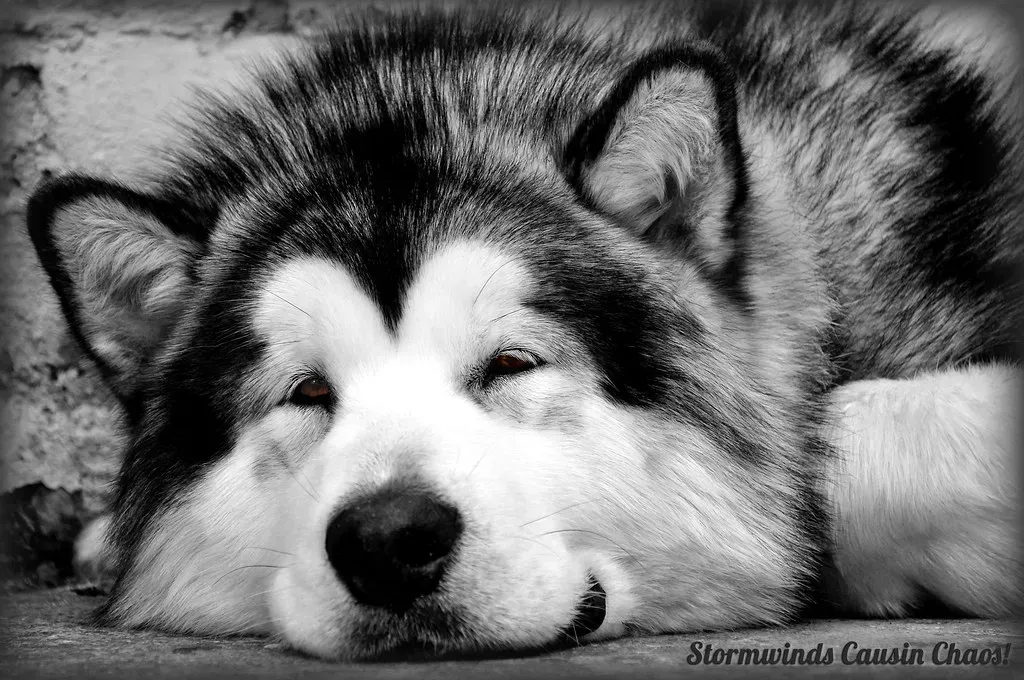
Alaskan Malamutes are strong, durable, and built for survival in harsh conditions, which includes fending off potential coyote threats, and their pack mentality and deep-rooted loyalty to their family make them fearless when facing adversaries. These dogs were bred to pull heavy sleds over brutal terrain. Raw endurance is literally part of their genetic makeup.
The Malamute is often underestimated as a guardian because people see that fluffy, friendly exterior and assume all sweetness. Don’t be fooled. When something threatens their family, Malamutes switch gears quickly. Their very long or thick fur can make it incredibly hard to bite through, providing a practical physical advantage in a coyote confrontation.
One behavior sign worth knowing: Malamutes are extremely vocal. Deep, expressive howling at dusk or dawn often means they’ve sensed something in their territory. Treat those vocalizations as an early warning system. In coyote country, their instincts often alert you before your home security camera does.
11. Doberman Pinscher: Alert, Fast, and Razor-Sharp
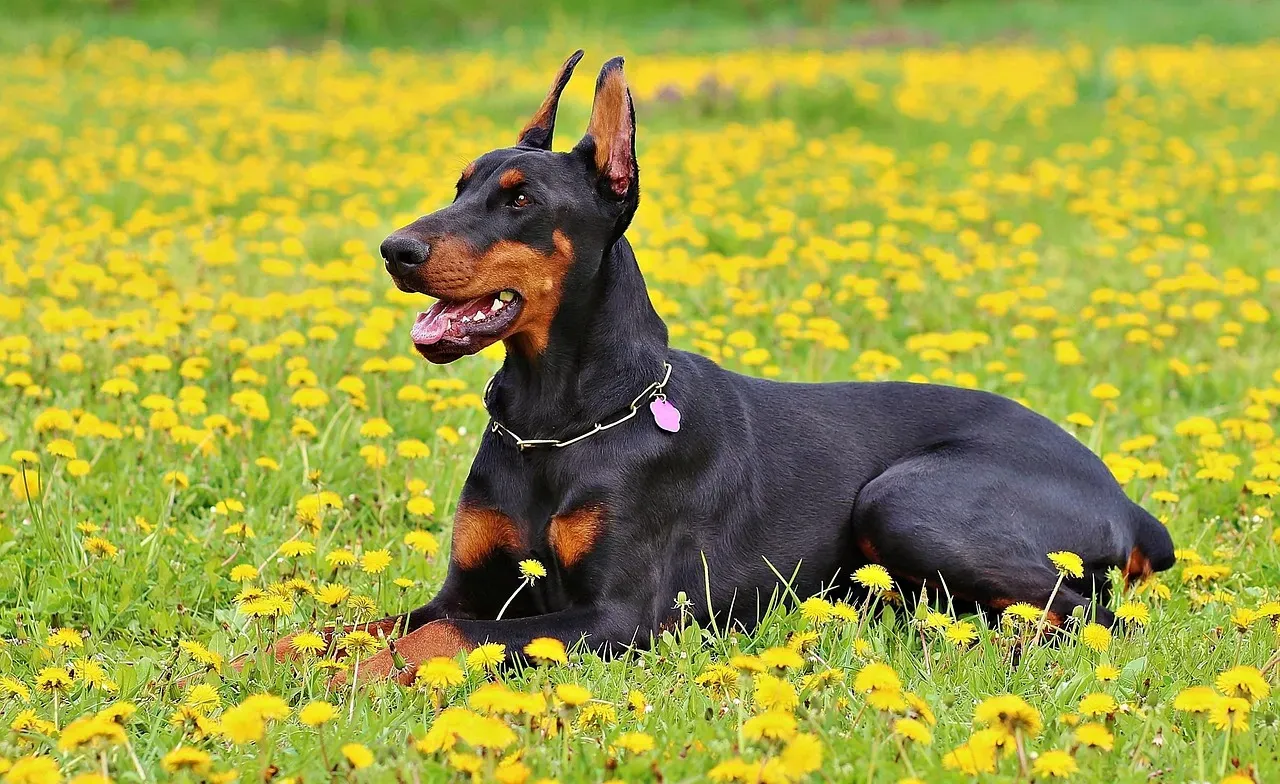
Dobermans are highly trainable and possess a natural instinct to protect their family, making them not only excellent pets but also formidable defenders against wildlife such as coyotes, and their speed and agility allow them to quickly respond to any threats. In a suburban California neighborhood where coyote encounters can happen fast and without much warning, that quick-response capability is a genuine advantage.
Renowned for their naturally protective instincts, Dobermans make exceptional watchdogs, police, and military dogs, and calm but assertive, they alert only when necessary while their loyalty ensures family safety and emotional connection. That selective alerting is worth appreciating. A dog that barks at everything is eventually tuned out. A dog that only barks when something is truly wrong? You listen every time.
Owners should focus on providing consistent training and socialization from an early age, ensuring that their Doberman remains both obedient and confident in its protective role, as this preparation is key for maintaining their effectiveness as a deterrent against potential dangers. Think of early socialization like an investment – the payoff is enormous.
12. Komondor: The Dreadlocked Sentry You Didn’t See Coming
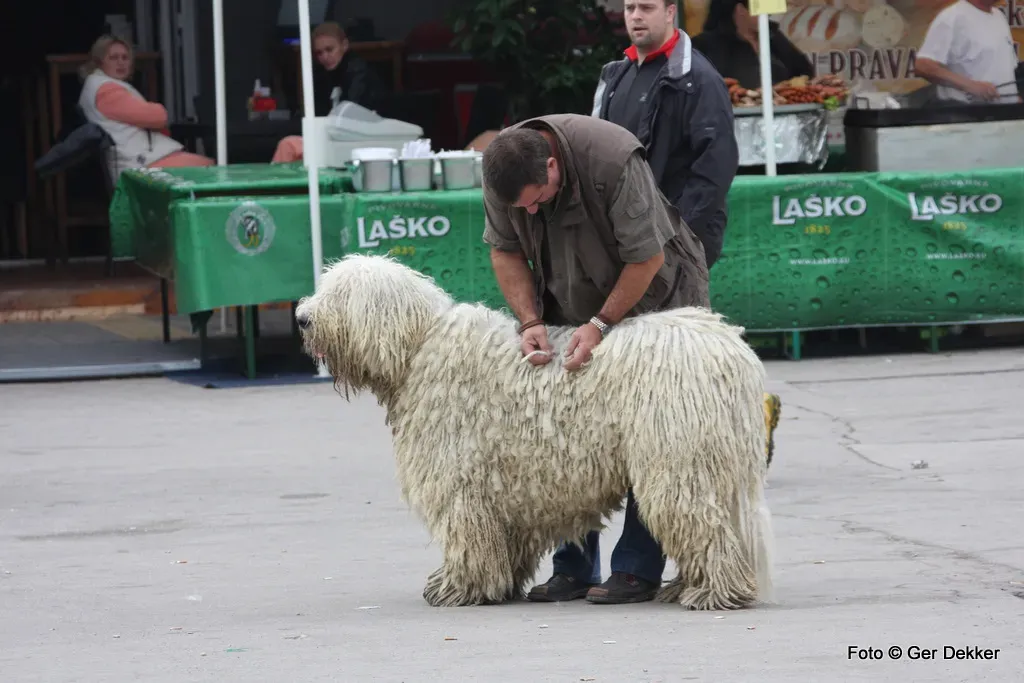
Let’s be real. The Komondor looks like a walking mop. But underneath that spectacular corded coat is one of the most serious livestock guardian dogs on the planet. Famous for its mop-like corded coat, the Komondor is Hungary’s traditional livestock guardian, and its appearance isn’t just distinctive – it offers warmth and camouflage among sheep, with the Komondor being naturally protective and fearlessly defending its territory from predators while staying loyal and affectionate toward trusted humans.
Often called the “king” among livestock guardians, the Komondor is naturally protective and territorial, an independent thinker bred to make decisions on its own while guarding flocks, and they bond strongly with their livestock and usually stay close rather than wandering. That independent decision-making is what makes them uniquely effective in open or semi-rural California terrain.
Their thick, corded coat requires serious grooming, the hair must be kept clean and completely dry to prevent problems, and regular coat care is essential for their health. This is a non-negotiable commitment for Komondor owners. Neglect that coat and you’re creating health problems. Maintain it and you have one of the most capable and impressive guardians imaginable.
13. Akbash: Turkey’s Quiet but Deadly Sentinel
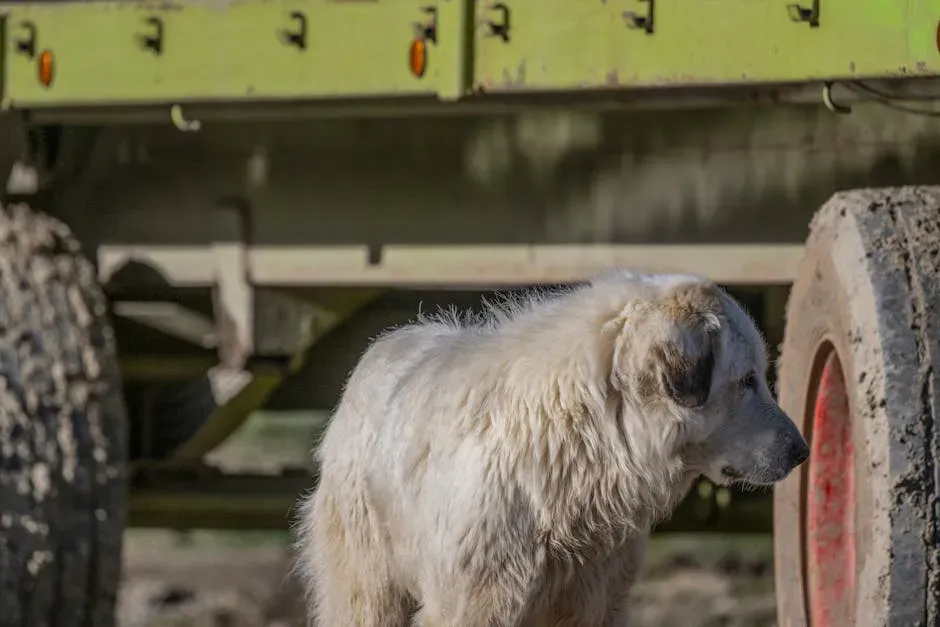
The Akbash is an ancient breed from Turkey, and its name comes from the Turkish word meaning “white head,” with dogs bred centuries ago to protect flocks from wolves and bears, and Akbash dogs are large, weighing 80 to 140 pounds and standing up to 34 inches tall. That’s an imposing presence by any standard.
These dogs have a calm demeanor and highly protective instincts but only become hostile if threatened, and their sharp instincts and territorial nature make them excellent at deterring predators, with affection for family but caution with strangers, requiring early training and socialization to become trustworthy companions and reliable guardians.
A report from the Livestock Guardian Dog Association notes that Akbash dogs are particularly adept at protecting against wolves and bears due to their patience and decisiveness, and unlike overly aggressive breeds, they focus on neutralizing danger rather than escalating it, making this measured response valuable in both rural and family environments. It’s hard to say for sure, but that calm-under-pressure quality might actually make them more effective than louder, more reactive breeds in real-world scenarios.
Conclusion: Choosing the Right Guardian for Your California Life
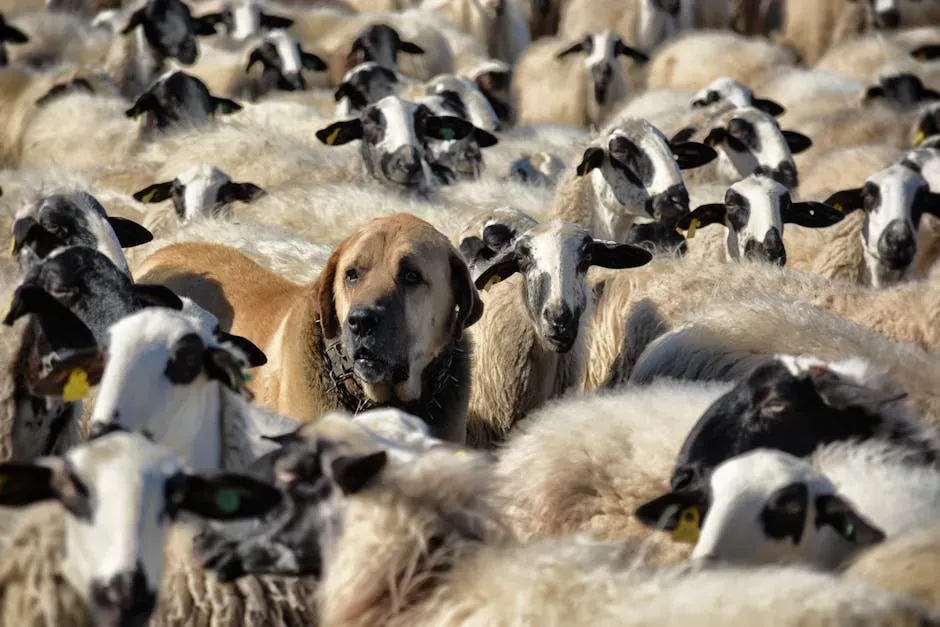
Living with coyotes in California is simply part of the reality for millions of dog owners. While no dog breed is completely immune to the threat posed by these opportunistic predators, certain breeds possess the necessary traits to better withstand and, in some cases, survive a coyote encounter. The key is matching the right breed to your lifestyle, your property size, and your experience as a dog owner.
Breeds most likely to survive or deter coyotes are large livestock guardian and large working breeds, combined with appropriate training, pairing, and management, and prevention and deterrence are far more reliable and humane than relying on a dog to “win” a fight. That last point deserves to be repeated loudly. The goal is never to send your dog into battle. The goal is to make your property and your pet so well-protected that coyotes simply move on.
Whichever breed speaks to your heart from this list, remember that no dog – no matter how powerful – can substitute for responsible ownership. Secure fencing, supervised outdoor time, proper training, and knowing your local coyote activity patterns are all part of the equation. Your dog is your partner in this. Treat them that way, and they’ll protect you with everything they’ve got.
Which of these breeds surprised you most? Drop your thoughts in the comments – we’d love to know which guardian is the right fit for your California home.


