
8 Reasons Your Dog Leans on You: It’s a Sign of Deep Trust and Affection
You’re standing in the kitchen, maybe making coffee, maybe just staring into the fridge wondering what life is about. Then you feel it – that warm, unmistakable weight pressing gently against your leg. Your dog has leaned into you, steady and quiet, like a small furry anchor.
Most dog owners smile and reach down without thinking twice. Honestly, it’s one of those moments that feels so simple yet somehow so deeply meaningful. There’s actually a lot going on beneath the surface of that gentle press, and some of it might genuinely surprise you.
Whether your dog does it every morning or only during thunderstorms, that lean is saying something real. Let’s dive in and find out exactly what.
1. It’s Their Version of a Hug
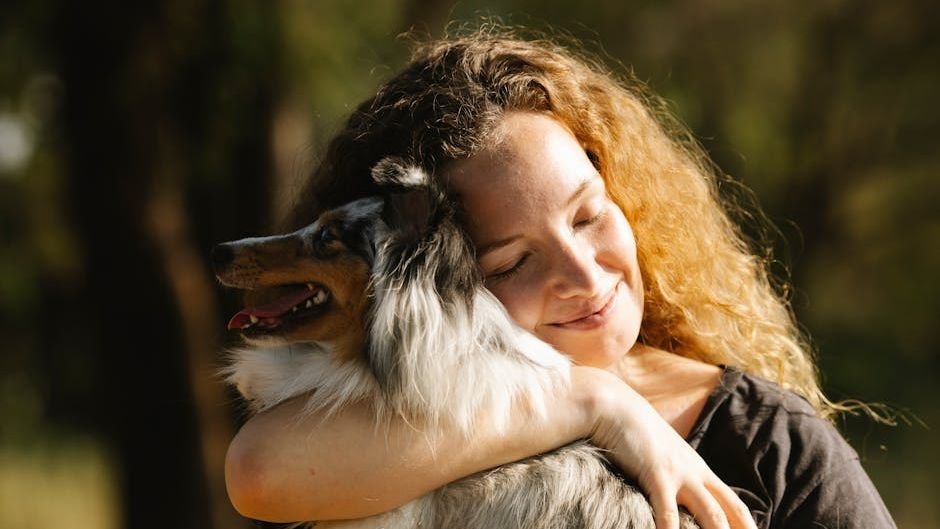
That lean is your dog’s version of a hug. It’s a tactile way of saying “I feel safe with you.” When your dog leans on you, they’re sharing vulnerability and closeness, not just showing affection but reaffirming connection. Think of it like the way a best friend drapes an arm around your shoulder after a long day. No words needed.
Dogs are pack animals with strong social instincts, and leaning is a primitive way of establishing closeness and security. This behavior mimics how puppies huddle together for warmth and protection, translating that early survival mechanism into a gesture of affection with their human family. So when your dog leans on you, they’re essentially treating you like family. Because to them, you are.
2. You’re Their Safe Space – Literally
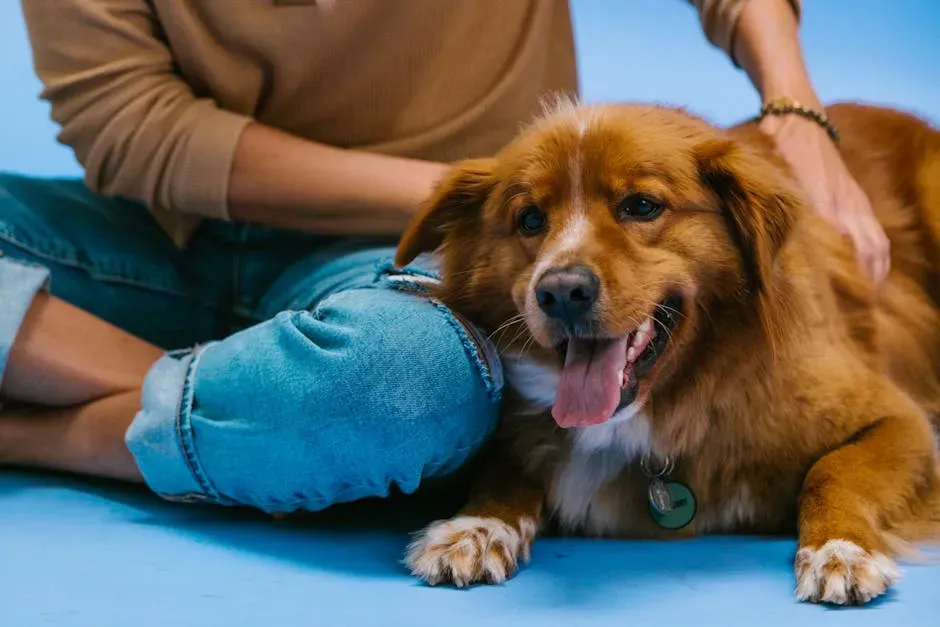
When a dog leans on you, they often express their trust and comfort in your presence, viewing you as a source of security and warmth. This action can be especially prevalent in moments of uncertainty or anxiety, where your dog seeks reassurance through your touch. It’s a testament to the bond you share, highlighting their dependence on you for emotional support.
Dogs often lean when they feel anxious or uncertain. If there’s loud noise, unfamiliar people, or stressful situations, your dog might lean on you as a coping mechanism. This behavior is similar to a child seeking protection from a parent, demonstrating your dog’s view of you as their primary source of safety. Next time your dog leans hard into you during fireworks, know that you are genuinely their calm in the storm.
3. The Oxytocin Effect: Science Backs This Up

Research has shown that physical contact can trigger the release of oxytocin, the “love hormone,” in both dogs and humans. This hormone plays a crucial role in forming emotional bonds and fostering feelings of attachment. That warm, fuzzy feeling you get when your dog leans on you? That’s not just in your head. It’s a real hormonal response you’re both sharing at the exact same moment.
Both humans and dogs experience a rise in oxytocin during affectionate contact. When your dog leans on you, that shared moment triggers a hormonal feedback loop: they feel calm because you’re calm, and you feel loved because they’re close. In this way, leaning isn’t just emotional – it’s biological therapy. Honestly, that might be the most beautiful thing I’ve read about dogs in a while.
4. It’s a Genuine Expression of Deep Trust
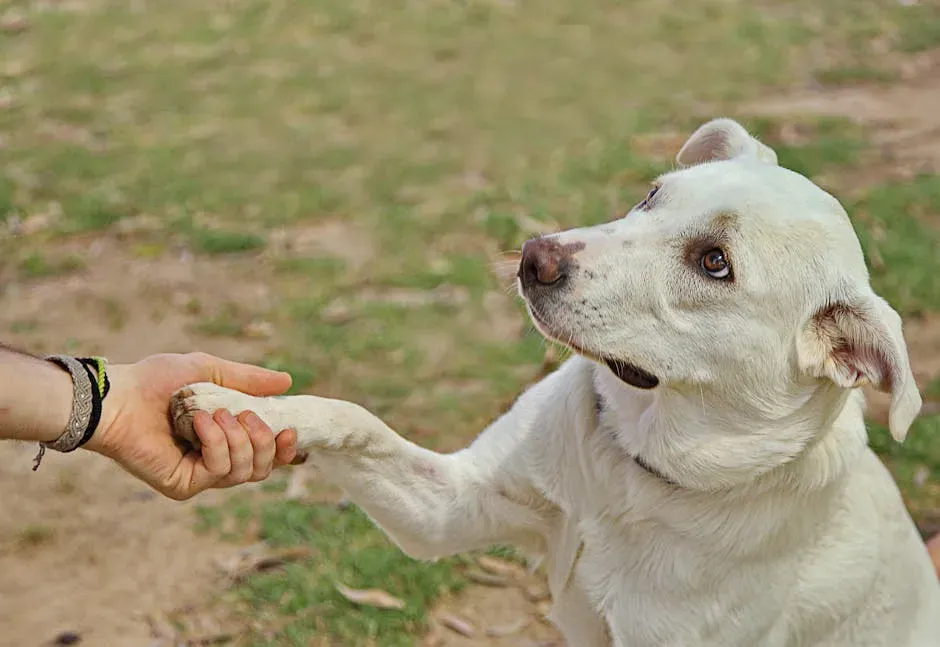
For a dog to lean, they must surrender part of their balance – literally putting their weight in your hands. That act alone shows deep trust. In canine social behavior, exposing oneself physically – leaning, rolling over, lying close – are gestures of vulnerability that say, “I know you won’t hurt me.”
If your dog leans their body weight against you or rests their head on your lap, it’s a sign of trust and attachment. They only do this with people they feel comfortable and secure around. It’s a little like handing someone your most precious possession and walking away. Your dog is trusting you with their whole self.
5. They’re Asking for Your Attention (And They Know It Works)
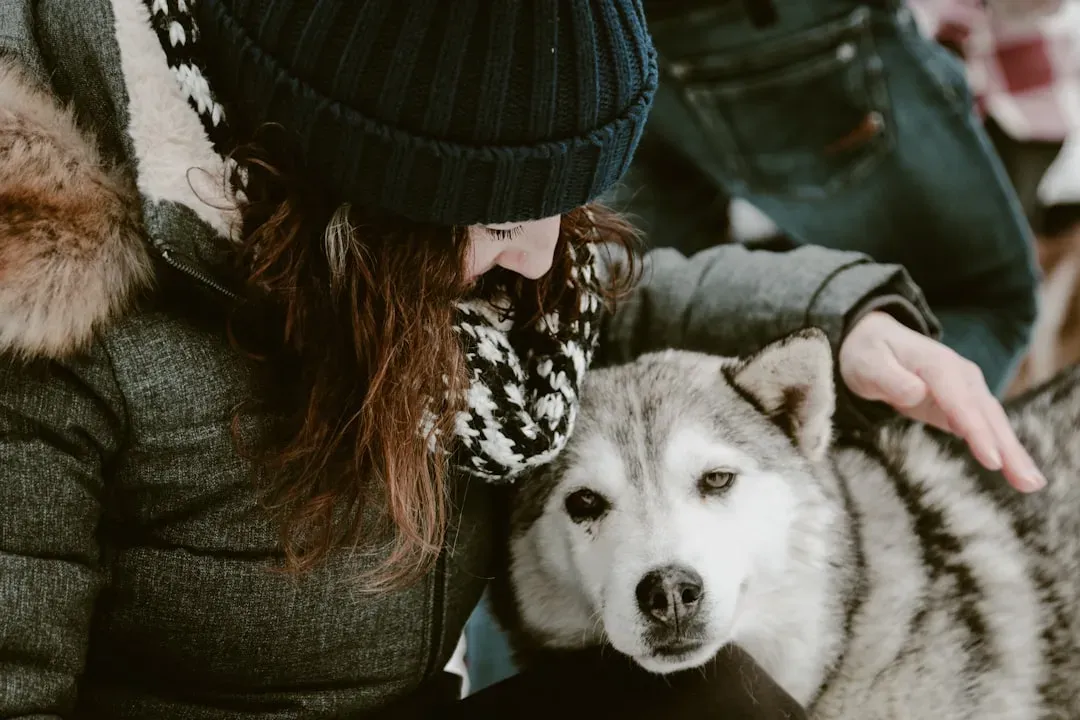
Sometimes, a dog leaning on you is a clever strategy to get your attention. They quickly learn that physical contact usually results in pets, scratches, or interaction. It’s their way of saying, “Hey, I’m here, and I want some love right now!” Let’s be real – these dogs have figured us out completely.
If a dog is leaning on you for attention, their personality will be showing a bit more than in other situations. It may come across as more of a body slam when they lean their body against you, trying to get you interested in play, just like how they may do with another dog. Your dog may also come over and lean on you with a ball or rope toy in their mouth, trying to engage you to grab it. Sound familiar? That’s your dog’s very deliberate play request in action.
6. It’s Rooted in Their Pack Animal Instincts
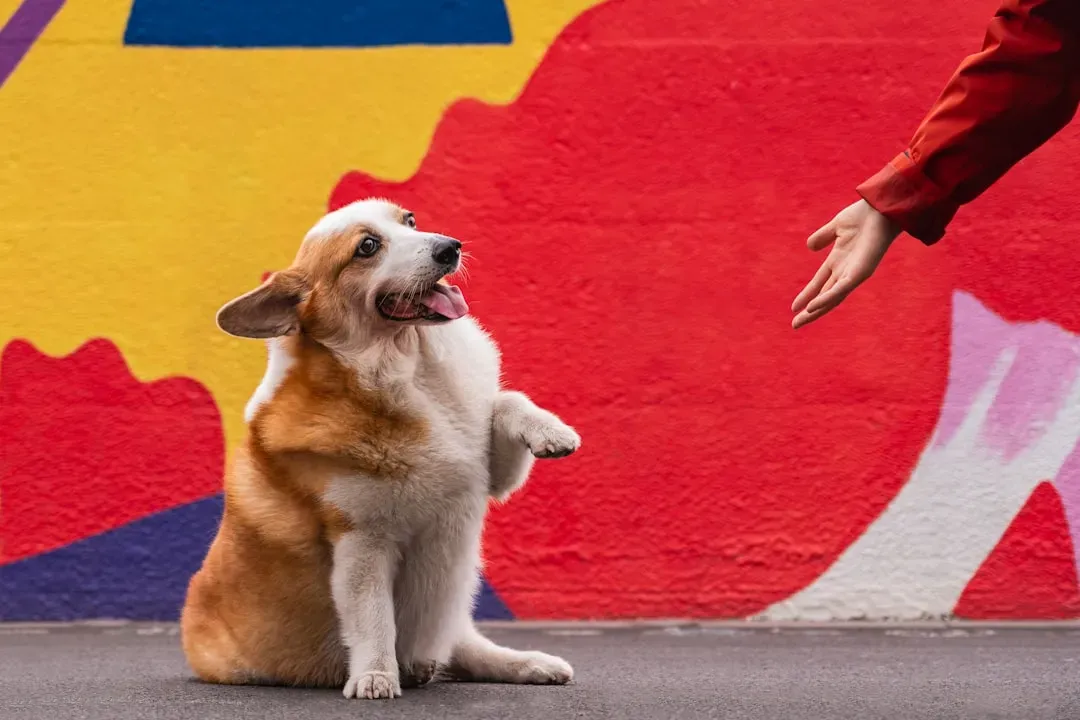
Dogs evolved as pack animals, thriving on physical contact with their group. In the wild, pack members sleep against each other for warmth and protection. That instinct hasn’t gone away; it’s simply shifted toward you – their chosen “pack.” You became the pack. That’s both humbling and wonderful.
When the owner returns, a securely attached dog will approach, make eye contact, and initiate physical contact. This includes touching the caregiver with the head or snout, jumping up with paws on the owner’s body, or sustained leaning against the owner’s body or hands. That post-work lean when you walk through the door? It’s your dog’s most instinctive greeting – and it means you’re their person.
7. Sometimes It’s a Health Signal You Shouldn’t Ignore
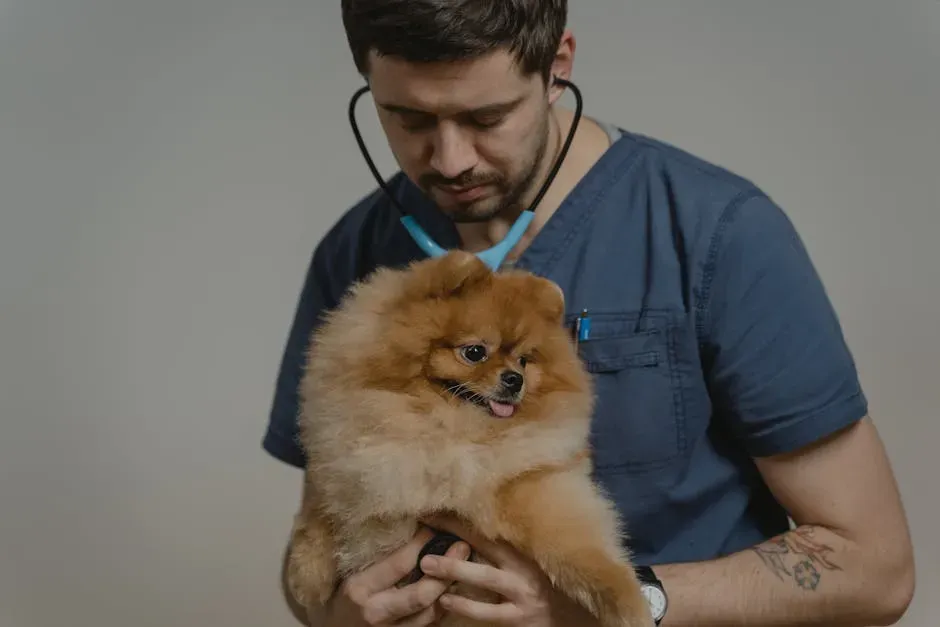
It’s important to consider that leaning might sometimes indicate illness or physical discomfort. If a dog suddenly starts leaning more than usual or shows signs of distress while doing so, it may be trying to communicate that something is wrong. This behavior could be a way of seeking support or indicating that they are not feeling well. Observant owners should take note of any additional symptoms, such as changes in appetite, activity levels, or other unusual behaviors, and consult a veterinarian to rule out any health issues.
If your dog starts leaning excessively or seems unsteady, it’s essential to consult with your veterinarian. Leaning can sometimes indicate underlying health issues, such as balance problems or joint pain. A professional evaluation can ensure your dog is healthy and comfortable. Knowing your dog’s baseline behavior is key. If the lean suddenly feels different – heavier, more desperate, or paired with unusual symptoms – trust your gut and call the vet.
8. It Can Signal Anxiety That Needs Gentle Support
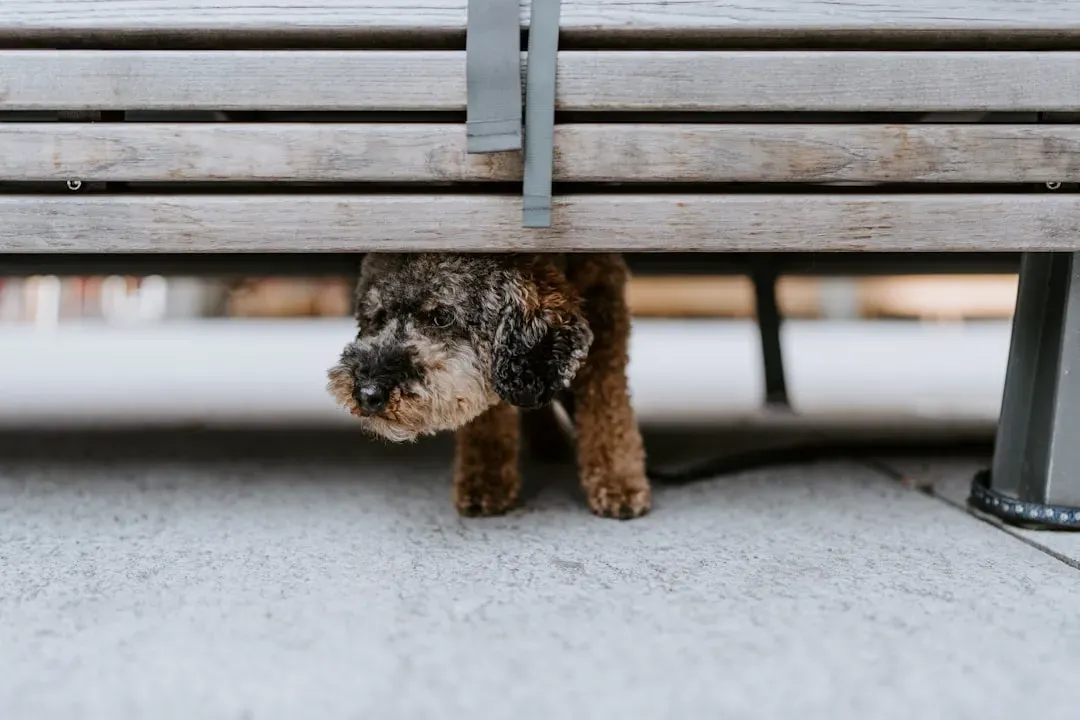
Leaning can also be an expression of anxiety or insecurity. In stressful situations or environments, a dog may lean on their human as a coping mechanism, seeking comfort and reassurance. This behavior indicates the dog’s trust in their owner to provide protection and emotional support. There’s a difference, though, between a loving lean and a panicked one. Learning to spot it matters.
Observe your dog’s overall body language. Affectionate leaning is relaxed and accompanied by a wagging tail, while anxious leaning might involve trembling, a tucked tail, or tense muscles. If your dog’s leaning is accompanied by pacing, whining, or excessive clinginess, it’s a good idea to support them with calm energy and gradual independence-building exercises. The goal is to help them lean for love, not survival.
What to Do When Your Dog Leans on You
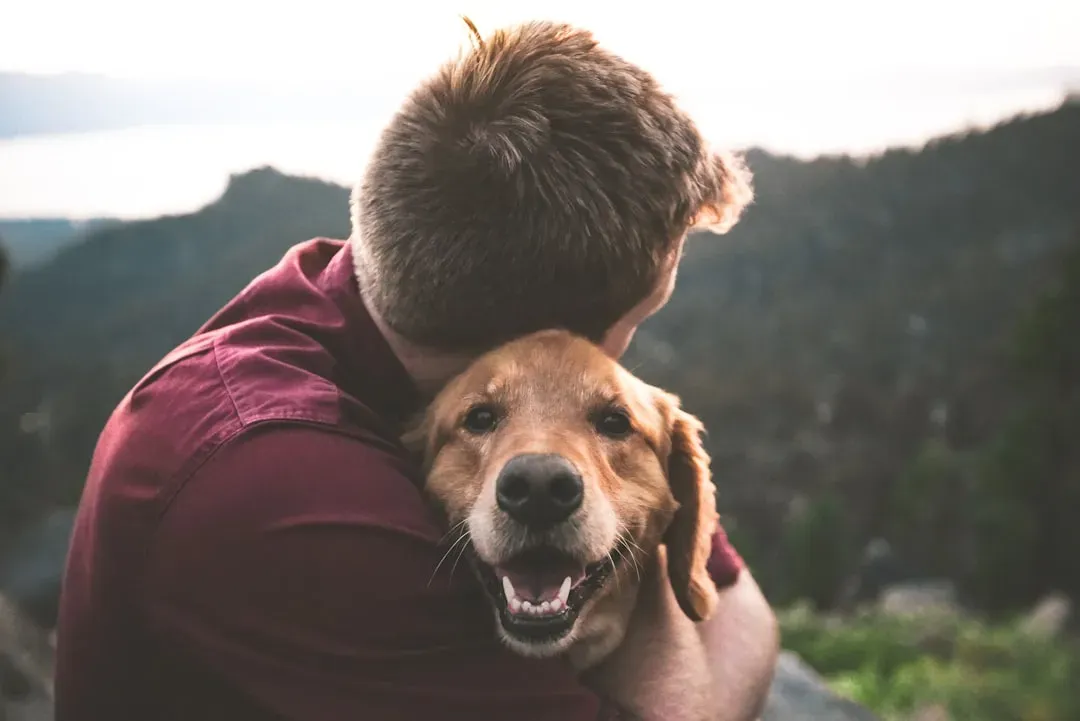
When your dog leans, respond with gentle affection and calm reassurance. Pet them softly, speak in a soothing tone, and acknowledge their emotional need. This validates their feelings while preventing potential over-dependence. It really is that straightforward. You don’t need to overthink it.
When your dog leans against you in a relaxed and affectionate manner, respond with positive reinforcement. Give them gentle pets or praise to strengthen the bond and encourage this loving behavior. This not only reassures your dog but also builds trust between you. A little goes a long way. Even a quiet pat and a soft word tells your dog everything they need to know.
Regular training and socialization can help build your dog’s confidence, reducing anxious tendencies that may lead to excessive leaning. Engaging in activities like obedience training or group classes can provide mental stimulation and strengthen your bond. Think of it as investing in a healthier, happier emotional relationship with your dog over the long run.
Final Thoughts: That Lean Means Everything
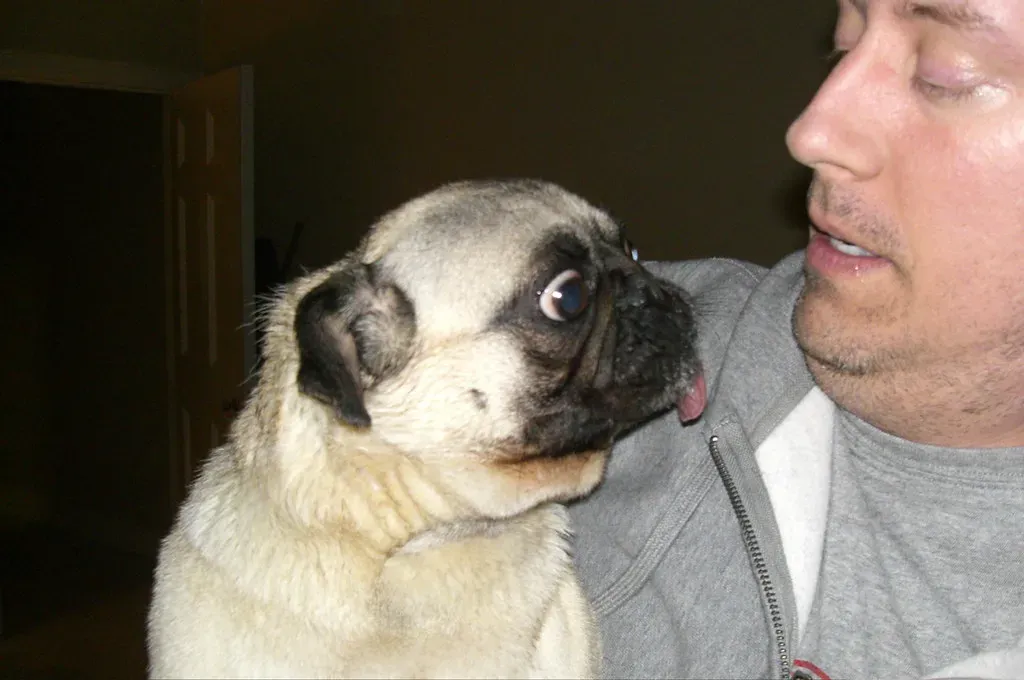
I think one of the most quietly beautiful things about dogs is that they don’t need language to say “I love you.” They just press their warm, solid weight against you and let the moment speak for itself. It’s profoundly simple and yet incredibly layered with meaning.
Always know that if a dog leans on you, it means they trust you and have a strong bond with you, whether they are seeking reassurance, affection, or comfort in a tricky situation. Every lean, every gentle press of your dog against your leg, is a tiny chapter in the story of trust you’ve built together.
So the next time your dog leans on you, pause for just a second. Don’t brush it off or walk away too quickly. Lean back into that moment. You’re someone’s entire safe world – and honestly, how incredible is that?
Which of these 8 reasons sounds most like your dog? Tell us in the comments – we’d love to hear your story.