

#1. Border Collie
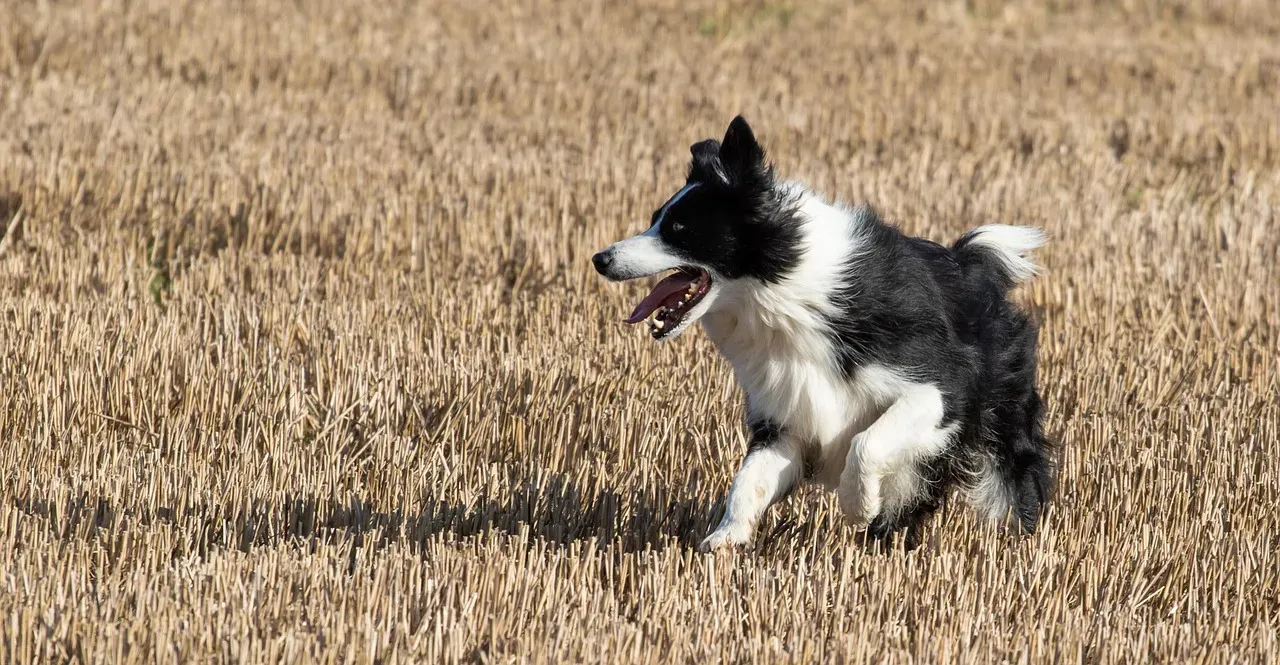
The Border Collie has a well-earned reputation as one of the most intelligent dogs on the planet. They’re also relentlessly, almost exhaustingly, energetic. Border Collies are some of the most energetic and hardworking dogs in existence, and they’re so driven it’s nearly impossible to tire them out. An adult Border Collie will need around two hours of exercise daily, spread across long walks, swimming, fetch, and agility training.
That’s not a gentle stroll around the block. That’s a serious athletic commitment, every single day. These dogs are highly active and known to resort to destructive behaviors if bored or confined for too long. Their herding instinct can also lead them to herd other animals or even small children. For someone over 50 who values calm, structured days, a Border Collie’s demands can quickly shift from rewarding to overwhelming, and potentially unsafe.
#2. Siberian Husky
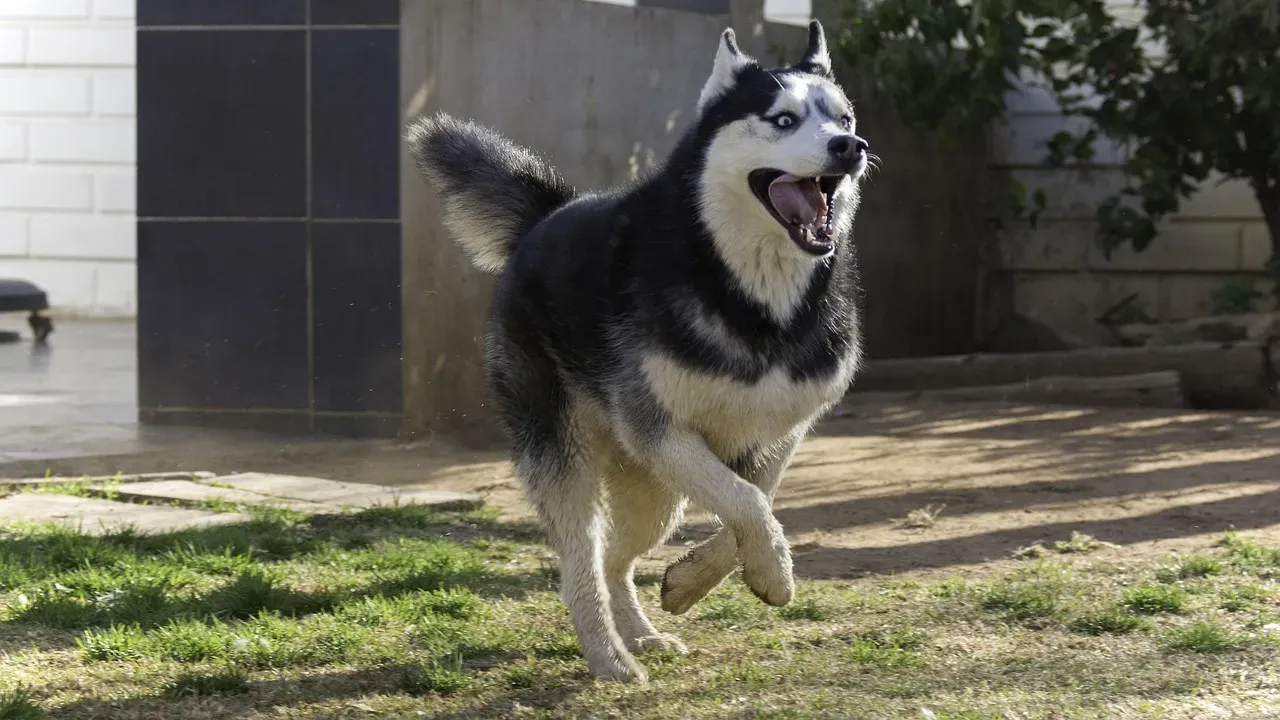
Huskies are striking, charismatic dogs that attract admiration wherever they go. Their beauty, however, comes packaged with a ferocious energy level that most people don’t fully anticipate. Siberian Huskies were originally bred for pulling sleds over long distances. With an energy level that never quits, they require plenty of physical activity, ideally around two hours a day, to avoid becoming restless and frustrated.
Huskies require extremely secure fencing since they can dig and jump out of almost anything. They need to be mannerly on a leash but are notoriously difficult to train. They also have a huge wanderlust potential and can and will get away from their owners to explore. For an older adult who may have reduced mobility or limited strength, managing a determined, escape-prone Husky on a walk or in a yard becomes less of a daily joy and more of a daily hazard.
#3. Australian Shepherd
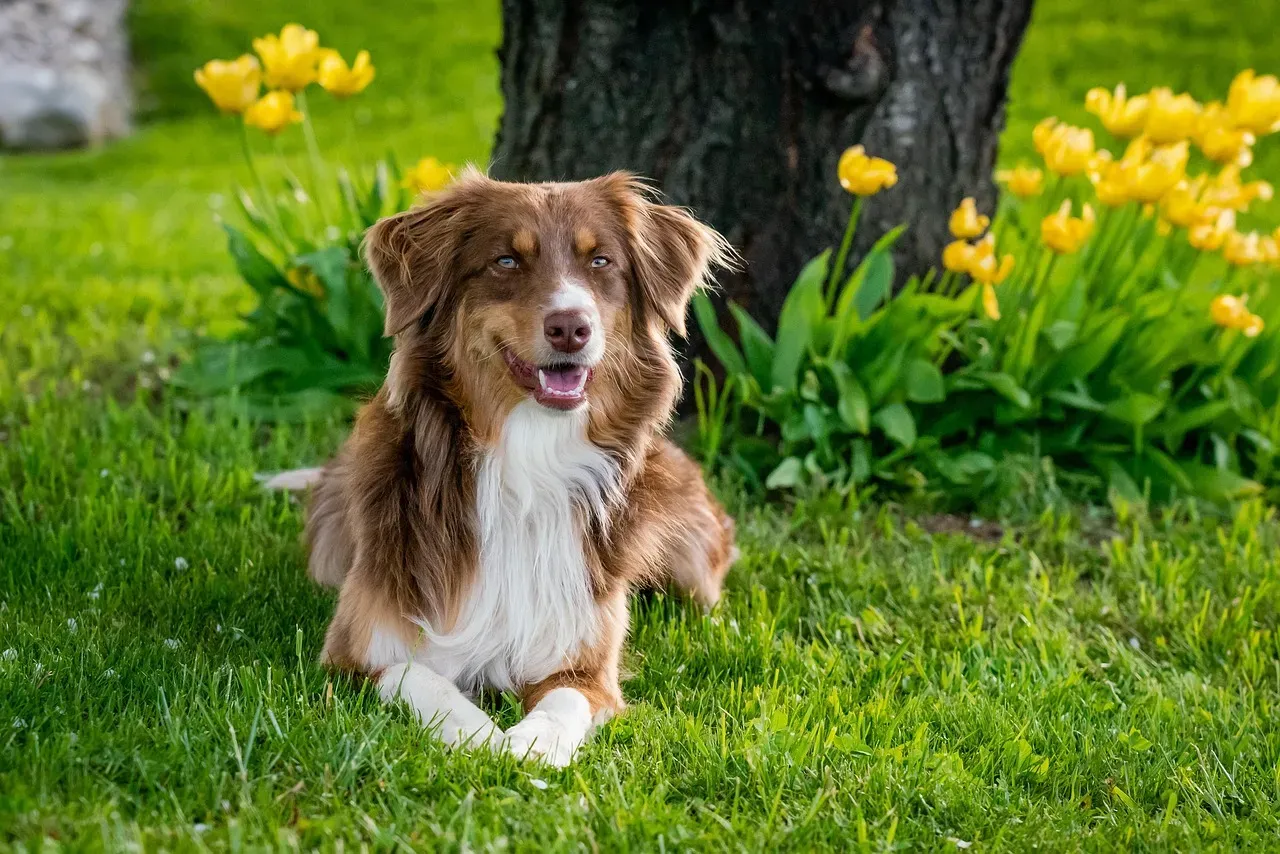
Few breeds are as misunderstood as the Australian Shepherd. Many people see an affectionate, beautiful dog with a brilliant mind. What they don’t always see is a dog that was bred for the relentless physical demands of ranch life. Easily bored and equipped with extraordinarily high energy levels, Australian Shepherds need an active lifestyle. They are also sometimes prone to anxiety and quick to redirect frustration into aggression, which makes them an inappropriate breed for many seniors.
For a senior citizen living alone, the Australian Shepherd is not a good choice. These dogs require a huge amount of maintenance for the first two years of their lives and must be exercised daily to work out their very high energy levels. Though they are eager to please and trainable, they genuinely need a younger, more active person around to meet those needs. That’s a hard reality for someone who falls for one at the shelter, but it’s the kind of honesty that protects both you and the dog.
#4. Jack Russell Terrier
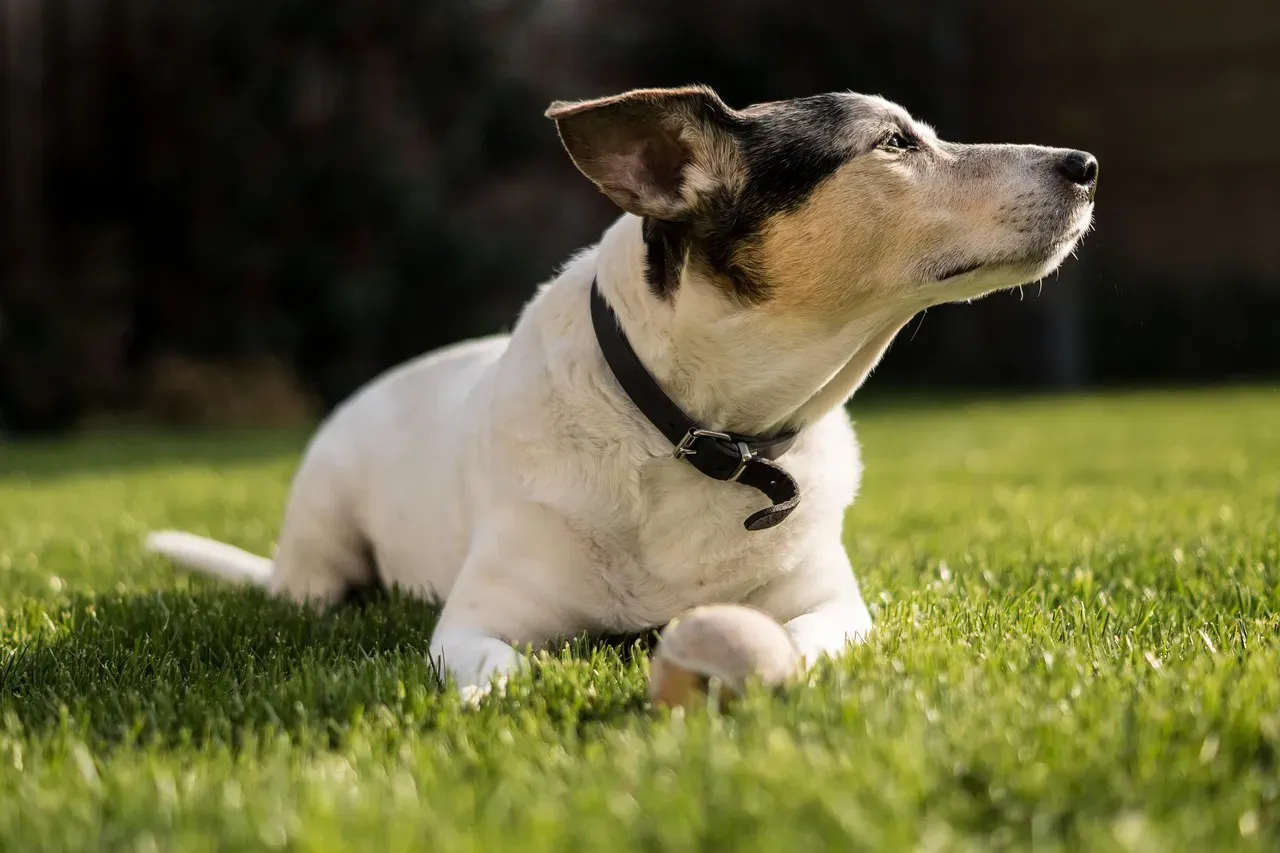
Don’t be fooled by the size. Jack Russells are small dogs that carry the energy of something three times their weight. Jack Russell Terriers are small but mighty, with boundless energy that can be genuinely overwhelming for seniors. They are known for their high energy levels and constant need for stimulation, making them far better suited for active households.
Jack Russells are easily one of the most high-energy terrier breeds, known to be mouthy, alert, and reactive. These little dogs are fierce, require lots of exercise, and have absolutely no interest in being lap dogs. There’s also the training challenge. Jack Russells can be difficult to train, including at potty time. Without strict schedules and rigorous consistency, they may permanently mark or use the bathroom indoors, and cleanup can be quite taxing. That combination of physical intensity and stubborn independence is exhausting at any age.
#5. German Shepherd
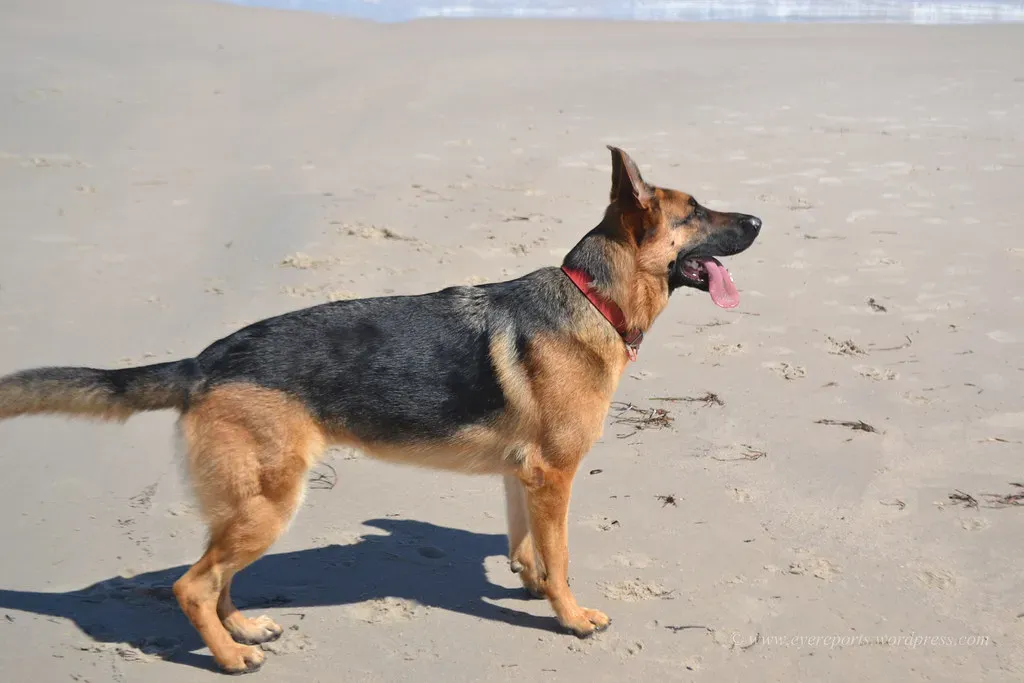
The German Shepherd is one of the most respected and capable dog breeds in the world. They serve in military and law enforcement roles for good reason. That same intensity and physical capability, however, can be a serious mismatch for a person in their 50s or beyond who isn’t prepared for what’s required. German Shepherds are alert, high-energy, and protective dogs that require extensive training and hours of daily exercise, rough play, and mental stimulation. Extremely strong and known to be reactive when not properly trained, they’re not a good choice for seniors.
German Shepherd exercise requirements involve almost two hours of activity daily, including running, long walks, and play. That’s a significant physical demand, and it doesn’t account for the mental engagement they also require throughout the day. While loyal and protective, German Shepherds are large and can be intense. They require a lot of exercise, mental stimulation, and training. Their size and strength might make them difficult for some seniors to handle comfortably.
#6. Dalmatian
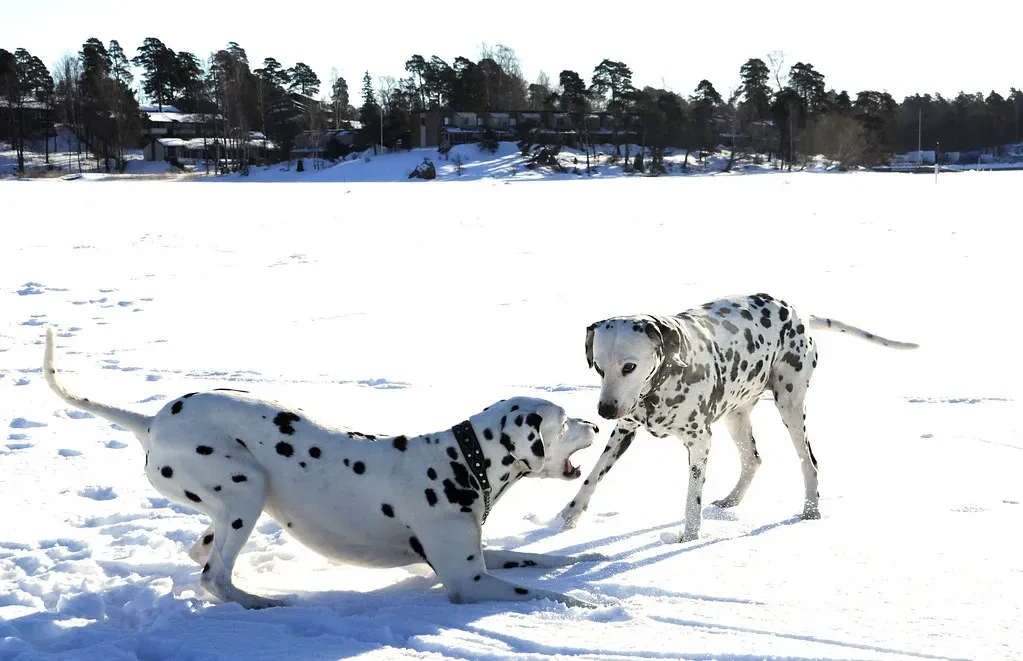
Dalmatians are iconic in appearance, but their needs go well beyond a striking coat. Dalmatians are energetic dogs that require a lot of exercise and stimulation to stay happy. They were bred to run alongside carriages, and they have retained that strong love of physical activity. They need plenty of space to run and play, making them less than ideal for apartment living or for seniors who prefer a lower-energy companion.
Dalmatians are large, energetic dogs that need plenty of exercise to stay healthy, and they can be strong-willed and require consistent training and socialization, which can be taxing. They also have a particular stubborn streak that makes inconsistent handling genuinely problematic. With their iconic spotted coat, Dalmatians are not just a pretty face. They require about one to two hours of exercise each day and love running, making them great only for active individuals or families who enjoy outdoor activities. That rules out a lot of relaxed, low-key living situations for people over 50.
#7. Labrador Retriever
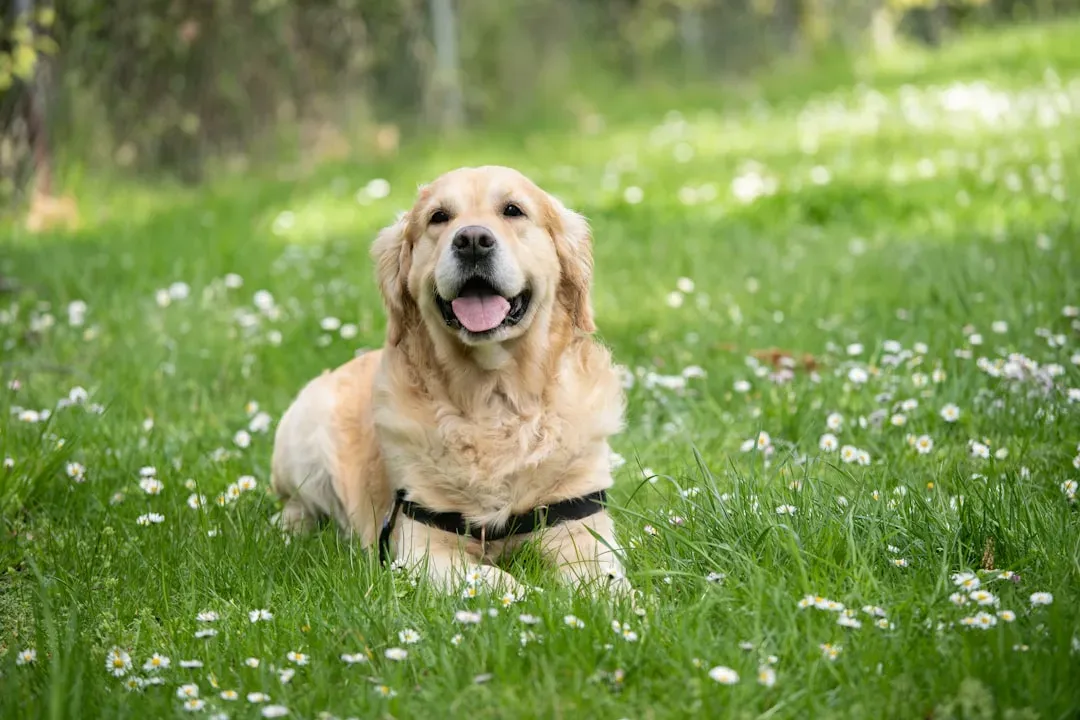
This one surprises people. Labs are deeply loved, widely recommended, and genuinely warm-hearted dogs. They’re also significantly more high-energy than their friendly reputation suggests, especially in their first few years. Though well-trained Retrievers make amazing companions and service dogs, Labrador Retrievers as pets can be extremely high-energy, and may accidentally bowl their senior owners over while experiencing the zoomies.
Labrador Retrievers are affable, energetic dogs who need an abundance of daily exercise. Somewhere between one and one and a half hours of vigorous activity is about right for the breed. That number climbs even higher when they’re young. If Labs get bored, they can become heavy chewers. This destructive behavior is usually a direct result of inadequate energetic release. With proper stimulation, Labs are fantastic pets, but without adequate training, they’re quite difficult to keep up with. A young, untrained Lab is, bluntly put, a physical risk around older adults who may not have steady footing or quick reflexes.
#8. Boxer

Boxers are wonderfully goofy, deeply affectionate, and intensely physical dogs. They love people. They also love jumping on them, pawing at them, and bouncing around with very little spatial awareness. Untrained Boxers are known for pawing and jumping behavior, which can cause accidental falls. Since these dogs are large and athletically built, they can be like boulders when they want to be. Their playfulness can be a lot to take in, especially before they’ve learned to control it.
The fall risk is not trivial. For someone over 50, a fall caused by an exuberant dog can have serious consequences for recovery and independence. Puppy years are the worst when it comes to energy, though many Boxers do tend to even out over time. The operative phrase there is “over time.” Until a Boxer matures and is thoroughly trained, the physical unpredictability of the breed poses a genuine safety concern for older owners, no matter how much they love the dog.
#9. English Springer Spaniel

The English Springer Spaniel doesn’t make enough worst-breed lists for seniors, which is part of what makes them a quiet hazard. They look manageable. They’re medium-sized. They’re charming. The English Springer Spaniel is a super-high energy dog that also requires a lot of grooming. Some individuals have a temperament issue that can cause them to act out without clear provocation.
These dogs were originally bred for hunting, which means they carry boundless energy and need plenty of daily activity to stay happy. Springers are an intelligent breed that thrives on physical and mental stimulation, and without enough exercise, they may develop behavioral issues like excessive barking or destructive chewing. According to the PDSA, English Springer Spaniels require at least two hours of exercise daily to stay healthy. Two hours. Every day. For a dog that is also prone to difficult temperament traits. The combination is a serious mismatch for most people who are 50 and beyond.
The Bigger Picture: It’s About Safety, Not Sentiment
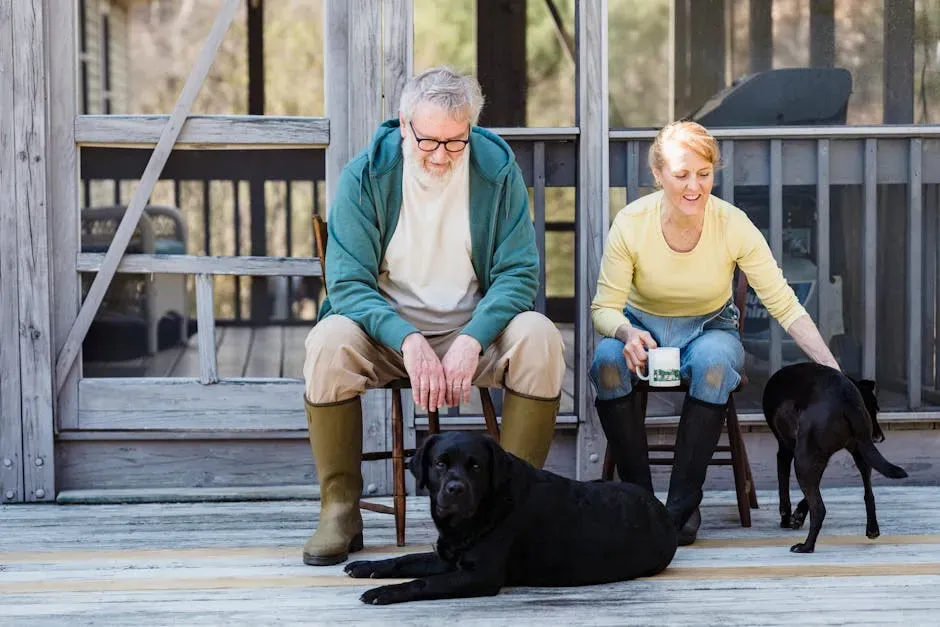
This isn’t about discouraging dog ownership after 50. Far from it. The right dog at the right life stage is genuinely one of the best things a person can do for their wellbeing. The point is that the wrong dog can cause real harm, not just inconvenience. A high-energy dog will remain a high-energy dog until they themselves reach old age and will need daily exercise and mental stimulation even if you cannot consistently provide it. High-energy dogs are also more likely to accidentally injure their owner and have a greater chance of becoming reactive as a result of under-stimulation.
The financial commitment, the time commitment, and both the human’s and the dog’s energy levels are all important to keep in mind before making a decision. Matching a dog’s temperament and exercise needs to your actual daily life, not the one you imagine you’ll have, is the most loving thing you can do for both yourself and the animal. It’s important for seniors to honestly assess their own lifestyle, health, and physical capabilities before deciding on a breed. Choosing a pet that matches your activity level and living situation leads to a much more harmonious relationship.
There are dozens of wonderful breeds that will thrive calmly and happily alongside someone in their 50s, 60s, and beyond. The ones on this list, for all their undeniable charm, are simply not among them for most people. Knowing which dog to say no to is just as important as knowing who to say yes to. That’s not a limitation. That’s wisdom.


