

Have you ever noticed your dog waiting at the door at the exact same time every afternoon, or pacing the kitchen precisely five minutes before dinner? That’s not a coincidence. Dogs are deeply wired creatures, shaped by thousands of years of living alongside humans, and for many of them, predictability is not just a preference – it’s a need.
Here’s the thing, though: not every dog is built the same way. Some breeds feel safest when their days unfold like a familiar story, chapter by chapter. Others, honestly, couldn’t care less. They’re the free spirits of the dog world, happy to roll with whatever the day brings. Understanding which type you have – or are thinking of adopting – can make the difference between a well-balanced companion and one that acts out in ways that leave you scratching your head.
So let’s dive in, because once you understand your dog’s relationship with routine, everything starts to make a lot more sense.
Why Routine Actually Matters for Dogs (More Than You Think)

Think of routine as your dog’s mental framework. Routines provide more than just discipline – they give dogs a genuine sense of security. Consistent feeding, exercise, training, and social interaction allow them to anticipate their day, reduce stress, and healthily express their instincts. It’s the canine equivalent of knowing exactly what your week looks like – calming, grounding, and deeply reassuring.
When that structure disappears, many dogs don’t just get a little confused. They get anxious, restless, or even destructive. For routine-loving breeds, structure is more than a preference – it’s a source of comfort and stability. Life without it can feel like missing a step. These dogs flourish in environments where mealtimes, walks, play, and rest happen like clockwork.
1. Border Collie: The Workaholic Who Lives by the Clock
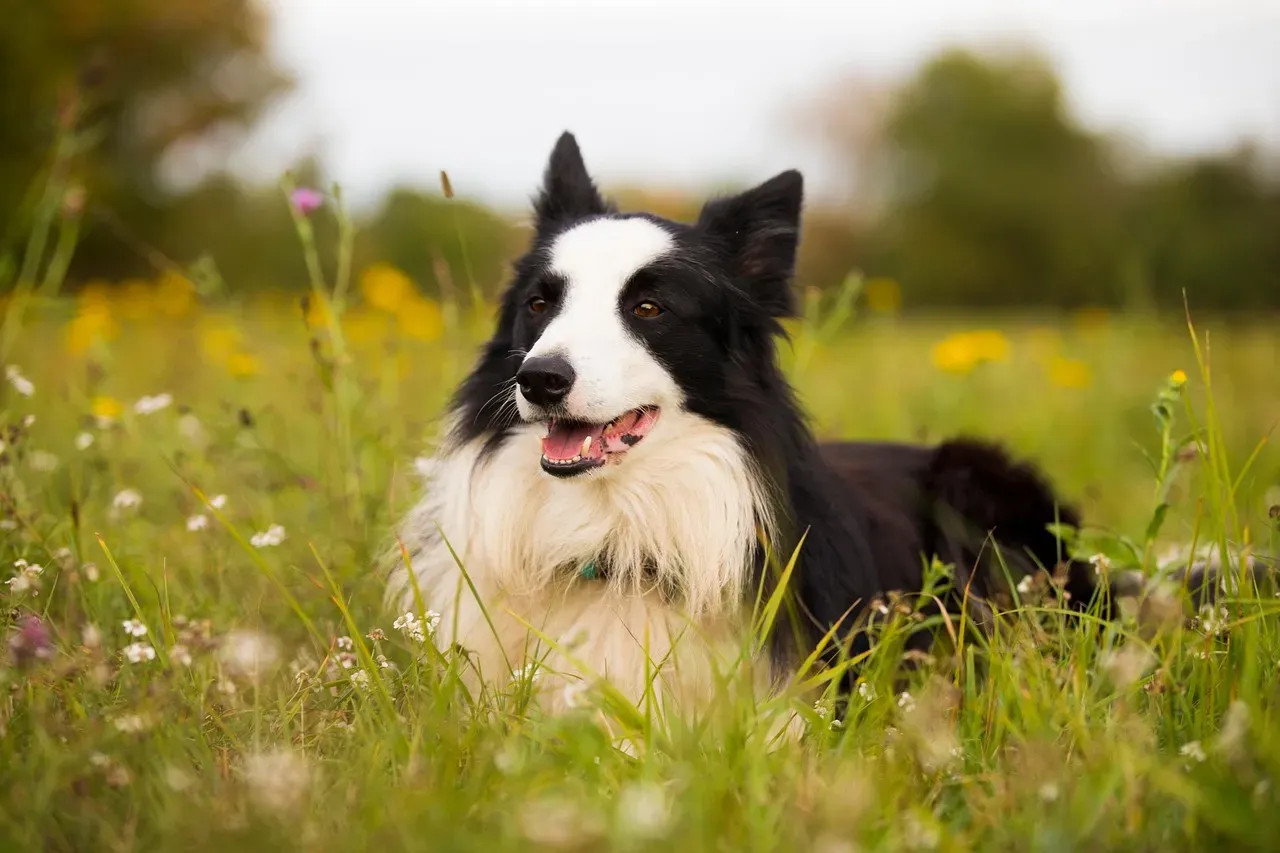
Border Collies are often hailed as the workaholics of the dog world. Born to herd and organize, these clever canines thrive when every day follows a predictable pattern. They love knowing exactly when it’s time to walk, train, and play. Miss a training session and you’ll likely find your Border Collie reorganizing the furniture – metaphorically speaking, of course.
Border Collies don’t just like routine – they need it. These intensely intelligent herding dogs are at their happiest when they know exactly what’s expected of them and when. A consistent daily schedule helps channel their mental and physical energy into something productive, because if you don’t give them a job, they’ll invent one. That “job” might be herding your children, your cat, or your dinner guests.
2. German Shepherd: The Loyal Protector Who Craves Structure
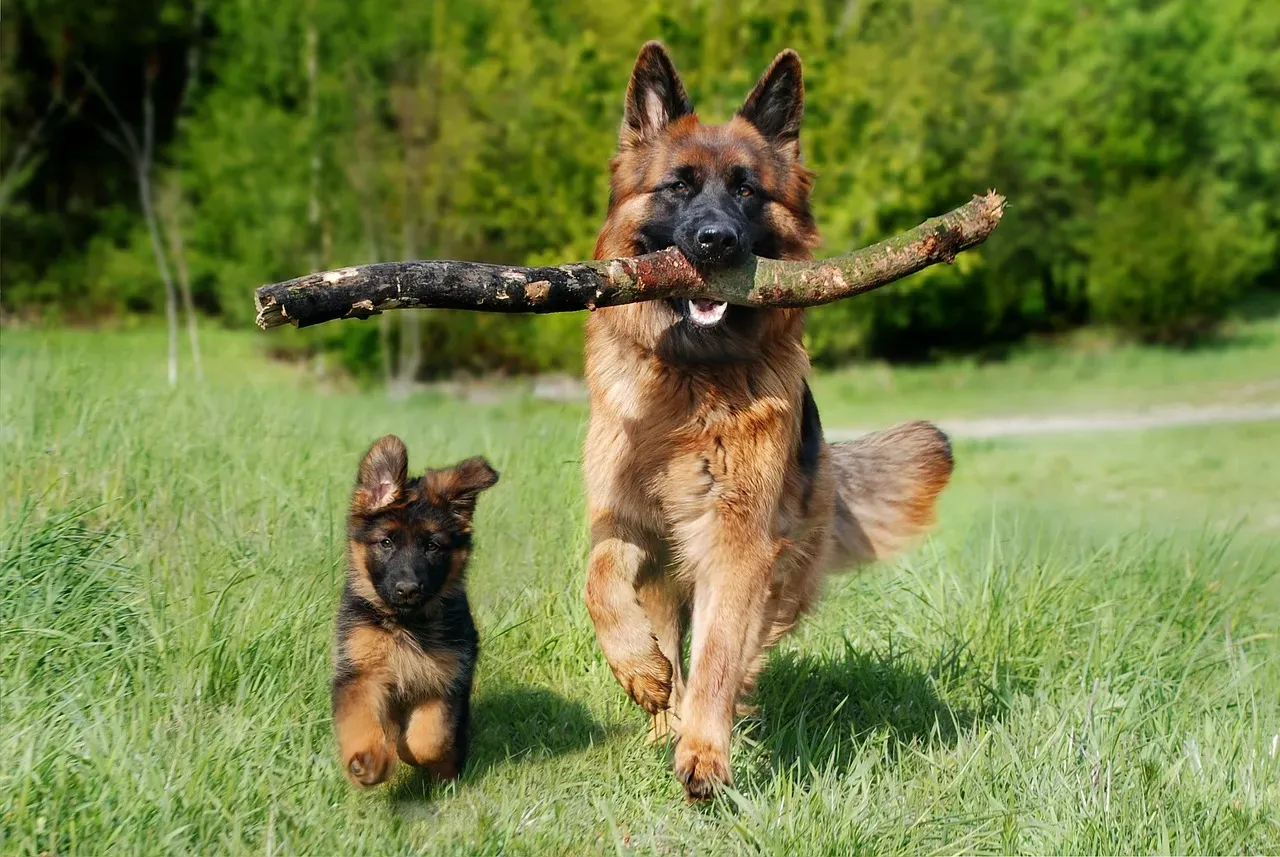
German Shepherds are famous for their discipline and intelligence, and it’s no coincidence they excel as police and service dogs. Predictability reassures them and strengthens the bond with their humans. They’re not just smart – they’re deeply emotionally invested in what happens next in their day.
German Shepherds excel at routine because they crave purpose. They’re working dogs at heart, and nothing gives them more comfort than knowing what comes next. Disrupt that comfort, and you may notice signs of anxiety, like excessive barking, pacing, or even destructive chewing. Prevention is simple: keep the schedule consistent, especially around feeding times and exercise.
3. Australian Shepherd: The Herder Who Needs a Daily Game Plan

Australian Shepherds are natural herders, and with that comes a deep love of structure. They find joy in having a job to do and knowing what’s expected of them each day. Without routine, an Aussie can become restless or even try to “herd” their family members to restore order! I’ve heard owners describe this as having a four-legged project manager in the house.
Australian Shepherds are high-energy thinkers who pay close attention to human behavior. Give them a few days and they’ll track your footsteps like a GPS. They notice when the coffee starts brewing, when the car keys jingle, and when you reach for the leash. Scheduled training, agility work, and daily exercise are non-negotiable for a happy Aussie.
4. Labrador Retriever: The Eager-to-Please Schedule Keeper

Labs might come across as easygoing goofballs, but underneath that waggy tail is a dog who appreciates a solid routine. They’re highly food-motivated, which means they’re often the first to notice if dinner is even 30 seconds late. Labs thrive when they know when it’s time for walks, playtime, or naptime. Think of them as the cheerful intern who always shows up on time – enthusiastically, every single day.
Labradors are classic companions for routine-loving homes. They flourish with regular exercise, scheduled mealtimes, and predictable training sessions. Consistency gives them emotional balance and enhances their friendly, eager-to-please nature. Labs enjoy structure and will follow daily rhythms like clockwork: breakfast, walk, fetch, nap, repeat.
5. Shetland Sheepdog (Sheltie): The Sensitive Soul With a Strong Inner Schedule

Shelties are sensitive souls with a strong sense of duty. Bred for herding, they like knowing the rules and following a daily schedule that makes them feel secure and purposeful. They pick up on routine faster than most and will absolutely notice when you deviate. Don’t be surprised if they stare at you for five solid minutes because walk time is three minutes behind.
The Sheltie is a small dog with a big preference for routine. They’re intelligent and sensitive, often forming deep attachments to their family’s habits. Change can make a Sheltie uneasy, but consistency brings out their best traits. Daily walks, set training times, and regular meals help them feel safe and content. Shelties are known to excel in dog sports, thanks to their love of structure and order.
6. Standard Poodle: The Brainy Breed That Thrives on Predictability
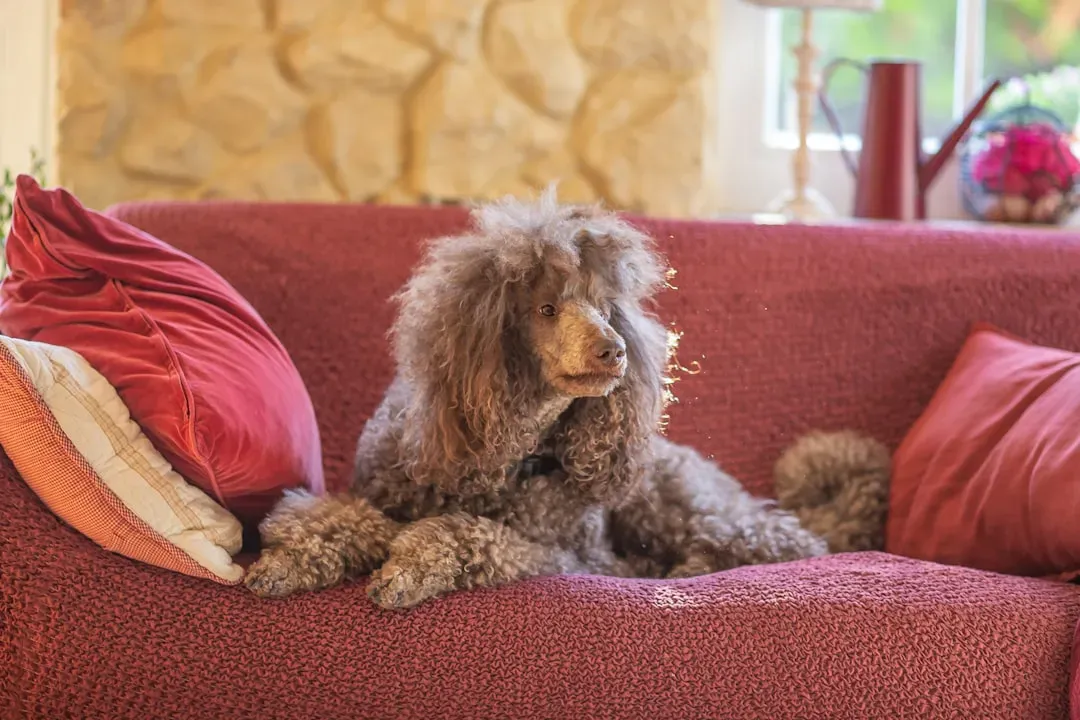
Standard Poodles are often associated with showy haircuts, but behind the glam is a dog who loves structure. Their intelligence makes them quick learners, and they thrive in households where schedules and expectations are consistent. Whether it’s morning walks, evening training sessions, or regular playtime, they do best with a steady rhythm to their lives. Routines help them stay mentally stimulated and emotionally grounded.
Poodles are intelligent and observant. They memorize routines quickly and begin to anticipate them with impressive accuracy. If you feed them at a certain time, don’t be surprised if they start pacing five minutes beforehand. Poodles don’t just learn commands – they learn structure, predict it, and thrive within it. It’s honestly a little uncanny, in the best possible way.
7. Belgian Malinois: The High-Performance Dog Powered by Structure
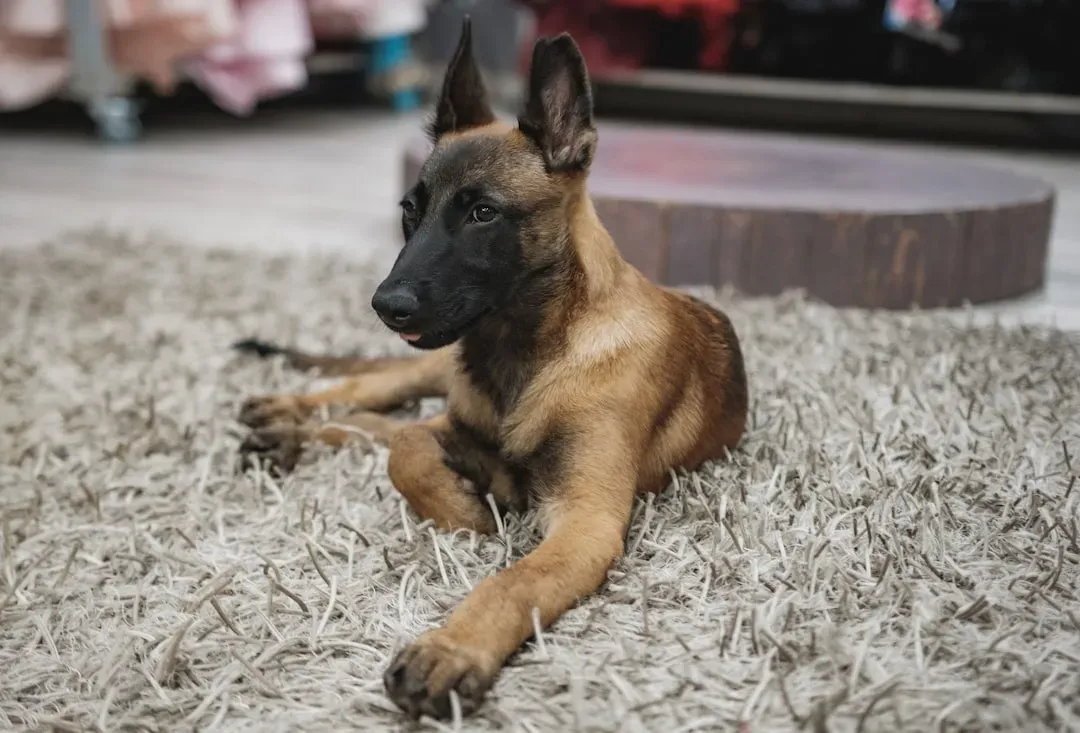
Belgian Malinois are intense, energetic, and incredibly trainable – but they absolutely need structure to thrive. Without a routine filled with tasks, training, and exercise, a Malinois can become bored or even destructive. These dogs excel in service roles precisely because they love predictability and clear expectations.
Belgian Malinois are built for structure. They need mental engagement and pick up on patterns faster than most dogs. Whether it’s your workout routine or your nightly snack, they’ll know what’s coming before you do. These dogs want to be involved, and they use routine as their guide. In just a few days, your schedule becomes their mission. This breed is not for the casual owner – it’s for someone fully committed to showing up, every single day.
8. Doberman Pinscher: The Elegant Protector Who Needs a Plan
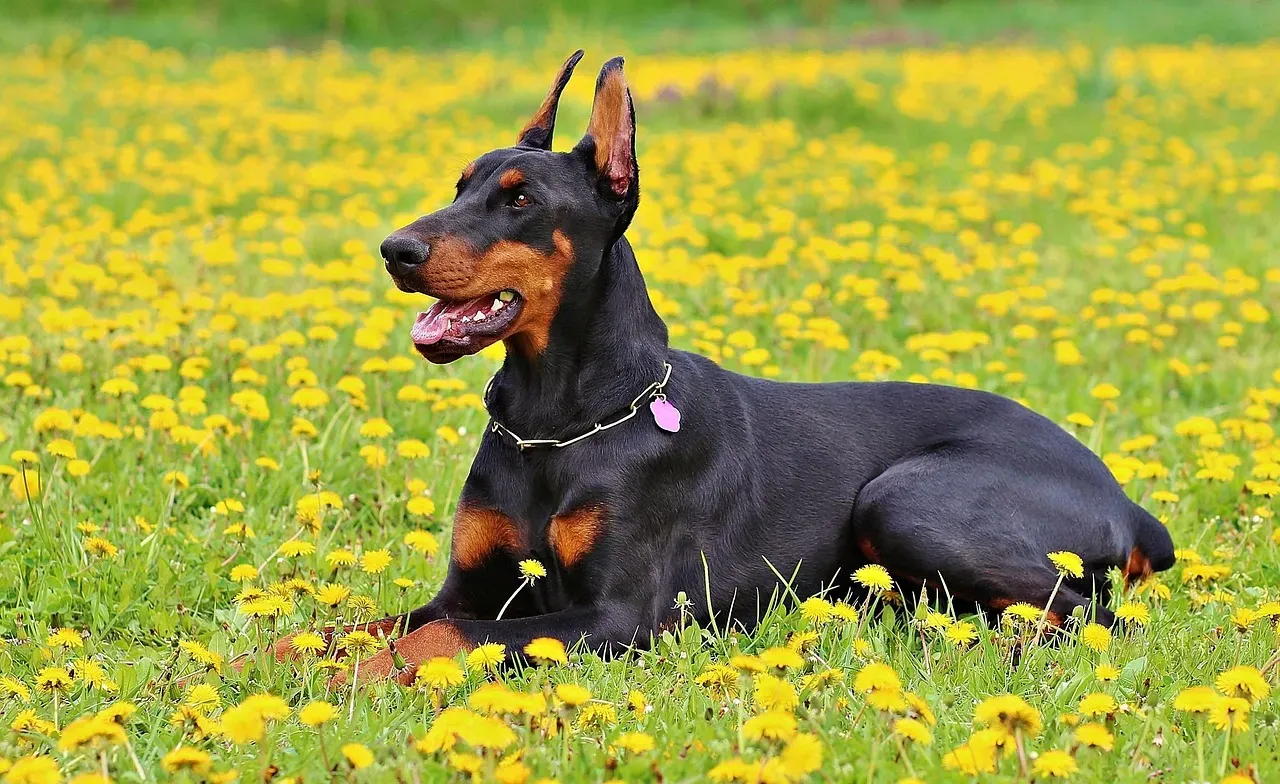
Dobermans are disciplined and highly trainable, but they need a consistent environment to truly flourish. These elegant protectors like predictability and quickly pick up on daily habits. Regular exercise, training, and family bonding time give them a sense of purpose. They’re sensitive to shifts in their environment and may become anxious if things feel chaotic or inconsistent. Give a Doberman structure, and they’ll repay you with steady loyalty and calm confidence.
Dobermans are confident and dependable, and they absolutely excel in environments where structure reigns supreme. Routine helps these intelligent dogs channel their protective instincts and keeps their minds sharp. They want to know what’s happening and when, and they appreciate having a predictable day. If they’re unsure of the plan, they can become restless or even anxious. Watch for pacing, excessive whining, or guarding behaviors – these are your Dobie’s way of saying “I need a schedule.”
9. Miniature Schnauzer: The Tiny Timekeeper With Big Opinions
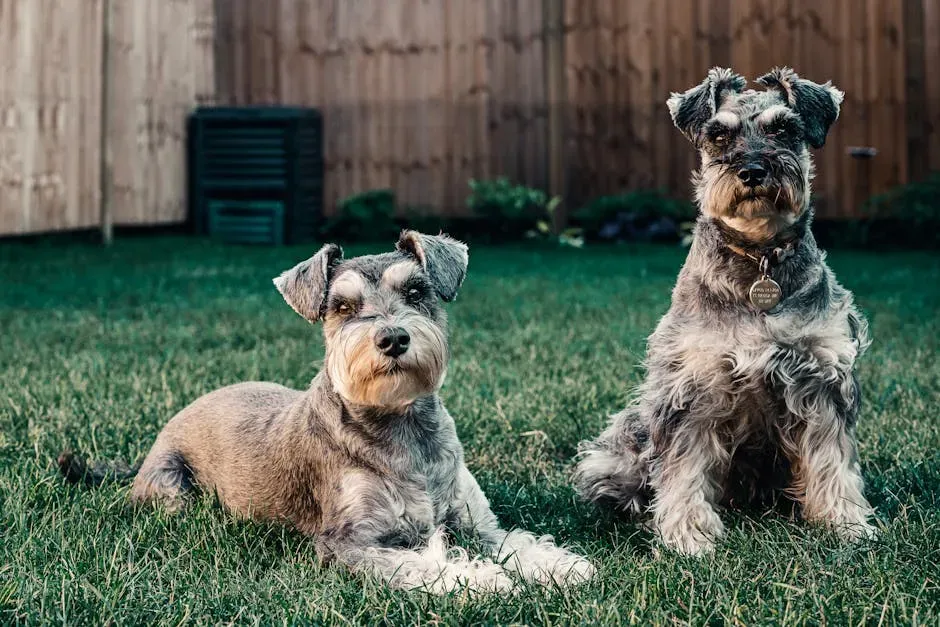
Miniature Schnauzers are alert, obedient, and thrive in homes where routines are upheld like sacred rituals. These dogs love knowing what’s coming next and can get visibly anxious if things feel off. They’re also excellent at “enforcing” the routine – so if bedtime is usually at 10:30, don’t be surprised if your Schnauzer glares at you from the hallway when you’re still watching TV at 10:45. You’re not just their owner – you’re their project.
Miniature Schnauzers might be small, but they have a strong need for consistency. These alert, lively dogs quickly learn the household schedule and depend on it for their sense of security. Changes in routine can leave a Schnauzer feeling unsettled. They love knowing when it’s time for their walk, meal, or cuddle session. By sticking to a routine, owners can help these dogs stay calm and well-behaved.
10. Beagle: The Scent-Driven Dog Who Loves a Set Timetable

Beagles are scent-driven but equally appreciate daily structure. Their lively nature calms when they know exactly when meals and walks take place. A routine helps curb their independent instincts and focuses their energy positively. Without that structure, let’s be real – a Beagle’s nose takes over, and suddenly your backyard is an archaeological dig site.
Beagles look forward to set times – their first stretches at dawn, lunchtime sniff adventures, and afternoon naps. In a routine, these soulful dogs channel curiosity into content companionship. Consistent meal schedules are especially important for Beagles, as their strong food drive can lead to overeating and weight gain if feeding times are erratic.
11. Vizsla: The Velcro Dog Who Syncs With Your Every Move

Vizslas are affectionate shadows who thrive on connection and consistency. They notice your habits and cling to them like glue. From the moment you pick up your coffee mug to when you turn off the lights, they’re with you. It doesn’t take long for a Vizsla to understand your pace, your preferences, and your daily groove. They don’t just live with you – they live like you.
Vizslas are exceptionally sensitive dogs. Missing a morning run or shifting bedtime by a couple of hours can genuinely unsettle them emotionally. Provide daily exercise, consistent affection, and a predictable home rhythm, and you’ll have one of the most devoted companions you’ve ever known. Honestly, it’s a beautiful thing – as long as you’re ready for that level of partnership.
Now for the Other Side: 5 Breeds That Are Happily Spontaneous
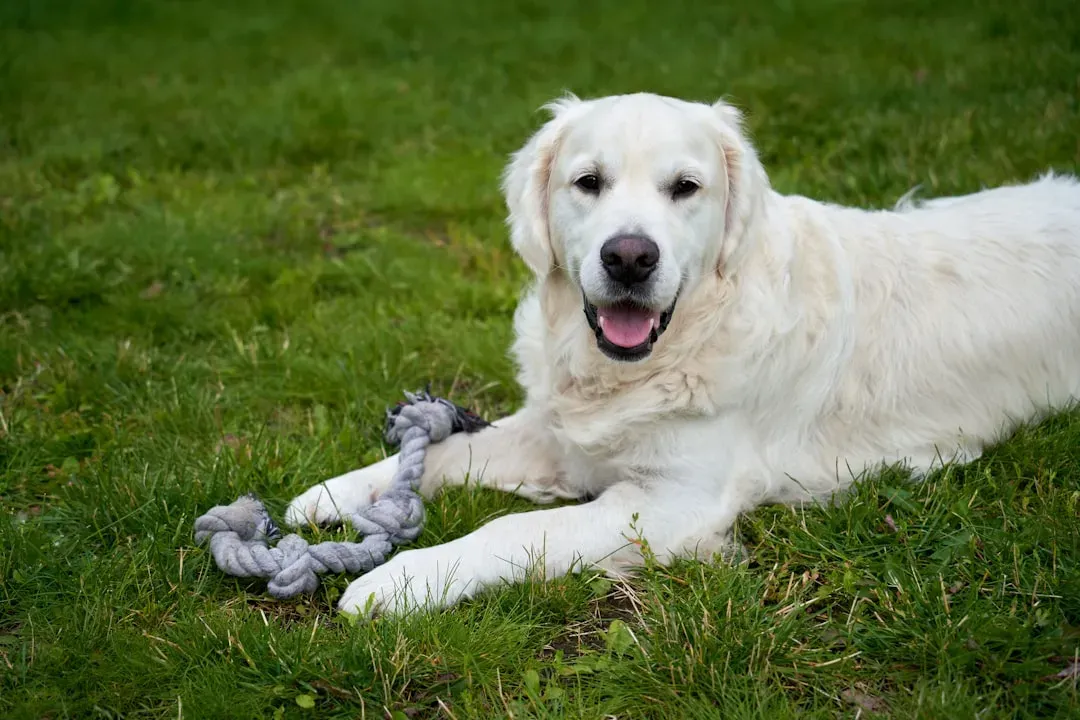
Not every dog watches the clock. Some breeds are built differently – wired to roll with whatever life throws at them without missing a beat. Easygoing dog breeds are the ultimate low-maintenance companions. They adapt quickly, go with the flow, and rarely raise a fuss, whether plans change or stay the same every day. These relaxed pups are perfect for people who want a loyal companion that doesn’t demand a micromanaged schedule.
If your lifestyle is more “let’s see what today brings” than “5:30 AM walk, no exceptions,” these five breeds might be your perfect match. They’re proof that structure isn’t a universal dog language – some pups speak pure flexibility.
12. Labrador Retriever (The Flexible Side): Happy Either Way
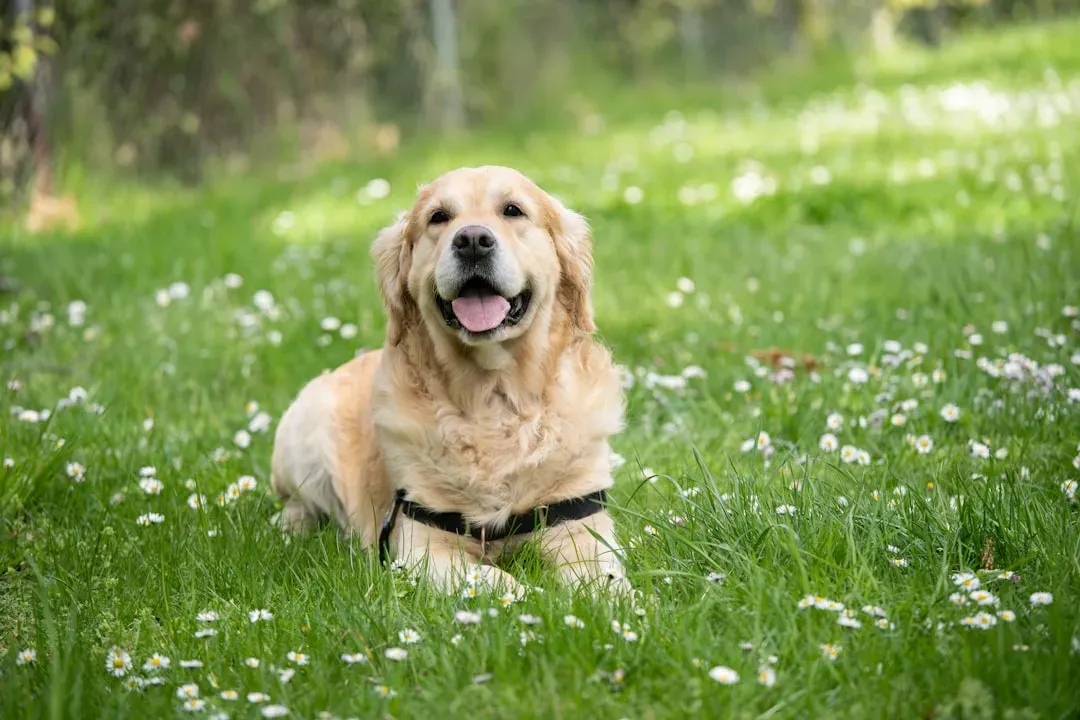
Labrador Retrievers are famously friendly and effortlessly adaptable. Whether you’re a homebody or constantly on the move, Labs are just happy to be part of the action – or the nap. They don’t stress over routine changes and are equally content jogging through the park or snoozing beside your feet during a quiet afternoon.
Interestingly, the Labrador straddles both worlds. They do well with routine, but they won’t fall apart without it. Their intelligence and eagerness to please make them highly trainable, allowing them to adapt to various living situations. Whether it’s a cozy apartment or a spacious house with a yard, Labradors adjust well as long as they receive ample exercise and companionship. They’re the golden middle ground of the dog world.
13. Whippet: The Sprint-Then-Snooze Artist
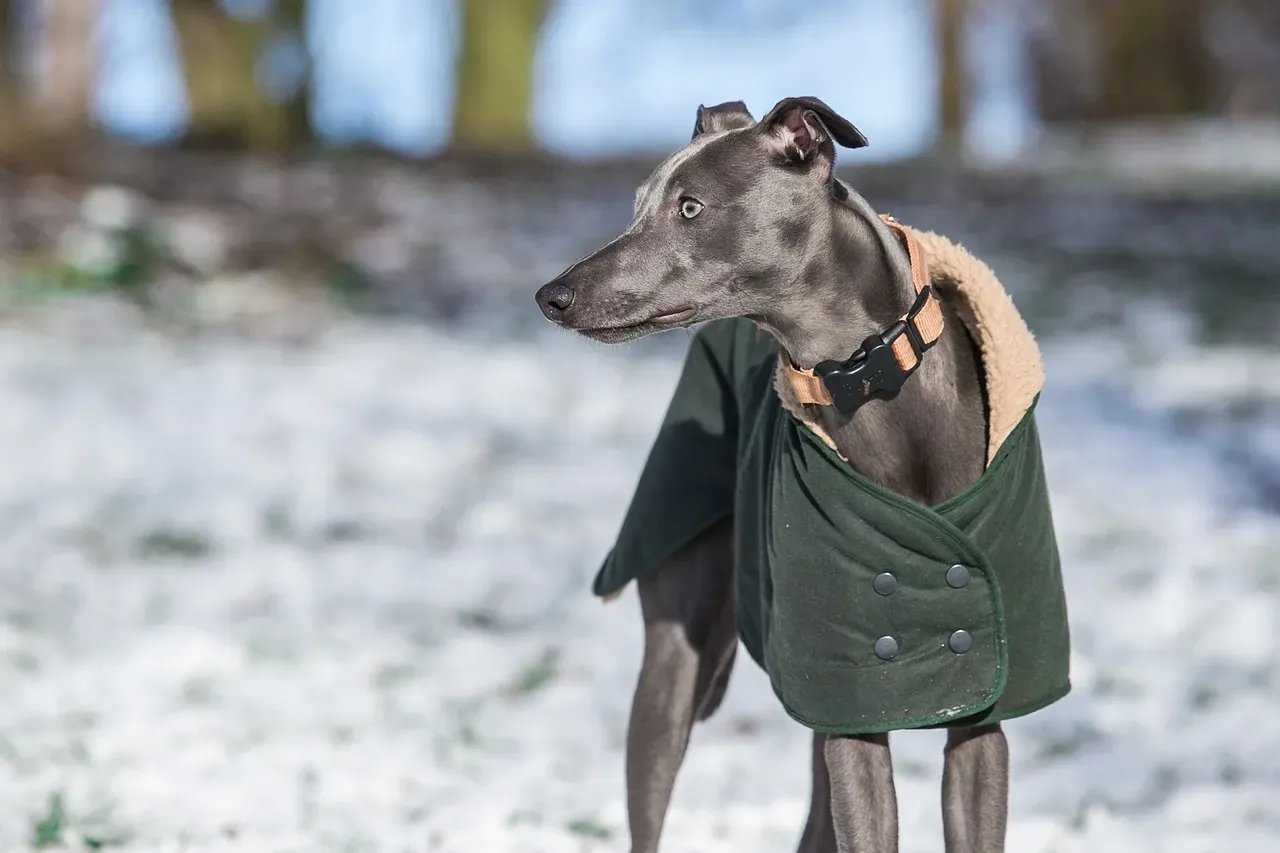
Whippets are gentle and adaptable dogs that thrive in various environments. Their calm demeanor makes them suitable for apartment living, provided they receive regular exercise. Whippets enjoy short bursts of activity, such as sprinting, followed by periods of rest, fitting well into different lifestyles. Their affectionate nature and ease of training add to their appeal as adaptable companions.
Whippets are sleek, graceful dogs with a surprisingly chill attitude. While they’re fast in short bursts, they spend most of their time lounging and recharging. Whippets don’t require intense schedules and are highly adaptable to routine shifts, making them great for people with inconsistent work hours or social calendars. They’re low-maintenance, affectionate, and more likely to be curled up in a blanket than demanding a five-mile run. Think of them as part sprinter, part luxury lounger – it’s a very charming combo.
14. Cavalier King Charles Spaniel: The Flexible Social Butterfly

Cavalier King Charles Spaniels are the social butterflies of the dog world, but without the diva demands. They adapt beautifully to city apartments, countryside cottages, and everything in between. Whether you’re active or prefer binge-watching cooking shows, Cavaliers are happy to tag along – or do absolutely nothing. They’re sweet, affectionate, and flexible, making them perfect for households with unpredictable routines or changing work-from-home schedules. As long as they’re near their people, they’re content.
Gentle, cuddly, and always happy to be by your side, Cavaliers make some of the best companion dogs for relaxed owners. They’re adaptable, intelligent, and eager to please, which makes them incredibly easy to train. Whether you live in a small apartment or a busy household, this laid-back breed fits in effortlessly and brings joy to every corner of your home.
15. French Bulldog: The Chill Urban Companion
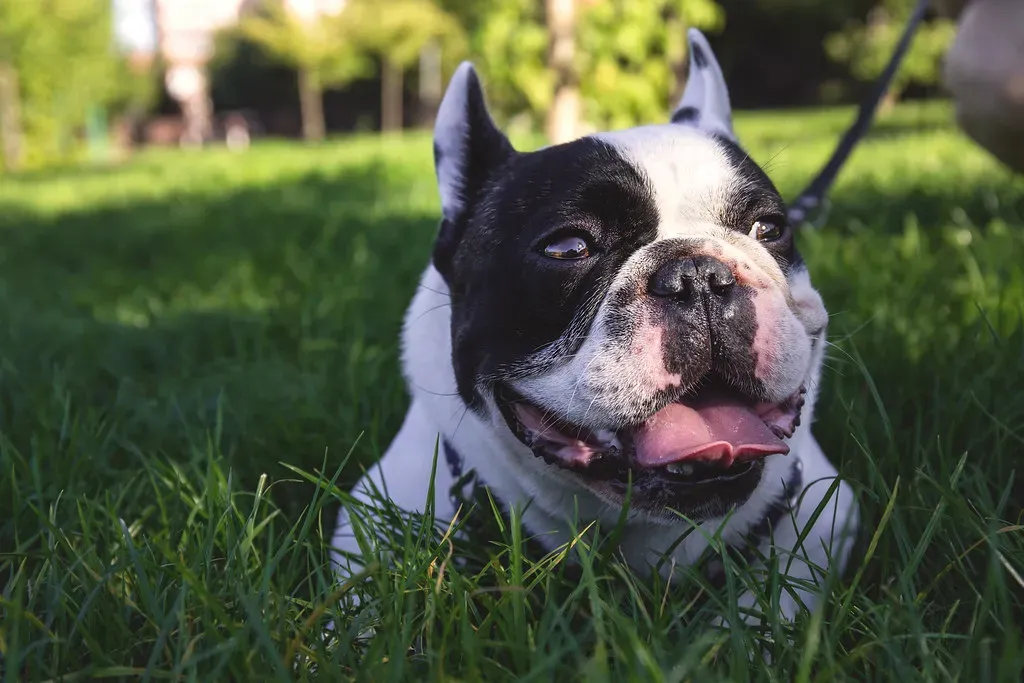
French Bulldogs bring a cozy rhythm to mornings, from sleepy snorts to unhurried stretches. Their compact size means quick walks fit between coffee sips, yet they still crave your attention. You feel needed without feeling rushed, which makes simple routines feel like shared rituals. But here’s the best part – they’re equally fine if those rituals change.
Frenchies are compact, muscular, and have a wonderfully calm demeanor. Their smooth coats are low-maintenance, and their relaxed nature makes them excellent apartment dogs and travel companions. Whether you live alone or with a family, this adaptable, easygoing breed fits right in. One health note worth remembering: due to their flat faces, Frenchies can struggle with breathing, so avoid intense exercise in hot weather and always monitor for respiratory signs.
16. Shih Tzu: The Easygoing Companion Who Goes With the Flow

Shih Tzus were originally bred to be companion dogs, which is evident in their flexible and easygoing nature. They adapt well to different types of environments and are content to be with their owners, regardless of the activity. It’s hard not to love a dog whose entire philosophy is basically “wherever you go, I’m good.”
Shih Tzus are remarkably resilient when schedules shift. They’re not going to alarm-bark at you because dinner is 20 minutes late or the walk happened at a different time today. Adaptable dog breeds can thrive in a range of settings, from cozy apartments to sprawling country homes, and they adjust well to changes in their living situations. These breeds are known for their resilience, easygoing nature, and ability to handle various social situations, travel, and environmental changes without undue stress. The Shih Tzu wears this description like it was written specifically for them.
How to Know What Your Dog Truly Needs

Here’s a simple behavior cue to watch for: if your dog starts acting restless, whiny, or anxious around specific times of day, that’s a strong signal they’ve mapped out a schedule in their mind – and something is disrupting it. Routine-dependent breeds often show stress through repetitive behaviors like pacing, excessive barking, or destructive chewing when their day feels off-script.
On the flip side, if your dog barely reacts when walks happen at random times or meals come late, congratulations – you’ve likely got a spontaneous soul on your hands. Dogs that thrive on extra care develop stronger bonds with their owners. Ultimately, choosing a dog breed that benefits from extra attention and routine is a commitment to a partnership built on structure, attention, and love. Know your dog. Match their needs. Everything flows from there.
A Final Thought for Every Dog Lover

Whether your dog lives by the clock or barely knows what time it is, the most important thing you can give them is understanding. Structure isn’t about control – it’s about speaking your dog’s language fluently. And flexibility isn’t laziness – it’s knowing your companion is wired for adventure.
Dogs that connect deeply with routines remind us that predictability can be comforting, amusing, and even essential to well-being. Each breed highlighted thrives on structured schedules for feeding, exercise, and play, demonstrating a remarkable ability to anticipate events. The spontaneous ones remind us that life doesn’t always need a plan to be good.
So here’s the takeaway: learn your dog’s rhythm, honor it, and you’ll build a bond that goes far deeper than feeding times and morning walks. You’ll build trust – and that, honestly, is the whole point. What does your dog’s ideal day look like? Drop it in the comments – we’d love to hear!


