
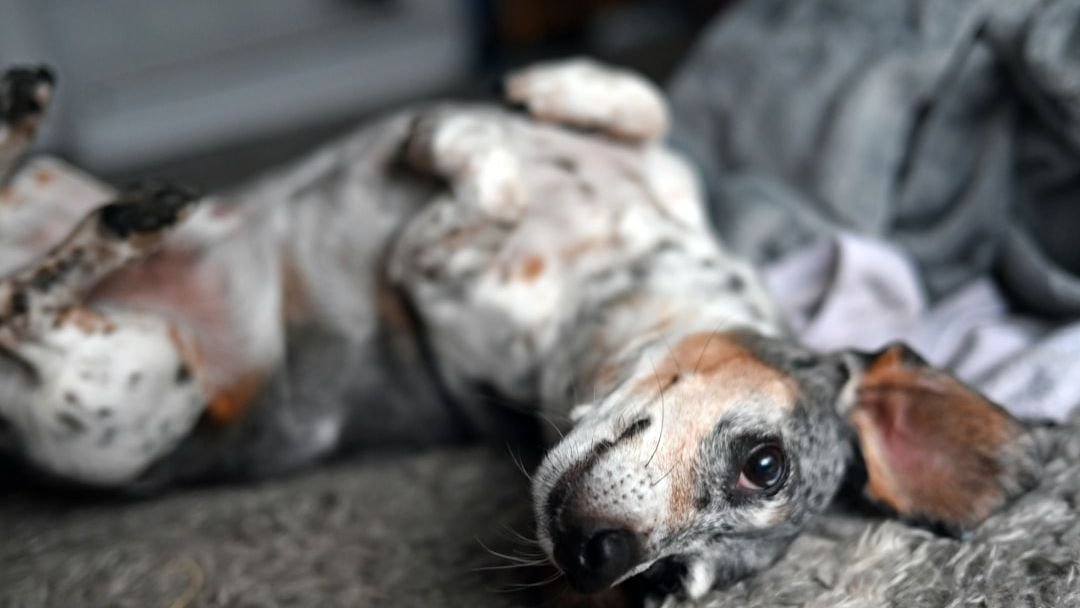
If you’ve ever watched your dog spin three times before flopping down on their perfectly good memory foam bed, you already know the truth: dogs are the universe’s greatest unintentional comedians. They don’t try to be funny. That’s exactly what makes them so brilliant at it.
From chaotic living room sprints to inexplicable butt-sniffing greetings, our dogs carry out their bizarre rituals with the complete confidence of someone who absolutely knows what they’re doing. Spoiler: there’s real science behind most of it, and honestly, knowing the “why” makes these moments even funnier. So buckle up, because we’re about to break down seven of the most hilariously relatable dog habits, what they really mean, and what you should watch out for. Let’s dive in.
The Zoomies: When Your Dog Becomes a Tiny Tornado
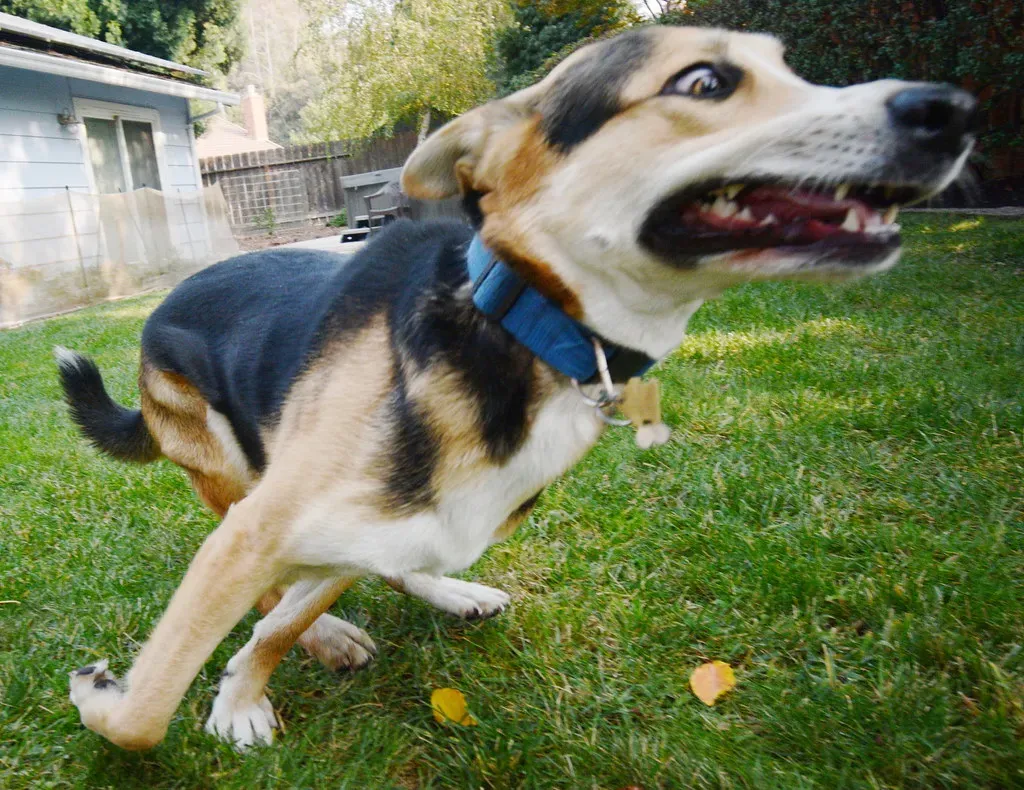
One minute your dog is perfectly calm, staring at the wall like a philosopher. The next? Pure, unhinged chaos. Your dog gets a crazy look in their eyes, tucks their butt, and takes off running wild laps around the house – a behavior that owners lovingly call “zoomies,” “crazy eights,” or “midnight madness,” but the official scientific term is frenetic random activity periods, or FRAPs. I think “midnight madness” is actually the most accurate name, especially if you’ve ever been woken up by a 60-pound Labrador at 2 a.m.
There is no known specific cause of FRAPs in dogs, but they appear to be a way to release pent-up energy or alleviate stress. A dog who has been home alone all day with nothing to do may feel the need to zoom around the house to expend some of that energy and get relief from hours of under-stimulation. Think of it like finally leaving a really boring meeting – except your dog uses their entire body to celebrate.
If your dog exhibits zoomies frequently or at inconvenient times, they may be telling you they need more exercise and mental stimulation. Otherwise, enjoy the adorable antics while they last! If your home has slick floors, consider putting down a few throw rugs to avoid injuries from spinouts until your pup grows out of the phase. Safety first, laughs second.
The Pre-Sleep Spin: Your Dog’s Ancient Bedtime Ritual

Here’s the thing – your dog has a plush, expensive bed. You picked it out carefully. Yet every single night, they circle it five times like they’re performing some kind of ancient ritual before finally, dramatically, lying down. Spinning in circles before lying down is instinctive behavior dogs have inherited from their wild ancestors. In the past, wild dogs would trample down vegetation and create a nest-like area to sleep in, providing warmth and protection from potential predators. While your dog likely doesn’t have the same environmental concerns as their ancestors, the instinct to circle before lying down can still be observed.
Dogs have scent glands in their paws, and when they step and turn, they leave behind pheromones that mark the space as theirs. This subtle form of communication reinforces a sense of security – for a dog, lying down in a “scented” area feels safer and more familiar, reducing anxiety. So your dog isn’t being dramatic. They’re just decorating their space.
Here’s the health tip nobody tells you: while occasional spinning is normal, excessive or obsessive circling can indicate underlying health or behavioral issues. Excessive spinning may be linked to cognitive dysfunction syndrome, common in senior dogs, or vestibular disease, which affects balance and coordination. If the spins start looking frantic or confused rather than purposeful, get your vet involved.
Butt Sniffing: The World’s Most Invasive Handshake
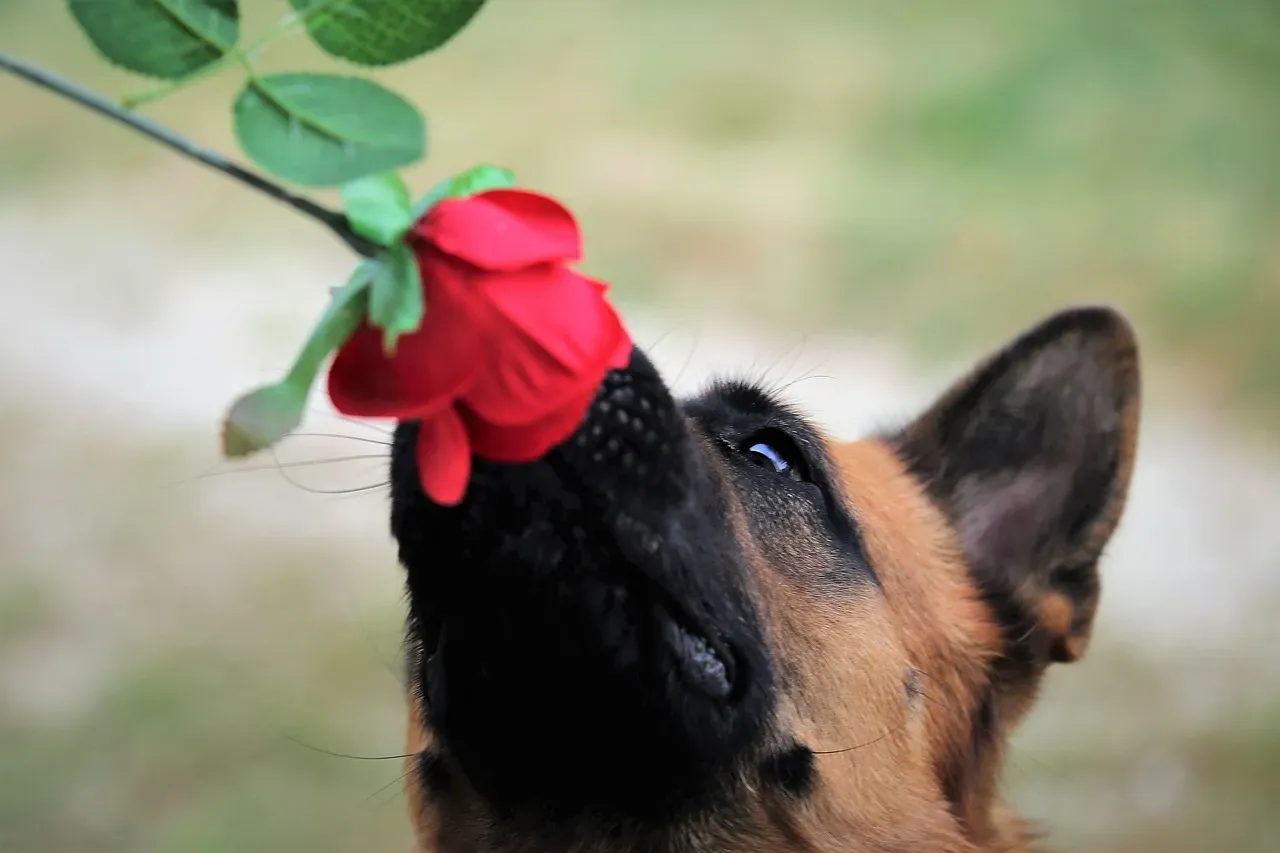
You take your dog to the dog park, feeling proud and responsible. Within five seconds, they’re nose-deep in a stranger dog’s rear end. Mortifying? Yes. Completely normal? Also yes. Dogs have scent glands around their rear that act like a biological name tag. A quick sniff tells them everything they need to know – age, diet, mood, even health status. Honestly, it’s more efficient than most human small talk.
A dog’s nose has an organ called Jacobson’s organ, which helps it process pheromones and gather information. By sniffing another dog’s rear end, they can learn details like gender, diet, emotional state, and even if the other dog is friendly. So while humans rely on small talk, dogs prefer a good butt sniff to break the ice. Imagine if we could skip the “So, what do you do?” conversation at parties.
The behavior cue to watch here is the energy around the sniff. Calm, mutual sniffing is healthy social behavior. Excessive or obsessive sniffing, however, can signal anxiety or other issues. If your dog’s sniffing seems excessive or disruptive, consider training techniques or consulting a vet. Keep it social, not stalker-ish.
The Head Tilt: Master of Emotional Manipulation

Let’s be real. You’ve used the words “walk” or “treat” near your dog at least once just to see them do it. The head tilt is arguably one of the most powerful moves in the animal kingdom. Dogs tilt their heads in response to certain stimuli or to gather more information about their surroundings. By tilting their heads, they can adjust the shape of their ears to better locate the source of a sound. Pure, calculated genius disguised as irresistible cuteness.
Some breeds with longer muzzles may tilt their head to broaden their range of vision, as seeing our facial expressions improves communication. In other words, your dog might be tilting their head not just to hear you better, but to actually read your face. If that doesn’t make you feel a little watched, I don’t know what will.
While this behavior is most often harmless, if you notice excessive or unusual head tilting accompanied by other concerning behaviors, it’s always a good idea to consult with a veterinarian to rule out any underlying health issues. A random tilt? Adorable. Constant tilting with loss of balance? That’s a vet visit waiting to happen.
The Belly-Up Flop: Full-Send Trust Fall
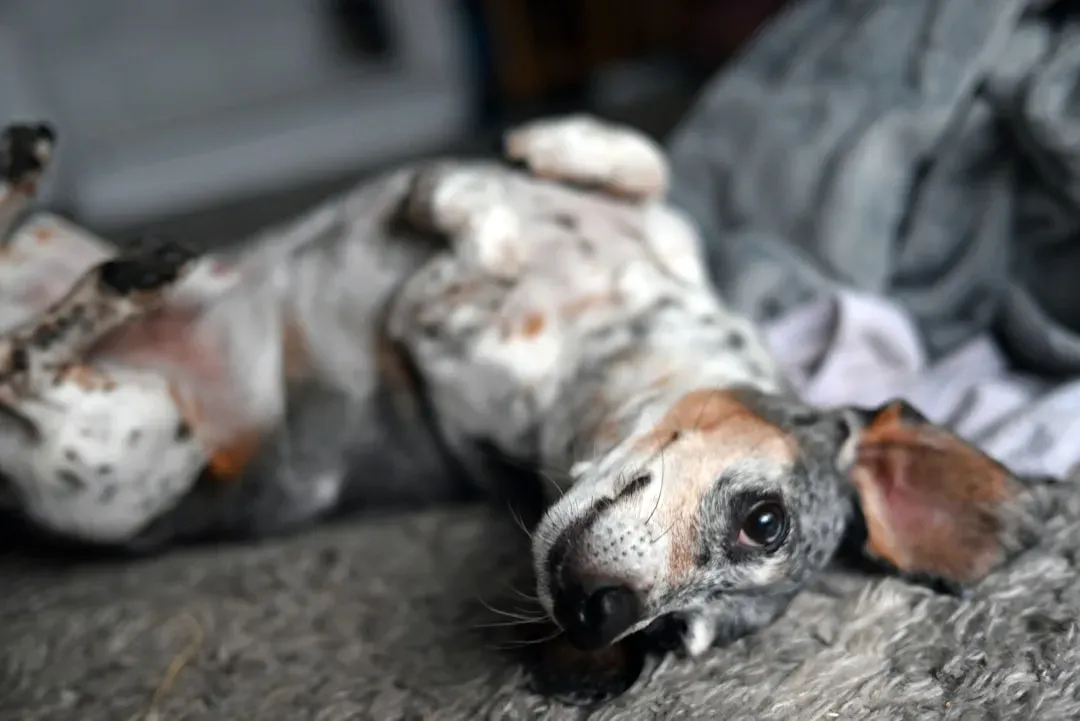
You walk into the room and your dog flips onto their back like they’ve been dramatically felled by an invisible force, legs akimbo, belly exposed, waiting. It’s equal parts hilarious and oddly touching. This vulnerable posture serves multiple purposes. It’s a clear signal that they trust you completely and see you as non-threatening. This submissive posture stems from puppyhood, when they’d roll belly-up to appease older dogs, and carries into adulthood as a gesture of respect and comfort with their human family.
There’s also a surprisingly practical reason behind the flop. Dogs lose the most heat through their paw pads and bellies. This is why you’ll often see them lying belly-up during warm weather – it’s an efficient way to regulate body temperature when they’re feeling overheated. So sometimes the dramatic flop is less about love and more about your dog using you for your air conditioning.
Still, the belly flop is a beautiful behavioral cue. A dog who rolls over freely and relaxes in that position around you is communicating deep trust. If a dog tucks their belly protectively or shows tension while exposed, that’s a sign they may be stressed or not fully comfortable. Read the room – or in this case, read the belly.
Tail Chasing: The Eternal Chase Nobody Wins
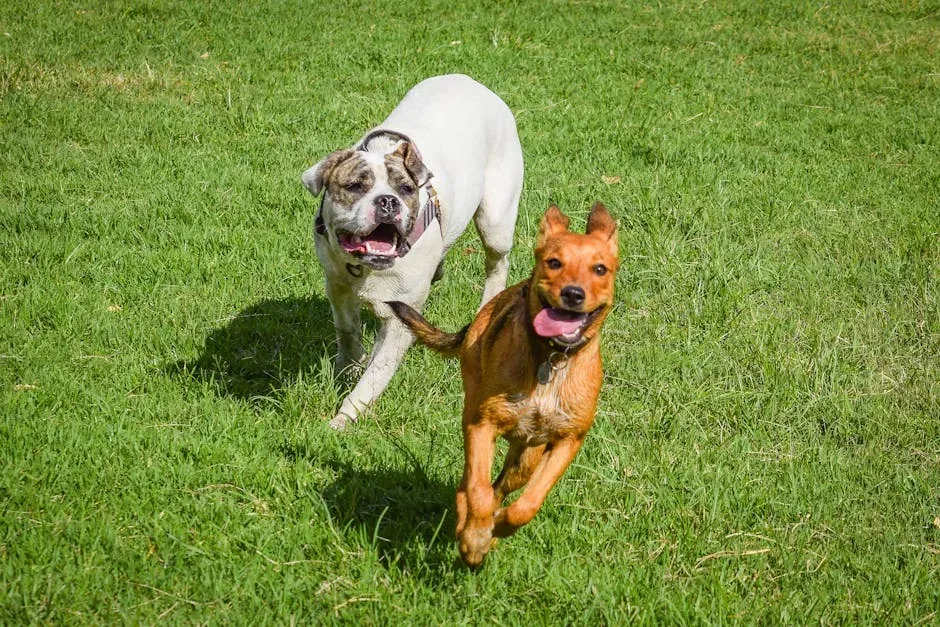
Imagine spending your afternoon chasing something you will never, ever catch, that is also physically attached to you. Welcome to your dog’s favorite solo sport. Tail-chasing behavior can be attributed to a combination of both instinctual behaviors and playfulness. Dogs have a natural inclination for play and may chase their tails as a form of self-amusement – it’s simply fun for them. They may also do it as a form of attention-seeking behavior, as they learn that tail chasing results in a positive response from the people around them.
Puppies are known for chasing their tails because they’re still learning about body awareness. They may not realize that their tails are a part of their body, and it can be an enticing thing to chase. Tail chasing can also be an indicator of boredom. So if your dog is spinning after their tail on a Tuesday afternoon, maybe it’s time for a walk or a puzzle toy.
Here’s where it gets less funny and more important: it comes down to whether you can distract your dog from this behavior. If your dog would rather chase their tail than go for a walk, they may have a compulsive disorder, and a veterinary assessment may be needed. Studies also show that tail-chasing can be influenced by factors such as diet, genes, or puppyhood experiences, and research has found that dogs given vitamins with food are less likely to exhibit this behavior.
Rolling in Disgusting Things: Your Dog’s Favorite Perfume Counter
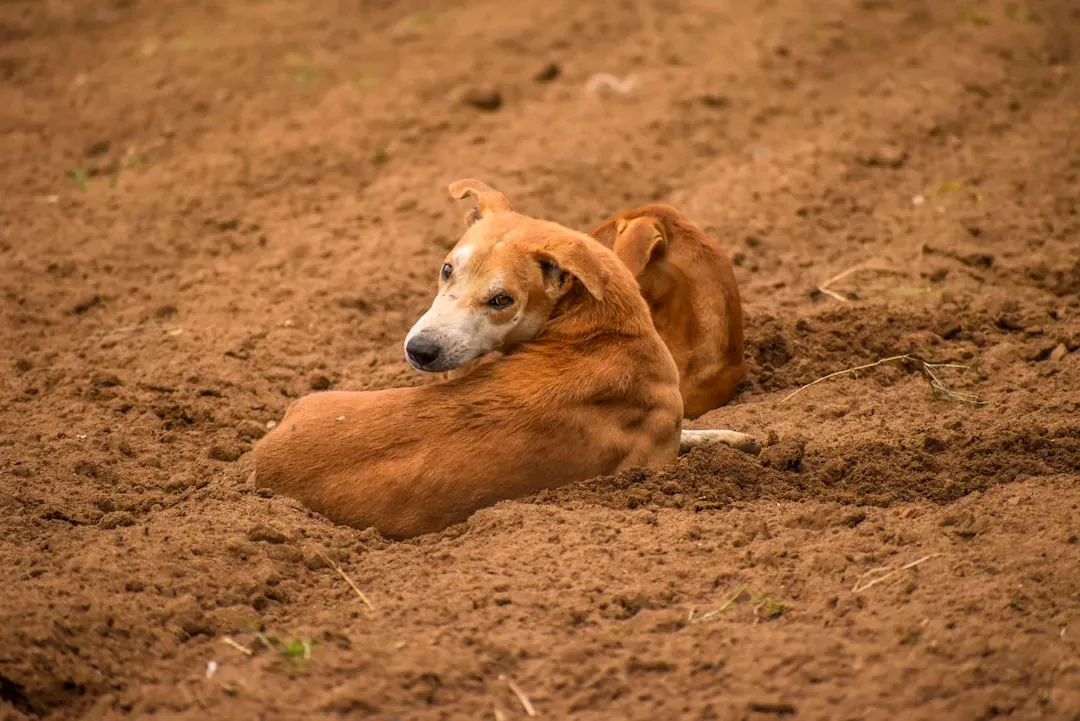
You’ve just given your dog the most thorough bath of their life. They smell like lavender and fresh promises. You open the back door for five minutes. They come back smelling like they found a dead fish wearing old cheese. This behavior likely stems from their wild ancestors, who rolled in strong scents to mask their own smell. It’s an instinctual camouflage trick, though it doesn’t make your job at bath time any easier.
Wild canines rolled in strong scents to mask their own smell while hunting. Rolling in strong scents also served as a form of canine communication, letting them share interesting “discoveries” with their pack. So when your dog rolls in something foul and then trots proudly toward you, they’re genuinely trying to share news. Aren’t they thoughtful.
Honestly, there’s no real health risk here unless your dog is rolling in something toxic, like pesticide-treated grass or animal remains that could carry bacteria. Prevention tip: keep your dog on a leash in areas where there’s a lot of wildlife activity, and do a quick sniff check after off-leash time. Stock up on dog shampoo. You’ll need it.
Your Dog Is Hilarious, and That’s the Whole Point
Every spin, every zoomie, every sideways head tilt is your dog being absolutely, authentically themselves. For all of their odd, goofy, and downright disgusting habits, somehow that just makes us love them all the more. Understanding the “why” behind your dog’s weird behavior can give you insight into their mental state, and in some cases might even tip you off that something’s not quite right with their health.
The behaviors that make us laugh are often the same ones telling us something important. Paying attention to frequency, intensity, and context can be the difference between a funny story to tell at brunch and an early catch of something that needs veterinary attention. If something seems excessive, out of character, or is paired with other symptoms like lethargy, aggression, or loss of appetite, it’s always a good idea to check in with your vet.
So the next time your dog does something completely unhinged, take a breath, maybe grab your phone to record it, and then really look at them. They’re not broken. They’re not weird. They’re the funniest, most loyal little creatures on the planet, and they chose you as their audience. What more could you ask for? Which habit does your dog nail the best? Tell us in the comments – we’d love to hear your stories.


