
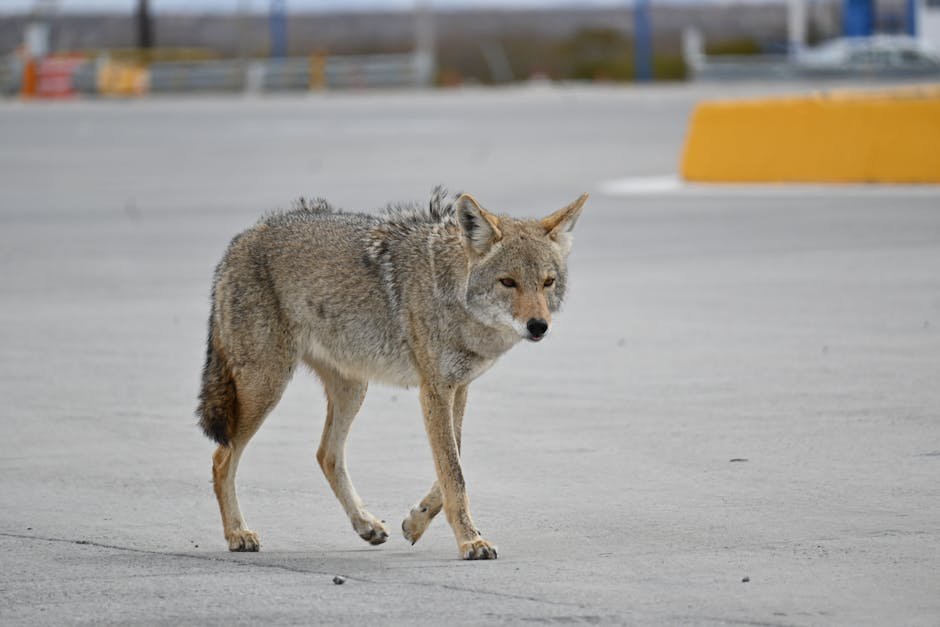
Meriwether, Georgia – Residents in this quiet community faced a disturbing sight when multiple dead coyotes appeared draped along a neighborhood fence. The display, attributed to local resident Eli Perrin, quickly drew complaints from neighbors who described the scene as unnecessary and upsetting. Authorities have since weighed in, clarifying the legal boundaries of such actions amid growing tensions.
The Grisly Discovery
Neighbors first noticed the carcasses hanging from the fence, a stark and unexpected addition to the everyday landscape. The coyotes, killed through legal hunting methods, were positioned in a way that made them visible to passersby and those living nearby. This bold presentation caught many off guard, transforming a routine view into something profoundly unsettling.
Word spread rapidly through the community, with initial reports highlighting the shock value of the setup. Some residents expressed immediate discomfort, noting the daily exposure to the remains. The incident unfolded without prior warning, amplifying the sense of intrusion for those affected.
Video footage available here. Viewer discretion advised.
Community Outrage Builds
Local residents voiced strong objections, emphasizing the emotional toll of confronting the display each day. Families with children found the sight particularly distressing, prompting calls for its prompt removal. Social media amplified these sentiments, turning individual frustrations into a collective uproar.
Complaints centered on the perceived cruelty, even if the animals were not endangered. Many argued that private property rights should not override community standards of decency. Discussions in local groups revealed a divide, with some viewing it as an affront to shared neighborhood values.
Perrin’s Public Defense
Eli Perrin, identified as the property owner responsible, addressed the backlash directly on social media. He portrayed the arrangement as a straightforward showcase of his hunting achievements. Perrin maintained that the coyotes posed a threat to local livestock and posed no issue under state regulations.
His response framed the display as a practical deterrent against further coyote incursions. Supporters echoed this view, pointing to the animals’ reputation as nuisances in rural areas. Yet, the online exchange only heightened the controversy, drawing more attention to the fence.
Legal Clarity from Authorities
Officials from local wildlife management confirmed the legality of the display. Coyotes hold no protected status in Georgia, allowing hunters broad latitude in handling their kills. This ruling quelled any immediate enforcement actions but did little to ease neighbor concerns.
State laws permit such practices on private land, provided no public health violations occur. Experts noted that while distasteful to some, the act fell within established hunting norms. The confirmation shifted focus back to the community, where dialogue continued.
Balancing Rights and Sensitivities
The episode underscores ongoing tensions between individual freedoms and collective comfort in rural settings. Here are key aspects of the debate:
- Hunting traditions remain deeply rooted in Georgia’s culture, supporting population control.
- Urban-rural fringes often clash over visible wildlife management practices.
- Property owners enjoy wide discretion, absent specific ordinances.
- Community feedback can influence local policies over time.
- Non-protected species like coyotes face fewer restrictions nationwide.
Such incidents highlight the need for clearer guidelines on displaying hunting trophies. While legal, the approach risks alienating neighbors and escalating disputes.
Key Takeaways
- The display is fully legal under Georgia law for non-protected coyotes.
- Neighbors prioritize aesthetics and sensitivity over hunting rights.
- Social media played a pivotal role in amplifying both sides.
This Meriwether case serves as a reminder that what one person sees as a rightful display can unsettle an entire community. As discussions persist, finding common ground may prove essential for harmony. What do you think about the balance between hunting rights and neighbor concerns? Share your views in the comments.


