

#1. Pit Bull Terrier
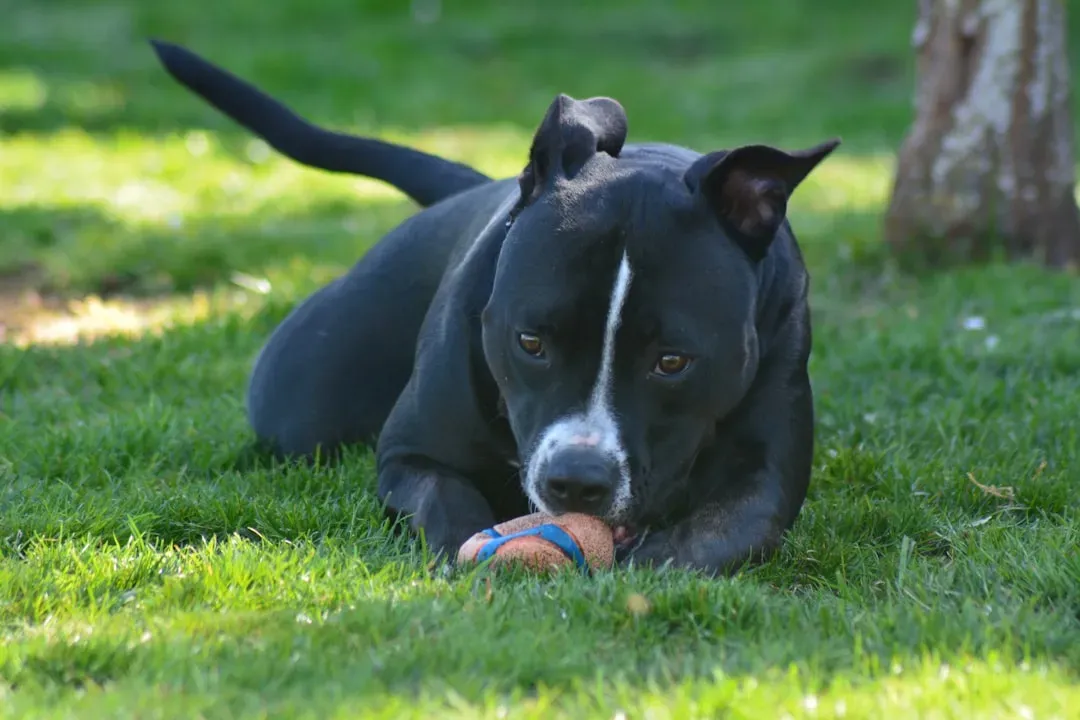
No list like this can start anywhere else. According to data from the World Animal Foundation, Pit Bulls have the greatest frequency of bites at roughly two thirds of all recorded incidents, including 346 deaths between 2005 and 2019. That’s a staggering figure, even when you account for the breed’s widespread popularity.
Statistically, Pit Bulls are 2.5 times more likely to bite multiple areas of the body during an attack, 2.7 times more likely to initiate attacks off their owner’s property, and roughly a third more likely to attack strangers compared to other breeds. Still, context matters enormously here. Many experts argue that Pit Bulls with aggressive behavior are a reflection of their experiences, often kept in high-risk environments or owned by individuals involved in dog fighting.
#2. Rottweiler

Rottweilers are frequently cited in dog attack statistics, and one widely referenced JAVMA study found that Rottweilers were responsible for roughly one in ten dog bite-related fatalities, making them the second most common breed involved in such incidents. They’re powerful dogs with an imposing build, and that combination carries real consequences when aggression surfaces.
Known for their impressive size and intimidating demeanor, Rottweilers are often employed as guard dogs, and their territorial instincts and protectiveness can manifest as aggression if not channeled appropriately through training and socialization. Owners who underestimate a Rottweiler’s strength or skip structured training are essentially rolling the dice. Breed alone does not determine aggression – owner behavior, training, and neglect are the leading factors in most severe and fatal attacks.
#3. German Shepherd

According to the American Veterinary Medical Association, German Shepherds are among the breeds most frequently represented in serious biting incidents. This isn’t entirely surprising given how common the breed is, particularly in homes where it’s been selected for its protective instincts rather than its family temperament.
Highly intelligent and protective, German Shepherds tend to make great guard dogs and are the primary choice for law enforcement and military applications. However, if trained as a guard dog, their intelligence and size means a German Shepherd bite can do catastrophic damage or even cause fatalities. While generally friendly and intelligent, German Shepherds can exhibit aggressive behavior if not adequately trained and socialized, as their strong prey drive and protective instincts can make them prone to biting when they feel threatened.
#4. Chow Chow

Chow Chows are distinctive dogs with a lion-like mane and an aloof demeanor. They have a notable record in bite statistics, having severely harmed dozens of people, including a disproportionate number of children, over several decades, highlighting that even seemingly calm breeds can pose a risk without proper handling. Their fluffy, teddy-bear appearance routinely lulls people into a false sense of security.
Chow Chows tend to have dominant personalities and can become assertive or aggressive at times if not trained correctly. They also tend to have poor peripheral vision, which allows them to be easily startled and can trigger defensive aggression. They are intelligent and strong-willed, traits that don’t make them ideal for first-time pet parents, though they are loyal to those they love. That loyalty doesn’t translate into universal patience – especially with strangers invading their space.
#5. Doberman Pinscher
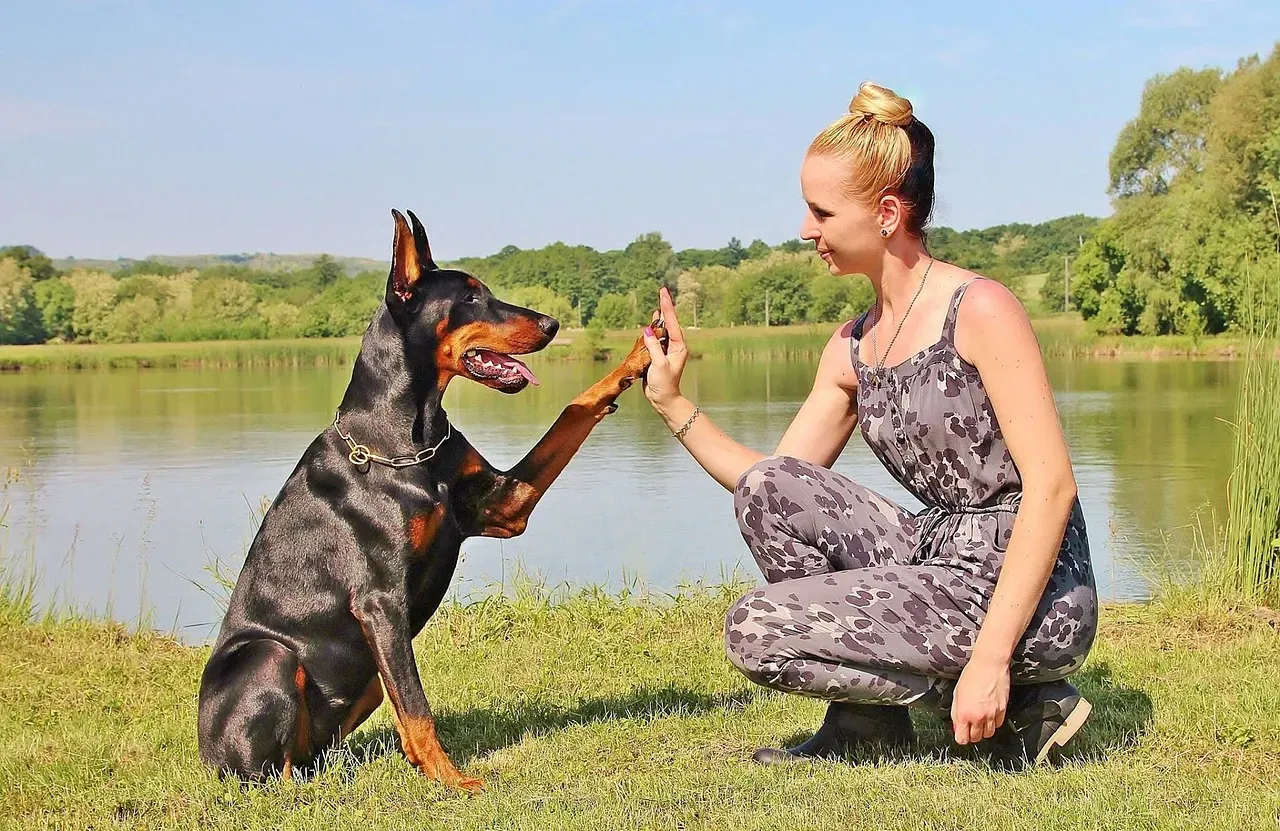
Listed as a “working” dog by the AKC, the Doberman Pinscher ranges in size from 70 to 90 pounds on average and was originally bred for protection. That origin shapes almost everything about their behavioral profile. A Doberman’s temperament is typically intelligent, alert, and fiercely loyal to their family, courageous and highly protective – but they can also be wary of strangers if not properly socialized from a young age.
Dobermans need a strong leader and consistent training to channel their protective instincts positively. With proper guidance, they are confident, obedient, and make excellent family members – but without it, their natural wariness and power can become problematic. This breed is more likely to bite when feeling threatened or when its territory is perceived to be intruded upon. An owner who lets boundaries slip often becomes the first person to experience that firsthand.
#6. Jack Russell Terrier

This one catches people off guard every time. A small, wiry dog with oversized energy – how dangerous can it really be? A University of Pennsylvania study of 6,000 dog owners found that small breeds like Jack Russell Terriers showed higher rates of aggression than many feared breeds, and that one in five Dachshunds had bitten or tried to bite strangers. Similar patterns appear with Jack Russells across multiple studies.
Russell Terriers tend to be highly energetic and stubborn, which can lead to training issues. With low patience levels, they are not typically tolerant of children and are more likely to lash out at children when they feel threatened. The saving grace is their size – their bites rarely cause the same physical damage as larger breeds. Media bias and reporting patterns also contribute to certain breeds being associated with higher attack rates, and big dogs that attack are far more likely to be formally reported than smaller dogs. Jack Russell bites are almost certainly undercounted.
#7. Siberian Husky
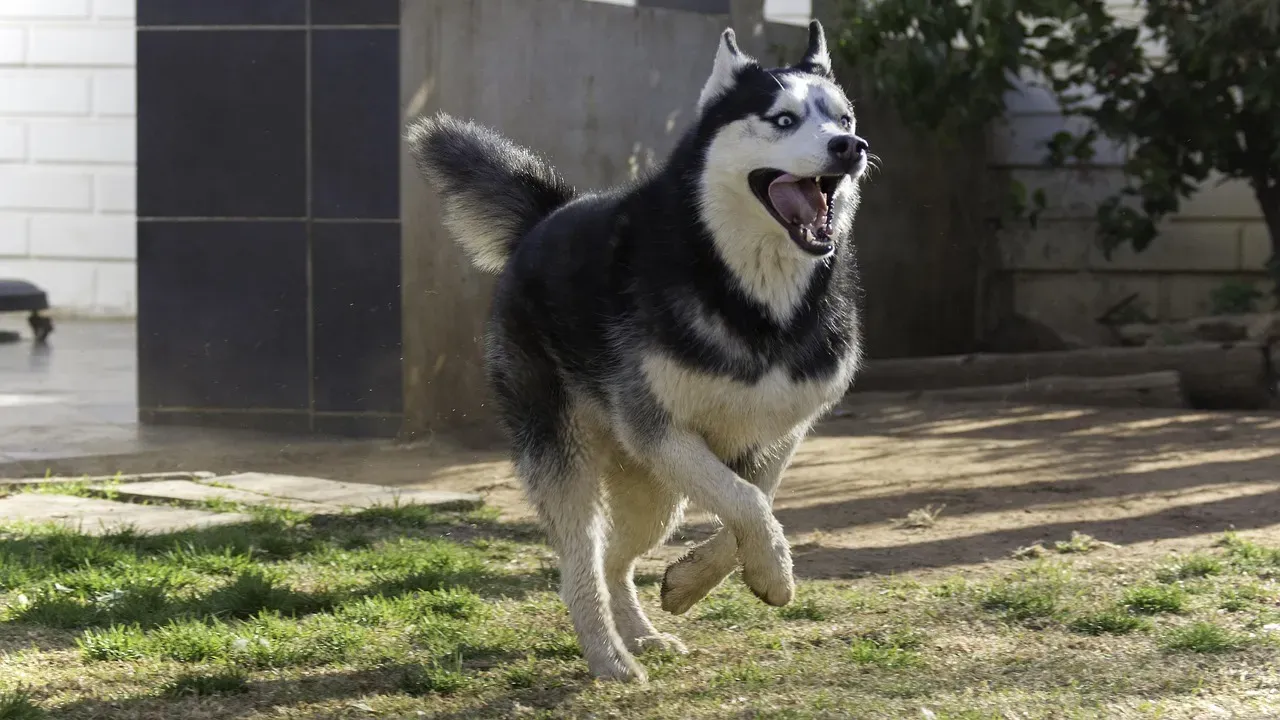
Huskies look magnificent, and their wolf-like appearance makes them one of the most photographed breeds on social media. That popularity has a downside. Siberian Huskies have been linked to a notable number of fatal attacks over a recent multi-year period, a figure that surprises most owners given the breed’s outwardly playful reputation. Much of the problem ties directly to how the breed is managed.
Certain breeds are frequently mentioned due to their size, strength, and historical roles in guarding or protection, which can sometimes lead to aggressive behavior if not properly managed. Breeds such as Huskies are often cited in this context. Huskies have an exceptionally high prey drive rooted in their working sled-dog ancestry. When that drive isn’t channeled through regular, vigorous exercise and structured boundaries, it can redirect in unpredictable ways. Since 2016, more than 80 different breeds and mixed breeds have been reported in fatal dog attacks, demonstrating that no single breed is uniquely responsible.
#8. Labrador Retriever

If there’s one entry on this list guaranteed to surprise readers, it’s this one. Pit Bulls cause more dog bite injuries overall, but Labrador Retrievers consistently come in second place for total biting incidents. Given that the Labrador has ranked as America’s most popular breed for decades, sheer population size plays a major role – more Labs means more chances for a bite to occur.
In one widely cited study, the most common biting breeds included Labrador Retrievers, Rottweilers, German Shepherds, and Golden Retrievers – which supports the evidence that most dog bites come from family pets, given that these are commonly recommended breeds for families with children. A Lab’s naturally friendly temperament doesn’t make it immune to biting under stress, pain, or fear. All dogs can bite and attack, even if they have never shown any aggression or viciousness. With the Labrador, it’s that very assumption of safety that sometimes makes owners less vigilant.
What the Data Really Tells Us
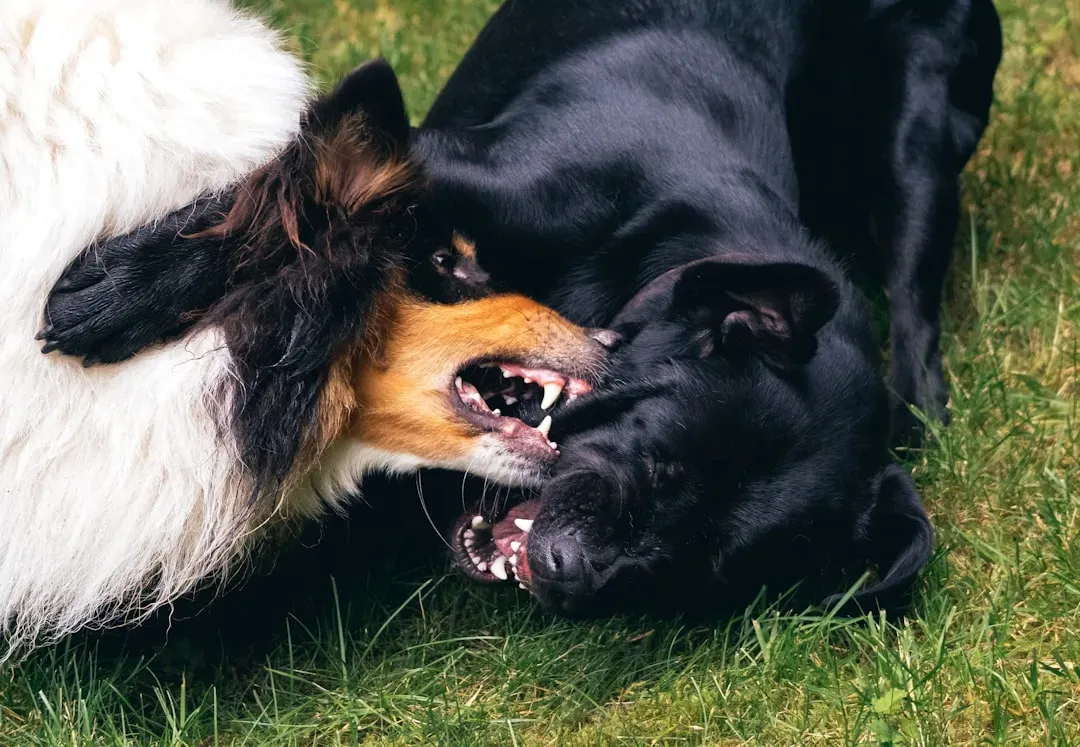
It would be dishonest to present these eight breeds as simply “dangerous” dogs and leave it there. A dog’s behavior is not solely determined by its breed – factors such as training, socialization, environment, and individual temperament all play significant roles. The breeds above appear in bite statistics partly because of their physical traits and partly because of how they’re raised and handled.
Roughly 60 to 80 percent of U.S. dog bites happen from unneutered male dogs, and unneutered dogs are 2.6 times more likely to bite people and other dogs. Chained dogs bite 2.8 times more than unchained dogs. These are controllable variables. The breed on the tag matters less than the life inside the collar. Owner responsibility, training, socialization, and proper restraint are the defining factors, and with stronger education and consistent enforcement of basic safety measures, many of these injuries could be avoided.
Conclusion
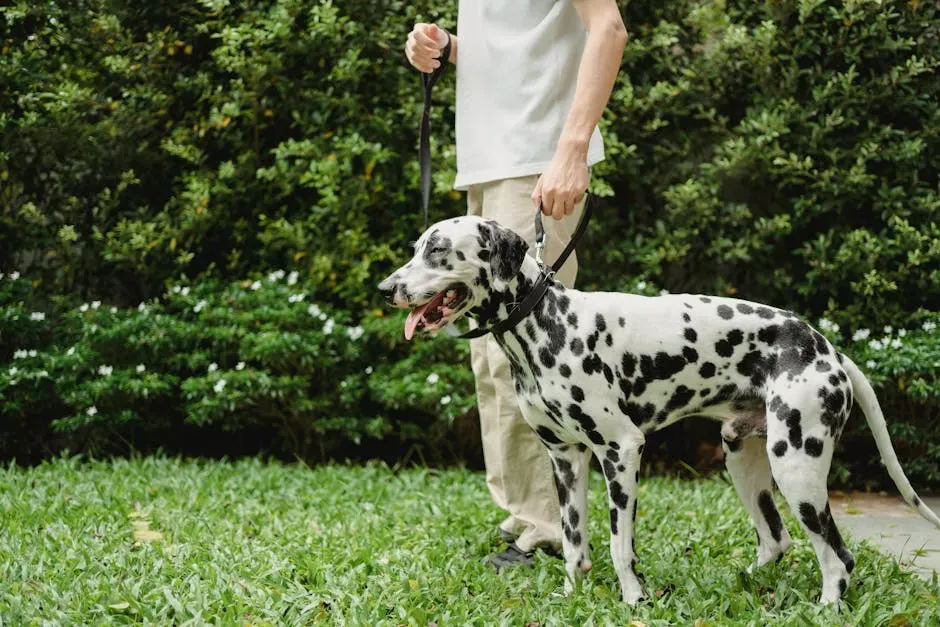
The uncomfortable reality is that the dog most likely to bite you is probably one you already know and trust. These eight breeds appear repeatedly in bite data not because they are inherently evil or broken, but because their size, strength, history, or sheer numbers create the conditions where an incident, if it happens, gets noticed, reported, and remembered.
Every entry on this list has produced loyal, gentle, beloved companions. Every entry has also produced serious injuries. The difference usually comes down to the human on the other end of the leash. Dog ownership comes with profound rewards, but also real responsibilities – and recognizing the risks is the first step toward prevention, accountability, and safer communities for people and pets alike.
So before you bring any of these breeds home, ask yourself an honest question: are you truly prepared to meet their needs, or are you just drawn to the dog they could become rather than the work required to get them there? That question, more than any breed list, is where responsible ownership begins.


