
#1. American Pit Bull Terrier
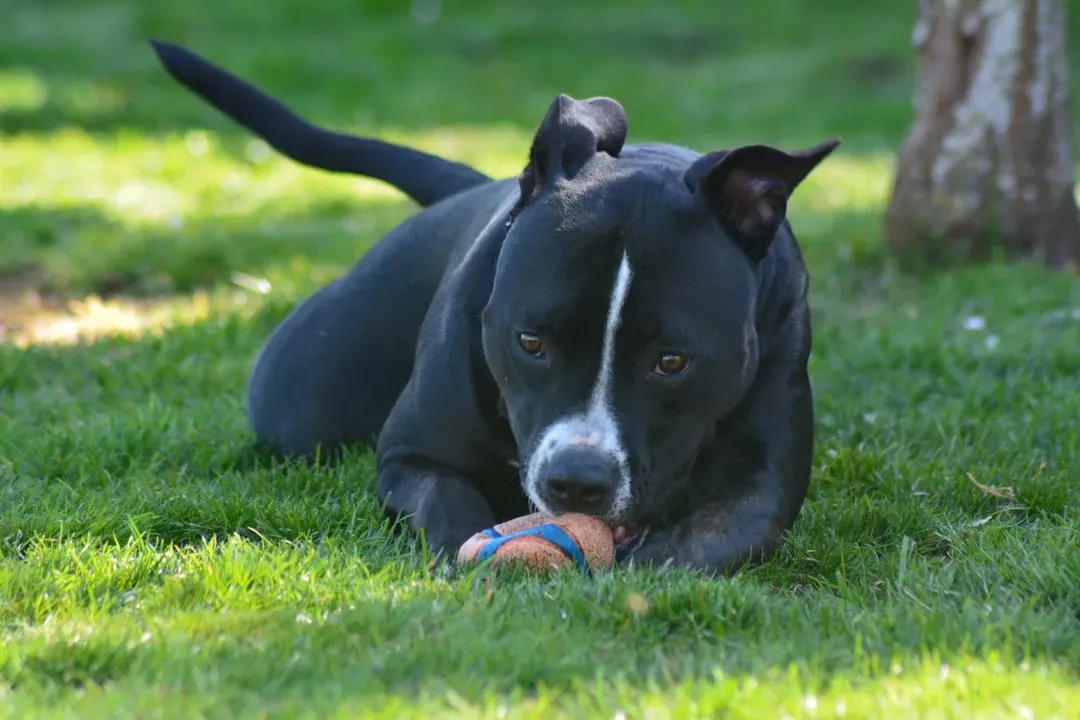
No breed appears more consistently in fatal attack data than the Pit Bull. Pit bull-type dogs are consistently identified in the highest number of fatal attacks, and between 2005 and 2019, they were involved in 346 out of 523 fatal dog attacks, which amounts to roughly two thirds of all recorded fatalities. Those numbers are difficult to argue with, regardless of how many heartwarming rescue stories circulate online.
Their powerful 235 to 260 PSI bite force, combined with a hold-and-shake biting style, causes severe injuries, and when they attack they tend to cause severe damage by biting repeatedly and holding onto objects or persons. Pit Bull terriers are the most likely dog breed to attack someone they don’t know, and they are statistically more likely to attack without any prior provocation. That combination of physical power and unpredictability is what places them firmly at the top of this list.
Many insurance companies won’t cover Pit Bull owners, and some apartment complexes ban them completely. However, many Pit Bulls are gentle, and their strength and bite force are what demand careful consideration rather than blanket condemnation. The reality is that this breed, in the wrong household or in the wrong hands, carries consequences that can be irreversible.
#2. Rottweiler
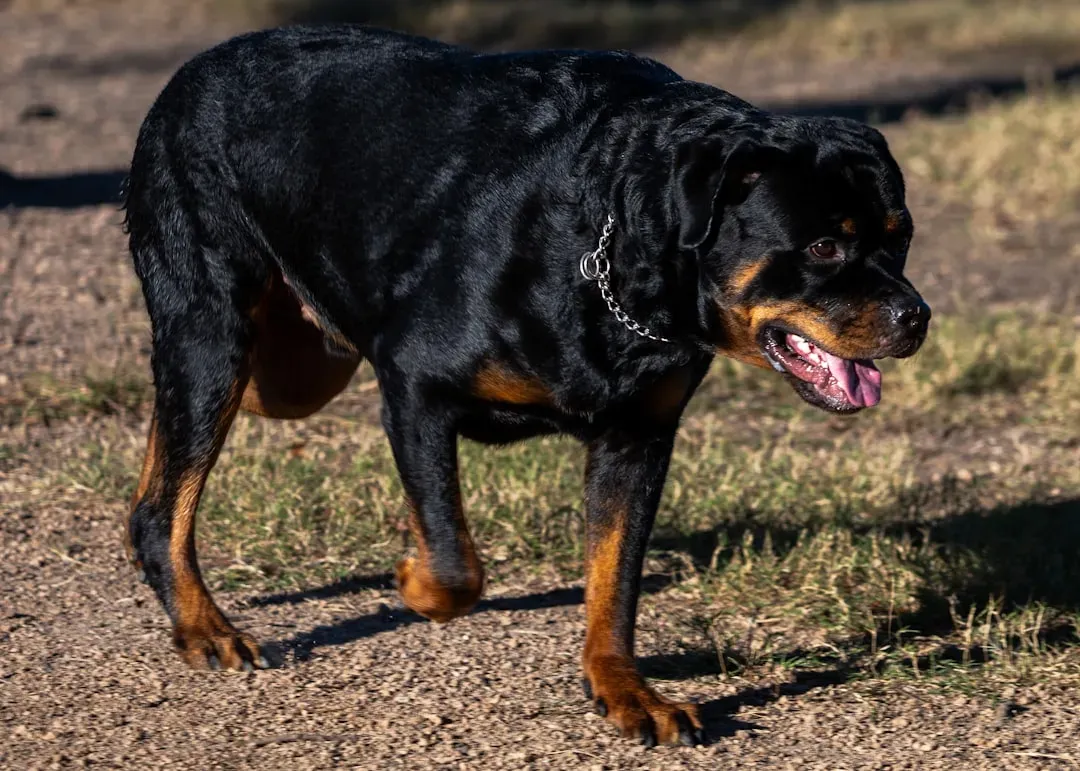
Rottweilers are the second most frequently identified breed in fatal dog attacks, with 52 deaths recorded between 2005 and 2019. These powerful dogs can weigh up to 120 pounds and have a bite force of roughly 328 PSI, which is enough to break bones. Originally bred as herding and guarding dogs in Germany, their protective instincts run extraordinarily deep.
Together, Pit Bulls and Rottweilers were involved in approximately three quarters of all fatal dog attacks, and although both breeds make up only about six percent of dogs in the US, they are responsible for the majority of fatal attacks. Some countries restrict Rottweiler ownership, and many insurance companies consider them a high-risk breed. Without early, consistent, and expert-level training, a Rottweiler’s guardian instincts can quickly tip into something far more dangerous, especially around strangers or unfamiliar children.
#3. German Shepherd
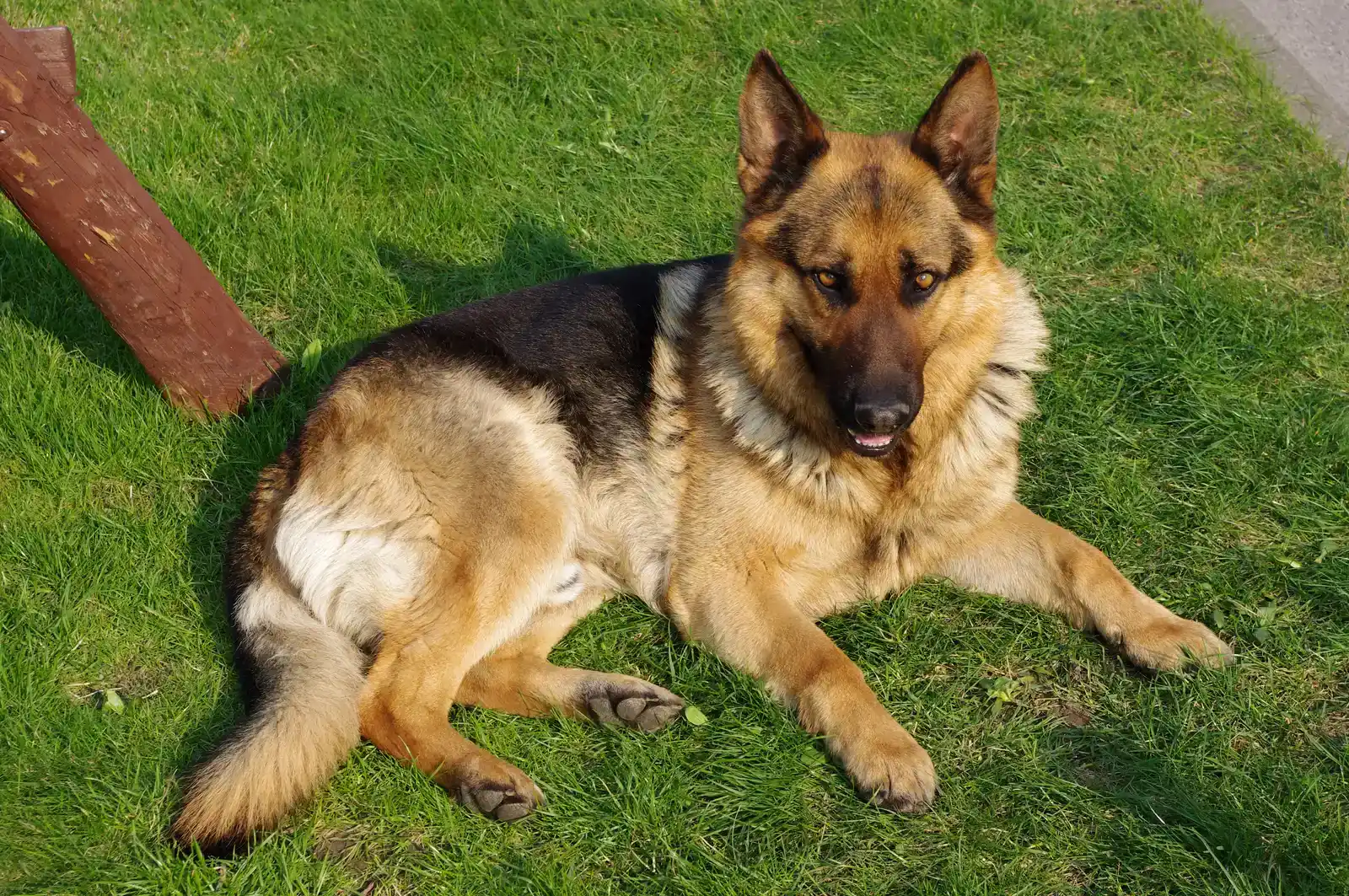
German Shepherds are one of the most popular dog breeds in America, frequently appearing in bite statistics. As highly intelligent, loyal, and versatile dogs, they often work in police, military, and security roles that require controlled aggression, and in everyday life that protective instinct can manifest as a bite if the dog perceives a threat to its owner or territory. They are not random attackers, but their threat-assessment instincts are finely tuned and can misfire.
German Shepherds, with a bite force of 238 PSI, were responsible for roughly four percent of fatal dog attacks in multi-year data sets. German Shepherd owners should invest time and effort in training their dogs from an early age, including basic obedience training, socialization, and addressing any potential behavioral issues, because with proper training and guidance, German Shepherds can thrive and become well-balanced, obedient pets. The problem is that too many owners skip that investment entirely.
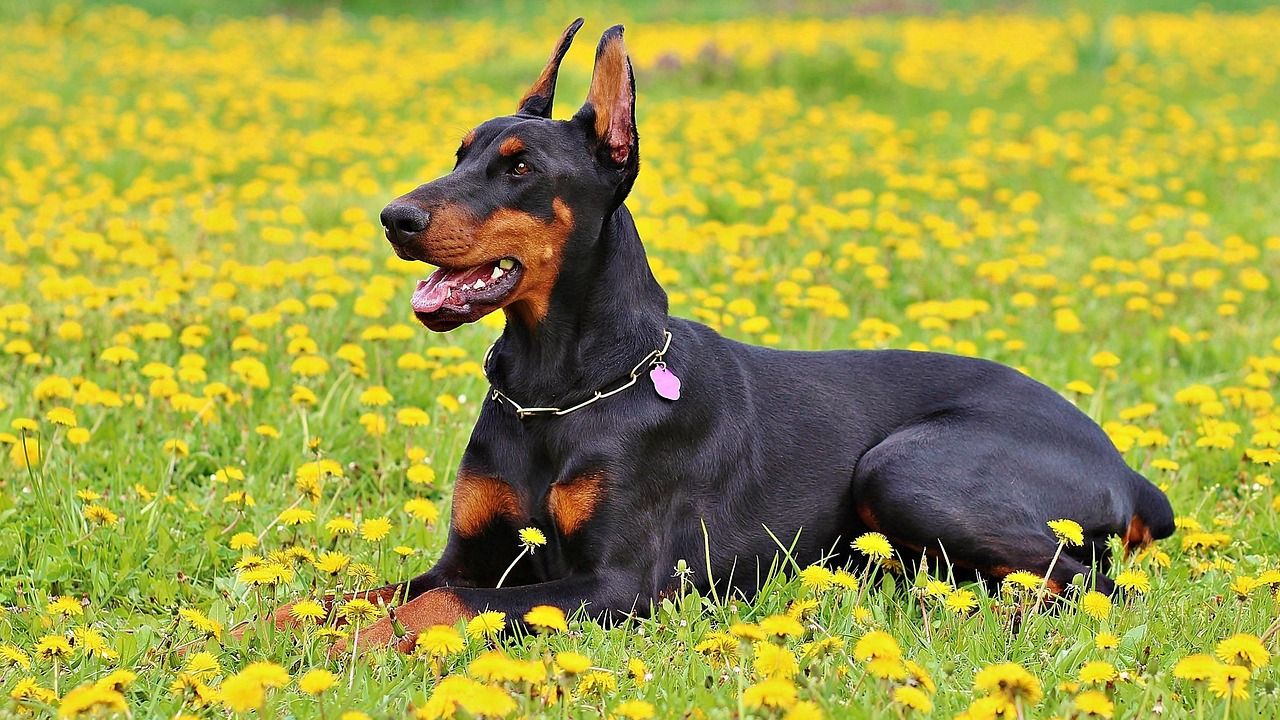
#4. Doberman Pinscher
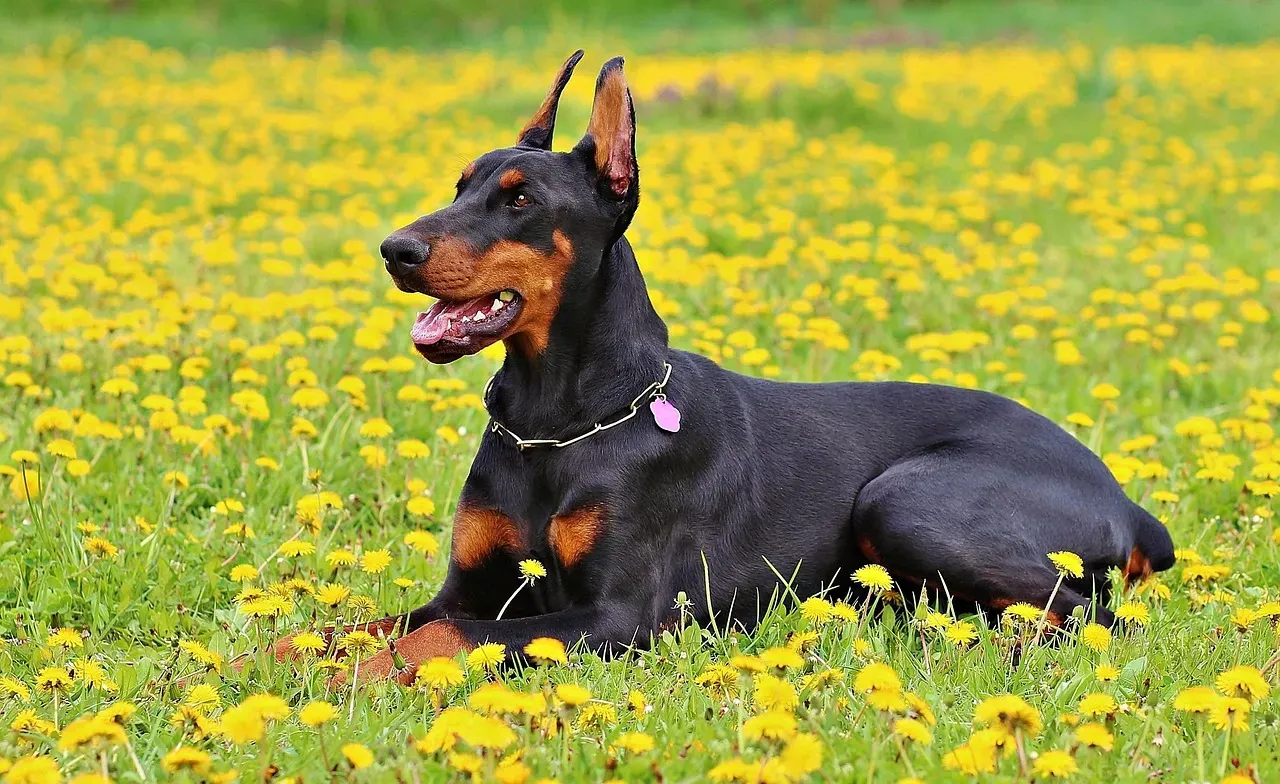
When not channeled properly, Dobermans’ protective instincts can lead to aggression, especially toward strangers. Their strong build and sharp reflexes make any dog attack from this breed a serious matter. Dobermans were originally bred in the late 1800s by a German tax collector who wanted a formidable protection dog. That original purpose is still embedded in the breed’s temperament today.
Doberman Pinschers are very intelligent dogs, but most of their fatal bites occur when they are protecting their owners or believe that they are protecting their owners. Some countries restrict Doberman ownership due to the high risk for families. While they can be loving and loyal family pets, their protective instincts require experienced handling, and without proper training they may become overly aggressive toward strangers. The combination of intelligence, speed, and a deep protective drive makes these dogs genuinely unsuitable for casual or inexperienced owners.
#5. Siberian Husky
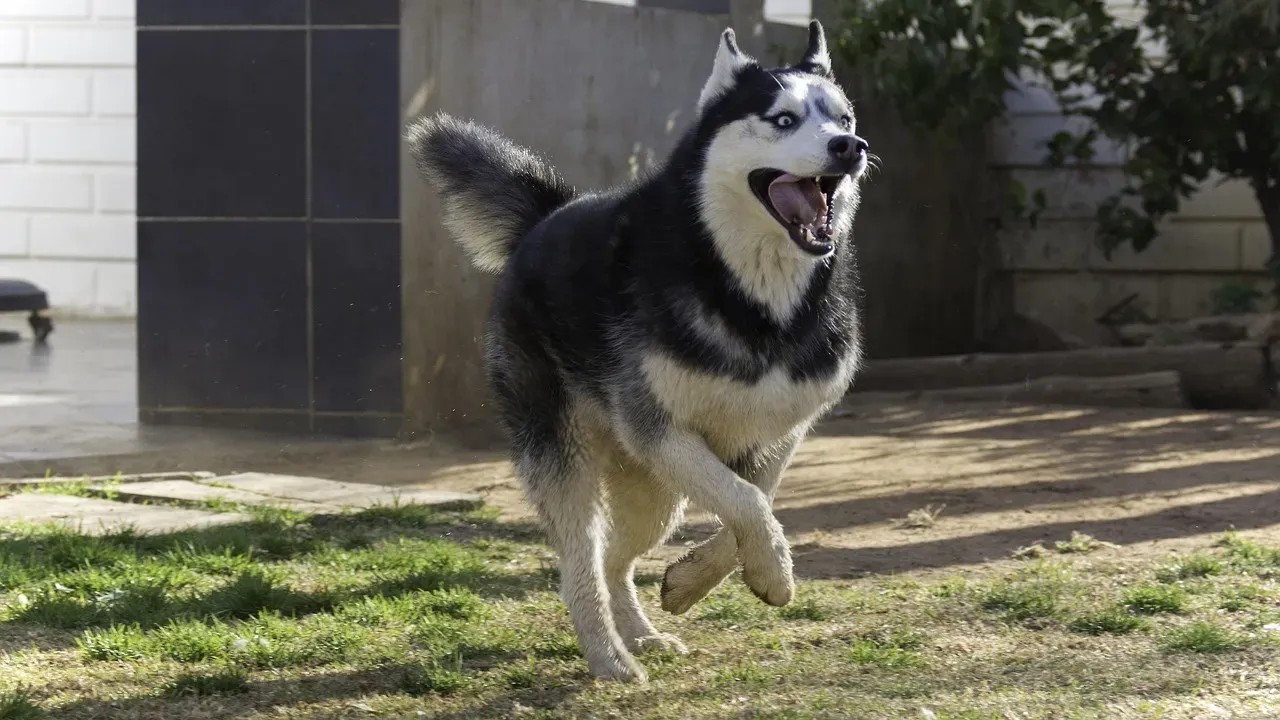
Siberian Huskies, despite their beautiful appearance, have been involved in 13 fatal attacks, and their bite force of 320 PSI combined with a close genetic relationship to wolves contributes to their potential danger. Most people see the striking pale eyes and fluffy coat and completely underestimate what they’re dealing with. This is one of the breed’s most consistent risks: it disarms people with its looks.
Though these sled dogs are known for their friendly and playful nature, Siberian Huskies are occasionally involved in serious dog attacks, particularly on children. They were responsible for roughly three percent of fatal attacks and are known for being escape artists. Their strong-willed nature makes them genuinely challenging to train. A bored, under-exercised, or unsocialized Husky is not just a nuisance. It can become a genuine safety concern, particularly in homes with small children or other pets.
#6. Akita

The Akita is a large breed of dog that originates from Japan. They are known for being very loyal and protective of their owners, but they can also be aggressive toward strangers. Akitas are also very strong dogs, so if they attack someone, the results can be devastating. Their loyalty to their immediate family is not in question. The danger lies in how fiercely that loyalty is expressed against anyone outside the inner circle.
Akitas are genetically predisposed to intolerance toward dogs of the same sex, a trait that often emerges at sexual maturity between 18 and 24 months. Even siblings raised together may suddenly fight with lethal intent. What makes the dog especially concerning is its scissor-shaped jaw, because of the jaw’s shape, the dog’s bite is exceptionally powerful. Families with multiple pets or young children who move unpredictably should think very carefully before bringing an Akita home.
#7. Chow Chow

While the Chow Chow might look like a cuddly teddy bear, this breed is known for being highly territorial and independent. Chow Chows are responsible for a surprising number of dog bite injuries, especially given their relatively smaller size compared to other dangerous dogs. Their stubborn nature makes them difficult to train, and without proper socialization, they may become aggressive. The fluffy appearance is genuinely misleading, and that deception has cost people dearly.
The Chow Chow was responsible for over 238 attacks between 1979 and 1998. Of those incidents, 40 of the attacks led to fatalities, and 37 of the victims were children. Unlike breeds that openly welcome guests, the Chow Chow is naturally suspicious, and without intense early socialization, this suspicion can escalate to snapping or biting when a stranger reaches to pet the dog. The contrast between how this breed looks and how it can behave is one of the more dangerous mismatches in the dog world.
#8. Cane Corso

This Italian mastiff breed was historically a fighter, hunter, and guard dog. Cane Corso translates to bodyguard-dog in Latin, and at 23 to 28 inches tall and weighing between 88 and 110 pounds, it commands an imposing physical presence. In the case of a Cane Corso, their breeding history emphasizes protective instincts, loyalty, and a strong sense of territoriality, which has made them exceptional guard dogs but also means they can be more prone to being overprotective and potentially aggressive, especially if they perceive a threat to their family or territory.
Even though Cane Corsi do not have nearly as many reported attacks as other breeds, that does not mean their attacks are less vicious. According to one study from 1982 to 2022, Cane Corso dogs were responsible for 21 reported attacks, resulting in 12 maimings and even two deaths. This breed is fast and agile with a risk factor for causing severe injury or death to smaller animals. Only an experienced trainer should handle a Cane Corso due to its independent streak and dominant personality. The average family with young children is simply not equipped for that level of management.
#9. Bullmastiff

The Bullmastiff is a large, powerful breed originally bred to guard estates. With their strength and protective nature, they have been involved in dog attack incidents, particularly when not properly trained. Though they tend to be calm and gentle with their families, Bullmastiffs can show aggressive guard dog tendencies toward strangers or other animals. The calm demeanor is real, but it is not unconditional.
With its impressive size and protective instincts, the Bullmastiff has been linked to 14 fatal attacks in recent studies. These powerful dogs can weigh up to 130 pounds and have an incredibly strong bite force of 552 PSI. They were responsible for roughly three percent of fatal attacks in recent years. These dogs need careful training from an early age to manage their protective nature. They can be gentle giants with their families, but their size and strength make them unsuitable for inexperienced owners. When a dog of this size decides something is a threat, the outcome can be catastrophic before an owner even has the chance to intervene.
#10. Wolf Hybrid
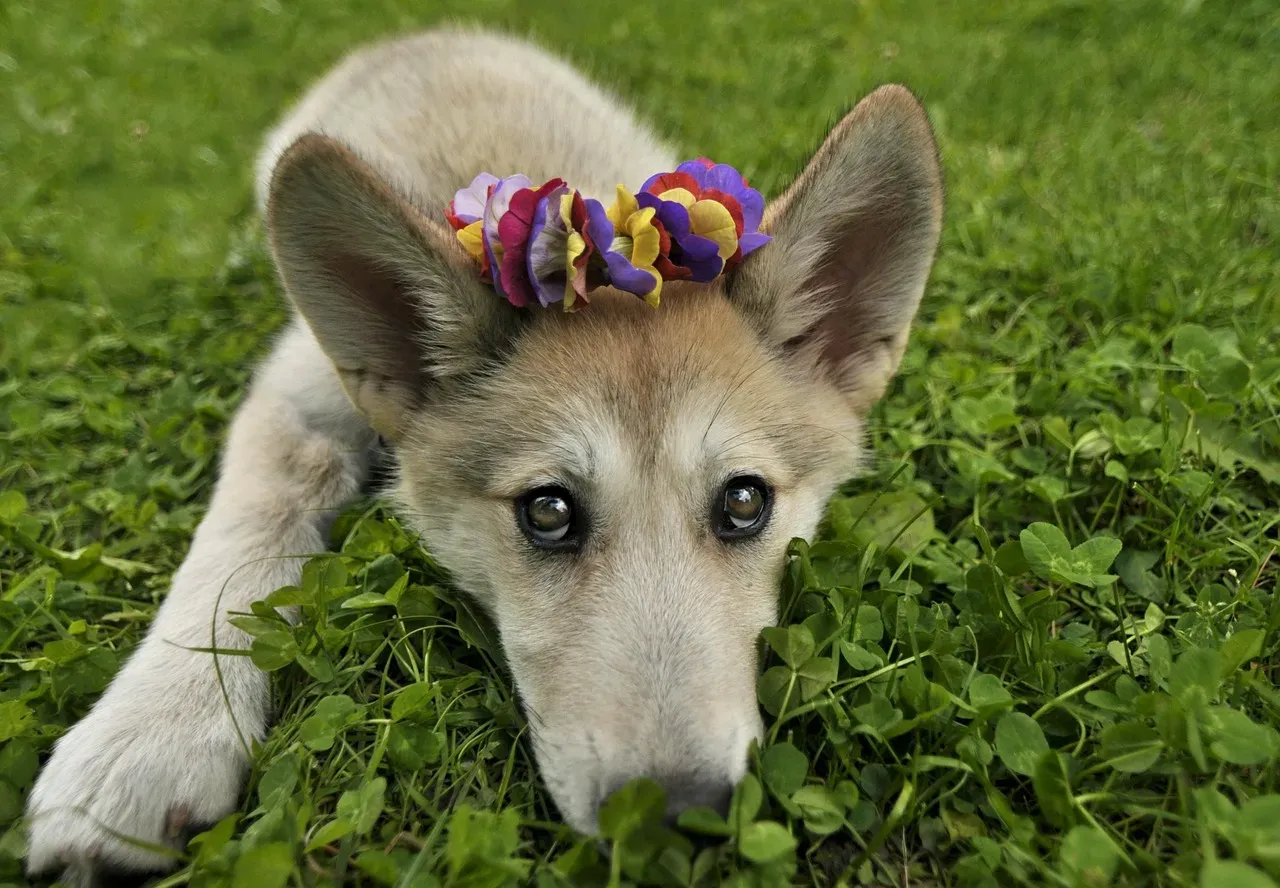
Opponents of the wolf hybrid argue that it has no merits as a domestic animal and that people who acquire one might think they are getting a family pet, only to realize later that what they have is essentially a wild animal. A study by the Journal of the American Veterinary Medical Association found that wolf-dog hybrids are the fifth most dangerous dog in America, causing 14 fatalities between 1979 and 1998. These animals exist in a behavioral gray zone that domestic training cannot fully resolve.
Wolfdogs can present risks due to their unique behaviors, showing higher aggression and territoriality than typical dogs, especially high-content wolfdogs with strong wolf instincts. As they age, wolfdogs can become fearful of new experiences, leading to stress-related behaviors including aggression if they feel threatened. Their strong prey instinct can also make them more likely to chase or attack smaller animals like cats and small dogs. There are reports of escaped wolf-hybrid dogs killing small pets and threatening human life in both the US and the UK, renewing concerns about whether these hybrids should continue to be bred or kept as pets. No amount of affection or careful parenting fully erases thousands of years of wild instinct.
The Bottom Line: Power, Instinct, and Responsibility

It would be dishonest to pretend this list tells the whole story. Breed alone does not determine aggression. Owner behavior, training, and neglect are the leading factors in most severe and fatal attacks. A neglected Labrador can bite a child. An exceptionally well-trained Rottweiler might never harm a soul. Context matters enormously.
Still, the data speaks plainly. Certain breeds have risen consistently to the top for causing severe dog bite injuries that require medical attention. Children between the ages of one and four are the most frequent victims, accounting for a significant portion of fatalities from dog attacks. Those are the people least able to defend themselves, least able to read warning signs, and most often present in the very family homes where these breeds are kept.
This isn’t about demonizing dogs. It’s about being honest with ourselves as potential owners. The most dangerous dog is an unloved or uncared-for dog. Every breed on this list has the capacity for loyalty and even gentleness under the right conditions. But right conditions require experience, time, resources, space, and an unwavering commitment to training that most families simply don’t have. Wanting a powerful breed is understandable. Pretending the risks don’t exist is something else entirely, and for too many families, that pretense has ended in tragedy.


