
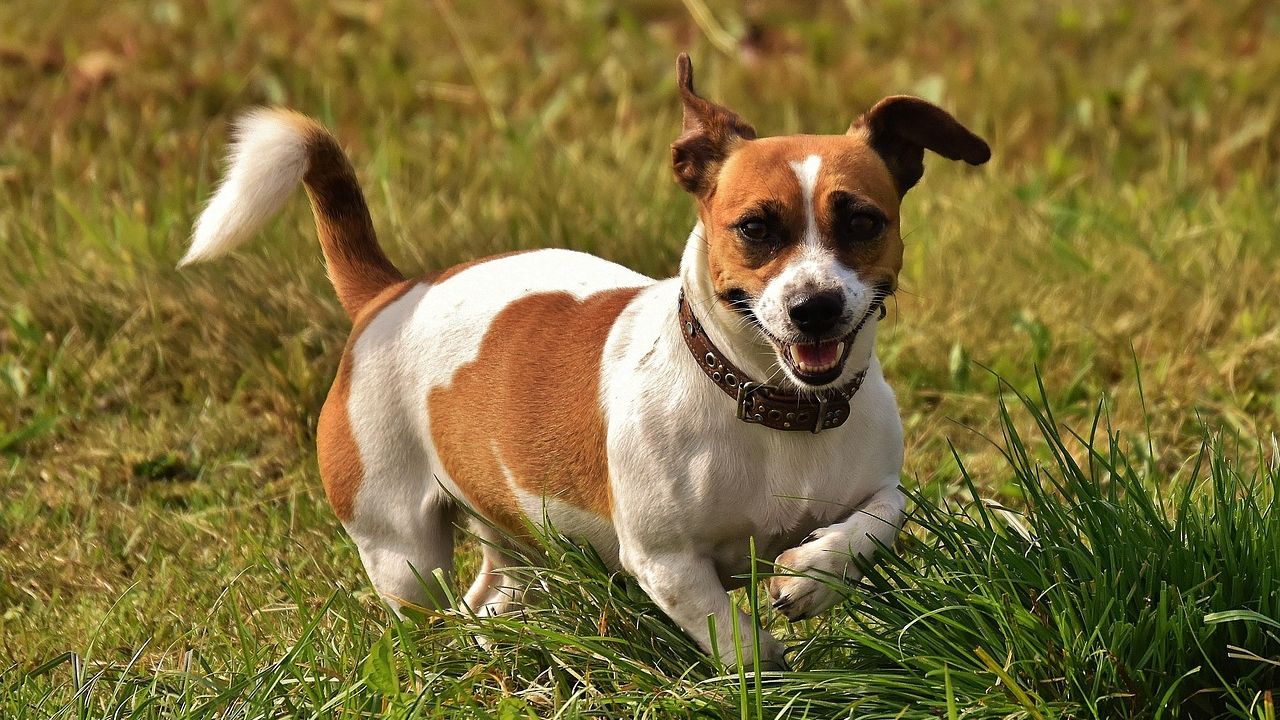
#1. Akita
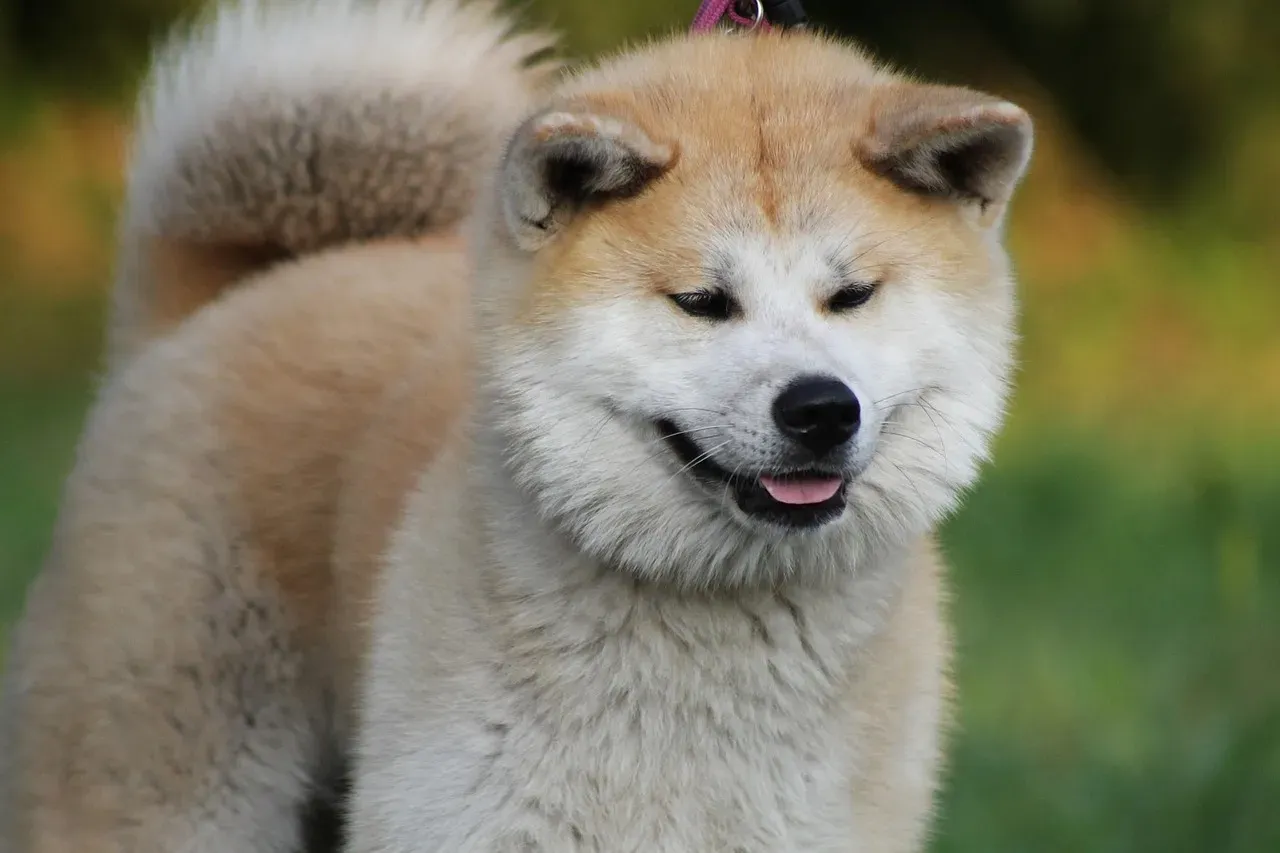
Few breeds carry themselves with the quiet authority of the Akita. Akitas are a dominant, take-charge breed that can easily take over as the family alpha without extremely strong leadership from their humans. This isn’t posturing. It’s deeply wired into their character, built over centuries of Japanese hunting and guarding work.
The dominant Akita is such a stubborn dog that they may just walk away mid-training session. Delicious snack rewards and fun yet firm training techniques are your only hope to give them proper training. The Akita’s temperament is both hot and cold, aggressive among dogs and indifferent with strangers. Trained from the start with professional help, the Akita can become well-rounded and relaxed. Without that structure, they won’t just test your boundaries. They’ll redraw them entirely.
#2. Shiba Inu
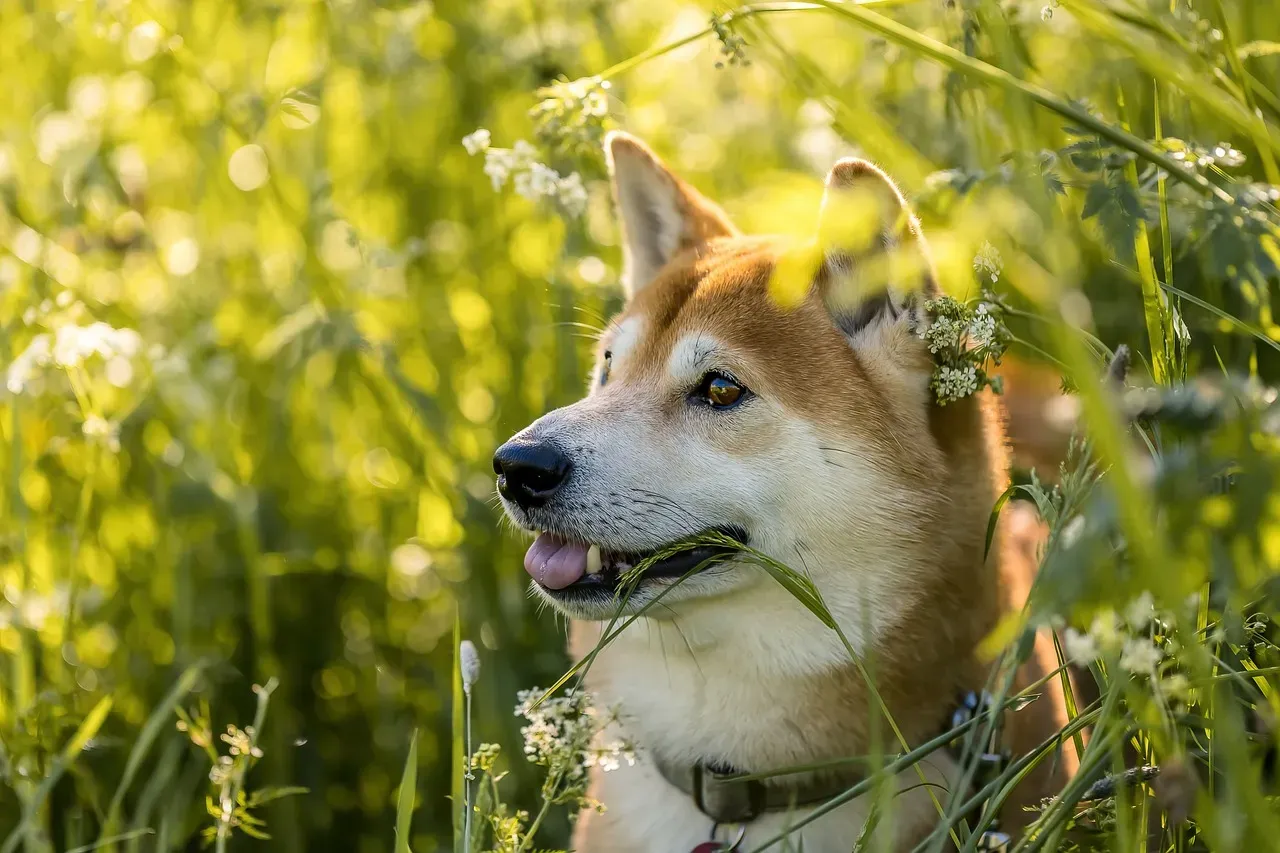
The Shiba Inu is fiercely independent, highly intelligent, and completely uninterested in pleasing its owner. They are known for their stubborn streak, often ignoring commands just to prove they can. If the Akita is the silent samurai of stubbornness, the Shiba Inu is the mischievous fox. Charming, clever, and entirely unapologetic about it.
They are very vocal, even when they’re feeling stressed or anxious. The “Shiba Scream” is infamous, and they need a lot of mental stimulation and exercise. Shiba Inu is highly intelligent and alert, which can also predispose them to anxiety. Shiba Inus command respect, and deserve to follow an experienced pack leader. Without one, they’ll gladly promote themselves into the role.
#3. Siberian Husky
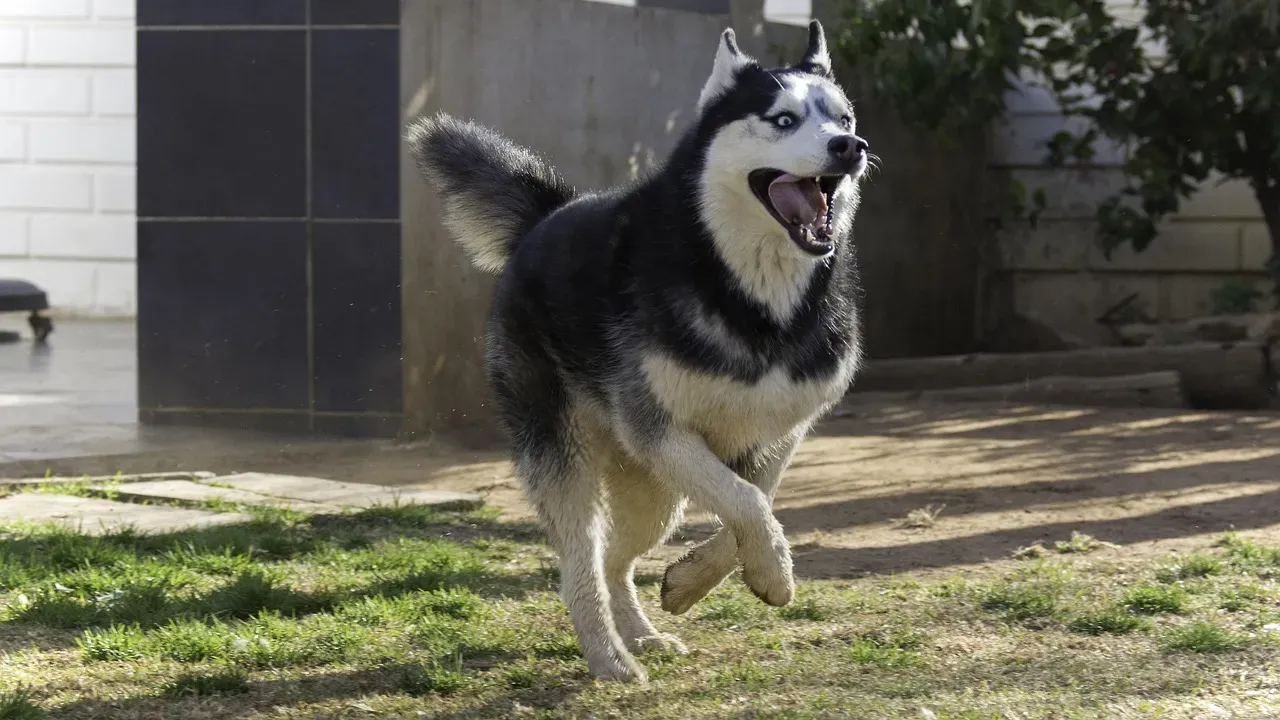
Bred to pull sleds across vast Arctic landscapes, the Siberian Husky was designed to think for itself and make split-second decisions. Their strong-willed nature means they often ignore commands, especially if they find something more exciting to do. Huskies are escape artists who see fences as challenges rather than barriers, and their stubbornness can make training a test of patience.
Several studies and experts have confirmed that Huskies are indeed one of the most stubborn dogs in the world. These dogs have short attention spans that frequently lead to temper tantrums. If the dog does not sense that leadership aspect, they will see no reason to obey, and training will be much more difficult. As long as the owner is stronger minded than the dog and the dog is aware of this, Huskies can be very trainable with the proper amount of dedication and patience. That “stronger minded” part is doing a lot of heavy lifting in that sentence.
#4. Afghan Hound
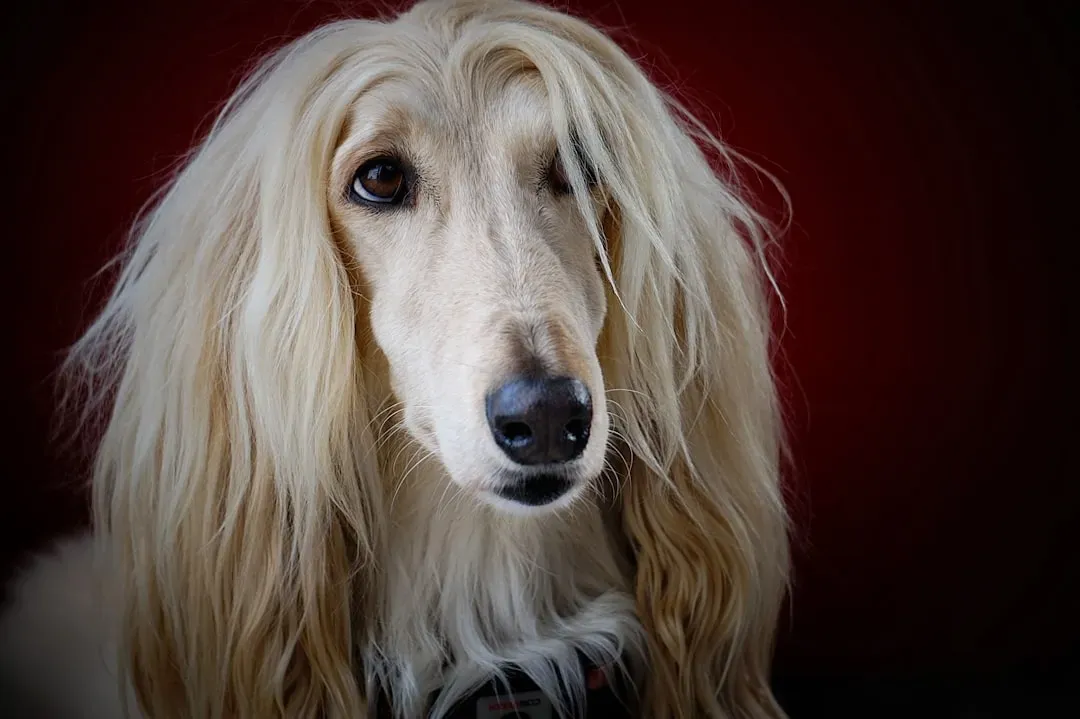
The Afghan Hound is basically the supermodel of the dog world, stunning to look at, but don’t expect it to follow your every command. This breed was designed to hunt independently, so listening to humans feels beneath them. Training sessions often become a test of your patience, not theirs.
Afghan Hounds are known for their free-spirited nature and tendency to explore their environment on their own terms, displaying a lower interest in pleasing their owners compared to other breeds. Their intelligence and deeply ingrained hunting instincts often drive them to follow their instincts, which can override training commands. Training an Afghan Hound can be a challenge and requires patience, positive reinforcement, and a good understanding of the breed’s unique temperament and primal instincts. Even then, results are not guaranteed.
#5. Chow Chow
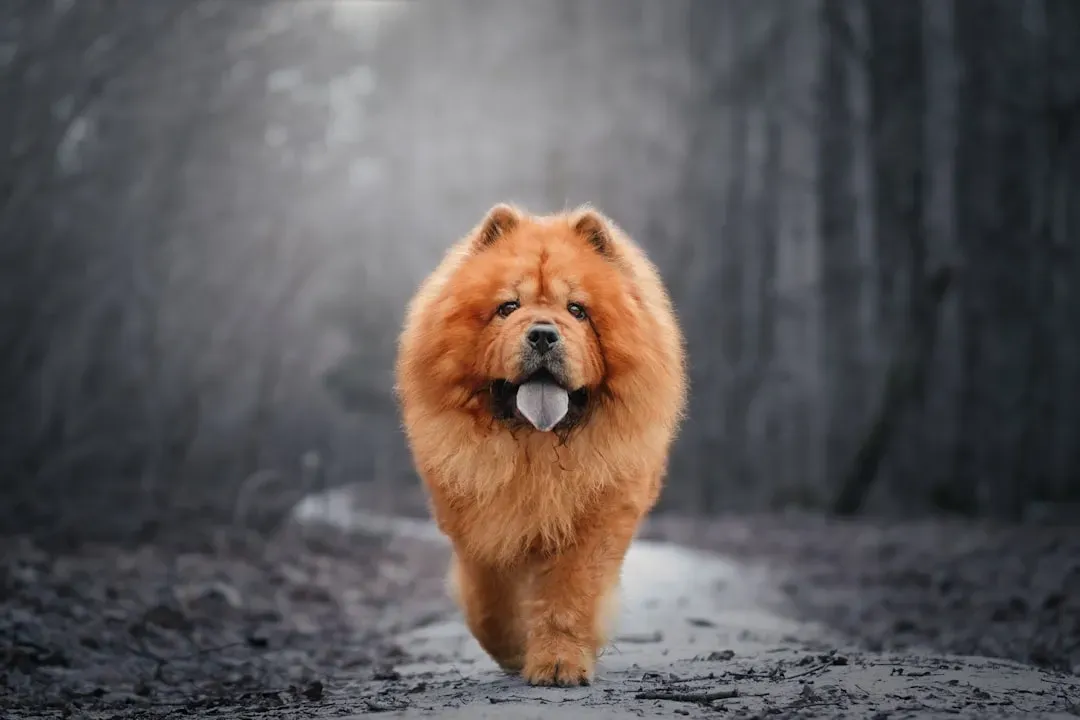
With a lion-like mane and dignified bearing, Chow Chows carry themselves like royalty who don’t take orders from commoners. This ancient Chinese breed was developed for guarding and hunting, tasks requiring independent judgment. They question the logic behind every command before deciding whether to follow through.
Stubbornness runs deep in their personality. Unless they see personal benefit, most instructions get politely ignored. Their loyalty exists, but it doesn’t translate into automatic obedience like some other breeds. Originally bred in China as guard dogs and hunters, they have retained their independent and somewhat aloof nature. Chows are known for being strong-willed, often acting as if they are the ones in charge. Letting them think they are might just be the easier path.
#6. Jack Russell Terrier
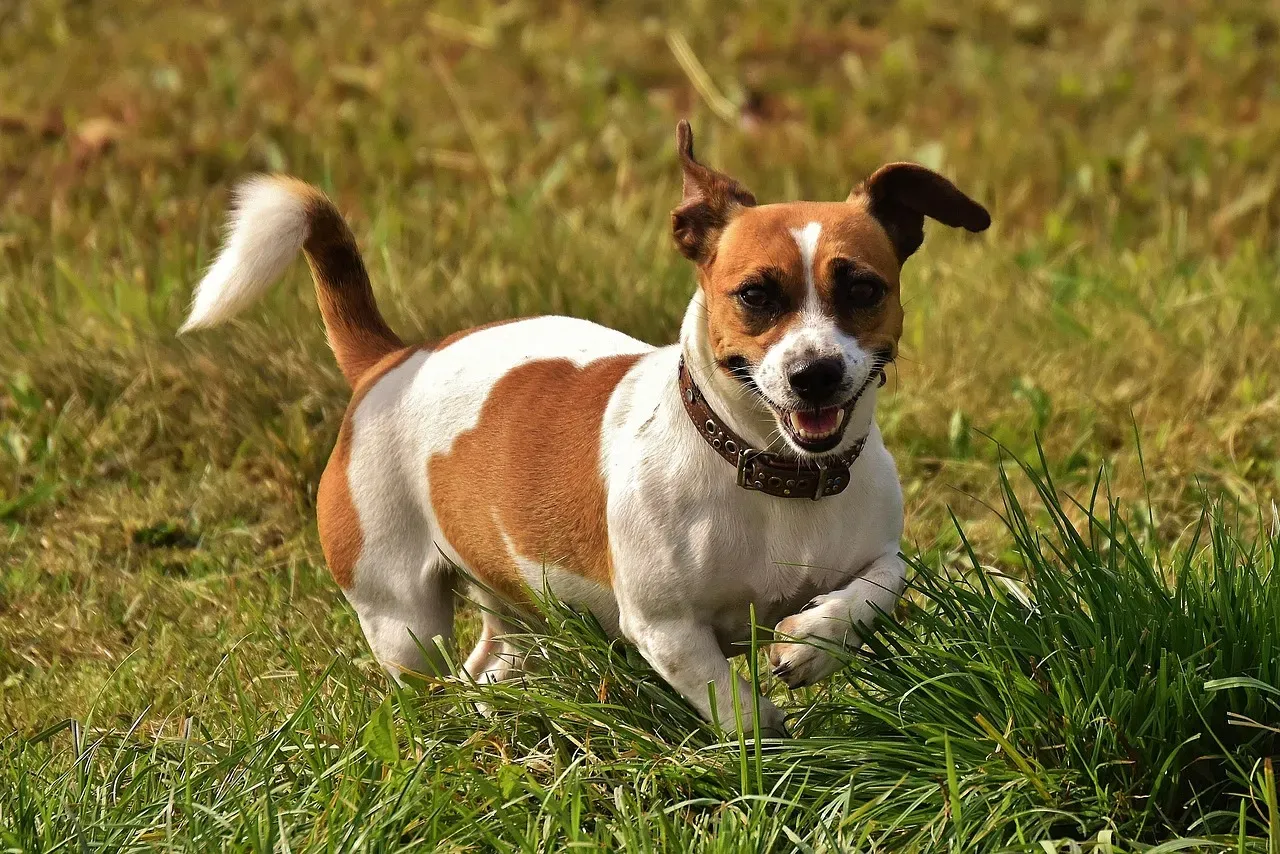
The Jack Russell Terrier requires extra training. They were originally bred to hunt small prey like foxes, so they’re always on a mission of their own. On a roll, dedicated and committed to a cause only they themselves know of, often. That internal mission rarely involves whatever you had planned for the afternoon.
These sturdy, intelligent little powerhouses are incredibly tenacious and athletic. Bred to catch and eradicate rats, they love to chase, jump, climb and dig. If all that energy and strength is not channeled into something positive, like agility training, the Jack Russell’s stubborn nature can get him into some serious trouble. Their intelligence and liveliness make them the perfect companion for athletic activities, but their determination can often lead to selective listening, especially if something more exciting catches their eye.
#7. Beagle
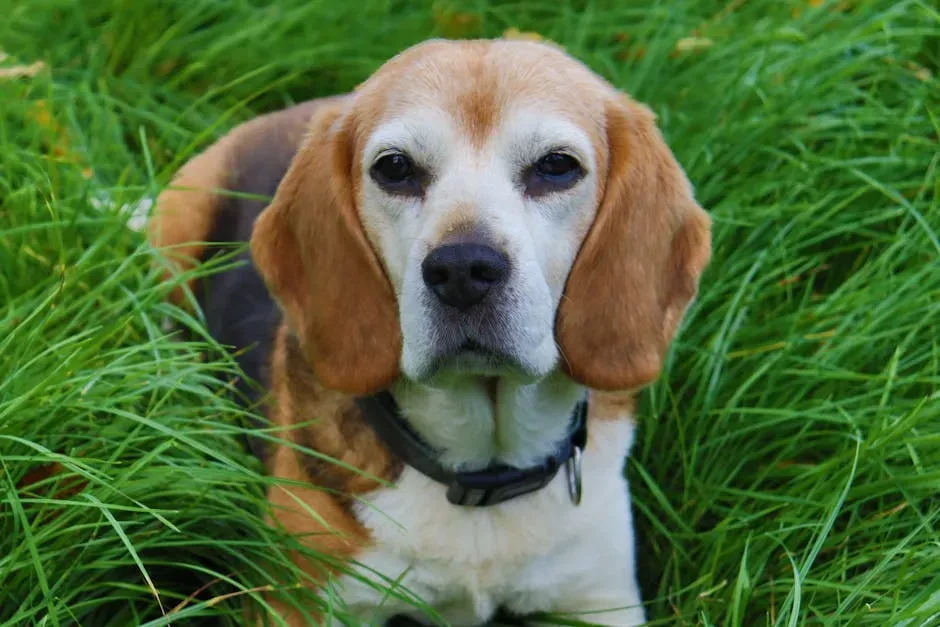
The Beagle is adorable, merry, and friendly, but also one of the hardest dogs to train. Commands often get lost in translation, thanks to their nose. Originally bred as scent hounds, Beagles follow smells with religious devotion. You can spend twenty minutes perfecting a sit-stay command. One passing squirrel undoes all of it.
Beagles are known for their energetic, curious, and single-minded nature, which is often misconstrued as disobedience. Originally bred as scent hounds, Beagles tend to follow their noses, leading them to distraction and diversion, even when given a command. Their inherent need to explore can make training more challenging, necessitating extra patience and creative, positive reinforcement techniques. They still make wonderful family dogs as long as they get plenty of exercise, but even the best trained Beagle will have trouble obeying commands when there’s a squirrel nearby.
#8. Dachshund
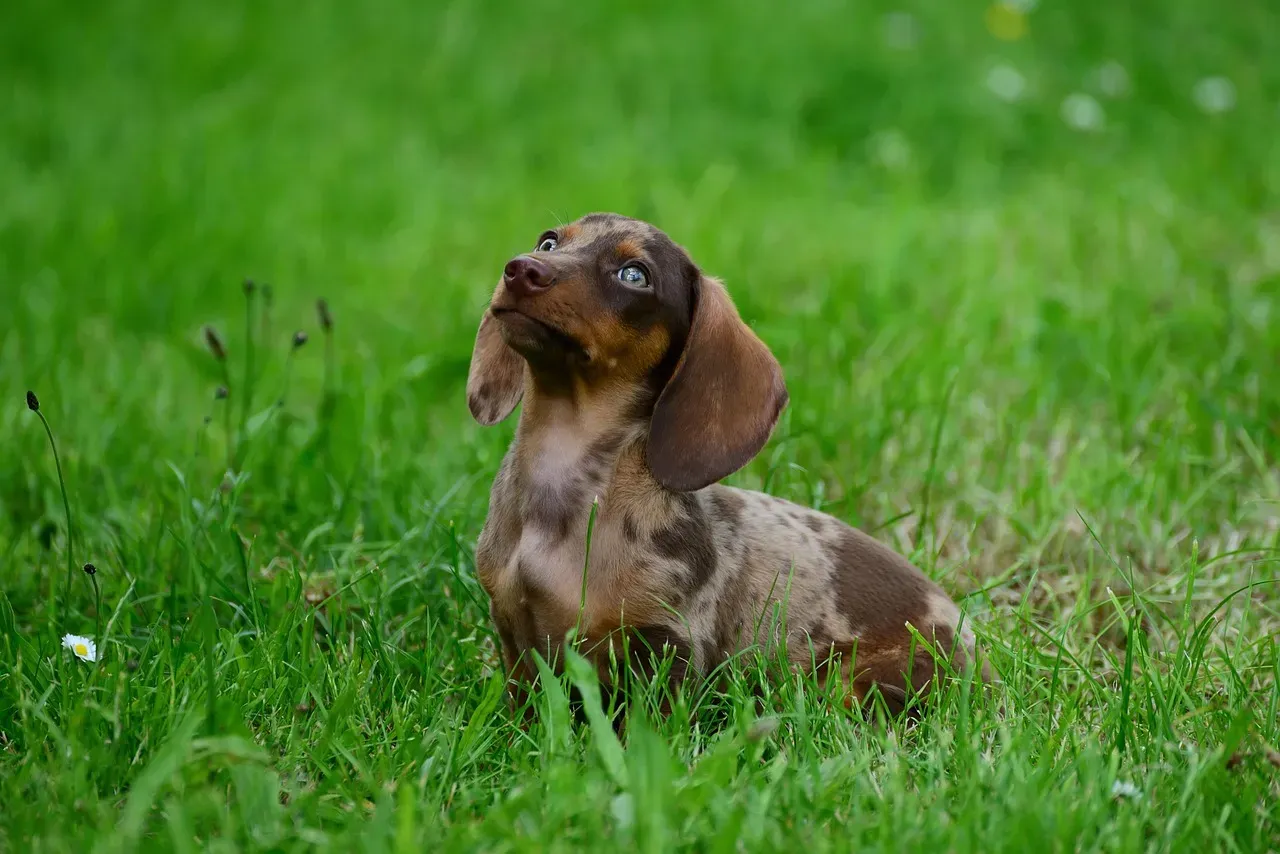
Originally bred to hunt badgers in underground tunnels, Dachshunds needed courage and independence to face dangerous prey alone. That fearless, self-reliant attitude translates into modern stubbornness that frustrates many owners. Their small size hides a surprisingly strong will that resists commands they find unreasonable.
Their loyalty and affection are genuine, but obedience remains negotiable. These little hounds prefer being partners rather than followers in the relationship. The Dachshund is well-known for their lively and independent attitude, as well as their intelligence, hunting ability, and stubbornness. Doxies like to do things their own way, and you are likely to find your Dachshund digging holes, chewing on shoes, or chasing your other pets on a daily basis. They’re not defying you. They’re just operating under a completely separate agenda.
#9. Scottish Terrier
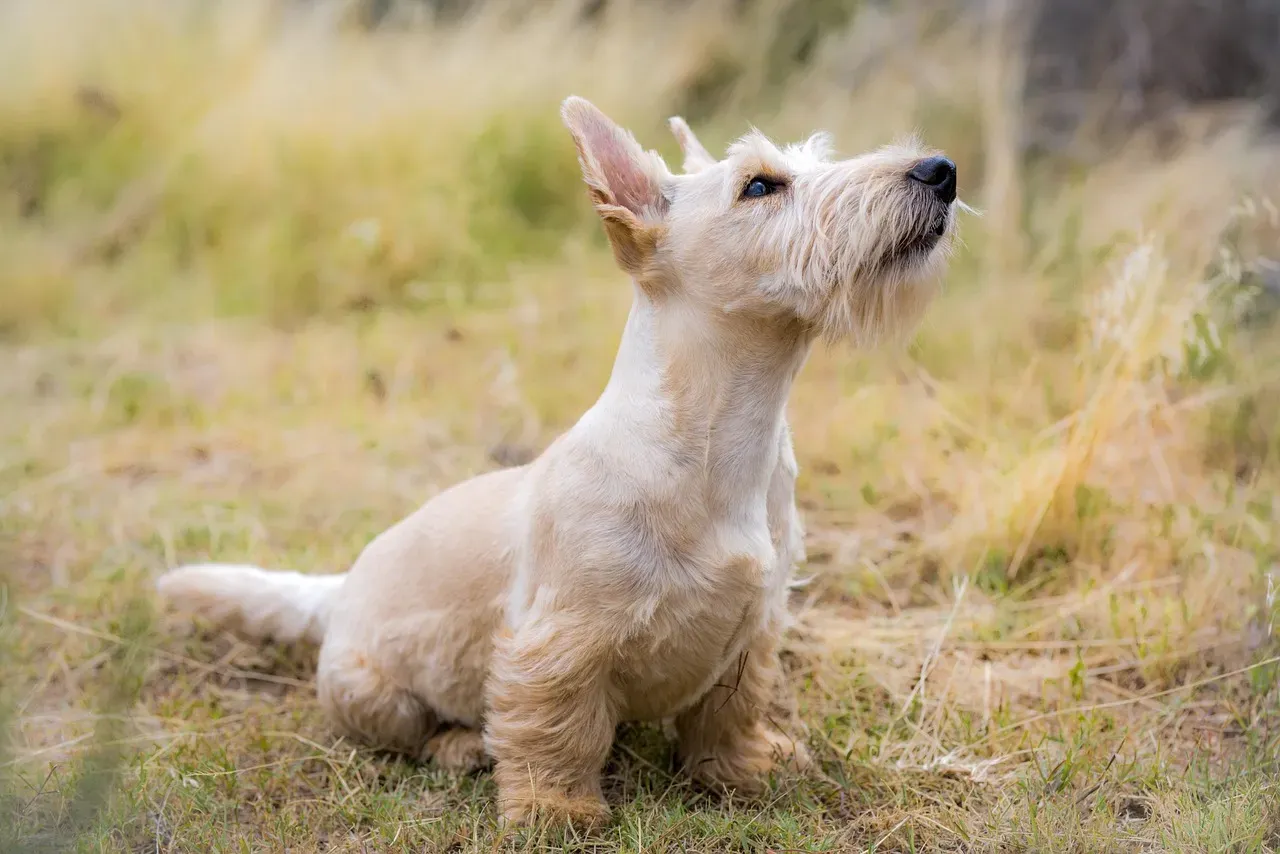
Scottish Terriers are small in size but big in personality. They were bred to hunt independently, making them naturally self-reliant and stubborn. A Scottie doesn’t blindly follow orders. They evaluate the situation first and decide whether your command is worth listening to.
Scotties are extremely intelligent, sensitive and strong-willed, just like many of their terrier cousins. They have also been described as independent, fiery and prey-driven, meaning they require a confident leader to keep them in line. When the Scottish Terrier doesn’t want to do something, you’re sure to hear about it. Vocal, prideful, and quick-moving, this breed requires training from a young age, before they’re too set in their ways. Give them an inch and they’ll rewrite the rulebook entirely.
#10. Chihuahua
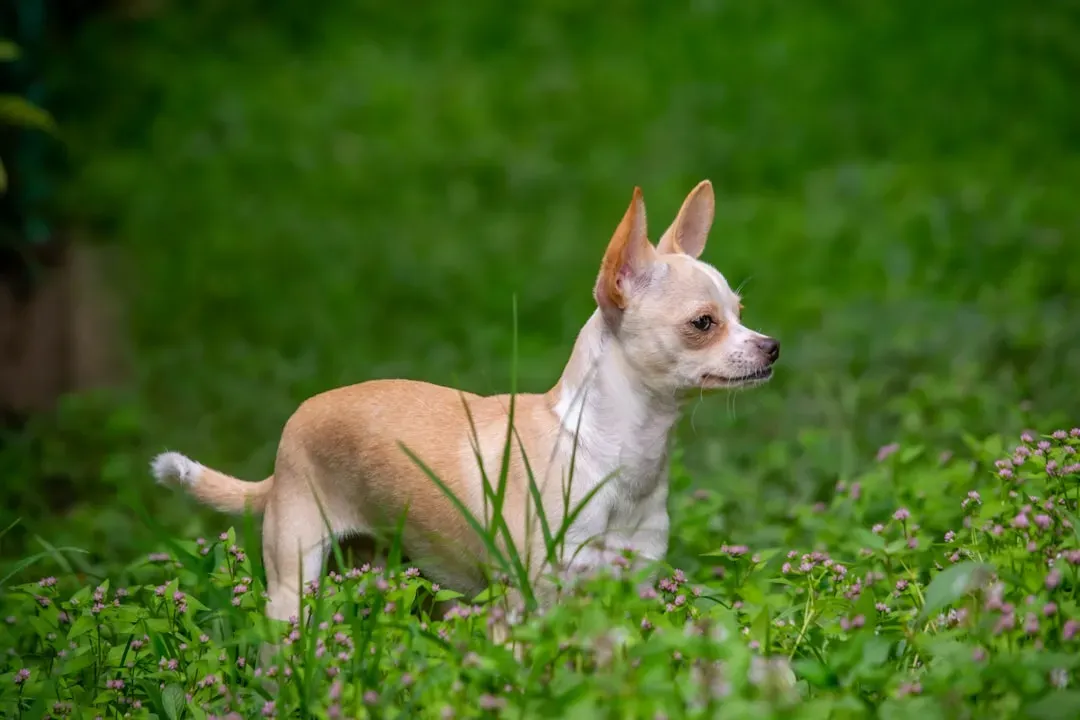
Relatively more diminutive in size, Chihuahuas surprisingly have gigantic personalities and are very loyal to their humans. In fact, many dog specialists and pet owners consider them the alpha members of the family. They are also very barky and inclined to show they are the boss. The irony is that the smallest dog on this list may have the most inflated sense of authority.
Chihuahuas are small in stature with giant personalities. Unlike many other stubborn pups, Chihuahuas aren’t stubborn from lack of exercise. This breed is, in fact, one of the laziest dogs on this list, and would rather curl up in your lap than work for a reward. They are very protective, and aren’t afraid to bare their teeth or bark into the night. Even with the Chihuahua’s miniature stature, they are very protective of their owners. These dogs will undoubtedly attack anyone to defend their household. The audacity is real, and it is spectacular.
What It All Comes Down To
Here’s an honest opinion: the idea that you’ll ever fully dominate any of these ten breeds into unquestioning compliance is a fantasy worth giving up early. Independence in dogs is not a flaw, but a trait shaped by genetics, historical roles, and individual temperament. Breeds developed for guarding, hunting alone, or making decisions without human input often approach commands differently than people-pleasing working dogs. What may look like stubbornness is often a dog choosing to assess a situation rather than respond instantly.
Some canines are more eager to please the alpha of their pack than others. Pet owners need to consider the stubborn breed factor when choosing their dogs. The most stubborn dog breeds are popular because they have qualities that people love, like being protective, loyal, and intelligent companions. These dogs don’t fail their owners. They simply require owners who are willing to earn their respect rather than demand it.
That distinction matters more than any training technique. The most successful owners of stubborn breeds aren’t necessarily the strictest. They’re the most consistent, the most patient, and often the ones who found a way to make cooperation feel worth the dog’s while. If you can manage that, even the most alpha-resistant dog in the world becomes something rare and genuinely rewarding: a partner who chose to follow you because they actually wanted to.


