
The Slow Blink Directed Right at You
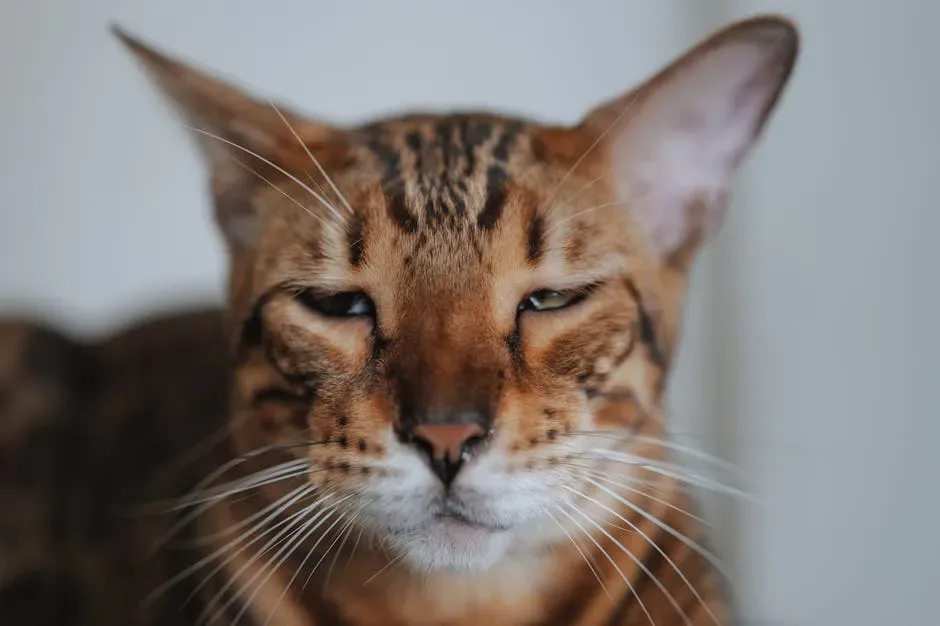
There are few things in the animal world as quietly meaningful as a cat locking eyes with you and slowly, deliberately closing them. The slow blink is one of the most significant signs of trust a cat can display, because in the animal kingdom, closing one’s eyes is a vulnerable act. When a cat slowly closes and opens its eyes while looking at a human, it is signaling that it feels safe and does not perceive the person as a threat.
A 2020 study published in Scientific Reports found that cats respond positively to slow blinking from humans. This non-verbal cue signals trust and affection. When you slowly close your eyes, pause for a second, and then gently open them again, your cat is likely to interpret this as a friendly and calming gesture. Many cats even return the slow blink, reinforcing their bond with you. The mutual exchange of this signal is not accidental. It’s the closest thing cats have to a handshake of goodwill, and they only offer it to those they genuinely trust.
Following You From Room to Room
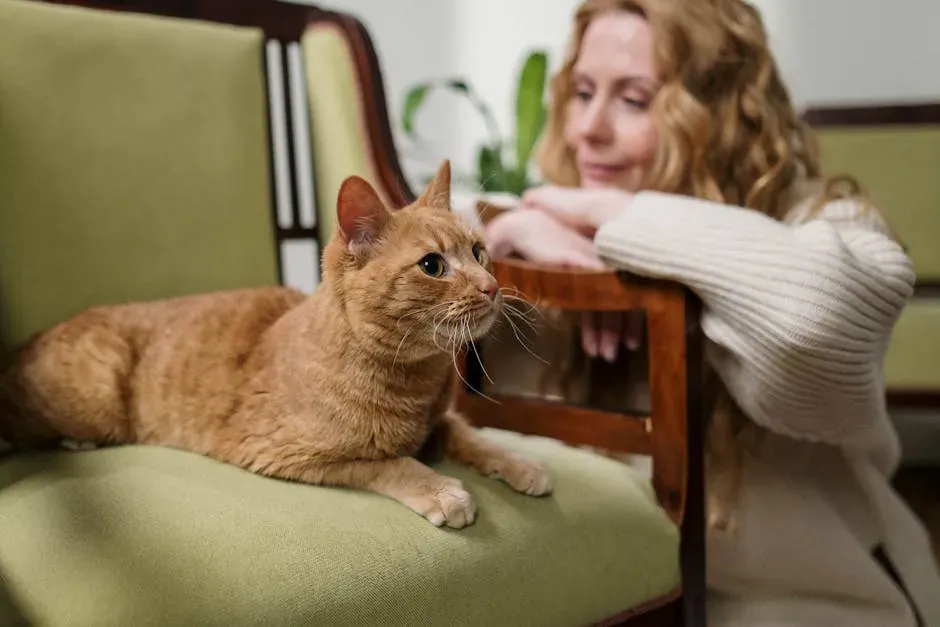
For decades, cats have carried the reputation of being aloof and self-sufficient, animals who tolerate humans more than they love them. Yet recent behavioral research has dismantled that stereotype. Cats are not solitary creatures by nature; they are socially adaptive animals capable of forming deep emotional attachments to humans. Following you around the house is one of the clearest expressions of this.
Cats who follow their owners while maintaining relaxed body language are actually securely attached, not anxious. In contrast, tense postures, rapid tail movements, or vocal distress suggest insecure attachment. The distinction matters. A cat padding calmly after you into the kitchen isn’t being clingy. They simply want to be near you, on their own terms, which is about as honest a preference as a cat ever expresses.
Kneading on Your Lap or Body
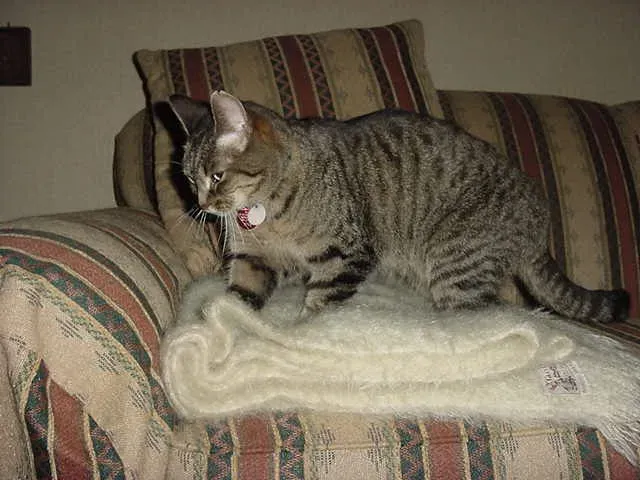
Kneading, often referred to as “making biscuits,” is the rhythmic motion cats make by pushing their paws into a soft surface, alternating between left and right paws. This behavior is commonly observed when a cat is relaxed, such as on a cozy blanket or their owner’s lap. Kneading originates from kittenhood, when kittens press their paws against their mother’s belly to stimulate milk flow. This comforting behavior often persists into adulthood, associated with feelings of security and contentment.
When a cat kneads their owner, it is a sign of trust and affection. This behavior demonstrates that the cat feels safe and comfortable in the presence of their human companion. If your cat is kneading you specifically, rather than a random cushion, that tells you something. You’ve become the source of comfort. You’re their safe place.
Head Bunting and Cheek Rubbing
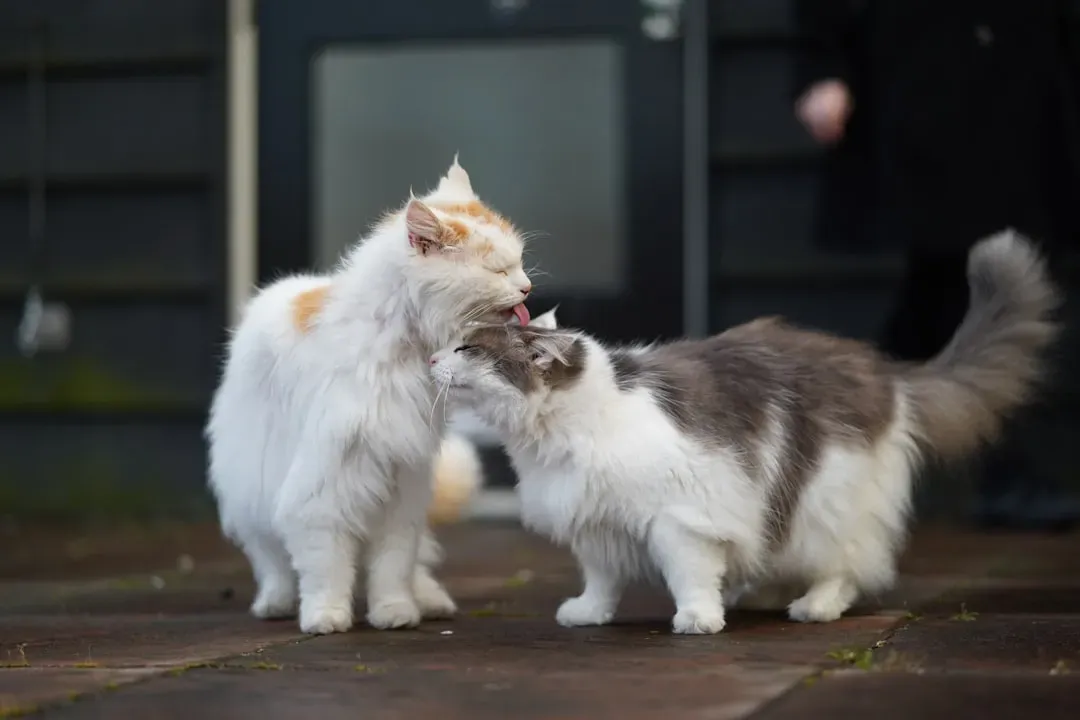
Bunting refers to the behavior where cats press their head or cheeks against people, objects, or other animals. It’s a form of rubbing that often includes nuzzling or headbutting. Cats have scent glands located on their cheeks, forehead, and chin. When they bunt, they release pheromones that mark their territory. This behavior communicates ownership and familiarity, signaling to other animals that the area or person has been claimed.
This scent-swapping is a way of creating a communal scent, which reduces stress for the cat and reinforces their bond with their owner. In other words, your cat isn’t just showing affection. They’re incorporating you into their personal world, making you part of the scent landscape they associate with safety. That’s a significant thing to do when you’re a creature who controls their environment so carefully.
Sleeping on or Beside You
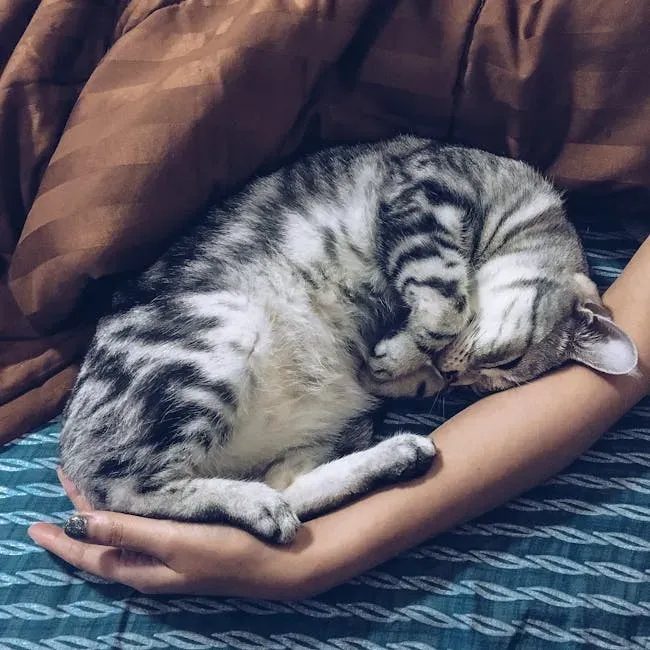
Cats are vulnerable when sleeping, so choosing to sleep near or on you shows deep trust. That vulnerability is the key detail. Sleep is when a cat cannot defend itself, cannot react to threats, and cannot assess danger. Choosing to do that beside you is not a casual decision for a creature whose ancestors survived as both predators and prey.
The specific spot matters too. A cat who sleeps pressed against your legs is different from one who climbs onto your chest or tucks themselves near your head. The closer to your face or heartbeat, the deeper the trust tends to run. Some cats have very specific sleeping arrangements with their chosen person, and these are remarkably consistent over time, a quiet daily ritual of closeness they’ve chosen entirely on their own.
Bringing You “Gifts”
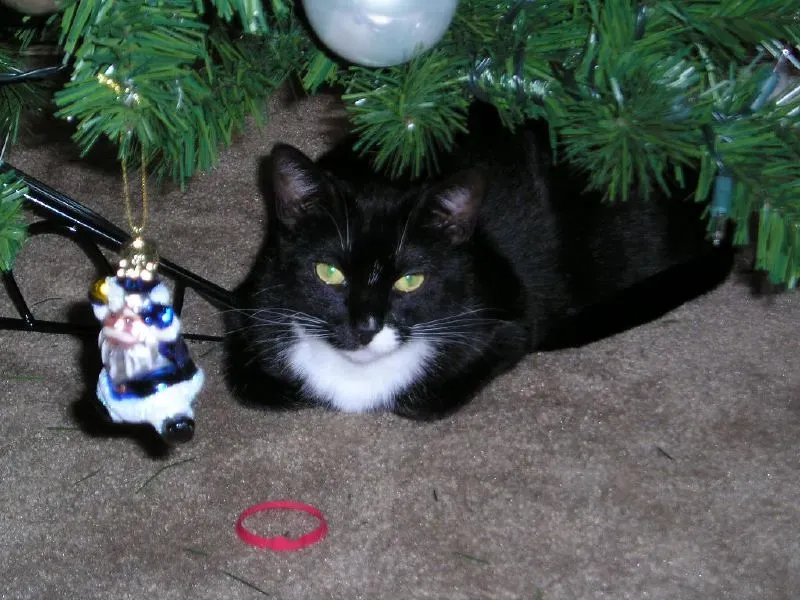
Cats bring you gifts of toys or dead animals to signal affection, show off their catch, or as a way to “educate” their owners on how to hunt. It’s rarely appreciated in the moment, especially if the gift is a very dead bird deposited on a pillow. Still, it’s worth understanding what’s actually happening when this occurs.
In the wild, a mother cat would bring prey back to her young to teach them how to hunt and kill. Similarly, when a cat brings a gift to its owner, it shows that it sees its owner as a part of its family and is attempting to provide for them. Even indoor cats who’ve never hunted live prey demonstrate this behavior with toys, showing that the instinct transcends the need for food. The gift, strange as it is, means you’ve been placed inside the cat’s definition of family. There’s genuine care behind it.
Greeting You at the Door
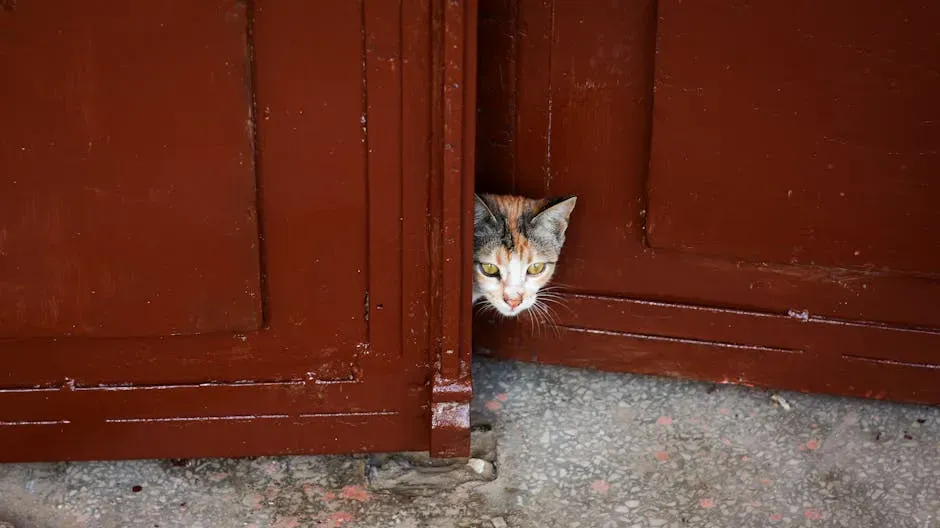
In some cases, your cat won’t just meet you at the door when you first come home, but may stretch their greeting out and follow you from room to room. This feline behavior usually isn’t clinginess, but a sign of a profound human-cat connection. The enthusiasm of the greeting, whether it’s a quiet trot to the door or a full vocal performance, reflects how much your return actually registered for them.
Researchers have concluded that cats feel stress when their owner leaves the room, and they seek proximity to the owner when he or she returns. That stress, and the visible relief upon your return, is behavioral evidence of genuine attachment. The cat who waits for you isn’t doing so out of habit. They noticed you were gone.
Showing You Their Belly
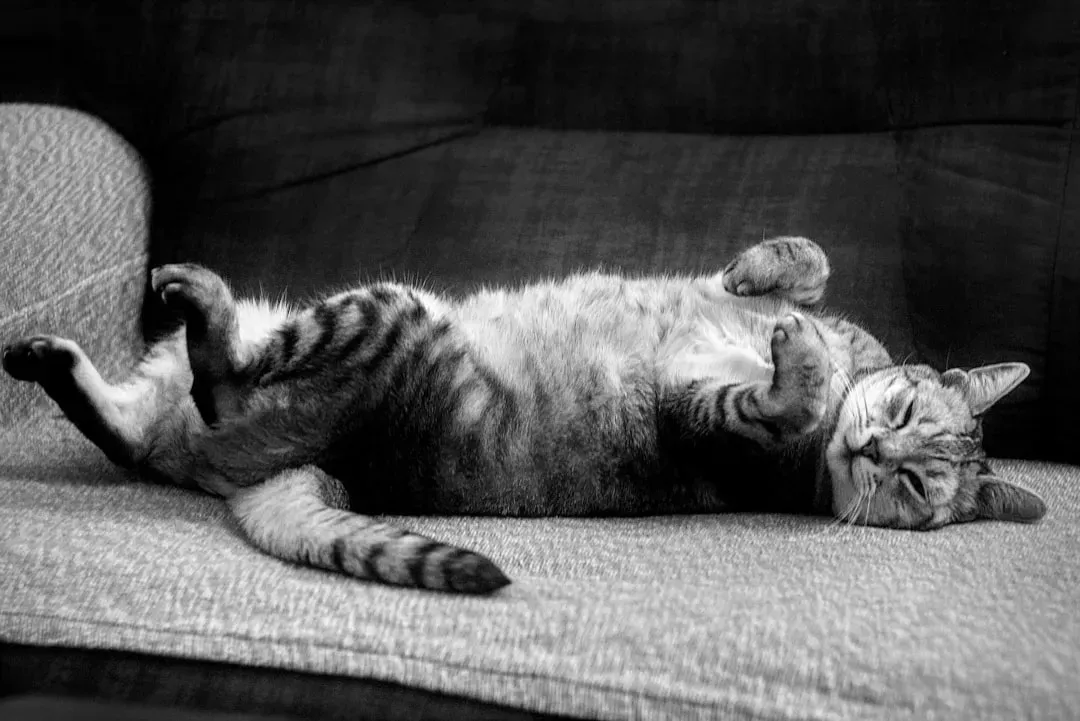
Few gestures in the feline world carry more weight than rolling over and exposing the belly. Every cat owner learns quickly that this is not necessarily an invitation to touch, and that’s actually a crucial part of what makes it meaningful. The exposed belly is an act of vulnerability, not an offer of a petting session.
Cats exposing their bellies to their humans signal trust and vulnerability. When a cat rolls onto their back in your presence, they’re saying, with their body, that they don’t feel threatened by you. That they’re relaxed enough to abandon their natural defensive posture entirely. Whether or not they want their belly rubbed varies by cat. The display itself, however, is a gift of trust.
The Tail-Up Greeting
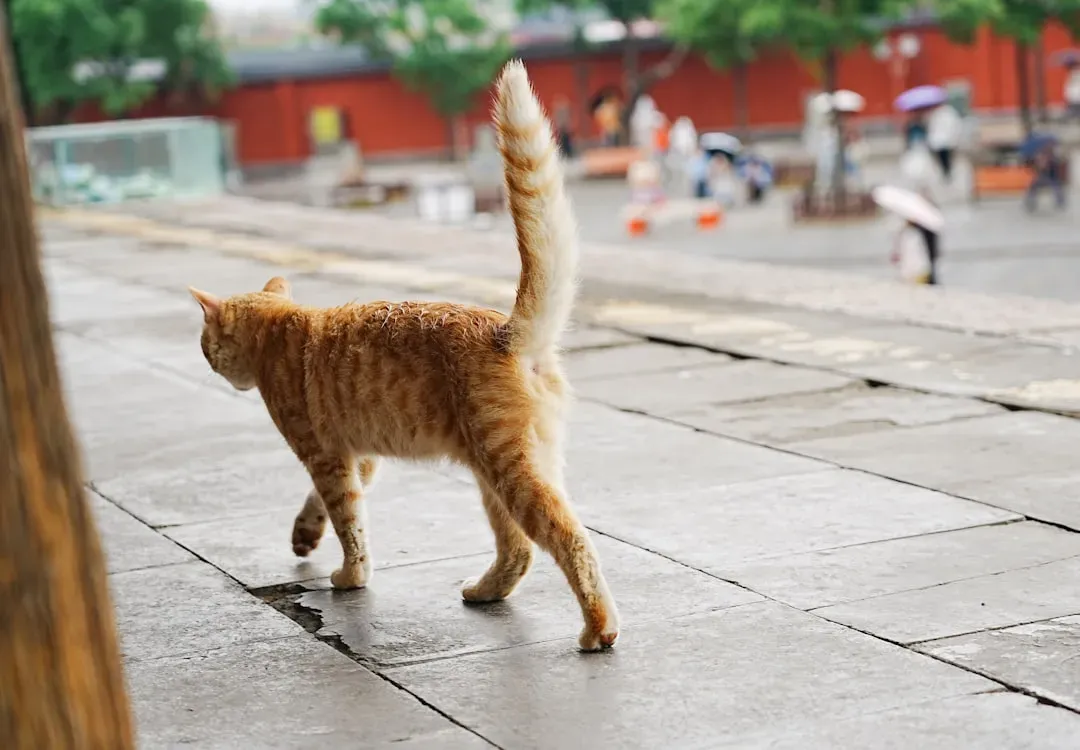
A gently curved or upright tail signals friendliness and comfort. This upright, confident tail position is actually rooted in feline social behavior. In multi-cat households and among cats who live in colony-like arrangements, the tail-up approach is used between cats who are friendly with each other. When a cat does this toward a human, they’re using the same social signal they’d use with a trusted companion of their own species.
The tail-up greeting is often paired with a trill or chirp and a light head rub against your legs. It’s a full social package, a hello that uses every available channel of cat communication at once. When your cat greets you this way consistently, you’re not receiving the greeting of a creature that merely tolerates you. You’re receiving the greeting reserved for someone who genuinely belongs in their world.
Allogrooming: When Your Cat Grooms You
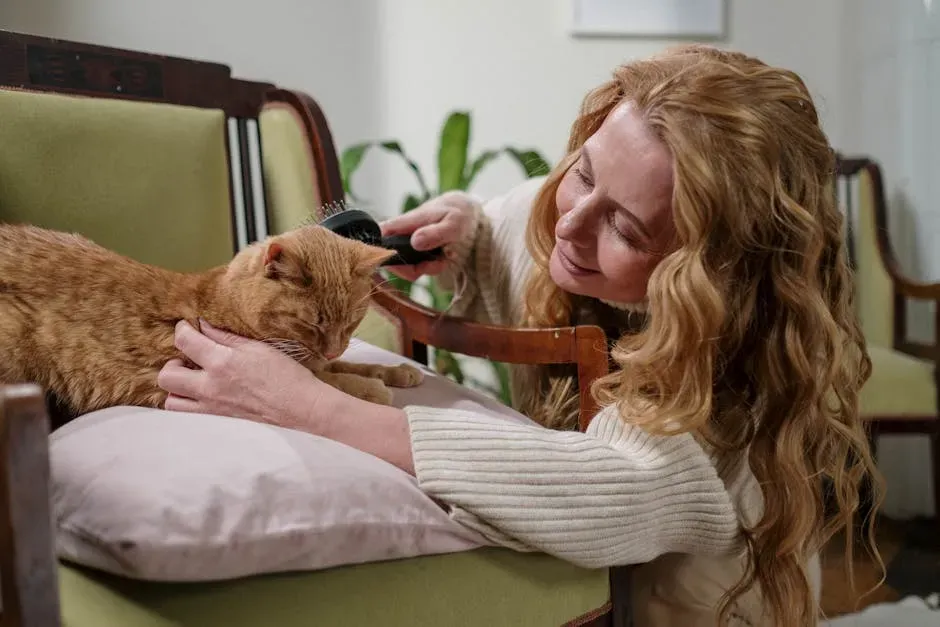
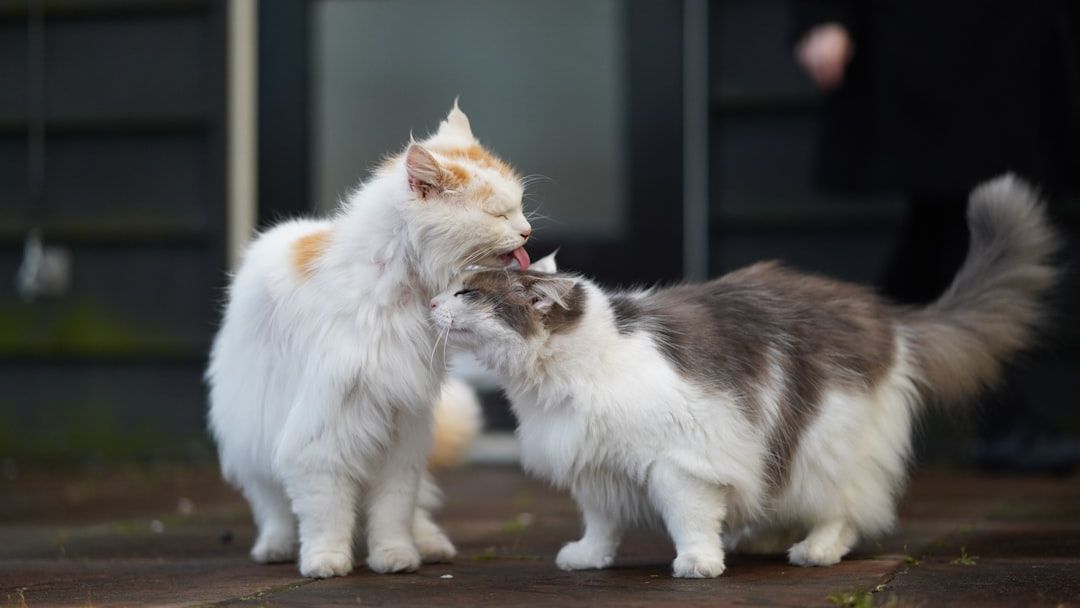
Grooming is another sign of love. Many cats groom each other, so when your cat tries grooming your hair or just anywhere on your body, this is definitely affectionate. In cat social groups, mutual grooming, known as allogrooming, is reserved for individuals within the same social circle. It’s a bonding behavior, not a hygiene service.
When your cat licks your hand, your hair, or your face, they’re extending to you the same grooming they’d offer a trusted companion cat. It’s a form of social closeness that requires the other party to hold still and accept the gesture, which is itself a quiet act of submission or trust. Your cat offering this to you means they’ve placed you firmly inside their social group. They’re not just cohabiting with you. They’re caring for you.
Vocalizing Only With You
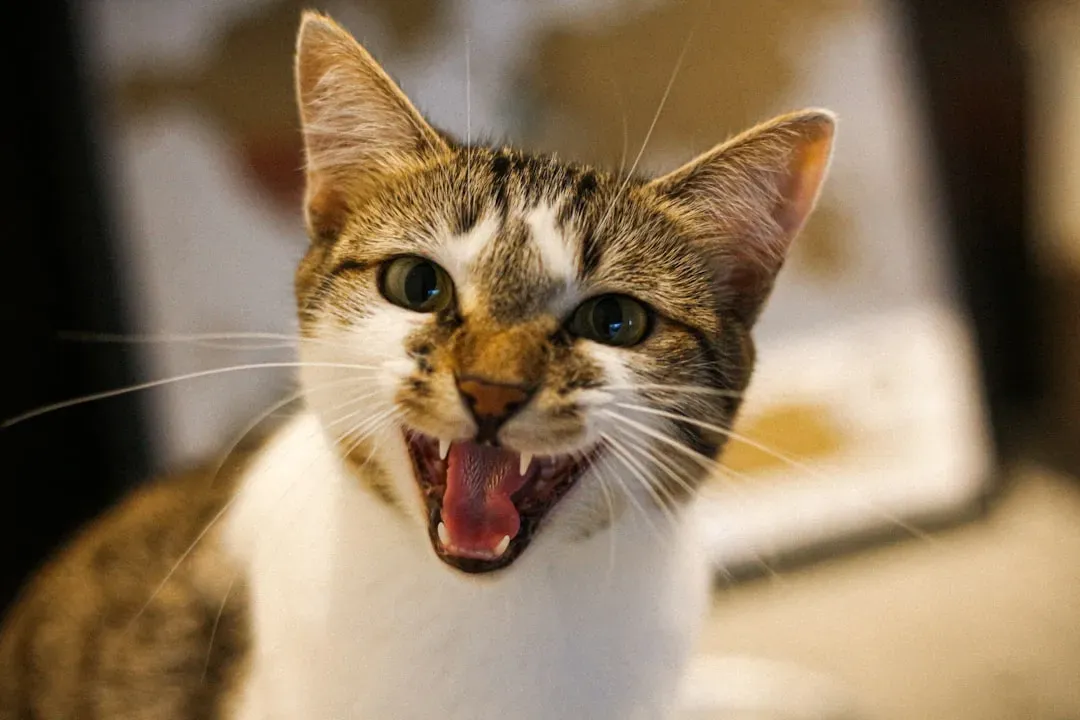
Here’s something that tends to surprise people: the classic meow is largely a sound cats developed for communicating with humans, not other cats. Communication in cats is subtle. While a meow is primarily used to communicate with humans, visual cues are used for other cats and trusted companions. This means the cat who meows at you, chirps, trills, and chatters is doing something deliberate and relationship-specific.
Soft meows, chirps, or trills directed at you are communication attempts. Over time, cats and their chosen people tend to develop what amounts to a shared vocabulary of sounds. The pitch of a request meow, the specific chirp before jumping up, the quiet trill when passing through a doorway. None of this is random. It’s a language that evolved precisely because your cat decided you were worth talking to.
Using You as a Secure Base
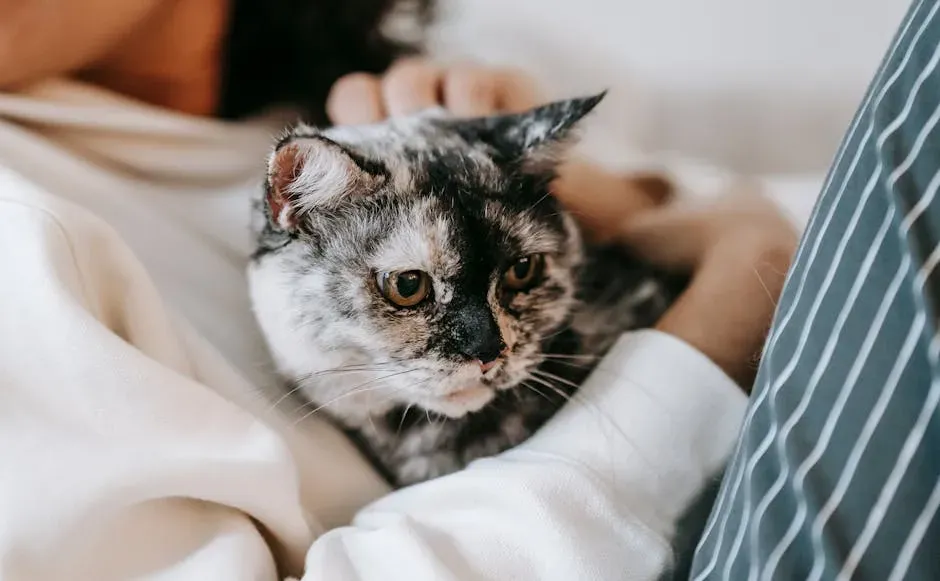
Upon the caregiver’s return from a brief absence, cats with secure attachment to the person are less stressed and they balance their attention between the person and their surroundings, continuing to explore the room. On the other hand, cats with insecure attachment show signs of stress, either staying away from the person or clinging to them. This behavioral distinction closely mirrors what researchers have observed in securely attached human infants.
Researchers also tested cats one year later to see how stable the social bonds between cat and owner were over time. The distribution of attachment style stayed largely the same, with roughly two thirds showing secure attachment. The cat who explores confidently when you’re in the room, glances back at you occasionally, and settles when you return isn’t just behaving calmly. They’re using you as an emotional anchor. That anchor is something they chose to drop, and they kept it there.
A Final Thought
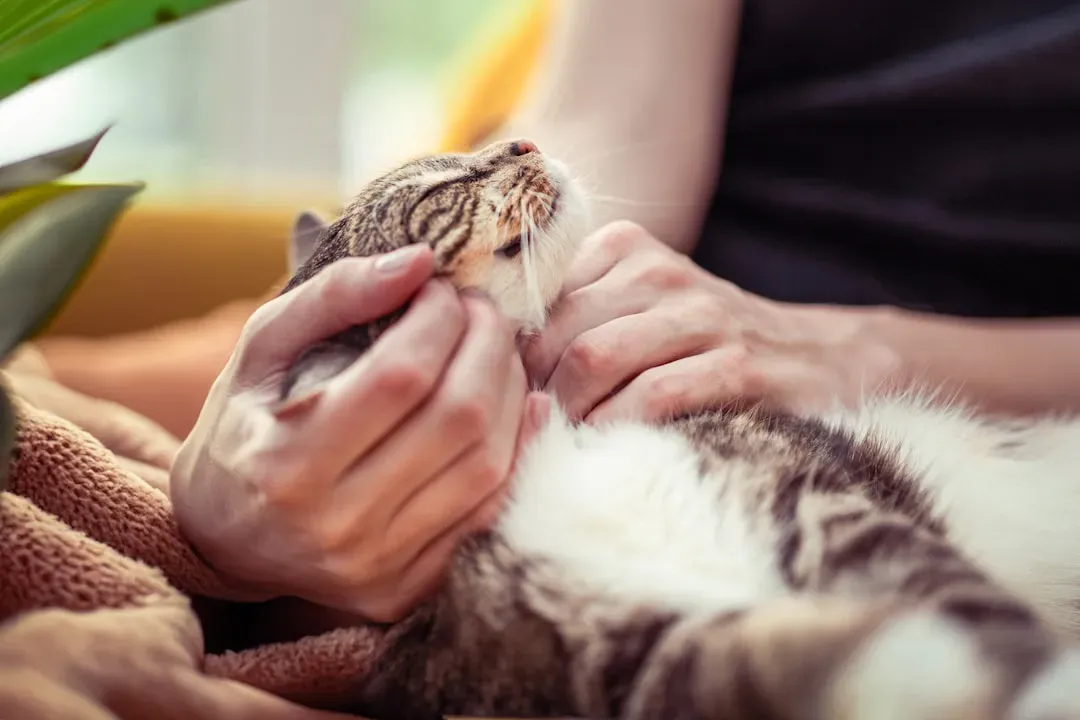
The evidence really does challenge the tired narrative of the unfeeling, mercenary cat. Science is slowly approaching proof of what many cat lovers already know: cats form close bonds with their owners or other chosen special people. By watching cat behavior, you can learn a lot about feline relationships with the humans in their lives.
What makes feline affection worth something is precisely that it isn’t automatic. Cats don’t bond out of dependency or perform attachment for social approval. When a cat tucks itself beside you at night, slow blinks across the room, or drops a slightly alarming gift at your feet, it’s because something about you, your smell, your voice, your particular way of being present, passed some internal test you never even knew you were taking.
The relationship isn’t one-sided, and it isn’t accidental. Your cat assessed its options and arrived at you. Given how selective cats tend to be, that’s a meaningful conclusion, even if they’ll never say so out loud.


