

Few experiences break a dog owner’s heart more than realizing their beloved companion may be nearing the end of life. Dogs become family, emotional anchors, and loyal companions through some of life’s hardest moments. But many owners later look back and realize their dog had been quietly trying to communicate something long before they passed away. The signs are often subtle at first—small behavioral changes, emotional shifts, or strange habits that suddenly appear out of nowhere.
Dogs cannot explain pain or fear through words, so they rely on behavior to express what is happening inside them physically and emotionally. Some dogs become clingier. Others suddenly withdraw. Certain behaviors may seem confusing at the time, but veterinarians and animal behaviorists say many dogs instinctively react differently as their bodies weaken. Here are some of the most emotional and common ways dogs may try to warn you before they pass away.
#1 They Suddenly Become Extremely Clingy
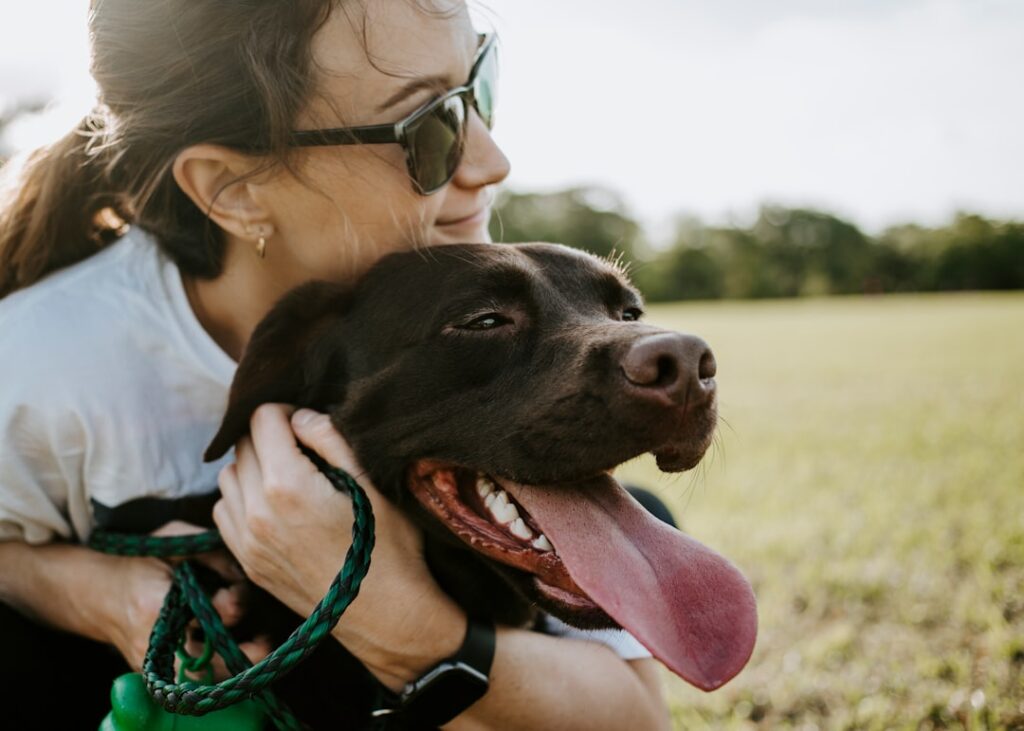
Some dogs begin following their owners everywhere during their final weeks or days. A dog that once enjoyed independence may suddenly refuse to leave your side, even for a few minutes. They may sleep pressed tightly against you, stare at you constantly, or become anxious whenever you leave the room.
Veterinarians believe many dogs seek emotional reassurance when they feel vulnerable or unwell. Dogs are deeply bonded social animals, and when their body begins struggling, their instinct often pushes them toward the people they trust most. Many owners later describe this sudden clinginess as their dog’s quiet way of saying goodbye.
#2 They Start Hiding or Seeking Isolation
While some dogs become more attached, others do the opposite. A once-social dog may suddenly retreat under beds, hide in closets, or seek dark enclosed spaces away from the household. This behavior can be emotionally devastating because it feels as though the dog is pulling away from the family.
Animal experts believe this instinct may stem from survival behaviors inherited from wild ancestors. Weak or dying animals in the wild often isolate themselves to avoid vulnerability. Even deeply loved domestic dogs may still carry fragments of this instinct, especially when they are in pain or feeling physically overwhelmed.
#3 They Look at You Differently

Many grieving owners describe a strange emotional shift in their dog’s eyes before death. Dogs nearing the end sometimes stare longer, watch more carefully, or seem unusually emotionally focused on their owners. It can feel almost human in intensity.
While science cannot fully explain this phenomenon, emotional bonding likely plays a major role. Dogs are incredibly sensitive to routine, emotion, and connection. Some owners later say it felt as though their dog knew time was running out and was trying to absorb every remaining moment together.
#4 Their Sleeping Habits Change Dramatically
A dog approaching the end of life often experiences major changes in sleep behavior. Some sleep almost constantly, appearing exhausted even after minimal activity. Others become restless at night, pacing or struggling to settle comfortably.
These shifts may result from pain, cognitive decline, breathing difficulties, or reduced energy caused by aging and illness. Owners sometimes mistake this for simple aging at first, but sudden or extreme sleep pattern changes can signal that the body is struggling more seriously than it appears externally.
#5 They Lose Interest in Things They Once Loved

One of the most heartbreaking warning signs is when a dog stops caring about activities they once adored. A food-obsessed dog may suddenly ignore treats. A playful dog may stop greeting family members excitedly. Walks, toys, and favorite routines may no longer spark enthusiasm.
Veterinarians often see this emotional withdrawal in dogs experiencing pain, fatigue, organ decline, or neurological changes. Many owners describe this stage as the moment they truly realized something was wrong because their dog’s personality itself seemed to dim.
#6 They Become Unusually Protective or Emotional
Some dogs become intensely emotionally focused on specific family members before passing away. They may insist on sitting beside one person constantly or become visibly distressed when separated from them.
Experts believe dogs may seek emotional closeness and security when they feel physically vulnerable. In some cases, owners report their dog behaving almost protectively toward children or emotionally fragile family members before death, creating memories that remain deeply emotional years later.
#7 Their Breathing and Body Language Quietly Change

Subtle physical changes often appear before owners realize how serious things have become. Dogs nearing death may breathe more heavily, pant unexpectedly, or struggle to get comfortable while lying down. Their posture may appear weaker or more tense than normal.
Body language can also become emotionally revealing. Some dogs appear withdrawn or mentally distant, while others become unusually calm and gentle. Because dogs instinctively hide weakness, these quiet changes are often more important than dramatic symptoms.
#8 They Seem to Sense Their Time Is Near
One of the most mysterious aspects of canine behavior is how some dogs appear emotionally aware that the end is approaching. Owners frequently describe dogs seeking out favorite people one last time, revisiting meaningful places in the home, or behaving unusually affectionate during their final day.
While science cannot confirm whether dogs understand death itself, many experts believe they recognize profound physical decline within themselves. Combined with their emotional intelligence and bond with humans, this can create behaviors that feel eerily intentional and deeply moving.
Losing a dog is one of the most painful experiences many people ever endure because dogs love with an honesty humans rarely experience elsewhere. Looking back at these signs afterward can feel heartbreaking, especially when owners realize their companion may have been trying to communicate fear, exhaustion, or emotional closeness in the only ways they could.
Personally, one of the saddest truths about dogs is that they often spend their final days comforting us emotionally while their own bodies are failing. Even near the end, many dogs still try to protect, love, and stay close to their humans. And perhaps that is why their loss leaves such a permanent mark on the heart.


