
Beyond the Tail Wag: 8 Ways Your Dog Expresses Pure Joy and Happiness
You’ve probably caught yourself staring at your dog, wondering what exactly is going on inside that fuzzy little head. Sure, the tail wag is iconic. It’s practically the universal symbol of a happy dog. The thing is, your dog has so much more to say – and most of it has nothing to do with their tail.
Dogs are constantly broadcasting their feelings, and honestly, it’s one of the most beautiful parts of sharing your life with one. Once you learn to tune in to their full emotional vocabulary, every ordinary moment – the morning greeting, the post-walk flop, the quiet couch cuddle – suddenly becomes a rich, two-way conversation. Ready to see your dog in a brand new light? Let’s dive in.
The Full-Body Wiggle: When Joy Takes Over Completely
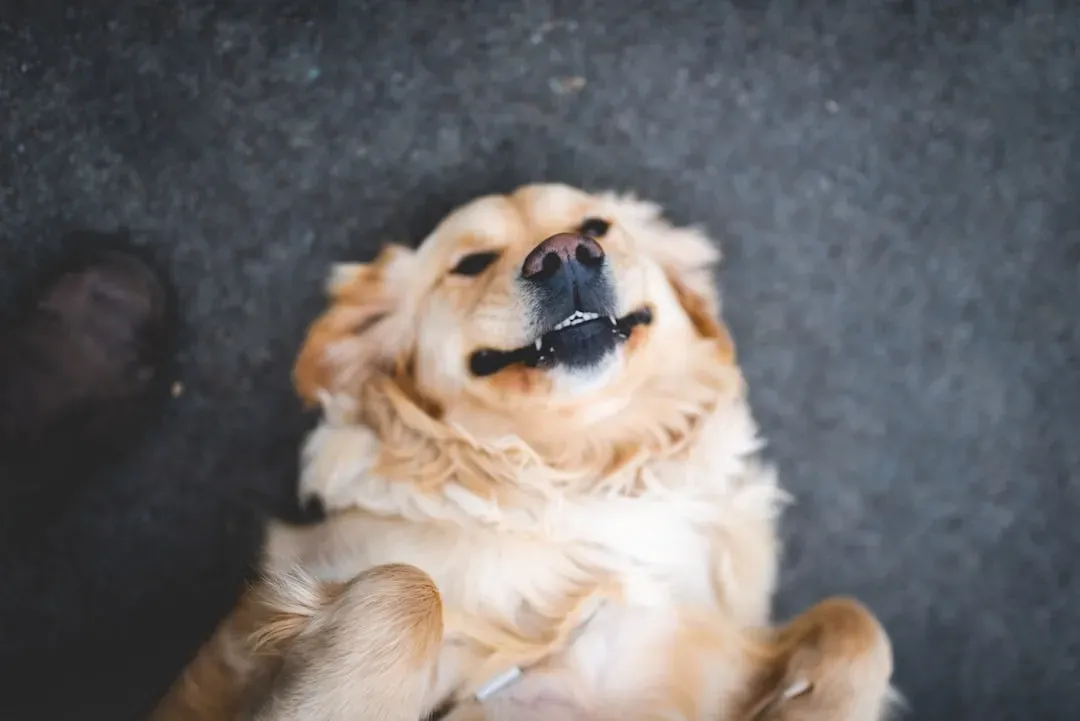
You know that moment when your dog sees you after a long day and practically turns into a living, wriggling noodle? That’s not just excitement – that’s pure, unfiltered happiness. When a dog is happy, their whole body and tail look relaxed, and they quite often wiggle. A happy dog’s whole body can wag right along with their tail.
A happy dog has body language that is relaxed and loose, which might result in a full-body wiggle where they seem to be wagging their whole body. They may hop and squiggle back and forth, also known as the “Happy Dance.” Think of it like a kid who simply cannot stand still on Christmas morning. That uncontrollable shimmy is one of the most honest displays of joy you’ll ever witness.
The Play Bow: Your Dog’s Official Invitation to Have Fun
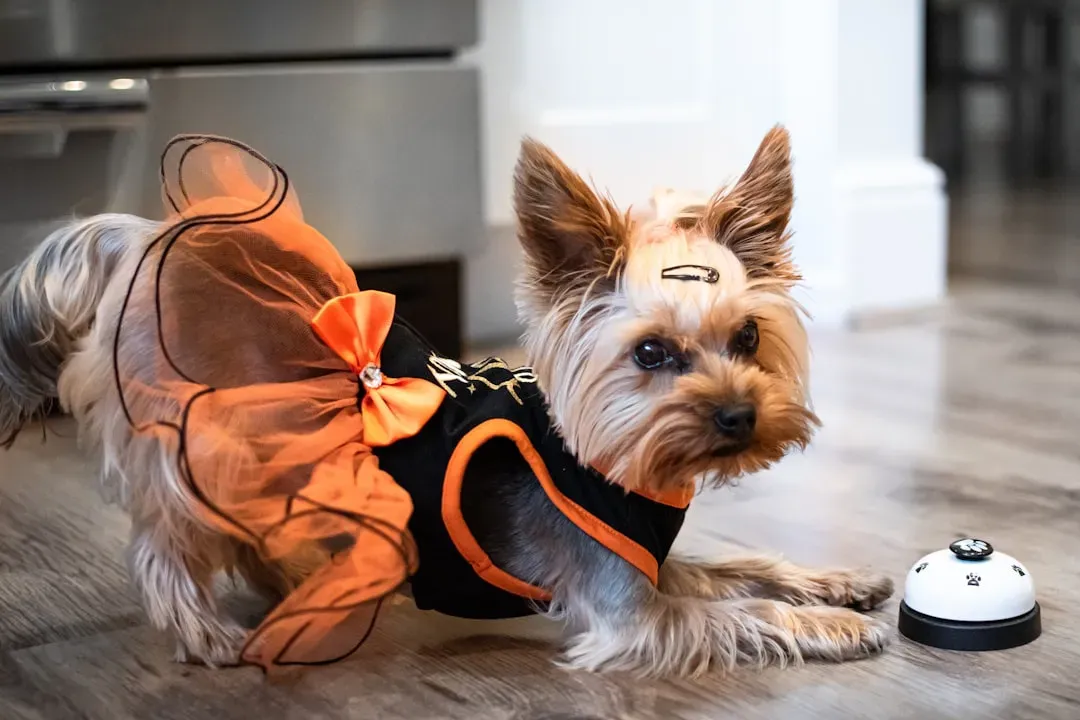
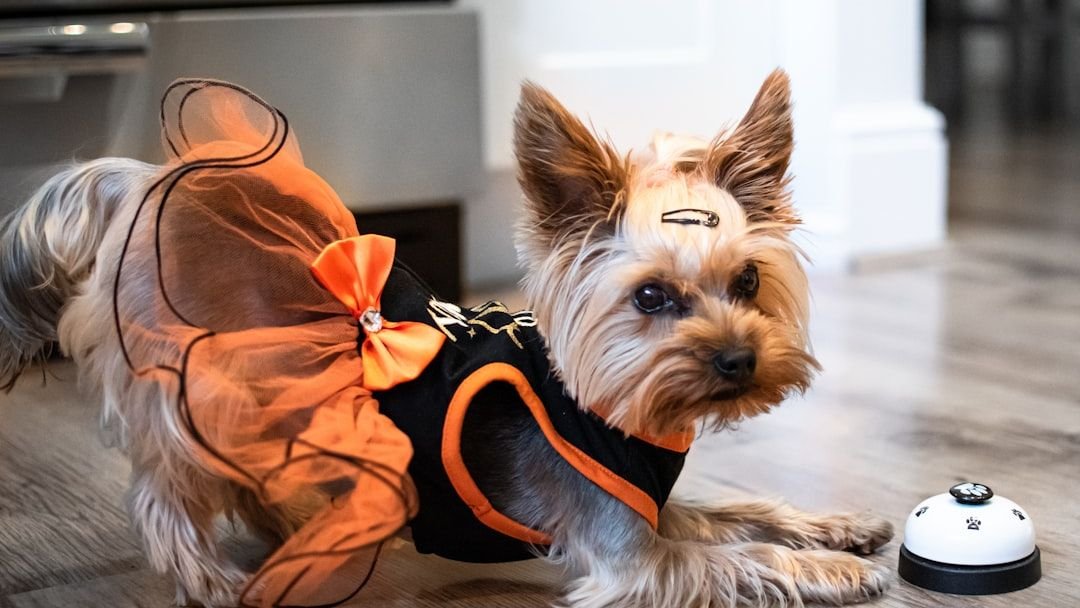
An easy-to-read aspect of dog body language is the play bow. This is when dogs place their chest on the ground with their rump in the air. It’s used to initiate play with other dogs and even with people. Honestly, I think it’s one of the most charming things dogs do – it’s basically them saying, “I like you. Let’s be ridiculous together.”
When a dog dips their front legs and chest down with their rear end up in a “bow” movement, it can look pretty silly. This behavior typically acts as an invitation to play, especially when paired with a relaxed or bouncy posture, a soft and happy face, and a wagging tail. If your dog offers you a play bow, drop whatever you’re doing and engage. It means they feel safe, happy, and completely comfortable with you.
The “Zoomies”: That Glorious, Chaotic Burst of Pure Bliss
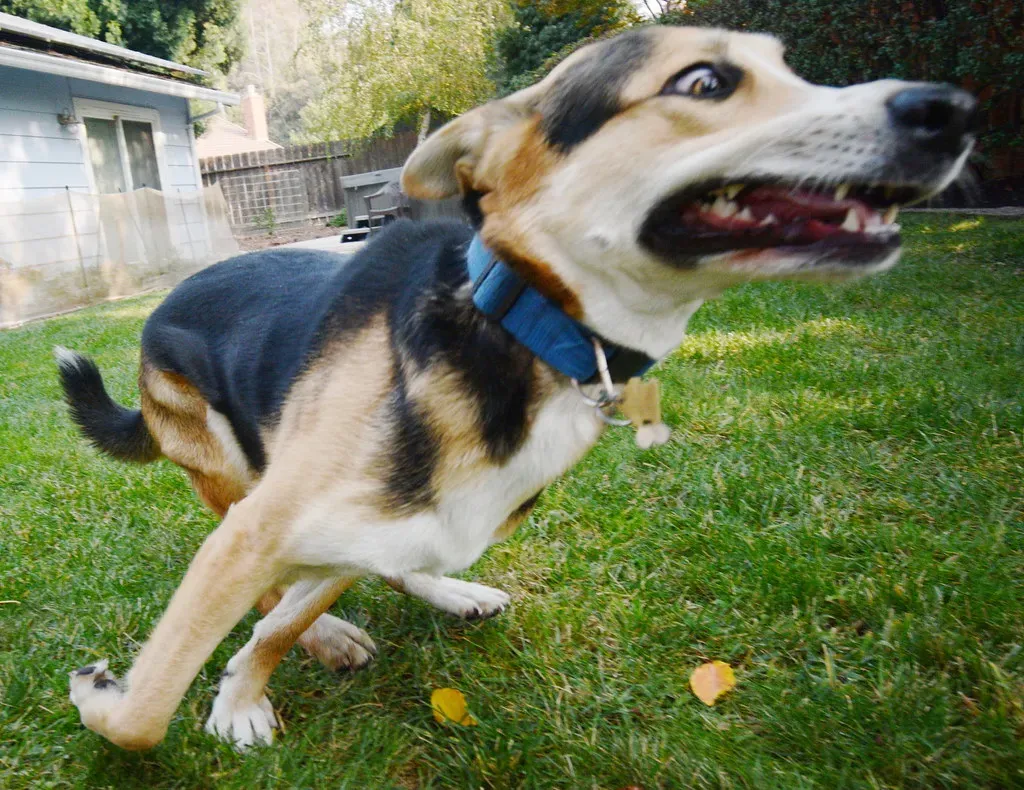
If you’ve never laughed out loud watching your dog sprint wild laps around the living room for absolutely no reason, you’re missing one of life’s great joys. One sign of joy often missed or misunderstood by dog owners is the phenomenon known as the “zoomies,” where a dog runs around in fast, random patterns, often in circles. This burst of energy is a clear expression of joy and excitement, usually occurring when a dog is extremely happy or relieved. It’s a physical manifestation of their internal happiness, and while it may seem erratic, it’s a healthy display of joy.
Zoomies, or sudden bursts of energy and running around, are a playful way your dog can show off their happiness. So the next time your dog loses their mind after a bath or after coming inside from a walk, just laugh. They’re not misbehaving. They’re celebrating.
Soft, Relaxed Eyes: The Window Into a Contented Soul
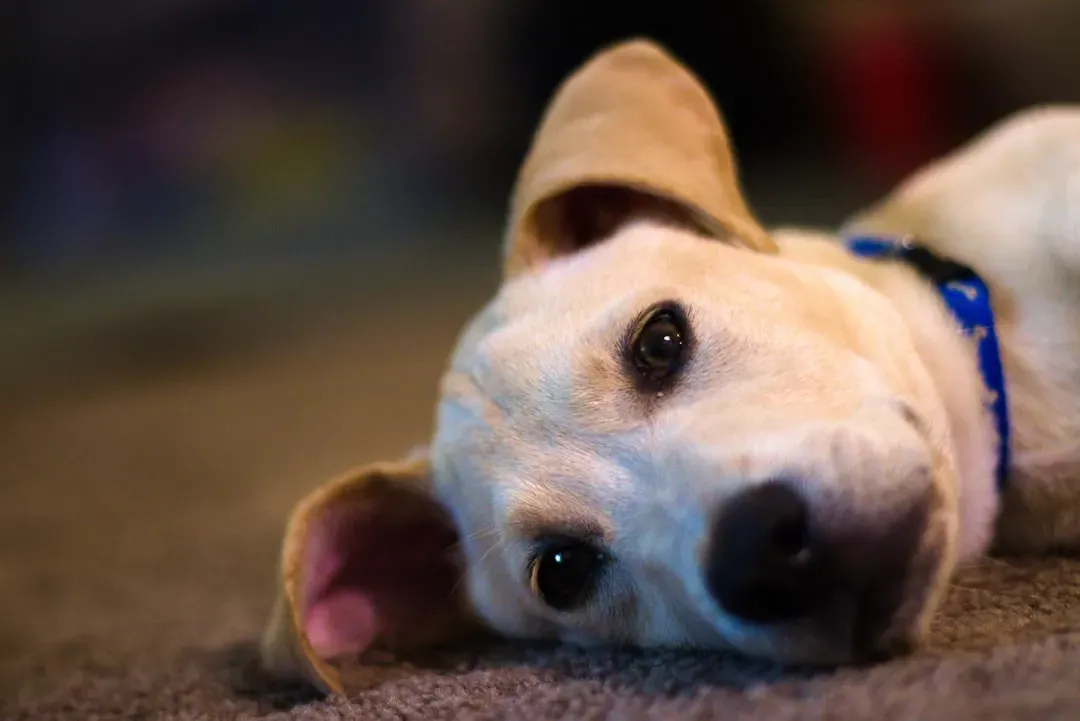
Here’s something many dog owners overlook entirely – the eyes. When a dog is happy, their eyes and eyelids will be open and relaxed, their gaze will be soft, and they will blink often. Narrowed eyes and a hard gaze can indicate aggression, while wide eyes, particularly if the whites are showing, could mean your dog is frightened.
When your dog feels relaxed, you might notice that their eyes look “soft” or droopy. A relaxed dog’s face and body will be completely tension-free. It’s a subtle sign, but once you spot it, you’ll recognize it instantly. Think of it as your dog’s version of a peaceful smile – soft, slow, and entirely genuine. That gentle, half-lidded gaze directed at you? That’s love.
The Lean-In: A Love Language All Their Own
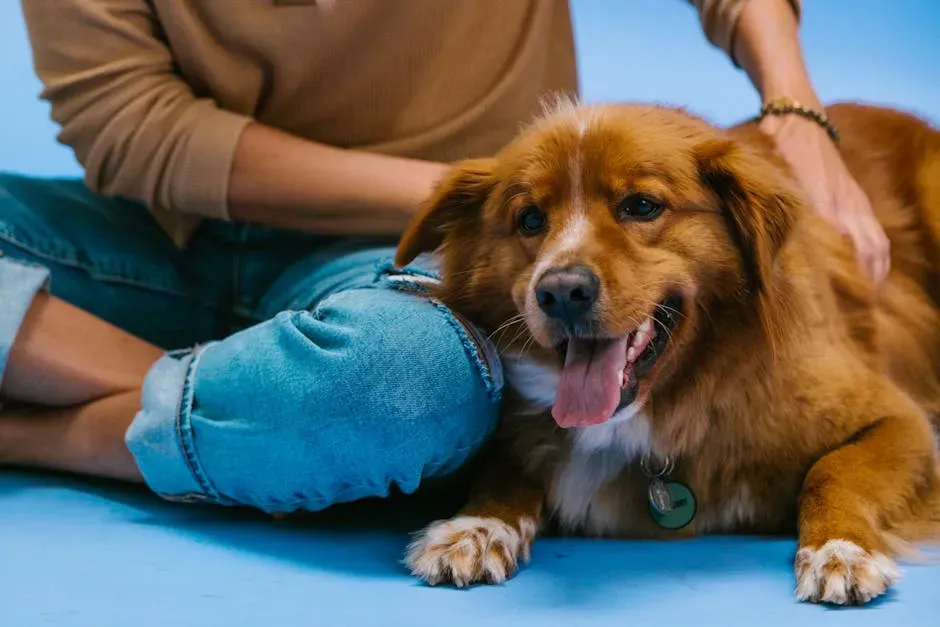
Dogs don’t need words to say “I trust you completely.” Sometimes, they just lean. Dogs lean in because they love you, plain and simple. This thoughtful, yet goofy gesture is one of the most heart-melting signs your dog is happy and totally content in your presence.
When your dog seeks out snuggles, leans into your hand while you pet them, or follows you from room to room, it’s not just about attention – it’s about trust. Dogs that feel safe and loved often display gentle behaviors: leaning in during belly rubs, resting their head on your lap, or simply zoning out nearby while you read or watch TV. It’s quiet. It’s calm. It’s everything.
The Happy Smile: Yes, Your Dog Really Is Grinning at You
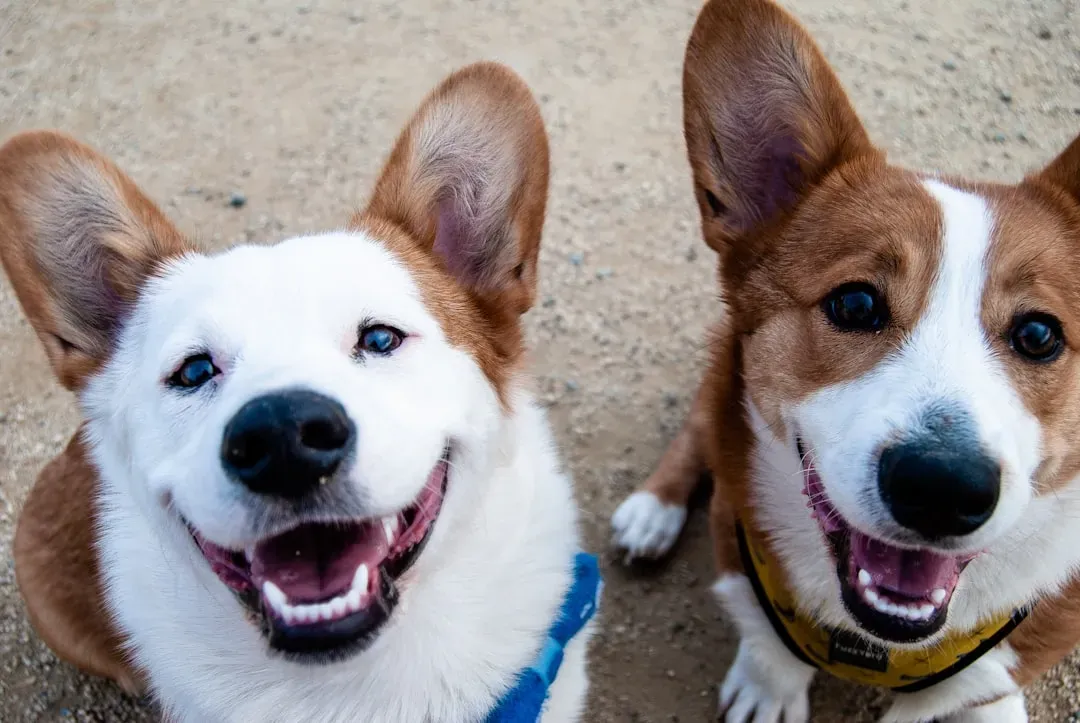
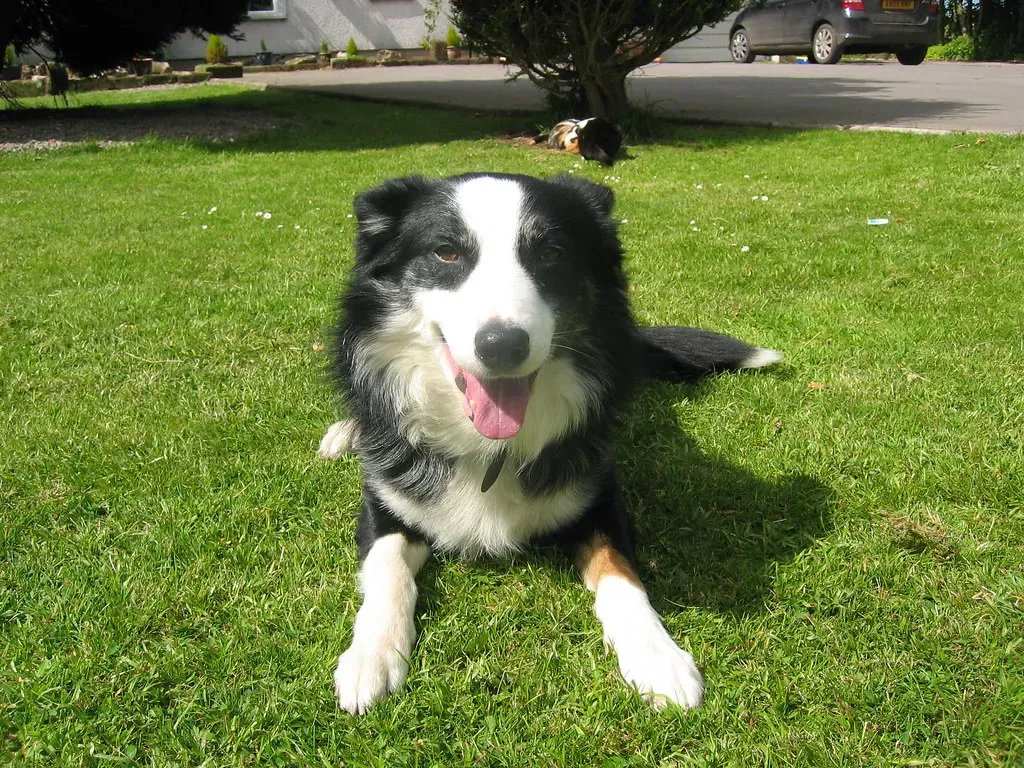
Let’s be real – there are few things more disarming than a dog who looks like they’re genuinely smiling at you. And it turns out, they actually are. When a dog is happy, its mouth will be slightly ajar with relaxed lips and the tongue falling naturally into place, not tense. When this happy dog facial expression is paired with loose posture and calm body language, it’s a strong indicator your dog is feeling comfortable and joyful.
Happy dogs often appear to smile. The mouth is soft and open, the corners of the mouth are turned up, and while some teeth may be visible, it’s not in an aggressive manner. A lolling tongue can also mean your dog is relaxed. Be sure not to confuse open-mouth panting with smiling, as this could mean your pet is stressed or overheated. Context matters here, so always read the whole picture – not just the mouth.
Bringing You a Toy: The Gift of Pure Excitement
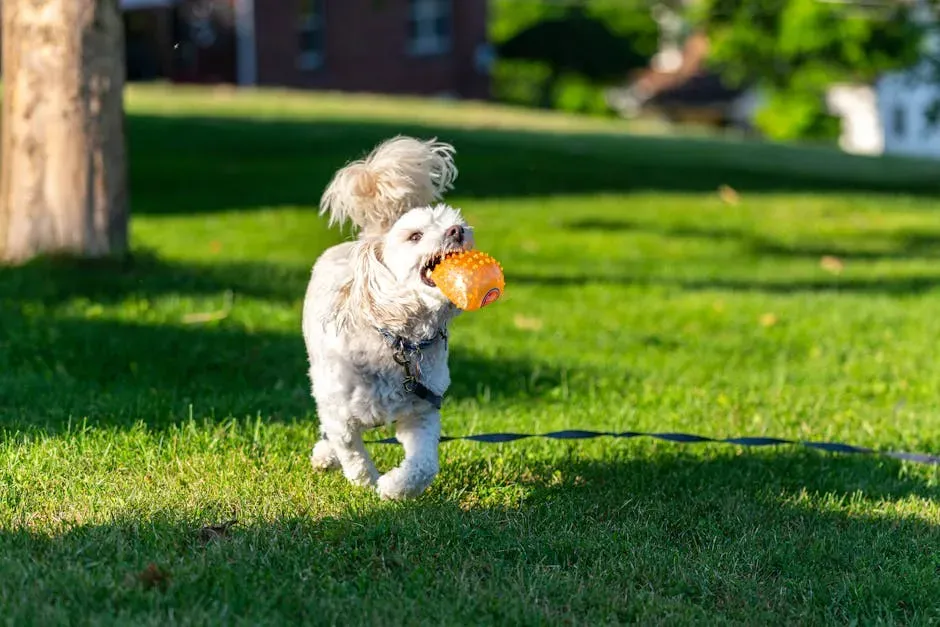
Picture this: you walk through the door after work and your dog sprints to grab their favorite squeaky toy before greeting you. It’s adorable, yes. It’s also deeply meaningful. Happy dogs may also present their favorite toy to you to gain your attention and encourage playtime. It’s their way of saying, “I’m so happy you’re here, and I want to celebrate this moment with you.”
Happy dogs are often eager and enthusiastic about everyday activities, whether it’s going for a walk, playing, or simply spending time with you. When your dog brings you something – anything – they’re not just being goofy. They’re sharing their joy with the most important person in their world. That would be you, by the way.
Relaxed, Healthy Appetite and Contented Sleep: Happiness From the Inside Out
It’s hard to say for sure just from outward behavior alone whether your dog is truly thriving – which is why it’s worth paying attention to these quieter, everyday signs. A content dog will have a good appetite, eagerly anticipating mealtime and enjoying their food. Consistent eating habits and enthusiasm during feeding times are positive signs. However, sudden changes in appetite can indicate stress or health issues, so it’s important to monitor and consult a veterinarian if needed.
Healthy, happy adult dogs usually sleep for up to 16 hours a day. If your dog isn’t sleeping that much, it could be a sign of stress or illness. A dog who eats well, rests deeply, and wakes up ready to play is a dog whose inner world is peaceful. If your normally active and happy dog starts to isolate and show lethargy or decreased appetite, this is a sign that something has changed with their overall health, and seeking the care of a veterinarian is a suggested course to take.
The Bigger Picture: Learning to Listen With Your Eyes
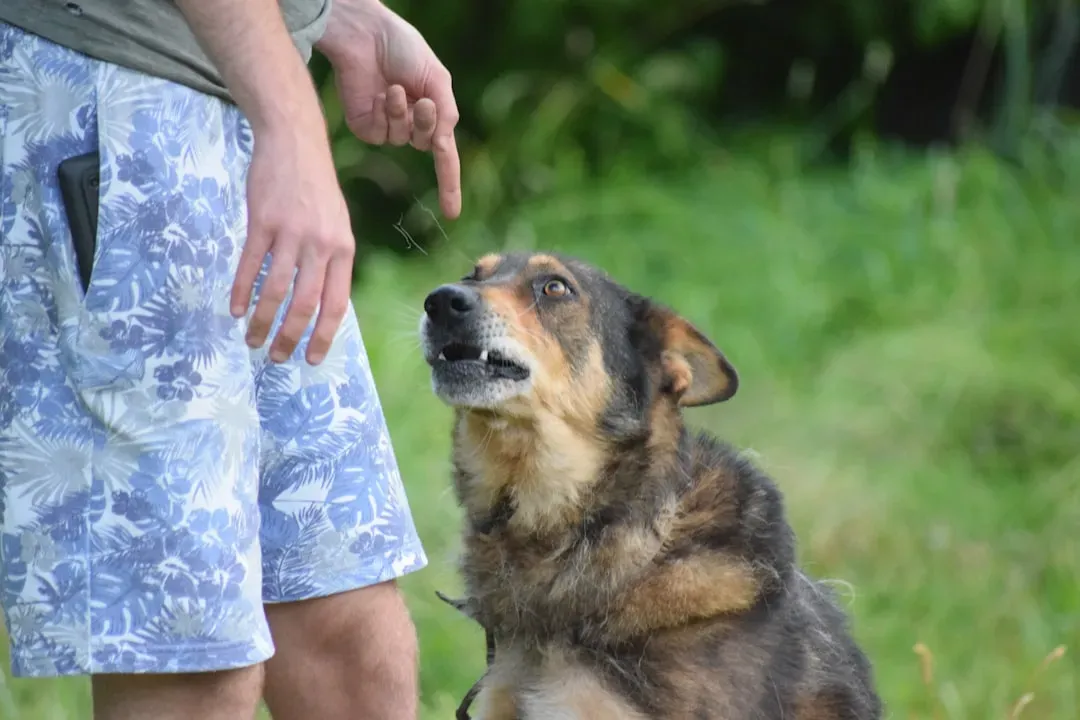
Dogs are extraordinary communicators. They speak in wiggles, wide eyes, borrowed toys, and warm leaning weight. The more fluent you become in their language, the richer your relationship grows.
Learning to read your dog’s body language is one of the most powerful tools you can have as a dog guardian. It helps you understand their needs, prevent problems, and build a trusting relationship. Dogs are constantly communicating – we just need to learn how to listen.
Your dog is “talking” to you all the time. If you learn what your dog is saying, you will develop a deeper bond of trust and respect. Your newfound understanding of your dog’s emotional state can also help you predict their behavior and prevent problems before they arise.
The tail wag was just the beginning. Your dog has been pouring their heart out to you this whole time – in every play bow, every soft-eyed gaze, every happy wiggle across the kitchen floor. Now that you know what to look for, which one of these joyful signals does your dog show the most? Tell us in the comments – we’d love to hear about it!