
What Should You Do If Your Pet Goes Missing in Arkansas

Every dog owner’s worst nightmare starts the same way. You open the back door, you call their name, and the silence hits you like a wall. Your stomach drops. Your mind races. Whether your pup slipped through a fence gap in Little Rock or bolted during a thunderstorm in Fayetteville, the panic is real and it is immediate.
The good news? Arkansas has a surprisingly strong network of resources, communities, and people ready to help. The better news? There are specific, proven steps you can take right now to bring your dog home faster. Let’s dive in.
Start Close to Home – Your Neighborhood Is Your First Lead
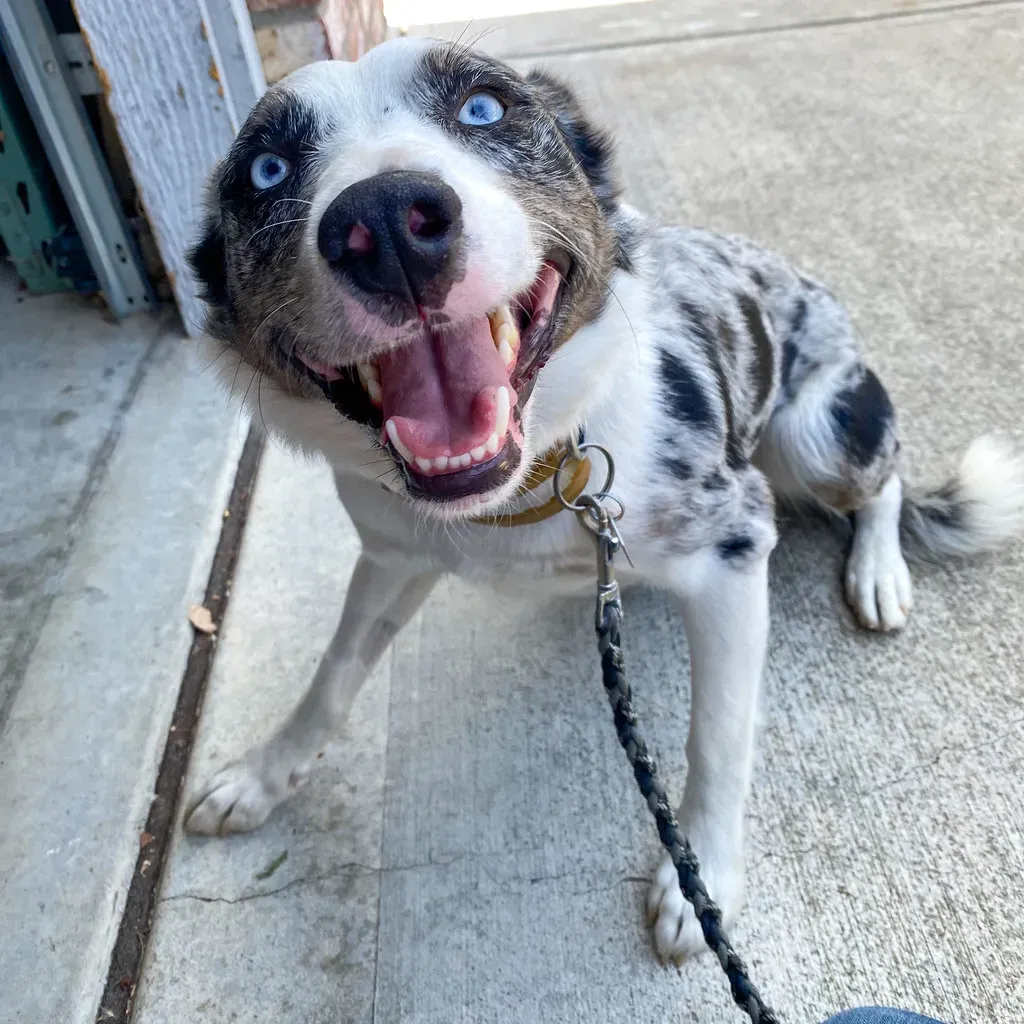
Here is something that will actually calm you down a little: roughly seventy percent of loose dogs are found within one mile of their homes. That means your neighborhood is not just a starting point – it is likely where your answer is. Don’t skip over it in a panic to post online first.
Check your immediate neighborhood first and talk to your neighbors to see if they spotted your pet, and let them know the dog is missing. Ask the mail carrier, the delivery driver, the early morning jogger. These folks see your street in ways you never do. Tell your mailman and others who drive through your area regularly.
Think about your dog’s instincts here too. A frightened dog often hides rather than runs far. They may be under a porch three houses down, frozen with fear. Start with a thorough search of your home and property, as it is not uncommon for pets to be found hidden inside their own homes. Seriously – check behind the washing machine and under every bed before anything else.
Use the Power of Arkansas-Specific Online Resources

Once you have canvassed the block, it is time to go digital – and go hard. The Arkansas Lost and Found Pet Network helps reunite lost pets with their owners, and you can report a lost, found, loose, or deceased pet and browse listings to help bring pets home safely. It is one of the most active and well-organized platforms in the state, and honestly, it should be your first online stop.
Post your dog on PetFBI, Pawboost, Concerned Citizens of Cabot Lost and Found Pet page on Facebook, and on the Arkansas Lost and Found Pets Network website. Don’t treat these as backup options – use all of them simultaneously. Think of it like casting a wide fishing net. The more platforms, the bigger the net.
Make a Facebook post with pictures of your pet, the location they were lost from, whether the pet is microchipped, and if they have a collar and tags. Be sure to include if the animal is skittish, or any other attribute that can help finders get the animal back to you. Detail matters here. A shy dog who hides from strangers needs a different recovery approach than a friendly lab who trots up to everyone.
Contact Local Shelters and Animal Control – Don’t Wait
A lot of owners assume their dog will “turn up” and delay calling shelters. Please don’t do this. Lost pets can be found weeks to months after they go missing, so it’s important to not give up on your search and continue using available tools. Filing a report early means you are in the system when your dog is brought in.
Call your area animal shelters and humane societies, including shelters in neighboring counties, and let them know if you have made a Facebook post so they can more easily identify your pet. Share your name, phone number, a description and name of your pet, the location the pet was lost from, and how long your pet has been missing.
One important thing to know about Arkansas specifically: city shelters are generally only able to accept strays found within the boundaries of their municipality, while locally-owned shelters may accept strays from other areas, though these shelters are often overwhelmed. So call shelters in the next town over too – your dog does not respect city limits.
The Microchip – Your Dog’s Best Chance at Coming Home
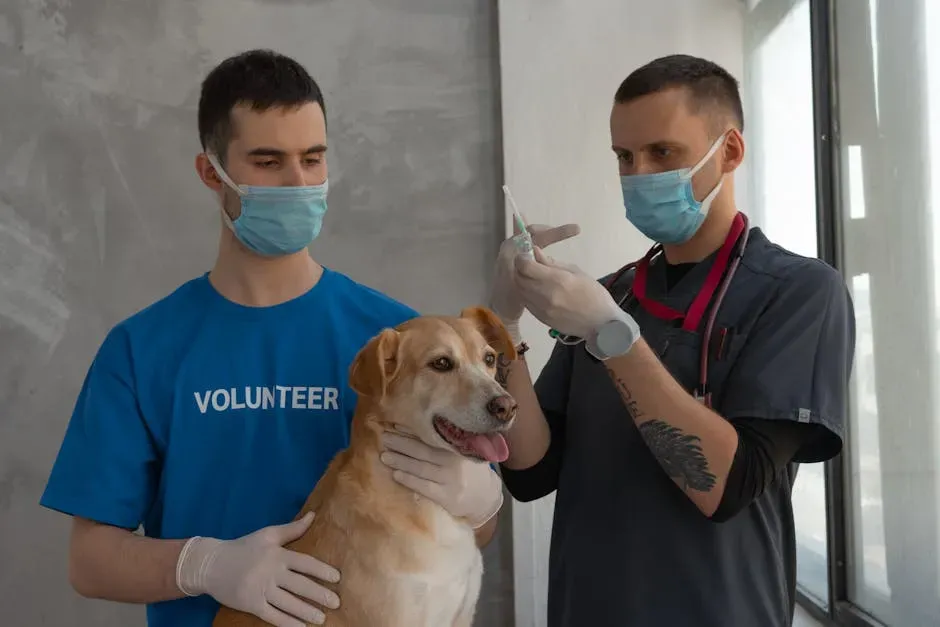
Honestly, if your dog is not microchipped, this whole experience should be the wake-up call to get that done immediately. Microchipping serves as a permanent, tamper-proof form of identification that facilitates quick reunification between lost pets and their owners, significantly easing the load on animal shelters. It is a tiny chip, roughly the size of a grain of rice, injected under the skin – quick, mostly painless, and permanent.
Microchips are tiny computer chips containing identification information that are injected under the skin of pets to provide permanent identification. The presence of a chip is undetectable without the proper equipment, but veterinary offices and animal shelters are equipped with the readers needed to detect and interpret microchips and will do so at no cost.
If your dog is already chipped but you have moved or changed your phone number, update that information right now. If your pet is microchipped, notify the registry and microchip company, as you can still update phone numbers or addresses even if the pet is missing. A chip linked to an old number is almost as useless as no chip at all. Cities like Fayetteville even run a mandatory microchip program through Animal Services, which shows just how seriously Arkansas takes this issue.
Flyers, Scent Trails, and Old-School Tactics That Actually Work
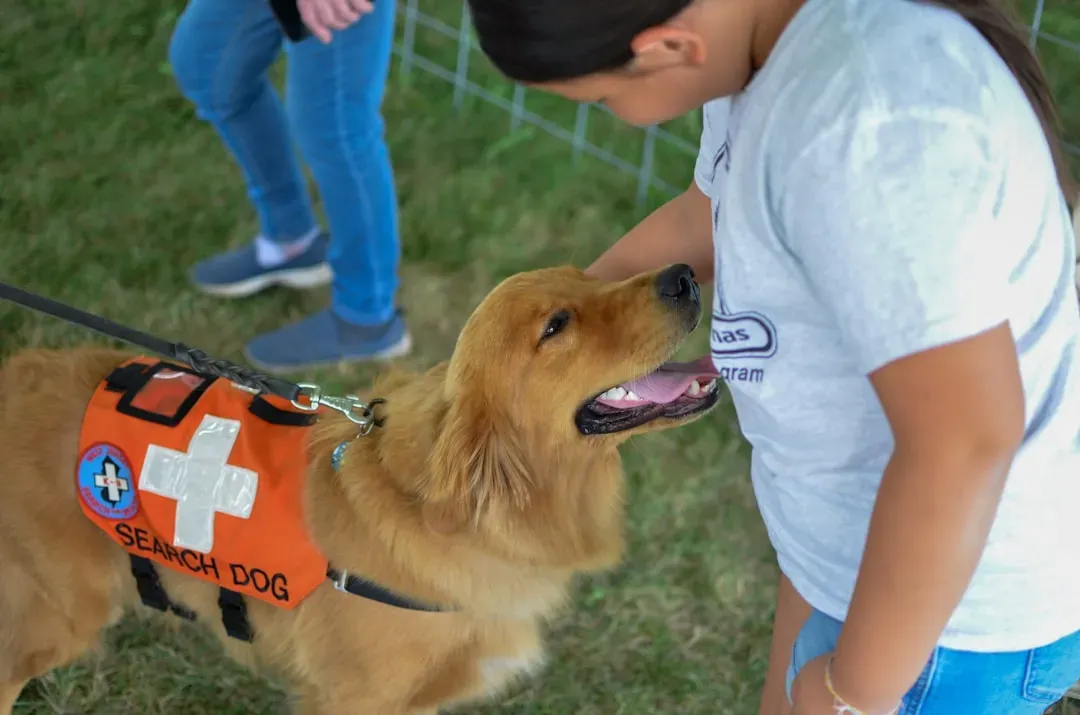
I know it sounds old-fashioned, but physical flyers still work. They reach the neighbor who is not on Facebook, the delivery driver who doesn’t follow community groups, and the kid who spotted a dog at the park. Make flyers to hang up around your neighborhood, at gas stations, the post office, and grocery stores in the area. Use a big photo, large text, and a single phone number. Keep it simple enough to read from a car window.
Here is a clever trick most people overlook: leave out familiar scents like your pet’s bed or your clothing near the area where they were last seen. Dogs navigate largely through smell, and something that smells like home can draw a wandering or frightened dog back like a compass. It sounds almost too simple, but it works.
You can also check for a lost posting and publish a found listing in the newspaper to reach those who may not be on social media. Many newspapers will run a found ad for free for a certain number of days. In rural parts of Arkansas especially, the local paper still reaches people that social media misses entirely.
Prevent It Before It Happens – Preparation Beats Panic Every Time

Let’s be real – the best time to prepare for a lost dog is before you ever lose one. Start with a current, clear photo of your dog that shows their markings, size, and any unique features. Include a detailed description of the animal, mentioning its breed, size, color, and any distinctive markings so that if you ever need to file a report, you are not scrambling to describe your own pet from memory while crying.
Make sure your dog always wears a collar with an ID tag. It sounds basic, but sometimes the owner information is stitched directly onto the collar, so make sure to look there as well. A collar tag is the fastest possible identification for someone who finds your dog before ever getting to a vet or shelter. Think of it as a first line of defense.
Audit your yard regularly for escape points. A determined dog, especially one who is bored, anxious, or triggered by a storm, will find the one loose board in your fence. In rural areas of Arkansas, there are very few resources to help strays, and many rural dogs that appear stray actually have owners. The more precautions you take at home, the less you’ll ever have to rely on those resources in a stressful emergency.
Conclusion: Don’t Give Up – Your Dog Is Looking for You Too

Losing a dog is one of the most gut-wrenching experiences a pet owner can face. The silence where there used to be tail-wagging and excitement is genuinely heartbreaking. But here is what you need to hold onto: most lost dogs do come home, especially when their owners act quickly, stay organized, and use every tool available.
In Arkansas, you have real resources. The Arkansas Lost and Found Pet Network helps reunite lost pets with their owners, and you can report a lost, found, loose, or deceased pet and browse listings to bring pets home safely. Pair that with shelter calls, microchip registration, physical flyers, and a thorough neighborhood search, and your odds are genuinely strong.
The moment you stop searching is the moment you lose. So keep going. Check again tomorrow. Post one more time. Walk the neighborhood one more evening. Your dog is out there somewhere, probably confused and scared and hoping to smell something familiar. Be that familiar thing they find their way back to. Have you already had a lost pet experience in Arkansas? We’d love to hear your story in the comments.