
The Silent Language of Pain: 9 Subtle Signs Your Dog Might Be Hurting
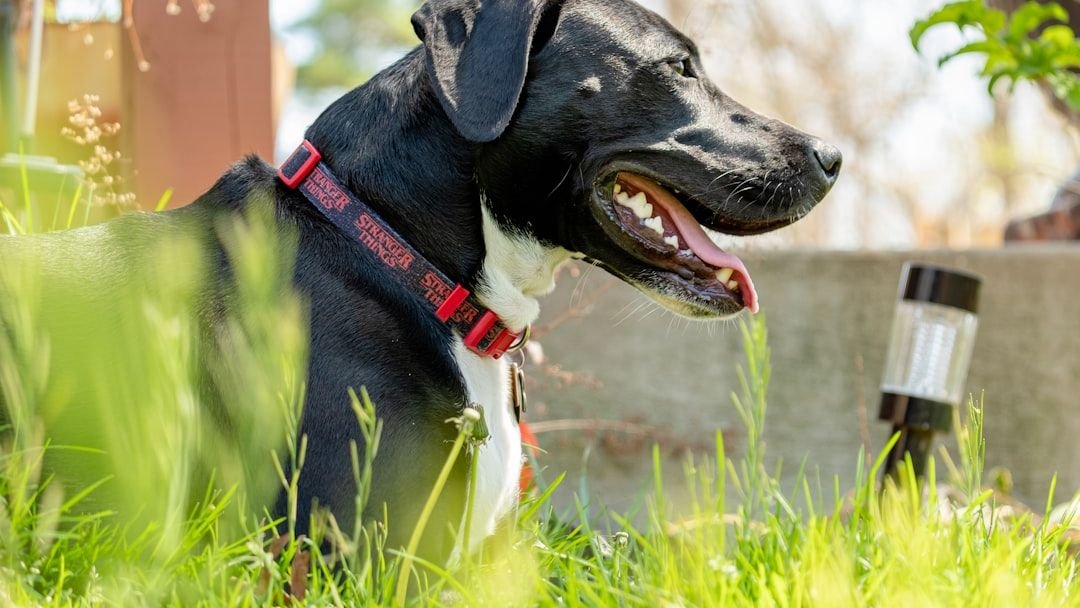
Your dog has a secret. Right now, they might be struggling with something painful, and you’d never know it. Not because you’re a bad pet parent – far from it. It’s because dogs are extraordinary at hiding discomfort, a survival instinct hardwired into them over thousands of years.
Because dogs instinctively try to hide their pain and they can’t tell us when they are hurting, it’s up to us to recognize the subtle signs and get them the help they need. Think about that. Your dog could be wincing internally while still wagging their tail for dinner. The gap between what we see and what they actually feel is enormous – and honestly, it’s a little heartbreaking.
The good news? Once you know what to look for, you’ll start to see the whispers your dog has been sending all along. Let’s dive in.
Their Body Language Has Quietly Shifted
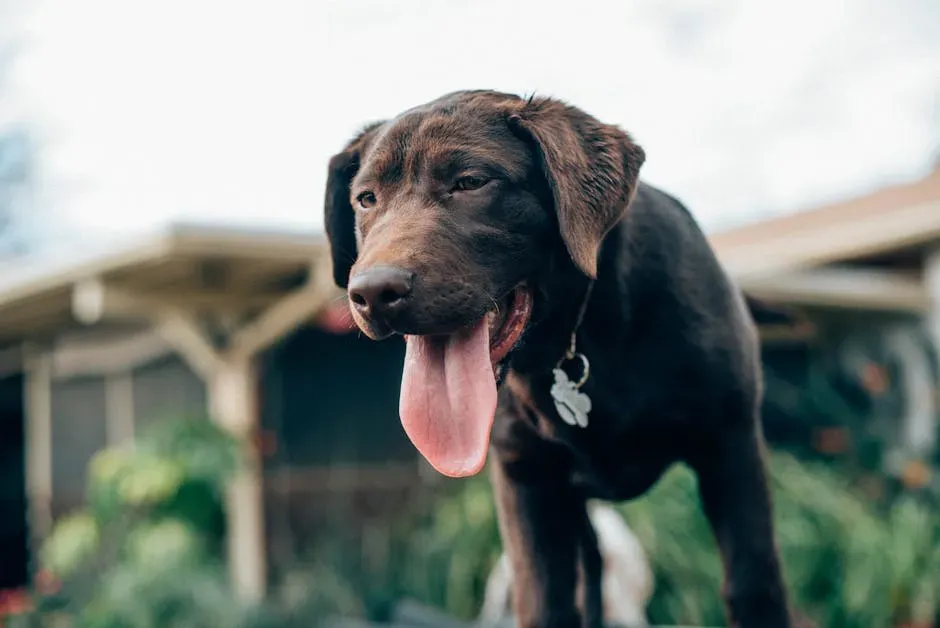
Behavioral changes due to pain often develop gradually, so being attentive to your dog’s daily habits is key, as these subtle behavioral cues will be more readily detected early on by someone most familiar with the dog. That’s you. You’re the expert on your dog.
Your dog may sit or lie down more often, hold an arched back, carry their head low, or position their tail abnormally. When in pain, some dogs assume the “prayer” posture with their front legs on the ground and their bottom in the air – a position dogs often take when suffering from abdominal pain, as it allows them to stretch that area out. If your dog is doing this and it’s not their usual morning stretch, pay close attention.
They’re Suddenly “Too Cool” for Cuddles

Here’s the thing – if your once-velcro dog starts pulling away from hugs and belly rubs, it’s not personal. Dogs in pain may shy away from being petted or touched. They might keep their distance and might even hide to avoid contact or to try and get some rest.
A previously gentle dog who snaps when touched is sending a clear message. Pain often triggers protectiveness over the affected body part – even a slight pet can prompt a defensive response. So before you feel hurt that your pup walked away, consider that they might be the one who’s hurting.
Unexplained Grumpiness and Aggression

We’ve all been snappy when we’ve had a headache. Dogs are no different. Just as with people, pain can make dogs cranky, so watch for changes in your dog’s behavior.
Dogs are more likely to bite or snap when they’re in pain. They may bite when you touch the area that hurts, or growl and snap when you reach for it. Pain expression also varies significantly between breeds. Research shows that Labrador Retrievers, Mastiffs, and American Staffordshire Terriers typically display higher pain tolerance with more subtle signs, while Whippets, Maltese, and Chihuahuas tend to demonstrate pain more expressively. Knowing your breed matters.
Panting When There’s Nothing to Pant About
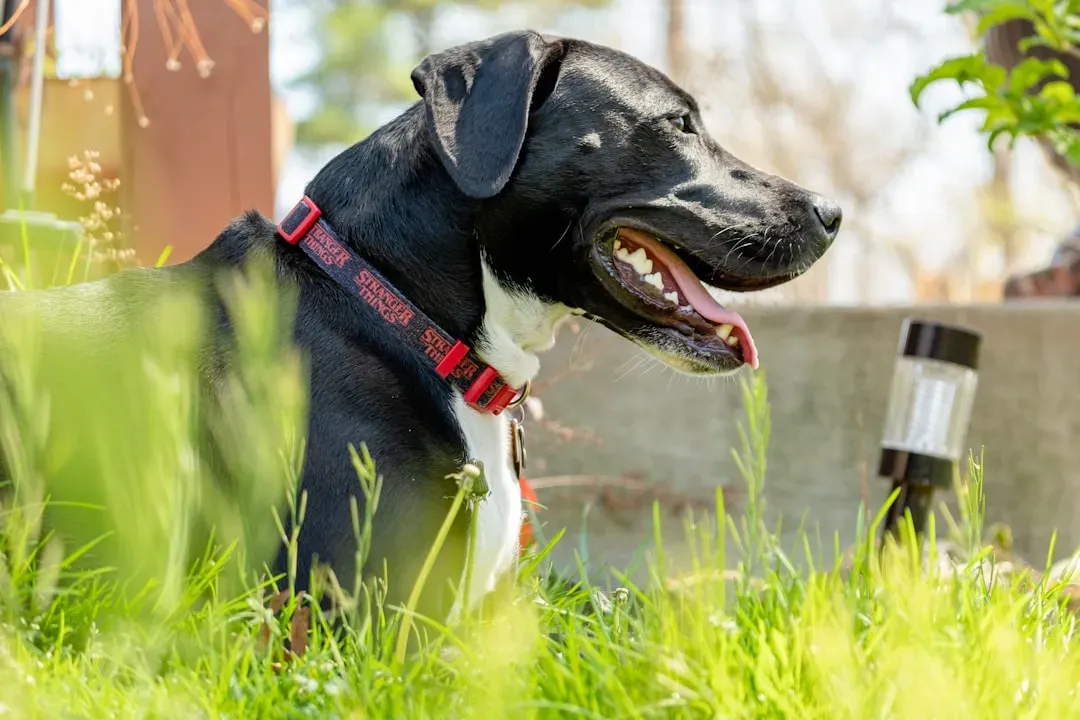
Panting after a run? Normal. Panting after a nap on a cool Tuesday afternoon? Not so much. Panting is normal. However, a dog panting heavily even though they have not been exercising is a warning sign. Shallow breathing may also mean that it could be painful to take a breath.
A dog panting due to pain may show other subtle signs, such as an intense facial expression or fidgeting because they can’t get comfortable. Panting or rapid breathing for no obvious reason could also indicate heart or respiratory problems, poisoning, or life-threatening illnesses like pancreatitis or bloat, and should be taken seriously. Honestly, unexplained panting is one of those signs you should never shrug off.
They’re Licking or Chewing Themselves Obsessively
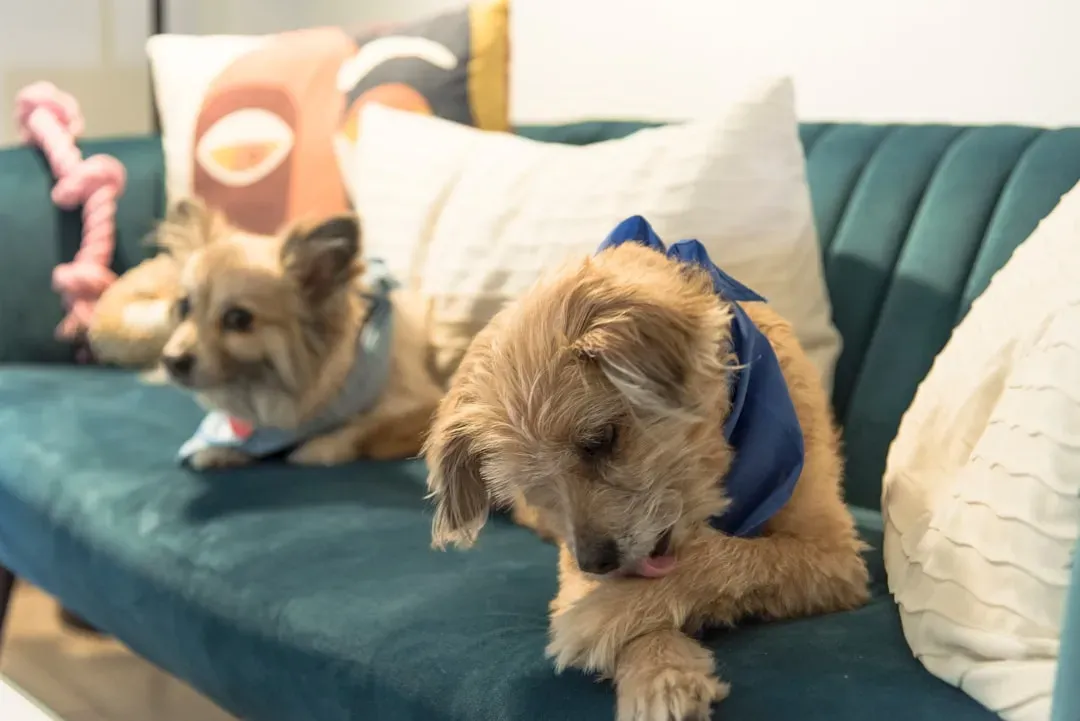
Dogs lick. That’s just a dog thing. But there’s a very specific difference between casual grooming and frantic, focused licking that just won’t stop. Some dogs obsessively lick or chew at the area that hurts, even if there’s no visible injury. This self-soothing behavior can be focused on joints, paws, or the stomach area.
You may have heard the phrase “lick your wounds,” and that’s exactly what dogs do. If you see your dog constantly licking themselves, they may be trying to soothe pain from arthritis, an injury, or another cause. Keep in mind this can also lead to hot spots – red patches that develop from your dog licking the same spot repeatedly. Those hot spots can quickly become a second problem on top of the first.
Restlessness and the Inability to Settle

Restlessness is an indicator of pain in dogs. If your dog is pacing back and forth repeatedly, has difficulty getting comfortable, or is sleeping a lot less, there could be an underlying issue. It’s like watching someone toss and turn all night – except your dog can’t tell you why.
Even physical movements that appear normal can signal something more serious. A subtle posture change such as a “front leg down and rear up” stretch isn’t always an innocent morning routine – it can actually signal abdominal pain or pancreatitis. I know it sounds crazy, but that adorable “good morning stretch” could actually be a cry for help.
Changes in Eating, Drinking, and Appetite
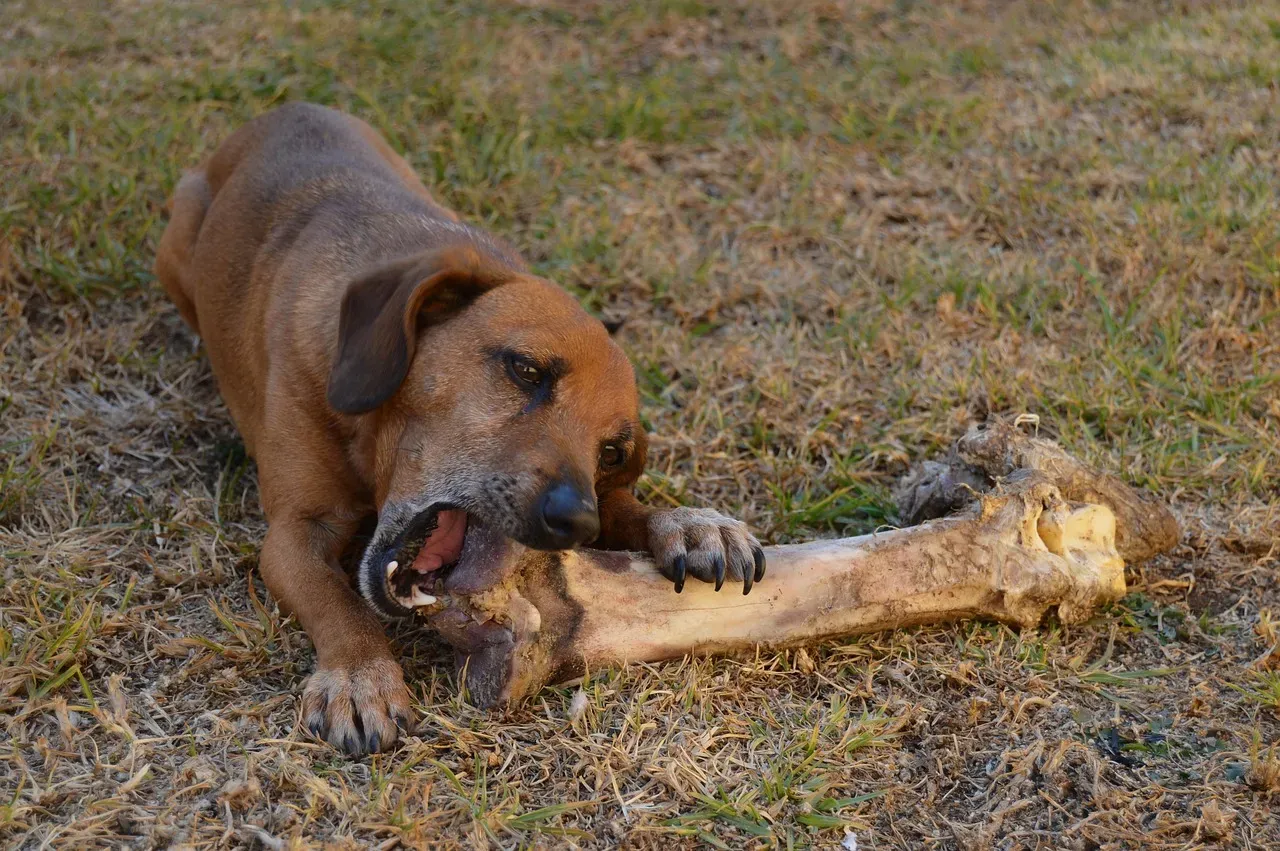
Dogs with dental pain often pick up kibble and then drop it. They want to eat but find chewing uncomfortable. Watch for this – it’s one of the most overlooked signals at mealtime.
Some dogs with neck or back pain will avoid bending down to drink from floor-level bowls. They might drink less water overall or only drink when extremely thirsty. Eating and drinking was also found to be poorer in dogs with chronic pain compared to healthy dogs. A simple raised food bowl can sometimes make an enormous difference to a dog who is quietly suffering every single meal.
Stiffness, Limping, and Mobility Struggles

Even decreased willingness to walk, climb stairs, or play can signal joint or muscle pain. Slowed movements or hesitation to get up are common after orthopedic injury or surgery. It’s not laziness. It’s discomfort.
Aging alone should not be used as an excuse to overlook discomfort. Aging is not a disease, so any decline in a senior dog’s quality of life should be evaluated for treatable chronic pain rather than accepted as an inevitable consequence of time. Some dogs in pain even have lapses in house training because it is uncomfortable to get up to go outside or painful to get into a position to urinate or defecate, causing them to hold it until they have accidents. That “accident” on the floor might not be a behavior issue at all.
Unusual Trembling, Shaking, or Unexplained Vocalization

Don’t assume trembling or shaking is just your dog feeling cold. Both can be a sign of pain – or a symptom of something more serious, such as poisoning, pancreatitis, or kidney disease. Shaking that comes out of nowhere deserves a vet call, full stop.
Vocalizing – whether whining, whimpering, or yelping – is an obvious sign of distress, especially in naturally quiet dogs. Dogs have an instinct to hide or mask pain, which makes it difficult to diagnose. A dog’s human family members are in the best position to identify subtle changes in behavior that may signal pain. You know your dog’s “voice.” Trust yourself when something sounds off.
What to Do When You Suspect Something Is Wrong

First, take a deep breath. You’re already doing the right thing by paying attention. Before a vet appointment, try to document your dog’s behavior by taking photos, videos, or written notes to share with your veterinarian. Anxiety or fear may mask certain pain behaviors in a clinic setting, so these observations from home can provide critical insights.
Never give your dog human pain medications without talking to your veterinarian first. Not all human pain medications are safe for dogs, and some can cause serious harm. Proactive pain recognition can help slow the progression of chronic pain and improve your dog’s quality of life. Working with your veterinarian to address and treat pain ensures your dog remains as comfortable as possible for years to come. Your instinct to notice and act is the most powerful tool in your dog’s corner.
Your dog cannot say “it hurts.” But they are saying it – through a dropped piece of kibble, a belly lick that won’t stop, a slight hesitation at the bottom of the stairs. Every single one of those moments is a whisper. The more you know, the louder those whispers become. You’re not just a dog owner. You’re their voice.
What sign surprised you the most? Tell us in the comments – your experience might just help another dog out there get the care they deserve.